What type of door is best for a bedroom?

Why Choosing the Right Bedroom Door Matters
Choosing the right indoor door for your bedroom is more important than you think. A bedroom door isn’t just about closing off a room—it’s about creating a space that fits your lifestyle, preferences, and needs. The right door can improve privacy, boost your bedroom’s style, and even help with soundproofing.
The Importance of Selecting the Best Indoor Door for Your Bedroom
When it comes to your bedroom, your door plays a crucial role. It’s the barrier between your personal sanctuary and the rest of your home. The right door helps define your space, offering both practical and aesthetic benefits. Whether you’re looking to enhance your bedroom’s decor or create a more peaceful environment, selecting the best indoor door can make a significant difference.
Choosing a bedroom door might seem like a small decision, but it can have a lasting impact on how your space feels. For instance, a solid wood door can give your room a more traditional, elegant look, while a sleek, modern door might give it a contemporary edge. In addition to style, the right door can also improve the functionality of the space. It helps regulate temperature, controls noise, and ensures privacy—especially important if you share your home with others.
Privacy, Style, and Sound Insulation
Three main factors should guide your decision when choosing a bedroom door: privacy, style, and sound insulation. Let’s take a look at how each of these plays a part in your door selection.
Privacy
Privacy is one of the top reasons you need a good bedroom door. A solid, well-built indoor door acts as a barrier, keeping your personal space just that—personal. This is particularly important if your bedroom is located near common areas like the living room or kitchen. With the right door, you can ensure you’re not disturbed and can enjoy some quiet time when needed. If you’re looking for a door that offers maximum privacy, solid core doors are ideal. They block out noise and prevent others from peeking in, keeping your bedroom a truly private retreat.
Style
Your bedroom door is more than just functional; it’s also a key part of your bedroom’s overall style. Whether you prefer a classic wooden door, a modern frosted glass design, or even a sleek sliding door, your choice can set the tone for the entire room. A door that complements your bedroom’s decor adds a sense of harmony and style. If your room has a minimalist vibe, a clean-lined, contemporary door might be the perfect match. Alternatively, a vintage or rustic bedroom could benefit from a more traditional wood door with intricate details.
Sound Insulation
If you’re looking to get a better night’s sleep, sound insulation should be a major consideration. After all, a bedroom is meant to be a restful space where you can escape from the hustle and bustle of daily life. Choosing the right door can help block out unwanted noise, whether it’s from the street outside, other rooms in your house, or the noisy neighbors next door. Solid core doors and doors with soundproofing features are great at reducing noise levels. If you value peace, an insulated door will make a huge difference in your ability to relax and sleep soundly.
Factors to Consider When Choosing a Bedroom Door
Choosing the right indoor door for your bedroom is not a one-size-fits-all decision. Several factors can influence your choice, from privacy and security to the door’s style and durability. By understanding these key elements, you’ll be able to choose a door that fits your needs perfectly.
Privacy and Security
Privacy is one of the main reasons you need a quality bedroom door. Your bedroom is your personal space, and a well-chosen indoor door ensures that it stays private and secure. If you’re looking for maximum privacy, a solid core door is a great option. These doors are thicker and heavier than hollow core doors, offering better soundproofing and blocking unwanted peeks from outside.
Another factor to consider is security. A bedroom door provides an added layer of protection, especially if you live in a house or apartment where multiple people share common areas. A sturdy door with a strong lock can help keep you and your belongings safe. For added peace of mind, consider choosing a door with a reinforced frame or an advanced locking system.
Style and Design
The design of your bedroom door should match the overall style of your room. Whether your bedroom has a modern, rustic, or traditional look, your door plays a key role in bringing the whole room together.
A well-chosen indoor door can complement your décor and enhance the overall aesthetic of your bedroom. For a contemporary look, you might opt for sleek, minimalist doors made from materials like glass or metal. If you prefer a more traditional feel, a solid wood door with classic details will fit perfectly. Don’t forget to consider door handles and hardware as well—they can add a unique touch to your bedroom’s style.
When selecting the style and design of your door, think about how it will blend with other elements of your room, such as furniture, wall colors, and flooring. The right door should enhance the overall vibe of your bedroom while reflecting your personal taste.
Sound Insulation and Noise Reduction
If you value peace in your bedroom, sound insulation should be one of your top priorities when choosing an indoor door. Noise can be a major distraction, especially if you live in a noisy environment or have roommates. A solid door, like a solid core or heavy-duty wood door, is ideal for reducing the amount of sound that enters or leaves your bedroom.
Hollow core doors are cheaper and lighter, but they don’t provide the same level of soundproofing. If noise reduction is important to you, it’s worth investing in a door with soundproofing features. Additionally, you can improve the effectiveness of sound insulation by installing weatherstripping around the edges of the door to reduce noise leaks.
Remember, the type of material you choose for your bedroom door also plays a role in sound insulation. Wood is a natural sound barrier, while metal and glass may require additional soundproofing materials to block noise effectively.
Durability and Maintenance
Durability and ease of maintenance are key factors when choosing a bedroom door. Your door should withstand daily use without showing signs of wear and tear. Solid wood doors are incredibly durable and can last for many years if properly maintained. However, they may require occasional refinishing or painting to keep them looking their best.
On the other hand, materials like MDF (Medium-Density Fiberboard) are often more affordable and easier to maintain, making them a good choice for budget-conscious homeowners. MDF doors are resistant to warping, which is common with natural wood, and they generally require less upkeep. However, they may not offer the same level of durability as solid wood doors in the long term.
For low-maintenance options, consider choosing a door with a laminate finish or one made from composite materials. These materials are easy to clean and less prone to damage, which makes them perfect for high-traffic areas.
Conclusion
In summary, selecting the right bedroom door involves balancing factors like privacy, style, soundproofing, and durability. Whether you choose a solid wood door for privacy or a durable MDF option for ease of maintenance, the right indoor door will elevate your bedroom and enhance your daily comfort.
Best Types of Indoor Doors for Bedrooms
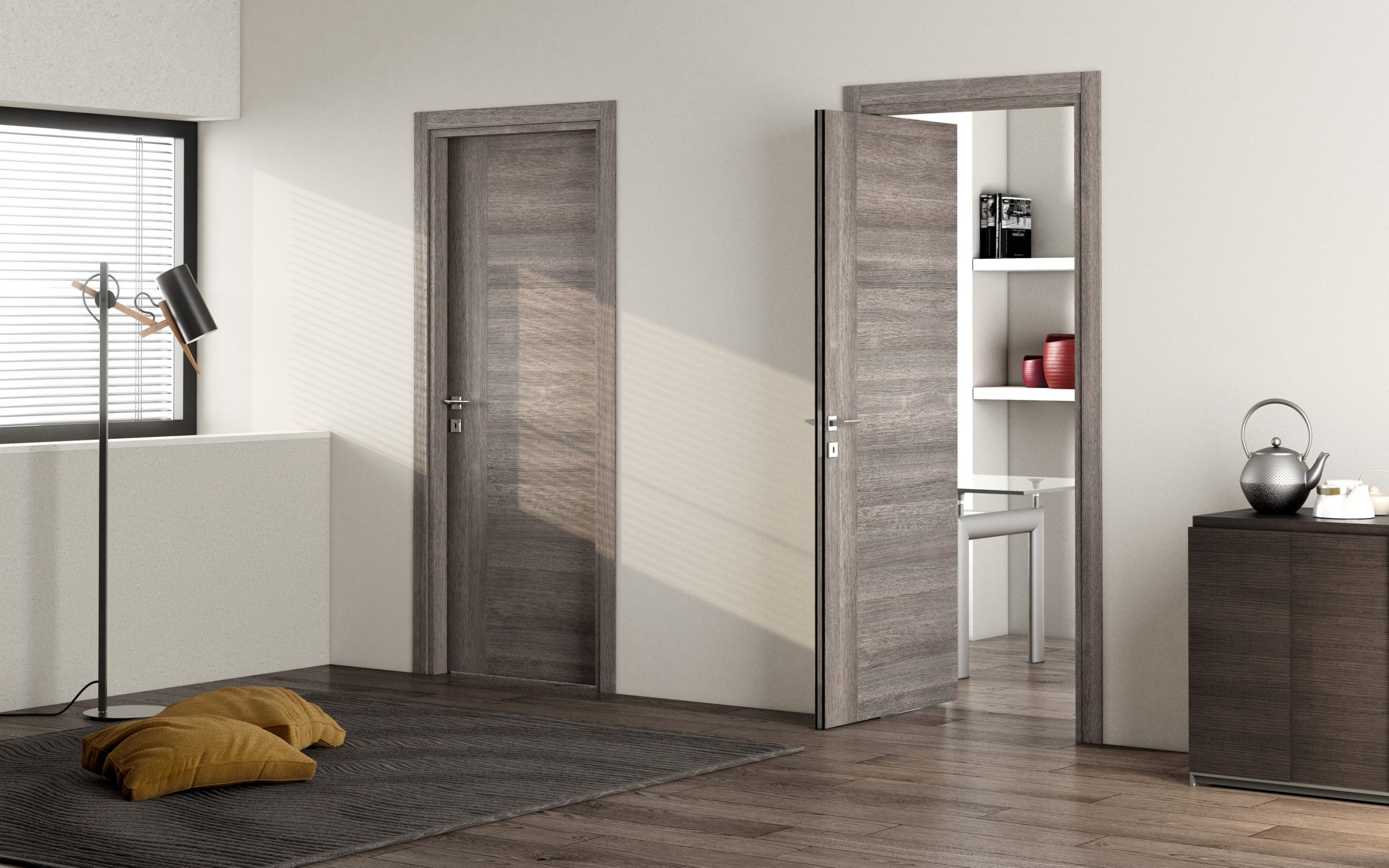
When choosing an indoor door for your bedroom, there are several types to consider. Each type offers unique advantages, from style to functionality. Whether you’re after a door that enhances your bedroom’s privacy, adds elegance, or saves space, there’s an option that fits your needs.
Solid Wood Doors
Solid wood doors are a timeless and durable option for any bedroom. These doors are crafted from thick, sturdy wood and offer excellent privacy and soundproofing. One of the major advantages of solid wood is its ability to block out noise. If you live in a busy household or want to create a quiet, peaceful retreat, a solid wood indoor door is an excellent choice.
In addition to their practical benefits, solid wood doors also add a touch of elegance and sophistication to your bedroom. Whether you choose a rich mahogany, classic oak, or a more modern walnut finish, these doors can complement any bedroom style. The natural grain of wood also gives the door a unique and warm appearance, making it a beautiful feature in your room.
While solid wood doors are highly durable, they do require some maintenance to keep them looking their best. Over time, they may need refinishing or re-staining to maintain their color and finish. However, with proper care, a solid wood door can last for decades.
Hollow Core Doors
Hollow core doors are a popular and cost-effective option for bedroom doors. Unlike solid wood doors, hollow core doors are lighter and less expensive, making them an attractive choice if you’re on a budget. Despite being lightweight, they still provide good privacy for your bedroom and can offer some sound insulation.
These doors are made by enclosing a cardboard honeycomb structure within two layers of wood veneer, which helps reduce weight while still offering strength and durability. However, they aren’t as effective at soundproofing as solid core doors. If you’re looking for a door that provides superior sound insulation, you may want to look elsewhere.
Hollow core doors come in a variety of styles, including smooth, panel, and even those with decorative glass inserts. Their affordability and wide range of designs make them an ideal choice for many homeowners.
French Doors
French doors are an elegant and stylish option that can add a touch of sophistication to any bedroom. These double doors are typically made of wood or glass, and they feature large, transparent panels. French doors are great for bedrooms where you want to create a connection with another room or space, such as a private balcony or a home office.
The beauty of French doors lies in their ability to let in natural light, making your bedroom feel brighter and more open. If your bedroom is small or lacks natural light, French doors can help make the room feel more airy and spacious. They can also add a touch of charm to your décor, particularly in homes with traditional or vintage styles.
However, French doors aren’t ideal for bedrooms that require high levels of privacy. Since the doors are often made from glass, they may not provide the seclusion you need. For added privacy, you can opt for frosted glass or add curtains or blinds to the doors.
Sliding Doors
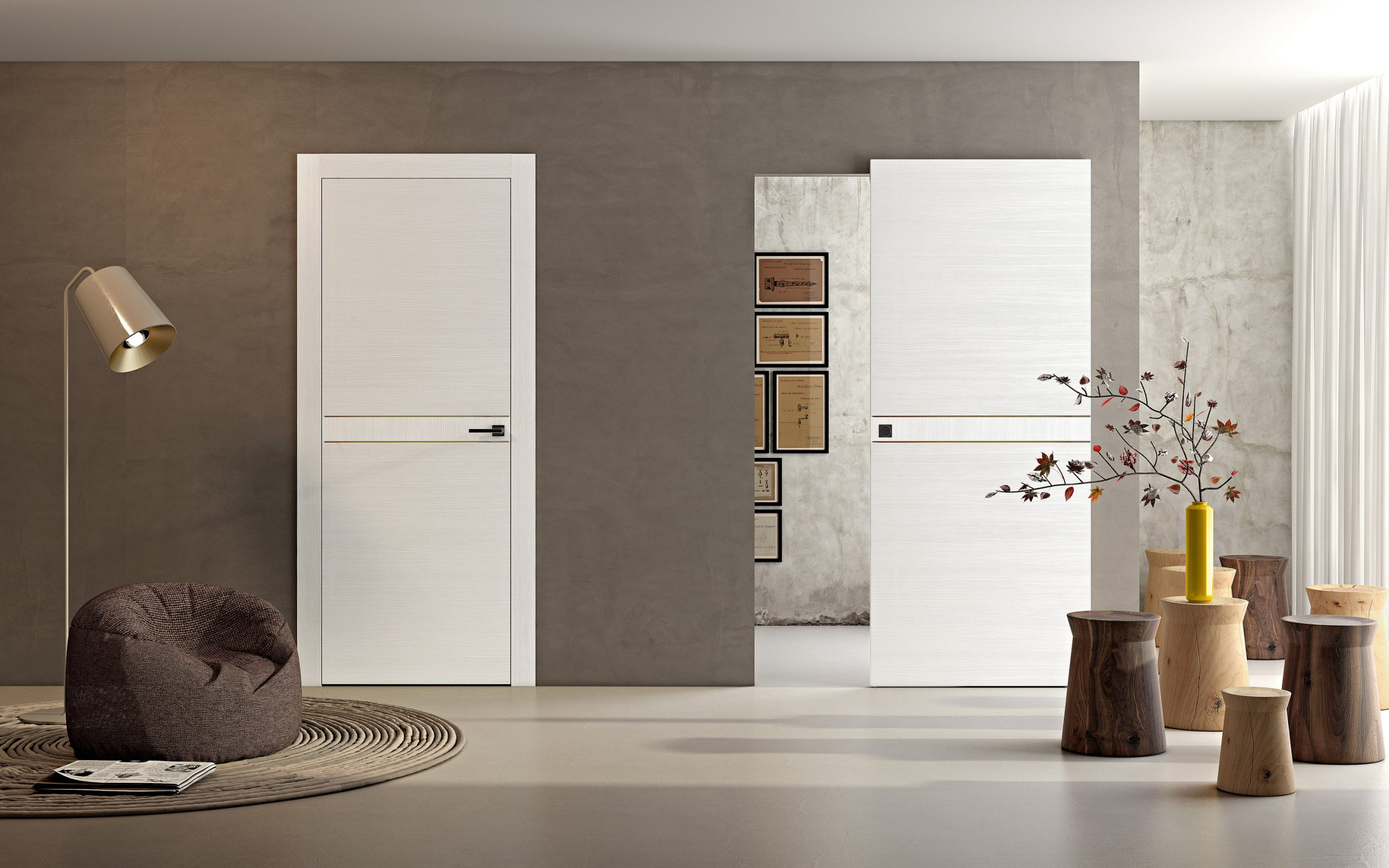
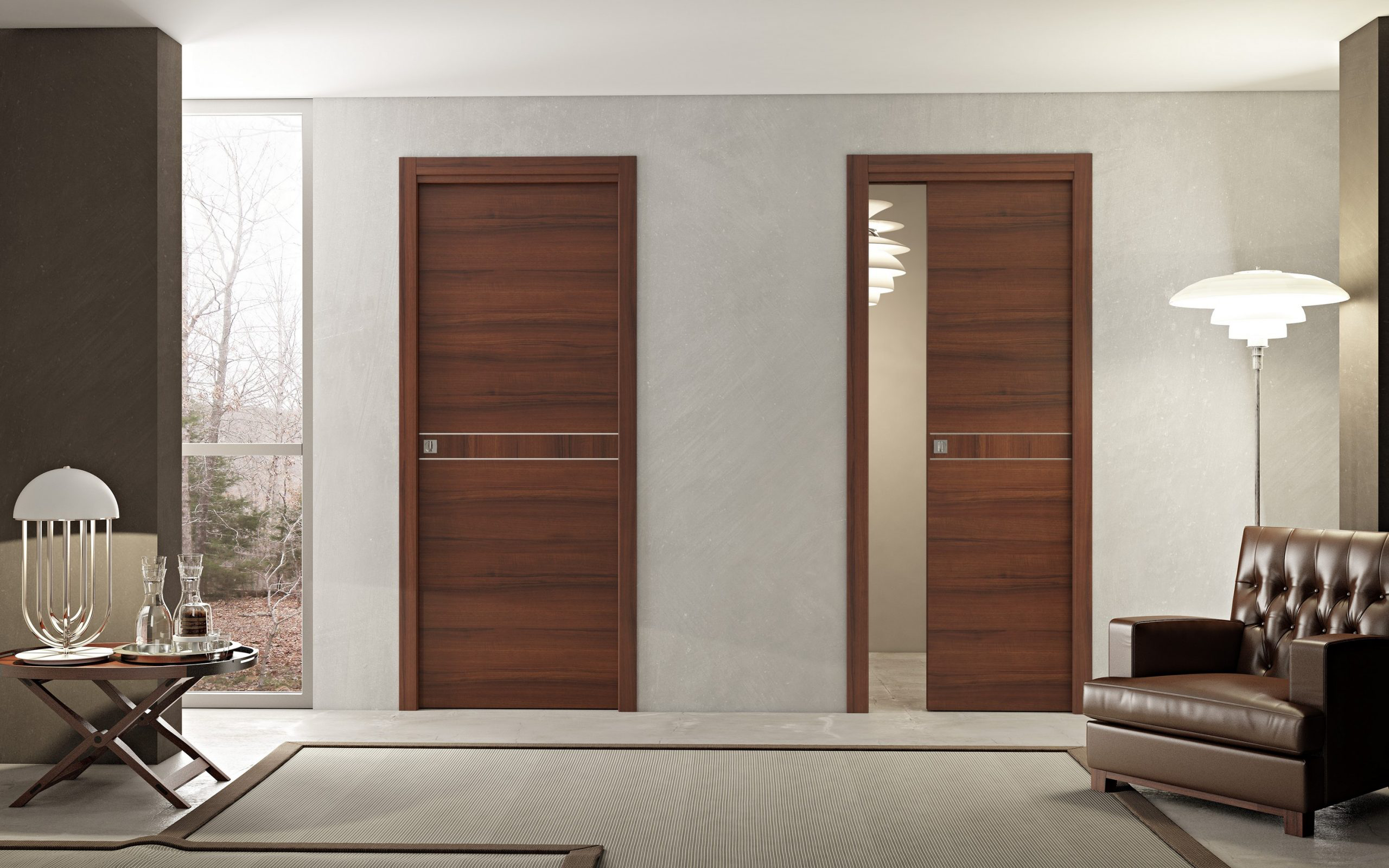
Sliding doors are a modern and space-saving option for bedrooms. They don’t require the swinging motion of traditional doors, so they’re perfect for bedrooms with limited space. Sliding doors slide along a track, making them an excellent choice if you want to save room and avoid the hassle of a door that swings open.
These doors are available in various materials, including wood, glass, and even mirrored finishes, allowing you to choose one that matches your bedroom style. Glass sliding doors, for example, can enhance your room’s brightness by letting in natural light, while a solid wood sliding door offers a more traditional, private feel.
One potential downside of sliding doors is that they can sometimes be tricky to install, especially if you’re adding them to an existing door frame. Additionally, while sliding doors save space, they might not offer the same level of sound insulation as solid core doors.
Bi-Fold Doors
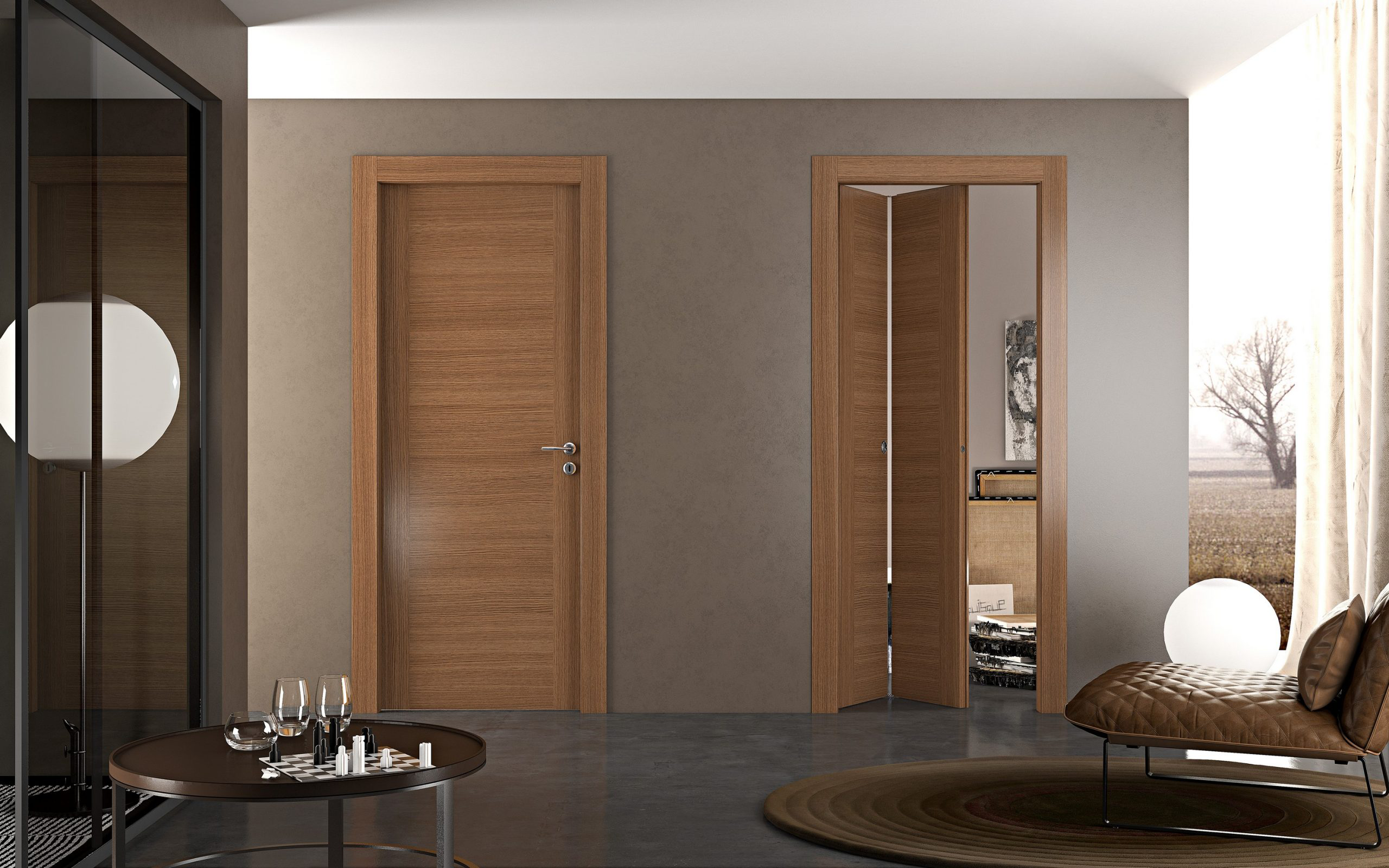
Bi-fold doors are a great choice if you need a door that’s both functional and stylish, especially in smaller bedrooms. These doors fold in half when opened, which makes them an ideal option for rooms where space is at a premium. Instead of swinging open, bi-fold doors fold neatly to one side, saving valuable floor space.
These doors are often made from wood, MDF, or even mirrored glass, and they can give your bedroom a sleek, modern look. They’re especially useful for closets or smaller bedrooms where you want to maximize available space. However, while they’re great for saving room, bi-fold doors may not provide the same level of privacy as solid doors, especially if you choose a glass or semi-transparent design.
Bi-fold doors are relatively easy to install and maintain, making them a great option for those who want a practical, space-efficient solution without the need for complex installation.
Conclusion
In conclusion, the best type of indoor door for your bedroom will depend on your needs and preferences. Whether you opt for the timeless elegance of a solid wood door, the affordable simplicity of a hollow core door, the charm of French doors, the space-saving functionality of sliding doors, or the convenience of bi-fold doors, each type has something unique to offer.
Choosing the Right Material for Your Bedroom Door
The material of your bedroom door is just as important as its design. The right material not only affects the door’s appearance but also its durability, soundproofing, and maintenance needs. In this section, we’ll take a closer look at three popular materials used for indoor bedroom doors: wood, MDF (Medium-Density Fiberboard), and HDF (High-Density Fiberboard).
Wood
Wooden doors have long been a popular choice for bedrooms due to their timeless appeal and exceptional durability. When it comes to indoor doors, wood is considered one of the most reliable materials, offering both beauty and strength. Whether you opt for a solid wood or a wood veneer door, you’ll enjoy a natural look that complements almost any bedroom style.
One of the main advantages of wood is its versatility. There are many different types of wood, such as oak, mahogany, and pine, each offering its own unique texture and color. Solid wood doors, in particular, are known for their durability and ability to block out sound, making them ideal for those who want a peaceful, quiet bedroom.
Wood also provides excellent privacy. A solid wood door creates a strong barrier, keeping your bedroom isolated from the rest of the house. Additionally, wood’s natural insulating properties help regulate temperature, making your bedroom more energy-efficient.
Wood also provides excellent privacy. A solid wood door creates a strong barrier, keeping your bedroom isolated from the rest of the house. Additionally, wood’s natural insulating properties help regulate temperature, making your bedroom more energy-efficient.
MDF (Medium-Density Fiberboard)
Medium-Density Fiberboard is another popular material for bedroom doors, especially for those looking for a cost-effective yet sturdy option. Unlike wood, MDF is an engineered wood product made by compressing wood fibers and resin into a dense board. It’s an excellent choice for homeowners on a budget who still want a door that looks and feels like wood.
MDF doors are smooth, dense, and uniform, making them easy to paint and finish. This material is also less prone to warping and shrinking compared to solid wood, making it a low-maintenance option. MDF is often used in hollow core doors, making them lightweight and affordable, but still strong enough to provide privacy and moderate soundproofing.
One of the primary benefits of MDF doors is their smooth finish, which makes them ideal for modern and contemporary bedroom designs. If you plan on painting your door a specific color, MDF is a great choice because it takes paint very well and has a flawless, uniform surface.
However, one drawback of MDF is that it’s not as durable as solid wood. While it won’t warp as easily, it can be more susceptible to dents and damage from impacts. Additionally, MDF doors may not provide the same level of soundproofing as solid wood doors, although they still offer some noise reduction.
HDF (High-Density Fiberboard)
High-Density Fiberboard is similar to MDF but with a higher density, making it even more durable and harder than its counterpart. HDF is also an engineered wood product, but its increased density makes it an excellent choice for doors that need to withstand heavy use.
A stylish but functional door is key to the living room. French or sliding doors can open up the space, allowing natural light to flow while providing separation when needed. A traditional wooden door with elegant paneling will fit perfectly for a more classic look.
HDF doors are incredibly strong and resistant to impacts, making them a good option for high-traffic areas. In a bedroom setting, they offer better soundproofing and durability than MDF, while still being more affordable than solid wood doors. Like MDF, HDF has a smooth, consistent surface that takes paint well, so you can customize the door to fit your bedroom’s aesthetic.
The high density of HDF also means it provides better insulation against both noise and temperature fluctuations, making your bedroom more comfortable year-round. However, while HDF doors are durable, they are still prone to damage from moisture and humidity, so they should be kept in dry areas to avoid swelling.
If you’re looking for a door that combines the benefits of MDF with enhanced strength and durability, HDF is a solid choice. It’s particularly well-suited for those who need a more robust, long-lasting option without breaking the bank.
Choosing the right interior door for your home isn’t just about picking something that looks good. You must consider the room’s function, size, and style to find a door that complements the space. Whether you’re looking for privacy, light, or space-saving options, there’s a perfect interior door for every room in your home.
Conclusion
In conclusion, the material of your bedroom door plays a significant role in its performance and longevity. Wooden doors offer exceptional durability and sound insulation. MDF is an economical choice with a smooth surface that’s easy to paint, making it ideal for modern bedrooms. HDF combines the best of both worlds, offering greater strength and superior soundproofing.
How to Measure for a Bedroom Door?
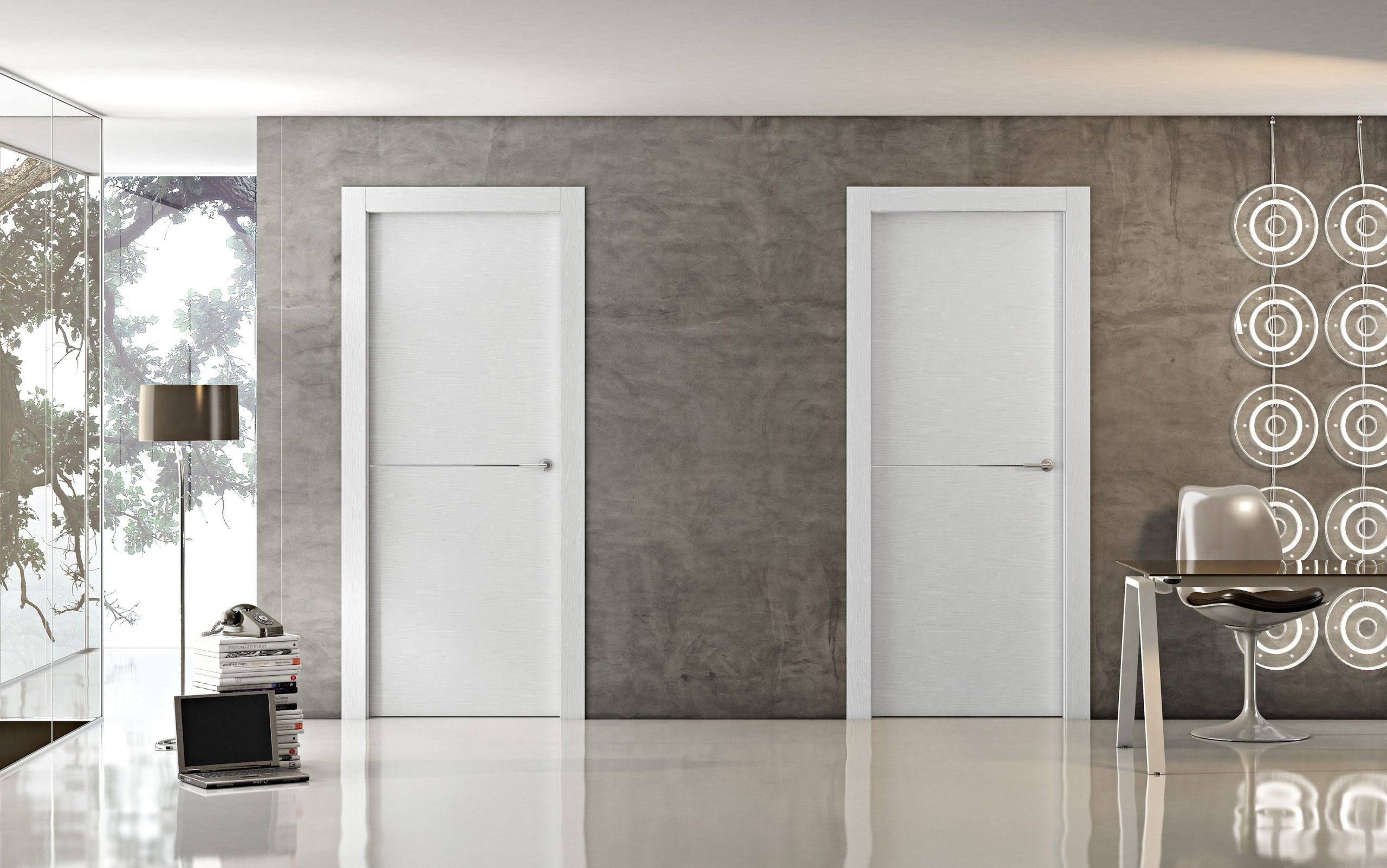
When installing a new bedroom door, getting the right measurements is crucial. A door that doesn’t fit properly can be a hassle to install and might not function as well as it should. Whether you’re replacing an old door or installing a brand-new one, knowing how to measure for a bedroom door will ensure you choose the correct size.
Standard Bedroom Door Sizes
When selecting an indoor door for your bedroom, it’s important to know the standard sizes that are commonly used. These measurements are helpful if you’re replacing an existing door or buying a pre-hung door. The standard bedroom door size in the United States is typically 30 inches wide by 80 inches tall (30″ x 80″). This size fits most bedroom doorways and is the most common size found in homes.
However, door widths can vary depending on the layout and size of the room. While 30 inches is standard, some bedrooms may use slightly wider doors, such as 32 inches or 36 inches, especially in larger homes or for accessibility reasons. If you’re planning to install a door in a wider opening, you might need to go for one of these larger options to ensure comfortable access.
For rooms with more narrow doorways, you might find doors as small as 24 inches wide, though this size is typically used for closets or smaller spaces rather than main bedroom doors.
Customizing Your Door Size
In some cases, standard door sizes may not fit your space perfectly. Whether you have an unusually sized opening, a custom-designed home, or specific design preferences, you might need a custom-sized bedroom door. Customizing your door size ensures a perfect fit and helps maintain the aesthetics and functionality of your room.
When customizing a door, you’ll need to decide on the exact width and height based on your measurements. It’s essential to consider both the door’s size and the swing direction to ensure it opens and closes smoothly. If you’re working with an odd-sized doorway or a space that requires a unique look, a custom door may be the best solution.
Custom doors can be made to any size you need, but keep in mind that they will likely cost more than off-the-shelf doors. Also, installation may take a little longer since the door will need to be specially made.
Proper Door Frame Measurements
Once you’ve decided on your door size, it’s time to measure the door frame correctly. Getting accurate measurements of the door frame is essential to ensure your new door fits properly and operates smoothly.
To measure the height of your door frame, start by measuring the doorway from the floor to the top of the frame. It’s important to take the measurement at both sides of the frame to check for any irregularities, as some doorways may not be perfectly level. Be sure to add about 1/8 inch to the height to allow for clearance when the door swings open.
Next, measure the width of the door frame by measuring from one side to the other at the top, middle, and bottom. This ensures your new door fits the frame properly and accommodates any slight variations in the frame’s width. Again, add about 1/8 inch of clearance to ensure the door opens and closes smoothly.
Finally, measure the thickness of the door frame. This is particularly important if you are choosing a thicker door, such as a solid wood door. Make sure the frame is deep enough to accommodate the thickness of the door you plan to install.
Conclusion
In summary, measuring for a bedroom door involves checking the standard size options available, considering custom sizes if needed, and ensuring your door frame measurements are accurate. By following these steps, you’ll be able to select the perfect indoor door that fits your space and style.
Additional Features to Look for in Bedroom Doors
When selecting the perfect bedroom door, it’s important to consider more than just the material and size. There are additional features that can enhance both the functionality and aesthetics of your door. These features include the door hardware, eco-friendly options, and how to budget for your new door.
Door Hardware: Choosing the Right Handles and Knobs
The handles and knobs you choose for your bedroom door can make a big difference in the overall look and feel of your room. Door hardware may seem like a small detail, but it’s an essential part of the door’s functionality and style. When selecting hardware for your indoor door, it’s important to consider both design and practicality.
First, think about the style of your bedroom. If you have a traditional, vintage-style room, you should opt for classic brass or bronze door handles that complement the rustic look. On the other hand, if your bedroom has a modern, minimalist vibe, sleek chrome or stainless-steel handles could be a better fit.
You should also consider the ease of use when choosing knobs and handles. A lever handle might be easier to operate than a round knob, especially for people with limited hand mobility. Additionally, make sure the handle or knob you choose is sturdy enough for everyday use and fits well with the thickness of your bedroom door.
Another factor to consider is the security of your door hardware. For added safety and privacy, consider installing a high-quality lock with your door hardware, especially if your bedroom door will be used as the main entry into your room.
Eco-friendly Options for Bedroom Doors
As more people look for ways to reduce their environmental impact, eco-friendly bedroom door options have become increasingly popular. If you’re someone who values sustainability, choosing an eco-friendly indoor door is a great way to contribute to a greener home.
One of the best eco-friendly materials for bedroom doors is reclaimed wood. Not only does reclaimed wood give your door a unique, rustic look, but it’s also a sustainable option since it’s made from recycled wood rather than new timber. Another option is MDF (Medium-Density Fiberboard) made from wood fibers and sustainable adhesives. It’s an affordable, environmentally friendly choice that doesn’t compromise on quality or durability.
If you’re concerned about indoor air quality, look for doors made from low-VOC (Volatile Organic Compound) materials or finishes. These finishes are safer for your health and the environment since they release fewer harmful chemicals into the air.
Additionally, some companies offer doors that are certified by eco-labels, ensuring that the materials used in the door meet certain sustainability standards. Whether you choose a door made from recycled materials or opt for a manufacturer that prioritizes sustainable practices, there are plenty of eco-friendly options to choose from.
Budgeting for a New Bedroom Door
When it comes to choosing an indoor door, it’s easy to get caught up in the excitement of style and features. However, budgeting is a critical part of the decision-making process. Bedroom doors come in a wide range of price points, depending on the material, design, and brand, so it’s important to establish a budget before you start shopping.
First, determine how much you’re willing to spend on your new bedroom door. If you’re on a tight budget, hollow core doors are typically the most affordable option. These doors are lighter, cost-effective, and still provide decent privacy and functionality. For those who want a more premium feel, solid wood doors tend to be more expensive but offer superior durability and sound insulation.
Don’t forget to factor in additional costs, such as door hardware and installation. High-quality hardware like locks, handles, and knobs can add to the overall cost, so be sure to allocate enough funds for these essential elements. If you plan to hire a professional to install the door, this will also increase your budget.
Lastly, keep in mind that choosing a higher-quality door might cost more upfront, but it can save you money in the long run due to its durability and reduced maintenance needs. A well-chosen door can last for years, providing better privacy, soundproofing, and overall satisfaction.
Conclusion
In conclusion, there’s more to selecting a bedroom door than just the material and size. Paying attention to additional features like door hardware, eco-friendly options, and budgeting will ensure you choose an indoor door that fits your needs, style, and values. .
Relate FAQ
What is the most common type of indoor door for bedrooms?
The most common types of indoor doors for bedrooms are flush doors, panel doors, and bifold doors. Flush doors offer a clean, minimalist look with a smooth surface, making them a popular choice for modern interiors. Panel doors feature a more traditional design with one or more panels, providing texture and character. Bifold doors are typically used for smaller spaces or closets, offering a space-saving solution.
Should I choose a solid core or hollow core door for my bedroom?
For bedrooms, a solid core door is generally the best option if you want to maximize sound insulation and privacy. Solid core doors are heavier and denser, offering better noise reduction compared to hollow core doors, which are lighter and more affordable. If soundproofing is a priority, especially in shared living spaces, solid core doors are a great choice.
Is HDF a good material for bedroom doors?
HDF (High-Density Fiberboard) is an excellent material for bedroom doors. It is a dense and durable option that provides great soundproofing and stability, making it a suitable choice for ensuring privacy in bedrooms. HDF doors are smooth and can be painted easily, offering versatility in design. They are often more affordable than solid wood doors while still offering good durability and aesthetic appeal.
What material is best for a bedroom door?
The material you choose for your bedroom door depends on factors like style, durability, and budget. The most common materials for bedroom doors are:
- Wood: A classic and durable option, wooden doors come in various finishes and styles. They provide excellent insulation and aesthetic appeal.
- MDF (Medium Density Fiberboard): MDF doors are smooth and affordable, offering a sleek look. They are often used in modern or minimalist bedrooms.
- HDF (High-Density Fiberboard): HDF doors are dense, durable, and offer good soundproofing. They are a cost-effective option for solid-core doors with a smooth finish.
How can I ensure my bedroom door provides privacy and soundproofing?
To enhance privacy and soundproofing, consider choosing a solid core door made from wood, MDF, or HDF. Additionally, sealing gaps around the door frame and adding soundproof weatherstripping can help improve acoustics. Installing heavy-duty door hardware and ensuring the door fits snugly within the frame also contributes to better sound isolation.
What door style should I choose for a modern bedroom?
For a modern bedroom, choose flush doors with a clean, sleek design. These doors often feature minimalist lines and smooth surfaces, fitting well with contemporary bedroom decor. Additionally, panel doors with a simple, modern design can also complement a modern aesthetic, providing both texture and style.