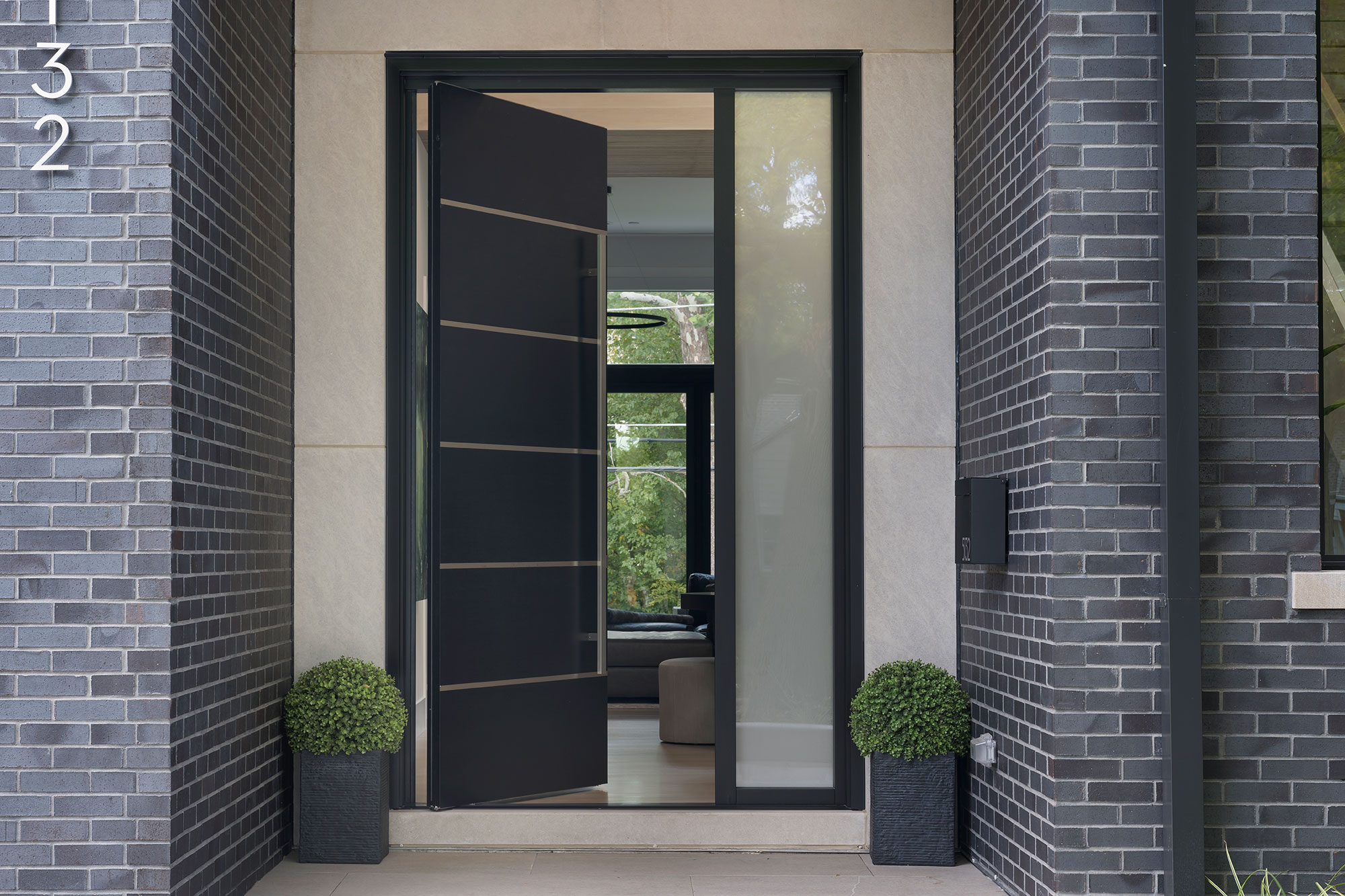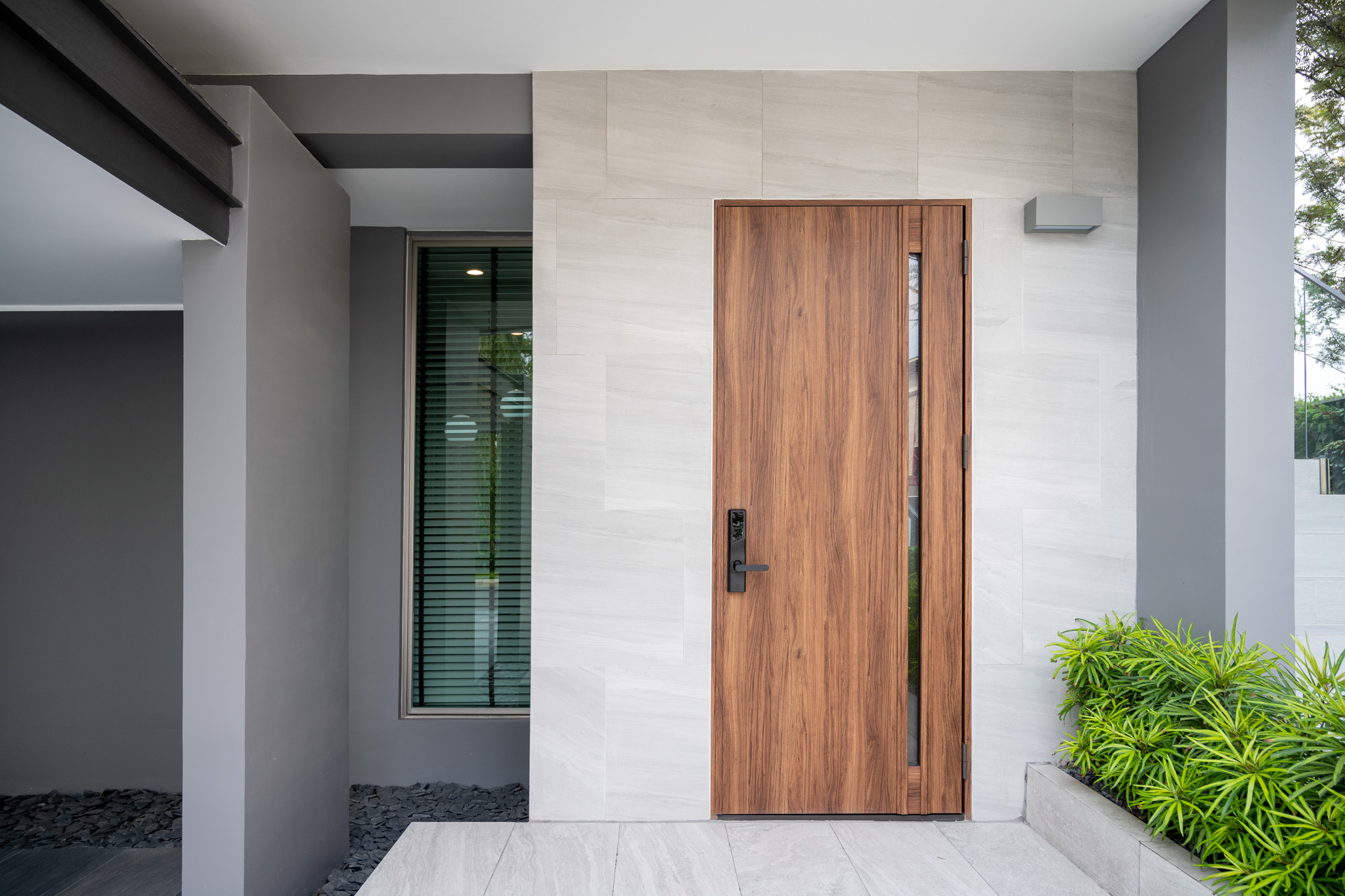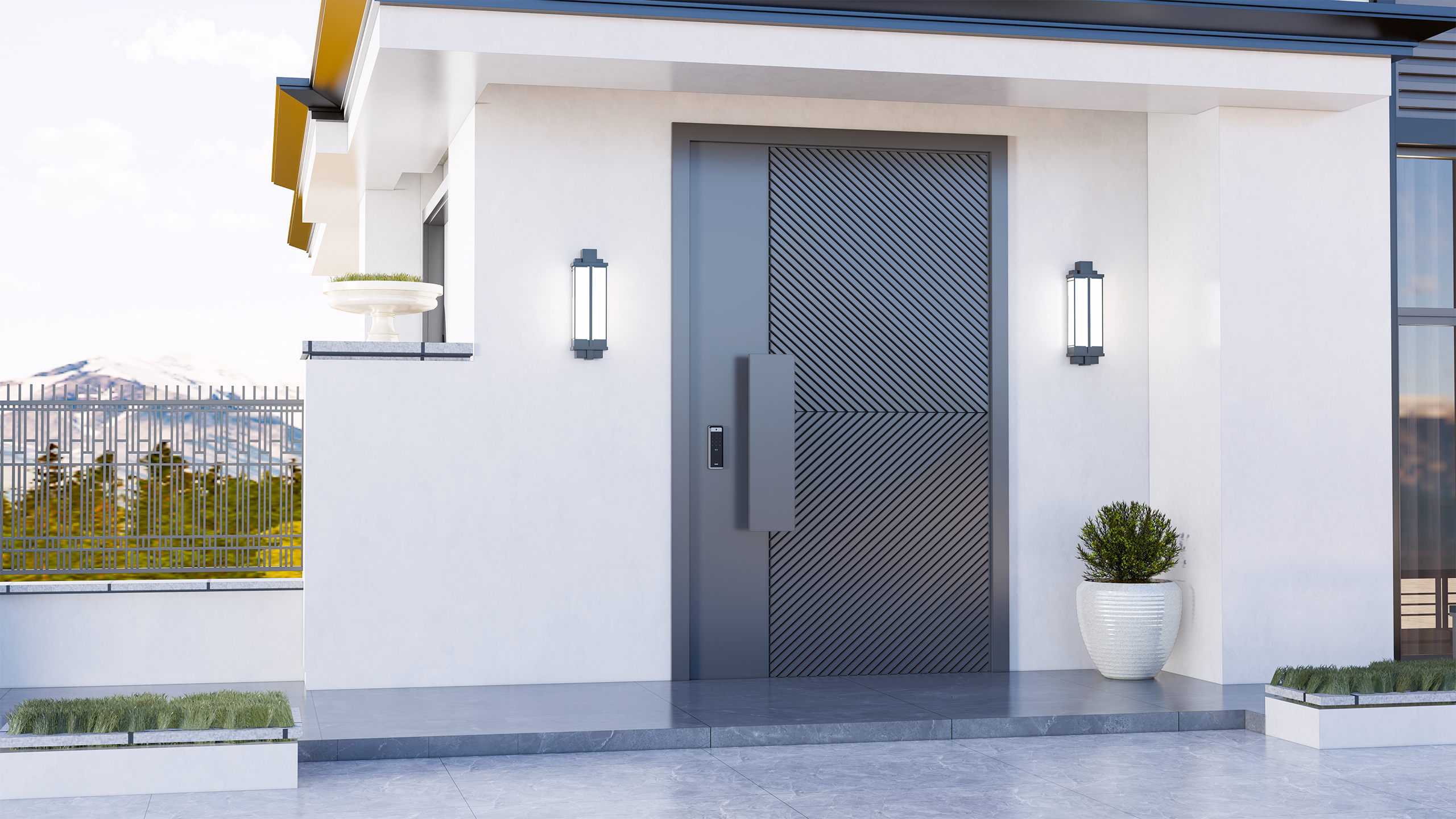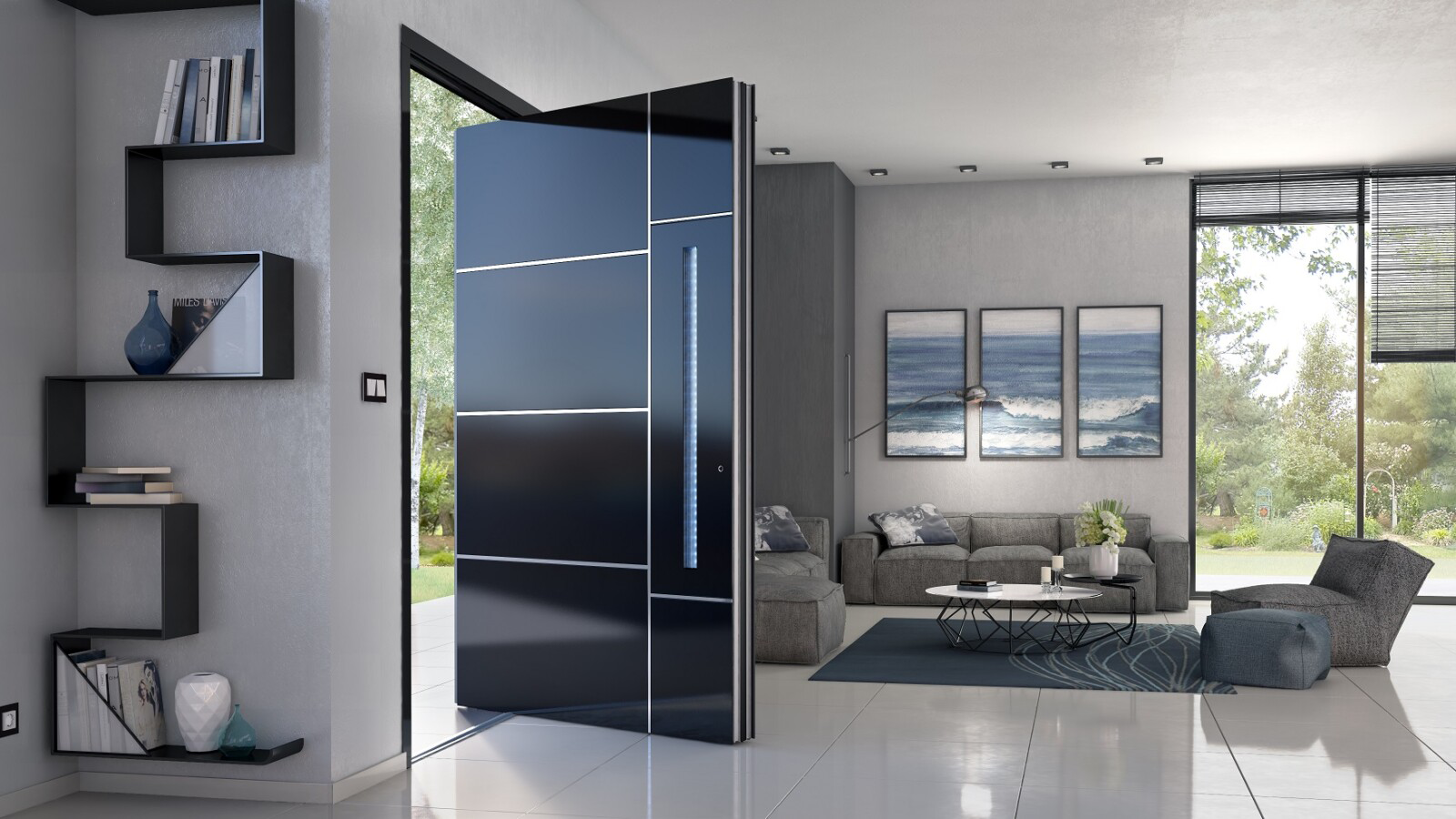
What is the interior door?
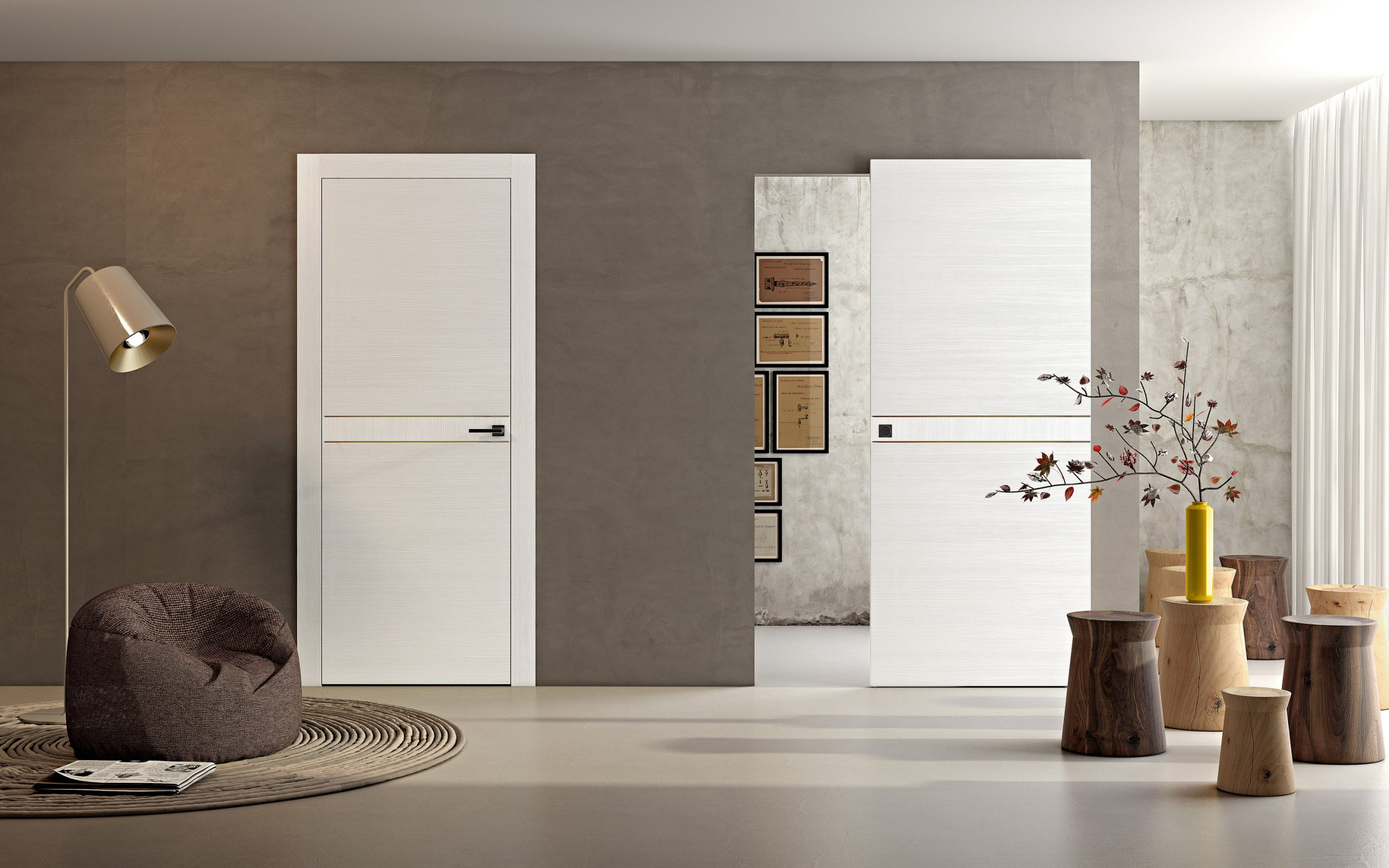
Introduction to Interior Door
Interior doors play a vital role in any home or building. They not only provide privacy and separation between rooms but also enhance the overall aesthetic of your space. Whether you’re remodeling your home or building from scratch, choosing the right interior door is essential for functionality and style.
These doors come in various materials, styles, and designs to match any home décor. From traditional wooden doors to modern glass options, an interior door suits every need. Understanding the different types of interior doors and their functions can help you make the best decision for your space.
What is an Interior Door?
An interior door is a movable barrier that separates rooms or spaces within a building. It is typically installed within the walls of a home, office, or other indoor spaces. Unlike exterior doors that protect the building from outside elements, interior doors are designed primarily for privacy, sound control, and room division.
Common types of interior doors include hinged, sliding, pocket, and French doors. Each has its own unique set of benefits. Hinged doors are the most traditional and widely used, while sliding doors are ideal for smaller spaces with limited room for door swing. Pocket doors slide into the wall and offer a sleek, space-saving solution. French doors provide an elegant and airy feel, often used to open living spaces or access patios.
When selecting an interior door, consider the size, material, and style that complements the room’s function and overall design. For example, solid wood or insulated doors would be a great choice if you need soundproofing between rooms.
What is an Interior Door?
Interior doors are more than just functional elements of a building; they also contribute significantly to the design and atmosphere of a room. Here are a few reasons why they are so important:
1. Privacy and Security:
One of the main functions of an interior door is to provide privacy. Whether it’s a bathroom, bedroom, or home office, doors separate these spaces, allowing individuals to feel secure and undisturbed.
2. Sound Control:
The right interior door can help reduce noise between rooms. For example, a solid-core door provides better sound insulation than a hollow-core one. This is especially useful in shared living spaces or homes with young children.
3. Aesthetic Appeal:
Interior doors greatly impact the overall look and feel of a room. A well-chosen door can enhance the interior design and set the tone for the space. Whether you prefer sleek modern designs or classic wooden doors, the right choice can add charm and character.
4. Safety:
In case of emergencies, such as a fire, sure interior doors (like fire-rated doors) can help prevent the spread of smoke and flames, providing more time for evacuation and helping to protect your home and its occupants.
5. Room Definition:
Interior doors allow you to define different areas within a home. They create boundaries between rooms, offering clear separation between spaces that need other functions, like a kitchen and dining area or a living room and home office.
Types of Interior Door
Choosing the right type of interior door can make a big difference in your space’s functionality and style. There are many options available, each with its own set of benefits. Below are some of the most common types of interior doors that can suit various needs and preferences.
Traditional Interior Door
Traditional interior doors are typically made from solid wood or wood veneer. These doors often feature a classic panel design, varying in the panels’ number and arrangement. A common style for traditional doors is the six-panel door, which consists of three vertical panels stacked on each other.
These doors provide a timeless look that works well in homes with a more classic or rustic aesthetic. They can be easily stained or painted to match the room’s color scheme. Traditional interior doors offer a solid, sturdy feel and are ideal for creating a warm, welcoming atmosphere in any space.
One of the benefits of traditional interior doors is their versatility. Whether you’re using them in a living room, bedroom, or hallway, they can blend seamlessly with a wide range of décor styles, from farmhouse to Victorian.
Modern Interior Door
Modern interior doors are sleek and minimalistic, designed to match contemporary design trends. These doors often feature smooth, flat surfaces with minimal paneling, making them ideal for modern and minimalist interiors. Materials like frosted glass, metal, and high-gloss finishes are commonly used for modern interior doors.
One popular style in modern interior doors is the flush door, which is completely flat and offers a clean, seamless look. Modern doors also incorporate hidden hinges, soft-close mechanisms, or handle-free designs for a more streamlined appearance.
These doors are perfect for creating a sleek, sophisticated atmosphere in a home or office. They can also be combined with modern technology, such as automatic or sensor-operated doors, to enhance the convenience and functionality of your space.
Pocket Door
Pocket doors are a great solution when you need to save space. Unlike traditional hinged doors, they slide into a pocket within the wall, making them ideal for areas with limited room for a door to swing open. These doors are often used in smaller rooms or spaces where space-saving is a priority, such as bathrooms, closets, or laundry rooms.
Pocket doors can be made from various materials, including wood, glass, or mirrored panels. The benefit of a pocket door is that it doesn’t take up any additional space when open, providing a clean, unobstructed look. However, installation can be a bit more complicated than other interior doors, requiring the creation of a cavity within the wall to house the door.
A pocket door is an excellent choice if you’re looking for a space-saving solution while maintaining an elegant design. It provides functionality and style, especially in rooms where maximizing floor space is essential.
French Door
French doors are popular for connecting indoor spaces or bringing the outside in. These doors are typically made of glass panels framed by wood or metal, allowing for maximum light flow and a sense of openness. French doors are often used in living rooms, dining rooms, or as entryways to patios and gardens.
One of the main benefits of French doors is their ability to enhance the sense of space in a room. The glass panels create a feeling of openness, making rooms appear larger and brighter. Additionally, the elegant design of French doors adds a touch of sophistication and charm to any home.
French doors can be paired with different hardware styles, such as ornate handles or more minimalistic, modern designs, to complement your room’s décor. They are perfect for homeowners looking to add beauty and functionality to their home.
Sliding Door
Sliding doors are another space-saving option, especially for areas with impractical swinging doors. These doors slide along a track, ideal for spaces like patios, closets, or between rooms with limited space. Unlike pocket doors, sliding doors do not require a cavity in the wall but a clear space along the track.
Sliding interior doors come in various styles, from glass doors that create a modern, open feel to more solid doors that provide privacy and sound insulation. Glass sliding doors are popular for patios and balconies, allowing natural light to enter the room and offering a seamless transition between indoor and outdoor spaces.
These doors are easy to operate and can be designed to fit a variety of interiors, from contemporary to traditional. They also come in various materials such as wood, glass, or metal, offering versatility for any room in the home.
Conclusion
Each type of interior door has unique advantages, and the right choice will depend on your specific needs and the design of your home. Whether you opt for a traditional wooden door, a modern flush door, a space-saving pocket door, an elegant French door, or a functional sliding door, the right interior door can enhance your space and provide the privacy, functionality, and style you need.
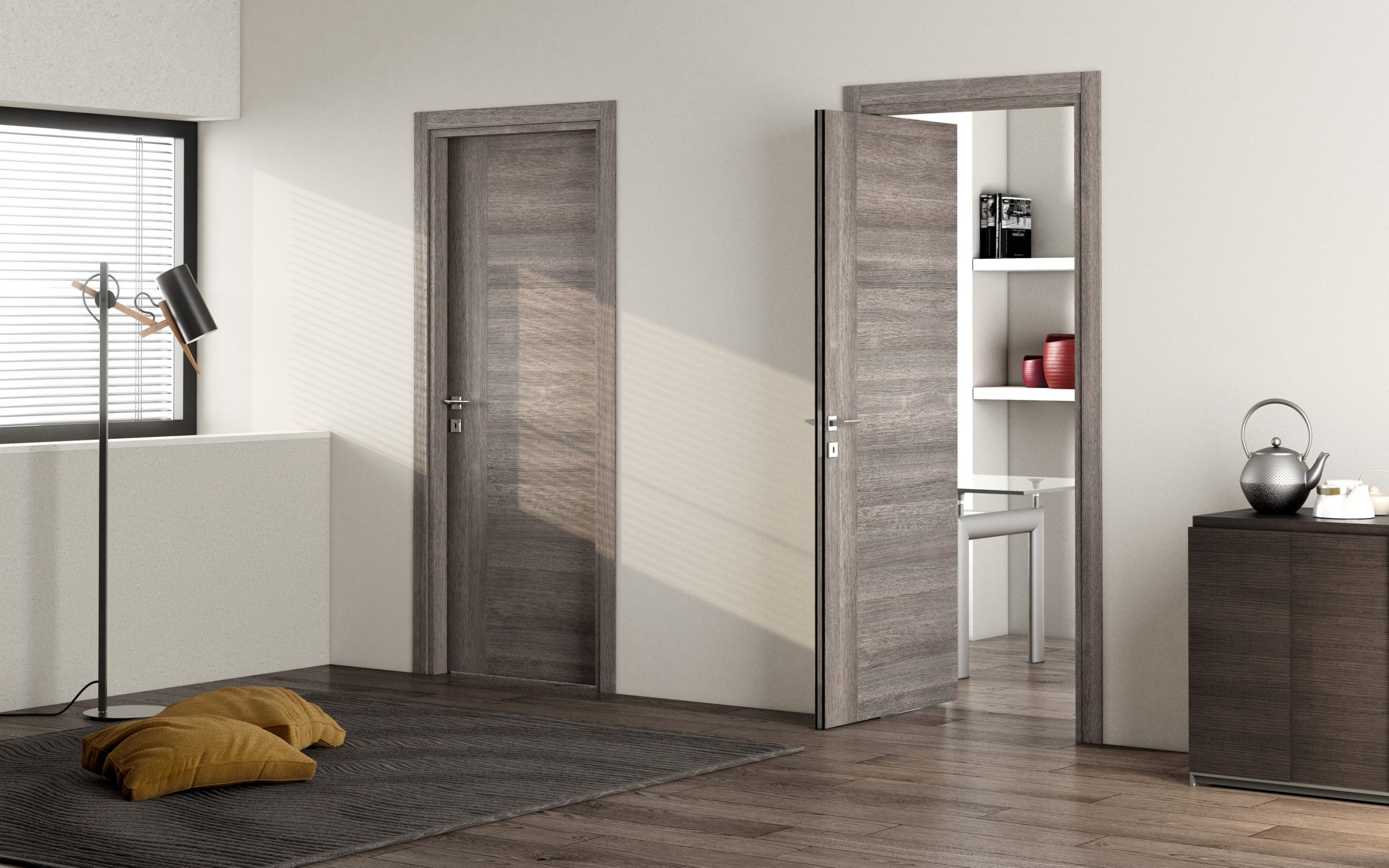
Materials Used for Interior Door
When choosing the right interior door for your home or office, the material plays a significant role in its look, durability, and functionality. Different materials offer distinct benefits, from aesthetic appeal to sound insulation and safety features. Here’s a breakdown of the most common materials used for interior doors.
Wood Interior Door
Wood is one of the most traditional and popular materials for interior doors. Wooden doors offer a timeless appeal that works well in almost any home style, from classic to modern. They can be crafted from various types of wood, including oak, maple, pine, and cherry, each offering a unique grain and color.
Wooden interior doors provide excellent insulation, helping to keep sound and temperature in check. Solid wood doors are especially good at reducing noise, making them ideal for bedrooms or offices. They also add warmth and natural beauty to a room, enhancing the overall décor.
Wood doors come in many styles, from simple flat-panel designs to more intricate raised or carved panels. Additionally, wood doors can be painted or stained to match any interior theme, making them versatile and customizable. However, wood doors may require more maintenance than other materials, as they can expand or contract with changes in humidity.
Glass Interior Door
Glass interior doors are an excellent choice for spaces where you want to maximize natural light and create an open, airy feel. These doors are often used in living rooms, offices, or between the kitchen and dining room. They can make rooms look larger and more connected and allow for better flow of light between spaces.
Glass doors can come in several variations, from clear glass to frosted or textured glass, depending on the level of privacy you need. Frosted or etched glass offers privacy while allowing light to pass through. Glass doors with wooden or metal frames are popular for adding a modern or industrial touch to the space.
One of the benefits of glass doors is their ability to create a sense of openness, but they may not offer the same level of soundproofing or security as solid doors. Additionally, glass doors require regular cleaning to maintain their clear, sleek appearance.
Composite and MDF Door
Composite and MDF (Medium Density Fiberboard) doors are popular for homeowners looking for a durable, cost-effective alternative to solid wood doors. These doors are made from wood fibers, resins, and adhesives, creating a dense, sturdy material resembling real wood. While MDF doors may lack the natural grain of solid wood, they can be painted to mimic the appearance of wood and offer a smooth, consistent finish.
Composite and MDF doors are great for those looking for an affordable yet durable solution. They tend to be resistant to warping and cracking, making them ideal for areas with fluctuating humidity levels. These doors also provide good sound insulation, making them a solid choice for bedrooms and offices.
MDF doors are less likely to expand or shrink over time than wood doors, ensuring they remain stable and functional. While they may not have the same rich texture as real wood, they can still add a clean and modern look to any room.
Metal and Steel Door
Metal and steel interior doors are typically used in commercial settings, but they can also be a stylish and practical choice for specific residential applications. Steel doors are known for their strength and durability. They offer superior security and are often used in areas that require high levels of protection, such as home offices or utility rooms.
These doors are highly resistant to damage from impact, moisture, and wear and tear, making them an excellent option for high-traffic areas or spaces that experience heavy use. Steel doors can be painted or finished with various coatings to match the décor of the room, though they tend to have a more industrial look compared to wooden or composite doors.
One of the main benefits of metal doors is their ability to provide superior insulation for sound and temperature. They can be fitted with additional insulating cores for better energy efficiency. However, metal doors may not be the best choice for rooms where aesthetics or natural light are prioritized, as they tend to be more utilitarian.
Conclusion
The material of your interior door greatly influences its look, durability, and functionality. Whether you prefer the classic charm of wood, the openness of glass, the affordability of MDF, or the security of steel, there is a material that suits every need. When selecting an interior door, consider the balance between style, privacy, sound insulation, and maintenance requirements to make the best choice for your home.
Choosing the Right Interior Door for Your Home
The right interior door is crucial for your home’s function and style. The door you choose can significantly impact the overall look of a room while providing privacy, sound control, and security. Here’s how to choose the perfect interior door for your space, and ensure it complements your home’s décor.
How to Select the Right Interior Door for Your Space?
When choosing an interior door, consider a few important factors. The size of the room, the amount of natural light, the level of privacy you need, and your home’s overall style are all key elements in making the right choice.
First, measure the space carefully to ensure the door fits properly. You’ll also want to think about the functionality of the room. For example, if you’re installing a door for a bathroom, you might need one that provides more privacy and has good sound insulation. On the other hand, for a living room or hallway, a door that allows more natural light (like a glass panel door) may be a better option.
Next, think about the door’s material. Wood, glass, composite, or metal doors each offer different advantages. Wood provides a classic look and strong sound insulation, while glass doors allow light to flow between spaces. Composite or MDF doors are great if you need a more modern or low-maintenance option. Consider the material that best fits your style and needs.
Finally, think about the door’s function. Do you want a door that swings open easily, or do you need something space-saving like a sliding or pocket door? The layout and function of the room should influence the type of door you choose.
Matching Doors with Your Home’s Decor
Interior doors are an important part of your home’s design, and choosing the right ones can elevate the entire look of a room. When matching doors with your home’s décor, it’s essential to consider style and color.
Start by considering the overall theme of your home. Solid wood doors with natural finishes like oak or walnut can add warmth and charm if you have a traditional or rustic style. For a more contemporary look, sleek, modern doors with smooth surfaces and simple lines work well. Depending on the vibe you want to create, you can choose from materials like glass, metal, or MDF.
Next, consider the color of the door. A darker wood or bold-colored door can create a striking contrast if your walls are light. A lighter-colored door may provide balance if your space is filled with darker tones. White doors are timeless and fit into almost any room, while custom colors can add a personalized touch to specific spaces.
Don’t forget about the door hardware. Handles and hinges come in many styles and finishes, from traditional brass to sleek modern matte black. The proper hardware can add a finishing touch that ties the entire room together.
Door Styles for Different Rooms
Each room in your home has unique needs, and the interior door style you choose can impact the space’s function and feel. Here are some door styles suited for specific rooms:
Living Room:
A stylish but functional door is key to the living room. French or sliding doors can open up the space, allowing natural light to flow while providing separation when needed. A traditional wooden door with elegant paneling will fit perfectly for a more classic look.
Bedroom:
Bedrooms typically require doors that offer privacy and sound insulation. A solid wood or MDF door works well, providing a sense of security and helping keep noise from traveling. For a more modern look, a door with frosted glass panels can still offer privacy while allowing light to filter through.
Kitchen:
Kitchens often benefit from doors that help divide the space while maintaining a sense of openness. Glass-panel doors keep light flow between the kitchen and dining areas. A modern sliding door can also save space and add a contemporary touch.
Home Office:
In a home office, you want a door that ensures privacy and quiet for focused work. A solid core door made of wood or composite will help reduce noise from other house parts. You may also opt for a more stylish design with a glass insert, especially if you want the room to feel open yet private.
Hallways:
Hallway doors don’t need to be as heavy-duty, but they must still be practical and fit with the surrounding décor. A simple wooden door or a sleek modern style will blend well in most hallways. Sliding doors can also be an excellent option for hallways with limited space.
Conclusion
Choosing the right interior door for your home isn’t just about picking something that looks good. You must consider the room’s function, size, and style to find a door that complements the space. Whether you’re looking for privacy, light, or space-saving options, there’s a perfect interior door for every room in your home.
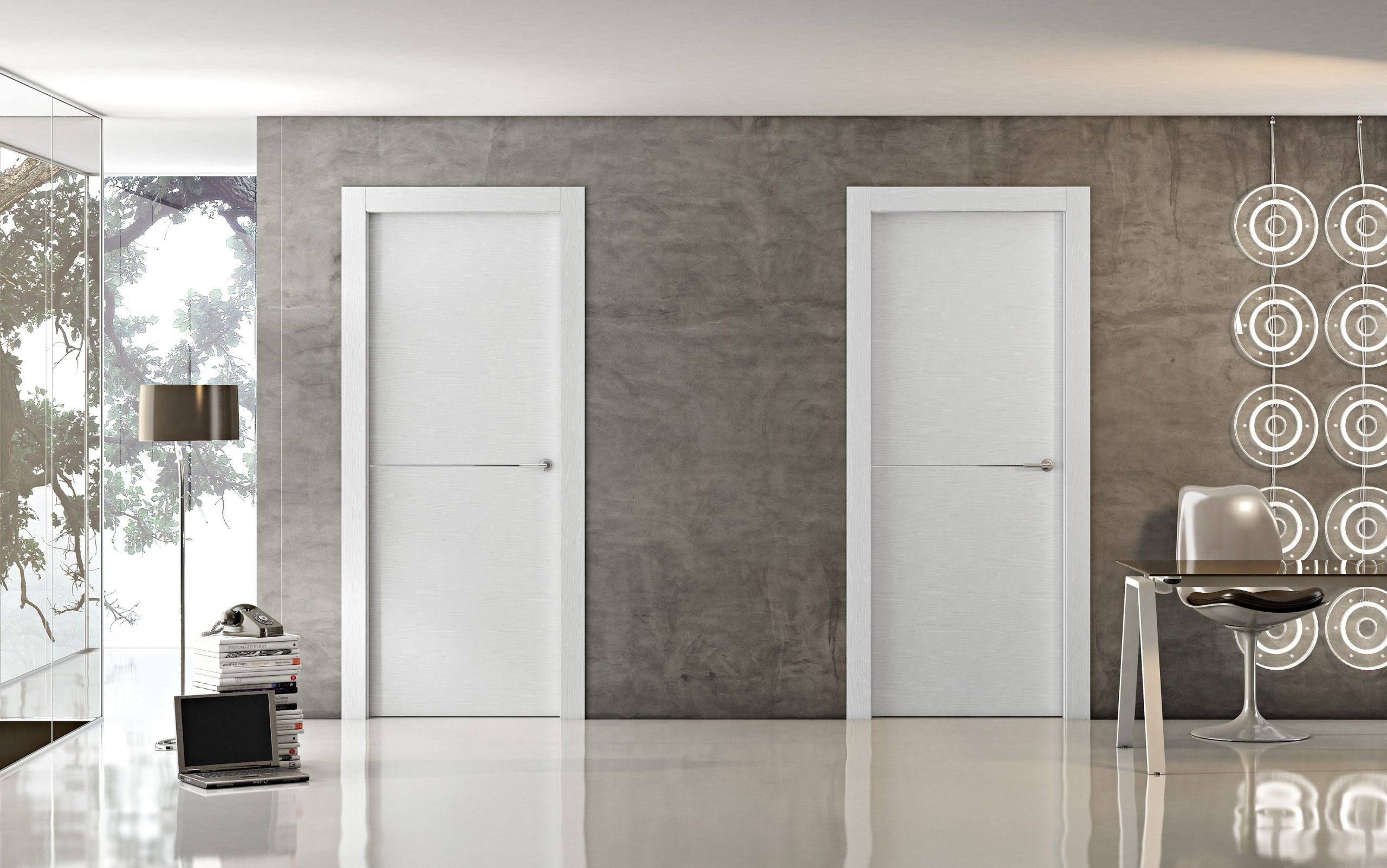
Interior Door Installation and Maintenance
Installing and maintaining your interior doors properly ensures they function well and last longer. Proper installation helps doors operate smoothly, while regular maintenance keeps them looking great and in good condition for years. Here’s a guide to help you install and maintain your interior doors.
How to Install an Interior Door?
The materials used in flat doors play a significant role in their strength, appearance, and cost. Here are the most common materials you’ll find in flat door construction:
1. Measure the Door Frame:
Before you purchase a new interior door, measure the height and width of the door frame to ensure the door fits properly. The standard door size is typically 80 inches by 30 inches, but always double-check.
2. Remove the Old Door:
If replacing an existing door, remove the old one by unscrewing the hinges. Keep the screws in case you need them for the new door.
3. Prepare the New Door:
If your new door isn’t pre-drilled for hinges or doorknobs, you must measure and drill the appropriate holes. Mark the spots where the hinges will be installed, and use a drill to make the holes.
4. Install the Hinges:
Attach the hinges to the door first. If the door frame is older or worn, you may need wood glue to secure it. Then, attach the other side of the hinge to the door frame, ensuring it’s level.
5. Hang the Door:
With the hinges in place, carefully lift the door into position within the frame. Have someone help you hold the door steady while you screw in the hinge pins. Make sure the door swings freely.
6. Adjust the Fit:
Once the door is hung, check to see if it swings smoothly and if there are any gaps. Adjust the hinges slightly if the door is sticking or not aligning properly.
7. Install the Doorknob and Hardware:
Once your door is hung correctly, install the doorknob, latch, and other hardware. Be sure to follow the manufacturer’s instructions for these steps.
Interior Door Maintenance Tips
The manufacturing process of flat doors is fairly straightforward but requires attention to detail. Here’s a basic overview of how flat doors are made:
1. Regular Cleaning:
Dust and dirt can accumulate on your door over time. Wipe your interior doors regularly with a soft cloth or microfiber towel to keep them clean. Use a wood-friendly cleaner for wooden doors that won’t damage the finish. For glass doors, a glass cleaner will work best.
2. Check for Gaps or Warping:
Wood doors can sometimes warp or shrink due to humidity changes. Check for any gaps around the edges or in the frame. If your door has shifted, adjust the hinges or add a door sweep to help seal any gaps. You may need to replace warped doors if they no longer close properly.
3. Lubricate the Hinges:
Door hinges can become squeaky or stiff over time. To avoid this, apply a small amount of lubricant or WD-40 to the hinges. This will keep the door opening and closing smoothly. Make sure to wipe off any excess lubricant to avoid staining the door.
4. Tighten Loose Hardware:
Check the doorknob, lock, and other hardware to ensure they are securely fastened. Loose hardware can make the door difficult to operate and may even cause damage over time.
5. Inspect the Seal and Caulking:
Inspect doors regularly with a seal or weatherstripping. If it starts to peel or crack, replace it to maintain energy efficiency. A good seal can also prevent dust, allergens, and noise from entering the room.
6. Refinish or Repaint:
Over time, paint on interior doors can fade, chip, or become scratched. Consider refinishing or repainting your door every few years to keep it looking fresh. Make sure to sand the surface before repainting and use a quality paint that matches the existing finish.
7. Fixing Scratches and Dents:
Small scratches and dents are common, especially on wooden or composite doors. You can use a wood filler or spackle to fill the dents for minor damage. Once dried, sand the area smooth and repaint or stain the surface.
8. Addressing Noise Issues:
If your door starts making noise when opening or closing, the problem could be the hinges, alignment, or a worn-out seal. Check for loose screws or damaged hardware and replace them if necessary. Tightening screws or adjusting the hinges might solve the issue.
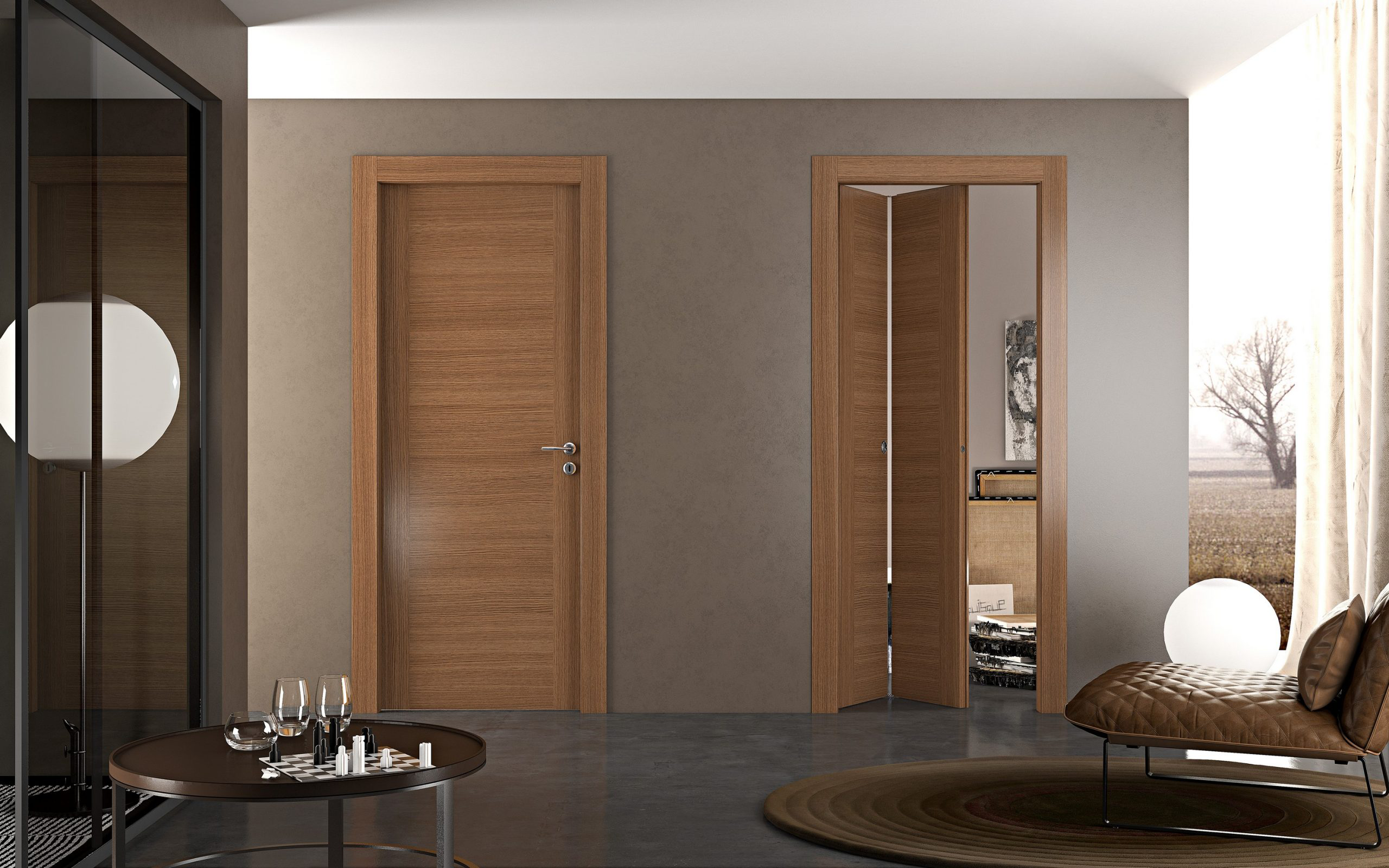
Common Problems with Interior Doors and How to Solve Them
Interior doors are essential for privacy, security, and aesthetics, but they can sometimes experience problems. Fortunately, many common issues with interior doors can be easily fixed with a few simple steps. Below are some of the most frequent door problems and how to solve them.
Doors That Won’t Close Properly
One of the most common issues with interior doors is that they won’t close properly. This can be frustrating and compromise a room’s privacy and security. If your door doesn’t close properly, the issue could be caused by various factors.
Common Causes:
- Misaligned Hinges: If the door is sagging or not aligning correctly with the frame, the hinges may be loose or misaligned.
- Swelling Due to Humidity: Wooden doors can expand in humid environments, causing them to stick or jam when closing.
- Warped Door: Wooden doors may warp over time, especially in extreme temperature or humidity changes.
How to Fix It:
- Tighten the Hinges: Check the hinges to ensure they are tightly secured to the door and the frame. If necessary, tighten the screws or replace any worn-out hinges.
- Adjust the Hinges: If tightening the screws doesn’t solve the issue, you may need to adjust the hinge placement. A shim (a thin piece of wood or cardboard) can be placed behind the hinge to help align the door properly.
- Trim the Door: If the door is swollen or warped, you may need to trim the edges slightly to ensure it fits within the frame. A hand planer or door saw can be used for this.
- Address Humidity Issues: If the problem is caused by humidity, consider using a dehumidifier or a wood conditioner to help prevent further swelling.
Squeaky Doors
Squeaky doors are another common issue, especially with older doors or doors that get frequent use. The squeaking noise is usually caused by friction between the door hinges and the door frame. While it may seem minor, a squeaky door can be annoying and often signals that the door needs some attention.
Common Causes:
- Worn-out Hinges: Hinges can wear out over time, causing them to squeak or stiffen.
- Lack of Lubrication: Without proper lubrication, the metal parts of the hinge rub together, causing noise.
- Rust or Dirt: Dirt or rust in the hinge can cause friction, leading to squeaking.
How to Fix It:
- Lubricate the Hinges: The simplest solution for a squeaky door is lubricating the hinges. You can use oil, WD-40, or a silicone-based lubricant. Apply the lubricant to the hinge pins and move the door back and forth to distribute the oil.
- Clean the Hinges: If the hinges are dirty or rusty, clean them with a cloth and remove any dirt or grime buildup. Use a wire brush or sandpaper to remove rust if necessary.
- Replace the Hinges: If lubrication and cleaning don’t work, the hinges may be worn out. Replacing the hinges is a relatively simple fix that will stop the squeaking and restore smooth operation.
Damaged Doors and Repair Tips
Interior doors can get damaged over time due to accidents, wear and tear, or exposure to moisture. Whether it’s a dent, scratch, or a crack, fixing damaged doors can often be done without needing a full replacement. Here are some tips for repairing damaged interior doors.
Common Causes:
- Dents and Scratches: These can occur from everyday use or impacts.
- Cracks or Chips: Often caused by heavy force or poor installation.
- Water Damage: Wooden doors are especially prone to swelling or rotting when exposed to water.
- Peeling Paint: Over time, paint can peel, chip, or fade, especially on wooden doors.
How to Fix It:
- Fill Dents and Scratches: Use wood filler or spackle for small dents and scratches. Apply the filler, let it dry, and then sand it smooth. After sanding, repaint or stain the area to match the rest of the door.
- Repair Cracks or Chips: You must fill the area with a suitable wood filler for cracks or larger chips. Consider using a wood glue or epoxy for a stronger bond if the crack is deep. Once the filler is dry, sand the area smooth and paint over it.
- Fix Water Damage: If the door has water damage, first assess the extent of the damage. If it’s a minor issue, sanding and refinishing might be enough. For more severe water damage, you may need to replace the affected part of the door or replace the door entirely.
- Repaint the Door: For peeling or faded paint, sand down the door and apply a new coat of paint. If you’re working with a wood door, you may need to stain it to restore its original look. Be sure to use paint or stain suitable for the door material.
- Replace Broken Glass: If your interior door has cracked or broken, it’s important to replace it to ensure safety and functionality. You can either replace the glass yourself if it’s a simple fix or call a professional to handle it.
Conclusion
By knowing the causes of these issues and following the correct steps to fix them, you can keep your interior doors functioning smoothly and looking great. Whether it’s tightening hinges, repairing dents, or addressing water damage, maintaining your doors will extend their lifespan and enhance the overall functionality of your home.
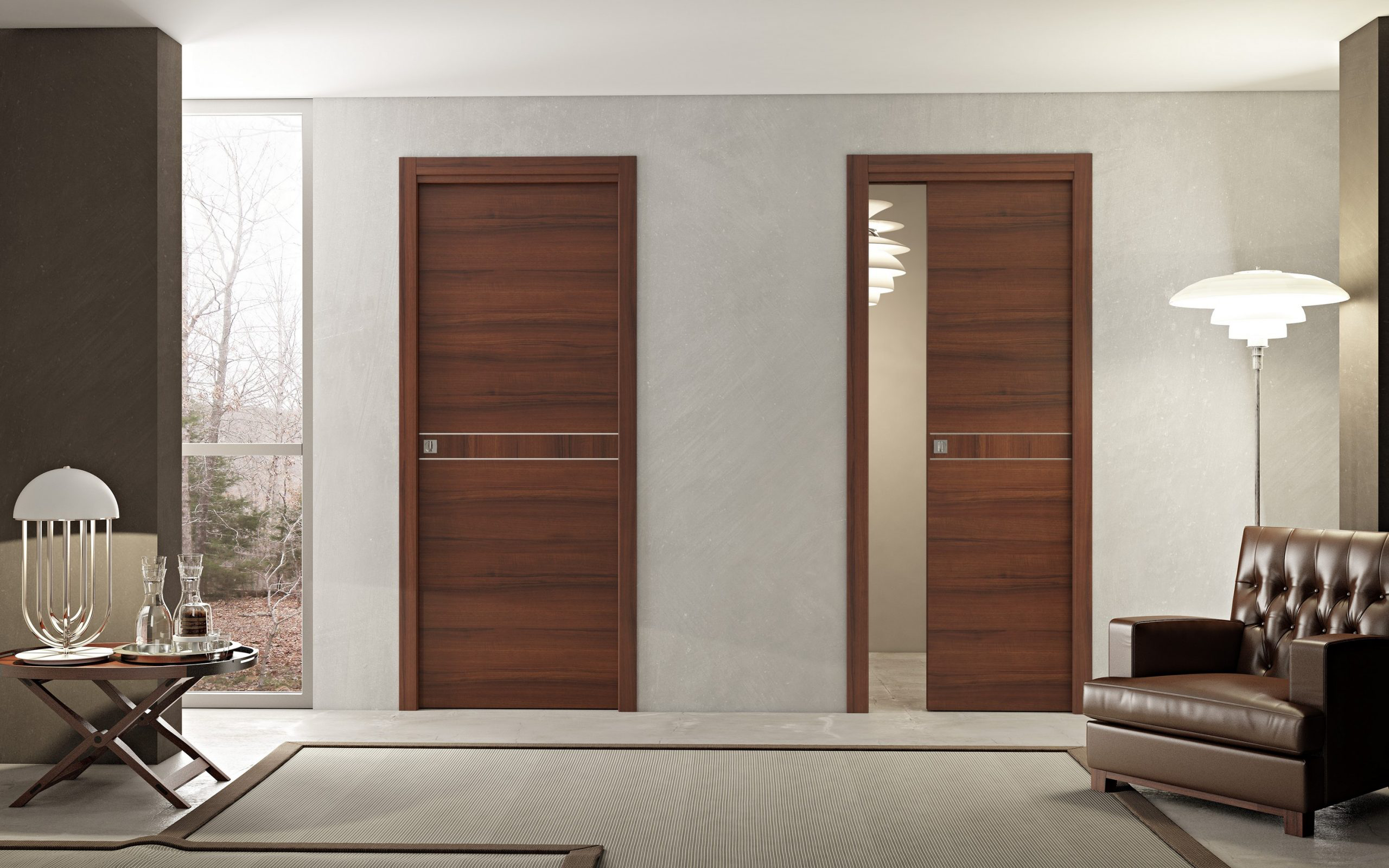
Conclusion
Choosing the right interior door is essential to enhancing the functionality, style, and comfort of your home. With a wide variety of materials, designs, and price points, understanding what factors affect your decision will help you make the best choice for your needs. Whether renovating a single room or upgrading your home, the right interior door can bring beauty, privacy, and functionality to any space.
Choosing the Right Interior Doors for Your Home
When selecting interior doors for your home, it’s important to consider both the aesthetic appeal and the practical needs of each space. Start by thinking about the room’s function. For example, a solid wood door would be a great choice if you need sound insulation. On the other hand, for a bright, open feel between rooms, glass or French doors might be a better option.
Material
Material is another crucial factor. Wood doors offer a classic look and durability, while MDF or composite doors provide an affordable and sturdy alternative. Glass doors allow natural light to flow through spaces, making them perfect for living rooms or hallways. Consider a metal or steel door if security or moisture resistance is a concern.
Size and Style
Don’t forget about size and style. A standard-sized door may be enough for most rooms, but a tailored option might be necessary if you have a custom or larger space. Your door style should also complement your home’s overall décor—whether it’s traditional, modern, or rustic.
Budget
Budget is often one of the most significant considerations. Prices for interior doors can range from budget-friendly options to high-end custom designs. Be sure to factor in installation costs, which affect your overall spending.
Installation and Maintenance
Lastly, installation and maintenance are important factors to think about. Some doors, like pocket or French doors, require more effort during installation. Regular maintenance, like cleaning and lubrication, will keep your doors functioning smoothly for years.
Summary
Considering these factors carefully, you can choose the perfect interior door for your home that fits your style, needs, and budget. Whether you’re updating a single room or planning a complete renovation, the right interior doors will significantly affect your space’s overall look and feel.
Relate FAQ
What is an interior door?
An interior door is a type of door designed for use within the interior spaces of a building. Unlike exterior doors, which are built to withstand weather conditions, interior doors serve as partitions between rooms or spaces inside a home or office. They can be made from various materials, including wood, MDF, glass, and metal, offering multiple styles and functionalities.
What materials are commonly used for interior doors?
Interior doors are typically made from wood (solid, engineered, or plywood), MDF (Medium Density Fiberboard), glass, and metal. Wood offers a classic look and durability, while glass doors can create an open, airy feel. MDF is commonly used for affordability and a smooth finish, while metal doors are often used for security or industrial-style spaces.
How do I choose the right interior door for my home?
Choosing the right interior door depends on factors such as your home's style, the room's purpose, and your budget. For instance, for a bedroom or bathroom, you might want a door that offers more privacy, while a glass door may be ideal for a home office or living room to create an open, bright space. Consider materials, finishes, and the door's functionality to make the best choice.
What are the different types of interior doors?
There are several types of interior doors, including:
- Panel Doors: These are traditional doors with framed panels, often made from wood or MDF.
- Flush Doors: A smooth, flat surface without raised panels, often made from wood or metal.
- French Doors: These are double doors with glass panels, perfect for connecting spaces while maintaining an open look.
- Barn Doors: Mounted on a track, these doors slide open and add a rustic, space-saving design element.
- Bi-fold Doors: They fold in on themselves, often used for closets or smaller spaces.
Can interior doors improve home insulation?
Certain interior doors, especially those with solid core materials, can help improve sound insulation between rooms. This is particularly useful in bedrooms, offices, or media rooms. Additionally, doors with weather-stripping or seals can reduce drafts and maintain room temperatures more effectively.
How do I maintain and care for my interior door?
To maintain your interior doors, regularly clean them with a soft cloth to remove dust and dirt. If your door has wood or painted finishes, consider polishing or repainting it every few years to maintain its appearance. For doors with glass panels, use a glass cleaner to avoid streaks. Keep the hinges lubricated to ensure smooth opening and closing.
Are there different door sizes for different spaces?
Yes, interior doors come in various standard sizes. The most common size for a typical room door is 30 inches wide by 80 inches tall. However, custom sizes are available if you need a door that fits a non-standard opening, such as for larger rooms, closets, or entryways.