What is the disadvantage of a pocket door?

A Quick Look at Pocket Doors
What is a Pocket Door?
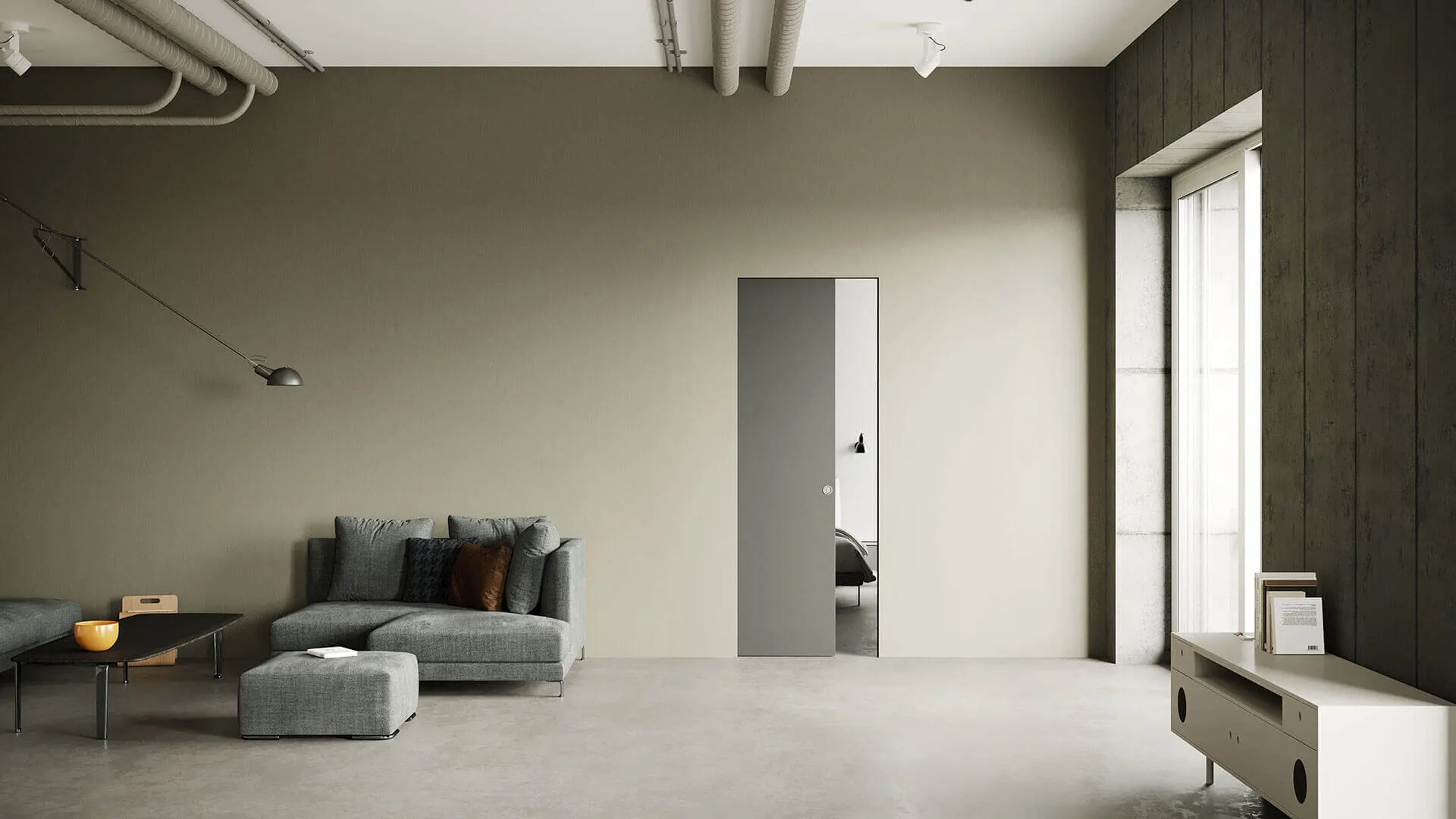
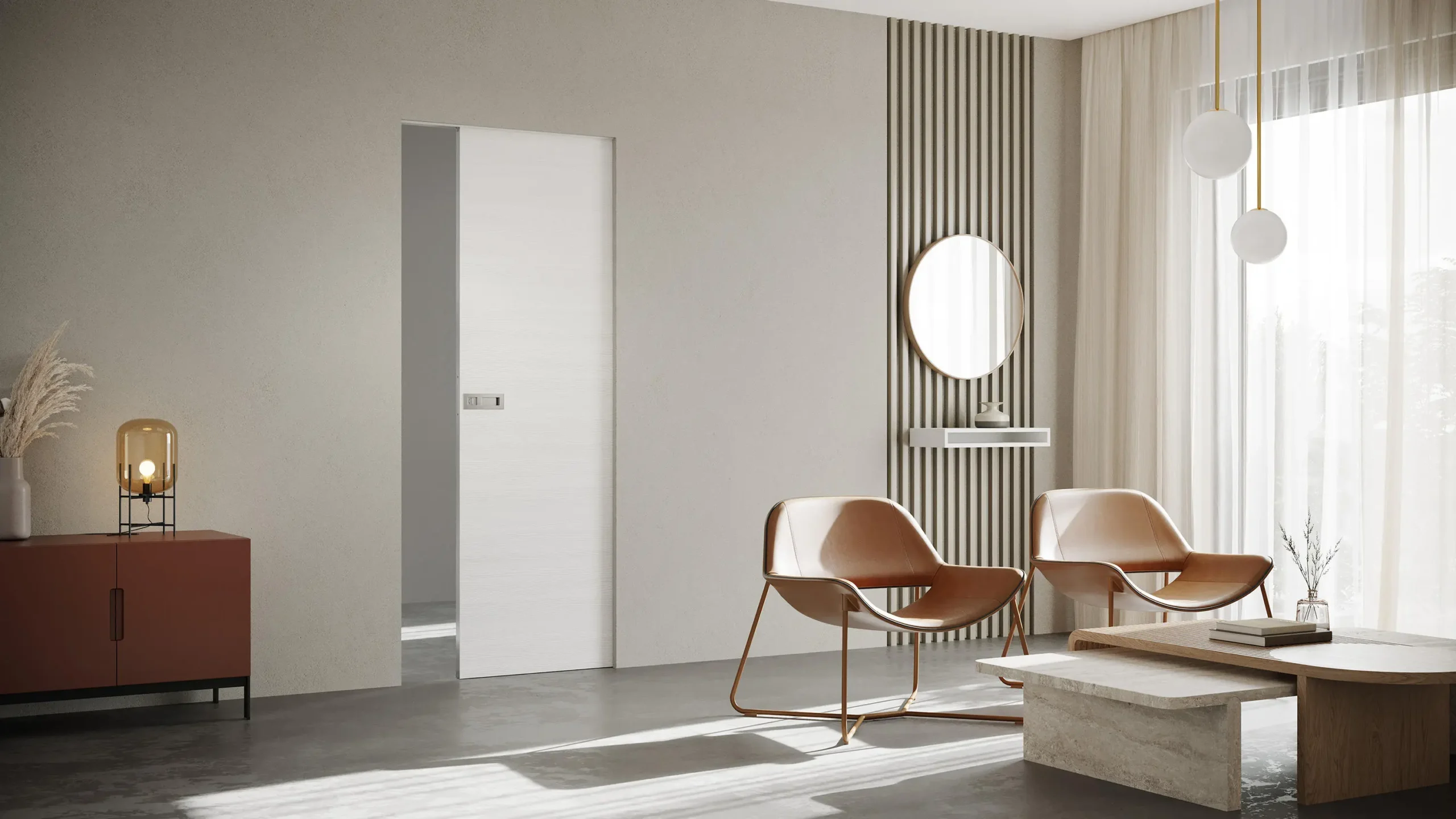
A pocket door is a sliding door that disappears into the wall when you open it. Instead of swinging on hinges like a regular door, it glides on a track and hides inside a slim cavity, or “pocket,” in the wall. Many people call it a sliding pocket door or a hidden recessed door. The design is simple yet clever. You slide it to the side, saving you the space a swing door usually takes up.
Pocket doors have been around for years, but are returning in modern homes. Homeowners like them because they combine function and style. They give a clean, seamless look to a room and work well in old houses and new builds.
Why Do People Choose Sliding Pocket Door?
The main reason is space. A pocket sliding door can free up extra square footage in a small home or apartment. When you do not have to plan for the swing of a hinged door, you gain more room for furniture, shelves, or just open space.
Another reason is design. Pocket doors create a smooth and modern feel. They can make a room look larger and less crowded. For some, the appeal is also about accessibility. Sliding doors are easier to manage in tight hallways or narrow spaces where a hinged door would be awkward.
Finally, there is style variety. From simple wood pocket doors to glass sliding pocket doors, you can match them with nearly any interior theme. They are often seen as a mix of practical and elegant—something that makes daily life easier and adds charm.
A Quick Overview of Flat Door Design
Pocket doors often appear in bathrooms, closets, and small rooms. These are the spaces where every inch counts. For example, a tiny bathroom with a swing door can feel cramped, but a bathroom pocket door lets you move more freely.
Closets are another popular spot. A recessed sliding closet door helps you reach your clothes without fighting against a door that blocks your path. A hidden pocket door in small bedrooms can free up wall space to place a bed or desk without worrying about door clearance.
You will also see pocket doors in laundry rooms, pantries, or between the kitchen and dining area. They work well in spots where you sometimes want separation but enjoy an open flow. In short, a pocket sliding door shines wherever space is limited and function matters.

Main Disadvantages of Pocket Door?
Pocket doors are a great space-saving option, but they come with some disadvantages you should consider before installing them in your home. One of the most significant drawbacks is their lack of soundproofing and privacy. Let’s dive deeper into why pocket doors might not be the best choice in certain situations.
Lack of Soundproofing and Privacy
Regarding privacy and noise control, pocket doors can fall short. While they might be perfect for saving space, their design often makes it harder to achieve the same level of soundproofing and privacy you would get from traditional doors.
The main issue lies in the way pocket doors operate. Since they slide into a wall, there are usually small gaps along the edges of the door. These gaps can let sound pass through easily, making blocking noise from one room to another difficult. This can be a major concern in areas like bedrooms, bathrooms, or home offices, where privacy and quiet are essential.
Why Pocket Doors Do Not Block Noise Well?
The gaps around a pocket door aren’t just a cosmetic issue—they can directly affect the door’s ability to block sound. Unlike traditional hinged doors, which seal tightly when closed, pocket doors don’t always fit perfectly into their frames. This allows sound to travel more easily between rooms.
Even with higher-quality materials, the nature of the sliding mechanism means there’s more opportunity for sound to seep through the gaps. For instance, a pocket door might be ineffective if you’re trying to block noise from a noisy living room while working in a home office. The small gaps can let in unwanted sounds, making it harder to focus or enjoy peace.
Additionally, the track and hardware of a pocket door can amplify noise when the door slides open and closed. Over time, the track can wear down, creating even more noise as the door moves. So, if soundproofing is your top priority, a traditional door with a solid seal would likely be a better choice than a pocket door.
Issues with Bedroom or Bathroom Privacy
Privacy is another major concern when it comes to pocket doors. In spaces like bedrooms or bathrooms, where you typically want to keep things private, the gaps around a pocket door can lead to discomfort. Whether it’s a slight draft or the sound of conversation, these small openings can make you feel less secure than a traditional, solid door would.
For example, in a bathroom, a pocket door might not provide enough privacy if the door doesn’t close completely or if noise from the hallway or other rooms can easily be heard. Similarly, in a bedroom, you may not want to risk having conversations or sounds from outside the room travel through the gaps. While some pocket doors are built with better seals or thicker materials to help reduce this, they still generally don’t provide the same level of privacy as a standard hinged door.
In addition to the lack of privacy, the sliding mechanism of pocket doors can sometimes make them less secure. Unlike a solid door that locks easily and provides a sense of security, pocket doors don’t always offer the exact locking mechanism. This could be a concern in bedrooms or bathrooms, especially if you want a door that provides privacy and security.
Limited Durability Compared to Hinged Doors
Pocket doors are often a go-to choice for saving space, but have drawbacks. One of the key issues is their limited durability compared to traditional hinged doors. While pocket doors are generally sturdy when first installed, they tend to face wear and tear over time. Let’s explore how sliding track problems and loose rollers can affect the longevity of pocket doors.
Sliding Track Problems Over Time
One of the most common issues with pocket doors is related to their sliding track. Over time, the track that guides the door can become misaligned or damaged. This happens because pocket doors constantly slide back and forth, putting stress on the track. As the door is used, dirt, dust, and debris can build up along the track, causing friction that leads to wear. Eventually, the door may not slide as smoothly as it once did.
When the track gets off balance, it can cause the door to jam or get stuck. This is frustrating and can make the door less functional. Sometimes, the track may need to be replaced, which can be costly and time-consuming. If you’re looking for a door that requires minimal maintenance, a pocket door might not be the best option. Traditional hinged doors, by contrast, don’t rely on a sliding track, so they don’t face these specific problems.
Loose Rollers and Hardware Issues
Another durability issue with pocket doors is related to the rollers and hardware that allow the door to move. The rollers are the small wheels at the top of the door that help it glide along the track. Over time, these rollers can loosen or break, causing the door to hang unevenly or even fall off its track.
If the rollers become damaged, the door may not slide smoothly or make a lot of noise when moving. This can be especially annoying if the pocket door is installed in a high-traffic area, like a living room or bathroom. Replacing the rollers and fixing hardware issues can become an ongoing hassle, leading to higher maintenance costs and frustration.
The hardware on a pocket door also includes the track system, the handles, and the locking mechanisms. These components can wear out, become loose, or even break, making operating the door difficult. Unlike traditional hinged doors, whose hardware is simple and generally durable, pocket doors rely on a more complex system that can fail with time.

Difficult to Install and Repair
While pocket doors offer a sleek, space-saving solution, they come with significant challenges in installation and repair. Unlike traditional hinged doors, pocket doors require more advanced planning and can be tricky to install. Moreover, fixing a pocket door when something goes wrong can be costly and time-consuming. Let’s take a closer look at why pocket doors are harder to install and repair.
Wall Opening and Hidden Frame Issues
One of the main reasons pocket doors are difficult to install is that they require a wall opening to fit into. The wall has to be modified to create enough space for the door to slide into, which can be complicated, especially in existing walls. This often means removing part of the drywall, which can disrupt the room’s structure and décor. If your home has drywall or studded walls, cutting into them may require additional work to reinforce the wall afterward.
The hidden frame mechanism adds another layer of difficulty. Unlike regular doors, which only need a frame around the edges, pocket doors rely on a concealed frame inside the wall to allow the door to slide open and shut. The door can become misaligned if the frame isn’t installed correctly or the wall settles over time. This misalignment may require removing parts of the wall to fix the problem, making repairs much more difficult and invasive than a traditional door.
In short, installing a pocket door isn’t a simple task. It involves much more preparation, wall modifications, and attention to detail than a typical door installation. If you’re looking for a hassle-free installation, a pocket door might not be the easiest option.
Cost of Replacing Pocket Door Hardware
Another challenge with pocket doors is the cost of replacing or repairing their hardware. Pocket doors rely on complex components, including the track system, rollers, and handles. Over time, these parts can wear out or become damaged, leading to issues like jamming, uneven sliding, or difficulty opening and closing the door.
When the hardware fails, it can be costly to replace. The track and rollers must be carefully replaced, and depending on the issue, you may need to remove parts of the wall to access the mechanism. This can add extra labor costs, making repairs more expensive than a regular door, where parts are more accessible and easier to fix.
Additionally, if the door’s hardware needs replacing, you may be required to purchase specific parts, which can be expensive and hard to find. Some pocket door systems are custom-made, and finding the right replacement parts can be challenging, leading to delays or needing specialized help.
In contrast, traditional hinged doors have simple, easy-to-replace hardware. If something breaks, such as a handle or hinge, it’s usually straightforward and less expensive to fix.
Accessibility Challenges
While pocket doors are a stylish and space-saving option, they can present accessibility challenges, especially for children, the elderly, or people with disabilities. These challenges arise from the way pocket doors operate and their physical characteristics. Let’s explore why pocket doors might not be the most accessible choice for everyone.
Not Easy for Kids, the Elderly, or Disabled Persons
One of the key accessibility issues with pocket doors is that they can be difficult for specific individuals, such as young children, the elderly, or people with disabilities. Unlike traditional doors that swing open with a push or pull, pocket doors require a sliding motion that may be harder for some people to manage.
The sliding mechanism can be tricky for kids, especially if the door is heavy or has become stiff over time. They may not have the strength or coordination to smoothly slide the door open and closed. Similarly, elderly individuals or those with limited mobility might find it challenging to move a pocket door, particularly if it’s not well-maintained or stuck in its track. If the door is heavy or has stiff rollers, it may require more force than some people can comfortably apply.
Additionally, the way pocket doors slide into the wall doesn’t offer the same “handle” or “grip” that hinged doors do. Users may have difficulty pulling the door open with no door frame to grab onto, especially if their hands are weak or if they are carrying something.
For people with disabilities, the lack of a solid grip and the sliding nature of the door can make it less accessible than a standard hinged door with a handle. A traditional door can be opened with more control, making it easier for individuals with different levels of strength or dexterity to use.
Heavy to Slide If Door Is Wide
Another accessibility concern with pocket doors is that they can be heavy and difficult to slide, especially if the door is large or wide. The wider the door, the more force it requires to move along the track. A pocket door in a wide opening may be too heavy for some people to operate, particularly if the sliding mechanism is not well-maintained.
Over time, the track can accumulate dirt or wear down, making the door even harder to slide. If the door is heavy, users may struggle to open or close it, especially if they need to quickly or with limited effort. This can be a challenge for anyone with limited strength, such as older adults or people recovering from an injury.
In addition, if the sliding track becomes misaligned or the rollers become loose, it can add further difficulty, making the door even harder to move. In these cases, a heavier door with a stiff track could become nearly impossible without professional help.
In contrast, traditional hinged doors don’t face these same accessibility challenges. They can be opened with a simple push or pull and don’t require force to slide along a track. For families with young children, elderly individuals, or people with disabilities, a hinged door might be a safer and more practical option.
Limited Design and Security Options
While pocket doors are a clever and practical solution for saving space, they come with limitations when it comes to design and security. These drawbacks may make them less appealing than other door types, like traditional hinged or French doors. Let’s take a closer look at why pocket doors can fall short in these areas.
Hard to Lock Securely
One of the major disadvantages of pocket doors is their difficulty providing a secure locking mechanism. Unlike traditional hinged doors, which typically come with a reliable lock you can easily engage, pocket doors are more complicated regarding security. Since the door slides into a wall, the locking mechanism must be installed within the door frame or track, which is not always as secure as traditional locks.
Many pocket doors only have a simple latch that holds the door in place, which can be relatively easy to bypass. This means that a pocket door might not be the best choice for areas where you need strong security, such as bedrooms, bathrooms, or offices. In some cases, you may need to invest in more advanced locking systems, which could increase the cost and complexity of installation.
Additionally, the hidden track of a pocket door can make it harder to reinforce security. Because the track is built into the wall, there’s often limited space to install a high-quality lock, compromising its effectiveness. If security is your top priority, traditional doors with sturdy, easily accessible locks are often a better choice than pocket doors.
Fewer Decorative Styles Than Panel or French Doors
Regarding aesthetics, pocket doors have fewer decorative options than more traditional styles, like panel doors or French doors. Pocket doors often have a more minimalist design, and their sliding mechanism can limit the variety of materials and finishes used. For example, panel doors and French doors offer a wide range of customization, with options for wood types, glass panels, hardware, and decorative elements like molding or intricate designs.
Pocket doors, conversely, usually have a simpler, more utilitarian look. While some modern pocket doors can be designed with elegant finishes, they are generally less ornate than their hinged counterparts. If you’re looking to make a bold design statement or need a door that can match intricate home decor, a traditional panel or French door might offer more options in terms of style and customization.
Also, French doors are often popular for letting in natural light and creating an open, airy feel. With large glass panels, French doors provide a sense of openness and beauty, whereas pocket doors, especially those with solid panels, can make a room feel more closed. If the goal is to enhance the aesthetic value of a room, a French door or a stylish panel door will often be a more versatile and visually appealing option.
Hidden Costs and Maintenance Concerns
While pocket doors are a great space-saving solution, they come with hidden costs and maintenance concerns that homeowners may not anticipate. From increased upkeep to repair mistakes, pocket doors require more attention than traditional swing doors. Let’s explore why pocket doors need more maintenance, common repair mistakes, and how the long-term costs compare to traditional doors.
Why Do Pocket Doors Need More Maintenance?
Pocket doors are designed to slide into the wall, which means they have several moving parts, such as the track, rollers, and the door itself. Over time, these parts can wear down, requiring more maintenance than a typical swing door.
The track, for example, can accumulate dust, dirt, and debris, causing friction that makes the door harder to slide. This friction can damage the track and rollers, resulting in a door that gets stuck or doesn’t slide smoothly. Regular cleaning of the track and occasional lubrication of the rollers can help keep the door operating properly. However, this requires extra time and effort compared to traditional hinged doors with fewer moving parts.
Additionally, the pocket door is hidden inside the wall, meaning any repairs or adjustments often require access to the wall cavity. This can make maintenance tasks more complicated, time-consuming, and costly. Unlike a regular door, where you can easily replace a hinge or handle, fixing a pocket door usually involves removing part of the wall to adjust the door or replace components. This hidden maintenance can quickly add up, especially if the door experiences frequent issues.
Common Repair Mistakes Homeowners Make
When it comes to pocket doors, many homeowners attempt to fix problems, leading to common repair mistakes. One of the most frequent mistakes is ignoring small issues, like a misaligned track or a door that doesn’t slide smoothly. These small issues can snowball into bigger problems if not addressed promptly.
For example, if a pocket door becomes difficult to slide, forcing it open or closed is tempting. This can damage the rollers, track, or even the door itself. Homeowners may also make the mistake of applying too much lubricant to the track, thinking it will solve the problem. In reality, too much lubricant can attract more dirt and dust, making the problem worse.
Another mistake is trying to fix the door without properly diagnosing the issue. Sometimes, the problem is not the door but the track or the rollers, and replacing the wrong component can lead to unnecessary expenses. Without proper knowledge of how the pocket door system works, repairs can cost more than they should.
To avoid these common mistakes, it’s best to have a professional handle repairs or consult with one before attempting to fix the door yourself. Pocket doors require expertise; getting it right the first time can save you time and money.
Long-term Cost vs. Traditional Swing Doors
When considering pocket doors, many homeowners overlook the long-term cost compared to traditional swing doors. While pocket doors seem like an excellent option for saving space, their maintenance and repair costs can add up over the years.
With its simple hinge mechanism, a traditional swing door requires less maintenance and fewer repairs. There are no tracks to get clogged with dirt, no rollers to wear out, and no hidden components to access for adjustments. Most issues with a swing door, like a loose hinge or faulty handle, are relatively easy to fix and often cost less than a pocket door repair.
In contrast, the hidden track system in pocket doors requires more intricate maintenance. If the track becomes misaligned or the rollers break, the door might need to be completely removed from the wall to fix the problem. These repairs can be expensive and time-consuming. Additionally, since pocket doors are built into the wall, repairing or replacing them can involve tearing into drywall, which adds to the cost.
Over the long term, a traditional swing door is more cost-effective, considering the lower cost of repairs and maintenance. Pocket doors, while space-efficient, can cost more in upkeep and repairs. For homeowners who want a low-maintenance option, traditional doors are often the better choice in the long run.
Summary
In conclusion, pocket doors offer space-saving benefits but come with hidden maintenance costs and repair challenges that homeowners should consider. Pocket doors require more upkeep than traditional swing doors, and common repair mistakes can make the process even more costly. Traditional doors may be a more economical and hassle-free option for many homeowners when factoring in long-term costs.
When Pocket Doors Are Not a Good Idea?
While pocket doors can be an excellent space-saving solution, they are not always the best choice for every situation. There are a few scenarios where traditional hinged doors may be a better option. Let’s dive into some cases where pocket doors might not work well.
Small Bathrooms with Moisture Problems
Pocket doors can be tricky in small bathrooms, especially if they struggle with moisture. Bathrooms are humid, and moisture can build up around the door frame. Pocket doors are often installed inside a wall cavity, and moisture can seep into this area, leading to mold and mildew. This can create long-term damage to both the door and the wall structure.
Additionally, pocket doors tend to have a track at the bottom, which may collect moisture, causing the door to stick or become warped over time. If your bathroom is small and prone to high humidity, you might reconsider a pocket door for better durability and functionality. A regular hinged door with a moisture-resistant finish could be a safer, more practical choice.
Bedrooms That Need More Privacy
Another situation where pocket doors might fall short is in bedrooms where privacy is essential. Pocket doors, by nature, don’t always provide the level of soundproofing and privacy you might need in a bedroom. Because the door slides into the wall, there is often a small gap along the edges, which can let sound travel through. If you value peace or need to block out noise, a traditional hinged door with a tight seal might offer better soundproofing.
Moreover, pocket doors can sometimes lack a traditional door’s solid, secure feel. If you need a high level of privacy—especially in shared living spaces—this gap or lack of a solid door might not meet your expectations. A standard, heavy-duty door could provide more comfort and security.
Heavy-Use Areas Like Kitchens or Entryways
Kitchens and entryways are high-traffic areas in most homes. These spaces require doors that can handle daily wear and tear. While convenient for saving space, pocket doors may not be the most durable option for heavy-use areas. Because they are recessed into the wall, they can be more prone to damage from frequent opening and closing, especially in busy households.
The pocket door mechanism, which relies on tracks and rollers, can wear down over time, particularly in kitchens where people may be moving in and out quickly with food, groceries, or cleaning supplies. A traditional door, on the other hand, tends to be sturdier and more reliable in these situations. If you’re concerned about long-term durability and ease of maintenance, a classic hinged door may be a more practical choice.
Summary
In conclusion, pocket doors are an excellent option for many spaces, but they might not be ideal in areas where moisture is an issue, privacy is paramount, or the door will experience heavy use. It’s important to consider the specific needs of each room before deciding on the type of door to install. If in doubt, consult a professional to help guide your decision based on your home’s unique requirements.

Pocket Door vs. Other Door Types
When choosing a door for your home, it’s essential to compare different types to find the one that best fits your needs. Pocket doors are a popular choice for saving space, but how do they stack against other doors like sliding barn doors, regular hinged doors, and bifold doors? Let’s break down the differences.
Pocket Door vs. Sliding Barn Door
Pocket doors and sliding barn doors both slide open rather than swing, which can save valuable space. However, there are key differences between the two.
A pocket door slides into the wall when opened, completely hiding the door inside the cavity. This feature makes pocket doors an excellent option for spaces where you want to maximize the usable space. However, they require a hollow wall to slide into, and installation can be more complex and costly.
On the other hand, a sliding barn door doesn’t require the wall cavity, as it slides along a track mounted on the outside of the wall. This makes barn doors easier to install and can be an excellent option for adding a rustic or industrial touch to your decor. However, the track is always visible, which might not appeal to everyone. Also, the space in front of the door must be kept clear so that it can slide open.
Both doors have their advantages and drawbacks. A pocket door might be your best bet if you prefer a sleek, hidden door that blends seamlessly into your space. But if you want a character and easy installation door, a sliding barn door might be a better choice.
Pocket Door vs. Regular Hinged Door
A regular hinged door is the most traditional type of door and is often the go-to option for most rooms in a home. While pocket doors and hinged doors have similar functions, they differ in their operation and space requirements.
A regular hinged door swings open on hinges, taking up valuable space in smaller rooms. This can be a problem in tight areas, such as bathrooms or closets, where you must conserve every inch. Pocket doors, on the other hand, slide into the wall, making them ideal for these small spaces.
Hinged doors also provide a more solid, secure feel than pocket doors, which can have small gaps along the edges. This might be an issue for those who value privacy or need high soundproofing in certain rooms. Additionally, hinged doors are typically more durable and easier to repair if damaged, whereas pocket doors can be more complicated to fix due to their sliding mechanism.
Pocket doors offer a great space-saving solution if you’re dealing with limited space. But if you prioritize durability, security, and ease of maintenance, a traditional hinged door may be a better fit.
Pocket Door vs. Bifold Door
Bifold doors are often used in closets, laundry rooms, or smaller spaces where a traditional door might be too bulky. Bifold doors save space like pocket doors because they fold open rather than swinging outward. However, there are some important differences to consider.
A pocket door completely disappears into the wall when it’s open, leaving the full doorway open and unobstructed. On the other hand, bifold doors fold in on themselves, and part of the door is always visible even when it’s open. Bifold doors might not provide the same clean, seamless look as pocket doors.
Bifold doors are generally easier to install than pocket doors because they don’t require wall modification to create a hidden space. However, the folding mechanism of bifold doors can wear down over time, especially in high-traffic areas. Pocket doors, while more complex to install, are often more durable and offer a more refined, minimalist design.
Pocket and bifold doors can be good choices for areas where you need to save space. However, a pocket door might be the way to go if you prefer a door that completely disappears and gives a sleek appearance. A bifold door may be the better option if you need something simpler and less expensive.
Better Alternatives to Pocket Door
While pocket doors are an excellent option for saving space, they may not always be the best fit for every situation. Fortunately, several alternatives can offer a better solution depending on your needs. Let’s look at three great options for pocket doors: sliding barn doors, French doors, and traditional hinged doors.
Sliding Barn Doors for Style and Ease
Sliding barn doors have become incredibly popular due to their rustic charm and modern appeal. They are a great alternative to pocket doors, offering style and practicality. Sliding barn doors hang on a track mounted on the wall, making them easy to install without requiring the wall space that a pocket door does.
One of the key advantages of sliding barn doors is the visual impact they can have on a room. A sliding barn door can act as a statement piece in any room for a farmhouse vibe or a more industrial look. It’s an easy way to add character and charm without a complicated installation process.
Additionally, sliding barn doors are often easier to maintain and repair than pocket doors. Since they are mounted on the wall’s surface rather than inside, there’s no need to worry about wall cavities or mechanisms hidden within the structure. However, while barn doors save space like pocket doors, they require clear space along the wall to slide open.
If you want a door that brings personality to a room while saving space and offering ease of installation, a sliding barn door could be the perfect alternative to a pocket door.
French Doors for Natural Light
If you’re looking for an option that lets in plenty of natural light while maintaining a stylish and elegant look, French doors are an excellent alternative to pocket doors. These doors are typically made of two glass panels, allowing sunlight to pass through and brightening up any space. They are often used to connect rooms or open onto a patio, garden, or balcony.
French doors can be a great solution to open up a space without losing the separation between rooms. Unlike pocket doors, which slide into a wall, French doors swing open, providing a wide, unobstructed opening. The glass panels also allow you to maintain a visual connection between rooms, making spaces feel larger and more open.
Although French doors are not as space-saving as pocket doors, they can bring elegance and allow a lot of natural light to fill your home. If privacy isn’t a major concern and you want a door that adds charm and brightness, French doors could be the ideal choice.
Traditional Hinged Doors for Security and Soundproofing
Traditional hinged doors remain one of the best options for those who prioritize security, soundproofing, and durability. While pocket doors are great for small spaces, they don’t provide the same security or sound isolation as a solid, hinged door. Hinged doors, particularly those made from solid wood or metal, can offer a more secure barrier between rooms, providing peace of mind in places like bedrooms or home offices.
Another benefit of hinged doors is their ability to block sound. Whether it’s noise from the outside world or other rooms, hinged doors can be a better option to reduce noise levels. Pocket doors often have small gaps around the edges, letting sound pass through more easily. A hinged door can offer superior soundproofing with the right materials and design.
In addition, traditional hinged doors are generally more durable and easier to repair than pocket doors. The mechanism of a pocket door can wear down over time, and repairs can be more complex. Hinged doors, however, are simpler to maintain and withstand everyday wear and tear.
If security, privacy, and soundproofing are your top priorities, traditional hinged doors may be better than pocket doors. They offer a timeless look, excellent durability, and superior functionality in specific spaces.
Summary
In conclusion, pocket doors are a great space-saving solution; other door types like sliding barn doors, French doors, and traditional hinged doors may be more suitable depending on your needs. Sliding barn doors offer style and ease of installation, French doors allow for natural light and elegance, and traditional hinged doors provide the security and soundproofing that pocket doors can’t always match. Consider your room’s needs and aesthetic preferences when deciding which door is best for your home.
Final Thoughts
Pocket doors are a smart, space-saving solution, but they’re not always the best fit for every home or every need. Whether you’re building a new home or remodeling, it’s important to carefully consider all the factors before choosing pocket doors. Here’s a look at some key considerations for selecting pocket doors that will help you make the right decision for your space.
Key Considerations for Selecting Pocket Doors
The most important factor to consider when selecting pocket doors is the available space. Pocket doors are designed to save space by sliding into the wall, making them ideal for tight areas where traditional hinged doors would swing out and take up too much room. If you’re working with small bathrooms, closets, or rooms with limited space, a pocket door might be just what you need.
However, it’s important to remember that pocket doors require a wall cavity to slide into, so they work best in new construction or during major renovations. Retrofitting a pocket door into an existing wall can be challenging, expensive, and disruptive. If you don’t have the space for a hidden door mechanism, you might be better off with a different type of door, such as a sliding barn door or a traditional hinged door.
Next, think about the functionality you need from the door. A pocket door might not be the best choice if soundproofing and privacy are essential. As we’ve discussed, pocket doors tend to have small gaps around the edges, allowing sound to pass through. A traditional door with a solid frame may provide better security and noise control for rooms where privacy is a priority- such as bedrooms or bathrooms.
Another consideration is the maintenance and repair needs of pocket doors. Over time, the sliding mechanism, track, and rollers can wear down, leading to costly repairs. If you’re uncomfortable with the added upkeep or prefer a low-maintenance option, a traditional door might be better. Pocket doors require more attention to keep running smoothly, and repairs can sometimes be complex, especially if the door becomes misaligned or the hardware fails.
Finally, consider the overall design and style of your home. Sleek and modern pocket doors may not offer the same decorative options as panel or French doors. If you’re looking for a door that adds character or complements the overall design of your home, choose a traditional door style. On the other hand, if you prefer a minimalist or space-efficient design, pocket doors can fit well into contemporary or small spaces.
Summary
In conclusion, pocket doors are an excellent option for saving space but come with limitations. Consider the available space, functionality, ease of maintenance, and aesthetic needs before deciding. With careful planning and consideration, pocket doors can be an excellent choice for the right space, offering both style and practicality.
Relate FAQ
Are pocket doors less soundproof than regular doors?
Yes. Pocket doors usually provide less sound insulation than hinged doors. Because they slide into a wall cavity, they don’t seal as tightly, which can allow noise, odors, and even light to pass through.
Do pocket doors cost more to install?
In many cases, yes. Installation can be more expensive because the wall must be modified to create the “pocket.” If the wall is load-bearing, plumbing or electrical lines may need to be relocated, which adds complexity and cost.
Are pocket doors durable?
Pocket doors can be prone to track and roller issues over time. Repairs are harder if the sliding mechanism becomes misaligned or damaged because the track is hidden inside the wall.
Do pocket doors offer less privacy?
Yes. Since they don’t latch as securely as standard doors, pocket doors may not provide the same level of privacy, making them less ideal for bedrooms or bathrooms where soundproofing and locking are important.
Can pocket doors be used in every home?
Not always. Pocket doors require wall space for the cavity, so they’re not suitable for walls with plumbing pipes, electrical wiring, or structural elements in the way. Retrofitting them into existing walls can be challenging.
Are pocket doors suitable for everyone?
Not usually. Because they can be harder to slide open, especially for people with limited mobility or strength, pocket doors aren’t always the most accessible choice compared to traditional swing doors.