What is the definition of a sliding door?

Introduction to Sliding Door
What is a Flat Door?
Sliding doors are a type of door that moves horizontally along a track, instead of swinging open like a traditional hinged door. It consists of one or more panels that glide smoothly to open or close. Sliding doors can be made from various materials, such as wood, glass, or metal, and are commonly found in homes, offices, and commercial spaces.
Unlike regular doors, sliding doors do not require extra space to open outward. This unique feature makes them a practical choice for smaller rooms or tight spaces. They’re especially popular for entrances to patios or balconies, allowing for easy access and a smooth transition between indoor and outdoor areas.
With their sleek design, sliding doors add a modern touch to any home or office. They can be a focal point of a room or serve a functional purpose, like separating spaces without the need for bulky walls.
Basic Function and Key Characteristics of Sliding Door
The main function of a sliding door is to provide a space-saving, efficient way to move between rooms or outdoor areas. Because these doors slide along a track, they don’t require extra space to open outward like traditional hinged doors. This makes sliding doors ideal for smaller spaces or places where space is at a premium, such as apartments, condos, or offices.
Key characteristics of sliding doors include:
- Smooth Operation: Sliding doors glide open and closed with ease, thanks to their track system. This ensures minimal noise and smooth movement.
- Variety of Materials: Sliding doors come in a range of materials, from glass for an open and airy feel, to wood for a more traditional look, and metal for durability and a sleek, modern design.
- Energy Efficiency: Modern sliding doors often feature energy-efficient glass, which helps with insulation and reduces energy bills by keeping the heat in during winter and the cool air in during summer.
- Space-saving: Since sliding doors don’t require the swing space that hinged doors do, they are a great option for rooms where every inch of space counts.
- Customizable Designs: Sliding doors can be customized to fit different home styles and sizes, with options for single, double, or even bi-fold sliding doors for wider openings.
Why Sliding Door Is Popular in Modern Architecture?
Sliding doors have become a staple in modern architecture for several reasons. First, they contribute to a clean, minimalist aesthetic, which is a key feature of contemporary design. Their sleek appearance allows them to blend seamlessly with the surrounding decor, creating a harmonious flow between rooms or between indoor and outdoor spaces.
One of the biggest reasons sliding doors are so popular is their ability to connect indoor and outdoor spaces. Large glass sliding doors are often used in patio door designs, allowing natural light to flood the interior while providing easy access to gardens, patios, or balconies. This helps create a seamless transition between the indoor living area and the outdoors, which is especially important in homes that focus on open, airy living spaces.
Moreover, sliding doors are highly functional. As urban living becomes more compact, space is a valuable commodity. Sliding doors, with their space-saving design, offer a solution to smaller rooms and apartments. They allow for more flexible layouts by eliminating the need for wide, swinging doors. In fact, in many modern homes, pocket sliding doors are used in bathrooms or hallways to maximize space usage.
Another reason sliding doors have gained popularity is their energy efficiency. The glass used in modern sliding doors often has advanced insulation properties, reducing heat loss and improving a home’s energy performance. Whether you’re looking for patio sliding doors or interior sliding doors, you’ll find many options that meet high standards for thermal efficiency and sound insulation.
In addition to functionality, sliding doors add a touch of luxury to any home or business. Their contemporary design and ability to enhance natural lighting make them a favored choice for those looking to create a modern, inviting atmosphere. Whether used as an entrance door or as a way to divide rooms, sliding doors have proven to be both practical and stylish.
Types of Sliding Door
Traditional Sliding Door
A traditional sliding door is the classic design that most people are familiar with. It consists of one or more panels that glide open and closed along a track. These doors are commonly made from materials like wood, glass, or metal.
One of the main features of traditional sliding doors is their simplicity. They are easy to use and can be installed in almost any space, whether it’s a bedroom, living room, or hallway. The panels typically overlap when closed, providing more privacy and sound insulation.
These doors are a great choice for people looking for a space-saving solution. Since they don’t swing open like a standard door, they free up valuable space in small rooms. You’ll often see sliding doors used as closet doors or even for dividing large rooms in homes or offices.
Traditional sliding doors are also quite versatile. They come in a variety of styles, from minimalist glass sliding doors that let in natural light to wooden sliding doors that add warmth and texture to a room. They fit perfectly in modern as well as more traditional spaces.
Bi-Fold Sliding Door
Bi-fold sliding doors are a modern twist on the classic sliding door. These doors consist of multiple panels that fold back on themselves as they slide along the track. Instead of just one or two panels moving, bi-fold doors can have several panels that stack neatly to one side when fully open.
The main advantage of bi-fold sliding doors is the wide opening they create. This makes them perfect for areas where you want to create a completely open space, such as in living rooms, kitchens, or even patios. They can also be used as room dividers to separate larger areas without the need for a wall.
Bi-fold doors are often used in homes where you want to blur the line between indoor and outdoor spaces. Whether it’s a patio sliding door or a folding glass door, bi-fold sliding doors create a beautiful, unobstructed view of the outdoors. They are especially popular in homes with open-plan designs, where creating a flow between spaces is important.
These doors are available in a range of materials, including aluminum, wood, and PVC. They can also be customized with different types of glass to meet energy efficiency needs, such as double-glazed glass for better insulation.
Pocket Sliding Door
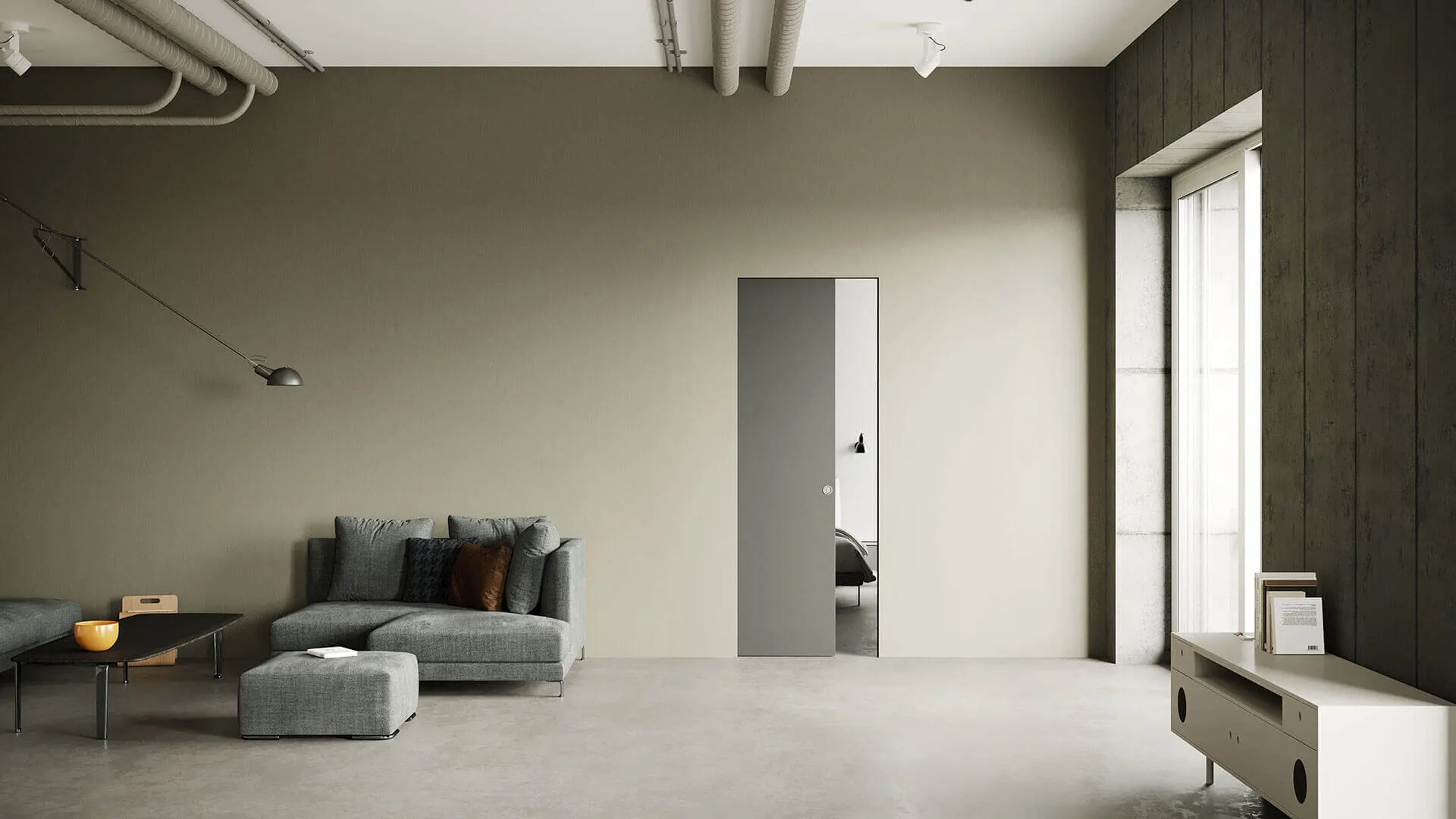
A pocket sliding door is a space-saving solution that works by sliding into the wall when opened. The door disappears into a “pocket” within the wall, making it ideal for areas where you want to save space or don’t want a door to be visible when not in use.
Pocket sliding doors are particularly useful in small spaces or for places where you don’t have room for a swinging door. They are commonly installed in bathrooms, bedrooms, or closets. By sliding into the wall, they eliminate the need for a door swing, freeing up floor space and providing a cleaner look.
These doors are available in various designs and materials, just like traditional sliding doors. Whether you choose a glass pocket sliding door for a modern look or a wooden pocket door for a more classic feel, pocket sliding doors offer a sleek and functional solution. They are also great for maintaining a minimalist aesthetic, especially in modern homes where clean lines and simplicity are key.
Patio Sliding Door
A patio sliding door is a type of sliding door that connects your indoor living space to your outdoor area, such as a patio, deck, or garden. These doors typically feature large glass panels, allowing for an abundance of natural light to enter the home while offering an unobstructed view of the outdoors.
Patio sliding doors are popular in homes where people want to enjoy the outdoors without fully exposing themselves to the elements. These doors provide easy access to outdoor areas while keeping the home secure and energy-efficient. Modern patio sliding doors are designed with energy-efficient glass, which helps to keep the house cool in the summer and warm in the winter, reducing energy costs.
Patio sliding doors are available in both single-panel and multi-panel designs. Single-panel patio doors are perfect for smaller spaces, while multi-panel sliding doors can create a more dramatic effect and offer a wider opening for larger rooms.
Another benefit of patio sliding doors is their ability to open up a space completely. They provide seamless access between the indoors and outdoors, making them an excellent choice for open-concept homes or for homeowners who like to entertain guests. Whether you’re using them for a backyard patio, balcony, or garden, patio sliding doors help create a smooth transition from your living room or dining area to the outside world.

The Benefits of Sliding Door
Space Efficiency and Functionality
One of the biggest advantages of sliding doors is their space efficiency. Unlike traditional doors that swing open, sliding doors move horizontally along a track. This design eliminates the need for extra space to accommodate the door’s swing, making it perfect for small rooms, apartments, or tight spaces where every inch counts.
In addition to saving space, sliding doors are incredibly functional. Whether it’s a glass sliding door leading to your backyard or a pocket sliding door for a bathroom, they provide seamless movement between rooms or spaces. This functionality is especially important in open-plan homes, where flexibility and flow are key. With sliding patio doors, for instance, you can effortlessly transition from the living area to your outdoor space, perfect for hosting guests or enjoying the view.
Moreover, sliding doors offer more versatility compared to regular doors. They can be used to separate living areas, provide privacy for bedrooms or offices, or even as closet doors. Their space-saving design ensures they fit well in various environments, from small urban apartments to larger commercial settings.
Aesthetic Appeal
Sliding doors don’t just serve practical purposes—they also add significant aesthetic appeal to any space. Their sleek, minimalist design can complement both modern and traditional interiors. Whether you choose a frameless glass sliding door or a more classic wooden sliding door, these doors instantly elevate the look of a room.
Glass sliding doors are especially popular for their ability to open up a space. They allow natural light to flood in, creating an airy, spacious feel. This makes them a great option for areas like living rooms or dining rooms, where you want to maintain an open, welcoming atmosphere.
For those looking for a more contemporary design, aluminum sliding doors offer a clean, industrial look. Whether used as patio doors or to separate rooms, the combination of glass and metal creates a sophisticated, modern vibe.
In terms of style, sliding doors can be customized to match your vision. You can choose the material, color, and finish, giving you full control over the final look. The variety of sliding door types, from bi-fold to pocket sliding doors, ensures that there’s an option to fit any design preference or space.
Energy Efficiency and Natural Light
Another significant benefit of sliding doors is their energy efficiency. Many modern sliding doors are designed with insulated glass, which helps to reduce heat loss in the winter and prevent heat from entering during the summer. This energy-efficient feature makes sliding doors an excellent choice for improving your home’s overall energy performance.
Sliding patio doors, for instance, allow you to bring the outdoors inside while still maintaining temperature control. Thanks to double-glazed glass and low-emissivity (Low-E) coatings, these doors help keep your home comfortable year-round, without needing to adjust the thermostat constantly.
In addition to energy efficiency, sliding doors also enhance natural light in your home. Large glass panels maximize the amount of daylight that enters a room, brightening up your living space and reducing the need for artificial lighting. This is particularly valuable in homes that focus on sustainability and eco-friendly design. The more natural light you can harness, the less you’ll rely on energy-hungry lights during the day.
By using energy-efficient sliding doors, you not only reduce your carbon footprint but also save on energy bills over time. This makes sliding doors a wise investment for both environmental and financial reasons.
Accessibility and Ease of Use
Sliding doors are also highly valued for their accessibility and ease of use. Unlike traditional doors, which may require a handle to pull or push, sliding doors open and close with a gentle push or pull, making them ideal for people of all ages and abilities. This feature is particularly beneficial in households with elderly family members or those with mobility issues, as the effort to operate them is minimal compared to a standard door.
Patio sliding doors and pocket sliding doors are particularly advantageous in homes that need to accommodate wheelchairs, walkers, or other assistive devices. The smooth gliding action makes it easy to navigate through doorways without any hindrance. Additionally, these doors are often wider than traditional hinged doors, further improving accessibility.
In commercial settings, sliding doors are a practical choice for high-traffic areas. They allow for smooth movement in and out of spaces, like retail stores, hotels, or office buildings, where convenience and ease of access are crucial. Automatic sliding doors are also commonly found in these environments, offering hands-free entry, which is not only convenient but also hygienic.

Materials Used in Sliding Door
Glass Sliding Door
Glass sliding doors are among the most popular options for homeowners looking to bring in natural light and enhance the view of the outdoors. These doors typically feature large glass panels that allow plenty of sunlight to flood into your living space, making rooms feel brighter and more open.
One of the main advantages of glass sliding doors is their ability to create a seamless connection between indoor and outdoor areas. Whether it’s a patio sliding door or a balcony door, the clear glass offers an unobstructed view of your garden, deck, or backyard. This makes them an excellent choice for those who want to enjoy the beauty of their surroundings from the comfort of their home.
Additionally, modern glass sliding doors are designed with energy-efficient glass, like double-glazed or low-E glass, to help keep homes insulated and reduce energy consumption. This makes them not only a stylish option but also an eco-friendly choice.
However, it’s important to note that glass doors may require more maintenance compared to other materials. Regular cleaning is essential to keep the glass looking spotless and ensure that the sliding mechanism runs smoothly. Overall, glass sliding doors are an ideal choice for homeowners who value natural light, openness, and energy efficiency.
Wood Sliding Door
Wood sliding doors offer a classic, timeless look that can add warmth and charm to any room. Made from various types of wood, such as oak, pine, or cedar, these doors bring a natural beauty to your space. Wooden sliding doors are often chosen for their aesthetic appeal and ability to complement traditional or rustic interiors.
These doors are particularly popular in homes where you want to add a sense of coziness and texture. A wooden sliding door can be a great way to separate spaces, such as a living room and dining area, while still allowing for a smooth, easy transition between them. They also provide privacy without compromising on design, making them an excellent option for bedrooms or home offices.
In terms of maintenance, wooden sliding doors require occasional care to keep them in top condition. Wood can be prone to warping or expanding due to changes in humidity, so it’s important to ensure that they are properly sealed and maintained. Despite this, wood sliding doors remain a popular choice for their warmth, durability, and classic aesthetic.
Aluminum and Steel Sliding Door
Aluminum and steel sliding doors are highly durable and offer a modern, industrial look. These doors are often used in contemporary homes and commercial buildings due to their sleek appearance and ability to withstand the elements. Aluminum sliding doors are particularly popular because they are lightweight, yet strong enough to support large glass panels, allowing for a wide, open view.
One of the key benefits of aluminum and steel sliding doors is their low maintenance. These materials are resistant to rust and corrosion, making them ideal for homes in humid or coastal areas. Aluminum sliding doors also have excellent energy efficiency when paired with insulated glass, keeping your home comfortable throughout the year.
In addition to their strength and durability, steel sliding doors are often favored for their modern appearance. They can be customized to fit various styles and finishes, from sleek matte black to a polished metallic finish. These doors are a great option for homeowners seeking a minimalist design that doesn’t compromise on strength or functionality.
While aluminum and steel sliding doors are more durable and low-maintenance, they can sometimes be more expensive than other options, like wood or composite. However, their long-term durability and sleek design often make them worth the investment.
Composite and Vinyl Sliding Door
Composite and vinyl sliding doors offer a budget-friendly alternative to traditional wood and metal options. Made from a blend of materials like fiberglass, PVC, or composite wood, these doors are designed to provide the look and feel of wood without the upkeep.
Composite sliding doors are particularly durable, as they are resistant to warping, cracking, or swelling due to changes in temperature or humidity. This makes them a great choice for areas that experience extreme weather conditions. These doors also tend to be energy efficient, offering insulation that helps regulate the temperature inside your home.
Vinyl sliding doors are another affordable option, known for their low maintenance requirements. Vinyl is durable, easy to clean, and resistant to fading over time. These doors are also energy-efficient, as they can be equipped with double-glazed glass to improve insulation and reduce heating and cooling costs.
While composite and vinyl sliding doors may not have the same aesthetic appeal as wood or the strength of aluminum, they are an excellent choice for homeowners looking for a practical, cost-effective solution. These doors come in a variety of colors and styles so that you can find the perfect match for your home’s design.

How to Choose the Right Sliding Door for Your Home?
Factors to Consider
Choosing the right sliding door for your home can seem tricky, but when you focus on a few key factors, the decision becomes much easier. Here are some important things to keep in mind:
Functionality:
First, think about how you plan to use the sliding door. Are you looking to separate rooms or create a seamless connection between your indoor and outdoor spaces? If you need to divide a large space, a bi-fold sliding door might be a better option. If you’re looking to save space in a small room, pocket sliding doors can be a great choice since they slide into the wall and don’t require extra floor space to open.
Material:
The material of your sliding door affects both its look and durability. If you want natural light and an open feel, glass sliding doors are ideal. For a more traditional or cozy look, wooden sliding doors are perfect. For durability and low maintenance, aluminum or steel sliding doors are great, while composite or vinyl sliding doors offer an affordable and energy-efficient alternative.
Size and Space:
Measure your available space carefully to ensure the sliding door fits perfectly. Take into account the size of the opening, as well as the track space needed for smooth operation. Remember, sliding doors are great for saving space, but you still need to ensure there’s enough room for the door to slide open.
Energy Efficiency:
If you live in an area with extreme weather, consider choosing energy-efficient sliding doors. Modern double-glazed or Low-E glass options can help keep your home cool in summer and warm in winter, saving on energy bills.
Style and Aesthetics:
The style of your sliding door should complement the design of your home. Whether you prefer a sleek, modern look with frameless glass sliding doors or a more rustic vibe with wooden sliding doors, choose a style that fits with your home’s decor.
How to Measure for a Sliding Door?
Measuring for a sliding door is crucial to ensure a perfect fit. Here’s a simple step-by-step guide to help you:
1. Measure the Door Opening:
Start by measuring the width and height of the door opening where the sliding door will be installed. Use a tape measure to get accurate dimensions. Ensure to measure at several points, as openings may not always be perfectly square.
2. Account for Track Space:
Sliding doors require a track to glide smoothly. Measure the length of the track and make sure there’s enough room on either side of the opening for the door panels to slide open completely.
3. Determine the Door Panel Size:
Depending on the type of sliding door you want (single, double, or bi-fold), check the recommended panel sizes for that style. For example, patio sliding doors usually have larger glass panels, while interior sliding closet doors tend to be smaller.
4. Check the Door Swing:
Even though sliding doors don’t swing outward like traditional doors, you’ll need to think about the space the door will occupy when open. This is especially important for larger glass sliding doors or bi-fold sliding doors, where the panels may stack to one side.
5. Consult the Manufacturer’s Guidelines:
Always refer to the manufacturer’s sizing guide when choosing the right sliding door. They may provide specific recommendations based on the type of door and the material you’ve selected.
Summary
If you’re unsure about any of the measurements or details, it’s always a good idea to have a professional help with the process. Proper measurement ensures the door fits snugly, functions smoothly, and looks great in your space.
Professional Installation vs DIY Installation
When it comes to installing your sliding door, you have two main options: professional installation or DIY installation. Each option has its pros and cons, so let’s break them down:
Professional Installation
Hiring a professional to install your sliding door can save you time and effort. Here’s why it might be the better choice:
- Expertise: Professional installers have the knowledge and experience to install sliding doors correctly. They know how to handle materials like glass or metal and can ensure that the track system is aligned properly for smooth operation.
- Faster Completion: A professional team can typically complete the installation much faster than a DIY project. They’ll come with all the right tools and equipment, saving you the hassle of figuring out what you need.
- Guaranteed Quality: With professional installation, you often get a warranty or guarantee on the work. This means if anything goes wrong, they’ll take care of it.
- Complex Installations: If you’re installing a more complex bi-fold sliding door or pocket sliding door, it’s best to hire a professional, as these types of doors require precise installation for proper function.
DIY Installation
On the other hand, if you’re confident with tools and have some experience with home improvement projects, installing a sliding door yourself can be a rewarding and cost-effective option. Here’s what to keep in mind:
- Cost Savings: The biggest advantage of DIY installation is saving money on labor costs. If you’re on a tight budget, this can be an attractive option.
- Personal Satisfaction: Installing your sliding door gives you the satisfaction of completing the project yourself. It can be a great learning experience and can make the space feel more personal.
- Flexibility: DIY allows you to work at your own pace. You can tackle the project when it’s convenient for you, without having to schedule around a professional’s availability.

Sliding Door Maintenance and Care
Cleaning and Maintaining Sliding Door
Keeping your sliding door clean and well-maintained is key to ensuring it works smoothly for years to come. Here’s how you can keep your sliding doors looking and functioning their best:
1. Cleaning the Glass:
If you have a glass sliding door, regular cleaning is important to maintain visibility and prevent dirt buildup. Use a mild glass cleaner or a solution of water and vinegar to wipe down the glass. Avoid harsh chemicals that could damage the glass or frame. A microfiber cloth is best for avoiding streaks.
2. Track Maintenance:
The tracks of your sliding door are crucial for smooth operation. Dust, dirt, and debris can build up in the tracks over time, causing the door to get stuck or move unevenly. Use a vacuum or a damp cloth to clean the tracks regularly. You can also use a small brush to get into the nooks and crannies. Make sure the track is free of obstructions before sliding the door.
3. Lubricating the Tracks:
To keep the door sliding smoothly, apply a silicone-based lubricant to the tracks. Avoid using oil-based lubricants, as they can attract dust and grime. Lubrication helps prevent friction and keeps the sliding door moving easily.
4. Cleaning the Frames and Hardware:
Don’t forget to clean the frames and hardware of your sliding door. Wipe down the frame with a damp cloth, and if your door has metal handles, make sure they’re free from dirt and rust. For wooden sliding doors, you may need to apply wood polish to keep the material looking fresh occasionally.
Troubleshooting Sliding Door Issues
Despite regular maintenance, sliding doors can sometimes experience issues. Here are some common problems and how to troubleshoot them:
1. Sticking or Stiff Movement:
If your sliding door is hard to open or feels stuck, it’s often due to dirt or debris in the track. Start by cleaning the track and checking for any blockages. If that doesn’t solve the issue, check if the door is misaligned. You can adjust the rollers to realign the door, but if you’re unsure how, it might be best to call a professional.
2. Noisy Sliding Door:
If your sliding door makes a lot of noise when moving, it could be because the tracks are dirty or the rollers need lubrication. Clean the tracks and apply silicone-based lubricant. If the door is still noisy, check for any damaged or worn-out rollers and replace them if needed.
3. Door Out of Alignment:
Sometimes, a sliding door may get misaligned, causing it to rub against the frame or not close properly. Misalignment often happens if the rollers wear down or the track gets damaged. To fix this, check the roller mechanism and adjust it as needed. If this doesn’t resolve the problem, you may need to replace the rollers or track.
4. Drafts or Poor Insulation:
If your sliding door is letting in drafts, it could be due to damaged weatherstripping or seals. Check the seals around the door and replace any that are cracked or missing. If the glass sliding door has become cloudy or cracked, it may also affect insulation, and you might need to replace the glass.
Long-Term Care Tips for Sliding Door
Taking care of your sliding door over the long term helps prevent major issues and ensures it lasts for many years. Here are some tips for maintaining your sliding door over the long haul:
1. Annual Inspections:
Once a year, perform a full inspection of your sliding door. Check the tracks, rollers, glass, and seals for any signs of wear or damage. Catching problems early can prevent bigger repairs down the road.
2. Seal and Insulate:
Over time, the weatherstripping around your sliding door can wear out, leaving gaps that allow drafts or moisture inside. Make sure to replace old weatherstripping and check the seals regularly to maintain energy efficiency.
3. Avoid Heavy Impact:
While sliding doors are designed to be durable, avoid putting heavy pressure on them. Don’t slam the door or use excessive force when opening or closing. Be gentle with the sliding door, especially if it’s made of glass.
4. Regular Lubrication:
Even if you don’t notice any issues with your sliding door, it’s a good idea to lubricate the tracks and rollers at least once or twice a year. This keeps the door running smoothly and prevents rust or wear on the moving parts.
5. Protect from the Elements:
If your sliding door is exposed to the elements, such as a patio sliding door, it’s important to protect it from harsh weather conditions. Consider installing protective covers or shades to reduce exposure to rain, snow, or direct sunlight, which can cause wear over time.
Applications of Sliding Door in Different Spaces
Sliding Door in Residential Spaces
Sliding doors are a fantastic addition to any residential space. They not only save space but also bring a modern, sleek look to your home. Here’s how they’re used in different parts of a house:
Living Rooms and Bedrooms:
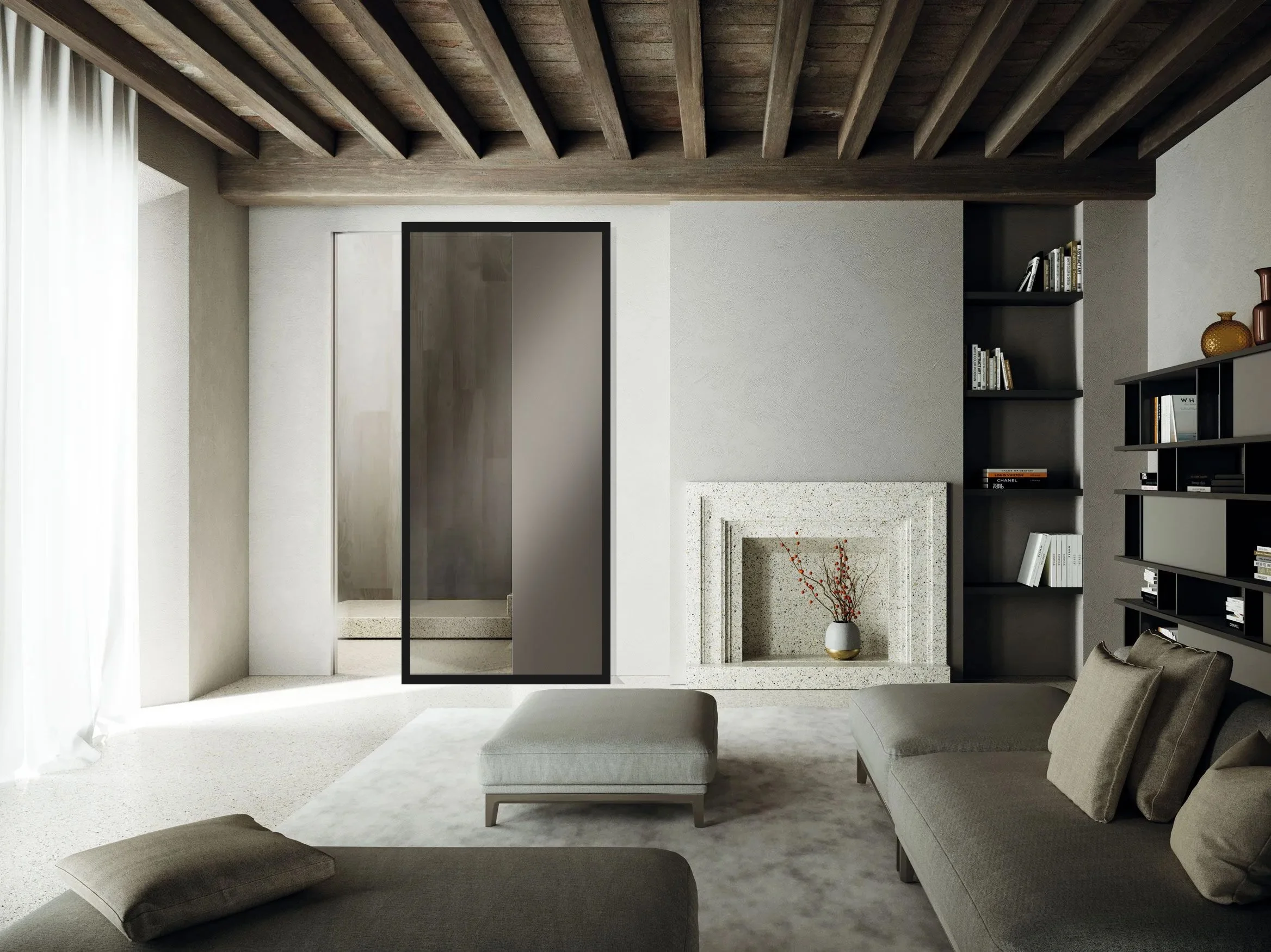
In living rooms or bedrooms, sliding doors can replace traditional hinged doors to create a smoother flow between spaces. For example, a glass sliding door can connect your living room to a patio or garden, allowing natural light to flood the room while offering easy access to the outdoor area. Wooden sliding doors can also be used to separate rooms, providing privacy without taking up much space.
Closets:
Sliding closet doors are particularly useful in bedrooms or hallways where space is tight. Unlike traditional hinged doors that need to swing open, sliding closet doors glide effortlessly, allowing you to save valuable floor space. You can choose from different materials, such as mirrored glass or wood, depending on the style of your room.
Bathrooms:
In smaller bathrooms, pocket sliding doors or glass sliding doors can be an excellent option to maximize space. They slide into the wall, freeing up space that a swinging door would normally take up. This allows for more room to move around, creating a more open feel.
Interior Dividers:
Sliding doors also serve as great interior room dividers. If you live in an open-plan home, sliding doors can be used to separate the kitchen from the living area or the dining room from the study. They offer a flexible solution for when you want to divide spaces without permanently closing them off.
Sliding Doors in Commercial Settings
Sliding doors are not only useful in homes, but they also offer numerous benefits in commercial settings. Whether in retail stores, offices, or public buildings, sliding doors provide both practicality and an aesthetic appeal. Here are some common uses in commercial spaces:
Retail Stores:
In retail environments, sliding doors are widely used as storefront doors or entrance doors. They allow customers to easily walk in and out without the hassle of pulling or pushing a door. Automatic sliding doors are especially popular, providing hands-free entry for a smooth, welcoming experience. These doors also help improve energy efficiency by sealing tightly when closed, keeping the store temperature regulated.
Hotels and Offices:
In hotels, sliding doors are used in guest rooms to connect bathrooms or closets to the main room, maximizing space and making the room feel larger. In offices, sliding glass doors can divide meeting rooms or create conference spaces. The transparency of glass sliding doors allows light to pass through, creating a more open and bright environment.
Hospitals and Healthcare Facilities:
Sliding doors are common in hospitals, clinics, and healthcare facilities. They are often used for emergency room entrances, providing quick and easy access for patients and staff. Automatic sliding doors are also used in clean rooms or sterile areas to minimize contact with door handles, helping to maintain hygiene standards.
Public Buildings:
Sliding doors are also widely used in public spaces such as airports, museums, and shopping malls. They allow for efficient crowd movement and are often used in high-traffic areas where ease of access is essential.
Sliding Doors for Outdoor Spaces
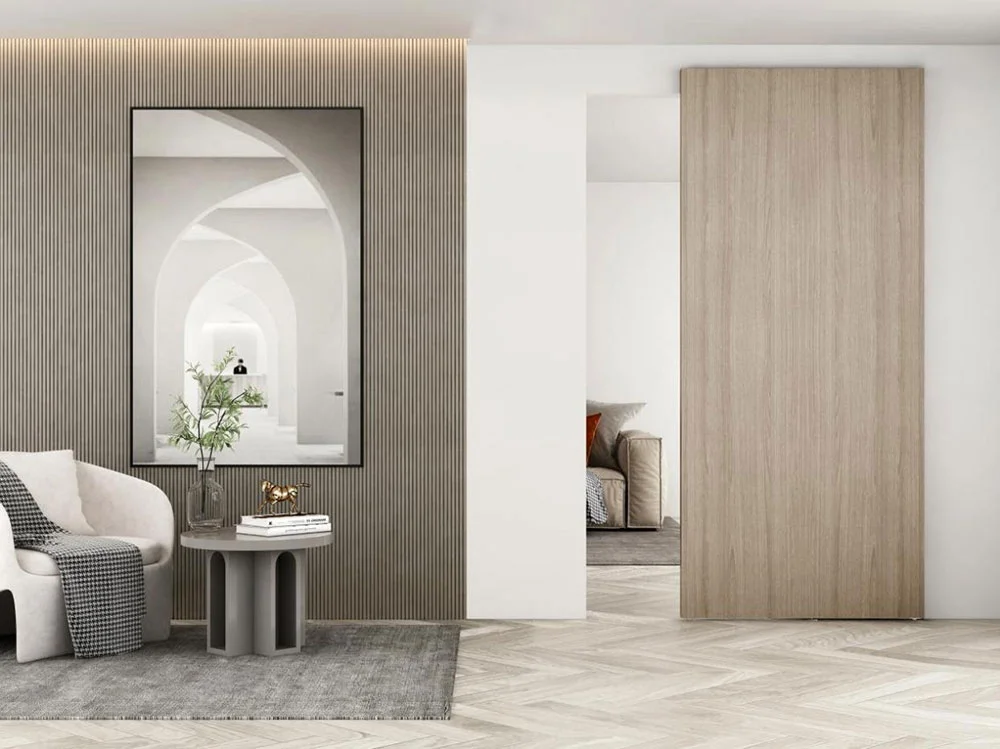
Sliding doors are particularly well-suited for outdoor areas, providing a smooth transition between the indoors and the outdoors. Whether for a patio, garden, or balcony, here’s how sliding doors are used to enhance outdoor living:
Patio and Balcony Doors:
One of the most popular applications of sliding doors in outdoor spaces is as patio sliding doors. These doors are often made of large glass panels that offer an unobstructed view of the garden, backyard, or balcony. Glass sliding doors let in plenty of natural light and create a sense of openness, making small spaces appear larger. They also provide easy access to outdoor areas, perfect for entertaining or enjoying the outdoors.
Seamless Indoor-Outdoor Connection:
Sliding doors are ideal for creating a seamless connection between indoor living areas and outdoor spaces. With bi-fold sliding doors or multi-panel sliding doors, you can open up a wall entirely, merging the indoor and outdoor spaces for a larger, more integrated living area. These types of doors are especially popular in homes with open-concept designs where homeowners want to blend the interior with the exterior, providing a natural flow between the two.
Poolside and Garden Doors:
For homes with pools or expansive gardens, sliding doors allow easy access to these spaces while maintaining security and privacy. Whether you’re using sliding patio doors to access a pool deck or glass sliding doors to open up to a lush garden, these doors are perfect for enhancing the outdoor experience.
Weather Protection:
Modern sliding doors also offer better weather resistance than traditional hinged doors. For homes in areas with extreme weather, sliding doors with energy-efficient glass or weather seals can help protect against wind, rain, and temperature fluctuations. They are often designed with thicker frames and stronger seals to ensure they stand up to the elements, keeping your home insulated and secure.
Relate FAQ
What are the benefits of sliding doors?
Sliding doors offer several advantages, including:
- Space-saving: Since they don’t swing open, sliding doors are perfect for areas where space is limited.
- Natural Light: With large glass panels, sliding doors allow more light to enter, brightening up the room.
- Energy Efficiency: Many sliding doors come with energy-efficient glass options that help maintain indoor temperature.
- Aesthetic Appeal: They add a contemporary look and can seamlessly blend with modern interiors.
How do sliding doors work?
Sliding doors operate by using a top and bottom track system. The door panels are mounted on rollers that allow them to glide smoothly along these tracks. This design minimizes space requirements and offers a quiet, effortless operation.
What materials are sliding doors made of?
Sliding doors are available in a variety of materials, including:
- Wood: Offers a natural, warm look and is often used for interior sliding doors.
- Glass: Common for patio doors, providing a clear view and lots of light.
- Aluminum: Known for its durability and modern aesthetic.
- Vinyl: Low-maintenance and energy-efficient, often used for both interior and exterior doors.
What types of sliding doors are available?
There are several types of sliding doors to choose from, including:
- Single-panel Sliding Doors: Consist of a single sliding panel that moves horizontally.
- Bi-parting Sliding Doors: Feature two panels that slide open from the center.
- Pocket Sliding Doors: The door slides into a wall cavity when opened, saving more space.
- Multi-slide Doors: These doors consist of multiple panels that can slide open to create a wider opening.
Can sliding doors be used as room dividers?
Yes, sliding doors can be an excellent choice for room dividers. They offer flexibility and can help create separate spaces without the need for permanent walls. Whether in a living room, office, or studio apartment, sliding doors help divide spaces while maintaining an open, airy feel.
How do I maintain sliding doors?
Maintaining sliding doors involves a few simple steps:
- Clean the Tracks: Dust and debris can accumulate, so regularly cleaning the tracks ensures smooth operation.
- Lubricate the Rollers: Apply lubricant to the rollers to ensure the door slides easily.
- Check the Seals: Ensure the seals around the door are intact to prevent drafts and maintain energy efficiency.
- Inspect for Damage: Regularly check for any signs of wear, such as cracks or misaligned tracks, and address them promptly.