What is the best exterior door on a budget?

Why Choosing the Right Exterior Door Matters?
When you pick the right front door or back door, you get stronger security, better energy savings, and a home that holds up longer against weather and daily use. Even low-cost front entry doors today come with solid cores, improved locks, and better insulation. So when you go for the right door at the right price, you get peace of mind without spending too much.
Home Security and Safety for Families
Safety always comes first. A strong exterior door works like a shield between your family and the outside world. This is why people often choose steel exterior doors, solid-core fiberglass doors, or reinforced front entry doors with upgraded locks. These doors help stop forced entry, and they stay firm even when someone tries to push or kick hard.
And because kids and pets run in and out all the time, a secure door gives you that extra sense of calm. You close it, you lock it, and you feel safe. Many budget-friendly security exterior doors now include multi-point locks or metal frames, which add another layer of strength without raising the price too much.
Another small but important detail is visibility. Many families pick exterior doors with glass panels, but they choose tempered or double-pane glass for safety. These panels let in light but still add protection when needed. So the right door helps you guard your home without losing style or natural light.
Energy Efficiency and Utility Bills
A good exterior door also controls how your home uses energy. When the seal is tight and the core is insulated, the door helps keep warm air inside during winter and cool air during summer. As a result, your heating and cooling system works less, and your utility bills drop.
This is why many homeowners look for energy-efficient exterior doors, insulated front doors, or fiberglass doors with foam cores. These models stay light, but they block heat loss better than older wood doors. And with weatherstripping around the frame, air leaks go down even more.
Even on a budget, you can pick Energy Star exterior doors or low-maintenance fiberglass doors that offer great savings over the years. It’s a small upgrade that pays back month after month, and it helps your home feel more stable in every season.
Durability Against Weather and Daily Use
Your exterior door faces everything: rain, sun, wind, heat, snow, and daily traffic. So picking a door that stands up to wear makes life easier. Steel doors resist dents and harsh weather, while fiberglass exterior doors handle moisture and temperature changes better than many solid-wood options.
This durability matters when you live in a place with tough winters or strong sun. A door that warps or cracks will cost more to fix later, but a strong, weather-resistant exterior door keeps its shape for years. And because kids, pets, and guests always push or slam the door, it helps when the door holds up to repeated use without looking worn out.
Many homeowners also choose composite exterior doors because they resist swelling, peeling, and rust. With simple care—like cleaning the surface and checking the seal once in a while—the door keeps looking fresh and solid. And when the door lasts, you save money on repairs and replacements.
What Is Considered a “Budget-Friendly” Exterior Door?
When people talk about a budget-friendly exterior door, they usually mean a door that gives solid performance without a high price tag. It’s the kind of door that keeps your home safe, looks clean and modern, and lasts for years, yet still fits a tight budget. Most homeowners look for affordable exterior doors, cheap front doors, or low-cost entry doors that balance strength, insulation, and style.
Average Cost Range of Exterior Doors
A budget-friendly exterior door usually ranges from $150 to $600 in the U.S. market. Basic steel exterior doors often fall on the lower end, while fiberglass front doors with simple panels sit around the middle.
If you want a cheap exterior door for a rental, a shed, or a back entry, steel doors are the most cost-effective. For a main entry, many homeowners spend a bit more to get a door that looks nicer from the street but still stays within budget.
Once you add glass panels, better insulation, or upgraded hardware, the price climbs, but it can still sit inside a “budget” range when compared to high-end wood doors that can cost thousands.
What Impacts the Price?
The price of any exterior door changes a lot based on a few simple pieces:
- Material: Steel is the most affordable. It gives strong security and low maintenance. Fiberglass costs a bit more but brings better insulation and a wood-like look. Solid wood sits at the top—rich, heavy, and pricey.
- Size: Standard single doors cost less. Oversized doors, double exterior doors, and wide front entry doors cost more because they need more material and stronger frames.
- Style: A plain panel door is the cheapest. Once you add decorative glass, craftsman panels, or modern flush designs, the price goes up. Even a small glass insert can raise the cost.
- Hardware: Simple locks are cheap. But a smart lock, multi-point lock, or high-end handle set can double the hardware cost. Hardware also affects safety, so many homeowners upgrade this part even on a tight budget.
How to Balance Price and Performance?
Finding the right exterior door on a budget is about balance. Don’t choose solely by the lowest price. Instead, focus on value for performance—how long the door will last, how well it insulates, and how much maintenance it needs.
For example, if you live in a cold or wet area, a fiberglass exterior door might save you more money in the long run by reducing energy bills and lasting longer than steel. On the other hand, if security is your main concern, a steel door with a solid core and reinforced frame is a smart investment.
Also, keep an eye out for seasonal sales at home improvement stores. Many brands offer discounts on last year’s models that still look and perform great. Finally, check for Energy Star-certified exterior doors—they may cost slightly more upfront, but can lower your heating and cooling costs over time.
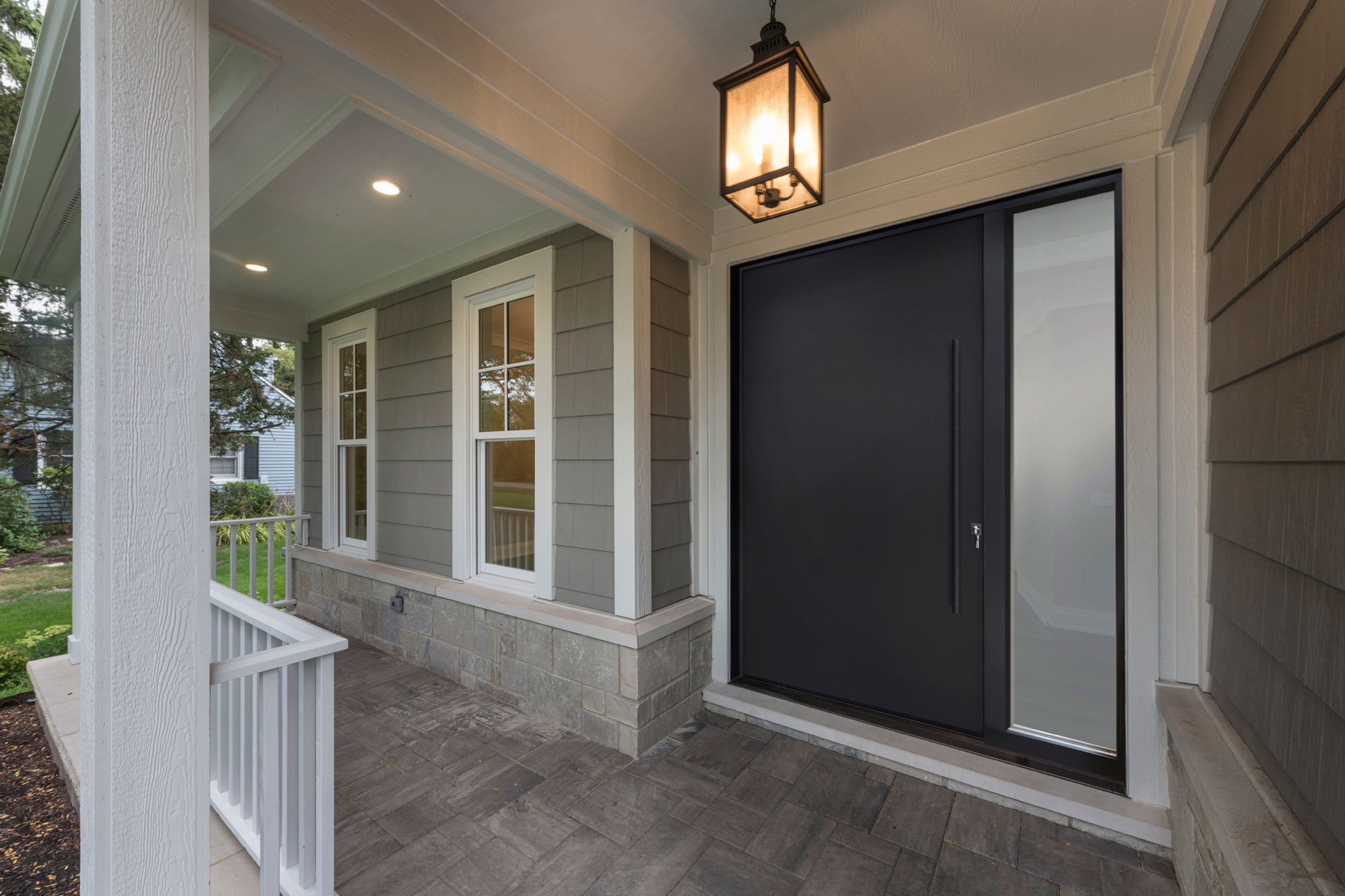
Best Budget Exterior Door Materials to Choose From
With years of use, your front door may show signs of wear and tear, indicating it’s time for replacement. In this section, we’ll discuss common signs that your front door needs replacing due to wear.
Steel Exterior Doors
Steel is one of the most popular exterior door materials for homeowners who want good value without losing safety or style. It is strong, easy to paint, and usually cheaper than fiberglass or solid wood doors. People like it because it handles daily wear, offers good security, and still looks clean and modern.
Pros: Strong, Secure, Affordable
A steel exterior door feels firm the moment you touch it. The metal skin and insulated core create a door that resists force much better than many other budget exterior door options. Homes in busy neighborhoods or rental properties often use steel because it gives clear security without a high cost.
Prices are usually friendly too. A basic steel front door often costs far less than a wood or fiberglass model. And because steel doors come pre-finished or ready to paint, you can match the color of your siding or trim without spending much. All these small wins help keep your total exterior door budget under control.
Cons: Can Dent, Needs Rust Protection
Steel doors are tough, but they are not perfect. A strong hit from moving furniture or a kid’s bike can leave a small dent. The door still works fine, yet the mark may bother some homeowners.
Also, steel can rust if you ignore the paint or seal. Moisture is not a big problem when the finish stays in good shape, but once the coating cracks, rust can show up. A simple fresh coat of paint every few years keeps the door clean and protects the metal.
Best Use: Entry Door / Garage Door
Steel works best as a front entry exterior door when you want strong security and a low price. Many homes also use steel for the door that connects the garage to the house because it adds fire resistance and holds up well to heavy daily use.
If you live in a region with cold winters, steel doors also perform well since many models come with foam insulation. This makes your home warmer and helps lower heating costs. So, besides being cheap, a steel exterior door also helps your home save energy.
Fiberglass Exterior Doors
A fiberglass exterior door looks clean, resists weather, and handles daily use without fuss. Many people choose it when they want a door that lasts for years, stays stable in heat or cold, and keeps their home more energy-efficient. Fiberglass tends to mimic the appearance of real wood, so you get the charm without the maintenance headache. And because it does not warp, rot, or swell, it stays smooth and easy to open, no matter the season.
Pros: Good Insulation, Long Lifespan, Low Maintenance
Fiberglass shines when it comes to insulation. The door usually has a foam-filled core that keeps heat inside during winter and helps cool air stay in during summer. So if you care about energy bills, a fiberglass exterior door gives you a nice advantage.
It also lasts a long time. Fiberglass does not crack, bend, or peel in harsh sun or heavy rain. Even coastal homes or humid states find it reliable. You rarely need to sand, stain, or repaint it. A quick wash with soap and water keeps it looking fresh, which makes it a “set it and forget it” exterior door option for busy homeowners.
Cons: Higher Cost Than Steel but Still Affordable
Fiberglass does cost a little more than a basic steel exterior door. But many buyers feel the price difference is worth it because the door saves energy, requires almost no upkeep, and holds its shape for decades.
Compared to wood? Fiberglass is still very affordable. It avoids the common problems of traditional wooden exterior doors, like rotting or swelling, which often lead to extra repair costs. So while it’s not the cheapest material, it is still a budget-friendly exterior door when you consider long-term value.
Best Use: Front Door Replacement
Most homeowners use fiberglass for front door replacements. It gives your entryway a warm, inviting look without the high cost of real wood. Many models include realistic wood-grain patterns that add curb appeal while keeping maintenance simple.
A fiberglass exterior door also performs well in climates with big temperature swings, making it ideal for northern states, mountain regions, or areas with long winters. If you want your front entry door to look good and feel solid—and you want to avoid future repairs—fiberglass is a very smart pick.
Aluminum Exterior Doors
Many homes near the coast or in rainy areas choose aluminum because the material does not absorb water and never rusts. It keeps its shape even during big temperature swings. For people who want an exterior door that requires almost no upkeep, aluminum can be a great match.
You also see aluminum used in modern and minimalist homes because its slim frame gives a clean look. And since it’s easy to customize with powder-coated colors, you can match it to your home’s siding, trim, or window frames.
Pros: Durable + Rust-Resistant
One of the biggest advantages of an aluminum exterior door is how well it handles weather. Rain, humidity, snow, salt air—none of these bother it. The metal stays smooth and does not warp or peel. This makes aluminum a strong pick for coastal regions or homes with high moisture.
It also lasts a long time. The finish on an aluminum exterior door protects the metal from corrosion, which means you don’t need to repaint or sand it every few years. A simple wash keeps it fresh. So if you want a budget exterior door that you don’t need to fuss over, aluminum does the job.
Cons: Can Be Noisy and Limited Warmth
Aluminum does come with a few trade-offs. Because the material is light, it can make a slight metallic sound when the door closes or when strong wind hits it. Some homeowners notice this more than others, especially in quiet houses.
Another drawback is insulation. Aluminum does not hold heat as well as fiberglass or wood. Some aluminum exterior doors include thermal breaks to help keep warmth inside, but even then, the insulation is still weaker compared to other materials. In cold climates, this may lead to a cooler entry area or higher heating costs.
Best Fit: Modern Homes, Moisture-Prone Areas
Aluminum works best in homes that face humidity, rain, or salty air. It also fits homes with a modern design where clean lines matter more than warmth. When paired with glass panels, aluminum exterior doors bring in natural light and create a bright, open feel.
For budget-conscious homeowners in coastal regions, aluminum can be one of the most reliable exterior door materials because it avoids rust and long-term damage.

Tips to Save Money When Buying an Exterior Door
Saving money on a new exterior door is often easier than homeowners think. Many people overspend simply because they pick custom sizes, remove parts that still work, or choose a door style that needs extra labor to install. With a few smart choices, you can cut your total cost while still getting a strong, secure, and good-looking exterior door for your home.
Choose Standard Sizes to Avoid Custom Fees
Standard-size exterior doors cost far less than custom styles. Most front doors in the U.S. follow one of a few common measurements, so sticking to these sizes helps you avoid expensive custom cutting or special ordering.
When you order a custom-size exterior door, the price often jumps fast because the shop needs to adjust the frame, hinges, or panels. Shipping may also cost more. But if your home fits a standard 36-inch or 32-inch front door, you can stick with a normal size and save a lot of money.
Even if your old door looks “odd,” sometimes the frame is still standard. Measuring it correctly can keep your budget for the exterior door project on track without surprises.
Pick Prehung Doors for Lower Labor Cost
A prehung exterior door arrives already attached to its own frame, with hinges, hardware holes, and weatherstripping ready to go. This makes installation quick and simple. Because the frame and door come as one piece, the installer spends far less time adjusting the fit.
Labor is one of the biggest costs in an exterior door replacement job. And when a contractor spends less time aligning hinges or fixing gaps, you pay less. Prehung doors also help stop drafts because the factory sets the weather seal cleanly.
For homeowners on a tight budget, a prehung exterior door is often the smartest choice because you cut labor hours and get a cleaner, more reliable fit.
Keep Existing Frame if Not Rotten
If your exterior door frame is solid, dry, and square, you can reuse it and save even more money. Many older homes still have strong wood frames that only need minor sanding or repainting. As long as there is no rot, mold, or water damage, the frame can stay in place.
Keeping the original frame means you can install a slab door—just the door itself—without replacing the whole setup. This reduces material cost and labor cost at the same time.
The key is checking the frame carefully. If the wood is soft or crumbles when pressed, it’s better to replace it, because a weak frame affects security and insulation. But when the frame is solid, keeping it is one of the easiest ways to make an exterior door project more budget-friendly.

Features Requiring Additional Payment
When shopping for a new exterior door, the base price usually covers the door slab and frame. However, some features that add real value to your home might come at an extra cost. These upgrades often improve safety, energy efficiency, and durability. Let’s look at a few common ones.
Multi-Point Locking System for Security
If home security is a top priority, upgrading to a multi-point locking system is worth considering. Unlike a standard single deadbolt, this system locks the exterior door at multiple points—typically at the top, middle, and bottom. This makes it much harder to force the door open.
While it’s more expensive, it adds peace of mind. Many steel exterior doors and premium fiberglass front doors offer this feature as an upgrade. It’s especially useful for front entrances and patio doors that need extra protection.
This added layer of security not only deters break-ins but can also lower your home insurance rates in some cases.
Better Weatherstripping to Prevent Leaks
Basic exterior doors often come with standard weatherstripping. But if you live in an area with harsh winters, strong winds, or heavy rain, this may not be enough. Upgraded weatherstripping provides a tighter seal around the door frame, reducing air and water leaks.
This helps maintain a steady indoor temperature and protects your flooring from water damage. It also reduces outside noise, which is a bonus if you live near a busy road.
Though this feature may seem small, it makes a big difference over time in comfort and energy savings. It’s an easy add-on that pays off, especially with entry doors exposed to extreme weather.
Insulated Core for Energy Saving
A solid door feels heavy, but that doesn’t always mean it’s energy efficient. Many affordable exterior doors come with a hollow core or thin insulation. Upgrading to a high-density insulated core—like polyurethane foam—helps trap indoor heat in the winter and keep out hot air in the summer.
This upgrade is ideal for front entry doors, garage side doors, or any entry point with direct sun exposure. The improved insulation helps lower energy bills and creates a more comfortable living space.
While this feature may add to the initial cost, it’s a smart investment in long-term energy savings. In colder climates, it’s almost a must-have.
Impact-Resistant Design for Safety
If you live in an area prone to storms, high winds, or even hurricanes, an impact-resistant exterior door is a wise upgrade. These doors have reinforced materials, often with a layer of laminated glass or composite cores, that can withstand strong forces without breaking.
They’re commonly required in coastal regions and storm-prone areas like Florida or the Gulf Coast. Even if you’re not in those zones, this added protection gives you extra peace of mind.
Not only does it protect your home, but it also increases resale value. Many homebuyers look for hurricane-rated or storm-resistant front doors, especially in weather-sensitive regions.
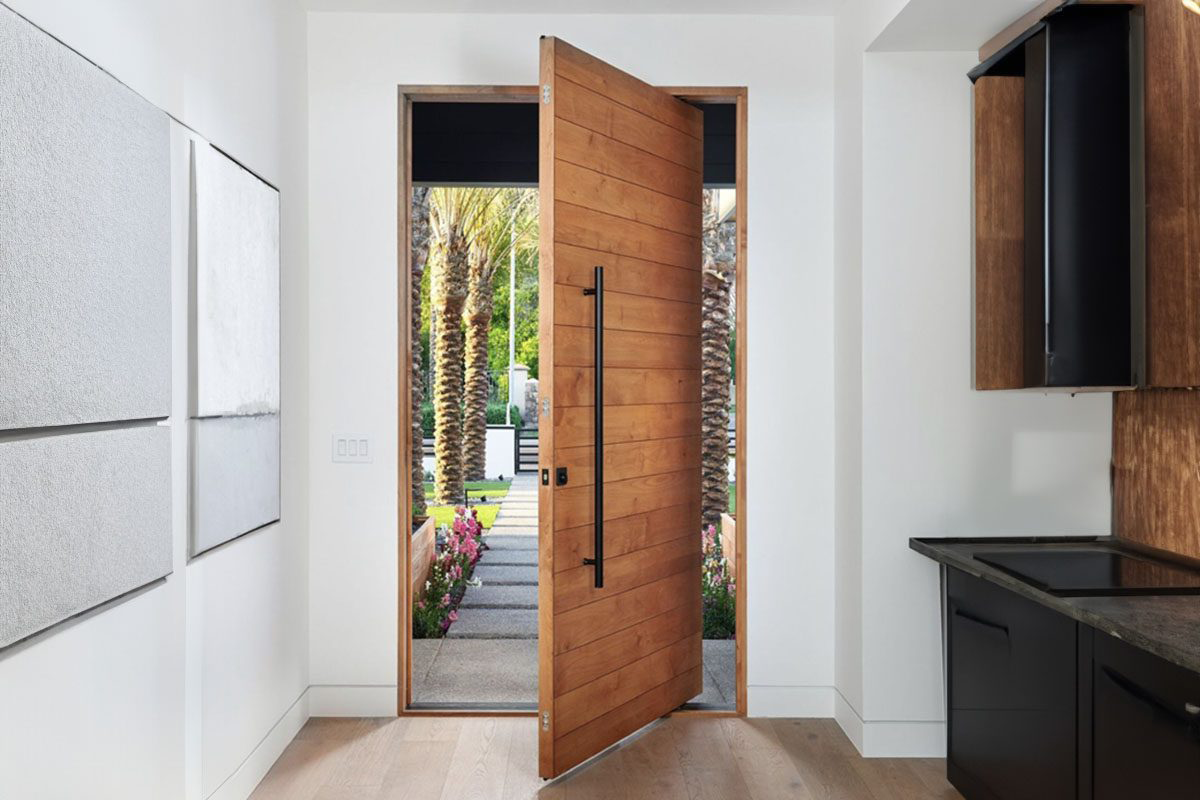
How to Maintain a Budget Door for Longer Life?
Buying a budget-friendly exterior door doesn’t mean it won’t last. With some simple upkeep, you can make your affordable entry door perform like a premium one for years. It’s all about staying ahead of wear and tear. Here’s how to keep your exterior door in top shape.
Quick Fixes and Seal Maintenance
Small issues can turn into big problems fast. So it’s smart to check your budget exterior door every few months. Look around the edges for cracks, peeling paint, or loose screws. Tighten hardware when needed and patch up small chips with weather-resistant caulk.
If your door has a bottom sweep or rubber seal, keep an eye on it. Over time, these can crack or flatten, letting in drafts or moisture. Replacing a door sweep is cheap, quick, and helps your exterior door seal better. You don’t need a pro—just a screwdriver and a new strip from the hardware store.
Cleaning Tips To Prevent Rust or Warping
No matter what material your exterior door is—steel, fiberglass, or wood—keeping it clean helps it last longer. For steel doors, wipe them down with a soft cloth and mild soap. Rinse and dry to prevent rust spots from forming.
If your door is wood, clean it with a damp cloth and avoid soaking it. Too much water can lead to swelling or warping. Once or twice a year, apply a wood sealant or fresh coat of paint to protect it from rain and sun.
Taking five minutes to clean your front door every season helps it keep looking great and working smoothly.
Weatherstripping for Better Insulation
Even a well-installed exterior door can lose heat if the weatherstripping wears out. If you feel a breeze or see daylight around the frame, it’s time for a quick upgrade.
Peel-and-stick weatherstripping is cheap and easy to install. Just clean the surface, measure, cut, and press it into place. This small fix keeps cold air out and lowers your energy bills.
You don’t need to wait for winter to assemble this change. Adding good weatherstripping makes your entry door feel more solid, quieter, and better at keeping your home comfortable all year round.

Common Mistakes to Avoid
Buying a new exterior door might seem easy at first. But it’s also easy to make the wrong call—especially when you’re focused only on price or looks. These common mistakes can lead to poor performance, energy loss, or even security risks. Let’s break down what to avoid.
Choosing Style First Over Performance
We all want a beautiful front door. A nice design boosts curb appeal and makes your home look more inviting. But style shouldn’t come first. A common mistake is picking a door just because it “looks good” without checking how well it performs.
For example, a glass-heavy exterior door may look great, but it might not be ideal in cold climates unless it has double or triple glazing. Or you may fall for a sleek wood design without realizing it needs lots of maintenance in rainy areas.
Always think about the weather, the sun exposure, and how much wear the door will get. Then, pick a style that works with those factors—not against them.
Forgetting Security Features
Looks won’t stop a break-in. One big mistake is ignoring the security features of your new entry door. A door with a weak lock, thin core, or loose hinges can be a real problem, even if it’s brand new.
If you’re buying a budget exterior door, always check if it supports a deadbolt or multi-point locking system. Steel doors are great for strength, and fiberglass options often include reinforced cores. Even adding a wide-angle peephole or a smart lock can boost safety without breaking the bank.
Don’t leave safety as an afterthought—build it into your decision from the start.
Wrong Size or Poor Door Frame Condition
Here’s a mistake that can cost both time and money: ordering the wrong size or ignoring your current door frame. Exterior doors need to fit snugly. Too small, and you’ll deal with drafts and water leaks. Too big, and you might need costly modifications.
Even worse, people often install a new door onto a rotting frame. This weakens the structure and causes issues down the line—like misalignment, sticking, or water damage.
Before you buy, measure everything twice. And check the frame’s condition. If it’s soft, cracked, or warped, fix it or replace it first. It’s a small step that saves big headaches later.
Relate FAQ
What is the best affordable material for an exterior door?
Steel doors are often the best budget-friendly option. They provide strong security, good energy efficiency, and a clean look—typically at a lower price than fiberglass or solid wood.
How do I choose a secure exterior door on a budget?
Look for steel construction, multi-point locking systems, and reinforced frames. Even cost-effective models can provide high security when installed properly.
What is the cheapest exterior door option for homeowners?
Hollow-core steel doors are typically the most economical. However, insulated steel or fiberglass delivers better long-term performance for only a slightly higher cost.
How long do budget exterior doors last?
With regular maintenance, a steel exterior door can last 20+ years, while fiberglass can last even longer thanks to its resistance to rot, rust, and dents.
Can I upgrade the look of a low-cost exterior door?
Yes! You can add decorative glass, paneling, or paint finishes to enhance curb appeal without replacing the entire door.
Should I DIY install a budget exterior door to save money?
DIY is possible, but professional installation ensures proper fit, weather sealing, and security—preventing expensive issues in the future.