What is a slat door?

Introduction: Understanding Slat Door
Brief Overview of What a Slat Door Is
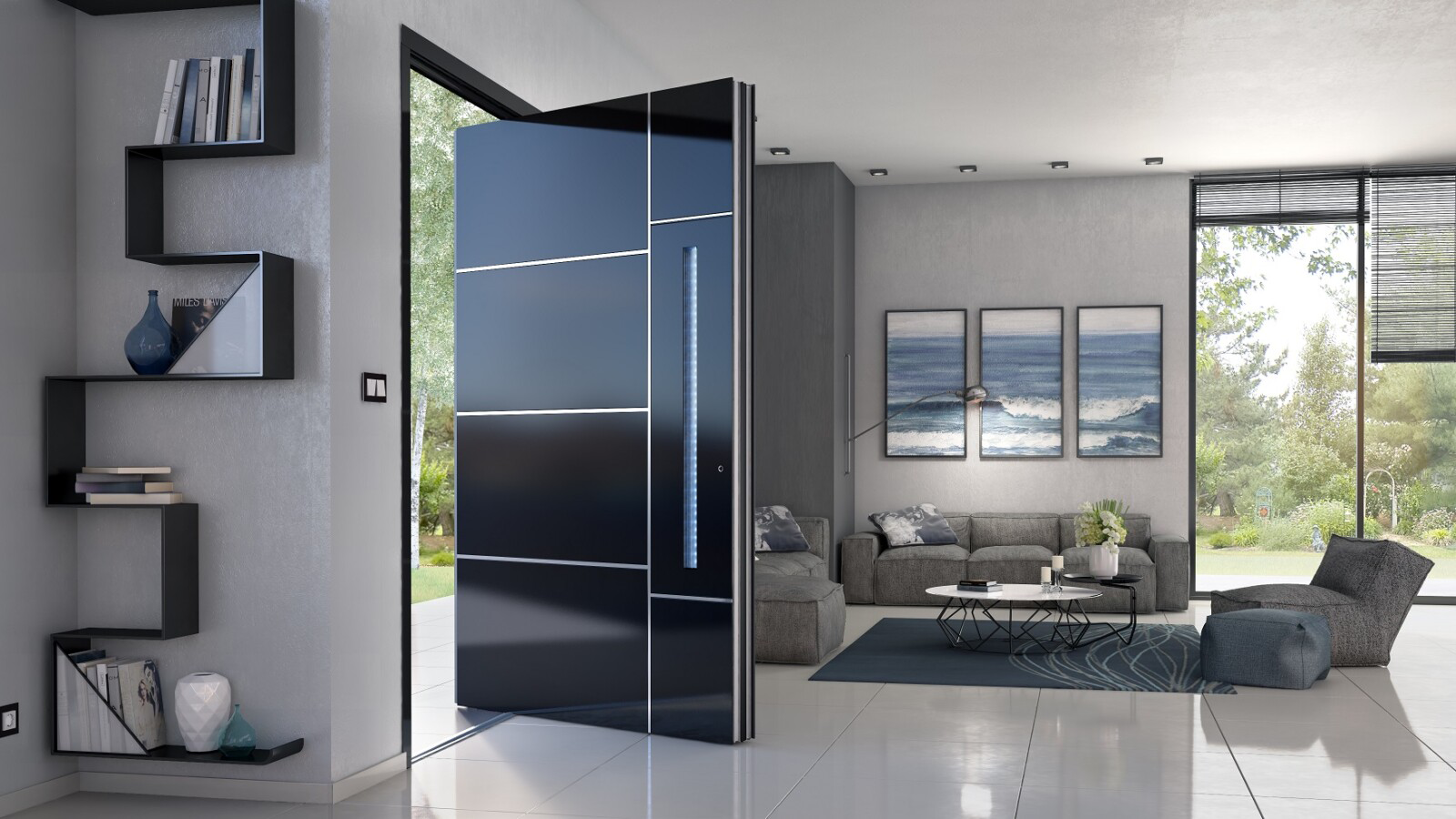
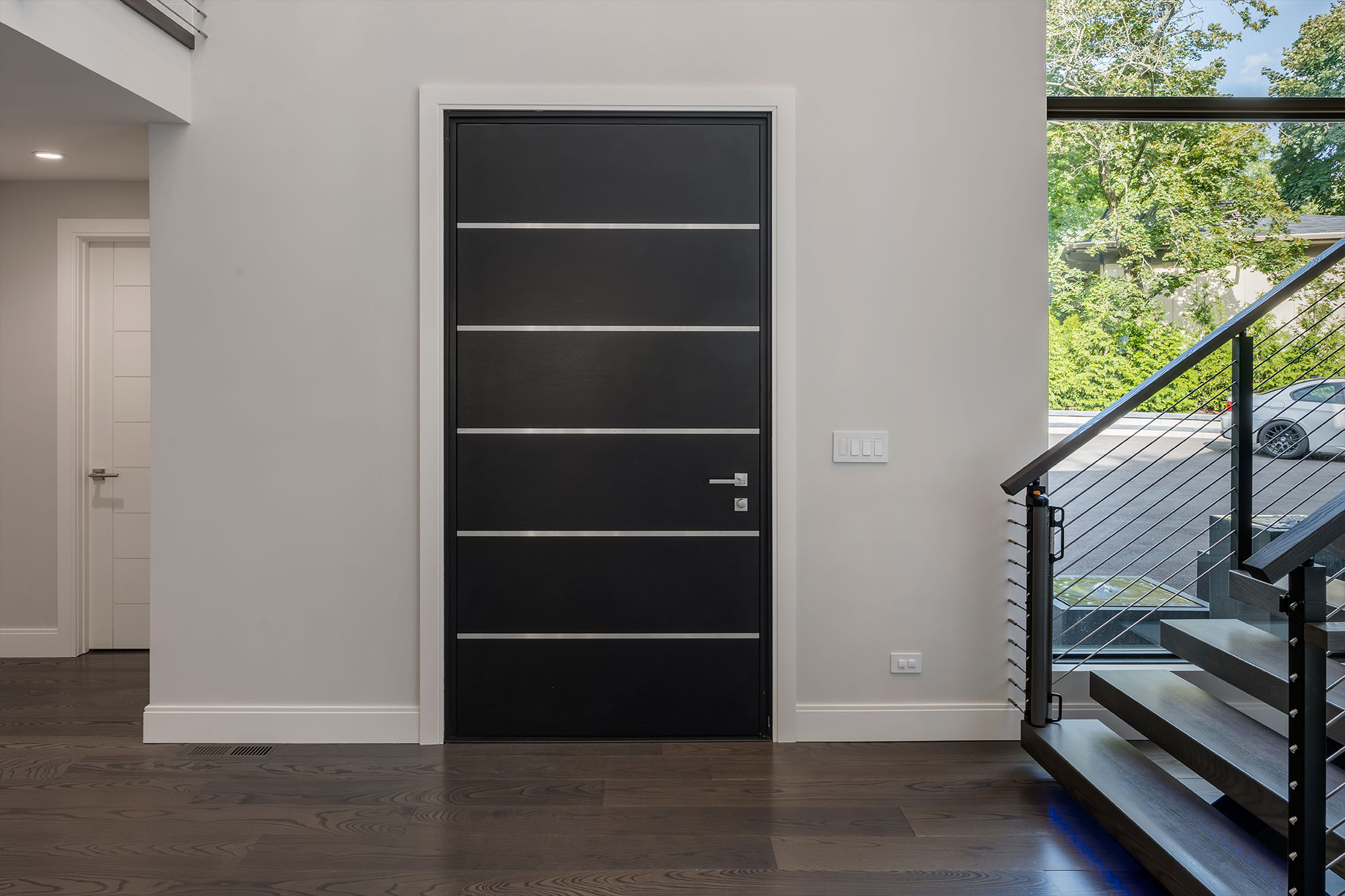
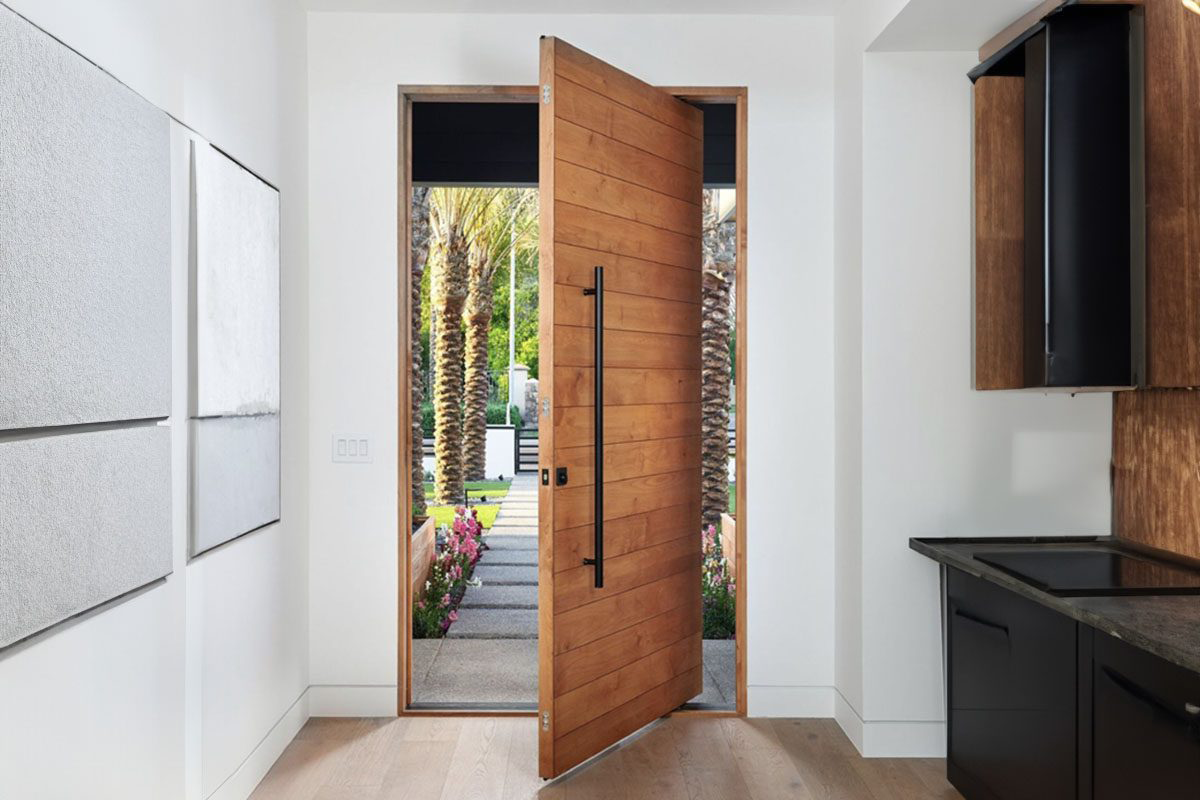
A slat door is a type of door that is made up of horizontal or vertical slats, typically crafted from wood, metal, or composite materials. The slats are spaced evenly apart, creating a design that allows light and air to flow through while still providing privacy. Unlike traditional solid doors, slat doors balance openness and privacy, making them popular for functional and decorative purposes.
These doors are often used in spaces where airflow and natural light are important, such as bedrooms, closets, and even commercial settings. Their design can range from sleek and modern to rustic, making them versatile for many different interior styles.
The Growing Popularity of Slat Door in Modern Homes and Businesses
In recent years, slat doors have gained significant traction in residential and commercial spaces. More homeowners and businesses are opting for slat doors as they not only enhance the overall aesthetics of a room but also provide practical benefits. Whether in a living room, office, or even a café, slat doors are chosen for their unique ability to allow light and air to pass through while still offering some level of separation and privacy.
One reason for the growing popularity of slat doors is their ability to fit in with various interior design styles. From minimalist and industrial looks to Scandinavian and rustic settings, slat doors bring a modern touch without overwhelming the room. They can be found in everything from bathrooms and walk-in closets to office spaces and retail stores, adding a contemporary flair to any setting.
Another reason slat doors have become a favorite is their durability. Wooden slat doors, in particular, can be long-lasting if properly maintained. They are relatively easy to clean, requiring regular dusting and occasional wipe-down. This practical aspect makes slat doors a low-maintenance yet stylish solution for many homeowners and business owners.
Moreover, their increasing use in homes is partly due to the shift towards more open and airy floor plans. As people seek to create both functional and visually appealing spaces, slat doors offer an ideal solution that encourages airflow and natural lighting, while still providing the privacy needed for certain areas like bedrooms or bathrooms.
In the commercial space, slat doors are often seen in trendy cafes, retail stores, and even offices, where they add sophistication without compromising functionality. Their versatility in style and purpose has made them a sought-after choice for modern spaces.
With their growing popularity, it’s clear that slat doors are not just a passing trend. They’re here to stay, offering practical and aesthetic benefits for those looking to elevate their spaces. Whether building a new home, redesigning your office, or revamping a business, slat doors are an excellent option for their balance of form and function.

Key Features of Slat Door
What Makes Slat Doors Unique?
Slat doors are distinct because of their slatted design, which consists of horizontal or vertical strips, often spaced apart to allow airflow and light to pass through. This unique design gives slat doors a modern, open feel while providing a sense of privacy and separation. The combination of both openness and privacy makes slat doors a versatile choice for a wide range of spaces.
Another feature that makes slat doors stand out is their ability to be customized. You can choose the material (wood, metal, or composite), the slat thickness, and the spacing between slats, allowing you to tailor the door to your specific needs and aesthetic preferences. For instance, wooden slat doors bring a rustic and natural feel to a room, while metal slat doors offer a more industrial, sleek look.
Slat doors are also known for their durability. Unlike other doors, they are often built to withstand wear and tear. Wood slat doors can age beautifully over time, adding character to your home, while composite slat doors are resistant to moisture and pests, making them ideal for areas like bathrooms or basements.
How Slat Doors Differ from Other Types of Doors?
A few key differences stand out when comparing slat doors to other types of doors. The most notable distinction is the design and function. Panel doors, flush doors, and louvered doors have characteristics that make them different from slat doors.
Slat Doors vs. Panel Doors:
Panel doors are solid and feature a smooth surface with framed panels. While panel doors offer privacy and security, they lack the open, airy feel of the slat doors. Slat doors provide transparency and airflow, perfect for spaces requiring ventilation or natural light. They also have a more contemporary, stylish appearance compared to panel doors’ traditional, often more formal look.
Slat Doors vs. Flush Doors:
Flush doors are flat and smooth, typically made from solid material like wood or metal. While flush doors provide complete privacy and security, they don’t allow for airflow or light, which is one of the main advantages of slat doors. Slat doors are ideal when you want a door that offers both a modern look and practicality by allowing air circulation and light diffusion, while still maintaining a sense of separation between rooms.
Slat Doors vs. Louvered Doors:
Louvered doors are similar to slat doors in that they have slats, but are typically angled to direct airflow and light in specific directions. Louvered doors are commonly used in spaces that require ventilation, like closets and laundry rooms. However, slat doors have a more uniform, straight design that creates a modern, sleek look. While both types of doors allow light and air to pass through, slat doors offer a more balanced and aesthetically pleasing design that can fit seamlessly into various styles of interiors.
Summary
In summary, slat doors offer a unique blend of functionality and style that sets them apart from other door types. Whether you’re looking for something modern, airy, and versatile or need a door that can withstand time, slat doors offer plenty of advantages over traditional options like panel, flush, or louvered doors.

Types of Slat Door
Horizontal vs Vertical Slat Doors: What's the Difference?
When choosing a slat door, one of the first decisions you’ll need to make is whether you prefer horizontal or vertical slats. Both types have their unique look and functionality, and the choice between them often depends on your aesthetic preferences and the specific needs of your space.
Horizontal Slat Doors:
Horizontal slats are laid out in a side-to-side pattern. These doors are often seen as modern and sleek, offering a contemporary feel that works well in residential and commercial settings. The horizontal design makes spaces appear wider, which can be especially beneficial in smaller rooms. They create a clean, linear look that complements minimalist, industrial, and Scandinavian design styles. Horizontal slat doors are commonly used for interior spaces like living rooms, offices, and bedrooms.
Vertical Slat Doors:
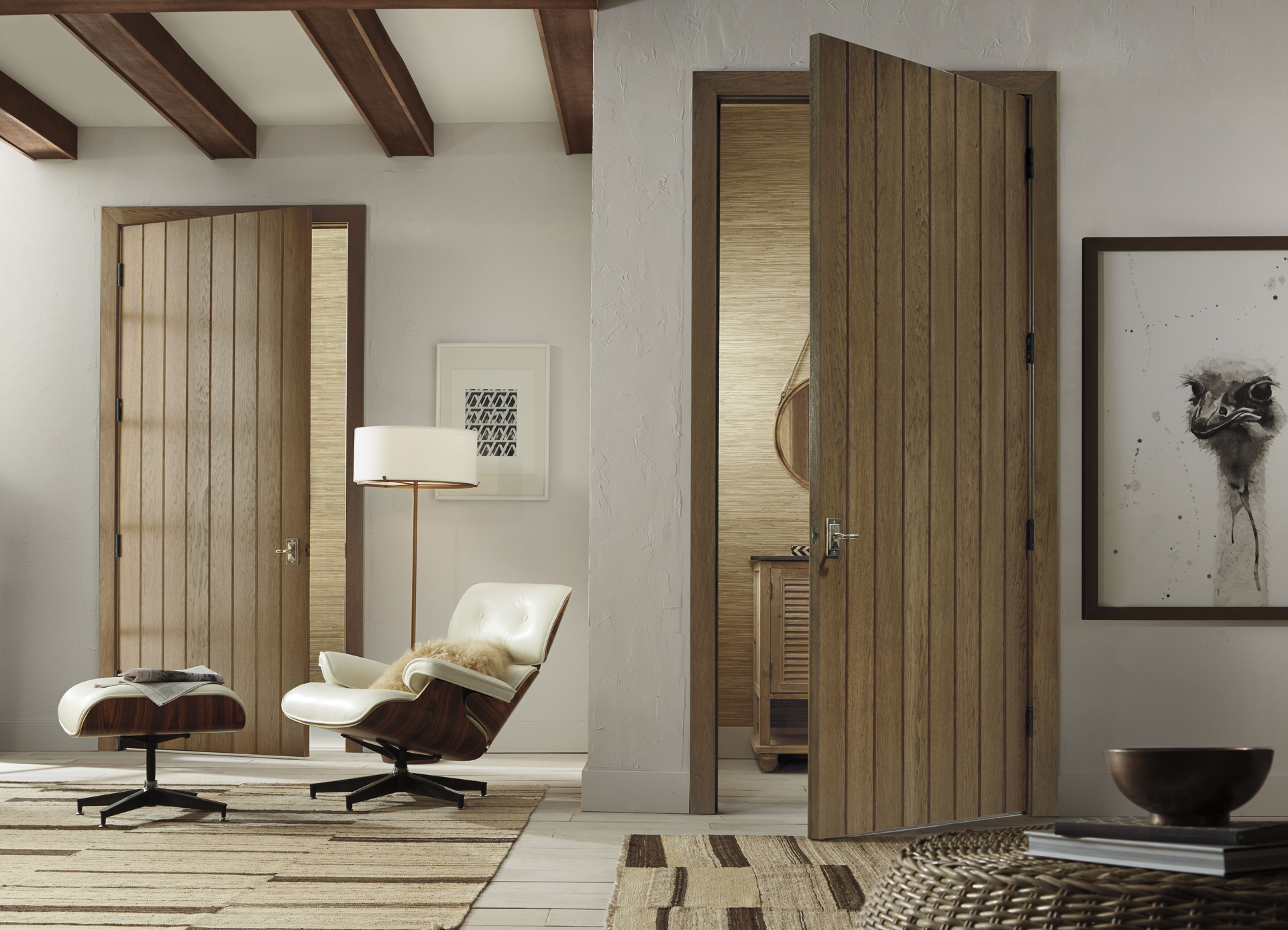
Vertical slat doors feature slats that run up and down. This design gives a sense of height and can make a room feel taller. Vertical slats often evoke a more traditional or rustic style, making them an excellent choice for farmhouse or coastal-themed interiors. They also provide a slightly different privacy compared to horizontal slats, as the vertical lines guide the eye upward. Vertical slat doors are often found in areas like closets, bathrooms, or entryways, where their tall, narrow design can enhance the space’s vertical lines.
Summary
In terms of functionality, both horizontal and vertical slat doors serve similar purposes—they allow for airflow, light transmission, and a stylish separation between spaces. However, the visual impact of each design will vary, so it’s important to consider how the door will fit into your overall design theme and the space it’s intended for.
Different Materials Used in Slat Doors: Wood, Metal, and Composite
Another key factor in selecting a slat door is the material it’s made from. Your chosen material will affect the door’s look, durability, and maintenance requirements. Here’s a closer look at the most common materials used for slat doors: wood, metal, and composite.
Wood Slat Doors:
Wooden slat doors are the most traditional and popular option. Wood offers a warm, natural feel that can complement various design styles, from rustic to modern. Wood slat doors are versatile and can be stained or painted in different finishes to match your home’s aesthetic. They are often chosen for their timeless beauty and ability to improve with age. However, they may require more maintenance, especially in areas with high humidity, as wood can warp or swell. Proper care, like regular sealing, can help extend the life of a wooden slat door.
Metal Slat Doors:
Metal slat doors are an excellent choice for a more industrial or contemporary look. These doors are usually made from aluminum or steel and offer a sleek, modern design. Metal slat doors are highly durable, moisture-resistant, and require less maintenance than wood. They can withstand wear and tear, making them a solid option for commercial and residential spaces. Additionally, metal slat doors can be powder-coated or painted in various colors, providing plenty of customization options. However, they can be heavier and more expensive than wood, so weighing the pros and cons before deciding is important.
Composite Slat Doors:
Composite slat doors are made from wood fibers and synthetic materials. These doors combine wood’s aesthetic appeal with synthetic materials’ durability. Composite slat doors are typically more affordable than solid wood doors and offer better resistance to moisture, insects, and decay. They are a low-maintenance option that doesn’t require sealing or staining like wood doors. These doors also provide excellent insulation properties, making them ideal for areas that need to regulate temperature or sound. While composite slat doors may not have the same natural charm as wood, they are a practical choice for those seeking durability and ease of care.
Summary
In conclusion, the material you choose for your slat door will play a big role in the door’s overall performance and appearance. Whether you go for the warmth of wood, the durability of metal, or the practicality of composite, each material brings its advantages. Consider your space’s design, budget, and how much maintenance you’re willing to commit to when choosing.
Benefits of Choosing Slat Door
Privacy and Light Control
One of the main reasons people choose slat doors is their excellent balance of privacy and light control. Unlike solid doors, slat doors allow you to regulate how much light and air flow into a room while maintaining a level of separation. The evenly spaced slats create a design that lets in natural light but prevents complete visibility, making them perfect for areas where you want to keep things bright but not too exposed.
For example, wood slat doors allow a soft diffusion of light, creating a warm, inviting atmosphere without making the space feel too open. Meanwhile, metal slat doors offer a sleek, modern aesthetic, allowing light to filter through in a more structured way. Whether using slat doors in your living room, bathroom, or office, controlling light while maintaining privacy is one of the major benefits of choosing this door style.
Moreover, for rooms where ventilation is crucial, such as kitchens or laundry rooms, slat doors allow for the free flow of air, preventing rooms from feeling stuffy. The open slats work like ventilation grilles, improving air circulation while keeping the area sectioned off.
Aesthetic Appeal
The slat door has a modern, sleek appearance that fits seamlessly into various interior design styles. Its clean lines and minimalist aesthetic have made it a favorite for contemporary, industrial, and Scandinavian-inspired homes. Whether used as an interior or exterior door, slat doors bring a fresh, up-to-date look that can transform any space.
Homeowners love how slat doors can complement both casual and high-end designs. The door’s look can blend in with the surroundings or become a statement piece depending on the material used. For example, wood slat doors have a natural warmth and texture that makes them perfect for cozy, rustic interiors, while metal slat doors provide a bold, modern vibe for more urban settings. Customizing the slat spacing, material, and finish also adds to their versatility, ensuring they can adapt to nearly any design scheme.
The minimalist nature of slat doors also allows for other design elements, like lighting and decor, to shine without competing with the door itself. Because the slats allow light to pass through, they create interesting shadows and reflections, adding an extra dimension to the room.
Durability and Longevity
When it comes to durability, slat doors are built to last. Depending on the material, these doors can withstand years of use and still look great. When properly maintained, wooden slat doors can last for decades, developing a beautiful patina over time. Metal slat doors are incredibly strong and can handle heavy use, making them a top choice for homes and businesses. Composite slat doors, while lighter, are resistant to moisture and wear, making them ideal for areas that experience temperature fluctuations or high humidity.
The strength of slat doors means they are also more resilient against wear and tear compared to some other door styles. Their design can resist dents, scratches, and other marks that can often plague more delicate doors. This added durability can be a big advantage for those living in busy households or with children and pets. In addition, slat doors are less likely to warp or swell over time, especially metal slat doors that are immune to moisture-related issues.
Easy Maintenance and Cleaning
Slat doors are easy to maintain and clean, making them an excellent option for busy homeowners or business owners. The open slat design means dust and dirt don’t accumulate as easily as on traditional solid doors, making regular cleaning a breeze. All you need is a soft cloth to wipe down the slats, and occasionally polishing to maintain their shine in the case of wood slat doors.
Slat doors are a practical choice for homes or businesses that experience high traffic. Unlike solid doors, which often show fingerprints or smudges, the design of slat doors naturally hides these imperfections. This is especially useful in rooms with a lot of natural light, as the light can emphasize marks on other types of doors.
If you choose metal slat doors, cleaning is even simpler. These doors typically require a damp cloth and mild detergent to keep them looking new. Composite slat doors are equally low-maintenance, with no need for sealing or painting over time.
Summary
In conclusion, the benefits of choosing slat doors are clear. They offer a beautiful combination of privacy, light control, aesthetic appeal, durability, and easy maintenance, slat doors provide the versatility and performance that fit any style or need.
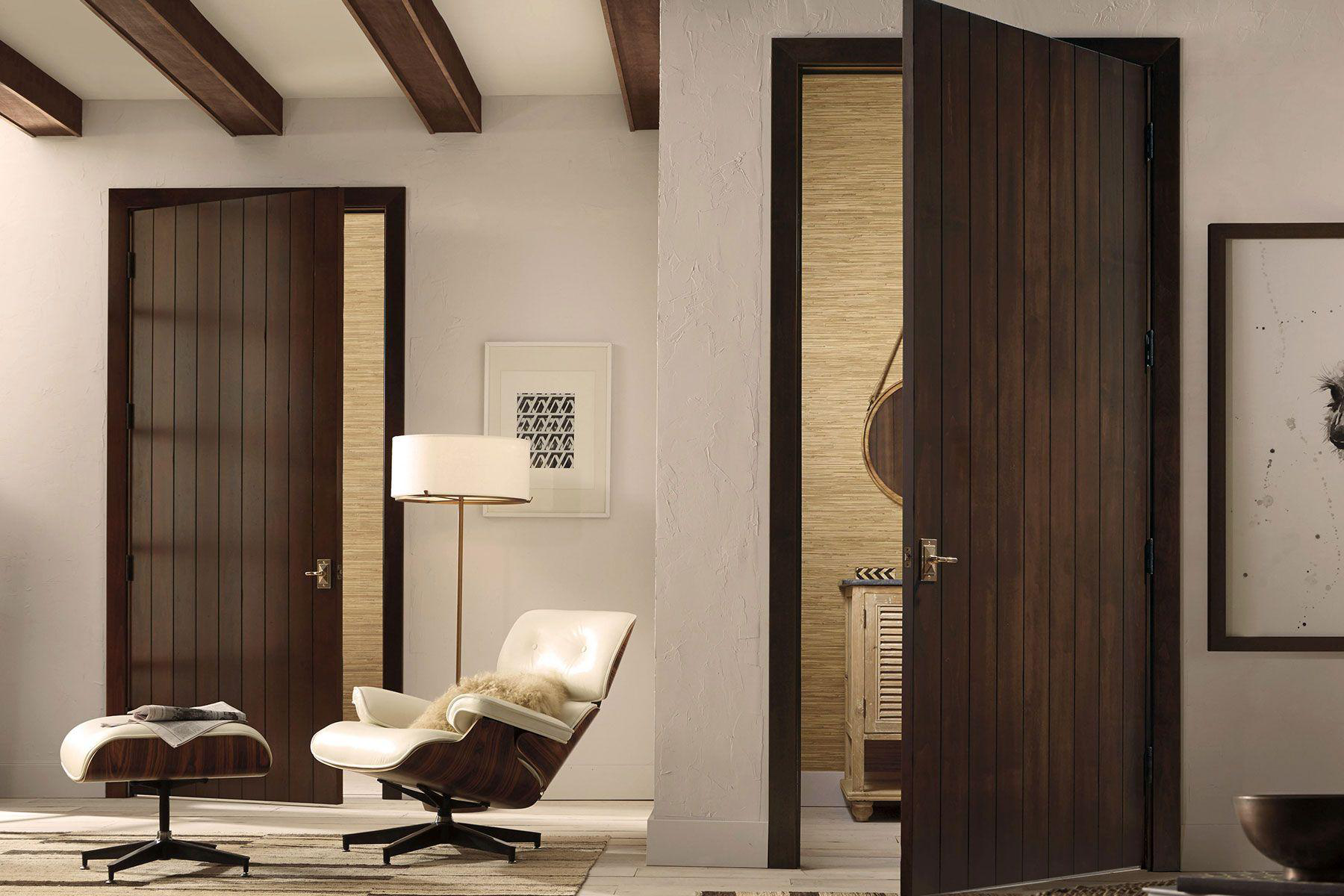
Common Use Cases for Slat Door
Residential Use: Bedrooms, Bathrooms, and Closets
Slat doors are becoming a popular choice in residential spaces for their combination of style, privacy, and functionality. These doors are especially suited for bedrooms, bathrooms, and closets, offering a unique way to separate spaces while allowing light and air to flow freely.
Bedrooms:
In the bedroom, slat doors provide a sleek, modern look while maintaining privacy. They are ideal for creating a soft barrier between the sleeping area and other parts of the home. Whether you use wooden slat doors for a warm, cozy feel or metal slat doors for a more contemporary vibe, they add style without compromising the room’s peaceful atmosphere. Their ability to allow natural light to filter through is a bonus, making the room feel more open and airy.
Bathrooms:
Slat doors are also great for bathrooms, especially in smaller spaces. The slats allow air circulation, which can help reduce humidity and keep the room feeling fresh. They offer the right balance between privacy and openness, making them perfect for bathroom areas where you still want a bit of separation without cutting off the flow of light. For example, wood slat doors add a natural touch to a spa-like bathroom, while metal slat doors provide a more sleek, modern option.
Closets:
In closets, slat doors can help maximize space while providing a stylish solution. They are a great alternative to traditional closet doors, offering a more open, airy look while still providing a way to conceal your clothes and belongings. The vertical slat doors are particularly popular here, making the space taller and more spacious. Additionally, the air circulation through the slats prevents your closet from feeling stuffy or musty, especially in smaller rooms.
Commercial Use: Offices, Cafes, and Retail Stores
Slat doors are also widely used in commercial settings like offices, cafes, and retail stores, where they offer a combination of functionality, aesthetic appeal, and durability.
Offices:
In office environments, slat doors are becoming increasingly popular for dividing spaces without sacrificing the open, collaborative atmosphere that modern offices promote. They allow for the flexibility of separating workspaces while allowing light to flow between rooms. Whether for conference rooms, meeting spaces, or privacy booths, a slat door provides a sleek, professional look that enhances the office’s aesthetic. Wood slat doors can soften the look of an office, while metal slat doors add an industrial, modern touch. Additionally, the airflow through the slats helps maintain a comfortable work environment, especially in areas with limited ventilation.
Cafes:
For cafes, slat doors offer both style and functionality. They can be used to partition different cafe areas, like separating the kitchen from the seating area or creating a private nook for customers. The ability of slat doors to allow light and air to pass through adds to a cafe’s relaxed, welcoming atmosphere, making the space feel open and inviting. Wooden slat doors can give the cafe a rustic, cozy feel, while metal slat doors can create a more trendy, industrial vibe. Either way, these doors help maintain the flow of the space while also providing privacy for different zones.
Retail Stores:
In retail stores, slat doors can be used in various ways. They are often used to separate back-of-house areas like stock rooms from the customer-facing areas. The open slat design allows employees to work in a well-ventilated environment while keeping the stockroom area hidden from customers. Additionally, slat doors in retail spaces can add a modern touch to the store’s overall design. Whether it’s a fashion boutique or a coffee shop, slat doors’ sleek, trendy look can help elevate the interior design while keeping the space functional and efficient.
Summary
In conclusion, slat doors are an excellent choice for residential and commercial spaces. They allow flexible use in different environments, offering a unique style, privacy, and practicality combination. Whether you want to add a modern touch to your home or create an open, airy atmosphere in a commercial setting, slat doors are a versatile option that can meet a wide range of needs.
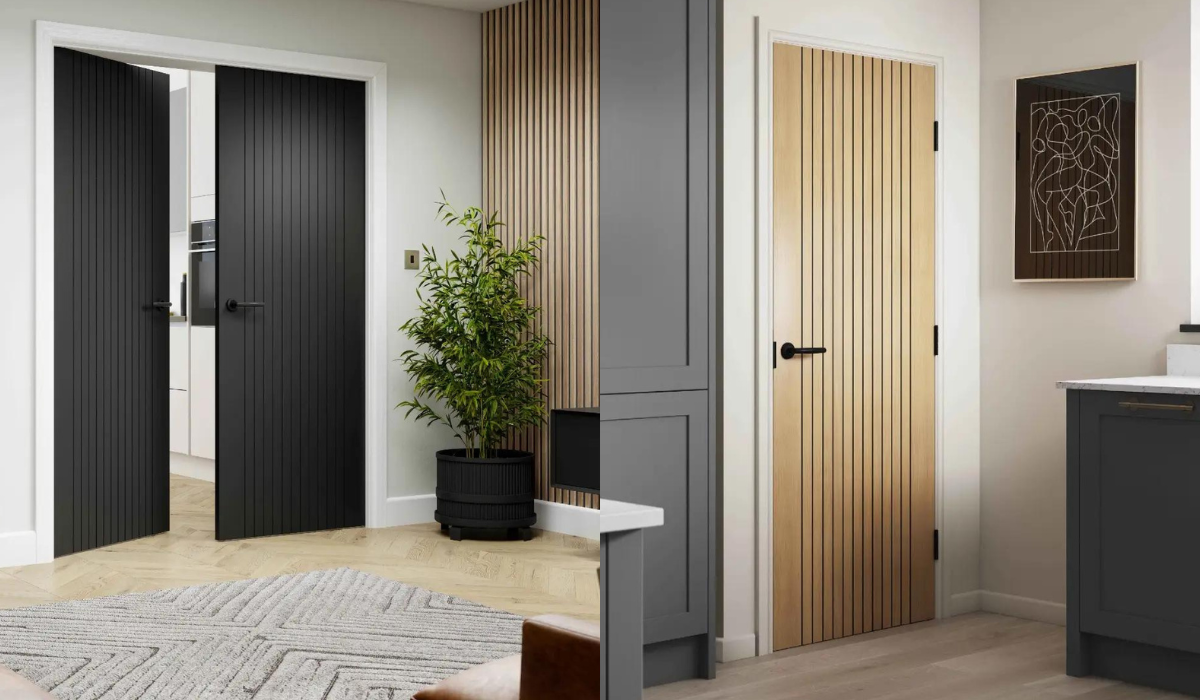
Slat Door in Interior Design Trends
How Slat Doors Fit into Modern Interior Design Styles?
Thanks to their sleek, versatile look and functional benefits, slat doors have quickly become a staple in modern interior design. Their clean lines and minimalist design fit seamlessly into various styles, from contemporary apartments to stylish commercial spaces.
One of the reasons slat doors work so well in modern interiors is their ability to balance both form and function. They bring a touch of elegance without overwhelming the space, making them ideal for creating an open, airy atmosphere. Slat doors allow natural light to filter through, brightening a room and making it feel more spacious. They can also help break up large spaces without making them feel closed off, which is especially important in open-plan designs.
The beauty of slat doors lies in their adaptability. Whether you’re designing a cozy living room or a sleek, professional office, slat doors can be tailored to match your design vision. With various materials available, such as wood, metal, or composite, you can easily find a slat door that complements your space’s color scheme and overall vibe. For example, wooden slat doors work beautifully in homes that embrace natural textures, while metal slat doors bring an industrial edge to modern, urban settings.
Furthermore, slat doors can be used creatively as room dividers and statement pieces. Their ability to create privacy while maintaining an open feel allows them to fit perfectly in spaces where airflow, light, and visual separation are important. From bedrooms to kitchens, slat doors offer practical use and an eye-catching design element.
Industrial, Minimalist, and Scandinavian Designs
Slat doors are especially well-suited to several trending interior design styles, each highlighting different aspects of their design.
Industrial Design:
Slat doors fit perfectly into the industrial design aesthetic. With raw materials like metal slats, slat doors enhance the rugged, urban look that defines industrial spaces. In loft-style apartments or repurposed warehouses, metal slat doors help highlight the exposed beams, brick walls, and open floor plans typical of industrial interiors. These doors add a touch of modernity without losing the authentic, raw feel of the space. Wooden slat doors can also be used in industrial spaces to soften the look and warm the hard edges often found in industrial design. They work well for dividing spaces while adding texture to the room.
Minimalist Design:
In minimalist design, the emphasis is on clean lines, simplicity, and functionality, exactly what slat doors offer. Their sleek, unobtrusive design fits right into minimalist spaces, where less is more. Slat doors can be used as subtle room dividers or striking focal points without overwhelming the space. The narrow slats allow light to pass through, creating an open feel while maintaining the quiet, restrained aesthetic central to minimalist design. Slat doors provide an ideal blend of style and simplicity, whether in a living room, hallway, or office.
Scandinavian Design:
Slat doors also work well in Scandinavian interiors, which are known for their focus on light, natural materials, and functionality. Wooden slat doors are particularly popular in Scandinavian spaces, adding warmth and texture to otherwise clean, neutral palettes. The simple lines and natural look of slat doors complement the airy, light-filled spaces common in Scandinavian homes. Additionally, the ability of slat doors to let natural light in while maintaining privacy fits perfectly with the Scandinavian approach to design, which aims to create functional, comfortable spaces that feel open and inviting.
Summary
In conclusion, slat doors are a versatile design element that can be incorporated into various interior styles. Whether you’re going for an industrial, minimalist, or Scandinavian look, slat doors bring beauty and practicality to your space. Their clean, modern aesthetic and ability to fit seamlessly into different environments make them an excellent choice for any contemporary home or business.

Maintenance and Care for Slat Door
How to Clean and Maintain a Wood Slat Door?
Wood slat doors are a beautiful and timeless addition to any home, but like any wooden piece, they require some care to keep them looking their best. The good news is that cleaning and maintaining wood slat doors is relatively simple, and with a little attention, they can last for years.
1. Regular Dusting:
The first step in keeping wood slat doors clean is regular dusting. Use a soft, dry cloth or a microfiber duster to remove dust and debris from the slats gently. Since dust can build up in the spaces between the slats, it’s a good idea to occasionally use a small, soft brush (like a paintbrush or upholstery brush) to get into the crevices.
2. Cleaning with Mild Soap and Water:
Now and then, give your wood slat door a deeper clean. Mix a few drops of mild dish soap in warm water and wipe down the door with a soft cloth. Avoid soaking the wood—dampen the cloth slightly and gently wipe down the slats. You can add a small amount of vinegar to the water for tougher stains, but always test on a hidden area first to ensure it doesn’t damage the finish.
3. Polishing and Conditioning:
To maintain the wood’s natural beauty and prevent it from drying out, consider applying a wood polish or conditioner once every few months. This helps preserve the wood’s finish and keeps it looking shiny. Look for a product that’s specifically designed for wooden doors or furniture. When applying the polish, use a clean cloth and buff it toward the wood grain for the best results.
4. Sealing and Protection:
Over time, moisture can affect wooden doors, which may cause warping or cracking. Sealing your wood slat doors with a protective wood sealant is important to prevent this. This is especially important for doors in humid areas, such as bathrooms. Apply the sealant according to the manufacturer’s instructions, and reapply as needed to maintain the door’s resistance to moisture.
Preventing Common Issues with Slat Door
While slat doors are designed to be durable and long-lasting, a few common issues may arise over time. However, most of these can be easily prevented or fixed with the right care.
Warping or Swelling (for Wooden Slat Doors):
One of the most common problems with wood slat doors is warping or swelling due to humidity. To prevent this, always keep the door in a well-ventilated area. Avoid placing wood slat doors in locations with high moisture, such as directly next to showers or bathtubs. If the door begins to warp, it may need to be sanded down and refinished. To avoid this, regularly seal and polish the wood to protect it from excess moisture.
Loose or Noisy Hinges:
Over time, the hinges on slat doors may loosen or become squeaky, especially if the door is frequently opened and closed. To prevent this, regularly check the hinges for signs of wear and tighten them as needed. If you notice squeaks, a small amount of lubricant (like WD-40) applied to the hinge can quiet the noise and keep everything moving smoothly.
Paint or Finish Chips:
While slat doors are built to last, the paint or finish on the door can chip or wear over time, especially in high-traffic areas. If this happens, you can touch up the paint or finish to restore the door’s appearance. Use a color-matching paint or wood stain, and apply it carefully with a small brush to ensure a smooth and even coat.
Clogged Slats:
If your slat doors allow airflow (as with some louvered doors), debris can sometimes build up in the slats, mainly if the door is used in areas like kitchens or patios. Regularly inspect the slats and clean out dust, dirt, or grease buildup to prevent this. A vacuum with a hose attachment or a damp cloth can help remove dirt from the slats without damaging the finish.
Slat Door for Energy Efficiency
How Slat Doors Can Contribute to Insulation and Energy Savings?
Slat doors aren’t just stylish—they can also significantly improve energy efficiency in your home or office. Thanks to their design and the materials used, slat doors help regulate the temperature inside your space, which can lead to significant energy savings over time.
Thermal Insulation:
The structure of slat doors, especially when made from solid materials like wood or composite, offers a natural barrier against heat and cold. Wooden slat doors, for example, have insulating properties that help maintain a stable indoor temperature by reducing heat loss in the winter and keeping cool air inside during the summer. This insulation helps minimize the need for heating or cooling systems, leading to lower energy bills.
Sealing and Gaps:
While the slats in the door allow for airflow, they are often designed with small gaps, which don’t necessarily reduce the door’s insulating ability. However, ensure that the slat door is properly sealed around the edges for energy efficiency. Weatherstripping or caulking can help prevent drafts from entering through the gaps around the door, ensuring that your heating and cooling systems work more efficiently.
Reflective Surfaces:
Some slat doors are designed with reflective finishes or coated materials that help reflect sunlight, keeping the space cooler during hot months. This is particularly beneficial in areas with a lot of sunlight, as it can reduce the heat absorbed by the door and prevent your cooling system from overworking. Metal slat doors often come with finishes that help reflect light, while wood slat doors may offer more natural insulation without reflecting as much light.
Summary
By contributing to better insulation, slat doors reduce the energy needed to maintain a comfortable indoor climate, which leads to energy savings and more eco-friendly living. This can be a game-changer regarding comfort and energy efficiency in areas with extreme temperatures.
Choosing Slat Doors for Better Air Circulation and Ventilation
One of the standout benefits of slat doors is their ability to improve air circulation and ventilation. Whether in residential or commercial spaces, the open design of slat doors helps keep the air fresh, reducing the need for air conditioning or mechanical ventilation.
Enhanced Airflow:
The slats in slat doors are specifically designed to allow air to flow freely from one side of the door to the other. This makes them an excellent option for rooms that need good ventilation, such as kitchens, laundry rooms, and bathrooms, where moisture and odors can accumulate. The constant movement of air helps prevent the buildup of humidity and reduces the reliance on mechanical systems to control indoor air quality. This natural circulation is especially beneficial in bathrooms, where dampness can lead to mold growth and unpleasant odors.
Cross-Ventilation:
Slat doors can promote cross-ventilation in homes with an open floor plan. By placing slat doors in key areas like hallways or between rooms, you can create a pathway for air to flow freely throughout the house. This is particularly important in the warmer months when you want to keep your home cool without constantly relying on air conditioning. With slat doors, you can harness the natural breeze, which helps reduce energy consumption and maintain a comfortable indoor climate.
Energy-Efficient Ventilation:
Slat doors provide an energy-efficient way to manage ventilation for offices or workspaces. In places with multiple people or equipment generating heat, the slat door’s ability to keep the air circulating can help maintain a comfortable environment without relying on fans or air conditioning. The continuous airflow ensures that the room doesn’t become stuffy or overheated, leading to a more productive and comfortable workspace.
Summary
In conclusion, slat doors are an excellent choice for improving insulation and ventilation in your home or business. By choosing slat doors made from energy-efficient materials and ensuring proper sealing, you can reduce energy usage, save on utility bills, and enjoy a more comfortable living or working space. Whether you need better insulation, more natural light, or improved air circulation, slat doors provide a sustainable and practical solution.

Conclusion
Choosing the Right Slatted Door for Your Home or Business
When selecting the perfect slat door for your home or business, several factors must be considered. From aesthetics to functionality, slat doors offer versatility to enhance any space. Here’s how to choose the right one for your needs.
Consider the Style:
First, think about the overall style of your space. Slat doors are available in various materials, such as wood, metal, and composite, each offering a unique look. Wooden slat doors work wonderfully in cozy, rustic settings, while metal slat doors are perfect for more industrial or modern spaces. If you’re looking for a more practical yet stylish option, composite slat doors offer durability and low maintenance. Ensure the door complements your existing decor and fits seamlessly with your design vision.
Functionality Matters:
Slat doors are not just about looks—they must also meet your functional needs. For example, wood slat doors may be ideal if you need better privacy due to their natural ability to block out sound. On the other hand, if airflow and ventilation are important, slat doors with wider gaps between the slats will ensure that air moves freely between rooms. Consider whether the door will be used in a bedroom, bathroom, office, or a commercial setting and choose accordingly.
Energy Efficiency:
If energy savings are a priority, consider slat doors made of insulating materials like wood or composite, which help reduce heating and cooling costs. These doors can keep your space more comfortable without relying heavily on your HVAC system. Also, look for slat doors with good sealing around the edges to avoid drafts and maximize energy efficiency.
Size and Placement:
The size of the slat door will also affect its performance and appearance. Whether installing it in a doorway, a room divider, or a larger opening, ensure the dimensions are right for the space. Slat doors are great for creating open-plan living areas but can also partition spaces without closing them off completely.
Maintenance Requirements:
Different materials come with different levels of maintenance. Wood slat doors require more attention to prevent moisture damage or warping, especially in bathrooms or kitchens. Metal slat doors are more durable and easier to clean, but can be prone to dents or scratches. Consider how much time and effort you will put into upkeep before making your final choice.
Summary
Choosing the right slat door balances style, function, and practicality. Whether you’re enhancing your home with a wooden slat door for a cozy feel or creating a more open and airy atmosphere in your business with a metal slat door, a slat door option fits every need.
Relate FAQ
What is a slat door?
A slat door is made from horizontal or vertical slats, usually wood, metal, or other durable materials. These slats are typically spaced apart to allow airflow while providing privacy and security.
How does a slat door differ from other types of doors?
Unlike traditional solid doors, slat doors feature an open design with slats or strips that allow air and light to pass through. This makes them ideal for areas where ventilation is essential, such as laundry rooms or closets.
What are the benefits of using slat doors?
Slat doors offer several benefits, including improved airflow, natural light, and privacy. They are also highly customizable, available in various materials, and can be designed to match different home décor styles.
Can slat doors be used in outdoor spaces?
Yes, slat doors can be used outdoors, provided they are made from weather-resistant materials. For example, treated wood, aluminum, or metal slat doors are ideal for outdoor applications like garden gates or patio enclosures.
How do you maintain a slat door?
Maintenance for slat doors is relatively simple. Regular cleaning to remove dust and debris is important, and if the door is made of wood, occasional staining or sealing may be required to protect it from the elements.
Are slat doors energy efficient?
While slat doors allow airflow and natural light, they may not be as energy-efficient as solid doors for insulation. However, when used in the right context, such as for closets or laundry rooms, they can help reduce the need for artificial ventilation.