What is a slab door?
Introduction to the Basics of Slab Door
Slab doors are popular for homeowners looking for a clean, simple, and modern style. They are one of the most versatile door types, often used in interior and exterior applications. If you’re building or remodeling your home, you might have heard of slab doors, but what exactly are they? In this section, we’ll explore the basics of slab doors, including their definition and why they’re so favored in contemporary homes.
What Is a Slab Door?
A slab door is a flat panel without the frame or hardware. Unlike pre-hung doors with a frame and hinges already installed, a slab door is just the door itself. It’s typically made from wood, metal, or fiberglass and comes in various designs, from smooth and minimal to more detailed textures.
These doors can be used in any room of your home. They are often installed in interior settings, like bedrooms and bathrooms, but can also be used for exterior doors, especially if you want something sleek and contemporary. One key feature of slab doors is that they provide a clean, modern look that complements almost any style, from rustic to modern.
Why Are Slab Doors Popular in Modern Homes?
Slab doors have gained popularity in modern homes for several reasons. First and foremost, they offer a sleek, minimalist design that fits well with today’s design trends. Many homeowners are moving away from traditional, overly decorative doors and opting for something simpler. The smooth surface of a slab door creates a polished, uncluttered look that enhances the overall feel of a room.
Another reason for their popularity is their versatility. Slab doors are incredibly customizable, allowing homeowners to choose the material, color, and finish that best suits their interior decor. Slab doors provide plenty of options, whether you want a solid wood door for a natural, warm aesthetic or a fiberglass door for added durability.
In addition to their appearance, slab doors are often more affordable than pre-hung doors. Since they don’t come with the frame and hardware, they are typically less expensive, making them an attractive option for those on a budget. Plus, they’re easy to install, which can save on costs if you plan a DIY project.
Lastly, slab doors are known for their durability. Whether you’re choosing a wood slab door for its charm or a metal slab door for its strength, these doors are built to last. They’re perfect for homes that need doors that can withstand wear and tear without losing their aesthetic appeal.
Summary
In summary, slab doors are popular in modern homes because of their clean design, customizability, affordability, and durability. They offer a timeless, stylish solution for homeowners looking to update their space with a simple, practical choice.
Types of Slab Door
Slab doors come in various types, each offering unique benefits depending on your needs. Whether you’re looking for durability, soundproofing, or a stylish finish, there’s a slab door type for every home. Below, we’ll look at the three most common types of slab doors: solid core, hollow core, and decorative.
Solid Core Slab Door
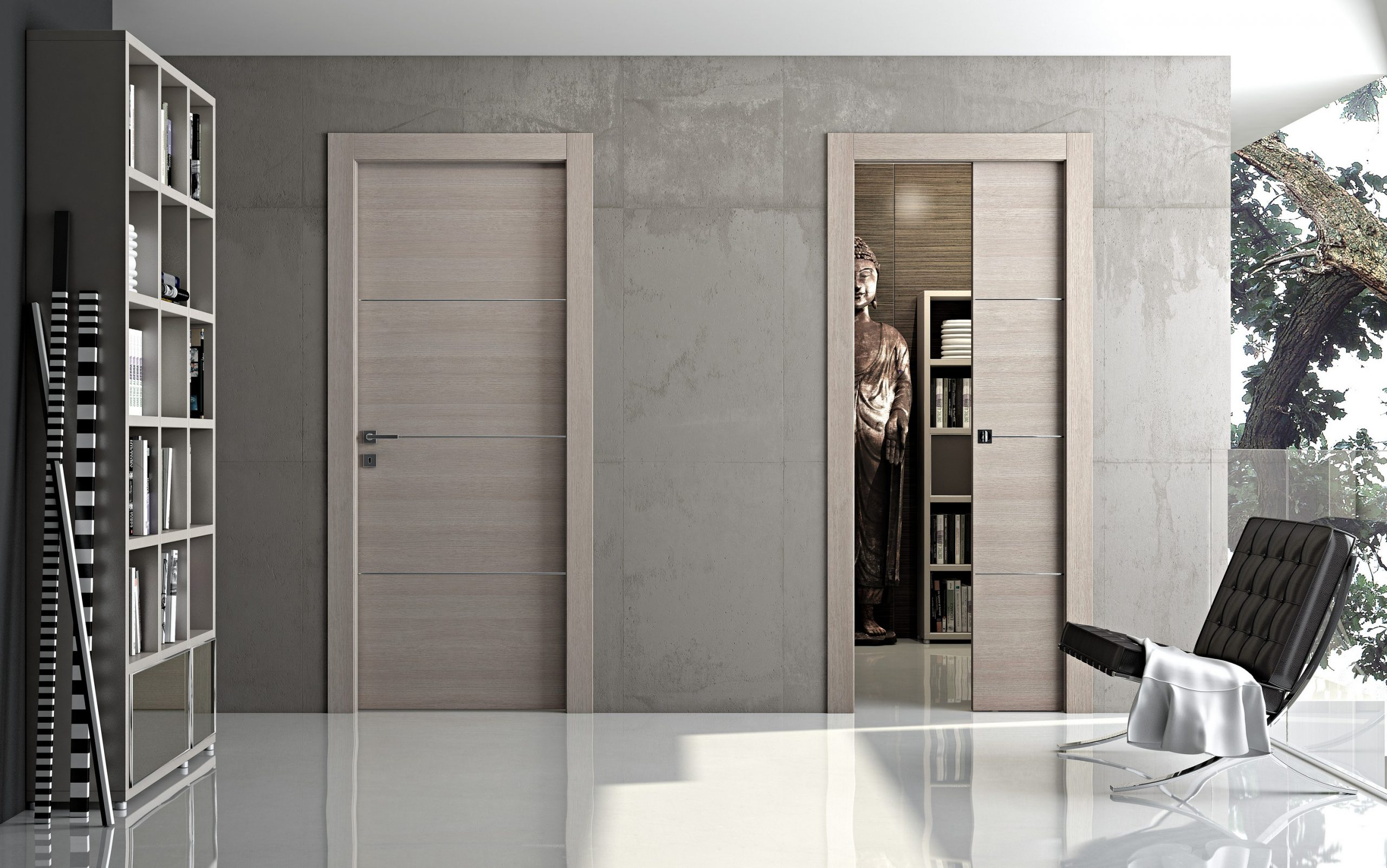
A solid core slab door is made from a solid material inside, usually a composite or solid wood. Unlike hollow core doors, which are lightweight, solid core doors have a heavier construction that makes them more durable and more secure.
One of the main benefits of solid core slab doors is their strength. The solid core provides additional soundproofing, making them ideal for bedrooms, offices, or any room where you need privacy and peace. With the added mass, these doors also offer better insulation against heat and cold, helping to keep your home more energy-efficient.
Solid core slab doors also feel more substantial when you open or close them. This can provide a higher-quality feel, especially in high-end homes or commercial spaces. They are also much more durable than hollow core doors, resisting impact damage or wear and tear.
Solid core doors may cost more than hollow core doors, but they are worth the investment if you value quality, soundproofing, and security. Their versatility makes them suitable for both interior and exterior applications.
Hollow Core Slab Door
Hollow core slab doors are lightweight doors made with a hollow interior. The core is typically filled with cardboard or a honeycomb material, making the door lighter than its solid core counterpart. These doors are often used for interior spaces like bedrooms, bathrooms, or closets.
Pros:
- Lightweight and Easy to Handle: Because they are lighter, hollow core slab doors are easier to install and handle during transport. They’re ideal for DIY projects or situations where you need to move doors around quickly.
- Affordability: Hollow core doors are generally less expensive than solid core doors, making them an attractive option for homeowners on a budget. They still provide the appearance of a traditional door without the higher price tag.
- Variety of Styles: While they may be lighter, hollow core slab doors come in various finishes and styles. These doors can be customized to match your home’s interior decor, from smooth to textured.
Cons:
- Less Durable: Hollow core doors are more prone to damage from impacts. Because they are lighter, they can dent or crack more easily than solid core doors.
- Limited Soundproofing: The hollow interior means less soundproofing than solid core doors. A hollow core door might not be the best choice if you need more privacy or sound isolation.
Decorative Slab Door
Dec decorative slab doors are the perfect solution if you want to add a little flair to your doors. These doors allow you to customize the appearance to suit your personal style. Whether designing a contemporary home or a more traditional space, decorative finishes can make your slab door stand out.
Decorative slab doors come in many styles, from simple designs with decorative panels to more intricate patterns that add texture and visual interest. For a modern touch, you can choose from various finishes, including wood veneer, painted finishes, and even glass inserts. These doors can tie the room together and become a focal point in the home.
Benefits of Decorative Finishes:
- Customizable Appearance: Decorative slab doors are highly customizable. To create a unique design, you can add raised panels, carvings, or glass. Whether you want a bold statement or something more subtle, decorative finishes offer endless possibilities.
- Increased Aesthetic Appeal: A decorative slab door can elevate the overall look of a room. Whether adding a modern touch with sleek, minimalist lines or upgrading a classic room with intricate detailing, these doors add style and personality.
- Variety of Materials: Decorative finishes can be applied to various materials. You can get a wood slab door with custom carvings, a glass door with frosted patterns, or a combination of both for an elegant, high-end look.
Summary
In conclusion, the type of slab door you choose depends on your needs and style preferences. Solid core doors offer durability and soundproofing, hollow core doors are budget-friendly and lightweight, and decorative slab doors allow for customization and added style. Whatever type you choose, slab doors can transform your space with their simplicity and versatility.
Slab Door vs. Pre-hung Door
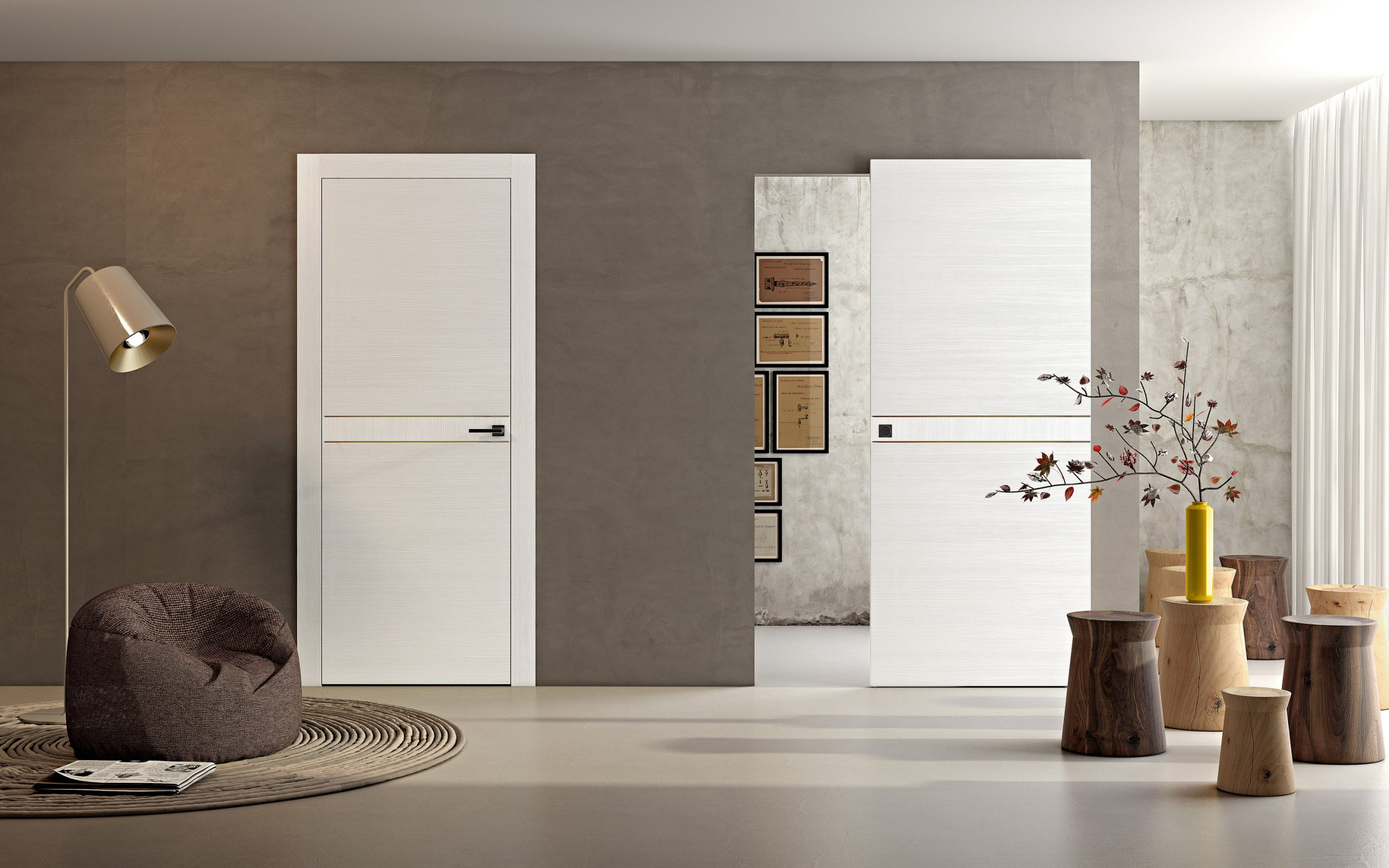
When choosing a door for your home, you’ll likely come across two main options: slab doors and pre-hung doors. Both have pros and cons, and the right choice depends on your needs. This section will explore the key differences between slab and pre-hung doors, when to choose a slab door, and how the costs compare.
Key Differences Between Slab and Pre-hung Doors
The main difference between slab and pre-hung doors is how they are sold and installed.
- Slab Door: A slab door does not have a frame or hardware. It’s just a flat door panel that you can install into an existing frame. With a slab door, you’ll need to install hinges, handles, and a frame if one isn’t already in place. This option is great if you want to reuse your existing door frame or want a custom fit.
- Pre-hung Door: A pre-hung door, on the other hand, comes fully assembled with the door, frame, hinges, and handle already installed. This door type is ready to be mounted right onto the wall opening. Pre-hung doors are often used when building a new door opening or replacing an old frame.
When Should You Choose a Slab Door Over a Pre-hung Door?
Choosing between a slab door and a pre-hung door depends on your project and needs. Here are some situations where you might prefer a slab door:
- When You Have an Existing Frame: If your current door frame is in good condition and doesn’t need to be replaced, opting for a slab door can save you time and money. A slab door will fit right into your existing frame with some adjustment.
- For Custom Sizes: Slab doors offer more flexibility regarding custom sizing. If you have a non-standard door opening, you can have a slab door cut to fit your space perfectly. This is much easier than modifying a pre-hung door to fit a unique frame. If You Want a More
- Budget-friendly Option: Slab doors can be cheaper because they don’t include a frame or hardware. If you already have the necessary hardware or plan to install it yourself, a slab door can be cost-effective.
- DIY Projects: If you’re handy and want more control over the installation, a slab door is a great choice. It allows you to install the door with your frame and hardware and customize the look and fit.
Cost Comparison: Slab Door vs. Pre-hung Door
Cost is often a key factor in choosing between a slab door and a pre-hung door. While prices can vary based on material and style, here’s a general comparison:
- Slab Door Costs: Slab doors are more affordable upfront since they only include the door itself. Depending on the material (wood, fiberglass, or metal), prices for slab doors typically range from $50 to $200. However, remember that you’ll need to factor in the cost of the frame, hinges, handle, and any other hardware you may need, which can add to the overall price.
- Pre-hung Door Costs: Pre-hung doors are usually more expensive because they come with installed frames, hinges, and hardware. Prices for pre-hung doors can range from $100 to $500 or more, depending on the quality of materials and additional features, like energy-efficient or soundproofing options. While the initial cost is higher, a pre-hung door might be more cost-effective in the long run, especially if you need to replace both the door and the frame.
Summary
In conclusion, choosing between slab doors and pre-hung doors depends on your existing frame, budget, and whether you’re comfortable with DIY installation. Slab doors are great for custom fits, existing frames, and budget-conscious homeowners, while pre-hung doors are perfect for new construction or replacing both the door and frame.
Slab Door Materials
When choosing a slab door, the material you select plays a big role in its performance, appearance, and durability. Slab doors are available in various materials, each offering unique advantages. This section will look at the most common materials used for slab doors: wood, metal, and fiberglass.
Wood Slab Door
Wood slab doors are a classic choice that adds natural beauty and warmth to any room. They come in various wood types, each offering distinct appearance, durability, and cost characteristics. Let’s take a closer look at the most common types of wood used for slab doors.
Oak:
Oak is a dense, strong wood known for its durability and attractive grain pattern. Its timeless appeal is often used for traditional and contemporary doors. Oak doors tend to be more expensive, but they offer great strength and longevity.
Maple:
Maple wood is another popular choice for slab doors. Its color is lighter than oak, with a smooth texture and subtle grain. Maple is also very durable and resistant to scratches, making it ideal for areas with high foot traffic. It’s more affordable than oak but still provides a premium look.
Pine:
Pine is a softer wood than oak and maple, and is usually the most budget-friendly option. It has a light color with a distinct grain pattern, making it great for rustic or country-style homes. While it’s less durable than harder woods, pine is still strong enough for many interior applications.
Cherry:
Cherry wood is prized for its rich, reddish-brown color and smooth texture. Over time, cherry wood darkens, adding even more character to the door. It’s a bit more expensive but offers a refined look that complements traditional and modern spaces.
Summary
Wood slab doors offer a timeless appeal and can be customized with different stains and finishes. They provide excellent insulation and a natural, warm aesthetic that fits various interior styles.
Metal Slab Door
Metal slab doors are a popular choice for those who need durability, security, and strength. These doors are typically made from steel or aluminum and are ideal for residential and commercial properties. Let’s explore why metal doors are an excellent choice.
Durability:
Metal slab doors are highly durable and resistant to damage. Unlike wood, they are less likely to warp, crack, or rot over time, making them ideal for exterior doors. Steel doors, in particular, can withstand high impacts and harsh weather conditions, providing long-lasting protection for your home or business.
Security:
One of the main reasons people choose metal slab doors is for security. Metal doors offer excellent protection against break-ins, which are much harder to damage or force open than wooden doors. A solid steel slab door can make your home or office more secure, especially if you choose one with additional security features like reinforced locks or multiple locking points.
Maintenance:
Metal doors require minimal maintenance compared to wood or fiberglass doors. They don’t need to be painted as often and are resistant to pests like termites. Cleaning is easy – a simple wipe-down with a damp cloth is usually enough to keep the door looking great.
Summary
While metal slab doors may not have the same warmth and aesthetic appeal as wood, they make up for it in durability and security. These doors are especially suitable for exterior applications, where strength and protection are a priority.
Fiberglass Slab Door
Fiberglass slab doors are an excellent choice for homeowners looking for energy efficiency, durability, and weather resistance. These doors are made from fiberglass panels that are lightweight but incredibly strong. Let’s take a look at the benefits of fiberglass slab doors.
Energy Efficiency:
Fiberglass doors are highly energy-efficient. They are designed to keep heat inside during the winter and prevent cool air from escaping during the summer. Many fiberglass doors have foam cores that provide superior insulation, helping to reduce your energy bills. Fiberglass is an excellent option to make your home more eco-friendly and energy-efficient.
Weather Resistance:
Fiberglass doors are perfect for all types of weather. They won’t warp, crack, or swell when exposed to moisture, making them an excellent choice for areas with high humidity or frequent rain. These doors also resist fading, meaning they’ll maintain their appearance even when exposed to harsh sunlight.
Low Maintenance:
One of the biggest advantages of fiberglass doors is their minimal maintenance. Unlike wood doors, fiberglass won’t need to be refinished or repainted over time. They are resistant to dents and scratches, so they keep their appearance for years without much effort on your part.
Variety of Styles:
Fiberglass slab doors come in many styles, from smooth to textured finishes. You can even get fiberglass doors that mimic the look of wood, providing the aesthetic appeal of a wooden door without the maintenance issues.
Summary
In conclusion, fiberglass slab doors offer a combination of energy efficiency, weather resistance, and low maintenance, making them an excellent choice for homeowners who want a practical and durable door solution. They are suitable for interior and exterior applications and are available in various designs to suit any home.
How to Install a Slab Door?
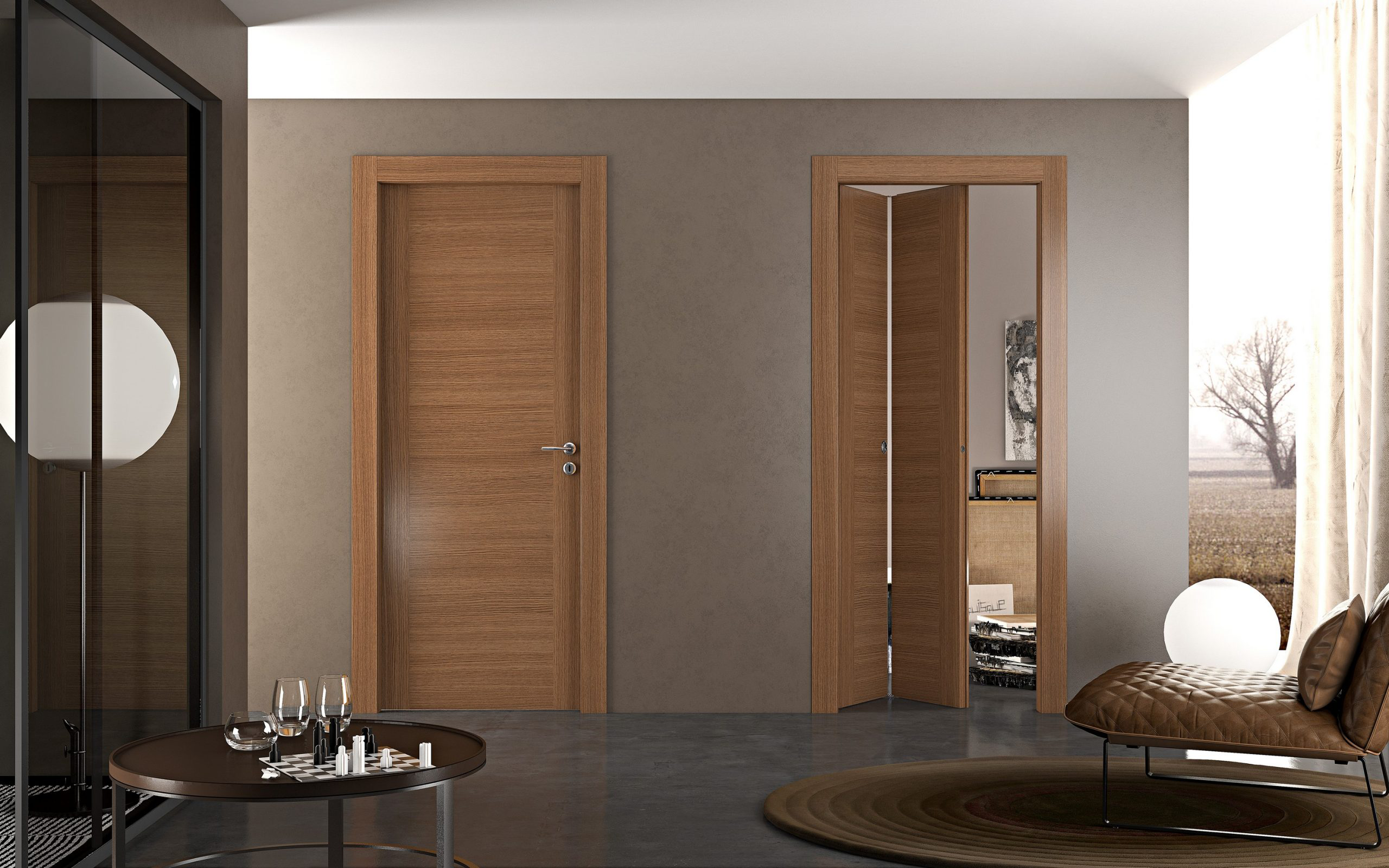
Installing a slab door is relatively simple if you follow the right steps and use the proper tools. Whether replacing an old door or installing a new one, a slab door is an excellent option because it allows you to customize the frame and hardware. Here’s a step-by-step guide to help you through the process of installing your slab door.
Tools Needed for Installation
To install a slab door, you’ll need a few basic tools. Here’s a list of what you’ll need:
- Measuring Tape: To measure the door opening and slab for proper fitting.
- Saw: A circular saw or handsaw to trim the door to size.
- Chisel: To carve out the recesses for the hinges.
- Hammer or Screwdriver: To attach hinges and hardware.
- Drill: For drilling pilot holes for screws, handle, and lock installation.
- Shims: Small pieces of wood to adjust the door’s alignment in the frame.
- Level: To make sure the door is properly aligned and square.
- Pencil: This is for marking hinge and hardware placements.
- Hinge Screws: To attach the hinges to the door and frame.
- Door Hardware: Handle, lockset, and any additional hardware for finishing the door.
Step-by-step Guide to Installing a Slab Door
Installing a slab door involves several key steps, but with some basic knowledge and a little patience, you can easily do it yourself. Here’s how:
1. Prepare the Door Opening:
Before installing the slab door, ensure the door frame is clean and ready. Check that the opening is square, level, and plumb. Remove any old door hardware, hinges, or trim if you’re using the existing frame.
2. Measure and Trim the Door:
A slab door might not fit perfectly into your frame straight out of the box, so you may need to trim the edges. Measure the height and width of the door opening, then mark your slab door accordingly. Use a saw to trim it to size. Ensure the door fits evenly within the frame with enough clearance to open and close smoothly.
3. Mark and Install the Hinges:
Place the door in the opening to determine where the hinges will go. Mark the locations for the top, middle, and bottom hinges on the door edge. Use a chisel to create recesses for the hinges to sit in, ensuring they are flush with the surface. Attach the hinges to the door using screws.
4. Install the Door in the Frame:
Position the door in the frame with the attached hinges. Use shims (small pieces of wood) to level the door. Ensure a small gap between the door and the frame allows proper swing and clearance. Check that the door is plumb and square.
5. Attach the Hinges to the Door Frame:
Once the door is properly positioned, mark the hinge placement on the door frame. Drill pilot holes for the screws, then attach the hinges to the frame. Double-check the alignment to ensure the door swings smoothly.
6. Install the Handle and Lock:
After the door is hung, mark the positions for the handle and lockset. Drill holes for the handle and lock, then attach the hardware. Test the handle and lock to make sure they work properly.
7. Finish the Installation:
Trim any excess shims and add the final touches once the door is hung and all hardware is installed. Add weatherstripping, apply finish or paint, and install any door trim.
Common Mistakes to Avoid During Installation
While installing a slab door is fairly straightforward, there are some common mistakes you’ll want to avoid to ensure a smooth and successful installation.
Incorrect Measurements:
One of the biggest mistakes when installing a slab door is not measuring properly. Before you cut or trim the door, double-check the height and width of both the door opening and the slab door. Even a small mistake in measurement can cause the door to fit poorly or be misaligned.
Not Checking the Frame:
Before installing a new door, make sure your door frame is square, level, and plumb. If your frame is out of alignment, the door may not swing properly or fit into the opening. It’s essential to check the frame before installation to avoid unnecessary work later on.
Forgetting the Clearance:
Make sure to leave a small gap between the door and the frame when installing. If the door is too tight, it can get stuck or rub against the frame, causing wear and tear. A gap of about 1/8-inch is ideal.
Improper Hinge Placement:
When marking and cutting out areas for the hinges, make sure they’re positioned properly. Incorrect hinge placement can prevent the door from closing correctly, and it could also cause strain on the door or the frame. Always double-check your measurements before cutting into the door.
Skipping Pilot Holes:
When installing hardware like hinges or handles, always drill pilot holes before inserting screws. This prevents the wood from splintering or cracking and ensures a tight, secure fit. Without pilot holes, the screws may not go in straight, which could cause the hardware to become loose over time.
Not Testing the Door:
After installation, test the door by opening and closing it several times. Make sure it swings smoothly, the handle and lock work properly, and there’s no rubbing or sticking. Testing early on helps you identify issues before they become bigger problems.
Slab Door Maintenance Tips
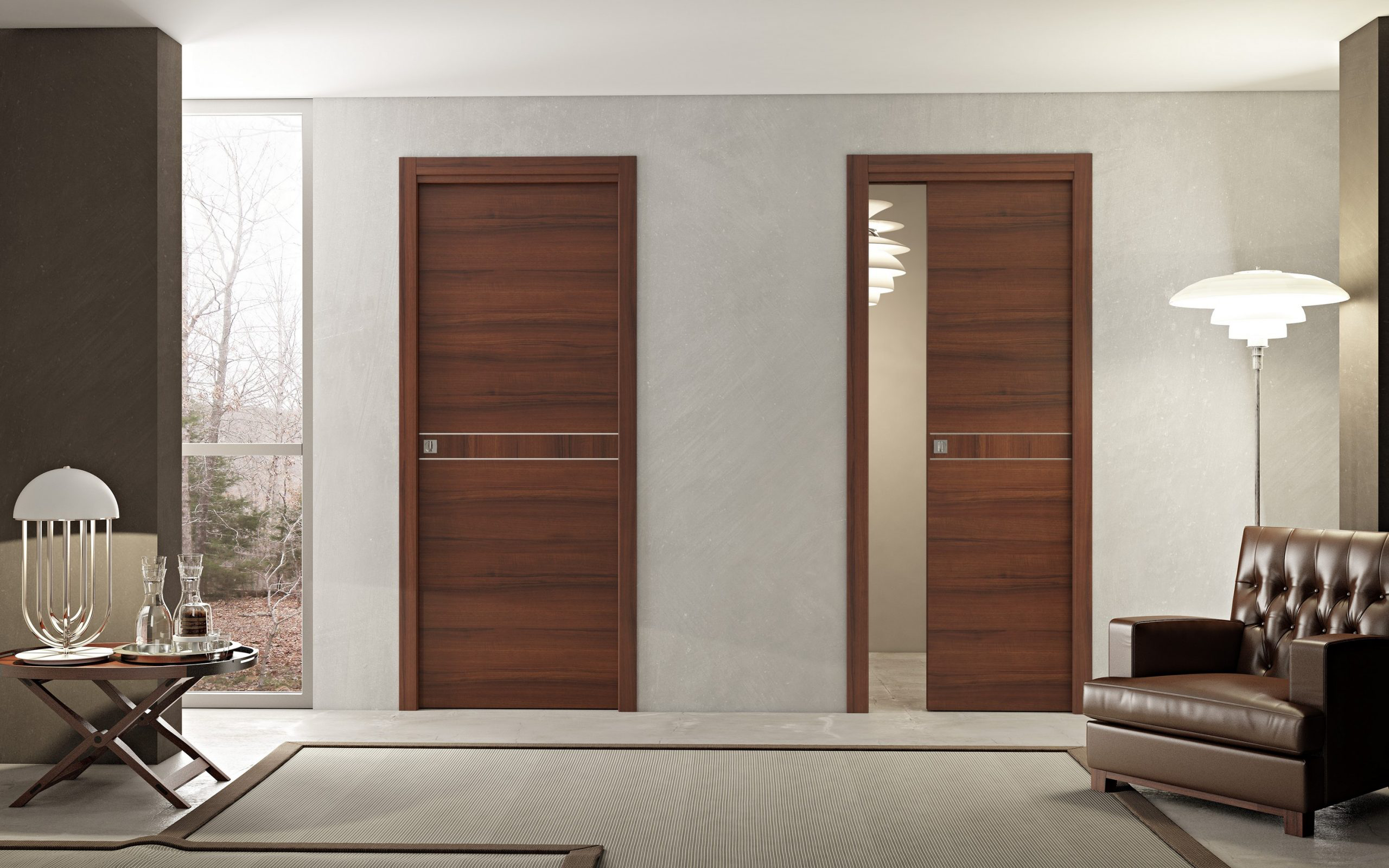
Slab doors are a stylish and functional addition to any home, but like all features, they need regular care to stay in good condition. Whether you have a wood, hollow core, or fiberglass slab door, proper maintenance will ensure it lasts for years. In this section, we’ll cover how to clean and care for wood slab doors, repair common issues with hollow core doors, and when it’s time to replace your slab door.
Cleaning and Caring for Wood Slab Doors
Wood slab doors are beautiful and timeless, but require special care to maintain their appearance and functionality. Here’s how to clean and care for your wood slab door:
Regular Dusting:
Start by regularly dusting your wood slab door with a soft cloth. Dust and dirt can build up over time and damage the surface if left untreated. Avoid using abrasive materials that could scratch the wood.
Cleaning:
To clean your wood door, use a mild soap solution mixed with warm water. Dampen a soft cloth with the solution (never soak the cloth) and gently wipe the door’s surface. For stubborn spots, you can use a wood cleaner designed specifically for doors. After cleaning, dry the door with a clean cloth to avoid water spots.
Polishing:
To bring out the wood’s natural shine, polish your door with a high-quality furniture polish. This adds a beautiful shine and provides a layer of protection against dust and moisture. Apply the polish with a soft cloth and buff it into the wood in a circular motion.
Protecting the Finish:
Wood doors can fade or dry out over time, especially if exposed to sunlight. Consider applying a wood sealer or varnish every few years to prevent this. This will protect the wood from damage caused by moisture, sunlight, and temperature fluctuations.
Fixing Scratches and Dents:
If your wood slab door gets scratched or dented, you can fix small blemishes with wood filler or a wax crayon designed for wood repair. You may need to sand the area lightly before applying a matching stain for deeper scratches.
Repairing Common Issues With Hollow Core Doors
Hollow core slab doors are a budget-friendly option, but they require some attention when problems arise. While they’re not as durable as solid wood or metal doors, they can still be repaired with a little effort. Here’s how to address some common issues:
Door Warping:
Over time, hollow core doors may warp due to changes in humidity. It may have swollen or warped if the door becomes difficult to open or close. To fix this, you can lightly sand the edges of the door to remove any excess material and make it fit properly. If the door is significantly warped, you should replace it.
Holes and Dents:
Hollow core doors are prone to dents or small holes, especially if made from lighter materials like cardboard or foam. Use a filler to patch the area and then sand it smooth for small holes. If the damage is larger, you may need to replace the affected door section or apply a new surface layer. When repairing hollow core doors, be sure to choose a filler that’s compatible with the door material.
Loose Hinges:
Over time, the hinges on hollow core doors may loosen due to wear. Check the hinges if you notice the door sagging or not closing properly. Tighten any loose screws, or if the screws are stripped, replace them with longer or thicker screws to ensure a tight fit. Also, a hinge reinforcement plate should be added if the hinge area has become damaged.
Sound Issues:
Hollow core doors are less effective at soundproofing than solid core doors. If noise is a concern, you can install weatherstripping around the edges of the door or add a soundproofing material inside the door (if accessible). These simple additions can help improve the door’s ability to block sound.
When to Replace Your Slab Door?
While slab doors can last for many years with proper care, there comes a time when replacement is necessary. Here are some signs that it might be time to replace your slab door:
Visible Damage:
If your slab door is severely damaged, such as having deep cracks, large dents, or significant warping, it may be time for a replacement. While minor repairs can extend the door’s life, severe damage can compromise its function and appearance.
Difficulty Opening and Closing:
If the door has become difficult to open or close, and it’s not due to minor issues like misaligned hinges or swelling, it could be a sign that the door has warped beyond repair. If sanding or adjustments don’t solve the problem, replacing the door might be the best option.
Increased Drafts or Energy Loss:
Doors can lose energy efficiency over time. If you start noticing drafts around the door or higher energy bills due to poor insulation, replacing the door with a more energy-efficient option, such as a solid core or fiberglass slab door, might be time. These doors provide better insulation and help make your home more comfortable.
Outdated Style:
If your slab door no longer fits your home’s décor or shows signs of wear that cannot be easily fixed, it may be time to update your door. A new door can instantly refresh the look of a room, and many modern options offer improved features such as better security or enhanced insulation.
Rot or Moisture Damage:
Wooden slab doors, especially in areas with high humidity, can eventually rot or absorb moisture, leading to structural damage. If you notice signs of rot, mold, or severe moisture damage, it’s time to replace the door. Consider switching to a fiberglass or metal slab door if moisture is a consistent issue in your area.
Summary
In summary, slab doors, whether wood, hollow core, or fiberglass, need proper care. Cleaning and maintaining your wood slab door, repairing common hollow core door issues, and knowing when to replace a door will help ensure your home stays secure, comfortable, and stylish. Regular maintenance extends the life of your slab door and keeps it looking great and functioning well for years to come.
Benefits of Slab Door
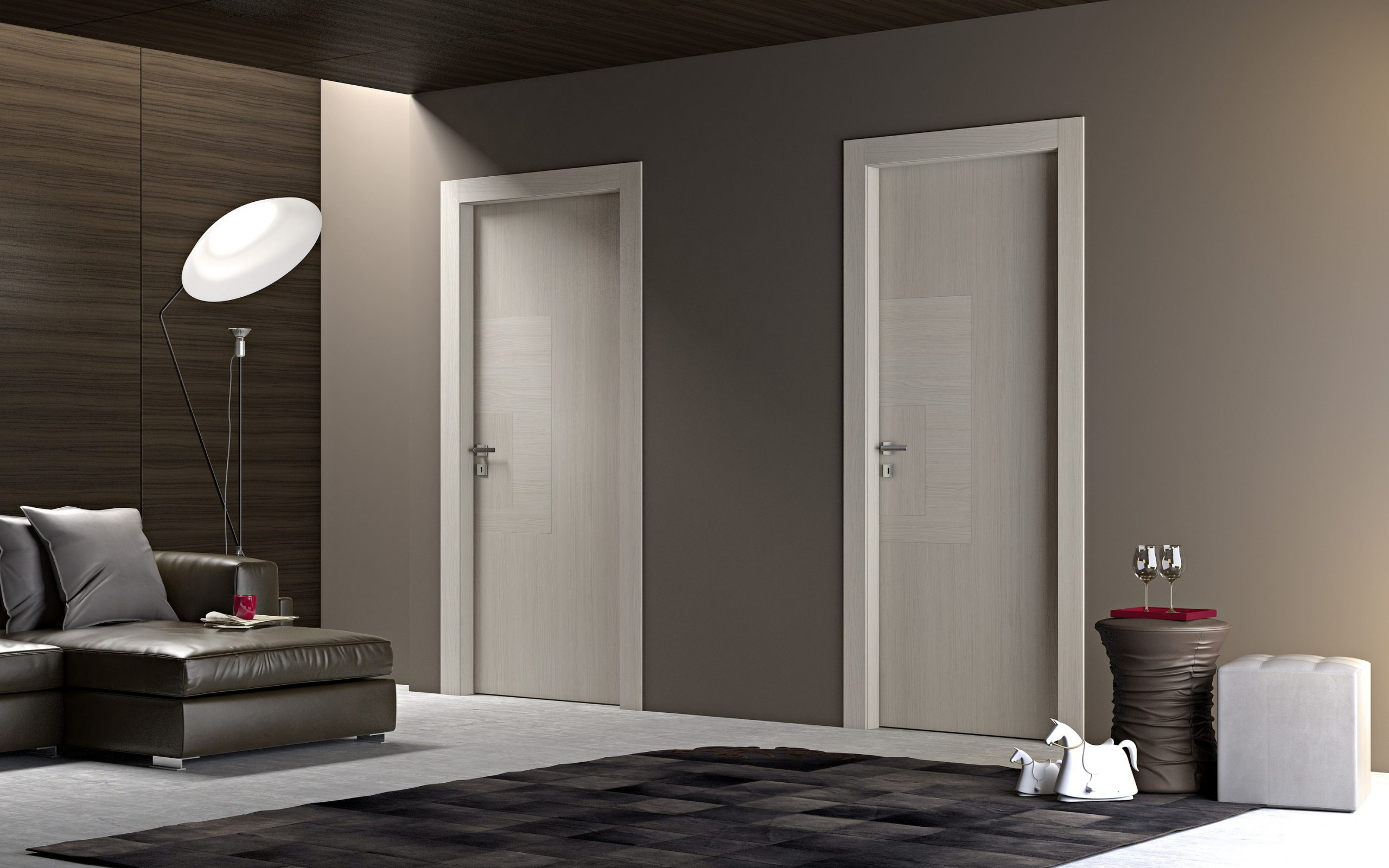
Slab doors offer a variety of advantages that make them a popular choice for homeowners. Whether renovating your home or installing new doors, slab doors bring benefits like durability, cost-effectiveness, and customization options. Let’s take a closer look at these key advantages.
Durability and Longevity
One of the biggest benefits of choosing a slab door is its durability. Unlike hollow core doors, slab doors—especially those made from solid wood or metal—are built to last. A slab door’s simple, sturdy design means fewer parts that can wear out or break over time.
- Wood Slab Doors: High-quality wood slab doors, like those made from oak or maple, are incredibly durable. They can withstand years of use without significant wear. Wood is also naturally resistant to environmental damage, especially if treated with protective finishes.
- Metal Slab Doors: Metal slab doors, such as those made from steel or aluminum, are even more durable. They are resistant to rust, cracking, or warping. Steel doors are particularly strong, making them ideal for exterior use where security and protection are essential.
- Fiberglass Slab Doors: Fiberglass doors offer excellent durability as well. They won’t warp, crack, or swell in humid conditions, making them ideal for areas with high moisture levels. Fiberglass also maintains its appearance for many years, even under extreme weather conditions.
Cost-effectiveness
Slab doors are also known for being an affordable option compared to pre-hung doors or more complex designs. When considering cost-effectiveness, slab doors provide several key advantages:
- Lower Upfront Costs: Since slab doors are just the door panel without the frame or hardware, they typically cost less than pre-hung doors. This makes them an excellent choice if you’re working within a budget or want to keep your costs low.
- Reduced Installation Costs: Slab doors are relatively easy to install, especially if you already have a door frame. If you’re a DIY enthusiast or plan to handle the installation yourself, slab doors can save you money on labor costs.
- Long-Term Savings: Although slab doors might not always be the cheapest option initially, their durability means you won’t have to replace them as often as other doors. This long-lasting quality can save you money in the long term, as you won’t need to replace doors frequently due to wear and tear.
Customization Options
Another key benefit of slab doors is their variety of customization options. Whether you’re updating the interior of your home or adding a new door to an existing space, slab doors allow you to tailor the look and feel to your exact preferences.
- Materials: Slab doors are available in various materials, including wood, metal, and fiberglass. Each material offers different aesthetic options and performance benefits. For instance, wood slab doors can be stained or painted to match any decor, while metal doors can be left in their natural finish or painted for added color.
- Design Flexibility: Slab doors can be designed in almost any style, from traditional to modern. You can choose from smooth, flat surfaces or doors with intricate paneling, glass inserts, or decorative finishes. This level of customization means you can create a door that complements your home’s unique design and fits seamlessly into your space.
- Size and Shape: Slab doors can also be customized in size and shape. If you have a non-standard door frame or want a unique look, slab doors can be cut to fit any dimensions. This makes them an excellent option for custom projects or installing doors in unusual spaces.
- Hardware Choices: Slab doors offer plenty of flexibility regarding hardware. You can choose the type of handle, lock, and hinges that best match your style and functionality needs. Whether you prefer sleek, modern hardware or something more traditional, a slab door gives you complete control over the final look.
Popular Slab Door Styles
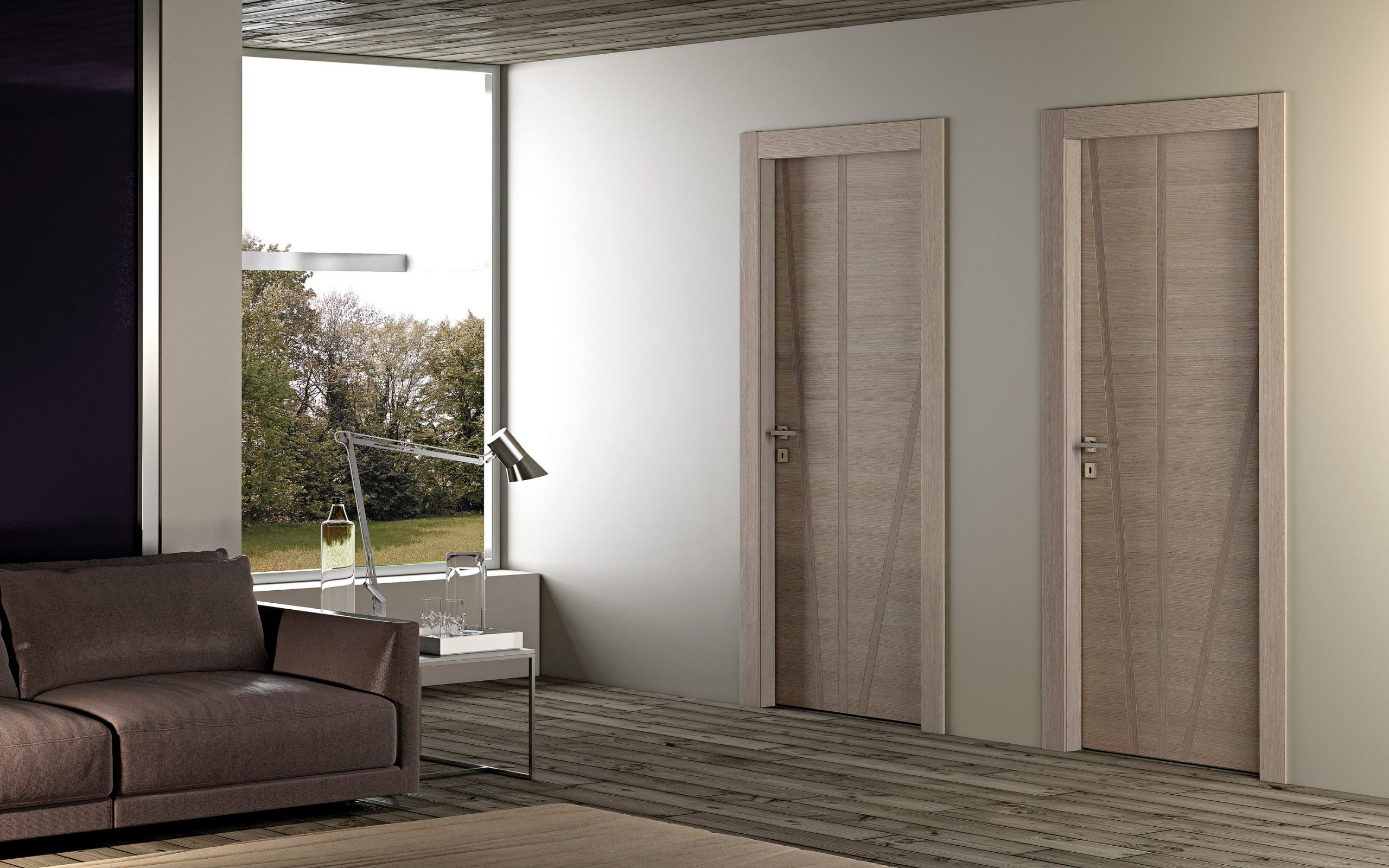
Slab doors come in various styles to suit any home or design preference. Whether you prefer a sleek, modern look or a more traditional aesthetic, there is a slab door style that can fit your vision. In this section, we’ll explore some of the most popular slab door styles: modern designs, traditional styles, and ways to customize your slab door with hardware and finishes.
Modern Slab Door Designs
Modern slab doors are all about clean lines, minimalism, and functionality. These doors often feature flat surfaces without unnecessary details, making them perfect for contemporary and modern homes. Here are some key features of modern slab door designs:
Minimalist Aesthetic:
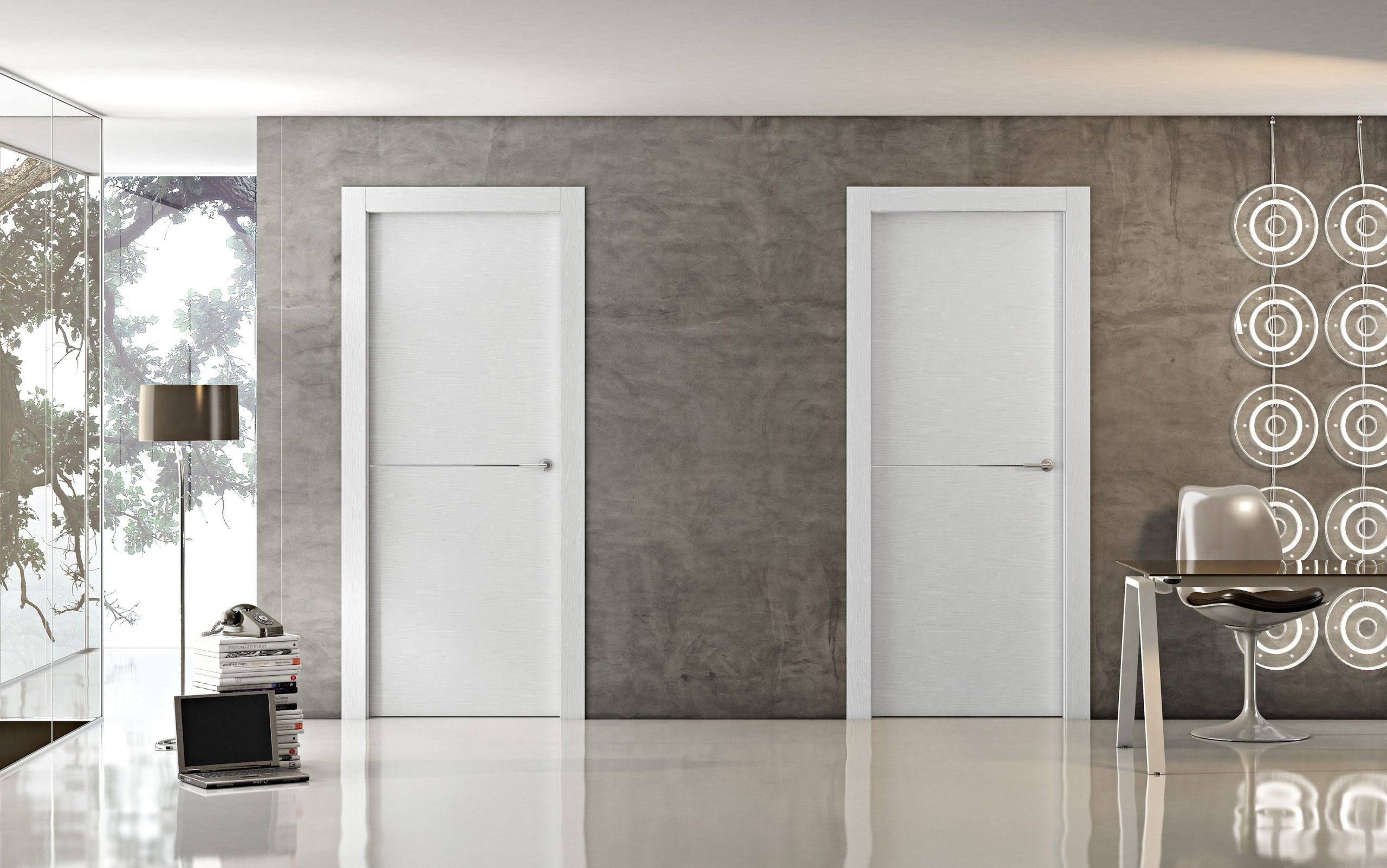
Modern slab doors typically have smooth, flat panels with no raised edges or ornate carvings. This minimalist design works well in modern homes, focusing on simplicity and subtle elegance. These doors often feature a single, unembellished surface, making them ideal for spaces that want to feel clean and uncluttered.
Bold Materials:
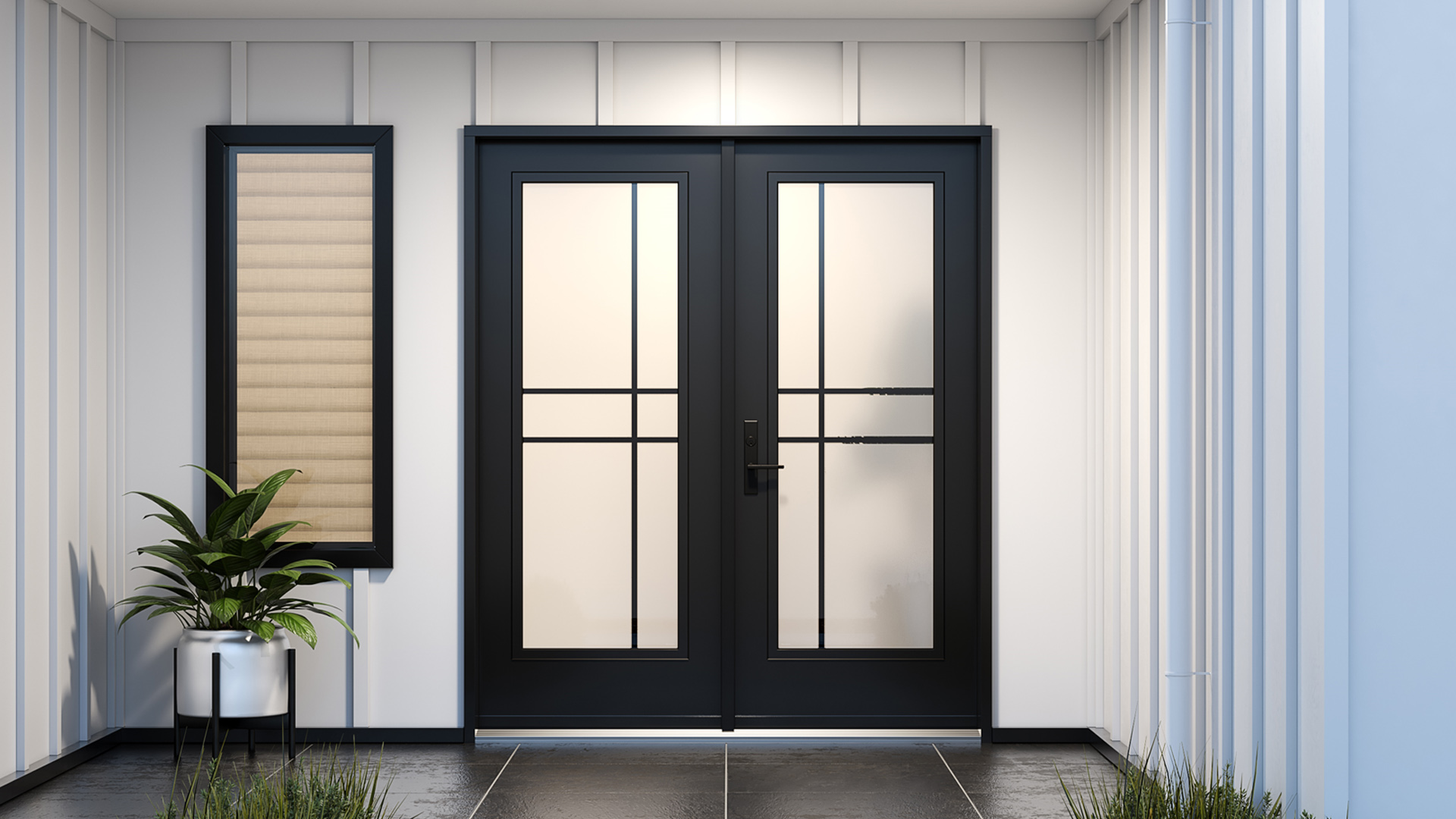
Many modern slab doors incorporate bold materials like matte black or dark wood finishes, glass inserts, or metal frames. Glass panels, either full-height or just as accents, are especially popular in modern designs, adding a touch of sophistication and allowing light to flow between rooms.
Flush Fit:
Modern slab doors often have a flush fit, meaning the door panel is level with the surrounding wall, creating a seamless look. This design is perfect for a smooth, uninterrupted surface that complements contemporary interiors.
High-Contrast Colors:
Dark, high-contrast colors like black, charcoal, or navy are commonly used in modern slab door designs. These colors can create striking statements, especially when paired with lighter walls or minimalistic decor. However, lighter hues such as white or soft gray are also popular for modern slab doors, helping to maintain a bright and open feel.
Traditional Slab Door Styles
Traditional slab doors offer timeless beauty and character in classic, rustic, or more traditional homes. These doors often feature more decorative details and rich wood finishes. Here’s what you can expect from traditional slab door styles:
Raised Panels:
One of the hallmarks of traditional slab doors is the use of raised panels. These doors often have panels slightly raised from the surface, creating a more detailed and dimensional look. This style is perfect for homes with more intricate or historical designs.
Wood Finishes:
Traditional slab doors are commonly made from wood, with rich stains and finishes that bring out the grain’s natural beauty. Woods like oak, cherry, and mahogany are commonly used for traditional doors, adding warmth and richness to the space. The door’s finish is often glossy or satin to highlight the depth of the wood.
Ornate Detailing:
While modern slab doors keep things simple, traditional styles may incorporate decorative elements like beveled edges, intricate carvings, or more detailed hardware. These elements add visual interest and a sense of craftsmanship that works beautifully in more classic settings.
Classic Shapes and Sizes:
Traditional slab doors tend to have more rectangular shapes and standard dimensions, fitting seamlessly into older homes or spaces with vintage appeal. You can also find traditional slab doors with arched tops, more elaborate entryways, or grand room designs.
Customizing Your Slab Door with Hardware and Finishes
One of the great things about slab doors is the ability to customize them fully. Whether you want a modern look or something more traditional, you can personalize your slab door with different hardware, finishes, and designs. Here’s how you can make your slab door your own:
Hardware Choices:
The hardware you choose can drastically change the look and feel of your slab door. From sleek, modern handles to more traditional knobs, the right hardware will complement the style of the door. For modern looks, opt for simple, minimalist handles in materials like stainless steel or matte black. Consider using brass or antique finishes for a more vintage appeal for traditional designs. Don’t forget that matching or contrasting hinges can enhance your door’s overall style.
Finish and Stain Options:
Customizing a slab door with glass inserts is a great way to add style and functionality. Frosted or clear glass panels can make a door more visually appealing while allowing light to pass through. You might opt for full-height glass panels or geometric glass designs for modern designs. Choose smaller glass inserts with decorative grids or patterns for a more traditional look.
Special Features:
You can add special features to your slab door, such as weatherstripping for energy efficiency or soundproofing materials for better insulation. Adding a decorative edge or molding to a wooden slab door can give it a more finished, tailored look.
Summary
By customizing your slab door, you can create a unique feature that enhances your home’s overall design and matches your specific needs. The ability to personalize your slab door with different finishes, hardware, and features allows you to make a truly one-of-a-kind door.
Slab Door in Different Rooms
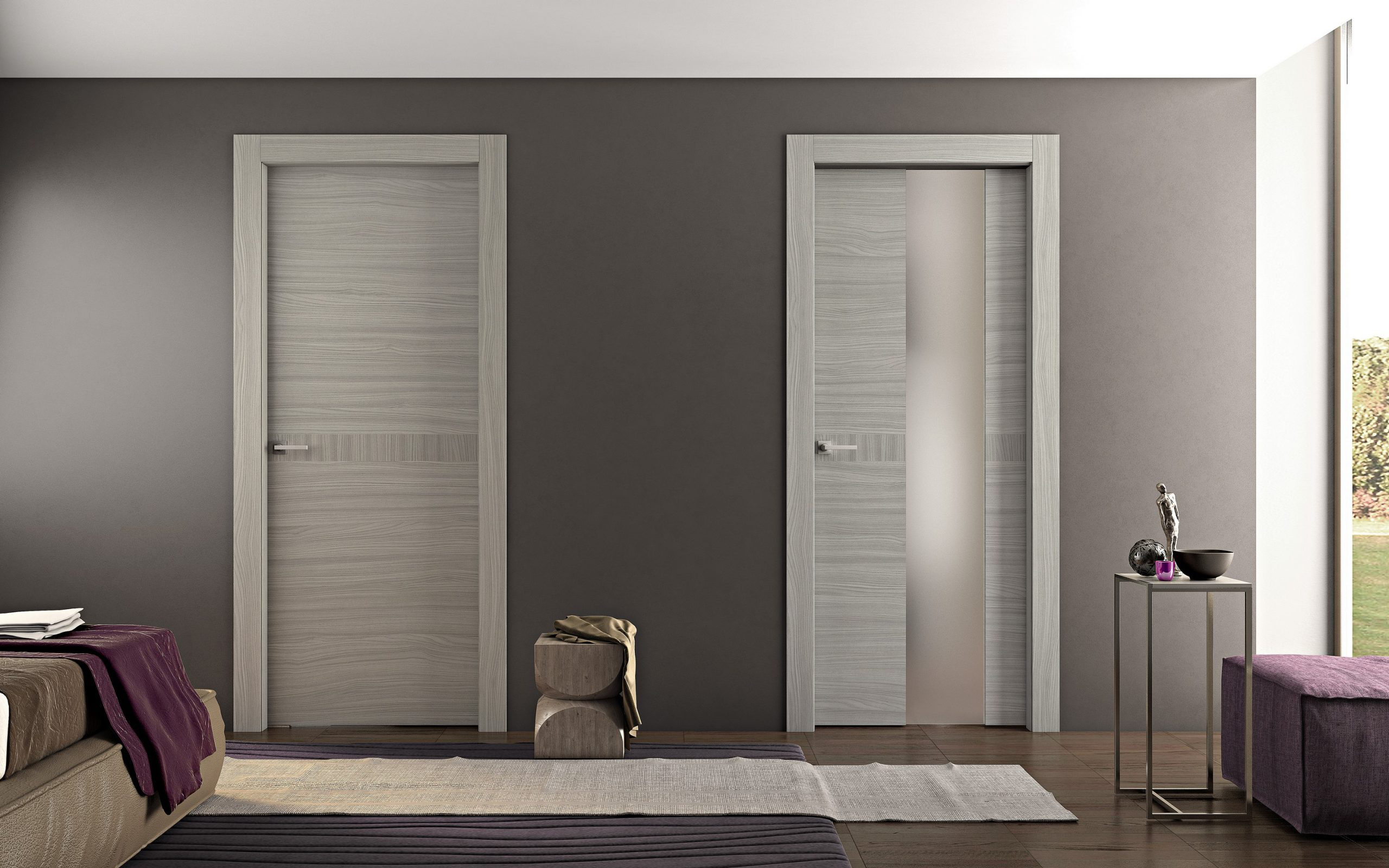
Slab doors are versatile and can be used throughout your home for interior or exterior applications. Their simplicity and clean design make them suitable for various rooms and purposes. Let’s explore how slab doors can be used for interior spaces and whether they’re a good option for exterior doors.
Slab Door for Interior Use
Slab doors are a popular choice for interior use because of their sleek design, durability, and ease of customization. Whether you’re updating your bedroom, bathroom, or living area, slab doors provide a clean and modern look. Here’s why they’re an excellent fit for interior spaces:
Modern Aesthetic:
The minimalist design of a slab door works perfectly in modern and contemporary interiors. If you’re aiming for a simple, streamlined look, slab doors can enhance the overall aesthetic of your home. With smooth, flat surfaces and subtle details, they blend seamlessly into any room, from living rooms to offices.
Variety of Finishes:
Slab doors come in various finishes, allowing you to tailor them to match your interior decor. You can choose wood finishes for a natural, warm vibe or paint them to suit your color scheme. Fiberglass and metal slab doors also offer sleek, clean lines, making them suitable for modern, industrial, or even transitional spaces.
Space Efficiency:
Slab doors are great for tight spaces. Since they are typically thinner and lighter than their pre-hung counterparts, they can fit into smaller or more compact areas without taking up too much space. They also offer the benefit of customizing specific room measurements, allowing you to achieve a perfect fit.
Affordability and Customization:
Slab doors for interior use are often more affordable than pre-hung doors because they come without the frame and hardware. This allows you to customize the hardware—handles, locks, and hinges—according to your style and budget. You can mix and match materials, like wood and glass panels, to add more character to your interior doors.
Exterior Slab Door: Are They a Good Option?
While slab doors are typically used for interior spaces, they can also be a good option for exterior doors in certain situations. However, it’s important to consider the material, durability, and security features when deciding whether a slab door is suitable for the outside of your home. Here’s a breakdown of the pros and cons of using slab doors as exterior doors:
Durability and Weather Resistance:
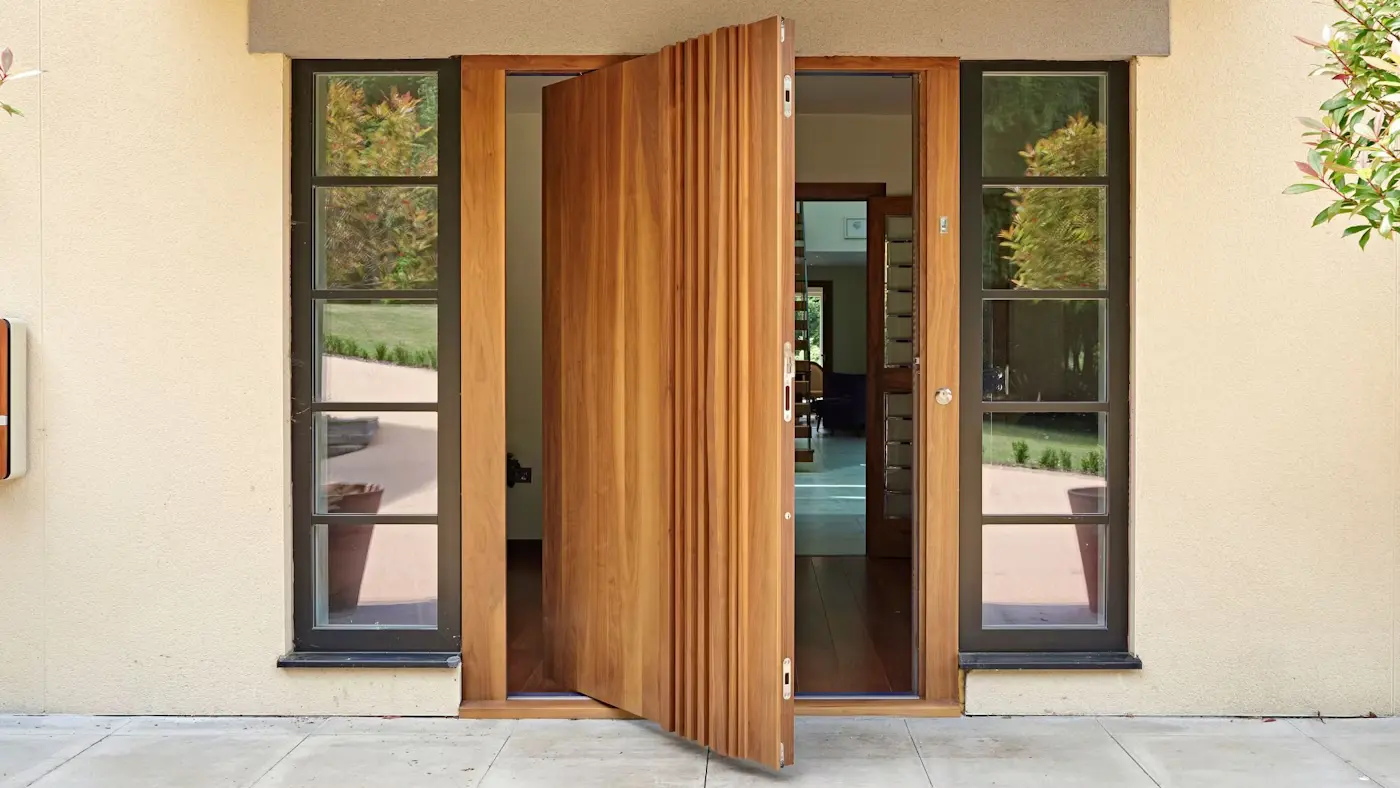
Slab doors made from solid wood, fiberglass, or metal are strong enough to handle the demands of exterior use. However, wooden slab doors may not be the best choice for areas with extreme weather, as they can warp or swell due to moisture. Fiberglass and metal slab doors are better at resisting the elements, offering superior protection against rain, humidity, and direct sunlight. If you choose a wood slab door for an exterior application, treat it with weather-resistant finishes to prolong its life.
Security:
Exterior slab doors, particularly those made from solid wood or metal, can provide excellent security for your home. Metal slab doors, in particular, are known for their strength and ability to resist forced entry. If security is a priority, consider a metal slab door with reinforced locks and hardware. You can also install additional security features like deadbolts or a peephole for added peace of mind.
Energy Efficiency:
Fiberglass slab doors are an excellent choice for exterior use because of their energy-efficient properties. They are designed to prevent heat transfer, helping to keep your home comfortable year-round and reducing energy costs. If you live in a climate with extreme temperatures, a fiberglass or solid core slab door is better than a hollow core door, which provides less insulation.
Style and Design:
Slab doors for exterior use can be as stylish as interior ones. Depending on your home’s style, you can choose from various materials, finishes, and designs. For example, a wood slab door with glass inserts can add a warm, traditional touch to a front entry, while a sleek metal or fiberglass door gives a modern, clean appearance. Adding decorative hardware, like handles and knockers, can also elevate the look of your exterior slab door.
Maintenance:
Exterior slab doors require more maintenance than interior doors. They’re exposed to the elements, so it’s important to inspect them for wear and tear regularly. Wooden slab doors, in particular, may require refinishing or sealing to protect against weather damage. Metal and fiberglass doors are easier to maintain, typically needing only occasional cleaning to keep them looking good.
Summary
Overall, slab doors can be a good option for exterior use if you select the right material and ensure it is properly sealed and maintained. Metal and fiberglass are the best for durability, weather resistance, and security, while wood can be an excellent option if treated correctly. Just be sure to choose a slab door that can withstand the outdoor conditions in your area.
Relate FAQ
What is a slab door?
A slab door is a flat, solid panel without framing, hinges, or hardware. The door panel is designed to be installed within a door frame. Slab doors can be used for interior and exterior doors, offering a minimalist and modern aesthetic.
How is a slab door different from a pre-hung door?
A slab door is just the door itself, while a pre-hung door comes with the frame, hinges, and hardware pre-installed. Pre-hung doors are easier to install, while slab doors offer more flexibility for custom installations, as they can be customized to fit any existing frame.
What are the Benefits of Slab Doors?
- Customization: Slab doors offer more design options, allowing homeowners to choose the style, material, and finish.
- Cost-Effective: Slab doors are generally less expensive than pre-hung doors since they lack the pre-installed frame and hardware.
- Versatility: Slab doors can be used for various applications, from interior rooms to exterior entrances.
Can slab doors be used for exterior applications?
Slab doors can be made from various materials, including:
- Wood: Solid wood or engineered wood for a classic, warm look.
- Fiberglass: Offers durability and insulation, ideal for exterior use.
- Steel: Provides security and strength, often used for exterior doors.
- MDF: Medium-density fiberboard is a common material for interior doors due to its affordability and smooth surface.
What materials are slab doors made of?
Yes, flat doors can be customized in various ways. They can be made in different sizes, materials, and finishes to suit the specific aesthetic and functional needs of a space. Some designs allow for the integration of glass panels, different textures, or special wood finishes.
How do you maintain a slab door?
The maintenance of a slab door depends on the material. Regular staining or painting is required for wooden doors to protect the surface. Steel or fiberglass doors need periodic cleaning to maintain appearance, while MDF doors may require touch-ups for any surface damage.