What is a pocket door?

What is a Pocket Door?
Definition of Pocket Door
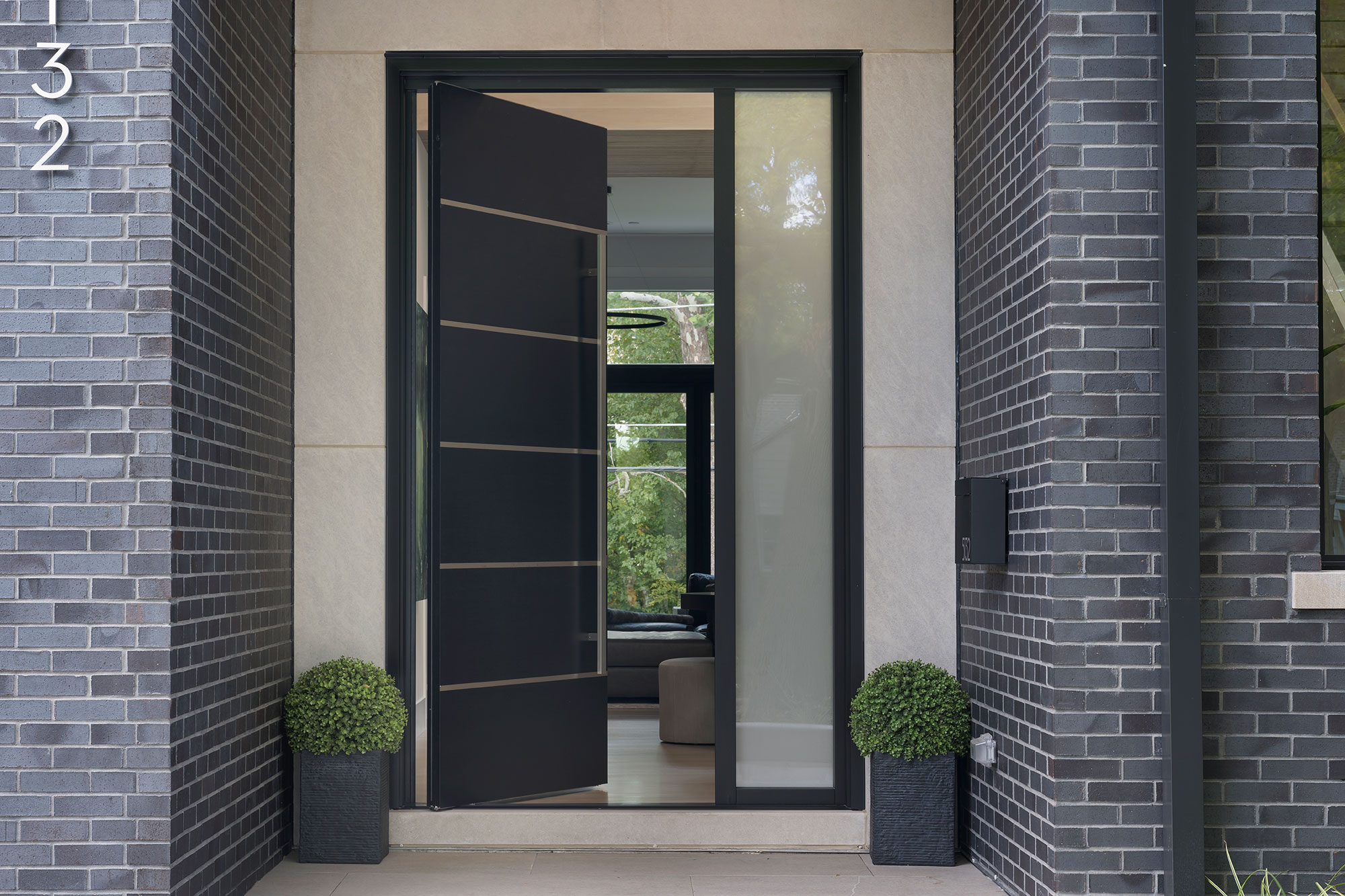
A pocket door is a type of sliding door that disappears into a compartment (or “pocket”) inside the wall when it is opened. This unique design helps save valuable space, making it ideal for smaller rooms or areas where traditional hinged doors might get in the way. Unlike regular doors that swing open, pocket doors slide along a track and tuck neatly inside the wall, providing a clean, modern look.
These doors are often used in places like bathrooms, closets, or even living rooms to enhance the flow of space. Pocket doors can be made from various materials, including wood, glass, and even metal, making them versatile enough to fit in nearly any home style. The sleek, space-saving design has made pocket doors a popular choice in modern homes, especially in open-concept floor plans.
How Pocket Doors Work?
Pocket doors work by sliding along a track and disappearing into the wall when opened. This system uses a set of rollers that guide the door along the track, allowing it to move smoothly and quietly. The door is typically mounted in a special frame, which fits inside the wall and has a “pocket” for the door to slide into when not in use.
To open or close the door, you simply pull or push the handle. Some pocket doors are designed with a latch or locking mechanism, making them perfect for spaces that require privacy, like bathrooms or bedrooms. The tracks and rollers ensure the door moves with ease, but it’s important to keep them maintained for smooth operation.
One key advantage of pocket doors is that they don’t require additional space to swing open, unlike traditional hinged doors. This makes them ideal for tight areas or rooms where you want to maximize the usable space. They are also commonly used as room dividers or for creating a more open and airy feel in a home.
In addition to the practical benefits, pocket doors can also serve as a design statement. For example, glass pocket doors allow natural light to flow between rooms, while wooden pocket doors add warmth and texture to a space. Regardless of the material, pocket doors are a stylish and functional solution for many homeowners looking to improve their space.
The Benefits of Pocket Door
Space-Saving Features
One of the biggest advantages of pocket doors is their space-saving design. Traditional doors require space to swing open, often blocking walkways or reducing usable room area. With a pocket door, the door slides neatly into the wall when open, so it doesn’t take up any extra space. This is especially helpful in smaller rooms or areas where space is limited, like small apartments, bathrooms, or even hallways.
If you have a tight area and want to make the most out of every square foot, a pocket door is a game-changer. Imagine being able to place furniture or décor in a way that would normally be blocked by a swinging door. Because pocket doors slide into the wall, you can use every inch of space efficiently, creating a cleaner, more open layout. This feature makes pocket doors popular in modern homes and tiny houses, where maximizing space is essential.
Aesthetic Appeal
Apart from saving space, pocket doors are also incredibly stylish. They add a sleek, minimalist touch to any room. Their ability to disappear into the wall gives the space a more open, uninterrupted feel. Whether you choose wooden pocket doors for a warm, traditional look, or glass pocket doors for a contemporary, airy vibe, they can elevate the overall aesthetic appeal of your home.
For homeowners looking for clean lines and a modern design, pocket doors are an excellent choice. The seamless operation of the door can add to the contemporary and elegant look of any space. In fact, many people use pocket doors as a design statement to highlight areas like living rooms, offices, or open-concept kitchens. Whether used as a bold feature or blended into the design, pocket doors complement almost any interior style.
Moreover, these doors come in a variety of materials and finishes. You can opt for a custom pocket door that fits perfectly with your décor. Whether you prefer stained wood, painted finishes, or a frosted glass design, there’s a pocket door for every taste and budget.
Privacy and Quietness
Pocket doors also offer privacy and quietness when you need it most. Because they close off spaces completely, they provide a higher level of privacy than traditional bi-fold doors or accordion doors. This makes pocket doors ideal for rooms where quiet and privacy are important, such as bedrooms, bathrooms, or home offices.
The smooth operation of pocket doors helps create a quieter environment. Unlike regular hinged doors, which can creak or slam, pocket doors glide open and closed with ease. This reduces the noise level and can create a calmer, more peaceful atmosphere. Whether you’re working from home or just need some alone time, pocket doors can help maintain your personal space and keep noise to a minimum.
Additionally, if you choose a solid wood pocket door or a glass pocket door with privacy film, you can enhance the soundproofing benefits. These options prevent noise from traveling between rooms, which is especially useful in homes with multiple people or shared spaces.
Summary
In conclusion, pocket doors offer far more than just a functional way to save space. They provide a stylish, modern look, increase privacy, and reduce noise, all while making the most of your living space. Whether you’re designing a new home or upgrading an existing one, pocket doors are a smart choice that can improve both the functionality and aesthetic appeal of your space.
Types of Pocket Door
Single Pocket Door

Single pocket doors are the most common type. As the name suggests, this design uses one sliding door that moves into a single pocket inside the wall. This is a great option when you only need to divide or close off a small space, like a bathroom, closet, or laundry room.
The simplicity of single pocket doors makes them easy to install and affordable. They’re perfect for spaces where you don’t need a wide opening. Whether you’re looking for a modern sliding door for your guest room or a practical solution for a home office, a single pocket door is a great choice.
One of the biggest benefits of single pocket doors is their space-saving feature. Because the door slides into the wall, it doesn’t take up any extra room, which is ideal for tight spaces. Also, they can be customized to suit various materials and finishes, such as wood, glass, or even mirrored surfaces, to match your home’s style.
Double Pocket Door

If you need a wider opening, double pocket doors are the way to go. This design features two doors that slide open and disappear into separate pockets on either side of the wall. Double pocket doors are perfect for larger spaces where you want to create a dramatic entryway or need to divide two big rooms without using a bulky traditional door.
These doors can make a living room, dining room, or even a home theater feel more open and inviting. They are also ideal for master bedrooms or open-concept layouts, where you want to maintain the flow of space but still have the option of closing off areas for privacy or noise control.
Double pocket doors not only save space but also bring a touch of elegance. They can be made from premium materials like solid wood or luxury glass to add to the sophistication of your home. When fully opened, they provide a wide, unobstructed view between rooms, enhancing the open feel of the space.
Bi-fold Pocket Door
Bi-fold pocket doors are a unique twist on the traditional sliding pocket door. These doors consist of multiple panels that fold in half as they slide into the wall. This type of door is ideal for larger spaces that require a more flexible opening but still want the convenience and space-saving benefits of a pocket door.
Bi-fold pocket doors are often used in closets and pantries, where you want easy access to items but also need to keep the area looking neat. They’re also great in living rooms or kitchens where you need to open up a space, but with a softer, more segmented approach than a single or double door.
The main advantage of bi-fold pocket doors is that they can open up a room completely, without the bulk of a swinging door. They’re also easier to operate than a traditional set of French doors. Whether you’re looking for a functional or decorative option, bi-fold pocket doors offer great versatility and can be customized to suit your needs.
Glass Pocket Door

Glass pocket doors bring a touch of modern elegance to any space. They can be used in a variety of settings, such as between a living room and a dining room, or as a divider between an office and a hallway. The beauty of glass pocket doors is that they allow light to flow freely between rooms, making spaces feel larger and more open.
Glass pocket doors can come in different styles, from clear glass to frosted or etched designs. If you want to maintain privacy while still letting in light, frosted glass is a great option. On the other hand, if you prefer an airy, open feel, clear glass provides that open-space vibe.
The sleek, modern appearance of glass pocket doors can also enhance the aesthetic appeal of your home. Whether you choose a simple glass panel design or go for something more decorative, these doors add sophistication and style. They’re often used in modern homes, offices, or commercial spaces that aim for a clean, contemporary look.
Plus, glass pocket doors are practical. They save space and create a seamless flow between rooms while still offering a level of separation. Whether you’re dividing your kitchen from your living area or creating a partition for your home office, these doors offer both beauty and function.
Maintenance and Troubleshooting of Pocket Door
How to Maintain Your Pocket Door?
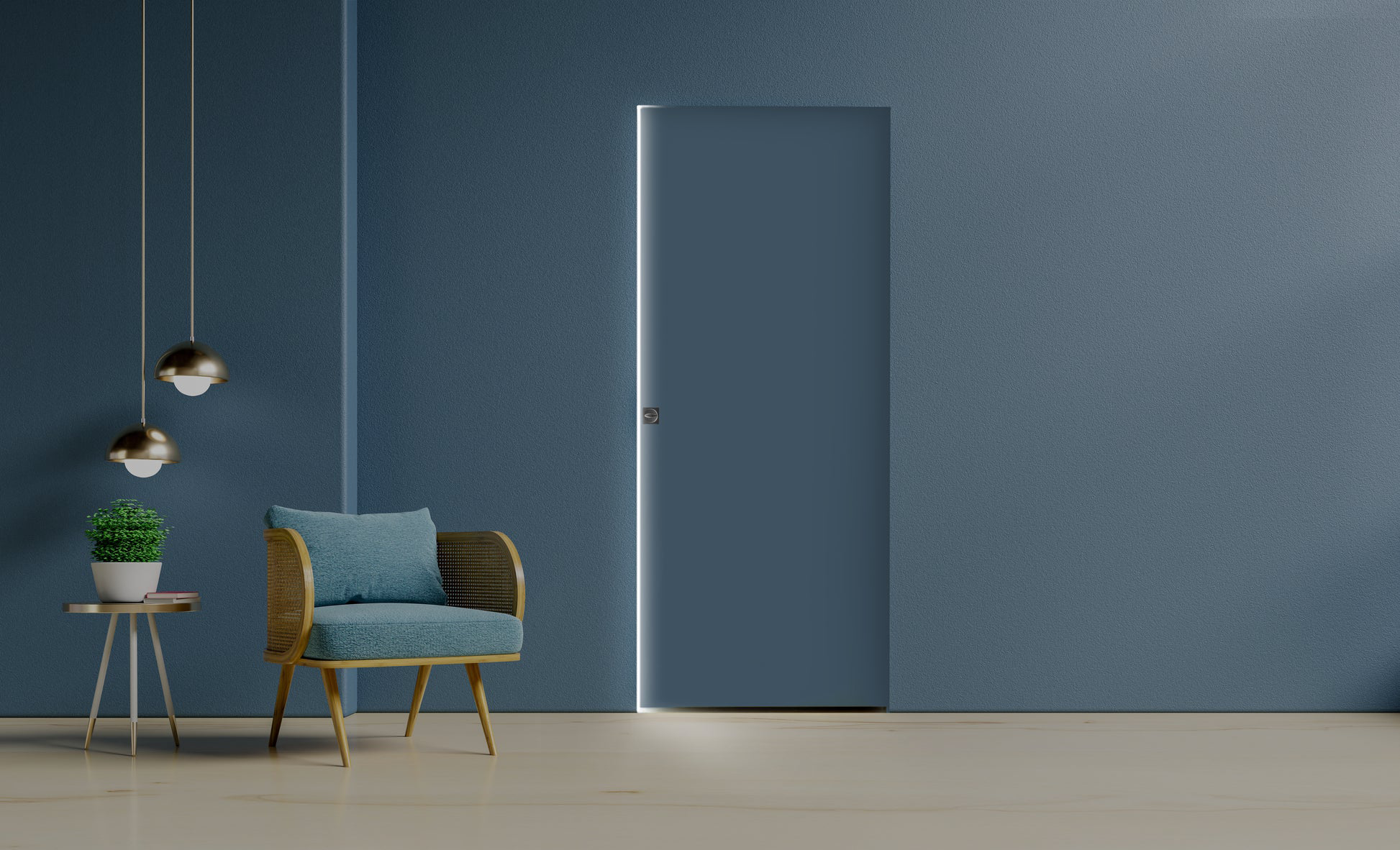
Maintaining your pocket door is essential to ensure it continues to work smoothly and lasts for many years. Proper care and regular attention can prevent many common issues and keep your door gliding easily. Here are some basic maintenance tips for keeping your pocket door in great shape:
1. Clean the Track Regularly:
One of the most important things you can do is keep the track clean. Dust, dirt, and debris can build up in the track over time, causing the door to stick or become difficult to open. Simply vacuum or wipe the track regularly to keep it free of clutter. You can also use a soft brush to remove any stubborn dirt.
2. Lubricate the Moving Parts:
To keep the door sliding smoothly, lubricate the rollers and track every few months. Use a silicone-based lubricant to avoid attracting dust and dirt. A little goes a long way, so make sure not to overdo it. This will help prevent squeaks and ensure the door opens and closes without a hitch.
3. Check for Alignment:
Occasionally, check to make sure the pocket door is properly aligned in its frame. If the door seems to drag or doesn’t sit correctly in the wall, it may need an adjustment. Alignment issues can occur over time due to wear or shifting, but with a simple tweak, your door should slide like new.
4. Inspect the Hardware:
Take a look at the rollers, hinges, and other hardware every now and then to ensure everything is tight and functioning. If you notice any loose screws or bolts, tighten them promptly to avoid further damage.
5. Prevent Overuse:
While pocket doors are designed to be durable, it’s important not to overuse them. If you have a door that’s frequently opened and closed, especially in high-traffic areas, you may need to perform maintenance more often.
Common Issues with Pocket Doors
Although pocket doors are designed for smooth and easy operation, certain issues can arise over time. Here are some of the most common problems and what you should look out for:
1. Sticking or Jamming:
This is perhaps the most common issue with pocket doors. It typically happens when the track becomes clogged with dirt or debris, causing the door to get stuck. A quick cleaning of the track can often solve this issue. However, if the rollers are damaged or worn out, they may need to be replaced.
2. Misalignment:
Over time, the door may become misaligned, causing it to drag or fail to close completely. This can happen if the frame shifts or if the door wasn’t installed correctly. Misalignment can be fixed by adjusting the rollers or re-aligning the frame.
3. Unwanted Noise:
If your pocket door starts making a lot of noise when opening or closing, it may be due to a lack of lubrication on the track or rollers. The noise can also be caused by dirt or grit inside the track. Lubricating the parts and cleaning the track should resolve the issue.
4. Difficulty in Closing or Opening:
Sometimes, a pocket door might not open or close fully. This can be due to debris blocking the track or a misalignment issue. It could also be a sign that the rollers or the door frame are damaged. Regularly checking the track and hardware can help prevent this issue.
5. Handle or Lock Problems:
If the handle or locking mechanism of your pocket door isn’t working, it could be because the latch is misaligned or the mechanism is broken. Sometimes, a quick adjustment is all that’s needed, but in some cases, the hardware may need to be replaced.
How to Fix a Pocket Door?
When something goes wrong with your pocket door, it can seem like a daunting task to fix it. But most problems are simple to solve with a bit of know-how and some basic tools. Here’s how to tackle some of the most common fixes:
1. Fixing a Sticking Door:
If your pocket door is sticking, the first step is to clean the track. Remove any dirt or debris using a vacuum or a soft brush. If that doesn’t solve the issue, check the rollers for any damage. If the rollers are worn out, replace them with new ones. Make sure to lubricate the track and rollers afterward to ensure smooth operation.
2. Realigning a Misaligned Door:
If the door isn’t sitting correctly in the pocket, you may need to realign it. Start by loosening the screws on the rollers and adjusting them until the door sits straight. Tighten the screws once the door is properly aligned. If the door is still not moving smoothly, check if the track is level, as an uneven track can cause misalignment.
3. Fixing Noisy Pocket Door:
To eliminate noise, first clean the track thoroughly. Then, apply a silicone-based lubricant to the rollers and track. If the noise persists, check the rollers for any damage. Worn-out rollers may need to be replaced to restore the smooth, quiet operation.
4. Repairing a Broken Lock or Handle:
If the lock or handle on your pocket door is broken, you’ll need to remove the damaged hardware and replace it. Start by unscrewing the old handle or lock and installing the new one. Ensure that the new hardware aligns properly with the door frame and the locking mechanism is secure.
5. Fixing a Door That Won’t Open or Close:
If the door won’t open or close properly, first inspect the track for any blockages. Clean the track thoroughly and check the rollers for damage. If the rollers are in good shape, but the door still won’t move smoothly, check for misalignment and adjust the door as needed.
Where to Use Pocket Door in Your Home?
Pocket Door in Living Rooms and Dining Rooms
Pocket doors are a fantastic option for living rooms and dining rooms, especially in open-concept layouts. They allow you to easily divide spaces without the bulk of traditional swinging doors. Whether you want to create a more intimate setting during dinner or open up the room for social gatherings, pocket doors give you the flexibility to adapt the space to your needs.
In living rooms, you can use pocket doors to separate areas like a home theater or a cozy reading nook. When closed, they provide privacy, and when opened, they maintain the flow of light and space. This is especially useful if you have an open-plan design but want to create distinct zones for different activities.
In the dining room, pocket doors work well for creating a more formal space for meals or, on the flip side, opening up to a larger living area for entertaining. The beauty of pocket doors is that they can disappear into the wall when not needed, offering an unobstructed view of your stylish dining area.
Pocket Door for Bathrooms and Bedrooms
Pocket doors are an excellent choice for bathrooms and bedrooms, where space is often limited. A traditional door that swings open can eat up valuable square footage, especially in smaller rooms. Pocket doors help solve this problem by sliding neatly into the wall, making them ideal for tight spaces.
In the bathroom, pocket doors save space and improve the room’s functionality. They are especially helpful in bathrooms with limited clearance between the door and fixtures like a toilet, sink, or shower. By using a pocket door, you ensure that there’s no interference with the flow of the room while maintaining privacy.
In bedrooms, pocket doors allow for easy access while preserving the room’s clean lines. If you have a smaller bedroom or want to avoid the bulk of a swinging door, a pocket door can be an elegant and practical solution. You can even opt for a frosted glass pocket door for added privacy without sacrificing natural light.
Using Pocket Doors in Home Offices
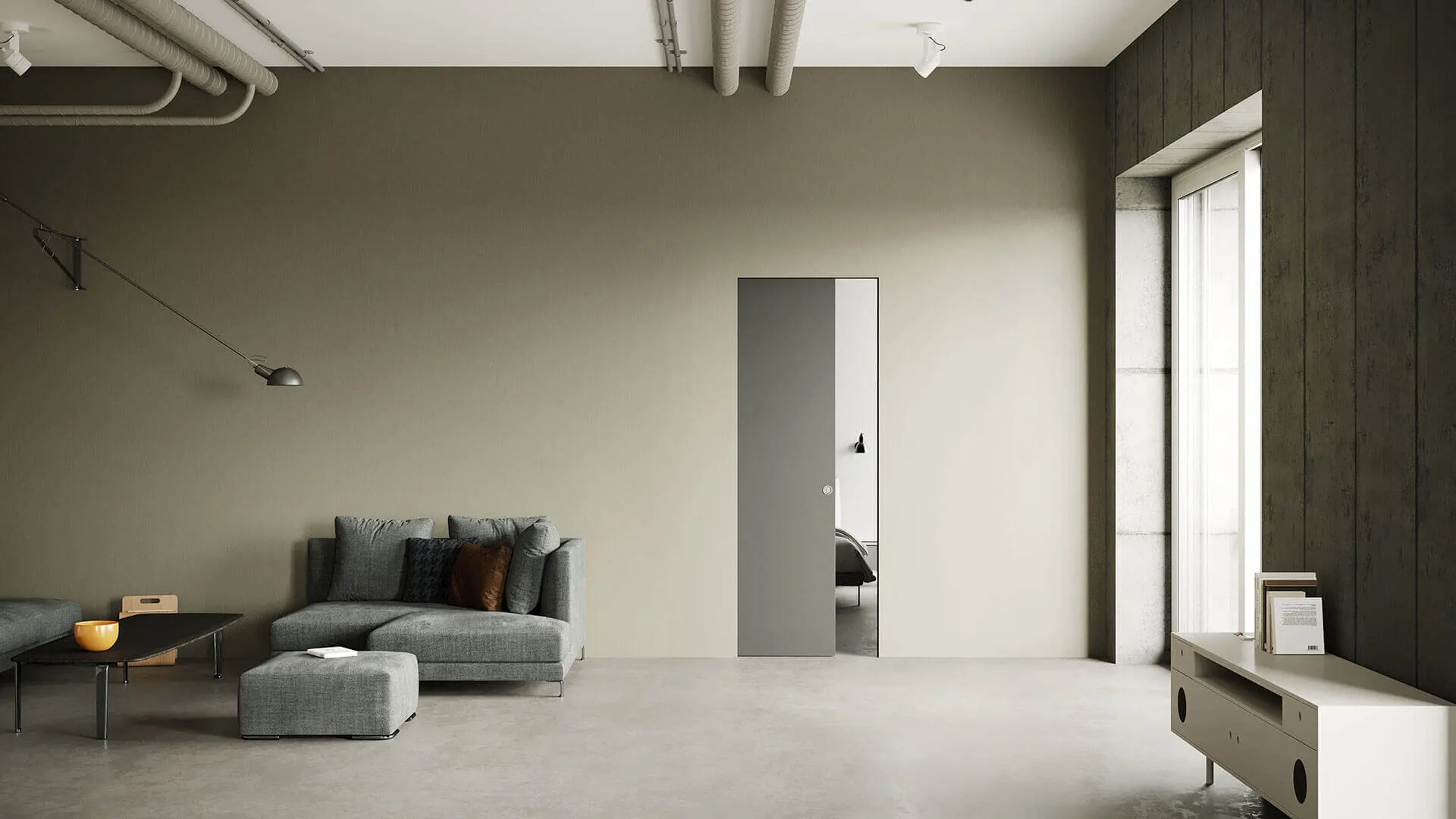
With more people working from home, the need for a home office that is functional and flexible has grown. Pocket doors are perfect for creating a quiet, private workspace while maintaining the open feel of the home. Whether you have a designated office room or need to carve out a corner in a multi-functional space, pocket doors can give you the privacy you need when you’re working and the openness you want when you’re not.
For a home office, pocket doors are ideal if you need to separate your work area from the rest of the house without creating a permanent barrier. You can use a pocket door to close off the office at the end of the day, giving you a sense of separation from your personal life. This is especially useful in small apartments or homes with limited room.
Additionally, if your home office doubles as a guest room, a pocket door can give you the flexibility to use the room as needed. When closed, it keeps work and personal spaces separate. When open, it keeps the area looking open and airy.
Pocket Door in Closets and Pantries
Pocket doors are a great solution for closets and pantries, where you might not have the space for a traditional door that swings open. In smaller closets, pocket doors can save space, making it easier to access your clothes, shoes, or linens without being limited by the door’s swing path. This is particularly useful for narrow hallways or rooms with limited space.
In the pantry, pocket doors offer a sleek, space-efficient way to keep your food storage organized. When installed, they slide into the wall, saving space and keeping the kitchen area looking neat. Plus, the added convenience of not having to swing a door open makes grabbing ingredients or supplies easier, especially when you have your hands full.
Another bonus of using pocket doors in closets and pantries is that they often have a more refined, modern appearance compared to typical hinged doors. They help create a streamlined look, especially in smaller homes or apartments where you want to maximize space without compromising on style.
Conclusion
Is a Pocket Door Right for You?
Deciding whether a pocket door is right for your home comes down to a few key factors. First, consider the amount of space you have. If you’re dealing with small rooms or tight spaces, pocket doors can be a lifesaver. They don’t require the room needed for a traditional door to swing open, so you can use the space more effectively. This makes them perfect for bathrooms, closets, or even hallways where every inch matters.
Another thing to think about is the overall aesthetic of your home. If you’re going for a modern, minimalist look, pocket doors can be a great addition. Their sleek, hidden design provides a clean, smooth finish that fits well in contemporary or open-concept spaces. If you want a room divider that doesn’t disrupt the flow of the space, pocket doors work beautifully, offering functionality while keeping your home looking open and airy.
However, pocket doors do come with some installation considerations. They require a wall cavity to slide into, which may not be feasible if you have existing walls that can’t be altered. Additionally, they need regular maintenance to keep the track clean and the rollers in good condition, which might not be ideal for everyone.
If space-saving, a modern aesthetic, and a sleek design are top priorities, a pocket door could be exactly what you need. But if you’re working with tight budgets or want something easier to install, other door types like bi-fold doors might be worth considering.
Choosing the Right Pocket Door
When choosing the right pocket door for your space, there are a few things to keep in mind. First, think about the material. Whether you opt for wood, glass, metal, or a composite material, each option offers unique benefits. Wooden pocket doors bring warmth and a traditional touch, while glass pocket doors allow light to flow and create a more open feel.
Also, consider the finish of your pocket door. The finish should match your home’s style and provide the level of durability and maintenance you want. For example, stained wood finishes can give a classic feel, while frosted glass adds privacy and a contemporary look. Powder-coated metal finishes work well in industrial or modern settings and are easy to clean and maintain.
Lastly, think about functionality. Single pocket doors are great for smaller openings, while double pocket doors are better for wider spaces. For closets or pantries, bi-fold pocket doors might be a more flexible option. And if you’re looking for something elegant, glass pocket doors might be the perfect choice.
In the end, pocket doors are an excellent solution for many homes. They offer style, space-saving benefits, and versatility, and with the right material and finish, they can complement any décor. Whether you’re renovating or building from scratch, choosing a pocket door can bring a modern touch and improve the flow and functionality of your space.

Relate FAQ
How do pocket doors work?
Pocket doors operate by sliding along a track within the wall cavity. When you open the door, it slides into the wall, hence the term "pocket" door. It operates with rollers or tracks to ensure smooth movement. To keep it in place, a stopper is typically used at the end of the track.
Can pocket doors be installed in any wall?
Pocket doors can be installed in most walls, but they work best in new construction or major renovations where the wall can be designed to accommodate the pocket door system. Retrofitting a pocket door into an existing wall can be more complicated, but it is possible with the right planning and professional installation.
Do pocket doors require maintenance?
Pocket doors typically require minimal maintenance. Regular cleaning of the tracks and ensuring the rollers are lubricated will help ensure smooth operation. Checking for any misalignments or track blockages periodically will also help prevent issues.
Are pocket doors suitable for bathrooms?
Yes, pocket doors are commonly used in bathrooms. Their space-saving nature is especially beneficial in smaller bathrooms, and they allow for easier access when the bathroom is crowded. Additionally, since they don't require swing clearance, they make the most of available space.
Can pocket doors be used for exterior doors?
While pocket doors are primarily used for interior spaces, it is possible to install them as exterior doors. However, it’s important to choose a robust, weather-resistant system and have proper insulation for exterior use.
Do pocket doors have a threshold?
Most pocket doors do not have a traditional threshold, which adds to their sleek, modern look. However, depending on the design and function of the door, there may be a small transition strip at the base of the door to bridge the gap between the door and the floor.