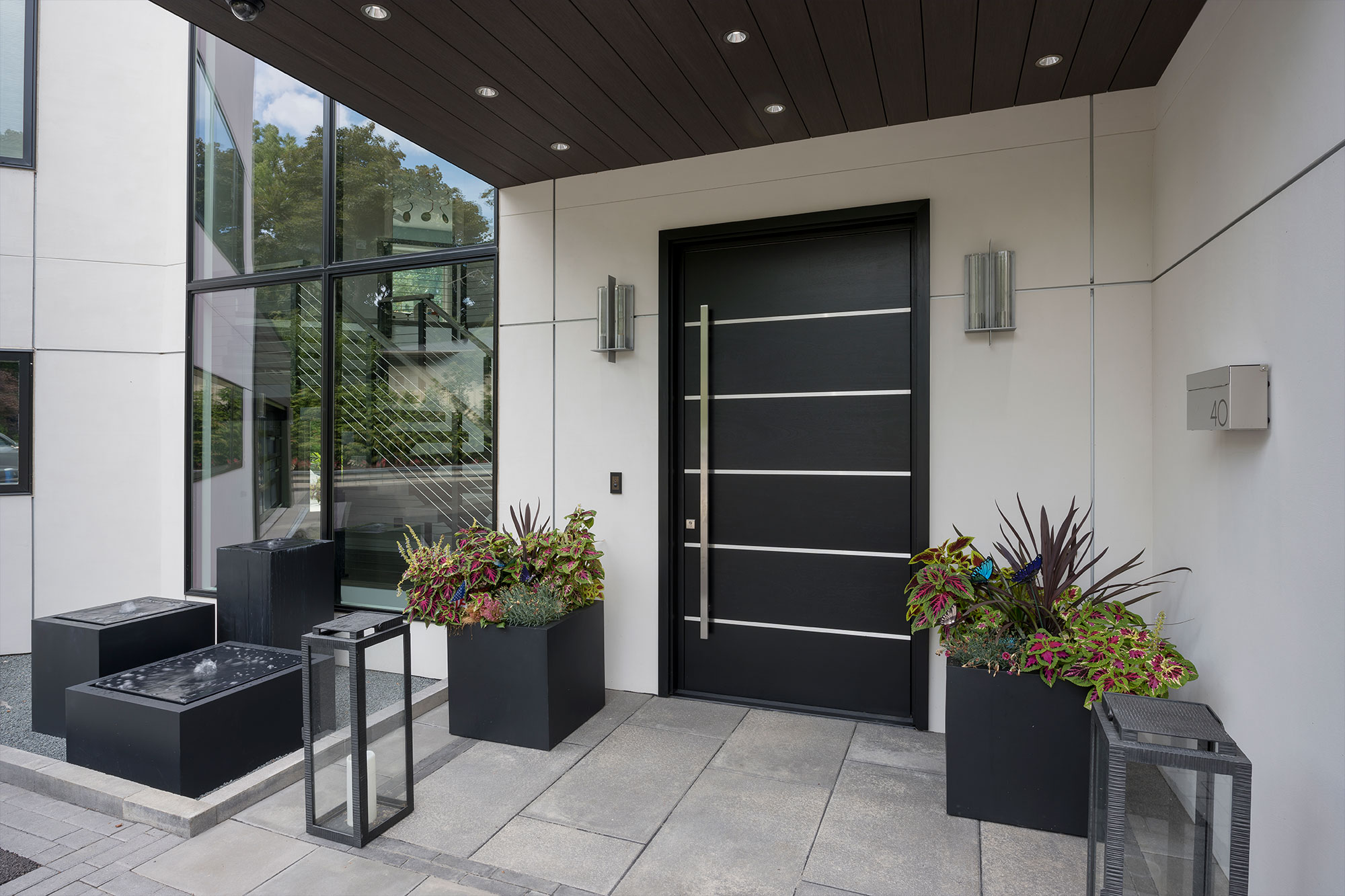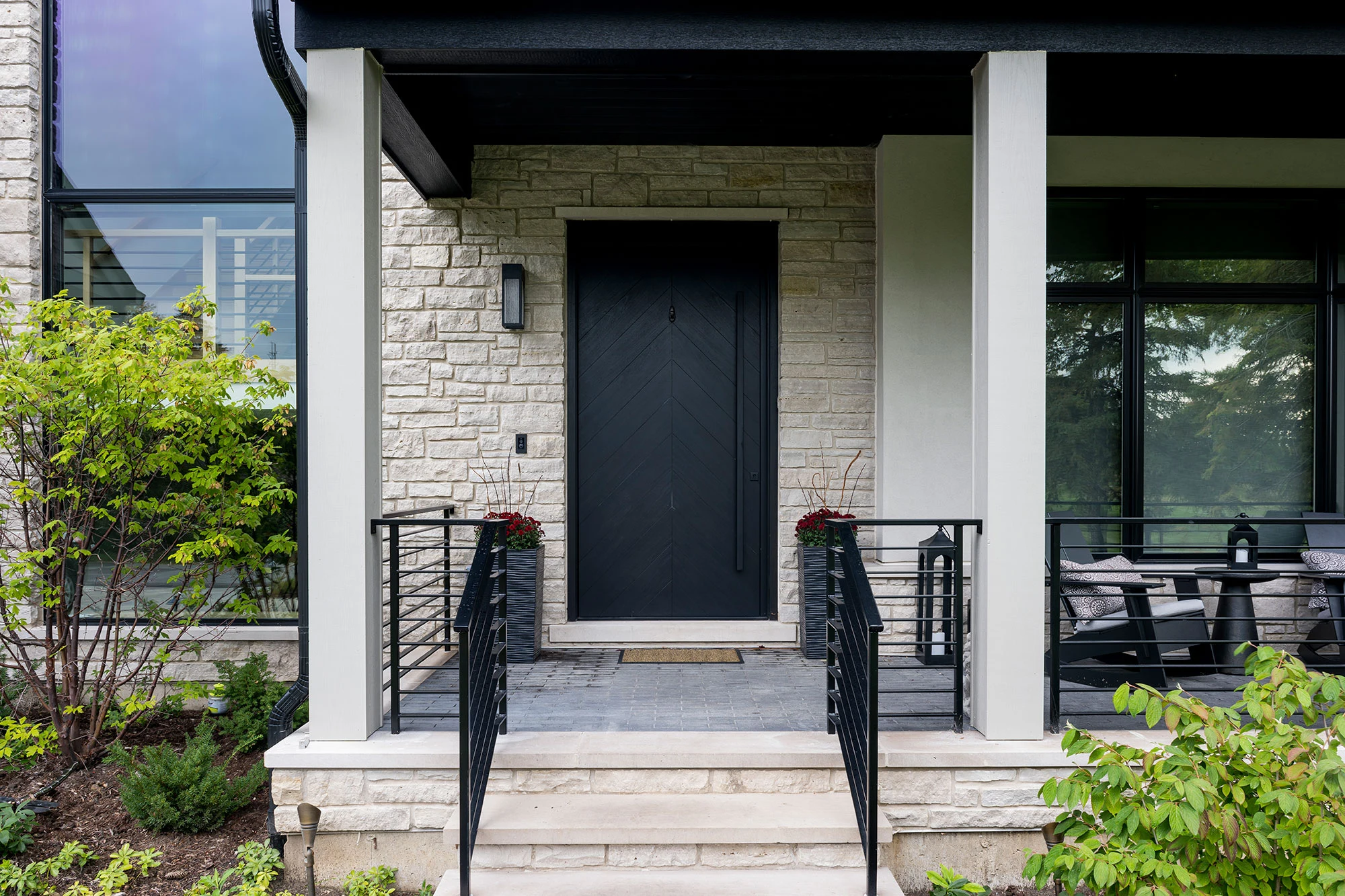
What is a pivot door?

Introduction to Pivot Door
A New Era of Door Design
In recent years, pivot doors have become a standout trend in modern architecture. No longer just a functional entryway, these doors have evolved into a design statement. Whether you’re renovating your home or building from scratch, pivot doors offer a sleek and sophisticated option that seamlessly blends beauty with functionality.
So, what makes them so special? It’s all about their innovative design. Unlike traditional doors that swing on hinges, pivot doors rotate around a central axis. This unique feature allows for larger, more impressive doorways without compromising on space. With no visible hinges, they offer a clean, minimalist look that fits perfectly in contemporary homes or commercial spaces. Whether you opt for a large glass pivot door to let in natural light or a wooden pivot door for a warm and welcoming feel, this style of door offers flexibility and elegance like no other.
Pivot doors are quickly becoming a popular choice for both interior and exterior applications. For modern homeowners who want to make a bold statement or architects looking to design a striking entrance, the pivot door is an ideal solution. With their ability to be fully customized in terms of materials, finishes, and sizes, pivot doors are a versatile addition to any design project.
What Makes a Pivot Door Different?
The main difference between a pivot door and a traditional hinged door lies in how it opens. While hinged doors rely on side-mounted hinges, pivot doors rotate on a single point, usually at the top and bottom of the door frame. This mechanism allows for larger, heavier doors without the typical issues that come with conventional hinges.
One key benefit of pivot doors is the seamless flow they create between spaces. Since they don’t require traditional side hinges, there’s no need to worry about the limitations that come with door size or placement. With a pivot door, you can install doors that are taller, wider, or even made from heavy materials like solid wood or glass.
The pivot mechanism offers a smooth and effortless motion, ensuring easy operation even with large, heavy doors. Unlike conventional doors that can struggle with wear and tear over time, pivot doors tend to have fewer moving parts, making them more durable and reliable in the long run. Additionally, because of their design, pivot doors are often quieter and more stable, even in high-traffic areas.
Another significant advantage is the aesthetic appeal. Pivot doors often feature a sleek, modern look, creating a striking focal point in any space. They work well in both residential and commercial environments, providing a touch of elegance and sophistication. Whether you’re looking for a minimalist pivot door or something with more intricate design elements, there’s no shortage of options available to suit your style and needs.
Understanding the Mechanism of Pivot Door
How Does a Pivot Door Work?

A pivot door rotates around a single central axis, usually located at the top and bottom of the door. Unlike traditional hinged doors that swing on side hinges, the pivot mechanism allows the door to rotate smoothly, giving it a unique and elegant movement.
When you push or pull a pivot door, it swings around the pivot point. This makes it possible to have larger, heavier doors that are still easy to open and close. Because the pivot is located at the top and bottom, the weight is evenly distributed, allowing for a smooth motion without the risk of sagging or misalignment. The door is balanced and can function for years without the wear and tear typical of conventional hinged doors.
In most cases, pivot doors also feature a concealed or minimal frame, making them look sleek and modern. This streamlined design helps achieve the clean, minimalist look many homeowners and designers love. Whether it’s a wooden pivot door or a glass pivot door, this mechanism enables the door to have a more sophisticated aesthetic.
The Key Difference Between Pivot and Traditional Hinged Doors
At first glance, pivot doors and traditional hinged doors may seem similar because they both serve the same basic function: to allow entry and exit. However, they operate in very different ways.
A traditional hinged door swings open on one side, attached to a door frame by hinges. The hinges are positioned on the side of the door, which limits the door’s size and weight. Additionally, the door swings in one direction, which can sometimes restrict the use of space, especially in smaller rooms or narrow hallways.
On the other hand, pivot doors rotate around a central axis, which allows them to be much larger and heavier than hinged doors. The pivot mechanism gives you more flexibility in terms of door size. You can have wider and taller doors without worrying about the door being too heavy for the frame. Since the pivot point is at the top and bottom, the door moves with much less friction and more ease than a traditional hinged door.
Another key difference is the aesthetic. Pivot doors typically offer a modern, minimalist look because there are no visible hinges. This design is perfect for homeowners or businesses aiming to create a sleek and clean appearance. Traditional hinged doors, while classic, can sometimes appear bulky or outdated in comparison.
Types of Pivot Door Mechanisms
There are several types of pivot door mechanisms, each offering a different level of performance, aesthetic, and functionality. The choice of mechanism can influence both the appearance and the ease of use of your pivot door.
1. Center Pivot Mechanism:
This is the most common type of pivot mechanism. The pivot is placed at the center of the door, typically about 3 inches from the edge. The center pivot allows the door to rotate around the middle, providing smooth and easy movement. This type of mechanism works well for most pivot doors, whether they are made of wood, glass, or metal.
2. Offset Pivot Mechanism:
In this type, the pivot point is slightly off-center, which allows the door to open with a wider swing. This can create a dramatic effect, especially for larger doors. The offset pivot door is often used in larger glass pivot doors or custom-designed doors where the door’s aesthetic is as important as its functionality. The offset pivot allows more flexibility in design, as it can give the door a floating or more expansive feel.
3. Floor-Mounted Pivot Mechanism:
With this mechanism, the pivot is located at the bottom of the door, and the top is held in place by a guide. Floor-mounted pivot doors are typically sturdier and are ideal for heavy doors like solid wood pivot doors. The added support at the bottom helps distribute the weight more evenly, making it easier to open and close large doors. These doors often have a more industrial look and are used in both residential and commercial settings.
4. Ceiling-Mounted Pivot Mechanism:
In a ceiling-mounted pivot door, the pivot is located at the top of the door, and the bottom is fixed into place. This is an excellent option for glass pivot doors, as it gives a clean and minimalist appearance without any visible hardware at the bottom. The ceiling-mounted pivot door is typically used for high-end residential or commercial spaces where the design focuses on openness and light.
Summary
Each of these pivot door mechanisms offers a different balance of design, performance, and ease of use. The choice of which mechanism to use depends on your door size, material, and the overall aesthetic you’re aiming for. Whether you choose a floor-mounted pivot door for durability or a ceiling-mounted pivot door for a minimalist look, these mechanisms help elevate your space with both style and functionality.
Benefits of Pivot Door
Pivot doors are gaining popularity due to their sleek design, practicality, and numerous benefits. Unlike traditional hinged doors, pivot doors rotate on a central axis, offering an entirely different experience in both functionality and style. These doors are perfect for modern homes, businesses, and any space that values design and practicality. Below, we’ll explore the key benefits of pivot doors and why they are a top choice for many people.
Space-Saving Advantages of Pivot Door
Pivot doors are known for their ability to save space, making them a fantastic option for tight areas or homes with limited room. Unlike regular doors that open and require space for the swing, pivot doors rotate on a fixed point, which means they don’t need additional space for clearance. This can be especially helpful in smaller rooms or hallways, where every inch of space counts.
Another advantage is that pivot doors are often larger than standard doors, which can create a sense of openness and help maximize the usable area. The door itself doesn’t block off the room as much as a traditional swinging door would, and it can even be designed with larger panels of glass, bringing in more natural light and making the space feel more expansive.
Aesthetic Appeal: Why Pivot Door Stands Out
When it comes to aesthetic appeal, pivot doors truly stand out. Their modern and minimalist design is eye-catching, offering a sleek and clean look that fits well with contemporary interiors. The large, unobstructed surface of a pivot door can be customized with various materials like wood, metal, or glass, making it suitable for almost any décor style.
Pivot doors allow for impressive and bold designs, like oversized doors or seamless glass panels, which can serve as a focal point in your home or business. Their ability to create an elegant first impression makes them perfect for high-end residential properties, office spaces, and even commercial storefronts. Whether you’re going for a modern, industrial, or even traditional style, pivot doors have the versatility to make a statement.
Durability and Security Features
Pivot doors are not just beautiful; they are also built to last. These doors are designed with durability in mind, using high-quality materials and advanced engineering. The pivot mechanism is robust and reliable, ensuring smooth operation over time without the usual wear and tear associated with traditional hinged doors.
In terms of security, pivot doors offer excellent protection. The pivot mechanism can be reinforced with strong, secure hardware, and the design can be optimized for added stability. Many pivot doors offer the option of adding advanced locking systems, offering greater security and peace of mind. Additionally, the weight and solid construction of these doors makes them resistant to forced entry, making them an ideal choice for areas where security is a priority.
How Does Pivot Door Improve Accessibility?
One key benefit of pivot doors is that they improve accessibility, especially for people with mobility challenges. Because they don’t require the traditional swing space, pivot doors are easier to open and close in smaller or crowded areas. The door can be easily operated with minimal effort, making it ideal for individuals who may have difficulty with more traditional, heavy doors.
The smooth, gliding motion of a pivot door also means there is no need for a door frame that can catch or restrict movement. This is particularly beneficial for wheelchair users or those with strollers, as pivot doors offer a wide opening with no obstruction. The minimalist design of pivot doors also means that they can be made with larger, wider frames, further improving accessibility and ease of use.
Different Types of Pivot Door
Pivot doors come in a variety of styles, each catering to different needs and spaces. Whether you’re looking for a single door or something more expansive, there’s a pivot door design for almost every situation. Let’s dive into the different types of pivot doors and how they can work for your home or business.
Single Pivot Door
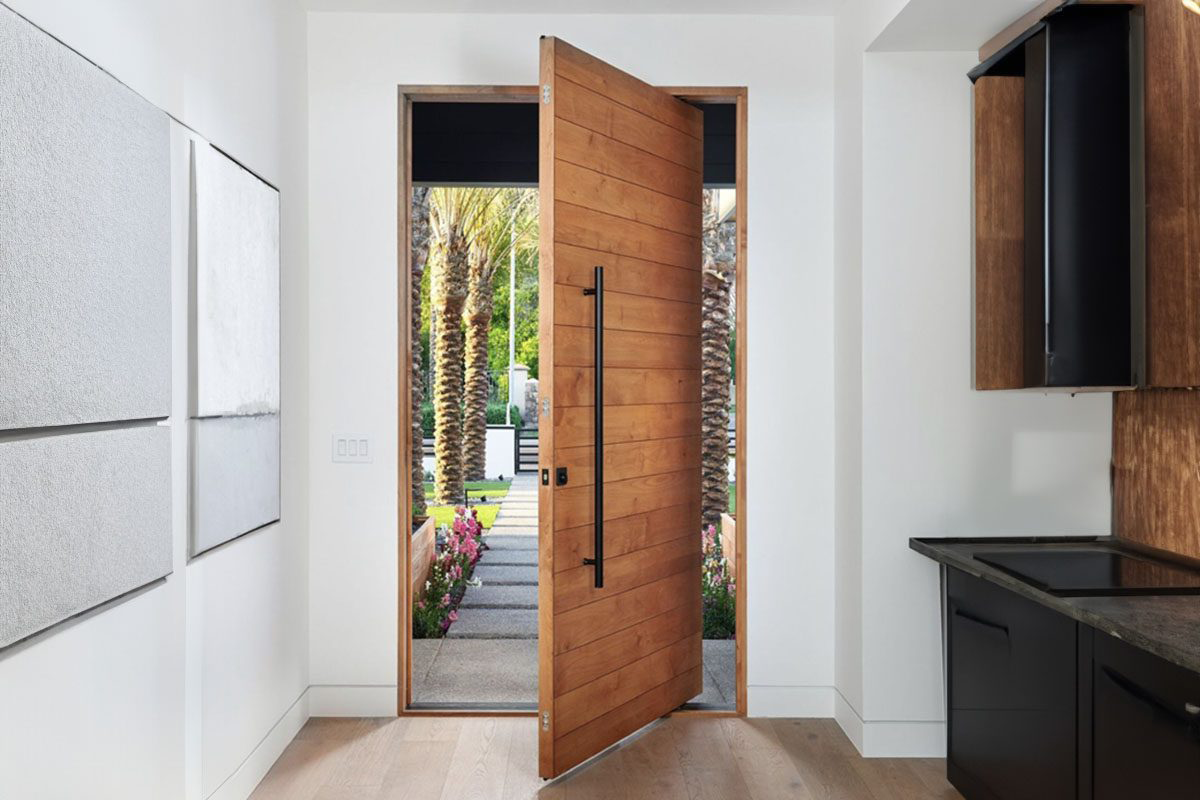
The single pivot door is the most common and straightforward type. It features a single, large door that rotates on a pivot point, usually located at the center or off-center of the door. This type of pivot door is perfect for smaller spaces where you want a sleek, minimalistic design with a significant impact.
Single pivot doors are available in various materials such as glass, wood, and metal, allowing you to tailor the door to suit your aesthetic preferences. The simplicity of this design makes it versatile, easy to operate, and an excellent option for both modern and traditional interiors. Additionally, a single pivot door can make a bold statement without taking up too much space, making it a popular choice for both residential and commercial buildings.
Double Pivot Door

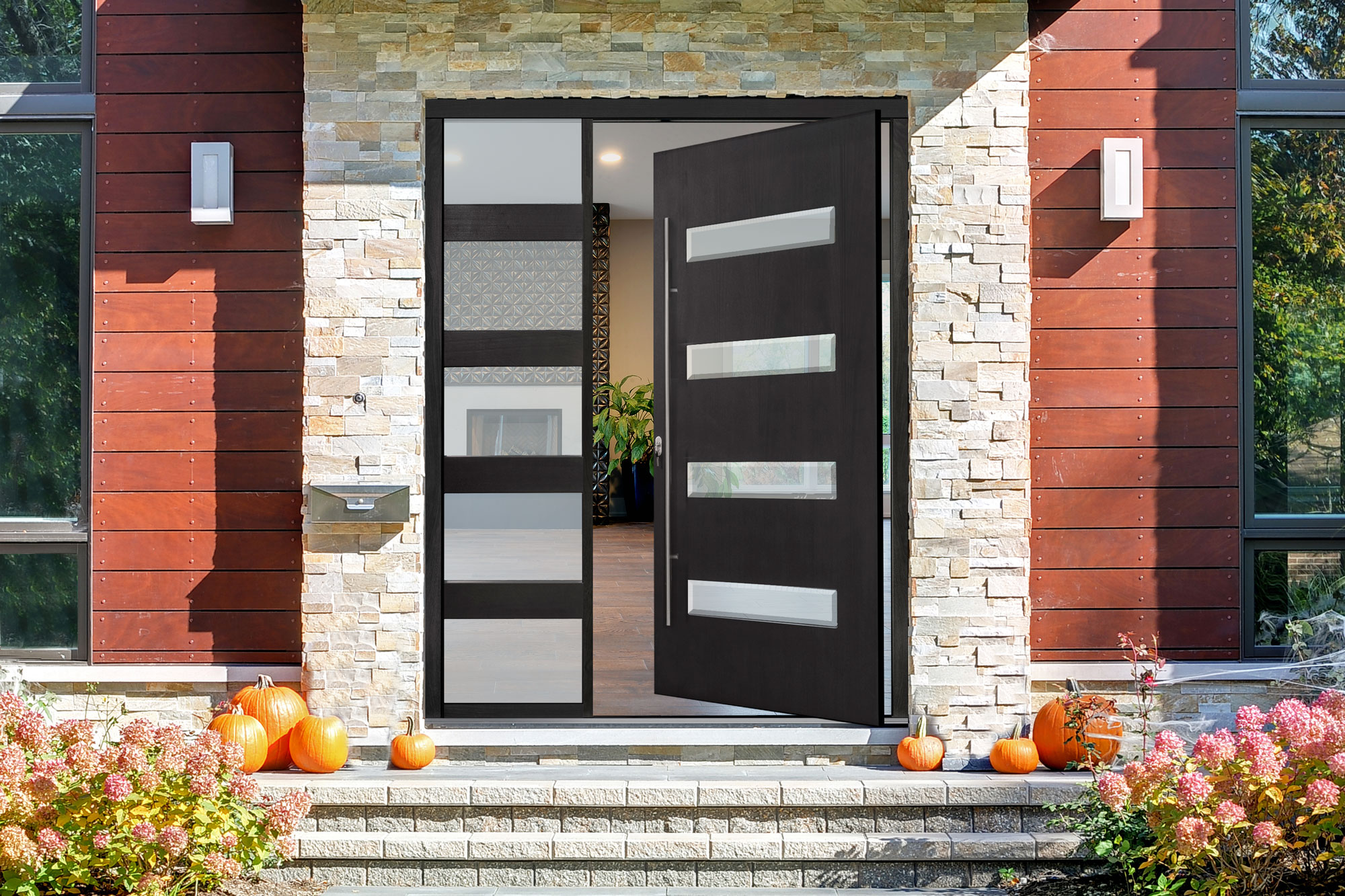
For those who want a larger entrance or a more grandiose look, the double pivot door is a great option. As the name suggests, this door features two pivot doors that open in the middle, either rotating outwards or inwards. Double pivot doors are perfect for spacious entrances, such as large front doors, foyers, or even expansive business doors.
The benefit of double pivot doors is their ability to provide a wide opening without the bulk of a traditional hinged double door. They give you the option to open both doors at once or just one, depending on your needs. This flexibility makes double pivot doors ideal for spaces that require a larger opening while still maintaining a stylish and modern look.
Floor-Mounted vs. Ceiling-Mounted Pivot Door
When choosing a pivot door, you’ll often encounter two installation options: floor-mounted and ceiling-mounted. The difference between the two lies in how the pivot mechanism is supported.
Floor-mounted Pivot Door
Floor-mounted Pivot Doors use a mechanism attached to the floor. This type of installation is great for those who want a more traditional, heavy-duty door, as the floor provides a sturdy base for the pivot point. Floor-mounted doors also tend to offer smoother operation and are easier to install in certain environments. However, the downside is that the floor mechanism can be more visible, which may not be ideal for some aesthetic preferences.
Ceiling-Mounted Pivot Door
Ceiling-Mounted Pivot Doors, on the other hand, are supported from the top. The pivot point is located in the ceiling, giving the door a clean, floating appearance. This installation type works well in areas where you want to minimize visible hardware, creating a more seamless and modern look. Ceiling-mounted pivot doors are often used in high-end homes and commercial spaces where both functionality and design are essential.
Summary
Each installation type has its pros and cons, so the choice between floor-mounted and ceiling-mounted doors depends mainly on your personal preferences, the space you’re working with, and the look you’re trying to achieve.
Interior Pivot Door vs. Exterior Pivot Door
Pivot doors can be used both indoors and outdoors, but the specific design and materials can vary depending on the location.
Interior Pivot Door
Pivot Doors for Interior Use are often designed with lighter materials like wood or glass. These doors may have smaller pivot mechanisms, making them easier to operate and ideal for interior spaces such as bedrooms, living rooms, or offices. Interior pivot doors focus more on style and smooth functionality, allowing for greater customization in terms of finishes and decorative elements.
Exterior Pivot Door
Pivot Doors for Exterior Use, on the other hand, are built to withstand the elements and offer better insulation and security. These doors are usually made from stronger, more durable materials like steel, reinforced glass, or solid wood. Exterior pivot doors need to be weather-resistant and provide more robust security features since they’re exposed to harsher conditions. They can be large and heavy, often with advanced locking systems and additional seals to prevent drafts and water infiltration.
Summary
While both types of doors can be pivoted, their construction will differ to ensure that each is suited to its environment. Whether you’re looking for an elegant interior door or a secure, weather-resistant exterior door, pivot doors can offer the perfect balance of beauty and functionality.
Materials Used in Pivot Door Construction
Choosing the right material for your pivot door is essential for ensuring both durability and aesthetics. The material you select will impact the dooAr’s functionality, appearance, and how well it withstands wear and tear over time. Pivot doors are typically made from a range of materials, each offering distinct benefits. Let’s look at the most common materials used in pivot door construction.
Wood Pivot Door

Wood pivot doors are a popular choice due to their warmth, elegance, and versatility. They can be customized with various finishes, stains, and textures to match a wide range of interior styles. Whether you’re aiming for a classic, rustic look or a modern design, a wood pivot door can add a touch of natural beauty to your space.
Wood is also known for being an excellent insulator, which means wood pivot doors can help with energy efficiency by keeping rooms warm in winter and cool in summer. However, it’s essential to consider the type of wood used, as some woods are more durable than others. Hardwood pivot doors tend to last longer and are more resistant to damage than softwoods.
One downside of wood pivot doors is that they require more maintenance compared to other materials. They need regular sealing or varnishing to prevent warping or cracking, especially if the door is exposed to changes in humidity or temperature.
Cast Aluminum Pivot Door

Cast aluminum pivot doors offer a sleek, modern look while being incredibly strong and lightweight. This material is often chosen for its ability to withstand the elements without losing its aesthetic appeal, making it an excellent option for both interior and exterior applications.
One of the significant benefits of cast aluminum is its resistance to corrosion, making it an excellent choice for areas with high humidity or coastal climates. Unlike wood, it doesn’t expand or contract with changes in weather, making cast aluminum pivot doors more stable and low-maintenance. Plus, the finish can be easily customized with anodized or powder-coated finishes to suit your style.
While aluminum pivot doors are durable and easy to maintain, they can sometimes lack the warmth of wood. For those seeking a more industrial or contemporary look, however, cast aluminum is an excellent option.
Stainless Metal Pivot Door
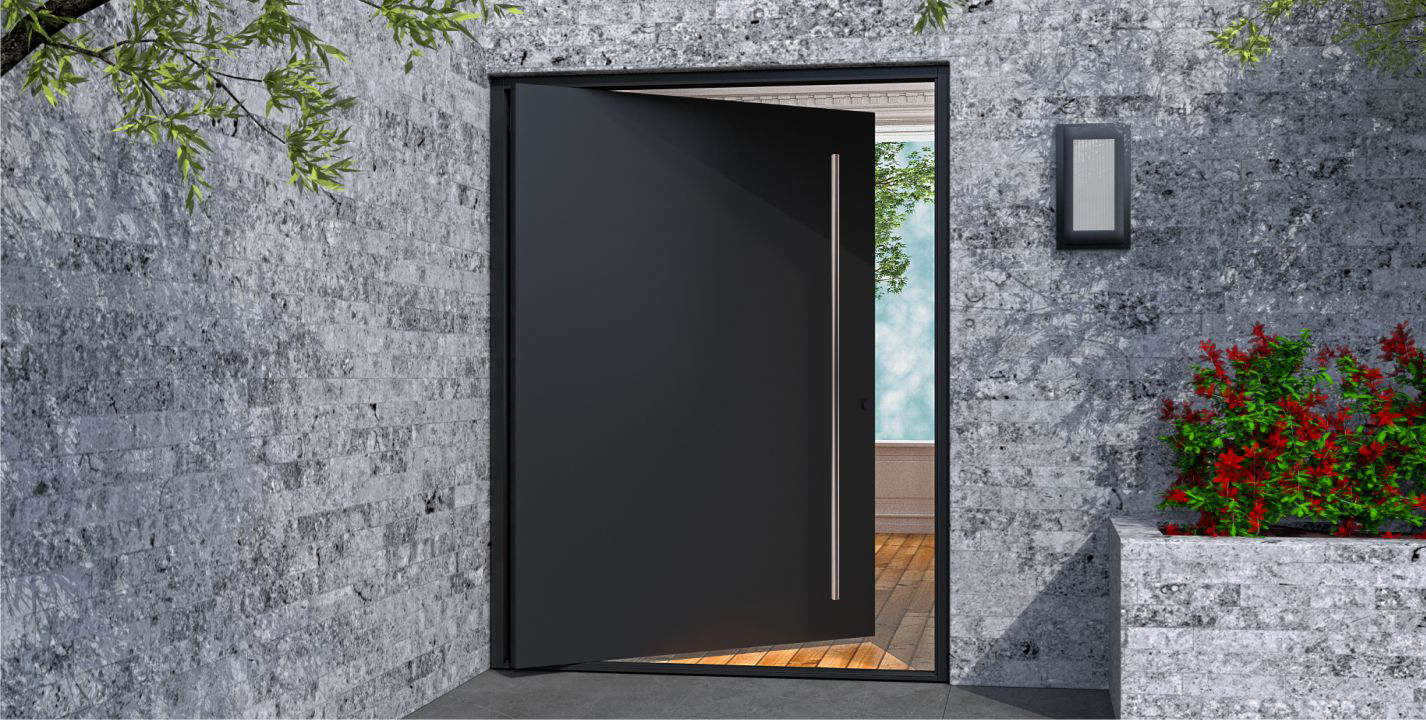
Stainless steel is another popular material for pivot doors, especially in modern, high-end spaces. They are incredibly durable, resistant to corrosion, and able to withstand harsh weather conditions, making them ideal for exterior doors.
The strength of stainless steel means these doors can support larger, heavier panels without compromising performance. This is particularly beneficial for oversized pivot doors, which can make a bold statement in any home or commercial space. Stainless steel pivot doors also offer a sleek, polished finish that works well in minimalist or industrial-style interiors.
One potential drawback is that stainless steel can be prone to scratches and smudges, particularly if the door is frequently used. Regular cleaning and maintenance are necessary to keep the door looking its best. However, the durability and security benefits of stainless steel often outweigh these concerns.
Which Material is Best for Your Pivot Door?
Choosing the best material for your pivot door depends on several factors, including your budget, design preferences, and the intended location of the door. Here’s a quick rundown to help you decide:
Wood Pivot Doors:
Great for those looking for a warm, traditional look with customizable finishes. Wood is ideal for interior spaces but may require more maintenance.
Cast Aluminum Pivot Doors:
Perfect for those seeking a modern, sleek design with low maintenance. Aluminum is strong, lightweight, and resistant to corrosion, making it ideal for both interior and exterior use.
Stainless Metal Pivot Doors:
These are best for those who need a robust, secure door that can handle heavy traffic or outdoor elements. Stainless steel doors are perfect for modern, industrial designs and offer exceptional durability.
Summary
The best material for your pivot door will depend on your specific needs. If you’re looking for a door that blends beauty with functionality, wood might be your best bet. Cast aluminum or stainless steel could be better options for those who prioritize low maintenance and weather resistance. Consider your space, climate, and design goals to select the material that works best for you.
Design Styles and Customization Options
Pivot doors not only provide functionality but also offer incredible design flexibility. Whether you’re aiming for a sleek, modern aesthetic or a more traditional look, pivot doors can be customized to meet your vision. Let’s explore some of the design styles and customization options that can help you make the most of your pivot door.
Modern and Minimalist Designs
Modern and minimalist design styles are perfect for showcasing the sleek, clean lines of a pivot door. In this design, the door serves as a bold focal point without overwhelming the space. Modern pivot doors often panels of wood, cast aluminum or stainless steel. The focus is on simplicity, with few decorative elements, and a neutral color palette is typically used to maintain that minimalist vibe.
Wood pivot doors, for instance, are a popular choice for modern homes, as they allow natural light to flow through and create an open, airy feel. For a more contemporary look, cast aluminum or stainless steel frames can be used, providing a sharp, industrial touch. With minimalist designs, the goal is to create a streamlined, uncluttered entrance that enhances the space while remaining functional.
These modern pivot doors are perfect for those who want to make a statement with clean design and high-end materials. Their sophisticated yet straightforward appearance complements modern furniture, open-plan layouts, and minimalist interiors.
Classic and Traditional Pivot Door
On the other hand, pivot doors can also be tailored to suit classic and traditional design styles. For those who prefer timeless elegance over the clean lines of minimalism, a more ornate pivot door can be a great choice. Traditional wooden pivot doors with intricate carvings, detailed moldings, and rich finishes can add a sense of grandeur and sophistication to any entryway.
These doors are often crafted from solid woods like oak, walnut, or mahogany, which not only provide durability but also bring a natural warmth to the space. Classic pivot doors may include glass inlays, decorative hardware, or more intricate pivot mechanisms that fit with vintage or heritage themes. The key to traditional pivot doors is the balance of craftsmanship, material quality, and design that evokes a sense of classic beauty.
For homes with more ornate or vintage interior decor, a traditional pivot door can seamlessly blend into the space while still offering the benefits of modern door technology.

Customizing Your Pivot Door: Colors, Sizes, and Features
One of pivot doors’ most significant advantages is their incredible customization potential. You can personalize your door in various ways, ensuring that it perfectly fits your style and needs.
Colors:
Pivot doors come in a range of colors, from natural wood tones to bold, custom hues. Whether you want a deep mahogany wood finish, a sleek matte black, or even a vibrant color to stand out, the color options for your pivot door are almost endless. If you’re opting for a glass or metal door, you can choose from a variety of finishes, such as brushed, polished, or matte.
Sizes:
Pivot doors can be made to fit almost any size. Whether you’re installing a standard-sized door or creating a large, grand entrance, pivot doors can be designed to accommodate your needs. Larger doors are especially popular for spacious modern homes or commercial properties where a dramatic entrance is desired.
Features:
Pivot doors can also be enhanced with additional features such as integrated lighting, security systems, or smart home automation. To suit your specific needs, you can opt for automatic opening systems, fingerprint or keyless entry systems, or energy-efficient glazing. Additionally, customizable hardware like handles and locks can be chosen to match your door’s aesthetic.
Modern Homes Pivot Door vs. Commercial Spaces Pivot Door
Modern Homes Pivot Door:
Pivot doors are often chosen for their aesthetic appeal and ability to provide a grand entrance in residential settings. They are typically used for main entrances or as feature doors within the home, such as leading to a living room or open-concept space. Modern homes often use large wood pivot doors to create a seamless connection between indoor and outdoor living areas. The clean, minimalist designs help complement contemporary interiors, offering a sophisticated touch without feeling overwhelming.
Commercial Spaces Pivot Door:
In commercial settings, pivot doors serve both practical and design purposes. They are commonly used for office entrances, retail storefronts, or high-traffic areas where a large, secure, and functional door is necessary. Commercial pivot doors are usually designed with durability and security in mind, often incorporating heavy-duty materials like cast aluminum or stainless steel. Additionally, commercial spaces may require pivot doors with special features like automatic opening systems, security locks, or noise reduction properties to enhance the customer or employee experience.
Maintenance and Care for Pivot Door
Pivot doors are known for their durability and stylish design, but like any other part of your home or business, they require proper maintenance to ensure they continue to perform well and look great. Whether your pivot door is made from wood, cast aluminum, or stainless steel, each material has its care requirements. Here’s a guide to maintaining and caring for your pivot door.
Cleaning Tips for Different Materials
Proper cleaning is crucial for maintaining the appearance of your pivot door, no matter the material. Each material requires specific care to prevent damage and keep the door looking its best.
Wood Pivot Door:
Wood pivot doors should be cleaned with a soft, dry cloth to remove dust and debris. Avoid using harsh chemicals or abrasive cleaners, as they can damage the wood finish. For deeper cleaning, use a wood cleaner that’s suitable for your door’s finish (e.g., oil-based or lacquered). After cleaning, apply a wood polish or wax to maintain the wood’s luster and protect it from moisture. If your wooden door is exposed to humidity or temperature changes, be sure to check for signs of warping or cracking regularly.
Cast Aluminum Pivot Door:
Cast aluminum doors are relatively low-maintenance, but regular cleaning is still essential to maintain their appearance. Use a soft cloth and warm, soapy water to wipe down the surface. For tough stains or grime, a mild abrasive cleaner can be used, but make sure it’s not too harsh to avoid scratching the finish. Cast aluminum doors can be coated with a protective finish, such as powder coating or anodizing, which helps prevent corrosion. If your door has been exposed to saltwater or harsh weather conditions, rinse it off with clean water to avoid the buildup of salt or dirt.
Stainless Steel Pivot Door:
Stainless steel doors are highly durable and resistant to rust, but they can develop fingerprints, smudges, and watermarks. To clean, use a microfiber cloth and a gentle cleaner designed for stainless steel. Avoid abrasive pads or cleaners, as they can scratch the surface. For fingerprints and smudges, a mixture of water and vinegar works well. To prevent watermarks, dry the door with a clean cloth after cleaning. Stainless steel doors can be polished occasionally to maintain their shine, but be sure to use a non-abrasive polish specifically made for stainless steel.
Maintaining the Pivot Mechanism
The pivot mechanism is the heart of your pivot door, ensuring smooth operation. Regular maintenance is necessary to keep the pivot point functioning well and prevent any issues with the door’s movement.
For All Pivot Doors:
It’s essential to keep the pivot mechanism clean and free from dirt or debris. Over time, dirt can accumulate in the pivot area, hindering the smooth rotation of the door. Use a soft brush or cloth to remove dirt and dust from the pivot mechanism. Check for any signs of rust or wear on the pivot point. If you notice any damage, it’s best to call a professional to repair or replace the mechanism.
Lubrication:
A regular lubrication schedule is vital for smooth door movement. Apply a high-quality lubricant to the pivot points, but avoid using too much oil, as it can attract dust and dirt. Silicone-based lubricants are often recommended for pivot doors, as they work well in various temperatures and conditions.
Alignment Checks:
Ensure the door remains properly aligned. Misalignment can cause friction, which might make the door harder to open and close. If the door becomes misaligned, it may need to be adjusted by a professional, especially for larger or heavier doors. Regularly check the door’s movement to ensure it’s still smooth and secure.
Preventing Common Issues with Pivot Door
To keep your pivot door functioning properly and looking great, it’s vital to prevent common issues that can arise over time. Here are some tips to help avoid problems:
Wood Pivot Door:
Wood doors are susceptible to changes in humidity and temperature. To prevent warping, keep your wooden pivot door away from direct sources of heat or excessive moisture. Ensure the door is properly sealed in order to avoid moisture damage. If the door is exposed to extreme weather, consider adding a protective finish or varnish to protect the wood from the elements.
Cast Aluminum Pivot Door:
Cast aluminum is generally low-maintenance, but it can be prone to corrosion if exposed to salt or other harsh conditions. Prevent corrosion by regularly cleaning the door and ensuring it’s not exposed to harsh chemicals. If you live in a coastal area, consider adding a protective coating to the aluminum to help resist saltwater damage.
Stainless Steel Pivot Door:
Stainless steel is highly durable, but minor scratches can develop over time. To prevent scratches, be mindful of how you open and close the door, especially if there are objects nearby that could cause damage. Regularly clean the door and remove any buildup of dust or dirt that could lead to scratching. If you notice any rust spots (which is rare), treat them immediately with a non-abrasive cleaner or polish designed for stainless steel.
Summary
By following these maintenance tips, you can ensure your pivot door stays in top shape, providing smooth operation and maintaining its aesthetic appeal for years to come. Regular cleaning, lubrication, and preventive care can help avoid costly repairs and ensure that your pivot door remains a standout feature in your home or business.
Relate FAQ
What is a pivot door?
A pivot door is hinged at the top and bottom rather than on the side. This unique design allows for a larger, more robust door that can rotate smoothly on a pivot mechanism. Pivot doors are often used in modern architecture to create a grand entrance or to provide a minimalist look while maintaining durability and functionality.
How does a pivot door work?
A pivot door works by rotating around a central pivot point, typically located at the top and bottom of the door. This mechanism allows the door to swing open and closed with minimal friction, providing a smooth and fluid operation. The weight distribution is more balanced compared to traditional hinged doors, allowing for larger doors with a sleek appearance.
What are the advantages of pivot doors?
Pivot doors offer several benefits, including:
- Design Flexibility: They can be much larger and heavier than traditional doors, giving them a modern, striking look.
- Smooth Operation: The pivot mechanism ensures smooth opening and closing, even with heavy doors.
- Durability: Pivot doors are built to last and can withstand frequent use.
- Space Efficiency: Since they rotate on a central pivot, they don't require as much clearance as standard hinged doors.
Are pivot doors energy efficient?
Yes, pivot doors can be energy-efficient, particularly when they are made with insulated materials and energy-efficient glazing for glass doors. For exterior applications, choosing the right materials and ensuring proper sealing can significantly reduce heat loss and improve insulation.
Can pivot doors be customized?
Yes, pivot doors are highly customizable. You can choose from a wide range of materials, sizes, finishes, and hardware options to match your design preferences. Custom features like integrated lighting or innovative locking systems are also available for a more personalized touch.
Are pivot doors easy to install?
Pivot doors require precise installation, so it’s recommended to hire a professional installer with experience in pivot door systems. The installation process can be more complex than that of traditional doors, especially for large or custom-designed models, but the end result is worth the effort for its durability and unique appearance.