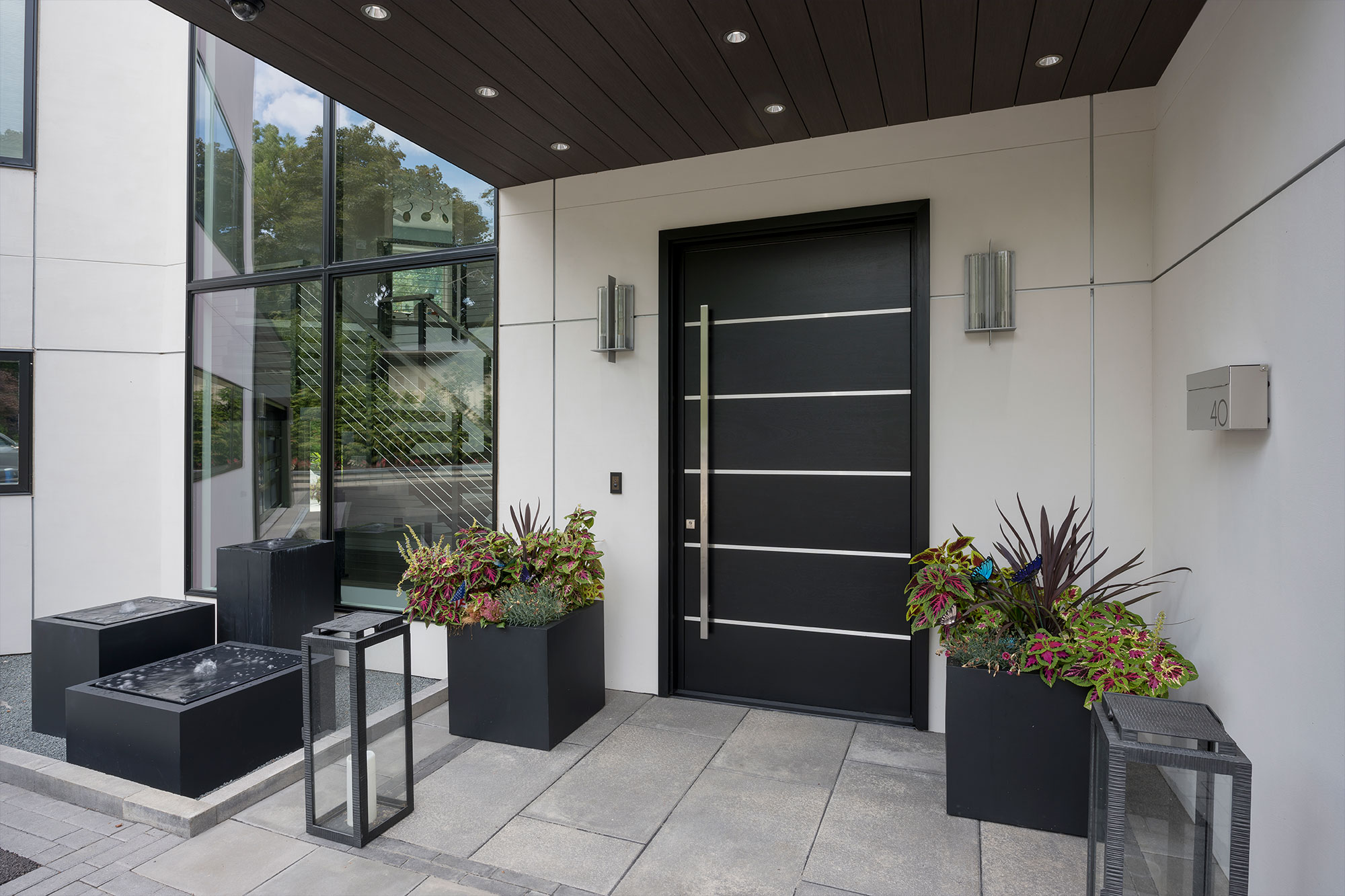
What is a panel door?
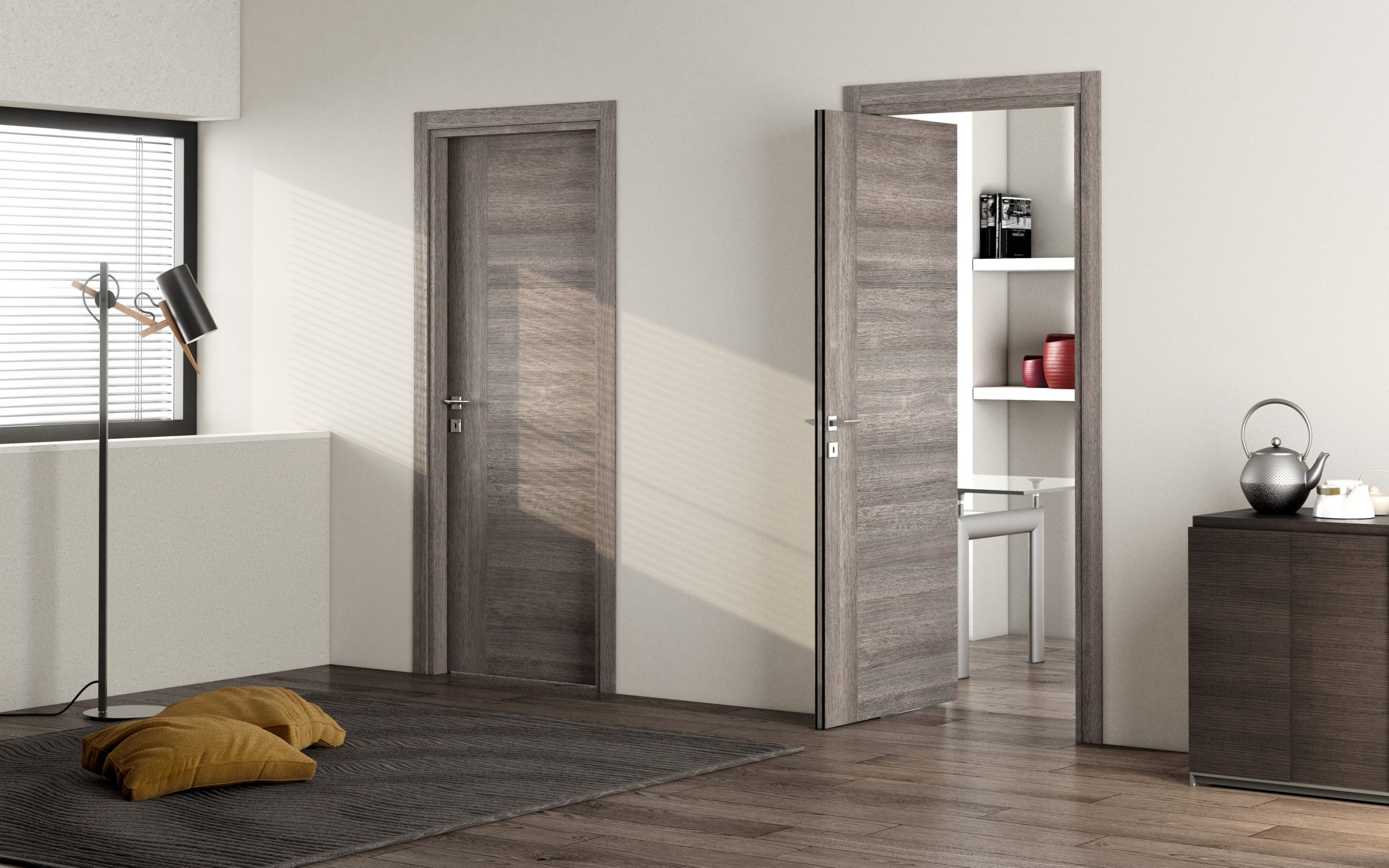
What is a Panel Door?
A panel door is a classic type known for its detailed design and sturdy construction. It features a series of panels, usually made of wood or other durable materials, that are framed together to create a solid, functional, and attractive door. Unlike simpler doors like slab doors, panel doors often have a more intricate look, making them a popular choice for homes with traditional or rustic décor.
A Simple Introduction to Panel Door
Panel doors are one of the oldest and most widely used doors worldwide. Historically, they were made from wood, though today, you can find panel doors made from various materials, including engineered wood, MDF, and metal.
What makes panel doors stand out is the way they are constructed. They consist of a frame with a series of flat or raised panels inserted within it. This unique design allows for a combination of durability, style, and practicality. The panels are often rectangular or square, though they can come in many shapes and sizes, depending on the design.
The beauty of panel doors lies in their adaptability. They can be styled to suit almost any type of home, whether a modern apartment, a cozy country cottage, or a grand colonial mansion. You’ll often see them in both interior and exterior applications. They are commonly used as bedroom, kitchen, and even front entry doors.
Understanding the Basic Structure
A panel door typically consists of several key components: the frame, the panels, and the rails and stiles. Let’s break down these elements for a clearer understanding.
- The Frame: The frame is the outer part of the door. It is the structure that holds everything together. The frame is usually made of wood or a strong composite material. It’s designed to withstand pressure and maintain the integrity of the door.
- The Panels: The panels are the individual sections within the frame. They can be flat or raised, with the raised design being more common in traditional panel doors. These panels are often made from solid wood, MDF, or plywood. The panels’ material influences the door’s weight, durability, and sound insulation properties.
- Rails and Stiles: These are the horizontal and vertical parts of the frame that connect the panels. Rails run across the top and bottom, while stiles are the vertical sections. These components help maintain the door’s shape and allow the panels to fit snugly inside.
In short, a panel door is not just a simple barrier; it’s a design element that enhances your home’s aesthetic and provides long-lasting functionality. Panel doors offer beauty and practicality, whether made from wood, MDF, or another material.
How Does Panel Door Differ from Other Door Types?
Panel doors have a unique structure that sets them apart from other types of doors, like slab doors and flush doors. Let’s explore how panel doors compare to these options and the key benefits that make them stand out.
Panel Doors vs. Slab Doors
Panel and slab doors are often confused, but they have key differences. A slab door is a simple, flat door made from solid material, usually wood, MDF, or a composite material. It doesn’t have the panels or raised sections that a panel door has. This makes slab doors a more minimalist and contemporary option, often chosen for modern, sleek spaces.
On the other hand, panel doors feature a design with multiple panels set within a frame. These panels can be raised or flat, giving the door more texture and depth. While slab doors offer a clean and simple look, panel doors provide a bit more character and are often chosen for traditional, classic, or rustic homes.
One key difference is the construction. Slab doors are just the door’s surface, often making them lighter and easier to install. Panel doors, however, have a more complex structure with a frame and multiple panels, which can add to the cost and complexity of installation but provide superior strength and a more polished appearance.
Panel Doors vs. Flush Doors
Flush doors are another popular door type, and they differ significantly from panel doors. A flush door is completely flat, with no panels or textures. It usually consists of a single, smooth surface, typically made of MDF or plywood, giving it a clean and seamless look. Flush doors are commonly used in contemporary designs where a minimalist appearance is desired.
In contrast, panel doors are more detailed and offer a timeless look. They consist of a frame with multiple panels that can be flat or raised. This construction allows for more design flexibility, whether you want a traditional look or a modern twist.
Flush doors are more affordable because of their simplicity and are heavier than panel doors. However, panel doors are often seen as more durable and able to withstand wear and tear better. They also offer better insulation, especially when made of solid wood, making them a better choice for long-lasting, quality doors.
The Key Benefits of Panel Door Over Other Door Types
Panel doors offer several advantages over slab and flush doors. Here are the key benefits that make them a top choice:
1. Aesthetic Appeal:
Panel doors bring any room an elegant, classic look. Their raised or recessed panels add texture and depth, making them more visually interesting than flat doors like slab or flush doors. Whether for a traditional or contemporary look, a panel door can fit into any style.
2. Durability:
Because of their construction, panel doors tend to be stronger than slab or flush doors. The combination of the frame and panels gives the door strength and resistance to wear and tear. In particular, panel doors made from solid wood are known for their longevity.
3. Customization Options:
Panel doors offer more design flexibility than slab and flush doors. You can choose from various panel configurations, materials, and finishes to match your home’s style. Whether you prefer a simple, traditional look or a more intricate design, panel doors allow for more customization.
4. Improved Insulation:
Panel doors often provide better sound and temperature insulation than slab or flush doors. The thicker construction and the materials used in panel doors, such as solid wood, help block noise and improve energy efficiency, an excellent feature for interior and exterior doors.
5. Increased Value:
Panel doors, especially those made from high-quality materials, can increase the overall value of your home. Their timeless appeal and durability make them an attractive feature for potential buyers, which can be a major selling point if you decide to put your home on the market.
Summary
In conclusion, panel doors offer a combination of beauty, strength, and versatility that other door types can’t match. Whether you’re remodeling your home or building a new one, panel doors are a solid choice to enhance your space for years.
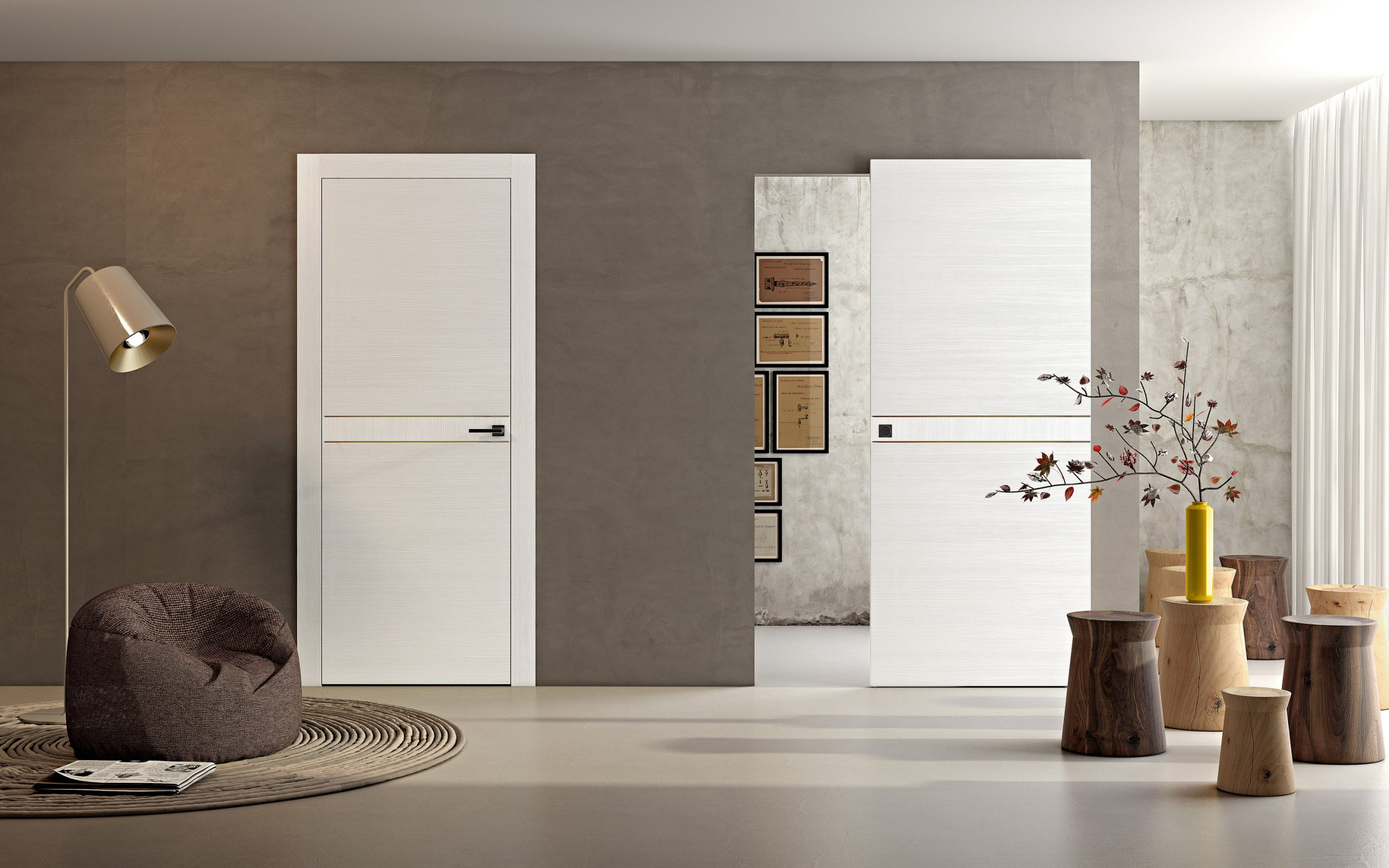
Types of Panel Door
Panel doors come in many styles, but the traditional panel door stands out for its timeless beauty and historical roots. Let’s dive into the history and design of traditional panel doors and the materials commonly used in their construction.
Traditional Panel Door
Panel doors come in many styles, but the traditional panel door stands out for its timeless beauty and historical roots. Let’s dive into the history and design of traditional panel doors and the materials commonly used in their construction.
Historical Significance and Design
Traditional panel doors have been around for centuries, dating back to ancient times. They are deeply rooted in European and American architectural history, often seen in classic homes, churches, and castles. These doors were originally designed not just for aesthetics but also for practicality. The panel construction made them strong and durable, perfect for withstanding the test of time.
The design of traditional panel doors is known for its elegance. Typically, these doors feature multiple raised or recessed panels within a sturdy frame. The panels themselves often have intricate details, adding character to the door. Some traditional panel doors may also include additional decorative elements like moldings, carvings, or glass inserts, which enhance their visual appeal.
The historical significance of panel doors is tied to their role in architecture. They were used for interior and exterior doors, contributing to the overall aesthetic of a building. Over time, the classic design of the panel door became synonymous with craftsmanship and quality. Even today, they’re a popular choice for homeowners who want to add a touch of traditional charm to their homes.
Materials Used in Traditional Panel Door
Traditional panel doors are often made from solid wood, contributing to their strength, durability, and rich aesthetic. Wood was the primary material used for centuries because it was widely available and easy to work with. Wood’s natural grain patterns also added to the door’s beauty, making each door unique.
Some of the most common types of wood used in traditional panel doors include:
- Oak: Known for its strength and timeless beauty, oak is a popular choice for traditional panel doors. It’s durable and has a distinctive grain pattern that adds richness to the door.
- Mahogany: Mahogany is another premium wood used in traditional panel doors. It’s dense, strong, and has a deep, reddish-brown color that adds warmth and sophistication to any room.
- Pine: Pine is often used in traditional panel doors for those looking for a more budget-friendly option. While softer than oak or mahogany, it still looks classic and can be easily stained or painted.
In addition to wood, some traditional panel doors may also feature glass inserts or iron accents. These details add a touch of elegance and can be used to incorporate more light into a room or give the door a more decorative look.
Modern Panel Doors
Modern panel doors offer a fresh twist on the traditional design, incorporating sleek lines and contemporary materials to suit today’s home styles. Let’s look at what makes modern panel doors popular for contemporary homes, including the sleek designs, popular finishes, and colors that make them stand out.
Sleek Designs for Contemporary Homes
Modern panel doors have evolved from their traditional counterparts, embracing minimalism and simplicity. The key features of a modern panel door are its clean, straight lines and focus on functionality. These doors often feature flat panels or panels with very subtle textures, creating a smooth and sleek surface that complements the streamlined look of modern interiors.
Unlike the intricate detailing of traditional panel doors, modern panel doors have a simpler design that highlights the natural beauty of the materials. You won’t find ornate carvings or raised panels here. Instead, these doors have a clean, unembellished look, perfect for open-concept spaces or minimalist decor. The design of modern panel doors often includes larger panels, sometimes with very thin frames, giving them a more bold and expansive appearance.
Many contemporary homes use panel doors to create a seamless, fluid look between rooms. The simplicity of the design helps the door blend effortlessly with the walls, making it feel like an extension of the room’s overall aesthetic. These doors work well with various styles, from industrial lofts to sleek, high-end residences, and can even be used for exterior doors to create a sophisticated entryway.
Popular Finishes and Colors
Modern panel doors are all about versatility and sophistication when it comes to finishes and colors. The finishes are typically smooth and clean, often highlighting the natural texture of the materials used. Some of the most popular finishes include:
Matte Finishes:
Matte finishes are highly popular for modern panel doors. They give the door a subtle, understated look perfect for modern homes. This finish can be found in wood and synthetic materials, providing a smooth surface that doesn’t easily show fingerprints or smudges.
Glossy Finishes:
Glossy finishes are an excellent choice for a more polished, high-end look. Modern glossy panel doors reflect light, making them ideal for spaces that need extra brightness. They work particularly well in urban or contemporary settings, adding a sleek, polished touch to the room.
Wood Veneer:
Solid wood is still a popular choice for traditional panel doors, but modern panels often use wood veneer. This thin layer of natural wood is applied to a more affordable material like MDF. Wood veneer gives the door the warmth and texture of real wood, but at a fraction of the cost.
Lacquered Finishes:
Lacquered finishes are also common for modern panel doors. They offer a smooth, shiny surface and can be used in various colors. Lacquered doors are particularly popular in modern, high-gloss kitchens and bathrooms because they’re easy to clean and maintain.
In terms of colors, modern panel doors come in various shades to suit any style. While traditional wood tones like oak and mahogany are still popular, modern panel doors often feature bolder colors and neutrals like:
- White: Clean, crisp white doors are perfect for modern spaces. They offer a fresh, airy feel and work well in any room. White is also versatile and pairs easily with different wall colors and furnishings.
- Black: Black modern panel doors create a bold, dramatic statement. They are ideal for high-contrast, minimalist designs and add an element of sophistication to the space.
- Gray: Gray is a go-to neutral for modern panel doors. It’s subtle yet elegant and works well in various settings, from contemporary apartments to industrial-inspired spaces.
- Wood Tones: Modern panel doors often incorporate light, medium, or dark wood finishes to add warmth and texture to the design. These doors might feature a natural wood veneer, giving a contemporary edge to a classic material.
Custom Panel Doors
Custom panel doors offer a unique opportunity to tailor a door that perfectly fits your home’s style, making it one of the most personalized door options. Whether you’re looking to create a one-of-a-kind entryway or match a specific interior design theme, custom panel doors can be designed to meet your exact preferences.
Tailoring Your Door to Fit Your Home Style
Custom panel doors allow homeowners to take control of their design, making them an excellent choice for those who want something more than the standard, off-the-shelf door. By choosing custom options, you can align your door with your home’s unique character, whether it’s a modern apartment, a rustic cottage, or a grand traditional house.
When designing a custom panel door, the possibilities are nearly endless. You can select the material, finish, panel design, and hardware to match your home’s aesthetic. For instance, if you’re going for a farmhouse look, you might choose a wooden panel door with a distressed finish and wrought iron hardware. Alternatively, for a contemporary home, you could opt for sleek, flat panels with a matte black finish and minimalist handles.
The ability to personalize the design also extends to the panels’ configuration. Custom panel doors can be designed with varying numbers of panels, such as a single large panel for a minimalist feel or multiple smaller panels for a more traditional look. This level of control over the design ensures that your custom panel door enhances your home’s appearance and complements your existing decor.
How to Choose the Right Panel Configuration?
Choosing the right panel configuration is key to ensuring your custom panel door fits seamlessly into your home. The configuration refers to the number and arrangement of panels within the door’s frame, which can greatly affect the overall look.
1. Single Panel:
A single panel configuration is the simplest and most minimalist option. This configuration features one large, solid panel that covers the entire door. It’s an excellent choice for modern, clean designs where you want the door to blend smoothly with the walls. Single panel doors often work well in interior spaces like bedrooms or bathrooms, where a more understated, sleek appearance is desired.
2. Two-Panel:
A two-panel door configuration provides more visual interest without overwhelming the design. The two panels are often positioned side-by-side, creating a balanced look. This configuration is ideal for homes that lean toward a more contemporary or transitional design, where simplicity and subtle detail work together.
3. Three or More Panels:
A door with three panels can provide a sense of richness and depth for a more traditional or classic look. These doors often feature a symmetrical layout with evenly spaced panels. The number of panels can vary, from three to five or more, depending on the size of the door and the look you want to achieve. This configuration is perfect for entry doors or rooms where you want a more substantial, eye-catching door design.
4. Custom Panel Arrangements:
You can create a custom panel arrangement if you have a specific vision. Whether you want large, rectangular panels at the top with smaller panels at the bottom or a staggered layout with different-sized panels, custom configurations allow for greater creativity. These designs work well in spaces where you want to make a statement with the door or where the door needs to fit within a unique architectural layout.
The choice of configuration also impacts the overall functionality of the door. For example, a door with larger panels might provide more privacy and sound insulation, making it a good option for bedrooms or home offices. On the other hand, smaller panels allow more light to pass through, which can be ideal for interior doors in kitchens or hallways.
Summary
Consider the door’s aesthetic and functional aspects when selecting your panel configuration. Think about the room’s purpose, the style of your home, and how the door will interact with the surrounding space.
The Materials Behind Panel Door
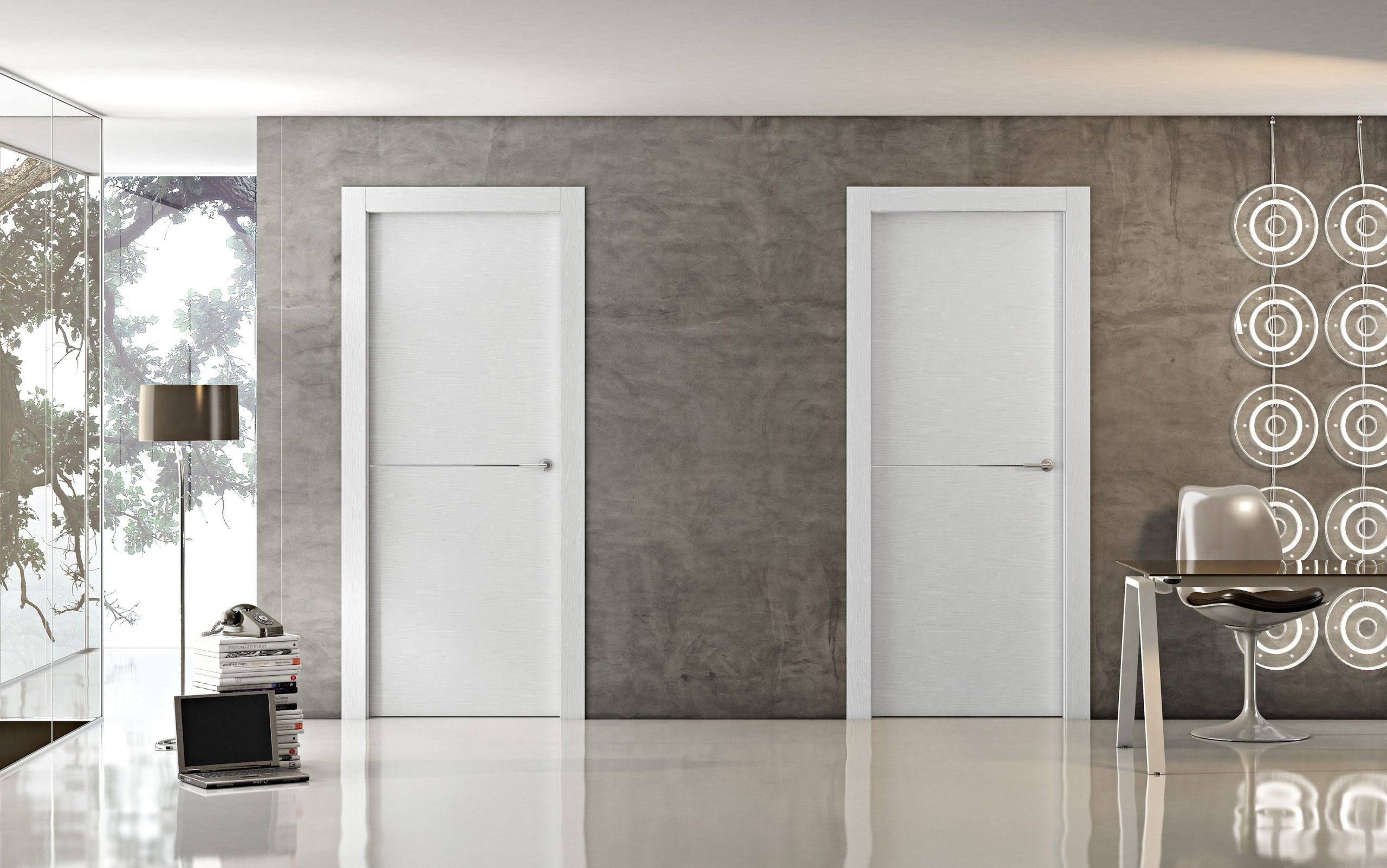
The material of a panel door plays a huge role in its strength, durability, and overall appearance. Understanding the differences between materials will help you decide which type of panel door is right for your home. Let’s look closer at solid wood panel doors, engineered wood panel doors, and MDF panel doors, and explore how the material affects durability and aesthetics.
Solid Wood Panel Door vs. Engineered Wood Panel Doors
Solid wood panel doors are exactly what they sound like—made from one solid piece of wood. This type of door is known for its strength and natural beauty. Solid wood panel doors are a classic choice for homeowners who want a high-end, traditional look. They provide excellent durability, with the natural grain patterns of the wood giving each door a unique, one-of-a-kind appearance.
However, solid wood doors tend to be more expensive and heavier than engineered wood doors. They can also be more susceptible to changes in temperature and humidity, which might cause them to expand or contract. This makes them a better choice for environments with stable temperature and humidity.
On the other hand, engineered wood panel doors are made from layers of wood products, such as plywood or MDF, that are glued together. This construction process makes engineered wood doors more stable and resistant to warping, cracking, or shrinking. Engineered wood doors are also more affordable and often lighter than solid ones.
Engineered wood panel doors have a smoother surface, making them a good option for homeowners looking for a sleek, modern appearance. While they may not offer the same natural beauty as solid wood, engineered wood doors can be designed with wood veneers or high-quality finishes to give them a similar look at a fraction of the cost.
Understanding MDF Panel Door and Their Advantages
MDF (Medium Density Fiberboard) is a popular material for panel doors, especially in modern and budget-conscious homes. It is made from finely ground wood fibers, combined with resin and pressed into dense, durable sheets. MDF panel doors are smooth, sturdy, and easy to work with, making them an excellent choice for custom designs and painted finishes.
One of the biggest advantages of MDF panel doors is their smooth, consistent surface. Unlike solid wood, which can have natural imperfections or variations in grain, MDF is uniform and free from knots or defects. This makes it ideal for achieving a polished, modern look with a clean, seamless finish. MDF doors can be painted in any color and hold paint well without showing brush marks or imperfections.
Another benefit of MDF panel doors is their affordability. While solid wood doors can be expensive, MDF offers a similar appearance and function at a lower cost. MDF also performs better than solid wood in environments with fluctuating humidity levels, as it is less likely to warp or expand over time.
However, MDF doors may not be as strong as solid wood doors and can be more prone to damage from heavy impacts or moisture if improperly sealed. Despite this, MDF panel doors can offer excellent value with the right care while providing a stylish and durable door option.
How Does the Material Affect Durability and Aesthetics?
The material you choose for your panel door can significantly impact its durability and appearance. Here’s how:
- Durability: Solid wood panel doors are the most durable, especially if made from hardwoods like oak, mahogany, or walnut. These materials can withstand the test of time and offer long-lasting strength. However, solid wood doors require more care and maintenance, particularly in environments with high humidity or extreme temperature changes.
- Aesthetics: When it comes to looks, solid wood panel doors offer a rich, natural beauty that’s hard to match. The wood’s unique grain patterns, texture, and warmth give these doors a luxurious feel that can elevate any space. Solid wood doors are perfect for traditional and rustic designs, where the natural material is an important part of the style.
While not offering the same natural beauty as solid wood, MDF panel doors can still be designed with high-quality finishes that make them look like wood. They are particularly well-suited for painted finishes, where a smooth, flawless surface is desired. MDF doors can be a great choice if you’re looking for a modern, clean appearance.
Summary
In conclusion, the material behind your panel door will affect its durability and visual appeal. Solid wood provides a timeless look with long-lasting strength, but requires more maintenance. Engineered wood and MDF panel doors offer practical alternatives that are more stable, affordable, and easy to customize while providing good durability and aesthetic flexibility.
Panel Door Construction
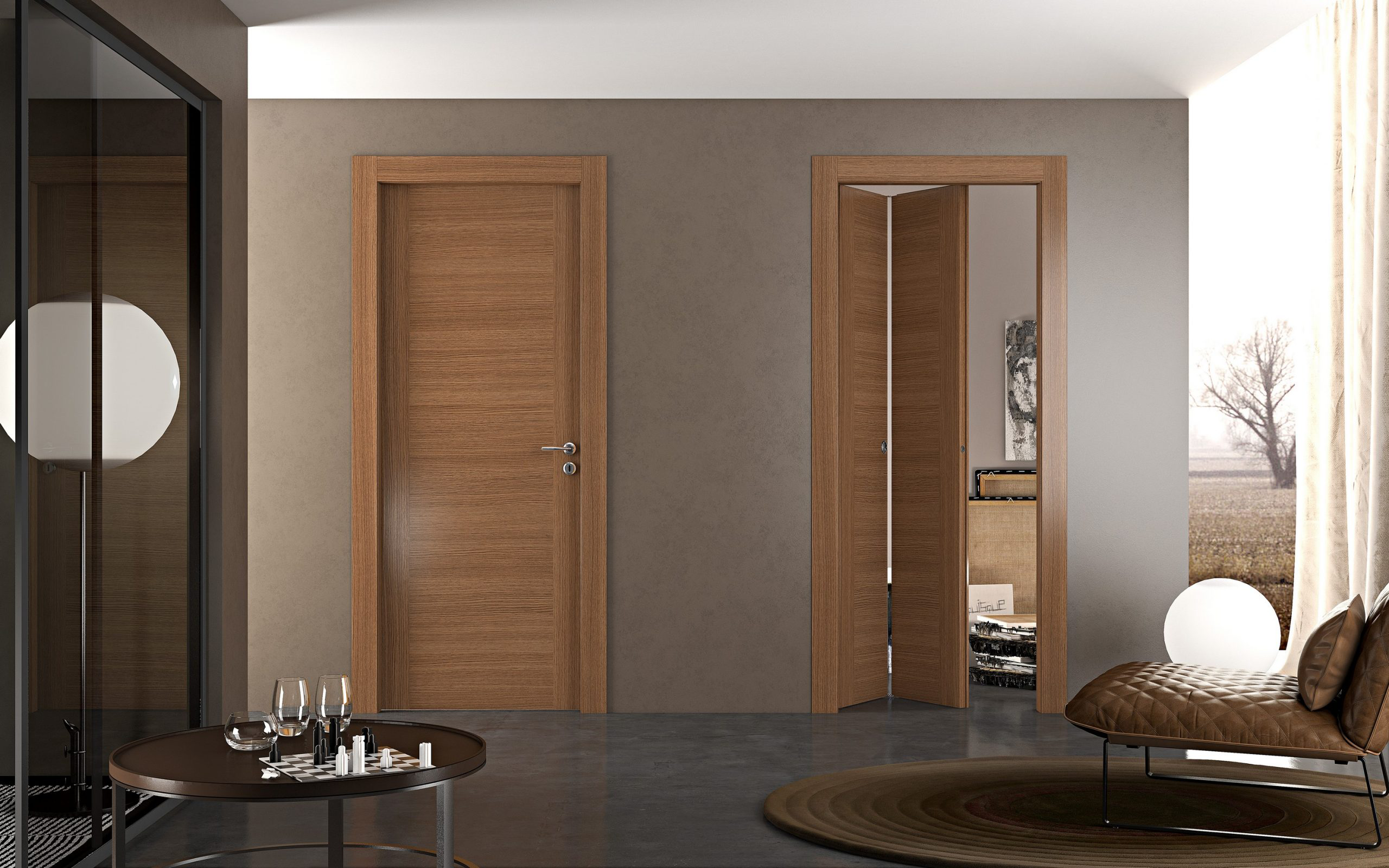
Understanding how a panel door is constructed helps to appreciate the thought and care that goes into its design and craftsmanship. The construction of a panel door plays a crucial role in its strength, durability, and aesthetic appeal. Let’s dive into the core structure of a panel door, how it is assembled, and the importance of joinery in the design process.
The Core Structure of a Panel Door
At its core, a panel door consists of several key elements: the frame, the panels, and the rails and stiles. These components work together to give the door strength, shape, and overall look.
- The Frame: The frame is the outer structure that holds everything together. It’s typically made from solid wood or engineered wood and provides the framework that supports the panels. The frame is designed to be sturdy and to help maintain the door’s shape over time, even under pressure or wear.
- The Panels: Panels are the central elements of the door, and they can be flat or raised. These panels are usually made from wood, MDF, or plywood and are inserted into the frame. The type of panel you choose (raised, flat, or recessed) can greatly affect the door’s overall look. Raised panels have more depth and texture, while flat panels provide a cleaner, simpler appearance.
- The Rails and Stiles: Rails are the horizontal components of the frame, typically located at the top and bottom of the door. Stiles are the vertical pieces, running along the sides of the door. The rails and stiles give the door its basic structure and shape, ensuring the panels fit securely within the frame.
How Are Panel Doors Assembled?
Assembling a panel door involves carefully joining the frame, panels, and other components. Here’s a simplified look at the assembly process:
- Building the Frame: The stiles and rails are cut to the required dimensions. These are combined using various joinery methods such as mortise and tenon joints or dovetail joints. These joints are essential to ensure the door frame is strong and stable. The frame is often glued and sometimes reinforced with nails or screws for added strength.
- Inserting the Panels: The panels are carefully fitted into the frame once assembled. For traditional raised panel doors, the panels are inserted into grooves along the edges of the frame. The panels are often slightly smaller than the frame, allowing for expansion and contraction due to temperature and humidity changes.
- Securing the Components: After the panels are in place, the frame is carefully sanded and smoothed to remove rough edges. The panels are then secured in place, often with small nails or screws, to ensure that they stay in position. The entire door is checked for alignment to ensure it opens and closes properly.
- Finishing Touches: Finally, the door is stained, painted, or sealed to achieve the desired finish. This step enhances the door’s appearance while providing extra protection. The door may also receive hardware such as hinges and handles.
The Importance of Joinery in Panel Door Design
The joinery used in panel door construction is crucial for the door’s strength and visual appeal. Good joinery ensures the door stays together for years, even under heavy use. Here’s why joinery matters:
1. Strength and Durability:
The type of joinery used in a panel door directly impacts how strong the door is. Traditional methods like mortise and tenon or dovetail joints create a solid connection between the frame and the panels. High-quality doors often use these joints because they provide superior strength and hold up well over time. The strength of the joinery ensures that the door will maintain its shape and function well for years to come.
2. Aesthetic Appeal:
Joinery also plays a role in the door’s visual appeal. Clean, well-executed joints are a sign of craftsmanship. When done right, the joinery can enhance the overall look of the door, creating sharp, crisp lines and a polished finish. Conversely, poor joinery can lead to gaps or misalignment, affecting the door’s appearance and function.
3. Longevity:
The longevity of a panel door is highly dependent on the quality of the joinery. Well-crafted joints allow the door to handle changes in temperature and humidity without warping, cracking, or loosening over time. This is especially important for doors exposed to frequent opening and closing or placed in areas with fluctuating conditions, such as entryways.
4. Fit and Finish:
The precision of the joinery also affects how well the panels fit into the frame. Proper joinery ensures the panels are snug and secure, preventing them from shifting or coming loose. It also helps maintain the door’s overall symmetry and functionality.
Summary
In summary, joinery is a fundamental part of panel door construction. It ensures the door’s strength and durability and contributes to its aesthetic value. Whether you’re installing a traditional panel door with intricate joinery or opting for a more modern design, the quality of the joinery will always play a key role in the door’s performance and visual appeal.
Benefits of Choosing Panel Door
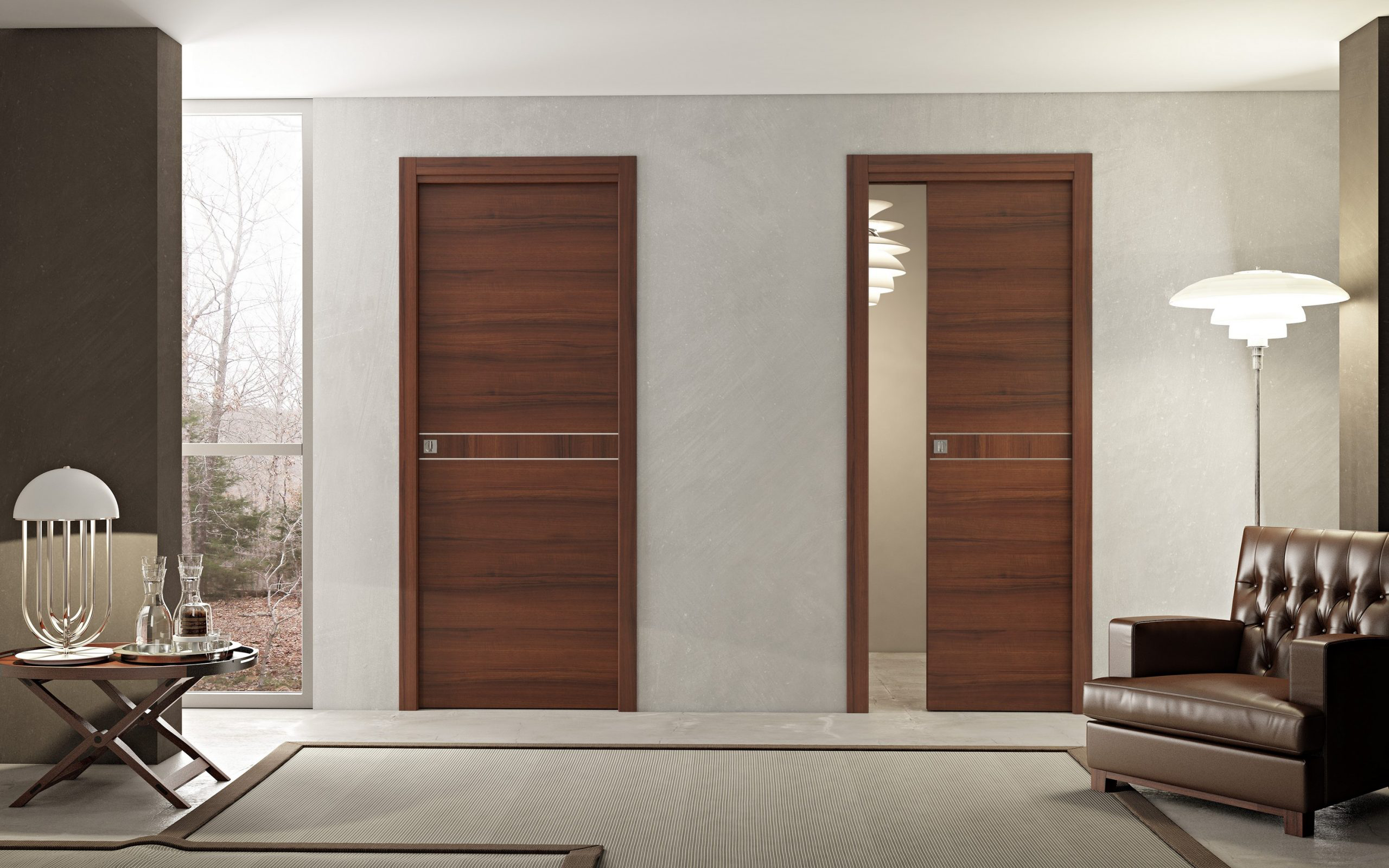
Panel doors are popular for many homeowners due to their beauty and functionality. Whether updating your interior or installing an exterior door, panel doors offer many benefits. Let’s explore the key advantages of choosing panel doors, from timeless aesthetics to long-lasting durability.
Aesthetic Appeal
Classic Looks that Never Go Out of Style
One of the biggest advantages of panel doors is their timeless appeal. The classic design, with its distinctive raised or recessed panels, has been used for centuries and is a favorite choice for homeowners. Panel doors easily fit into traditional and modern home styles, making them versatile.
The beauty of panel doors is their ability to add texture and depth to any room. Whether you choose a single-panel door for a sleek, modern look or a multi-panel door for a more traditional feel, panel doors bring a sense of elegance that never goes out of style. The clean lines and natural materials—like wood or engineered wood—give the door a warm, welcoming feel.
Unlike trendy door styles that look outdated after a few years, panel doors offer a lasting design that holds up over time. Their classic beauty ensures they remain a focal point in your home, no matter how your interior design evolves.
Panel Door as a Design Statement
Beyond their functionality, panel doors can make a bold design statement. A carefully chosen panel door can become a centerpiece in any room. The variety of styles, materials, and finishes available allows homeowners to select a door that complements the space’s overall design.
For example, a beautifully crafted wood panel door with intricate carvings adds a touch of sophistication to a formal living room or dining area. Meanwhile, a modern panel door with sleek lines and a matte finish can enhance the minimalist look of a contemporary space. By simply choosing a custom panel configuration or adding a unique finish, you can personalize your door to reflect your style.
In many cases, panel doors can also serve as a way to divide spaces, adding both functionality and visual appeal. With their structured design, they help create a sense of separation between rooms, such as between a kitchen and dining room, while still maintaining an open feel.
Durability and Functionality
Long-Lasting Quality for High-Traffic Areas
Panel doors are known for their durability, making them an excellent choice for high-traffic areas. Whether used for interior doors in hallways, bathrooms, or as front doors, these doors are built to withstand daily wear and tear. The construction of panel doors—especially those made from solid wood or engineered materials—ensures they can handle frequent use without compromising their strength or appearance.
In busy households, doors are often subjected to constant use, slamming, and other impacts. With their solid core structure, panel doors are designed to remain intact even under these conditions. Their robust frame and panels make them highly resistant to damage, ensuring they stay in excellent condition for years.
Because panel doors are available in various materials like solid wood, engineered wood, and MDF, they can be chosen to suit the needs of different spaces. For example, solid wood panel doors are excellent for long-lasting performance, while engineered wood or MDF doors offer a more budget-friendly yet durable option.
Resistance to Warping and Shrinking
One of the major concerns with doors, especially wooden ones, is their susceptibility to environmental changes, like fluctuations in humidity and temperature. Panel doors are designed to resist these effects more effectively than some other door types.
Solid wood panel doors, while beautiful, can be prone to warping or shrinking over time due to changes in humidity. However, engineered wood and MDF panels offer superior resistance to these issues. Engineered wood is constructed in layers, which helps it stay stable and prevents it from expanding or contracting like solid wood. As a dense material, MDF also protects against moisture and temperature changes, making it a good choice for areas prone to humidity, like bathrooms or kitchens.
The ability of panel doors to resist warping and shrinking means that they will continue to look great and function properly, even in challenging environments. This durability is essential for exterior doors, which are exposed to the elements and must maintain their integrity over time.
Summary
In conclusion, the combination of aesthetic appeal, durability, and functionality makes panel doors an excellent choice for any home. Their classic looks, combined with the ability to stand up to everyday use and environmental changes, ensure they remain a reliable and stylish addition to your home for many years.
Common Uses for Panel Door
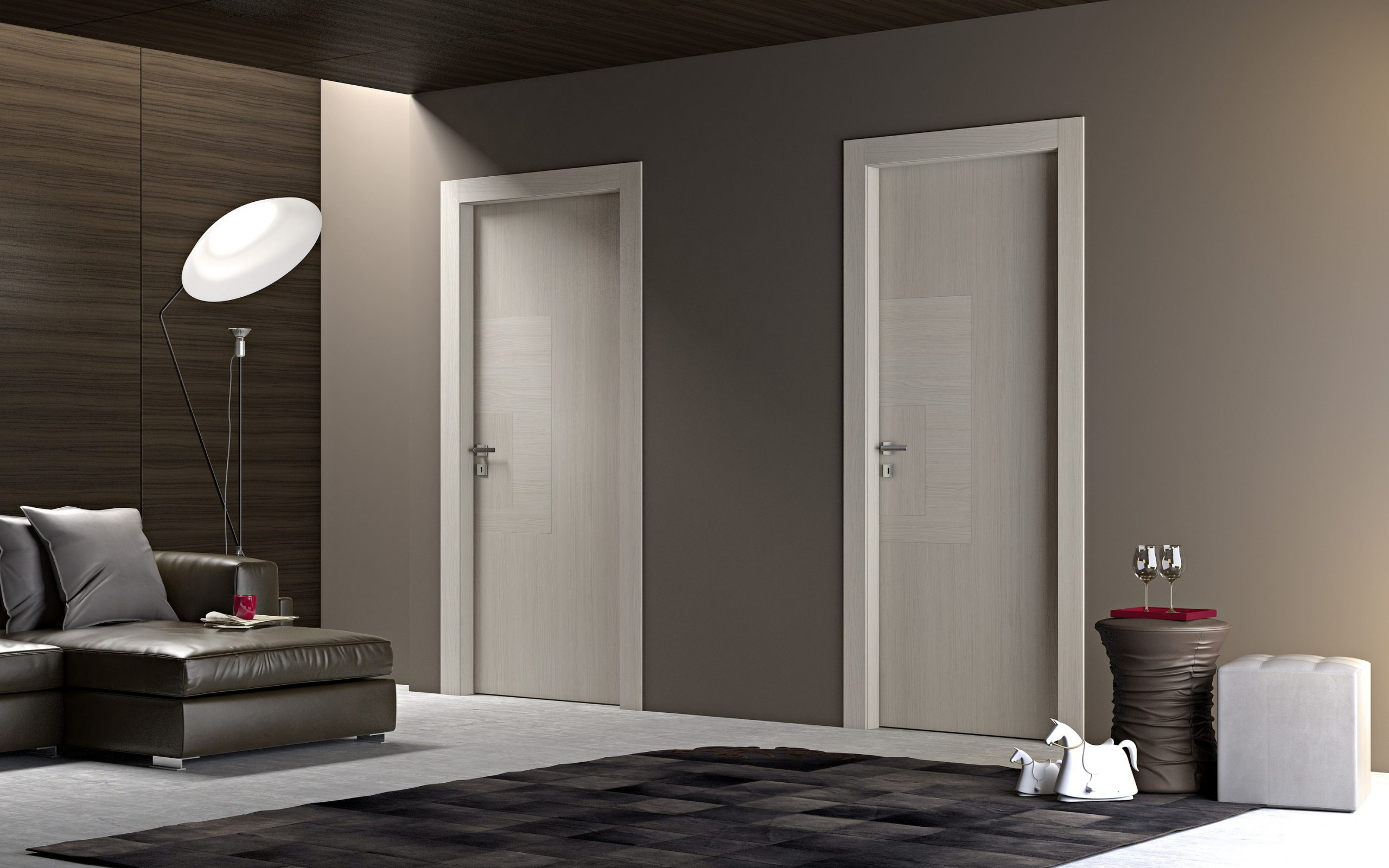
Panel doors are versatile and can be used in various settings inside and outside the home. Whether you’re looking to upgrade your interior or need a durable and attractive option for your entryway, panel doors fit a wide range of applications. Let’s take a closer look at how panel doors are commonly used in different areas of the home.
Panel Door for Interior Spaces
Panel doors are a fantastic choice for interior spaces. Their design balances style and functionality, making them perfect for various rooms throughout the house. From bedrooms to hallways, panel doors add elegance while ensuring privacy and sound insulation.
Bedroom Doors:
Panel doors are popular for bedrooms because they offer privacy without compromising style. Whether you opt for a traditional, classic design with raised panels or a modern, sleek look with flat panels, panel doors provide a cozy, inviting atmosphere. Their thick construction helps block noise, making them ideal for quiet, restful spaces
Living Rooms:
In living rooms, panel doors can serve as functional and decorative elements. They help separate spaces while still allowing light and airflow when needed. A beautiful wood panel door can add warmth and charm to your living room, elevating the space’s overall design. Panel doors can also help define different zones for larger living rooms or open-concept homes.
Bathroom and Laundry Doors:
In areas like bathrooms or laundry rooms, panel doors are perfect for their durability and water resistance. They offer a sturdy, lasting option to handle high humidity and daily use. MDF or engineered wood panel doors are particularly useful in these spaces as they resist warping, ensuring the door remains in top condition over time.
Panel Doors for Exterior Applications
Panel doors aren’t just for interior use but also an excellent option for exterior applications. Whether for your front door or a patio door, these doors offer strength, security, and curb appeal.
Front Doors:
A panel door is a classic choice for a front door, where both aesthetics and security are important. The sturdy construction of a panel door, especially one made of solid or reinforced engineered wood, offers strength and durability against the elements. Whether you want a simple design with a single panel or a more elaborate look with multiple panels and glass inserts, panel doors provide a welcoming entryway with timeless charm.
Patio and Garden Doors:
Panel doors also work great for exterior spaces like patios or garden entrances. Their sturdy frame and design help keep out the weather, while still providing a stylish way to connect your indoor and outdoor spaces. You can choose panel doors with glass inserts to let in light and offer a view of your garden or patio, adding beauty and functionality.
Why Panel Doors Are Ideal for Bedrooms, Living Rooms, and Kitchens?
Panel doors are versatile and well-suited for high-traffic areas such as bedrooms, living rooms, and kitchens. Here’s why they are ideal for these spaces:
Bedrooms:
Panel doors provide privacy and sound insulation that is perfect for bedrooms. The thickness of the door, especially when made from solid wood or MDF, helps block out noise from other areas of the house, creating a peaceful and quiet retreat. The variety of styles available, from traditional to modern, allows you to match the door to your room’s décor. Plus, panel doors contribute to a bedroom’s overall warm, welcoming feel.
Living Rooms:
In living rooms, panel doors can define the space while adding sophistication and charm. Whether used to separate the living room from other areas or as a statement piece in a larger open-plan space, panel doors offer beauty and practicality. You can choose a simple, flat-panel door for a minimalist look or a more intricate, multi-panel design for a traditional touch. Panel doors also add a sense of structure, helping to break up large, open spaces in an intentional and elegant way.
Kitchens:
The kitchen is often a high-traffic area that requires both durability and style. Panel doors are a perfect fit for this space, as they are sturdy enough to withstand regular use and easy to clean. Whether you choose a solid wood panel door for a rustic, country kitchen or a sleek, painted MDF panel door for a modern look, panel doors can be adapted to any style. Their solid structure makes them resistant to dents and damage from the wear and tear of a busy kitchen.
Summary
Panel doors are ideal for these key home areas because they combine aesthetic appeal with functionality. They offer a balanced mix of privacy, noise reduction, and durability, all while enhancing the overall look of the space. For interior rooms or exterior applications, panel doors are a long-lasting and stylish choice for homeowners.
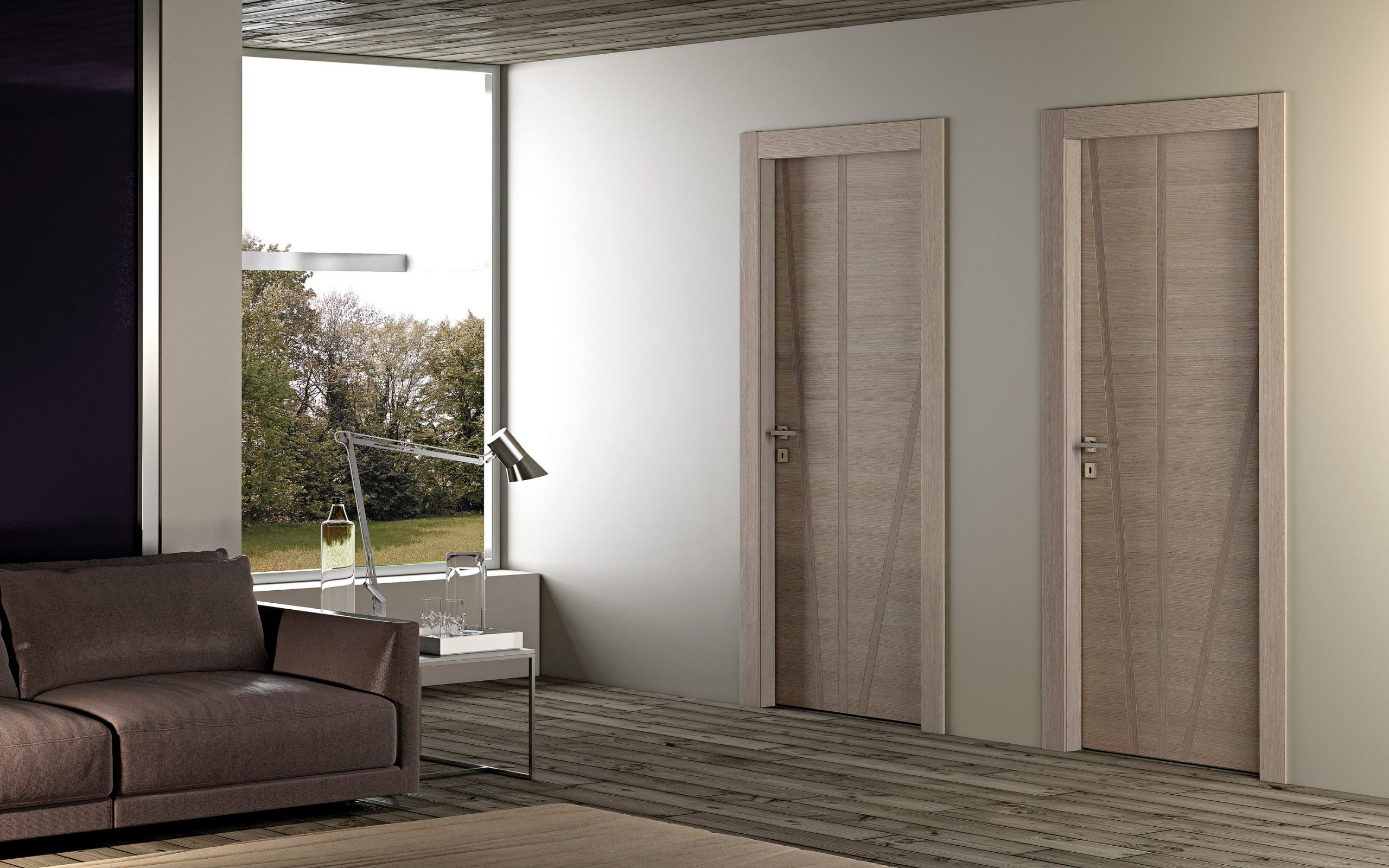
How to Maintain Your Panel Door?
Taking proper care of your panel door will help it last longer and continue to look beautiful over time. Regular maintenance is key, whether you have a wooden panel door, an MDF door, or an engineered wood door. Here are some essential tips to keep your panel doors in great shape.
Tips for Cleaning and Caring for Wooden Panel Door
Wooden panel doors add natural beauty and warmth to your home, but require attention to maintain their appearance. Here are a few simple steps to keep your wooden panel doors looking their best:
1. Dust Regularly:
Start by dusting your panel door regularly with a soft cloth or microfiber duster. This will help prevent dust and dirt buildup that can scratch the wood. Be sure to clean both sides of the door and around the frame, especially near the hinges.
2. Wipe Down with a Damp Cloth:
Use a damp cloth to wipe down the surface for deeper cleaning. Avoid soaking the wood, as too much moisture can damage the finish or cause the door to warp. For stubborn stains or fingerprints, use a mild soap solution or wood cleaner to clean the surface gently.
3. Use Wood Polish or Wax:
To keep your wooden panel door shiny and refreshed, apply a wood polish or wax every few months. This will add a nice shine and protect the surface from wear and tear. Be sure to use a product suitable for the type of wood your door is made from.
4. Avoid Harsh Chemicals:
Never use harsh chemicals or abrasive cleaners on your wooden panel doors. These can damage the finish and make the wood susceptible to scratches or stains. Stick to natural cleaners or those specifically designed for wood surfaces.
5. Check for Moisture or Temperature Changes:
Wood can be sensitive to moisture and extreme temperatures. Keep your wooden panel door away from direct sunlight, and avoid placing it near heat sources like radiators. Too much exposure to moisture or heat can cause the wood to expand, contract, or even crack.
Protecting Your Door’s Finish: What You Need to Know
The finish on your panel door is not only important for its appearance but also for its protection. A good finish keeps dirt, moisture, and wear at bay. Here’s how to protect your door’s finish and keep it looking fresh:
1. Reapply Protective Coatings:
Over time, the finish on your panel door can wear down, especially in high-traffic areas. If your door has a lacquer, varnish, or polyurethane finish, it may need a fresh coat every few years. Reapplying the finish will keep the door polished and protect it from moisture and stains.
2. Protect from Scratches:
To prevent scratches on your panel door, be mindful of the objects that come in contact with it. Avoid dragging furniture against the door or using sharp objects near it. If your door has a glass insert, clean it carefully to prevent scratches on the surface.
3. Seal the Door Properly:
If your panel door is exposed to elements like a front door, ensure it’s properly sealed. Use a weatherproof sealant to protect the door from water damage, especially if it’s made of wood. For external doors, check the seals regularly and replace any worn-out weatherstripping to prevent drafts and water from seeping in.
4. Avoid Direct Sunlight:
Direct sunlight can cause the finish on your panel door to fade over time, particularly if the door is made from wood. Use window coverings or a protective film to shield the door from harmful UV rays, helping maintain its finish.
Repainting or Replacing the Panels: When and Why?
Even the best-maintained panel doors may eventually need repainting or panel replacement. Here’s when and why you might consider doing so:
Repainting Your Panel Door:
Repainting your panel door is an easy way to refresh its look and add a new style to your room. If the paint on your door has faded, chipped, or is starting to peel, it’s time for a new coat. Repainting is also an excellent opportunity to update the color of your door to match your current home décor.
Before repainting, clean the door thoroughly and lightly sand the surface to ensure the new paint adheres well. If your door has cracks or dents, fill them with wood filler before applying the paint.
Replacing the Panels:
The panels may sometimes become damaged or outdated. If your panel door has a damaged panel or the design no longer fits your style, replacing the panel is an option. For wooden doors, you can replace a single panel if the rest of the door is still in good condition. This is a great way to save money while giving your door a new look.
Replacing individual panels can be trickier for engineered wood or MDF panel doors, but it’s still possible with the right tools and expertise. If the door has multiple damaged panels or is worn out, replacing the entire door may be more cost-effective.
Why Replace?:
Replacing panels or repainting a panel door helps maintain its aesthetic appeal and ensures its functionality. Over time, doors can get damaged by impact, weather, or daily wear. Replacing damaged panels or giving the door a fresh coat of paint can restore its beauty and structural integrity.
Summary
Knowing when to repaint or replace the panels on your panel door can extend its lifespan and keep it looking fresh for years. Regular maintenance will ensure your panel door stays an elegant and functional part of your home for the long run.
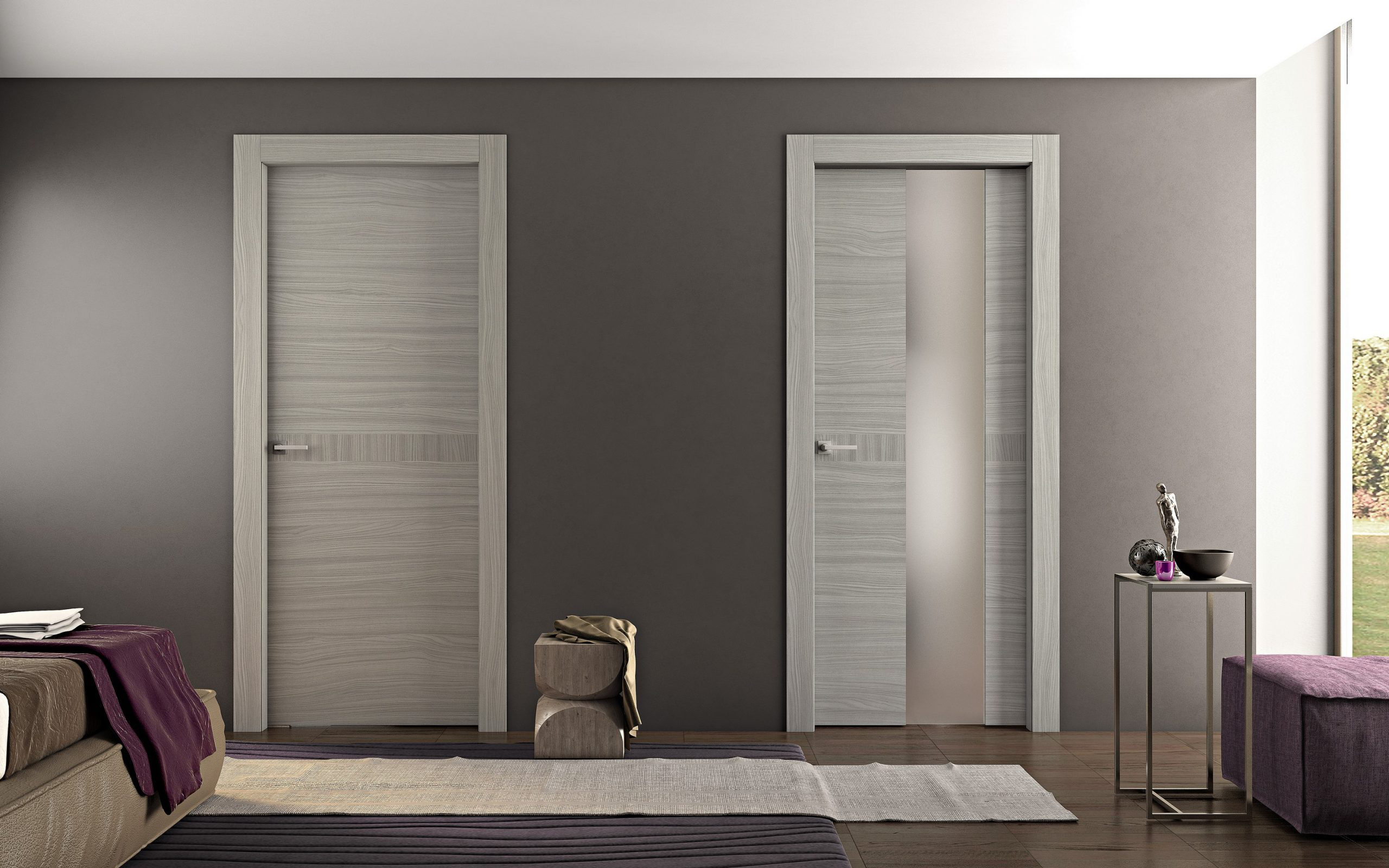
Choosing the Right Panel Door for Your Home
Selecting the right panel door for your home is an important decision involving style and function. The door you choose will influence the overall look of your home and how well it performs in everyday use. From determining the right design to ensuring the correct fit, here’s what you must consider when choosing the perfect panel door for your space.
Factors to Consider: Style and Function
When it comes to choosing a panel door, both style and function play a crucial role. Here are the key factors to think about:
1. Style:
The panel door you choose should match the overall design of your home. If you have a modern or minimalist home, you might opt for sleek, flat-panel doors or doors with simple lines and clean finishes. You might choose a raised-panel door for more traditional homes, which adds depth and texture. The material of the door also contributes to its style—whether it’s wood, MDF, or engineered wood, the finish will impact the look.
2. Functionality:
Consider the function of the panel door in the space. A durable and easy-to-maintain door for high-traffic areas like hallways or bathrooms. Solid wood or engineered wood panel doors are ideal in these cases, as they are sturdy and can handle the daily wear and tear. For rooms requiring more privacy, such as bedrooms or home offices, a solid panel door will provide better sound insulation than lighter doors.
3. Budget:
Your budget will also play a significant role in choosing the right door. Panel doors come in various price ranges, depending on the materials, design, and quality. While solid wood doors tend to be more expensive, engineered wood or MDF panel doors can offer a similar look at a more affordable price. Always balance the aesthetic appeal with the cost, considering that quality materials often provide better durability.
4. Energy Efficiency:
Efficiency: If you are concerned about energy efficiency, choose panel doors with solid cores or insulated panels. These doors can help regulate temperature, preventing heat from escaping in the winter or keeping the space cool during summer.
4. Privacy and Sound Insulation:
Solid flat doors, in particular, offer excellent privacy and soundproofing, making them ideal for bedrooms, bathrooms, and offices. They help block out noise, ensuring a peaceful environment, whether at home or in a professional setting.
5. Cost-Effective:
Flat doors are often more affordable than traditional panel doors or French doors, especially when considering the low maintenance and long-term durability they offer. This makes them an attractive option for budget-conscious buyers without sacrificing quality.
How to Measure for Panel Doors?
Accurate measurements are crucial when selecting a panel door, especially ensuring it fits properly in the doorway. Here’s a simple step-by-step guide to help you measure for the right door:
1. Measure the Width:
Use a tape measure to determine the width of the doorway. Use the smallest measurement to measure at three points—top, middle, and bottom. This ensures that the door will fit comfortably in the frame, allowing for any necessary adjustments or space for hardware.
2. Measure the Height:
Measure the height of the doorway from the floor to the top of the door frame. Again, measure at three points—left, middle, and right—using the smallest measurement. This helps account for any unevenness in the floor or frame.
3. Check the Thickness of the Door:
The standard thickness for interior panel doors is typically 1 3/8 inches, but some doors, especially exterior ones, may be thicker. Check the door’s thickness to ensure it fits the frame and the hinges properly.
4. Frame Clearance:
Leave about 1/8 inch of clearance between the door and the frame to allow for expansion, contraction, and smooth movement. You’ll also need additional clearance at the bottom of the door for the threshold, especially for exterior doors.
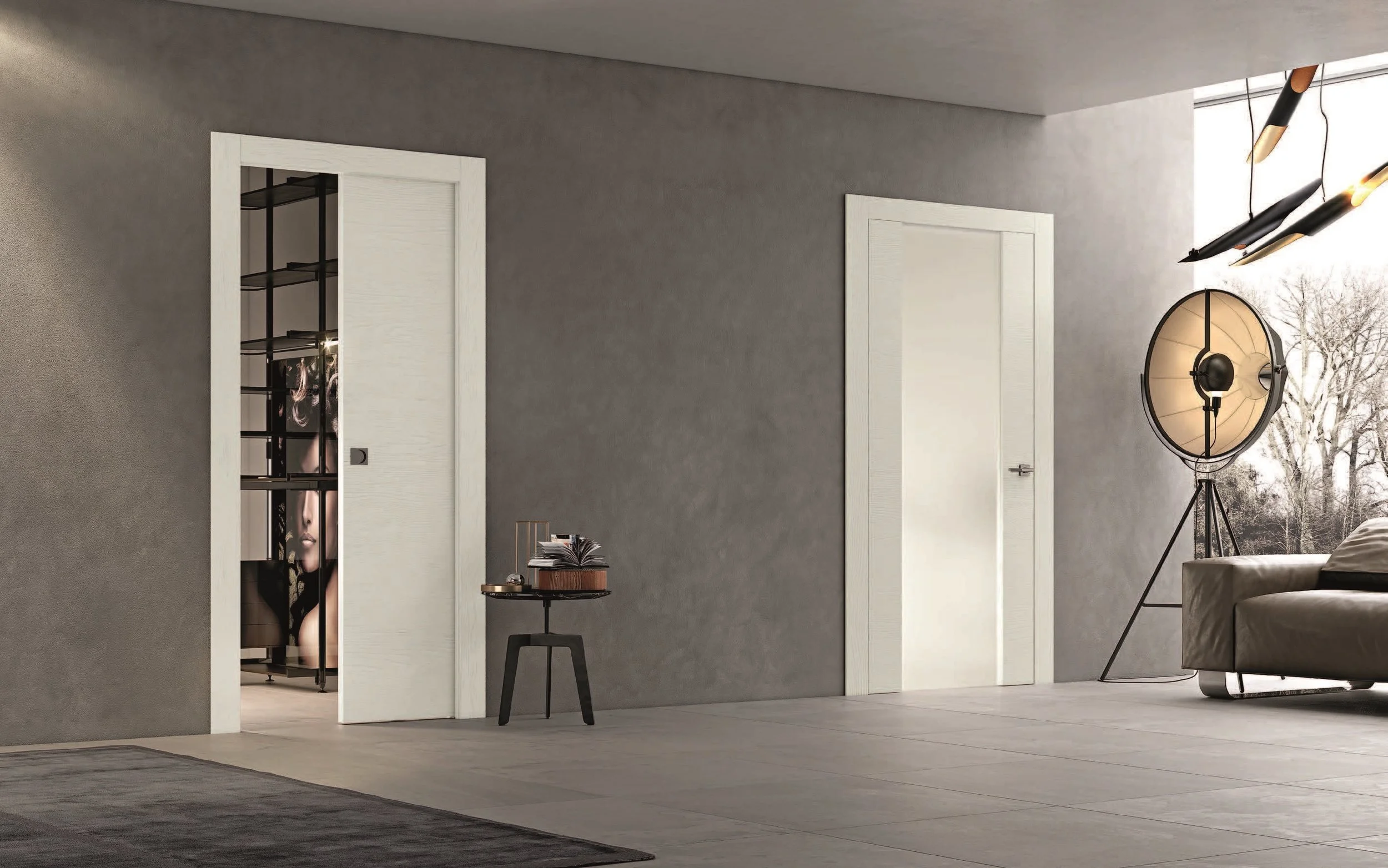
Relate FAQ
What is a panel door?
A panel door is a type of door that is constructed with a frame that supports multiple panels of wood, glass, or other materials. These panels can be flat or raised, and the design is often used for aesthetic appeal and functionality. Panel doors are popular in residential and commercial spaces due to their strength, versatility, and classic look.
How is a panel door different from a flush door?
Panel doors differ from flush doors primarily in their construction. While panel doors feature a frame with multiple panels, flush doors have a flat, smooth surface without any raised or recessed sections. Panel doors tend to have a more traditional, detailed appearance, whereas flush doors are sleek and modern, often used in contemporary settings.
What are the benefits of panel doors?
- Durability: Panel doors are generally stronger and more durable than flush doors, making them ideal for areas with heavy traffic.
- Aesthetic Appeal: The intricate design of panel doors adds a touch of elegance and charm to any space, complementing traditional and modern interiors.
- Customization: Panel doors can be designed with various materials, finishes, and styles, offering plenty of customization options to match your home decor.
- Insulation: The multi-panel design can improve the door's insulation properties, providing better sound and temperature control.
Are panel doors suitable for exterior use?
Yes, panel doors can be used for both interior and exterior applications. However, choosing weather-resistant materials, such as solid wood, fiberglass, or steel, is crucial for exterior doors. Exterior panel doors often have a thicker core for enhanced security and insulation.
What materials are used for panel doors?
Panel doors are typically made from a variety of materials, including:
- Wood: The most traditional and elegant option, offering a natural, timeless look.
- MDF (Medium Density Fiberboard): A more affordable alternative that can mimic the appearance of wood.
- Fiberglass: Ideal for exterior applications due to its durability and resistance to the elements.
- Steel: Steel panel doors are often used for security doors, which provide strength and protection.
Can panel doors be painted or stained?
Yes, panel doors can be painted or stained to match your preferred color scheme. Wooden panel doors can be stained to enhance the natural grain, while MDF or fiberglass can be painted in any color. Be sure to choose a high-quality paint or stain for long-lasting results, especially for exterior doors exposed to the elements.
How do you maintain a panel door?
Maintaining a panel door is simple, and regular upkeep can extend its lifespan:
- Cleaning: Dust and wipe down the door regularly using a soft cloth to prevent dirt build-up.
- Inspecting: Check for any cracks, dents, or signs of wear, especially around the panels and frame.
- Repainting/Staining: Over time, repainting or staining can help maintain the door's appearance and protect it from environmental damage.