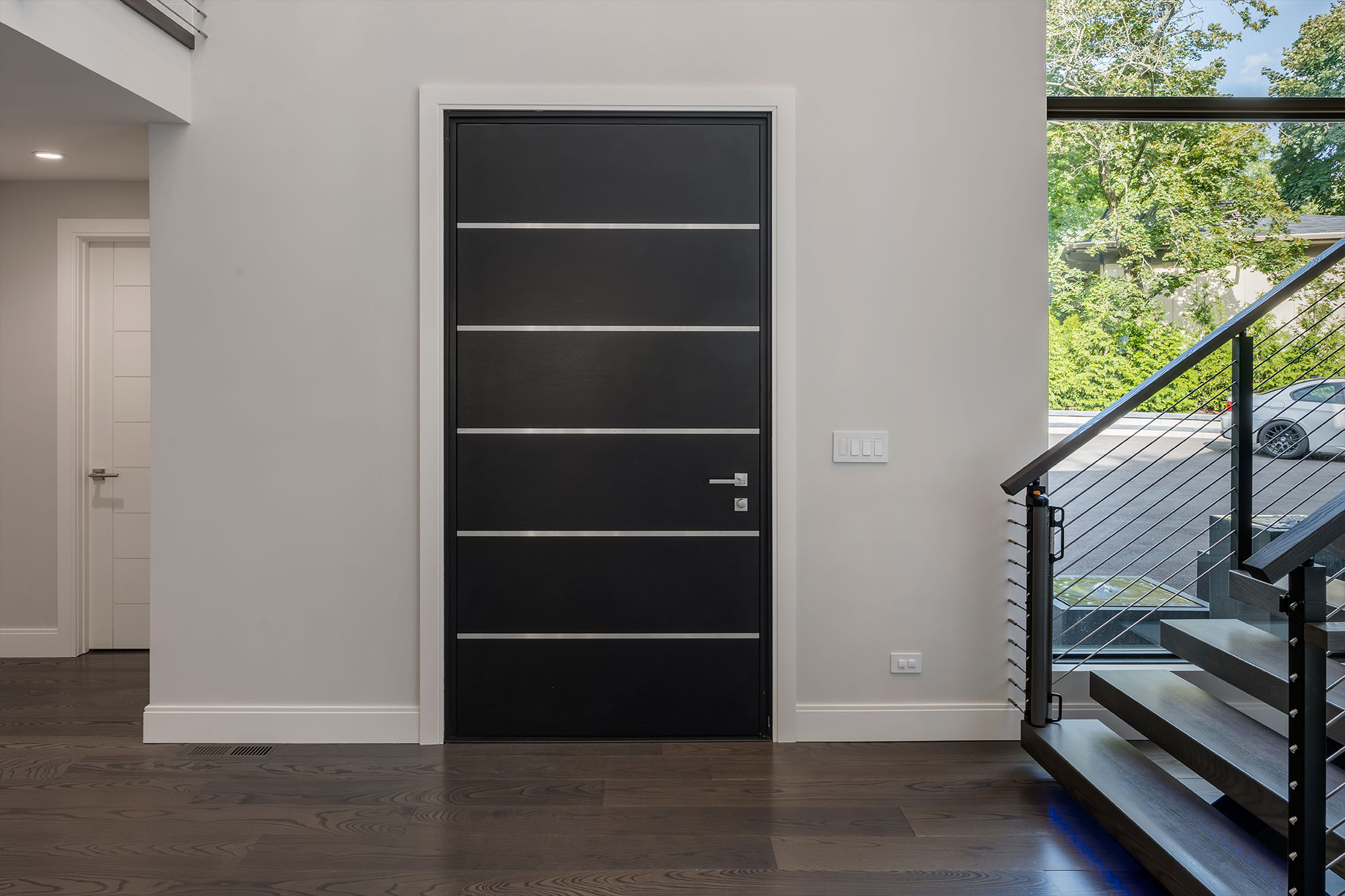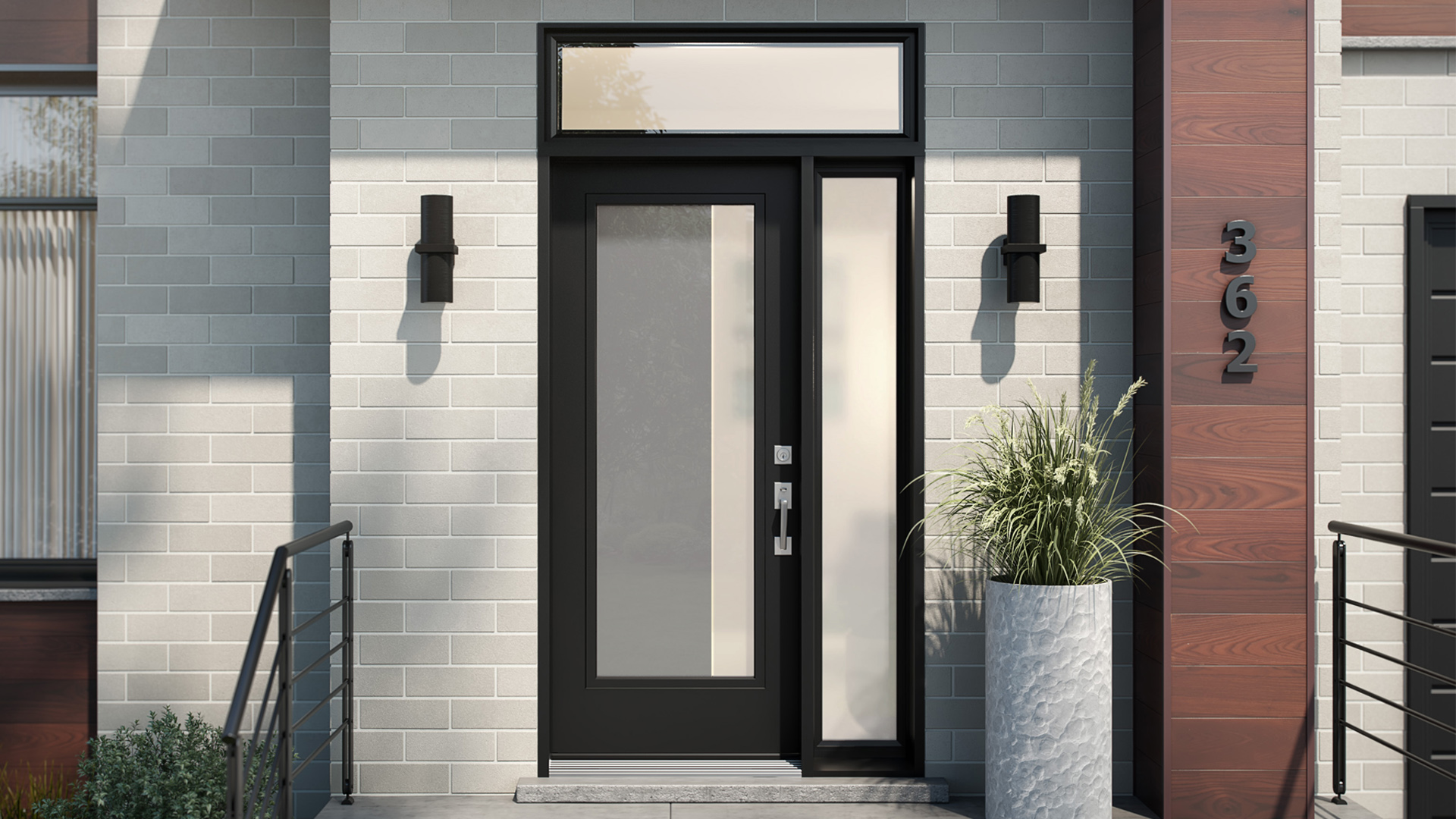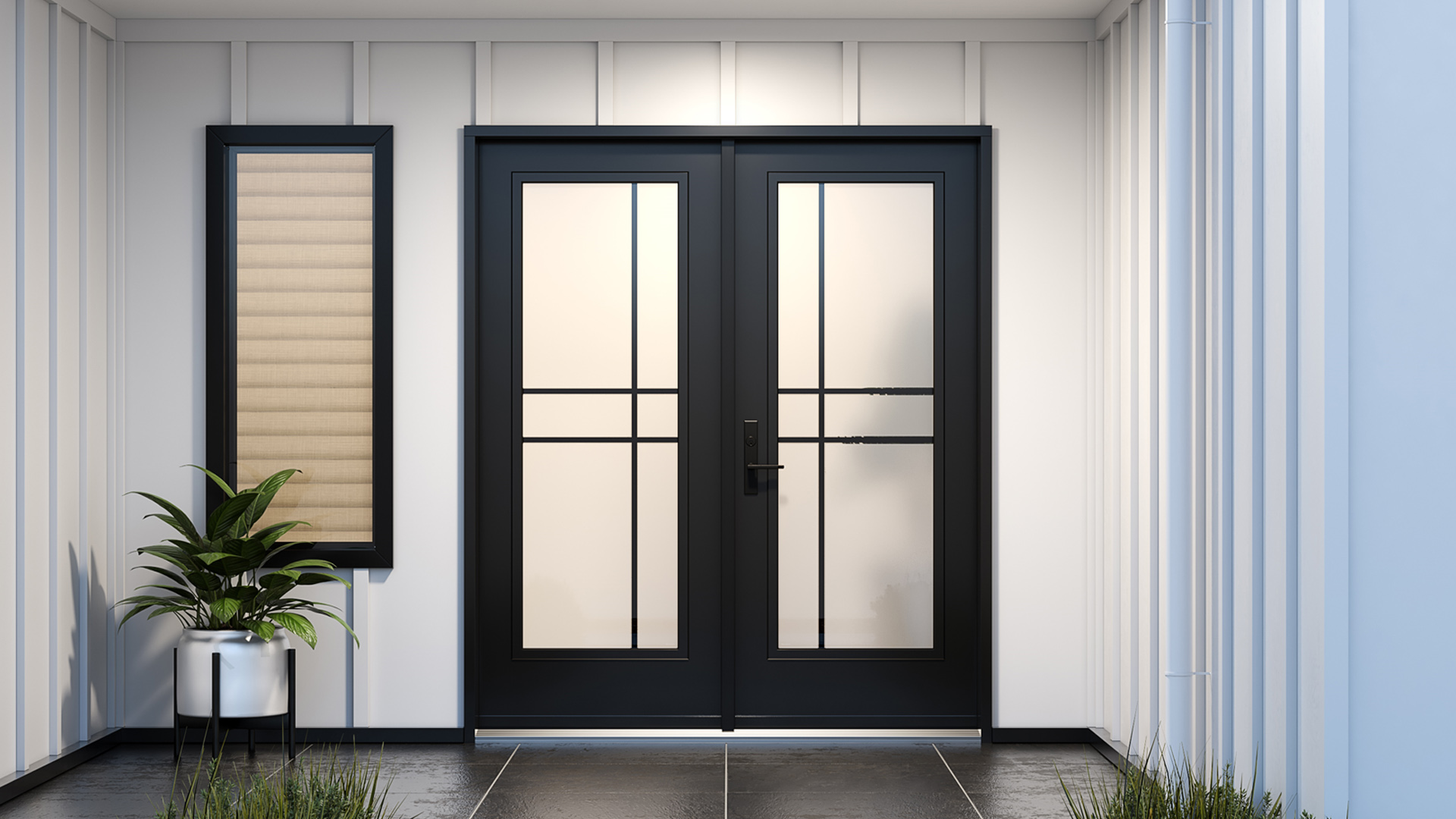
What is a flat panel interior door?
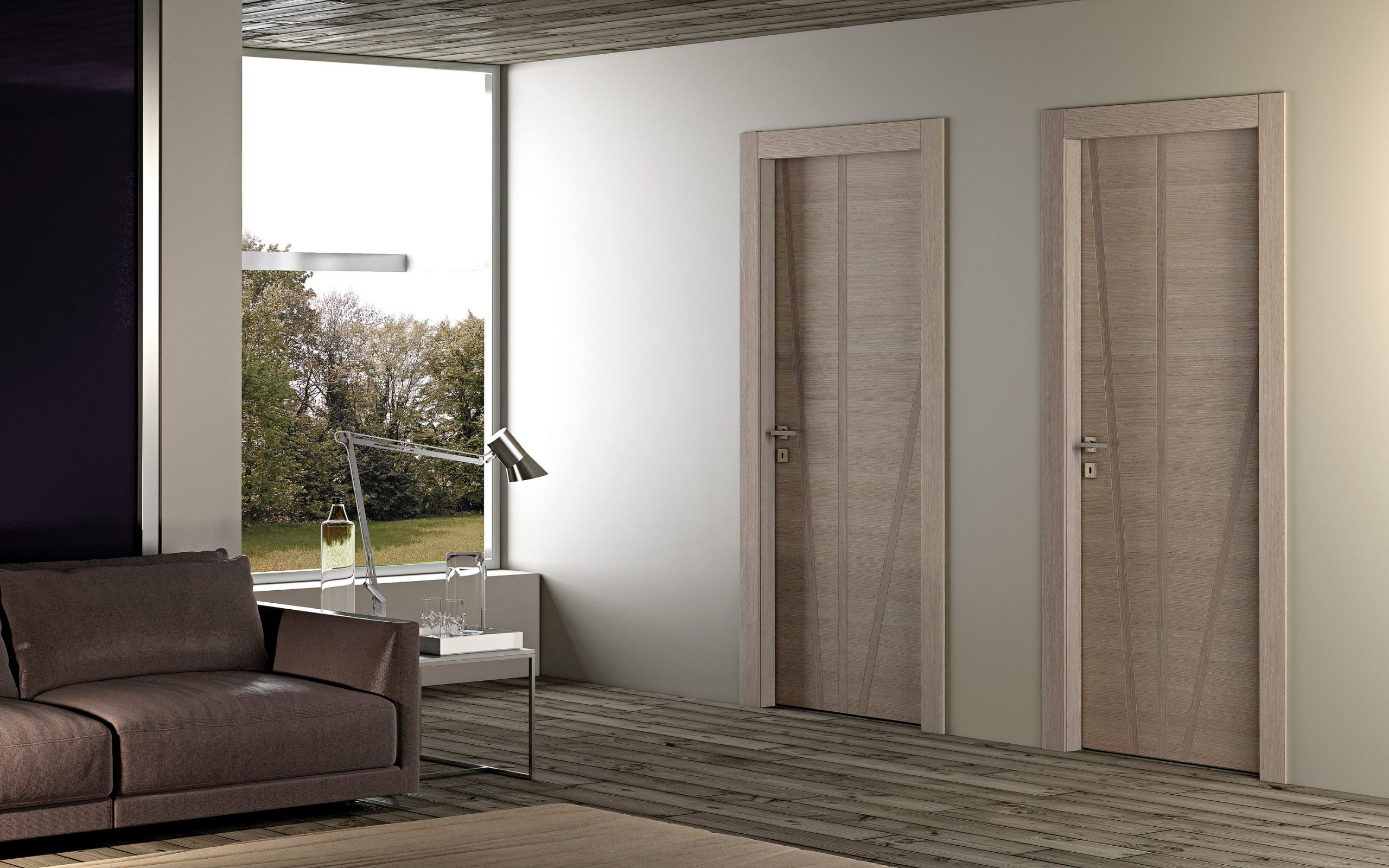
What is a Flat Panel Interior Door?
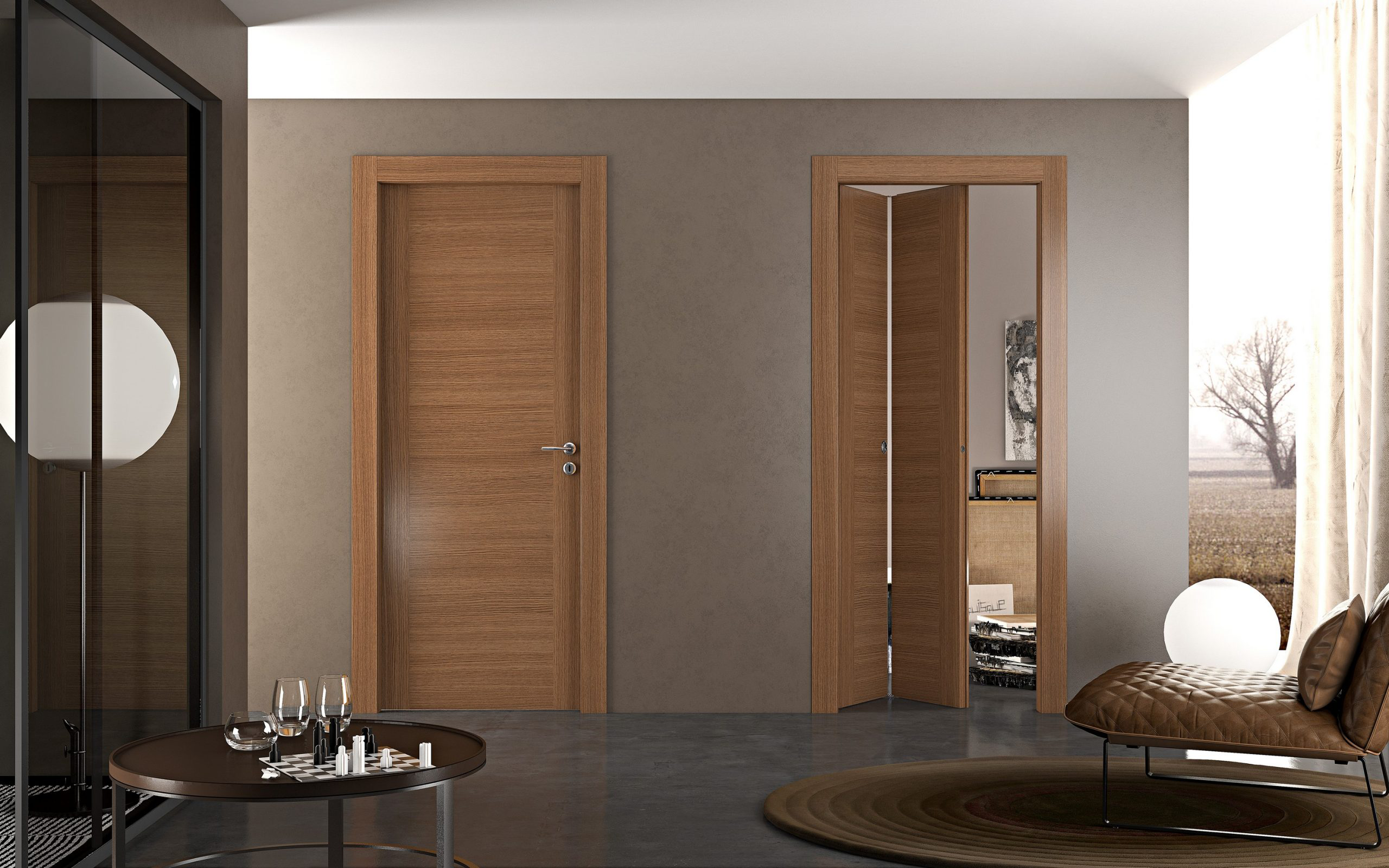
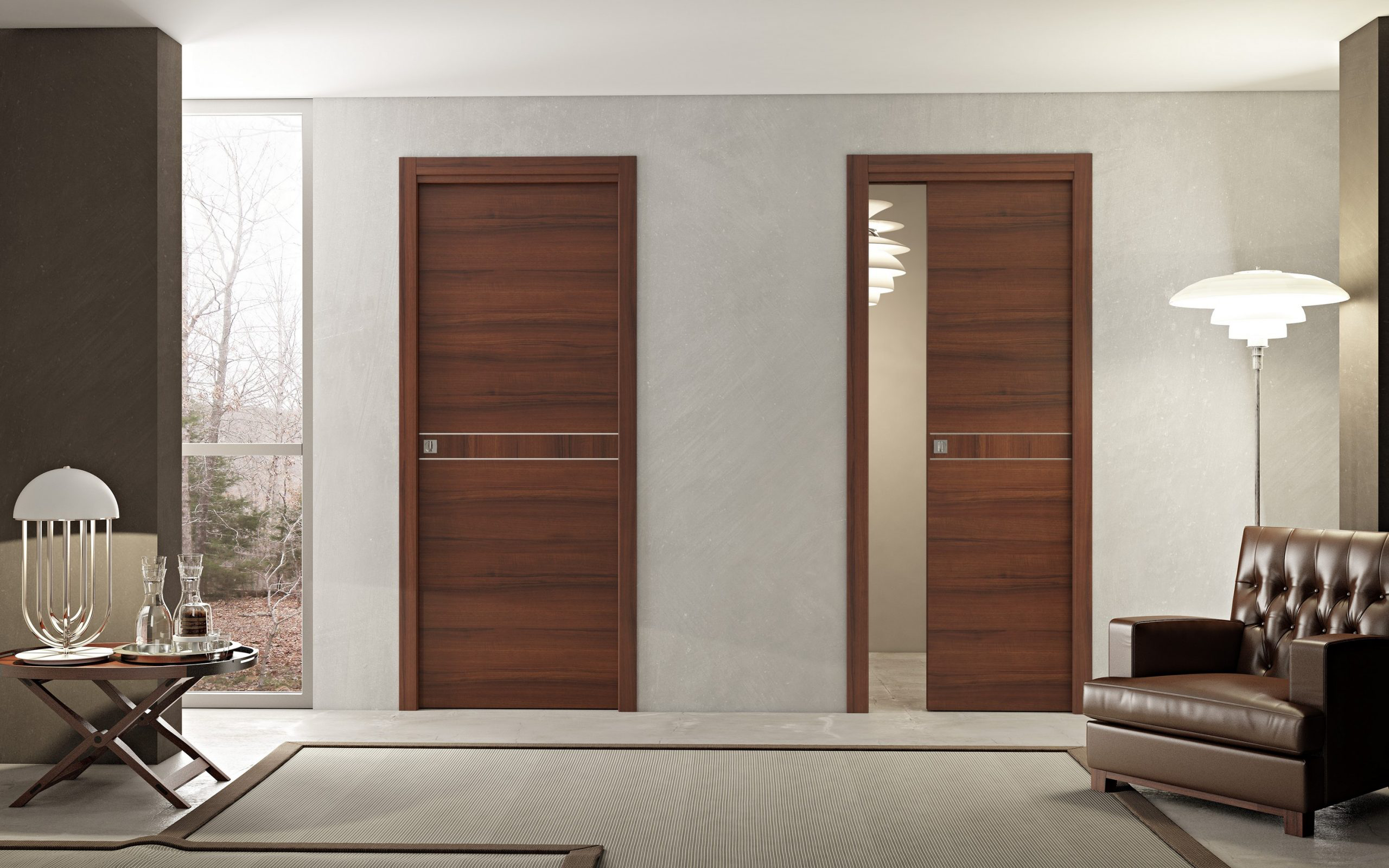
A flat panel interior door is a modern design that features a sleek, minimalist look. It’s a simple door style, usually constructed with a flat, smooth surface rather than having any raised panels or intricate designs. The clean lines and smooth surface of flat panel doors make them an excellent choice for contemporary homes or offices that value style and function.
Many homeowners also opt for flat panel doors because they’re available in various materials, such as wood, MDF (medium-density fiberboard), and composite materials. These doors can be used for various interior spaces, from bedrooms to bathrooms, and even in more specialized areas like fire-rated rooms.
Quick Introduction to Flat Panel Doors
Flat panel doors are known for their versatility and simplicity. Unlike traditional raised panel doors, which have a more ornate look, flat panel doors keep things clean and streamlined. The flat design often gives them a modern, sophisticated feel that can complement various interior designs, from rustic to contemporary. Whether renovating a single room or building a new house, flat panel doors are an excellent choice for interior doors.
Flat panel doors are even more appealing because they come in both hollow core and solid core versions. Hollow core flat panel doors are lighter and more affordable, while solid core flat panel doors offer better soundproofing and increased durability. These doors are also commonly used as fire doors, especially in commercial spaces or places where safety is a priority. Fire doors are designed to slow the spread of fire, and flat panel doors can be fitted with fire-rated cores to meet safety regulations.
Key Features and Characteristics
Flat panel interior doors have several defining features that set them apart from other door types. Let’s dive into these characteristics:
1. Sleek, Modern Design:
The flat surface gives these doors a clean, minimalistic look. There are no raised panels, carvings, or other embellishments, which provides them with a streamlined appearance. This makes them a popular choice for contemporary homes and offices.
2. Variety of Materials:
Flat panel doors can be made from various materials. Common options include wood, engineered wood (like MDF), or composite materials. Each material offers different benefits, whether it’s wood’s natural beauty or MDF’s durability and affordability. Composite materials can also be fire-resistant, making them an excellent option for areas where fire safety is important.
3. Fire Door Compatibility:
One of the key advantages of flat panel doors is their compatibility with fire door requirements. Fire-rated flat panel doors are built to meet strict safety standards. These doors are often used in commercial buildings, high-traffic areas, or any place where fire safety is a priority. Fire doors are made with materials and construction methods that prevent the spread of fire, giving you peace of mind and added protection.
4. Energy Efficiency:
Flat panel doors, especially solid core ones, are great at insulating. They can help keep your home cooler in the summer and warmer in the winter, making them energy-efficient. The solid core adds extra strength and soundproofing, which is ideal for bedrooms or home offices where you need privacy and quiet.
5. Customization Options:
Flat panel doors can be customized in various ways. From choosing the right material to selecting the finish and color, these doors can be tailored to match any interior. Some people even add glass panels or decorative trim to enhance the design.
6. Durability and Low Maintenance:
These doors are known for their durability. They are less likely to warp, crack, or split than other doors. Additionally, their smooth surfaces make them easy to clean and maintain, requiring just an occasional wipe-down to keep them looking fresh.
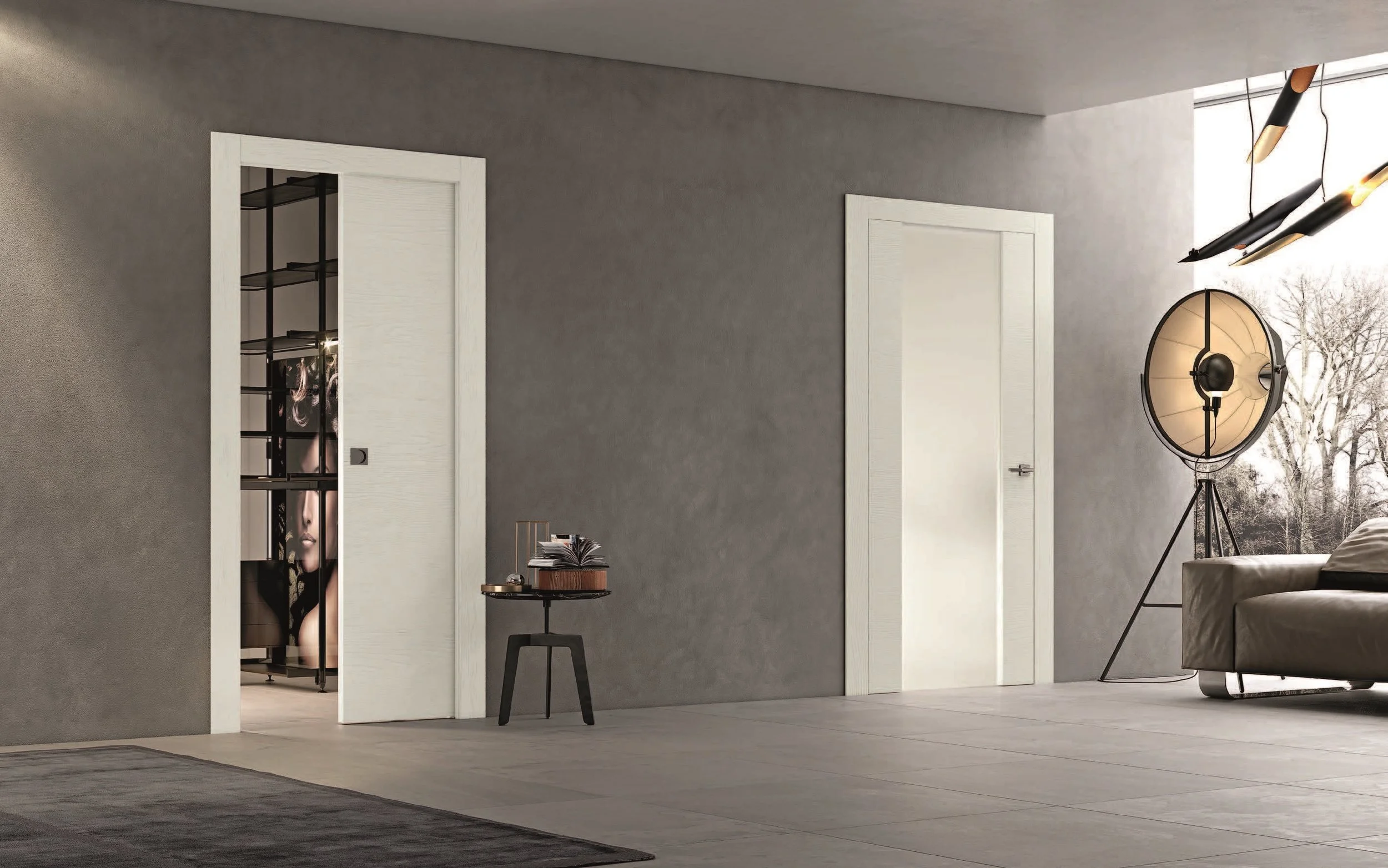
Types of Interior Door
A flat panel interior door is a modern and practical choice that blends well with various home styles. It’s a straightforward door design with a flat, smooth surface without the raised panels or ornate designs seen in other types of doors. This simplicity makes it an attractive option for homeowners looking for a clean, minimalist aesthetic. Let’s dive into the basic details of flat panel doors, including their definition, materials, and design appeal.
Definition of Flat Panel Door
A flat panel or flush door is an interior door with a flat surface, typically with a single, uninterrupted design. Unlike raised panel doors, which have additional layers or contours, flat panel doors have a smooth, uniform face. These doors are often used in modern and contemporary spaces due to their sleek and simple appearance.
The construction of a flat panel interior door usually includes a solid or hollow core surrounded by a frame, but the face remains entirely flat. Some flat panel doors feature a small border around the edge, but the overall design is still minimal and streamlined. This door type is ideal for residential and commercial spaces where functionality, simplicity, and style matter.
Materials Used in Flat Panel Door
Flat panel doors can be made from various materials, each offering benefits depending on the space’s needs. Here are the most common materials used for flat panel interior doors:
1. Wood:
Solid wood is a traditional material for flat panel doors, known for its natural beauty and durability. Wood provides a timeless look that fits many home designs. The popular oak, maple, and cherry choices offer a unique grain pattern and color. However, solid wood can be expensive and requires more maintenance than other materials.
2. MDF (Medium-Density Fiberboard):
MDF is a popular choice for flat panel doors due to its affordability and smooth, even surface. It’s made from wood fibers and resin, which are compressed to create a dense, strong material. MDF is often used in modern interior doors because it can be painted easily and provides a more uniform finish than natural wood. It’s also resistant to warping and cracking, making it an excellent choice for high-humidity areas.
3. Composite Materials:
Composite materials, such as engineered wood, are designed to mimic the look of natural wood while offering additional benefits. These materials are typically more affordable than solid wood and often come with better moisture resistance, making them ideal for bathrooms or kitchens. Composite doors can also be fire-resistant when treated, adding an extra layer of protection.
4. Glass Panels:
Some flat panel interior doors incorporate glass elements for an updated look. This can range from small glass inserts to larger panels. These doors are great for spaces that need a touch of elegance or allow more natural light into a room. Glass flat panel doors are commonly used for office spaces, entryways, or rooms that open to a balcony or patio.
5. Steel and Aluminum:
For more industrial or modern settings, steel and aluminum flat panel doors offer durability and a sleek appearance. These materials are often used in commercial spaces or as exterior doors. They provide enhanced security and resist the elements, though they are less common for traditional interior doors in residential homes.
Design and Aesthetic Appeal
The design of a flat panel door is its strongest feature. These doors are often chosen for their clean, minimalist look, which works well in modern homes, offices, and even some traditional spaces. The simplicity of a flat panel door allows it to blend seamlessly with any decor, whether the style is contemporary, industrial, or rustic.
1. Modern and Clean Lines:
One of the most striking features of a flat panel door is its ability to add sleek, clean lines to any room. The flat surface and lack of raised panels make it a popular choice for homes with a minimalist or modern design. The simplicity of the design ensures that the door doesn’t distract from other elements in the room, allowing furniture and decor to take center stage.
2. Versatility in Finishes:
Flat panel doors are incredibly versatile in terms of finishes. Whether you prefer a natural wood finish, a painted color, or a sleek matte look, endless possibilities exist. This flexibility makes flat panel doors suitable for all interior spaces, from bedrooms and bathrooms to living rooms and kitchens. For example, a flat panel door with a dark, stained wood finish can create a warm, inviting atmosphere, while a white-painted flat panel door can add brightness and contrast to a room.
3. Customizable for Any Style:
One of the biggest advantages of flat panel interior doors is the ease of customization. Whether you want to add a decorative trim, incorporate glass panels, or change the door’s hardware, flat panel doors provide a flexible base for personalization. They can be adapted to suit various interior themes, from ultra-modern lofts to cozy cottages.
4. Subtle Texture and Interest:
Flat panel doors are typically smooth but can be enhanced with subtle textural details. For instance, some flat panel doors feature a slightly raised border around the edges, adding a hint of depth and interest. These small details help to break up the flat surface without detracting from the overall minimalist look.
Conclusion
Flat panel doors are a stylish and practical option for any interior space. Their simple, clean design fits well in various architectural styles, and they can be made from materials like wood, MDF, and composite options to suit different needs and budgets. With the added option of custom designs, flat panel doors are a versatile solution that combines aesthetics with functionality.
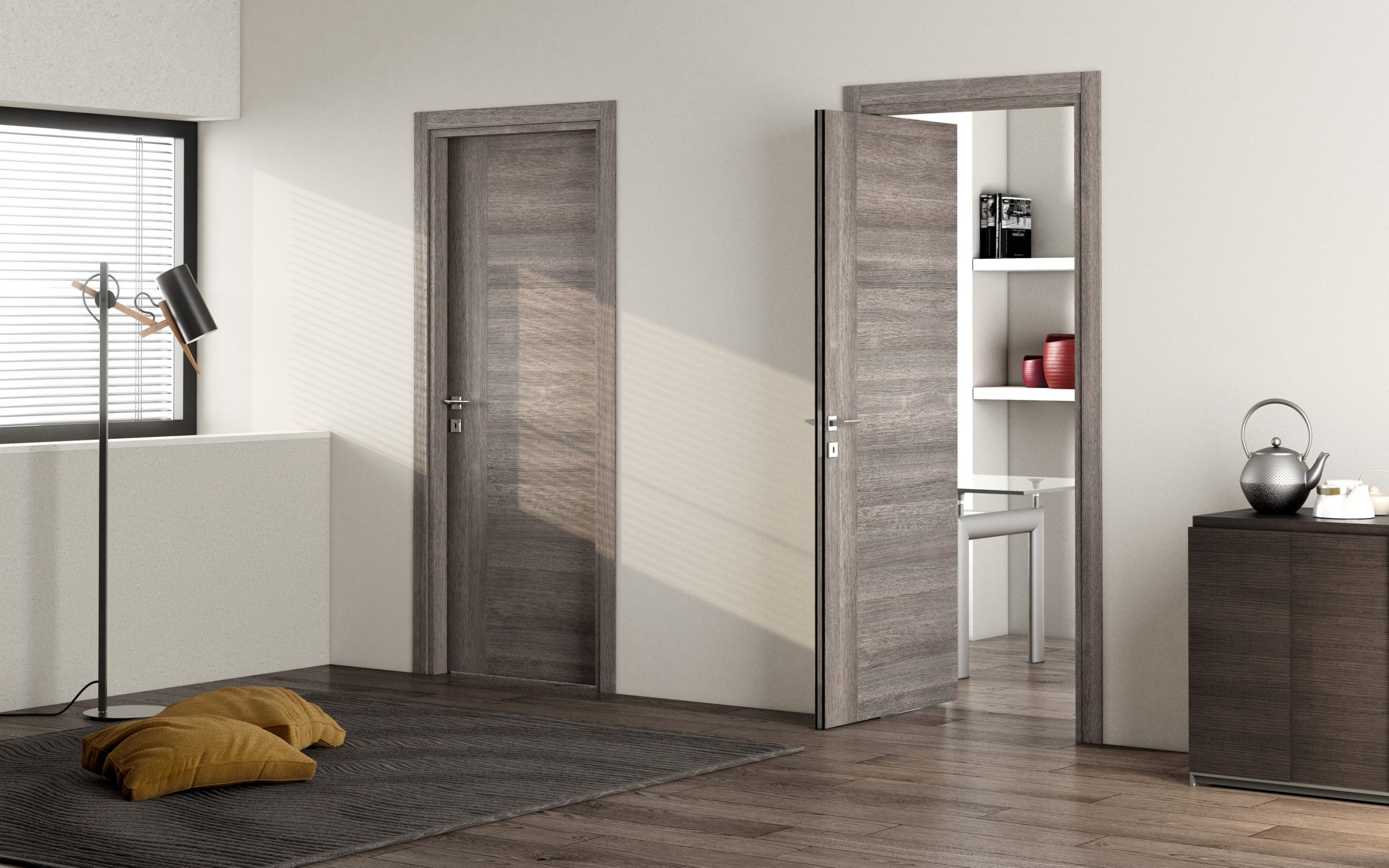
How Does a Flat Panel Door Differ from Other Interior Door?
Flat panel interior doors are becoming increasingly popular for their sleek, minimalistic design. But how do they compare to other interior doors, like raised panel doors? Let’s explore the differences and the benefits of choosing a flat panel door over more traditional designs.
Comparison with Raised Panel Door
Raised panel doors are one of the most common interior door styles that’ve been around for centuries. These doors feature panels above the door’s surface, creating a more textured and ornate look. On the other hand, flat panel doors, as the name suggests, have a completely flat surface without any raised features. Let’s break down how they differ:
1. Design and Aesthetic:
Raised panel doors have a more traditional, classic appearance. Their intricate design adds texture and depth, often making them the focal point of a room. They are perfect for homes with traditional, rustic, or formal decor. In contrast, flat panel doors are sleek, simple, and modern. The lack of raised panels gives them a clean, minimalistic look that is perfect for contemporary or minimalist interiors. Flat panel doors blend effortlessly with modern design trends, whereas raised panel doors make more of a statement.
2. Construction and Materials:
Raised panel doors are typically made of solid wood, with the panels either carved into the door or inserted into a frame. This construction method requires more material and craftsmanship, often making raised panel doors heavier and more expensive. Flat panel doors, however, can be made from various materials like MDF, composite, or engineered wood, making them more affordable. The construction is also simpler, which can reduce production time and cost.
3. Customization:
While both flat panel and raised panel doors can be customized, flat panel doors offer more flexibility in design. You can easily change the finish, add glass inserts, or add additional trim to suit your taste. Raised panel doors have more complex details and might not offer the same level of versatility in customization. However, raised panel doors have charm, especially in traditional or high-end settings.
Benefits of Flat Panel Doors Over Traditional Designs
While raised panel doors have their place, flat panel doors offer several advantages that make them a better option for many interior spaces. Here are some of the key benefits:
1. Simplicity and Modern Appeal:
Flat panel doors are perfect for a clean, modern look. Their minimalist design gives any room a fresh, contemporary feel. Unlike traditional interior doors with raised panels, which look bulky or ornate, flat panel doors maintain a simple and sleek profile. This makes them ideal for modern homes, offices, or any space where less is more.
2. Cost-Effective and Lightweight:
Compared to raised panel doors, flat panel doors are usually more affordable. They require less material, making the construction process quicker and more straightforward. Additionally, because flat panel doors are often lighter than their raised panel counterparts, they are easier to handle and install. Flat panel doors are a great choice if you’re working within a budget or need a cost-effective option for many doors.
3. Easy to Maintain:
One of the most significant advantages of flat panel doors is their low maintenance requirements. The smooth surface of the door makes it easier to clean and maintain. There are no raised areas where dust and dirt can accumulate, so wiping down the door is quick and easy. With their textured surface and grooves, raised panel doors can be more challenging to clean, especially in high-traffic areas.
4. Better for Modern Homes and Open Floor Plans:
Flat panel doors blend seamlessly into open-concept homes and modern spaces where clean lines and simplicity are preferred. Raised panel doors, with their detailed features, may not always work well in open floor plans where you want the space to feel airy and expansive. Flat panel doors are often chosen for their ability to blend in and not overpower the room’s design elements.
5. Fire Door Compatibility:
Flat panel doors are often used as fire doors in commercial or residential spaces. These doors can be fitted with fire-rated cores that help slow the spread of flames and smoke in an emergency. While raised panel doors can also be used as fire doors, flat panel doors are typically more affordable. They can be customized to meet fire safety standards without compromising design or functionality.
6. Energy Efficiency and Insulation:
Flat panel doors, excellent core models, offer excellent insulation. The solid core can help regulate temperature, making these doors more energy-efficient. They can keep your home warmer in the winter and cooler in the summer, helping to lower energy bills. Raised panel doors, particularly those with hollow cores, may not offer the same level of insulation.
Conclusion
In conclusion, while raised panel doors bring a sense of tradition and luxury, flat panel doors offer a more modern, cost-effective, and practical solution. Their sleek design, versatility, and easy maintenance make them popular for homeowners and businesses looking to create a contemporary, minimalist space. Whether renovating your home or choosing doors for a new build, flat panel doors provide a stylish and functional option for any interior.
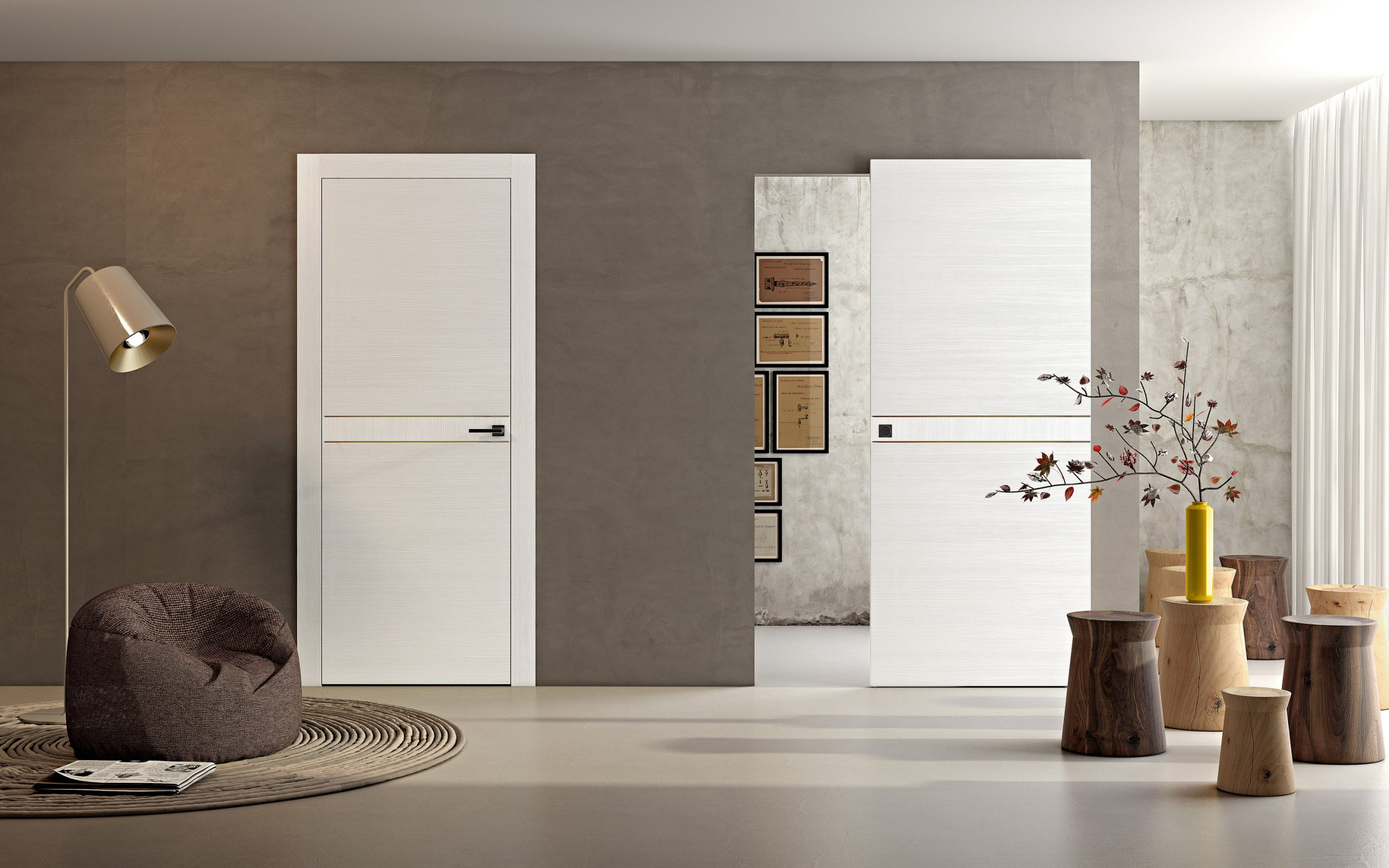
Types of Flat Panel Interior Door
When it comes to choosing flat panel interior doors, you’ll find a variety of options, each offering unique benefits. Whether you need extra durability, better soundproofing, or a custom design, there’s a flat panel door for every need. Let’s look at the different types of flat panel doors available.
Solid Core Flat Panel Doors
Solid core flat panel doors are designed for durability and strength. Unlike their hollow core counterparts, these doors have a solid core made from materials like MDF or particleboard. This makes them heavier, more solid, and better at providing insulation and soundproofing.
1. Durability and Strength:
Solid core doors are known for their durability. They’re less likely to warp or dent compared to hollow core doors. The solid construction also makes them an excellent option for high-traffic areas in your home, like the living room, hallway, or office.
2. Soundproofing:
One of the key advantages of solid core flat panel doors is their ability to block sound. The dense core absorbs sound waves, making it an excellent choice for rooms that need privacy or noise reduction, such as bedrooms or home offices.
3. Fire Safety:
Solid core flat panel doors are often used as fire-rated doors. Because of their dense structure, they can help prevent the spread of fire and smoke, a crucial safety feature for residential and commercial buildings. If you’re looking for an interior door that doubles as a fire door, a solid core option is a top choice.
4. Insulation and Energy Efficiency:
Solid core doors also provide better insulation. They can help maintain the temperature in a room by blocking out drafts. This energy-efficient feature makes them ideal for rooms where you want to conserve heat or cool air, ultimately saving energy bills.
Hollow Core Flat Panel Doors
Hollow core flat panel doors are lighter and more affordable than solid core doors. These doors are constructed with a lightweight honeycomb core, yet still sturdy enough to serve as a reliable interior door.
1. Lightweight and Affordable:
Hollow core flat panel doors are much lighter than solid core doors, making them easier to handle and install. Their lower weight makes them a cost-effective choice for homeowners updating multiple doors without breaking the bank.
2. Less Soundproofing:
While hollow core doors can provide some sound insulation, they don’t offer the same level of soundproofing as solid core doors. Solid core doors are a better choice if you need doors that block out noise completely. However, hollow core doors still offer decent privacy and noise control for most standard living spaces.
3. Space-Saving:
Hollow core doors are lighter and easier to handle and install. They’re also a good choice for homes where you want to conserve space. These doors are often used in smaller spaces or areas without prioritizing soundproofing and heavy insulation.
4. Design and Variety:
Hollow core flat panel doors come in various designs and finishes, making them a versatile option for most interior spaces. They can be painted or stained to match any décor, and their smooth, flat surface makes them an excellent choice for modern and minimalist interiors.
Custom Flat Panel Doors
Custom flat panel doors offer the ultimate flexibility in design and functionality. Bespoke doors are the way to go if you want to create a unique look that perfectly matches your space. These doors can be tailored to your specifications, from material selection to finish and size.
1. Design Flexibility:
With custom flat panel doors, you can choose the exact material, size, and finish you want. Whether you prefer a natural wood finish, a modern painted look, or even a glass insert, custom doors allow you to create the perfect match for your interior. This level of customization is ideal for homeowners who want a door that complements their style.
2. Unique Features:
Custom doors can include various features to meet your needs. Add decorative trim, glass panels, or even unique hardware to make your door stand out. For example, adding frosted glass panels can bring a touch of elegance to your door while allowing natural light to pass through.
3. Perfect Fit:
Custom flat panel doors are the best solution if you have non-standard doorframes or need a door that fits a particular space. These doors can be made to any size, ensuring they fit perfectly within your existing doorframe, without needing adjustments or modifications.
4. Enhanced Functionality:
Custom flat panel doors can also be built to meet specific functional requirements. Whether you need a fire-rated door, a soundproof door, or a door with enhanced durability, a custom option can be tailored to suit your exact needs. This is particularly useful for commercial spaces or rooms that require specific features like extra security or fire resistance.
Conclusion
In summary, whether you choose solid core, hollow core, or custom flat panel doors, each type offers unique benefits for different needs. Solid core doors provide extra durability and soundproofing, while hollow core doors are a lighter, more budget-friendly option. Custom doors give you the ultimate flexibility to create a design that perfectly fits your space.
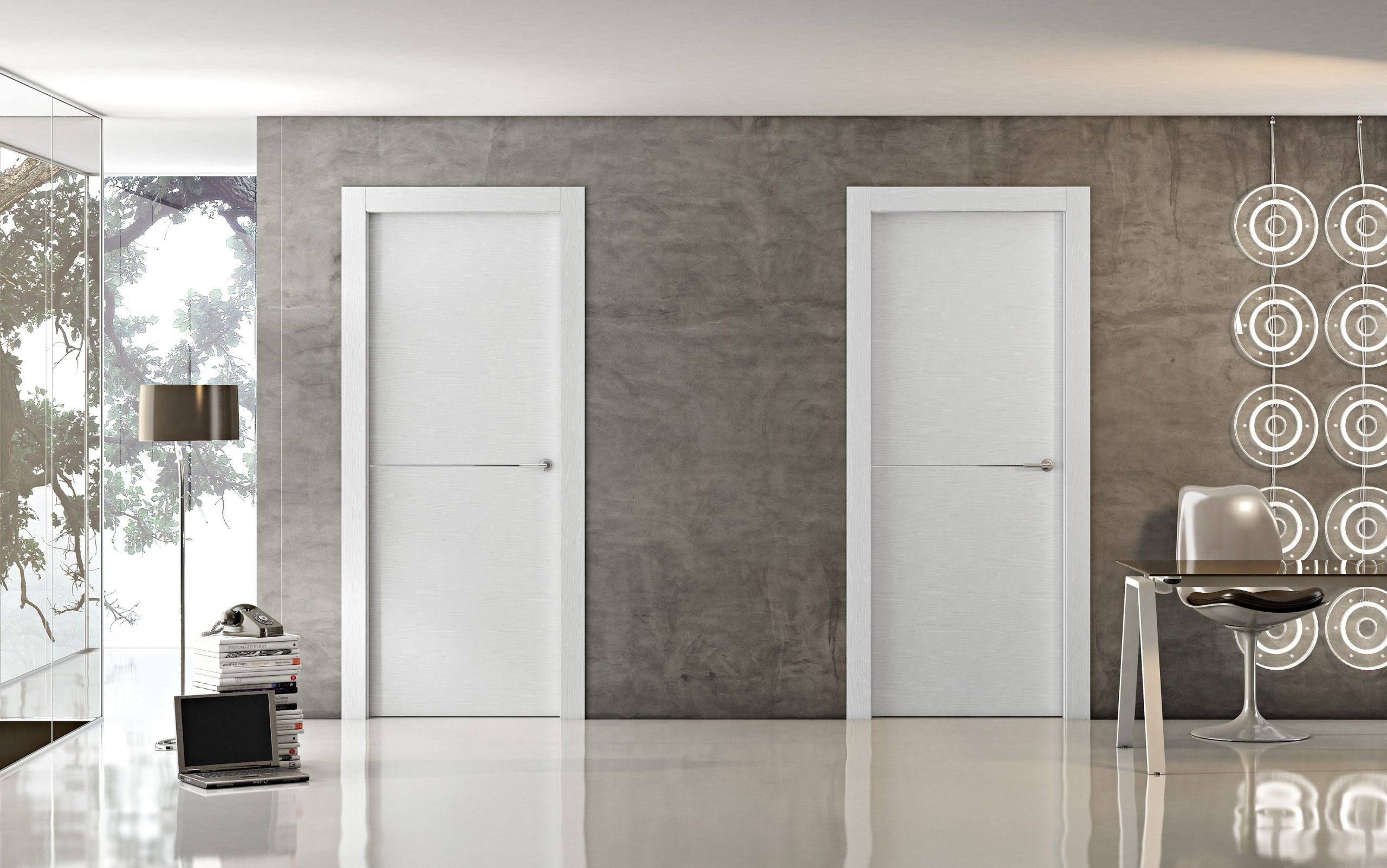
Why Choose a Flat Panel Interior Door for Your Home?
Flat panel interior doors are becoming an increasingly popular choice for homeowners. Their sleek design, versatility, and practical benefits make them a great addition to any space. Whether renovating your home or building a new one, you should consider flat panel doors for your interior.
Style and Versatility
One of the main reasons homeowners choose flat panel doors is the style and versatility they offer. These doors fit well with various interior design themes, from modern and minimalist to traditional and rustic. The clean, smooth surface of flat panel doors provides a simple, yet elegant look that complements any decor.
1. Simple, Clean Aesthetic:
Flat panel doors have a sleek and simple design, making them perfect for modern interiors. Their flat surface adds a minimalistic touch that doesn’t overwhelm a room. Flat panel interior doors are an excellent choice if you want to create a contemporary, open feel in your home. They blend seamlessly into any room without taking the focus away from your other design elements.
2. Matches Various Decor Styles:
Whether your home features traditional wood furniture or modern, minimalist decor, flat panel doors are versatile enough to complement any style. For example, a flat panel door with a natural wood finish can bring warmth and texture to a rustic or farmhouse-style home, while a white-painted flat panel door adds a clean, fresh look to a contemporary space. This adaptability makes flat panel doors popular for homes with open floor plans or mixed design elements.
3. Customizable to Suit Your Needs:
Flat panel doors offer plenty of customization options if you want to personalize your space. You can select from different materials and finishes and add glass panels for an elegant touch. Whether you prefer a smooth, matte finish or a more textured, wood-grain look, you can tailor flat panel doors to fit your vision. This flexibility ensures that flat panel doors can suit any interior design project.
4. Perfect for Small Spaces:
The minimalistic design of flat panel doors works well in smaller spaces where you want to avoid clutter. Their clean lines help create a sense of openness, making rooms appear larger and brighter. Flat panel doors in apartments or compact homes provide a streamlined, functional solution without compromising style.
Cost-Effectiveness and Durability
Flat panel interior doors are not only stylish but also highly practical. They offer great value for money and can withstand the test of time. Here’s why flat panel doors are a cost-effective and durable option for your home:
1. Affordable Price Point:
Flat panel doors are more affordable than other interior door styles, such as raised panel doors. They are simpler in design and require fewer production materials, which helps keep costs down. Whether you’re replacing doors in a single room or throughout your entire home, flat panel doors provide a cost-effective way to update your space without overspending. This makes them an excellent choice for budget-conscious homeowners.
2. Lower Maintenance Costs:
One of the main advantages of flat panel doors is their low maintenance. Because the surface is smooth, they are much easier to clean than textured or carved doors. You won’t have to worry about dirt getting trapped in grooves or decorative features. Regular cleaning with a damp cloth is usually enough to keep your flat panel doors looking new. This simple upkeep can save you money on repairs and maintenance in the long run.
3. Built to Last:
Flat panel doors are designed for durability. While their minimalistic design may seem simple, these doors are made to stand the test of time. Whether you opt for a solid core or hollow core version, flat panel doors are built to handle everyday use. In particular, solid core flat panel doors offer excellent durability, with a sturdy structure that resists warping and dents. Even hollow core doors, which are lighter, provide a reliable solution for standard interior use.
4. Energy Efficiency:
Many flat panel doors, especially those with solid cores, provide better insulation than other doors. They can help maintain the temperature in your home, keeping it warmer in the winter and cooler in the summer. These doors can lower your heating and cooling costs by improving your home’s energy efficiency. Flat panel doors are an affordable, practical choice for anyone looking to make their home more energy-efficient without breaking the bank.
5. Long-Term Value:
The combination of style, durability, and low maintenance makes flat panel interior doors a valuable investment. They’re not just a temporary solution; these doors will continue to look great and function well for years. The durability of flat panel doors makes them an ideal option for busy households or high-traffic areas. Whether building a new home or renovating an existing one, flat panel doors are a long-lasting choice that adds value to your property.
Summary
In summary, flat panel interior doors offer a perfect balance of style, versatility, and practicality. They are an affordable option for homeowners upgrading their space while maintaining a modern, sleek look. Their simple yet elegant design works in various settings, and their cost-effectiveness and durability make them a smart investment for the long term.
Installing Flat Panel Doors: What You Need to Know
Installing flat panel interior doors can be a simple yet rewarding project, whether upgrading your space or replacing old doors. Whether hiring a professional or taking the DIY route, preparing properly and avoiding common pitfalls is important. Here’s everything you need to know about installing flat panel doors in your home.
Preparing Your Space for Installation
Before diving into the installation process, getting your space ready is important. Proper preparation ensures a smooth and successful installation. Here are the key steps to follow:
1. Measure Your Doorframe:
Accurate measurements are crucial when installing a flat panel interior door. You need to measure your doorframe’s height, width, and depth to ensure the new door fits perfectly. Remember to account for the door’s thickness as well. Adjustments might need to be made if the doorframe is too narrow or too wide.
2. Remove the Old Door:
If you’re replacing an existing door, start by removing it. Use a screwdriver to remove the hinges and remove the door from the frame. If you’re not replacing the doorframe, check for any debris or leftover screws that could interfere with the new door.
3. Inspect the Frame:
Once the old door is removed, inspect the doorframe. Make sure it’s square and level. An uneven frame can cause the new door to stick or not close properly. If needed, adjust the frame to ensure it’s perfectly straight.
4. Prepare the Door and Hardware:
If you’ve bought a pre-hung flat panel door, ensure it’s properly assembled and all hardware is included. For doors that require additional hardware, such as handles or locks, install these before placing the door in the frame. This helps avoid mistakes during installation.
5. Ensure Adequate Clearance:
Ensure enough clearance around the frame before installing your new flat panel door. A gap of about 1/8 inch on all sides is recommended. This allows the door to swing smoothly and prevents it from rubbing against the frame.
Professional vs. DIY Installation
When installing flat panel doors, you have two options: hire a professional or take on the project yourself. Both have pros and cons, depending on your skills, time, and budget.
1. Professional Installation:
Hiring a professional to install your flat panel interior door ensures the job is done quickly and correctly. Professionals have the necessary tools, expertise, and experience to handle all the technical aspects of door installation. They can also handle tricky situations like adjusting uneven frames, installing fire-rated doors, or custom fitting doors to non-standard frames. However, professional installation can be more expensive than DIY, especially if you’re replacing multiple doors.
2. DIY Installation:
DIY installation can be a great option if you’re handy with tools and looking to save money. Installing flat panel doors is a manageable project for most homeowners, and with patience, you can get the job done yourself. Plenty of online tutorials and videos guide you through the process, making it easier than ever. Keep in mind that it will take time and effort to get everything right. If you encounter any issues during installation, you may need to call a professional for help, which can increase costs in the long run.
Common Mistakes to Avoid
Even with careful planning, it’s easy to make mistakes during the installation process. Avoid these common errors to ensure your flat panel interior door is installed properly:
1. Incorrect Measurements:
One of the most common mistakes is measuring the doorframe incorrectly. Be sure to double-check your measurements before purchasing your new flat panel door. Even a small mistake can cause the door to be too tight or too loose in the frame. Always measure twice and purchase a door that fits your frame precisely.
2. Not Checking the Level:
Installing a door that’s not level will cause it to hang crookedly, making it difficult to open or close. Use a level to ensure the frame and door are aligned properly before securing everything. This ensures the door operates smoothly and the gap around the edges is even.
3. Forgetting to Install the Hardware First:
Whether it’s a doorknob, handle, or lock, installing hardware before placing the door in the frame is crucial. Installing hardware after the door is hung can cause issues, as you might not have enough space to drill holes or align everything properly.
4. Not Leaving Enough Clearance:
It’s easy to forget to leave the proper gap around the doorframe. The door may rub against the frame without enough clearance, making it difficult to open and close. Always leave a small gap—about 1/8 inch—on all sides for smooth operation.
5. Ignoring the Hinges:
Another common mistake is improperly installing the hinges. The hinges should be aligned properly to ensure the door swings smoothly. If the hinges are installed incorrectly or placed too high or too low, the door may not hang correctly. Check the hinge placement before securing them.
6. Not Ensuring the Doorframe Is Square:
If your doorframe is out of square, the door may not fit properly, even if your measurements are correct. Use a square to check that the frame is aligned before you begin installation. An out-of-square frame can lead to issues such as doors that don’t close properly or uneven gaps around the door.
Summary
By following these tips and avoiding common mistakes, you can confidently install your flat panel interior door, whether you hire a professional or tackle the job yourself. Preparation goes a long way in ensuring a smooth and successful installation, leaving you with a beautiful, functional door that enhances your home.
How to Care for Your Flat Panel Doors?
Flat panel interior doors are a stylish and durable addition to any home, but like any part of your home, they need regular care to look their best. Proper maintenance can extend the lifespan of your door and keep it functioning smoothly. Here’s everything you need to know about caring for your flat panel doors.
Regular Maintenance Tips
Taking care of your flat panel door doesn’t have to be complicated. Regular cleaning and maintenance can help prevent wear and tear and keep your door looking great for years. Here are some simple tips to keep your interior door in top shape:
1. Clean the Surface Regularly:
One of the easiest ways to maintain your flat panel door is by keeping it clean. Dust and dirt can accumulate on the surface, making the door dull. Use a soft cloth or microfiber towel to wipe the door down. A damp cloth with mild soap should do the trick if the door is painted or smooth. Avoid using abrasive cleaners that can scratch the surface.
2. Check for Moisture and Humidity:
While flat panel doors are generally durable, exposure to high humidity or water can cause damage over time. Ensure your door is not exposed to excessive moisture, especially in bathrooms or kitchens. If you notice any signs of swelling or warping, consider installing a dehumidifier in the room or choosing a more moisture-resistant door material.
3. Lubricate Hinges and Hardware:
The hinges and hardware of your interior door need attention, too. Over time, hinges can become rusty or squeaky, making it hard to open and close the door. Apply a small amount of lubricant, such as WD-40 or another silicone-based product, to the hinges to keep them functioning smoothly. Regularly check the doorknob and locks for any issues, tightening any loose screws if necessary.
4. Inspect the Doorframe:
The frame surrounding your flat panel door also needs care. Check for any gaps or areas where the door might be sticking. A misaligned doorframe can cause the door to hang incorrectly or become difficult to operate. Adjust the frame or contact a professional to ensure everything is aligned properly.
5. Touch Up Paint or Finish:
If your flat panel door is painted or stained, it’s important to touch up any chips or scratches that may appear over time. Use a matching paint or finish to restore the door’s look. This small maintenance step can help protect the door’s surface from further damage and keep it looking fresh.
When to Refinish or Replace Your Flat Panel Door
Even with regular maintenance, flat panel interior doors may eventually need refinishing or replacement. Knowing when to take action can save you from more costly repairs in the future. Here’s when you should consider refinishing or replacing your door:
1. When the Finish Becomes Dull or Damaged:
If your flat panel door’s paint or finish shows signs of wear, such as fading, chipping, or cracking, it might be time for a refinish. A fresh coat of paint or a new finish can breathe life into the door and restore its original appearance. Sanding and re-staining may be necessary for wood doors to remove any sun exposure or moisture damage.
2. When the Door Is Warped or Swollen:
Warping or swelling is common with flat panel doors, especially if exposed to excessive moisture. If you notice that the door no longer closes properly or has visible distortions, refinishing may not be enough to fix the problem. In these cases, replacing the door is best to ensure proper function and appearance.
3. When the Door Is No Longer Functioning Properly:
Over time, your flat panel door may show signs of wear that can’t be fixed with a simple touch-up or lubrication. If the door is sticking, doesn’t close, or has broken hardware, it might be time to replace it. Even if the door is still in good condition, a malfunctioning door can affect your home’s overall look and functionality.
4. When You Need to Upgrade for Energy Efficiency:
If your flat panel door is old or made from materials that don’t offer good insulation, it may be time for an upgrade. Newer flat panel doors offer better energy efficiency, especially those with solid cores. This means they help keep your home at a consistent temperature, reducing energy costs and improving overall comfort.
5. When You Want a Change in Style:
Sometimes, the reason to replace a flat panel door isn’t damage but simply a change in style. As your home’s decor evolves, you may want a door that matches the updated look. Swapping out old doors for new ones is a great way to refresh the space and add value to your home. Whether changing the color or switching to a more modern design, a new door can easily update a room.
Summary
With regular cleaning, maintenance, and occasional touch-ups, your door will look great and function properly. However, if your door shows signs of damage or no longer works as it should, it’s important to know when to refinish or replace it. By taking proactive steps, you can extend the life of your flat panel door and keep it looking as good as new.

Relate FAQ
What is a flat panel interior door?
A flat panel interior door is a type of door design that features a smooth, flat surface with no visible raised or recessed panels. This minimalist style suits contemporary and modern interior designs, offering a sleek and clean look. These doors are typically made from materials like MDF or solid wood and can be painted or stained to match the desired aesthetic of a room.
Why are flat panel doors popular in modern homes?
Flat panel doors are popular in modern homes due to their sleek and minimalistic appearance, which fits well with contemporary décor. They offer a clean, smooth surface that adds sophistication and versatility to various interior styles. Additionally, they’re often easier to maintain since they have fewer crevices and details that can accumulate dust and dirt.
What materials are used to make flat panel doors?
Flat panel doors are commonly made from materials such as:
- MDF (Medium Density Fiberboard): A dense, smooth surface ideal for painting.
- Solid Wood: A traditional material that can be stained or painted.
- Plywood: An affordable option with a natural wood finish.
Are flat panel doors more expensive than other door types?
Flat panel doors are generally more affordable than intricate designs like raised ones. However, the price can vary depending on the material used, the door’s finish, and any customizations. MDF flat panel doors are less expensive, while solid wood options may cost more due to the material's premium quality.
How do you maintain a flat panel interior door?
Maintaining flat panel doors is relatively easy due to their simple surface. Regular cleaning with a damp cloth is usually enough to keep them looking good. For wooden doors, it’s recommended to reapply a fresh coat of paint or stain every few years to maintain their appearance. Avoid harsh chemicals that may damage the finish.
Can flat panel doors be used for exterior doors?
While flat panel doors are most commonly used for interior spaces, they can also be used for exterior doors with the right materials and construction. For exterior use, the doors must be made from sturdy, weather-resistant materials like solid wood or fiberglass, and they should be properly sealed to withstand outdoor conditions.
How do flat panel doors compare to raised panel doors?
Flat panel doors offer a sleek, modern look with clean lines, while raised panel doors feature a more traditional, intricate design with raised or recessed panels. Raised panel doors are often used in classic or colonial-style homes, while flat panel doors are favored for contemporary, minimalist interiors due to their simplicity.