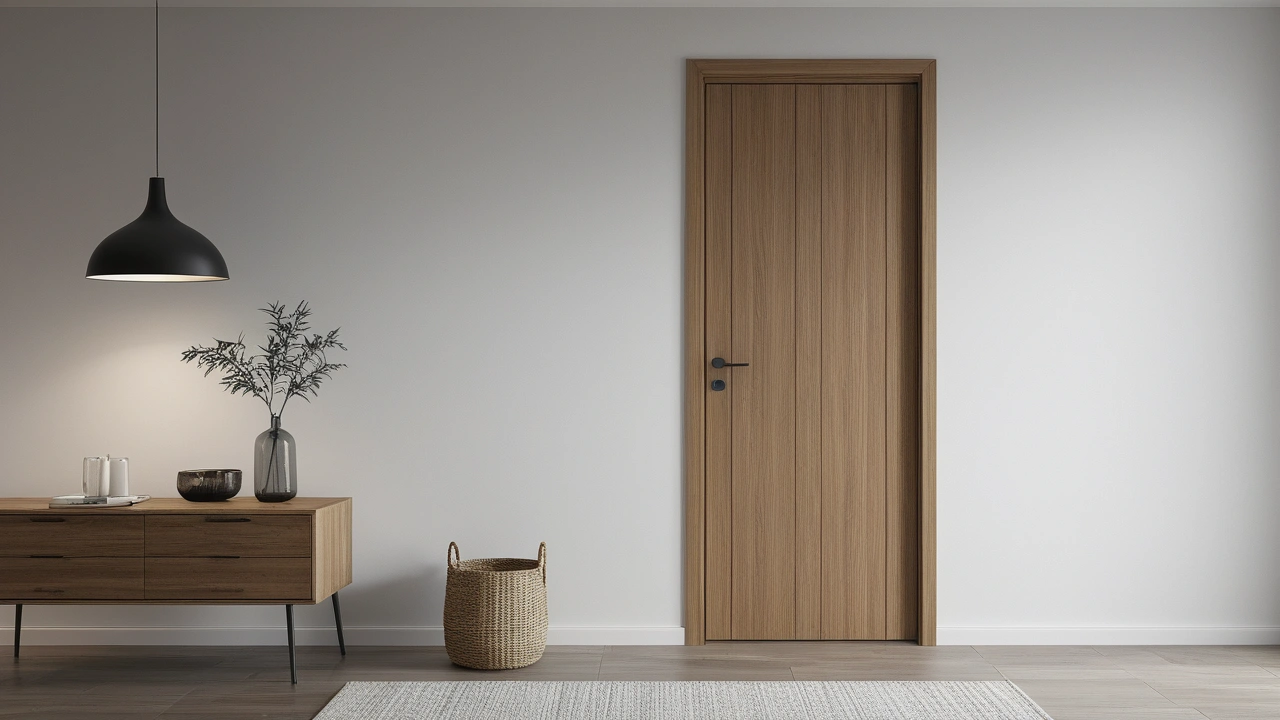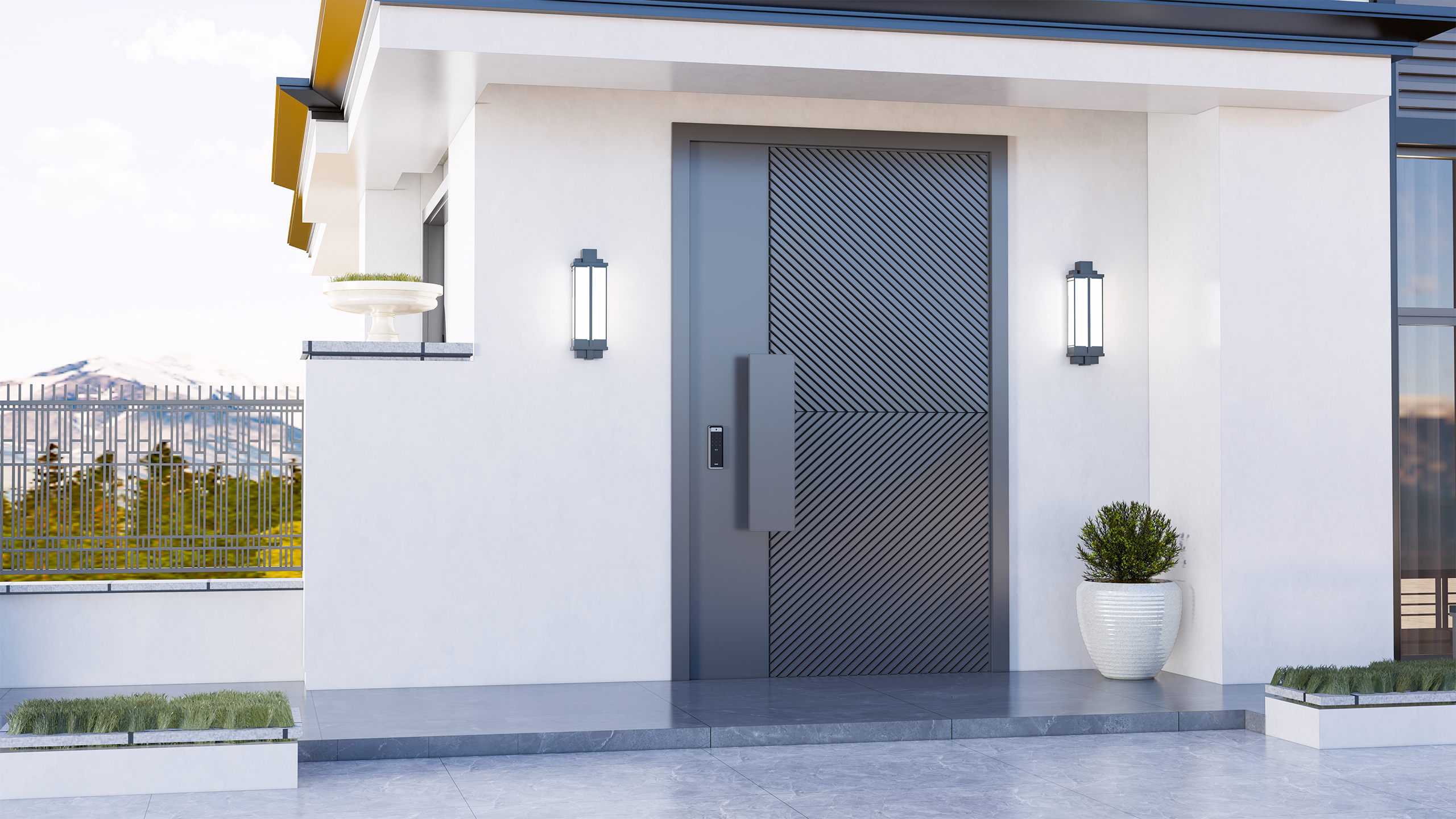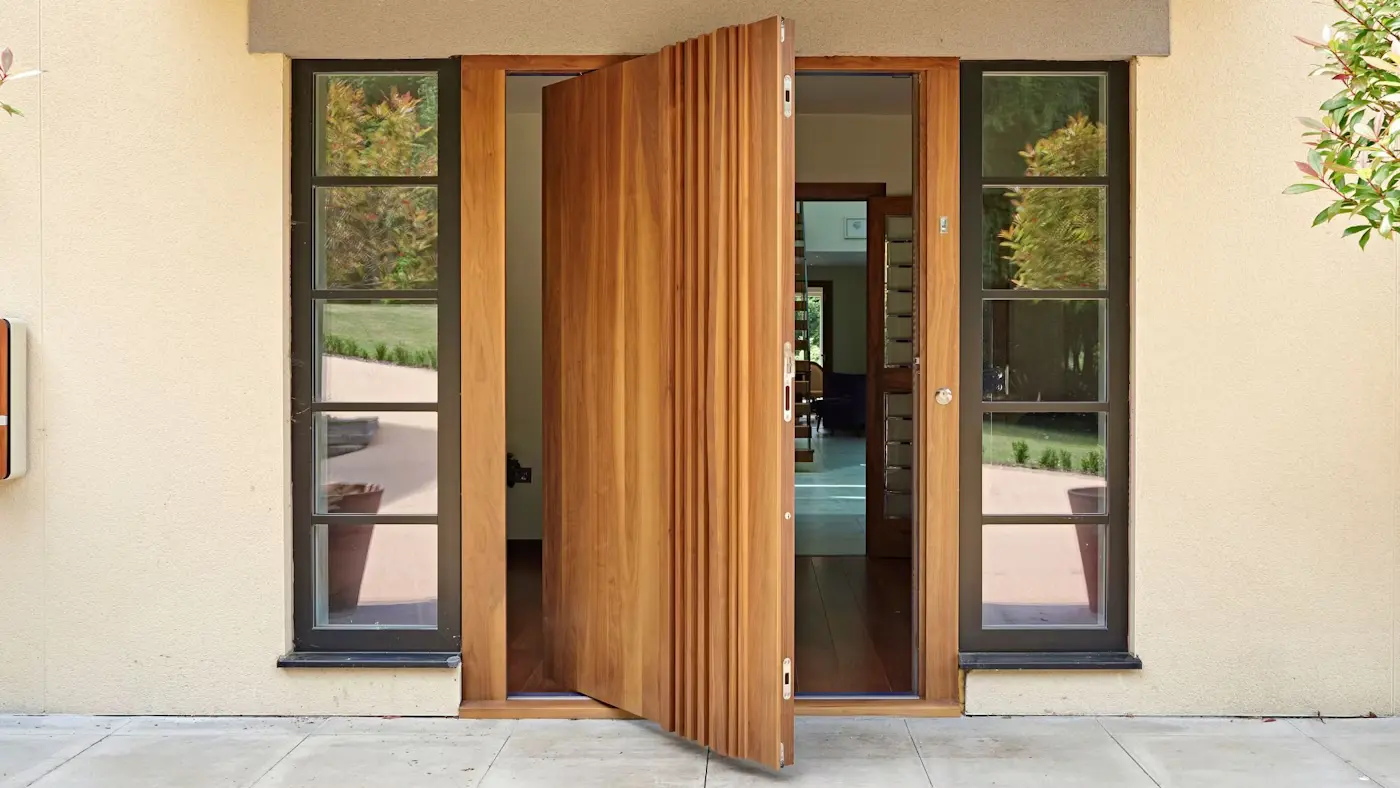
What are the different sizes of pocket doors?

Understanding Pocket Door
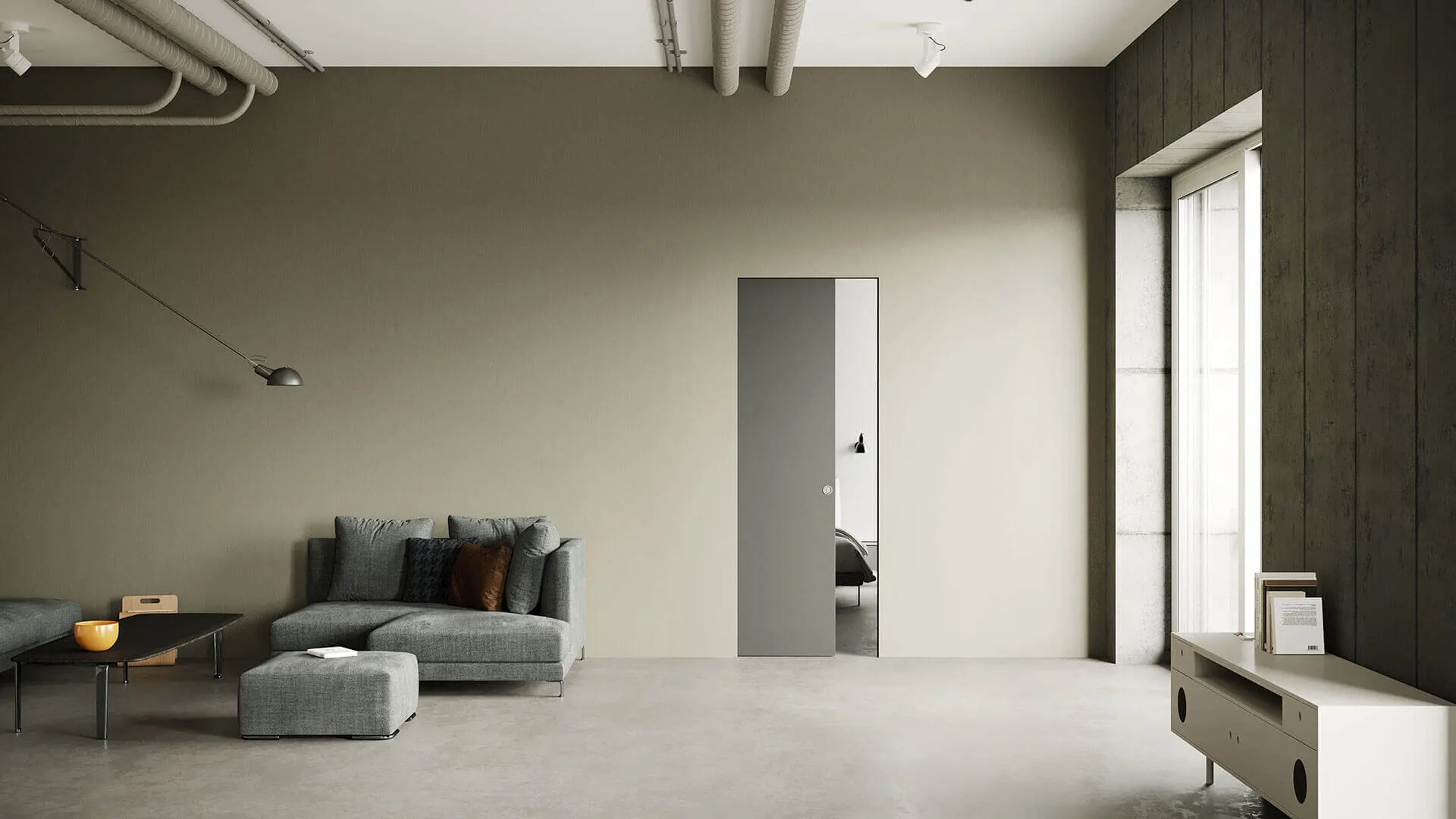
Pocket doors are a smart and elegant way to save space while keeping your home stylish. Instead of swinging open like a regular hinged door, a pocket door slides smoothly into a hidden wall cavity—almost like magic. When open, it disappears completely, freeing up valuable floor space and giving any room a clean, modern look. You’ll often see pocket doors in places where space matters most, like small bathrooms, laundry rooms, or narrow hallways. But designers also love using them in open-plan homes, studios, and minimalist interiors because they make spaces feel bigger and more connected.
Unlike traditional doors that demand clearance to open and close, a sliding pocket door glides on a track installed inside the wall. This makes it perfect for modern renovations, small apartments, and contemporary homes where function meets design. From wood to glass, single or double versions, pocket doors come in many styles that can match both rustic and ultra-modern interiors.
What Is a Pocket Door and How Does It Work?
A pocket door works on a simple but clever mechanism. It slides along a metal track mounted inside the wall, allowing the door to disappear when opened. This hidden cavity inside the wall is what people call the pocket. The system includes a frame, a roller track, and soft-closing hardware that ensures a smooth, quiet glide every time.
When you pull the handle, the door moves sideways instead of swinging outward. This motion gives you full access to the doorway without blocking furniture or walkways. Pocket doors are available as single pocket doors for standard openings or double pocket doors for larger spaces like living rooms or master suites. Many homeowners now choose soft-close pocket door kits to make operation effortless and silent—especially useful in bedrooms or bathrooms.
Installing a pocket door system usually requires opening up the wall cavity, so it’s often done during remodels or new builds. Still, there are also surface-mounted sliding doors that mimic the same look if you can’t modify your walls. Either way, the idea is simple: move horizontally, save space, look beautiful.
Why Choose a Pocket Door Instead of a Hinged Door?
People love pocket doors for one big reason: space. A regular hinged door takes up about 10 square feet of swing space every time you open it. A pocket sliding door needs none. That’s a huge benefit in small homes or apartments where every inch matters.
Beyond saving space, pocket doors bring a clean, modern aesthetic. With no hinges or visible swing arc, the look feels seamless and sleek. You can even choose glass pocket doors to let natural light flow between rooms while maintaining privacy with frosted finishes. They work beautifully in minimalist, modern, and Scandinavian-style interiors where simplicity rules.
They’re also practical. In tight areas like half-baths, closets, and pantries, a pocket door can make the space feel larger and easier to move around in. And when you want to close off an area—say, between your kitchen and dining room—you slide it shut. When open, it disappears as if it were never there.
Lastly, pocket doors can increase accessibility. For people using wheelchairs or mobility aids, a pocket door system removes the need to push or pull a heavy hinged door, making navigation easier. It’s style meeting function at its best.
Standard Pocket Door Sizes
When planning a remodel or a new build, knowing the right pocket door size is key. Unlike hinged doors, a pocket door doesn’t just need the right width and height—it also needs enough wall space for the door to slide into. Choosing the right size ensures smooth movement, a clean fit, and a design that looks intentional, not improvised. Most homes use standard pocket door sizes, but custom options are easy to order if your layout calls for something special.
Common Pocket Door Widths
The standard pocket door widths for most interiors are 24″, 28″, 30″, 32″, and 36″. These fit well in bedrooms, bathrooms, pantries, and hallways. The 30″ and 32″ doors are most popular because they offer comfortable access for everyday use without taking up much wall space.
For tighter spaces—like a half bath or laundry room—a 24-inch pocket door works perfectly. It keeps the look balanced while saving every inch possible. For bigger openings, like between a dining room and living room, homeowners often go for double pocket doors—two 30″ panels that meet in the middle to form a wide, elegant passage.
If you’re replacing a traditional hinged door, the rule is simple: you can usually match your existing door width with the same pocket door panel size, but you’ll need more wall depth to fit the pocket frame.
Standard Pocket Door Heights
The most common pocket door height is 80 inches, which matches the typical interior door height across North America. That’s the sweet spot for most ceilings and wall proportions. However, for modern homes with high ceilings, you’ll also find 84-inch or even 96-inch pocket doors that stretch nearly to the ceiling, creating a dramatic, open look.
When using tall sliding pocket doors, it’s important to check that the wall cavity and track system can support the extra height. A taller door also needs a stronger frame and header to ensure smooth movement. Whether standard or tall, the goal is always the same—clean lines and quiet sliding.
Pocket Door Thickness Explained
Thickness matters more than most people realize. Standard interior pocket doors are usually 1⅜ inches thick, while exterior pocket doors—the ones facing patios or outdoor spaces—are a bit heavier at 1¾ inches thick for better insulation and durability.
You also need to consider your wall structure. A 2×4 wall can handle a standard thin pocket door frame, but if your wall is 2×6, you can fit a thicker, more solid pocket door slab. This choice affects not only how sturdy the door feels but also how well it blocks sound between rooms.
Modern systems often include soft-close pocket door kits that work with both thicknesses, so you get a smooth, quiet slide regardless of your wall depth.
What Is the Rough Opening for a Pocket Door?
The rough opening is the space in the wall you need before installing your pocket door frame. Here’s the rule of thumb: The rough opening should be twice the width of the door panel, plus one inch.
For example, if your door is 30″ wide, the rough opening should be about 61″ wide. The extra inch gives room for the frame, track, and smooth movement.
The height of the rough opening should be around 85″ for an 80″ door, allowing space for the header and rollers. It’s always smart to check the manufacturer’s instructions since different pocket door kits may have slightly different requirements.
Getting this step right is crucial—if the rough opening is too tight, the door will scrape or stick. Too wide, and you’ll end up with gaps. A well-measured pocket door rough opening guarantees a smooth glide and a clean, professional finish.

Custom and Non-Standard Pocket Door Sizes
While pocket doors offer a sleek, space-saving solution, they come with significant challenges in installation and repair. Unlike traditional hinged doors, pocket doors require more advanced planning and can be tricky to install. Moreover, fixing a pocket door when something goes wrong can be costly and time-consuming. Let’s take a closer look at why pocket doors are harder to install and repair.
When You Need a Custom Pocket Door?
A custom pocket door is perfect when the wall opening doesn’t match standard dimensions, or when you want to make a stronger design statement. Maybe your home has higher ceilings, thicker walls, or an uneven frame — all of these situations call for a made-to-measure door.
For example, if your rough opening is wider or taller than normal, you can have a custom pocket door frame built to match. Custom kits let you choose the exact door slab, frame depth, and track length that work for your space. Many homeowners also choose custom pocket doors for unique materials like frosted glass, solid wood, or panel doors with decorative molding.
It’s a simple rule of thumb: if your space feels “off-size,” your door probably should be too. Custom doesn’t always mean expensive — it means you get a pocket door that actually fits.
Oversized Pocket Doors for Modern Homes
Modern homes love oversized pocket doors. They create clean lines, open sightlines, and a seamless transition between rooms. These large sliding pocket doors can reach 8 feet in height or even span double widths, turning a single wall into a flexible divider.
You’ll often see them in open floor plans, connecting the living room and kitchen or separating a bedroom from an en-suite bathroom. The bigger the pocket door panel, the more dramatic the effect. It feels like a moving wall rather than a simple door — elegant, bold, and practical.
However, keep in mind that oversized pocket doors require stronger hardware and a thicker wall cavity. You’ll need a high-quality track system that glides smoothly, even with extra weight. A reinforced pocket door frame kit helps prevent warping or sticking over time.
If you’re after that modern, minimalist vibe, an oversized pocket door might be the most satisfying design choice you’ll ever make.
Small Pocket Door Options for Tight Spaces
On the other end of the scale, small pocket doors can completely transform cramped areas. Think of half baths, laundry rooms, or narrow hallways — anywhere a swinging door wastes precious inches.
Compact pocket door kits come in sizes as narrow as 18 or 20 inches, sliding neatly into the wall cavity without bumping into furniture or appliances. Even small sliding pocket doors can make a huge difference in how roomy a space feels.
If your wall is thinner, look for slimline pocket door frames made for 2×4 construction. They fit into tighter cavities while still providing smooth movement. And if you want extra light, consider a narrow glass pocket door that keeps small rooms bright and open.
Pocket Door Frame and Kit Compatibility
Choosing the right pocket door frame and kit is more than just picking a style you like — it’s about ensuring that every part works smoothly together. A pocket door is a sliding door that disappears into the wall when opened, so its frame, track, and hardware must be compatible to guarantee stability and long-term performance. A well-matched system ensures smooth sliding, quiet movement, and prevents issues like door wobbling or sticking inside the wall cavity.
When you plan your pocket door installation, always check the specifications of the frame kit and the door slab. The frame should support the door’s weight, thickness, and width. Using mismatched components can lead to costly adjustments or early wear.
How to Choose the Right Pocket Door Frame Kit?
To choose the right pocket door frame kit, start by knowing your wall type and door size. Most kits are designed for standard 2×4 or 2×6 stud walls, so check your wall depth before buying. If you’re installing in drywall, make sure the kit includes solid steel or aluminum reinforcement for extra strength.
Next, consider the door weight. Light hollow-core doors need a basic frame, but heavy solid-core or glass pocket doors require stronger tracks and rollers. Many brands list the maximum weight capacity on the packaging — follow it closely to avoid damage.
It’s also smart to choose a kit with adjustable tracks. This lets you fine-tune the alignment after installation, keeping your door sliding straight and smooth. Finally, pick a reputable manufacturer with available replacement parts so that you can maintain or upgrade your system easily over time.
Pocket Door Track Length and Frame Depth Guide
The track length and frame depth determine how well your pocket door fits into the wall. As a rule, the track should be at least twice the width of the door slab, giving the door enough space to disappear inside the wall pocket fully. For example, if you have a 30-inch pocket door, you’ll need about a 60-inch track.
Frame depth depends on the wall thickness and door type. Standard residential walls usually work with 2×4 studs, giving a finished wall thickness of about 4.5 inches. However, thicker doors or insulated walls may need a deeper frame — often made for 2×6 studs. Always check the manufacturer’s chart for compatibility before ordering.
A small tip: if you’re renovating, make sure there are no electrical wires or plumbing lines in the wall cavity where your pocket door will slide. Otherwise, installation can become a nightmare.
Matching Door Slab to Frame and Hardware
Your door slab must match both the frame and the hardware to ensure flawless operation. The slab’s thickness should fit comfortably within the frame’s guide — too thin, and it rattles; too thick, and it won’t slide properly. The most common pocket door thicknesses are 1-3/8 inch and 1-3/4 inch, but custom options exist for special designs.
Hardware also plays a big role. Choose rollers that match your door’s weight and use a soft-close mechanism for a premium feel. Handles and locks should fit the door’s thickness, and it’s best to buy them from the same brand as your frame kit to avoid fitting problems.
Before installation, dry-fit the door slab into the frame to confirm smooth movement. A little preparation here saves you from endless adjustments later. A well-matched pocket door system feels light to slide, closes quietly, and looks clean — the perfect blend of function and style.
Pocket Door Rough Opening Guide
Before installing a pocket door, one of the most important steps is preparing the rough opening correctly. This is the framed space inside your wall where the pocket door frame and track will sit. If the rough opening is off by even half an inch, your door may rub, jam, or fail to close completely. A well-planned rough opening makes installation faster, smoother, and prevents long-term issues like door misalignment or wall cracking.
The rough opening must be wide enough to fit both the door slab and the hidden pocket where the door slides. It should also be tall enough to allow for the track and rollers above the door. Getting these measurements right is the foundation of a clean, professional pocket door installation.
How to Calculate Rough Opening for a Pocket Door?
To calculate the rough opening for a pocket door, start with your door size. A simple rule of thumb: the width of the rough opening should be twice the width of the door slab plus one inch. That extra inch gives room for the frame and proper adjustment.
For example, if your door is 30 inches wide, your rough opening should be about 61 inches (30 x 2 + 1). The height of the opening should be the door height plus 4½ inches, which allows space for the track and floor clearance. So, for an 80-inch door, you’ll need an 84½-inch rough opening height.
Always double-check your pocket door kit’s manual — some brands have slightly different dimensions. Using their exact measurements ensures a snug fit between the pocket door frame, track, and header.
Framing Tips for 2x4 and 2x6 Walls
When framing for pocket doors, the wall thickness determines the frame type you’ll need. Standard interior walls in most homes use 2×4 studs, which work well for light or hollow-core doors. However, if you’re installing a heavier solid-core door or adding insulation, 2×6 walls are a better choice because they offer more depth and stability.
For 2×4 walls, make sure the frame kit you choose is specifically designed for that wall size — the cavity must be deep enough for the door to slide without rubbing. When working with 2×6 walls, you can use thicker door slabs and stronger frames, giving a more premium feel.
Also, always use straight, dry lumber for the pocket wall. Twisted or bowed studs can cause the frame to warp, which affects the pocket door’s sliding action. It’s worth taking a few minutes to check your studs before securing them.
Common Mistakes to Avoid During Installation
Even experienced DIYers make mistakes when installing a pocket door system. One of the most common is forgetting to account for the finished wall thickness — drywall adds about half an inch on each side, which can throw off your final measurements.
Another frequent error is installing the track slightly unevenly. Even a small tilt can cause the door to slide open by itself or stick halfway. Use a level throughout the process to ensure the track is perfectly straight.
People also often forget to block off space for electrical wires or plumbing. Since the pocket door slides inside the wall, there should be no obstructions in the cavity. Mark that zone as “no drill” to avoid future issues.
Lastly, avoid hanging heavy objects like shelves or mirrors on the pocket wall. This can damage the track or interfere with the door’s movement. A properly framed and aligned pocket door rough opening ensures a clean, smooth, and long-lasting result — the kind of finish that looks effortless but works perfectly behind the scenes.
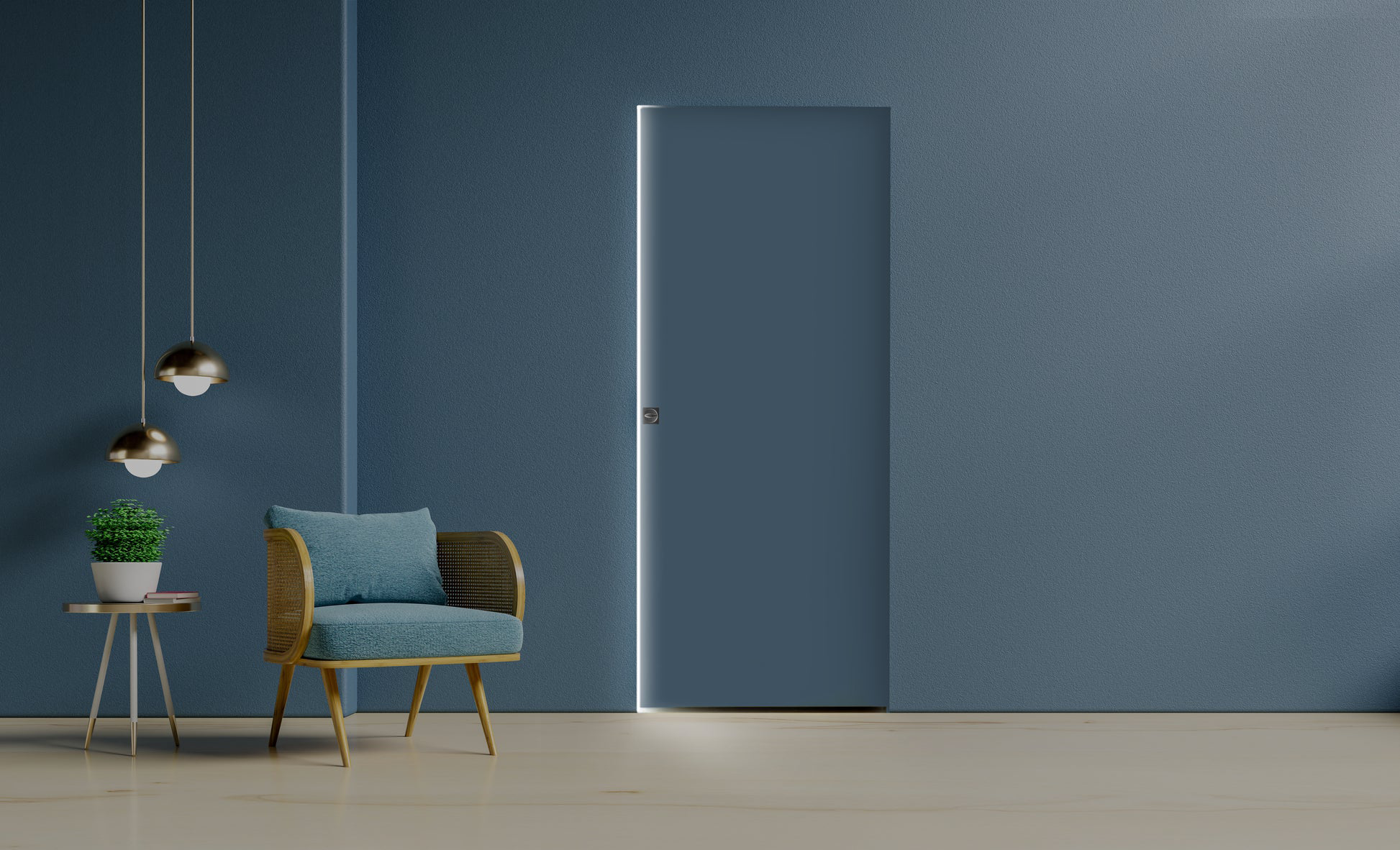
Pocket Door Size and Functionality
The size of your pocket door isn’t just about aesthetics; it plays a crucial role in how the door functions, its stability, and its overall performance. Whether you’re choosing a sliding pocket door for a small closet or a large room divider, understanding how size affects both the installation and long-term use is key. A pocket door that fits well is less likely to have problems like sticking or sagging. The right size also enhances soundproofing, privacy, and the overall look of the space.
How Size Affects Door Stability and Smoothness?
The size of your pocket door directly impacts its stability and how smoothly it operates. A larger door slab, especially if it’s heavy, requires a more robust frame, track, and roller system. If your door is too heavy for the track or poorly supported, you may experience wobbling, uneven sliding, or even difficulty opening and closing it.
For small pocket doors, the system doesn’t need to be as heavy-duty, but you should still ensure that the track is level and the frame is square. A narrow door slab, though seemingly easier to install, can cause issues if not properly aligned, leading to a gap between the door and the frame or uneven movement.
In general, always match the door’s size with the strength and design of your pocket door kit. Kits are typically rated for certain weight limits, so a thicker or larger door requires a stronger frame to avoid door sagging or failure over time.
Soundproofing and Insulation Considerations
When considering soundproofing and insulation for a pocket door, size can influence how effective these features are. Larger doors, for instance, can accommodate thicker slabs, which can provide better sound isolation. If privacy or noise reduction is important — such as in home offices or bedrooms — opt for solid-core doors. These doors block noise better than hollow-core doors, and their thicker construction enhances both soundproofing and insulation.
Another aspect to consider is the wall cavity. A deeper pocket, often associated with larger doors, allows for more insulation within the wall, helping to improve the thermal performance of the space. Adding insulation to the cavity behind the pocket door can help maintain consistent temperatures between rooms. If you’re installing a pocket door in a high-traffic area, consider using acoustic-rated doors or adding a seal kit to enhance soundproofing further.
ADA-Compliant Pocket Door Sizes
For homes or businesses that need ADA compliance (Americans with Disabilities Act), choosing the right pocket door size is essential to ensuring accessibility. ADA-compliant pocket doors typically have a minimum clear width of 32 inches, allowing for wheelchair access. The door should have a smooth, easy glide and should not require excessive force to open or close.
For ADA accessibility, you’ll also need to make sure that the door frame is properly sized to allow enough clearance for a wheelchair to pass through easily. This may mean selecting a larger pocket door system to accommodate the width requirements. Additionally, consider using flush handles or automatic door openers for ease of use.
By ensuring that your pocket door meets the proper size requirements, you create a barrier-free environment that’s comfortable for everyone to use. Always double-check the ADA specifications for your area to ensure that your pocket door installation is fully compliant.

Pocket Door Kits and Panels by Room Type
When choosing a pocket door kit and panels, it’s important to consider the specific needs of each room. The size, material, and functionality of the pocket door can vary greatly depending on whether it’s for a bathroom, closet, or living room. Understanding the right pocket door sizes for each room ensures a smooth installation and helps the door function as intended.
Best Pocket Door Sizes for Bathrooms
For bathrooms, pocket doors are an excellent space-saving solution, especially in smaller areas where a traditional hinged door could make the space feel cramped. Typically, bathroom pocket doors are 24 to 30 inches wide, providing enough clearance while maintaining a compact design.
In a small bathroom, a 24-inch pocket door may be sufficient, while a larger bathroom can comfortably accommodate a 30-inch door for added comfort. The height of the door should typically be 80 inches for standard ceiling heights. If your bathroom has extra tall ceilings, consider going for a taller door to match the room’s proportions.
When selecting a pocket door for the bathroom, consider moisture-resistant materials like waterproof wood or metal frames to avoid warping or damage due to humidity. Additionally, ensure the hardware is rust-resistant to prolong the door’s life in a humid environment.
Ideal Pocket Door Dimensions for Closets and Pantries
For closets and pantries, the pocket door size often depends on the size of the space and how much clearance is needed to access stored items. Standard pocket doors for these areas are typically 30 to 36 inches wide, providing enough room for easy access to your clothes, shelves, or pantry items. A 36-inch door is usually the best option if you need more room to move items in and out.
For small closets or narrow pantries, a 24-inch pocket door can be used, but keep in mind that the smaller the door, the less comfortable the access will be, especially for larger items. The height should also be standard at 80 inches, unless your space requires a taller option.
In terms of materials, consider solid-core doors for better privacy and durability, especially in walk-in closets where a more substantial door can offer both functionality and soundproofing. For pantries, lightweight hollow-core doors are often enough, as they provide ease of movement without taking up too much space.
Double Pocket Door Sizes for Living Rooms or Offices
Double pocket doors are a great choice for living rooms or offices, offering a grand entrance and creating a wide, open feel. These doors typically range from 60 to 72 inches wide (30 to 36 inches per panel), allowing for more accessible movement between rooms. A double pocket door will enable you to create a seamless transition between two spaces without the space constraints of traditional hinged doors.
When considering double pocket doors for a living room or office, think about the flow of the room and how much space you need to open the doors. A 60-inch opening is common, but if you want an even grander look, opt for a 72-inch opening for a more impressive entry. Double pocket doors can also be a great way to divide large spaces while maintaining an open-plan feel.
For the material, glass-paneled pocket doors are often chosen for living rooms and offices because they allow light to flow through while still providing the option to close off a room for privacy or quiet. Additionally, consider soundproofing materials or thicker, solid-core doors for offices to reduce noise and create a more functional working environment.
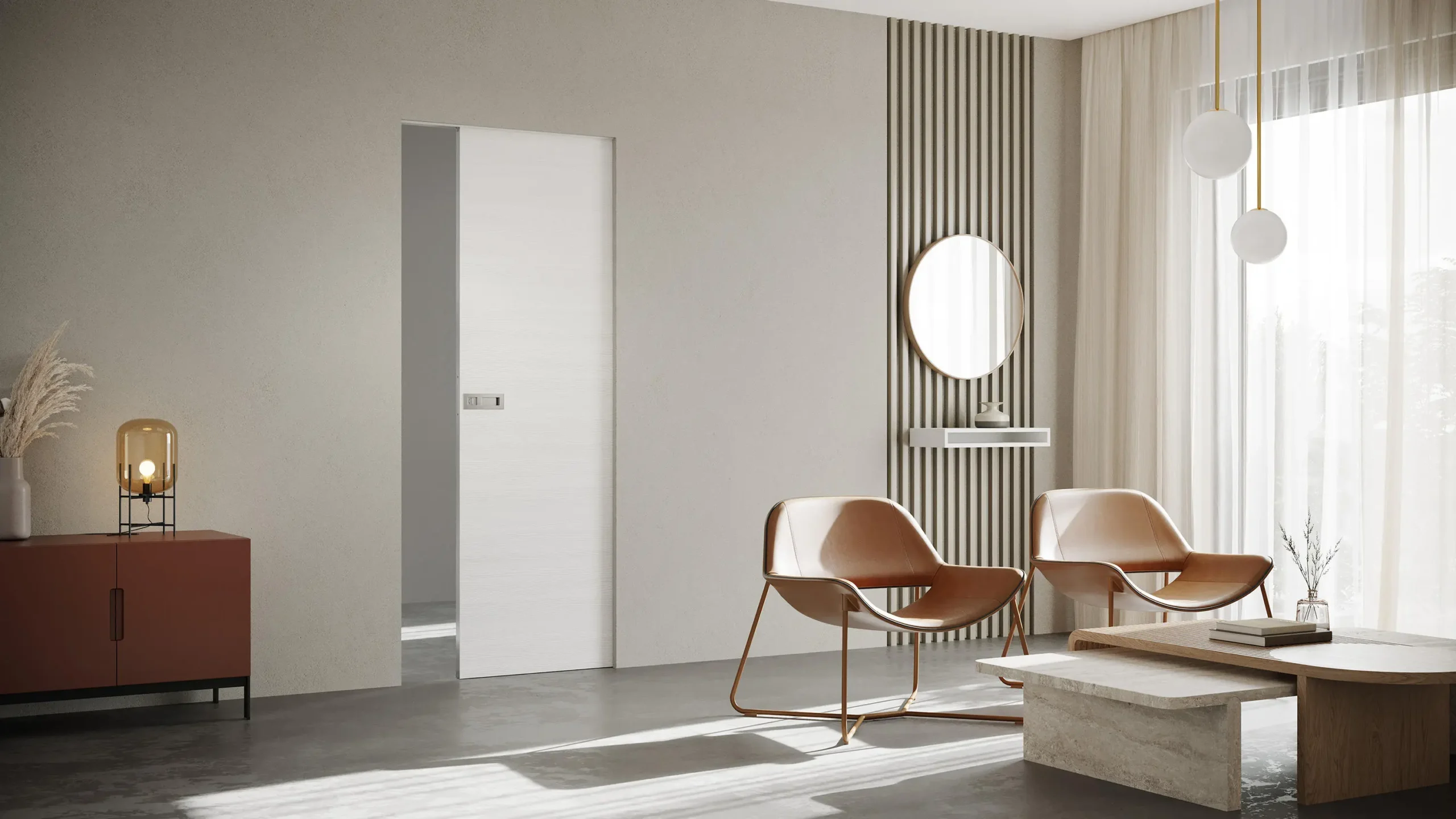
Measuring for a Pocket Door Replacement
Replacing an old pocket door can be a great way to update your space and improve functionality. However, before you can install a new pocket door system, you need to measure the existing setup carefully. Getting accurate measurements ensures your new door fits perfectly, slides smoothly, and looks seamless. Whether you’re replacing a damaged door or upgrading to a more stylish model, measuring correctly is essential for a hassle-free installation.
How to Measure an Existing Pocket Door?
Measuring for a pocket door replacement starts with assessing the current door’s dimensions. Follow these steps:
- Measure the Door Height: First, measure from the floor to the top of the door frame. Standard pocket door heights are usually around 80 inches, but if your door is custom-sized, adjust accordingly.
- Measure the Door Width: Measure the door’s width from one side to the other. Standard pocket door widths typically range from 24 to 36 inches, but make sure to check if the existing door is a custom size or has any specific measurements. If you are replacing it with a similar model, you can use the same width.
- Measure the Wall Opening: The next step is to measure the rough opening for the pocket door frame. The opening should be at least twice the width of the door plus one inch for a standard installation. For example, if your door is 30 inches, the opening should be 61 inches.
- Check Wall Depth: Make sure the wall cavity is deep enough to accommodate the new pocket door frame. For standard walls, this will typically be 4.5 inches with a 2×4 stud, but thicker walls may require more space for the frame.
Converting a Swing Door to a Pocket Door
If you’re considering converting a traditional swing door into a pocket door, there are a few things to keep in mind. This type of conversion requires more than just removing the old door; you’ll need to create space within the wall for the pocket door to slide into. Here’s how to go about it:
- Remove the Existing Door and Frame: Start by carefully removing the swing door and its frame. This might involve cutting through the drywall around the door frame. Be cautious of any hidden wires, plumbing, or other fixtures inside the wall.
- Check the Wall Cavity: After removing the old door, check the wall cavity to ensure there’s enough space to install a pocket door frame. The wall may need to be widened or adjusted to fit the pocket door frame. If your wall isn’t deep enough, you may need to install a new frame or use a slimmer pocket door system.
- Measure for the New Pocket Door Frame: Follow the same measuring steps as you would for replacing an existing pocket door. Please make sure the rough opening and wall space are ready to fit your new pocket door and its frame.
- Install the Track and Frame: Once the wall cavity is clear, you can install the pocket door frame and track system. It’s essential to align everything properly to ensure the door slides smoothly. The track should be level, and the frame should be square within the wall.
What to Do If Your Wall Space Is Limited?
If you’re working with limited wall space, installing a pocket door can be a challenge. However, some solutions can make it work. Here are a few options:
- Slimmer Pocket Door Systems: For narrow walls, consider using a slim-profile pocket door system. These systems require less wall depth, making them ideal for tight spaces like small bathrooms or closets. These systems usually come with thin-track systems and compact door frames, which still provide the full functionality of a pocket door without taking up much room.
- Consider a Bi-Fold Pocket Door: If a standard pocket door system doesn’t fit, another option is a bi-fold pocket door. This door folds in half before sliding into the pocket, allowing you to install it in spaces where a standard sliding door might be too wide. These are especially helpful for small closets or pantries where you need to maximize every inch.
- Install a Wall-Mounted Track System: If there’s not enough room inside the wall for a traditional pocket door, you might consider an overhead track system that allows the door to slide on the outside of the wall. This is a great solution for retrofits where the wall space just isn’t deep enough for a pocket door to slide into.
- Work with a Professional: If your wall is too narrow or has complicated features like electrical wiring or plumbing, it might be best to consult a professional for a customized solution. A skilled contractor can help you adjust the wall or frame to accommodate a pocket door.
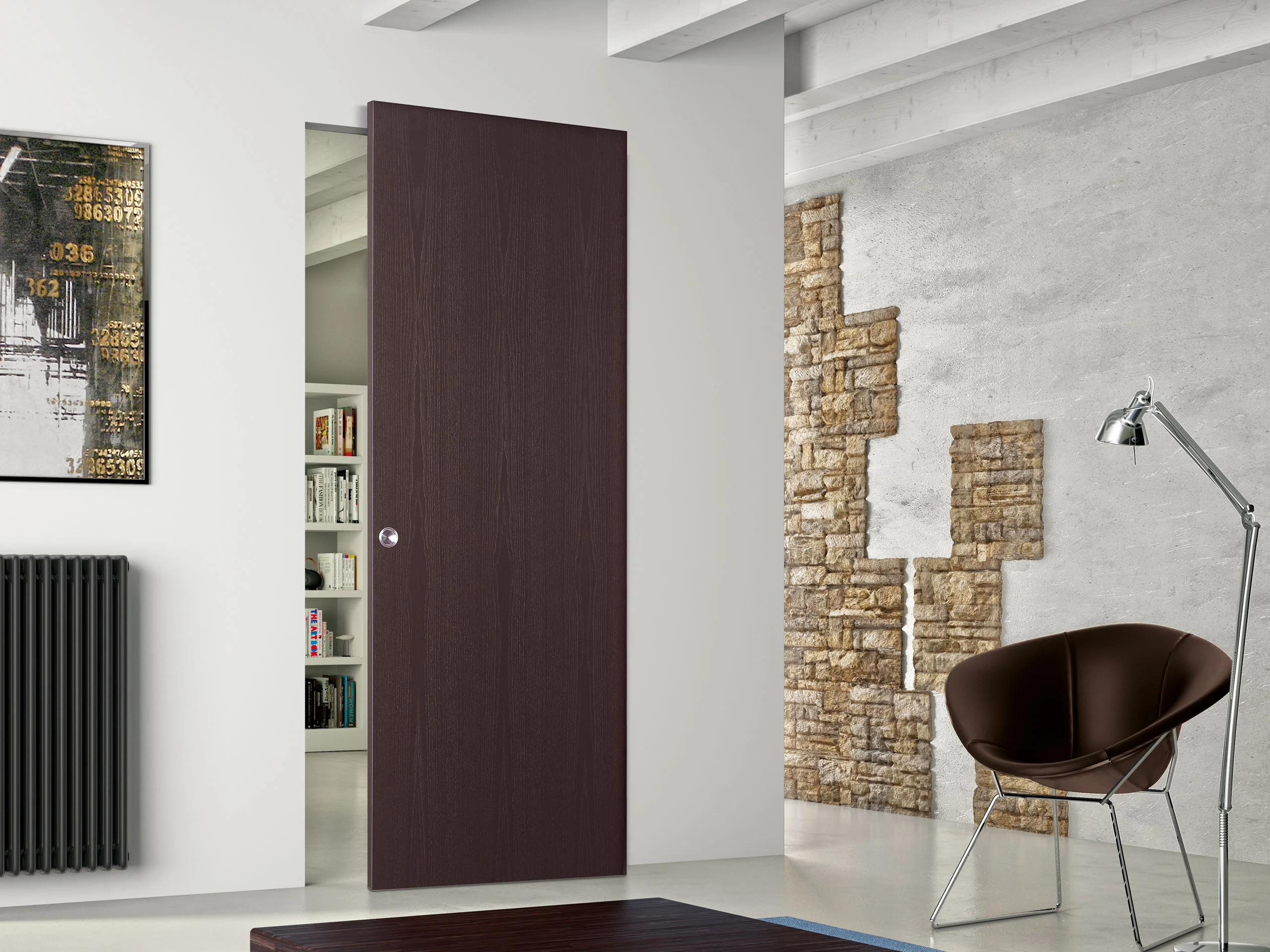
Relate FAQ
What are the different sizes of pocket doors?
Pocket doors come in various sizes to accommodate different spaces. Common sizes include 24", 28", 30", 32", 36", and 42" widths, while the typical height ranges from 80" to 96". Custom sizes are also available to meet specific design needs.
How do I choose the right size for a pocket door?
To choose the right size for a pocket door, measure the width and height of the space where the door will be installed. Consider the room's layout, door function, and the amount of space available for the pocket door to slide into. Standard sizes are usually sufficient for most homes, but custom sizes can be ordered for unique openings.
What is the standard width of a pocket door?
The standard width of a pocket door typically ranges from 24" to 36". However, the ideal width depends on the size of the room and the desired function of the door. Wider pocket doors are often used for larger openings, like in living rooms or dining areas.
What are the standard heights for pocket doors?
The standard height for pocket doors is usually 80" for standard ceilings, but taller options of 84" and 96" are also available for rooms with higher ceilings or for a more dramatic look.
Can I get a custom-sized pocket door?
Yes, custom-sized pocket doors are available for specific spaces or unique design preferences. Many manufacturers offer bespoke options that can be tailored to any dimensions, ensuring the door fits perfectly into your space.
What is the rough opening for a pocket door?
The rough opening for a pocket door is typically 1" wider than the door slab's width and 2" taller than the door's height. For example, a 36" door would require a rough opening of 37" in width and 82" in height, allowing space for the door frame and hardware.
Can pocket doors be used in small spaces?
Yes, pocket doors are perfect for small spaces. Their ability to slide into the wall eliminates the need for swinging space, making them an excellent solution for tight areas like bathrooms, closets, or small hallways.