What are flat doors called?
Introduction to Flat Door
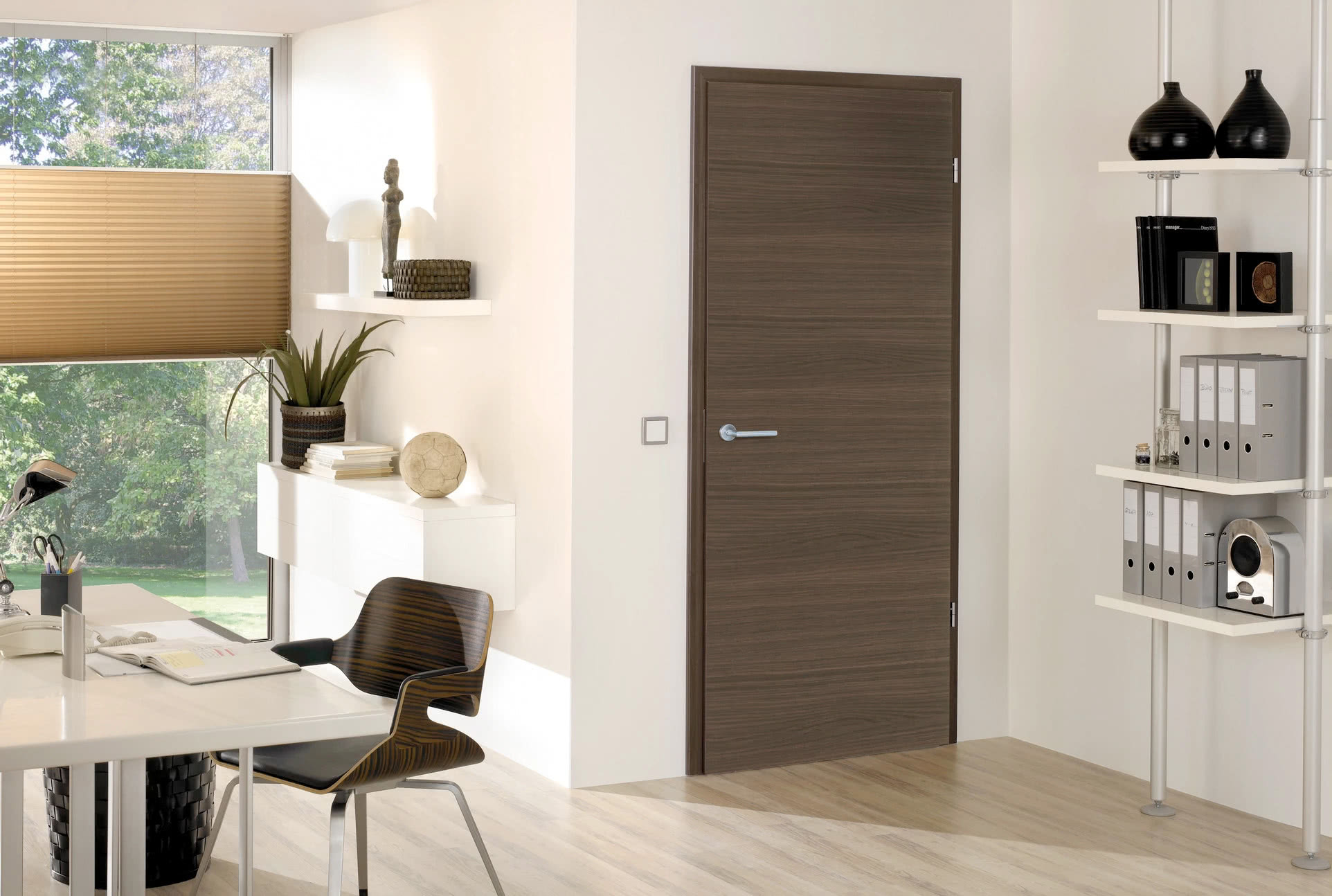
Flat doors have become a popular choice in both modern homes and commercial spaces. They’re sleek, stylish, and versatile, making them ideal for many types of interior and exterior designs. In this section, we’ll dive into what flat doors are, why they’re so popular, and what makes their design stand out.
What is a Flat Door?
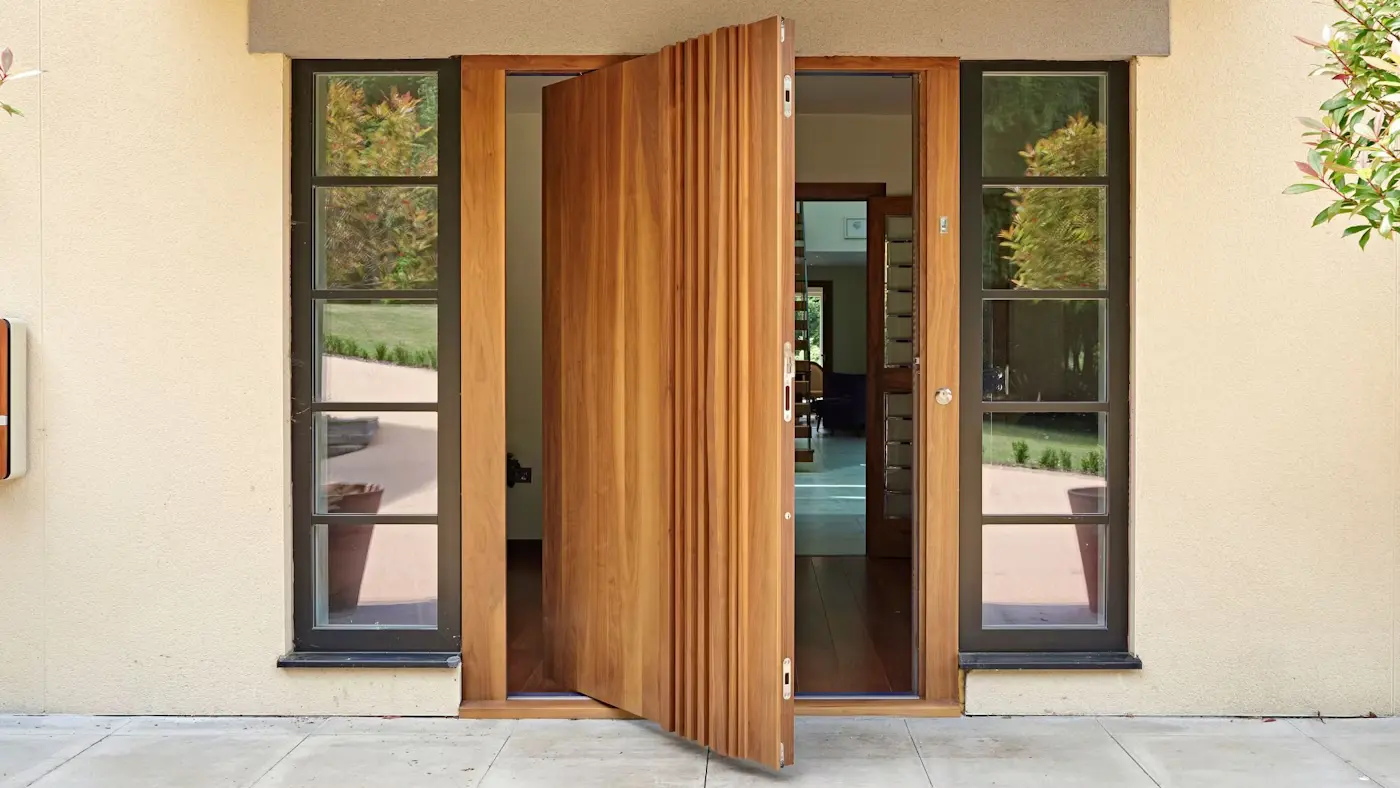
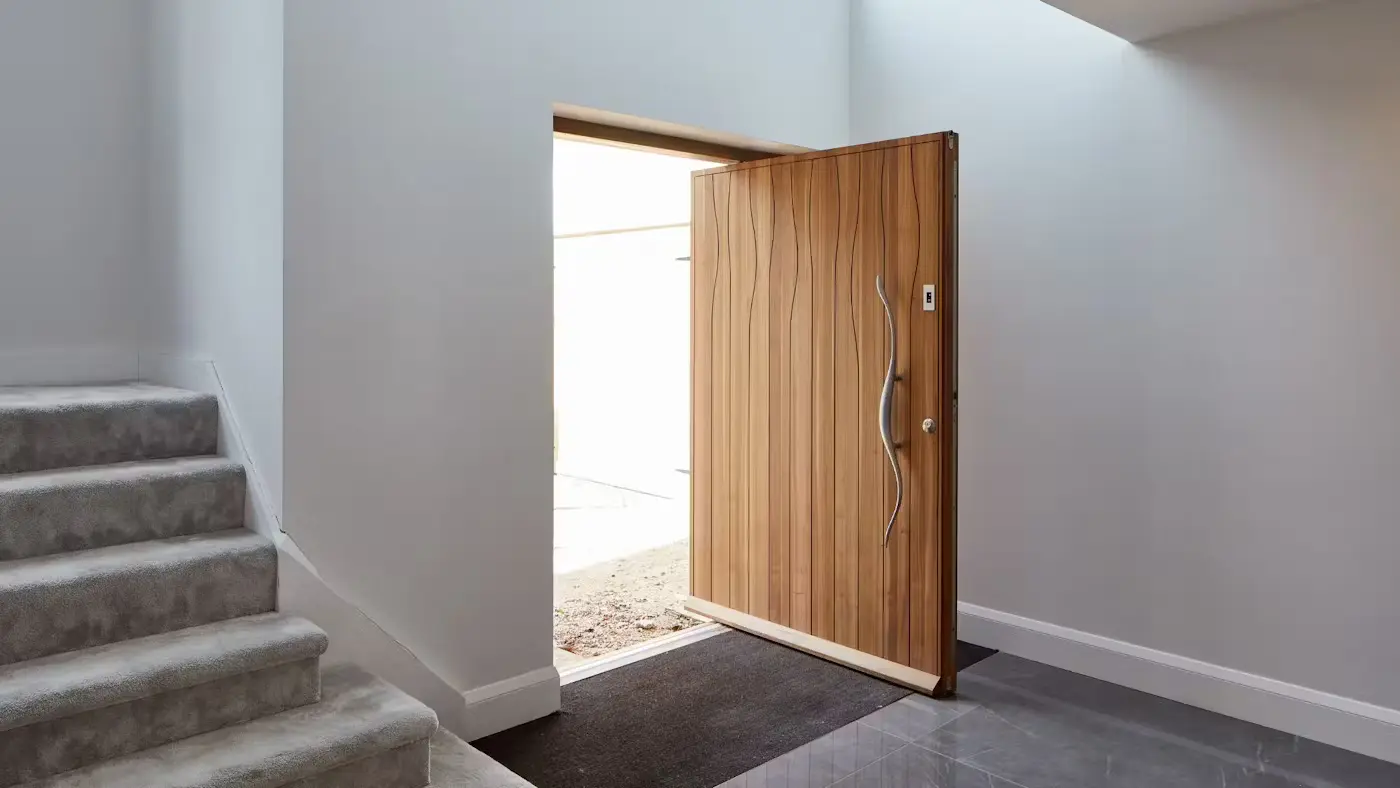
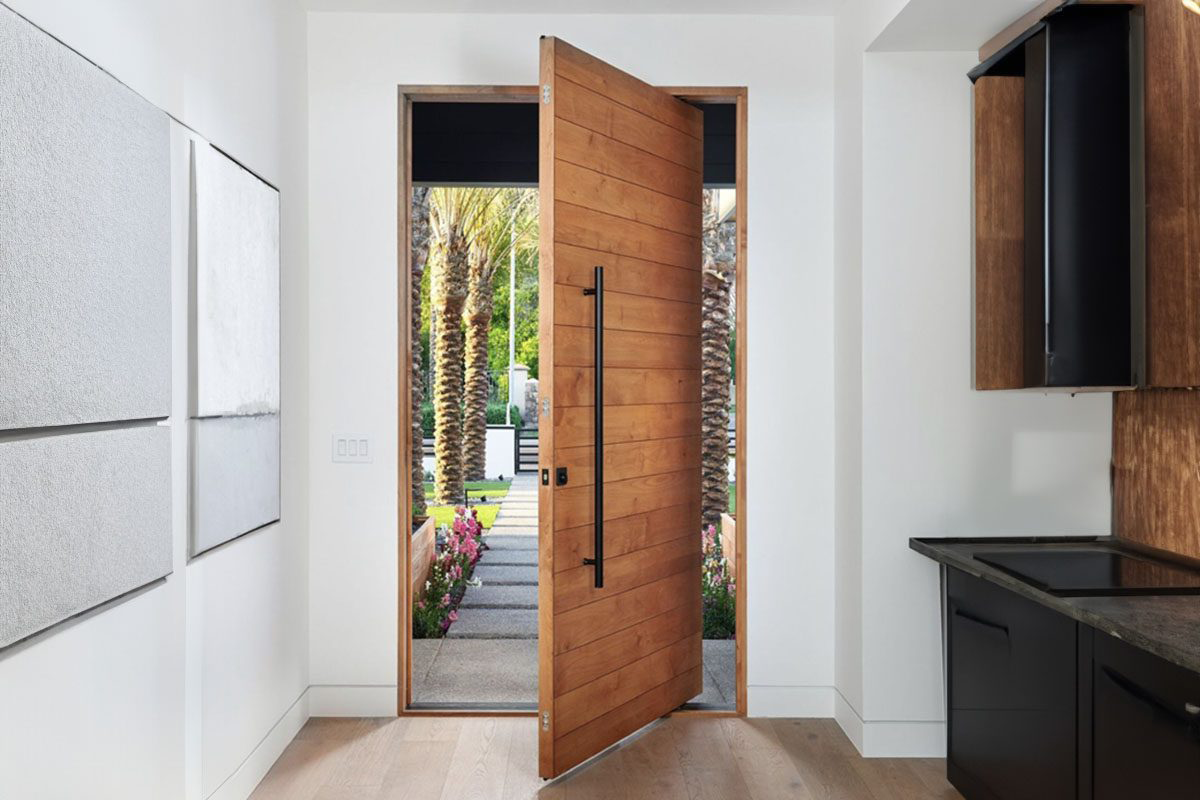
A flat door is simply a door with a smooth, flat surface that doesn’t feature raised panels or ornate designs. These doors are often made from solid wood, MDF (Medium Density Fiberboard), or sometimes even glass, depending on the design. What sets them apart is their minimalist, clean look. Unlike traditional panel doors, which have multiple sections or panels, flat doors have a smooth, uninterrupted surface that gives off a contemporary feel.
Flat doors can come in solid or hollow-core variations. Solid flat doors offer durability and soundproofing, while hollow-core versions are lighter and more affordable, making them a great choice for interior use. No matter the material, the primary focus of a flat door is simplicity and elegance.
In short, flat doors are perfect for people who appreciate simplicity and want to make their spaces feel open and airy. Whether in your home, office, or other commercial spaces, these doors provide a modern and clean appearance.
Why Are Flat Doors Popular?
Flat doors have gained immense popularity for several reasons, but one of the biggest factors is their clean, modern aesthetic. People love how flat doors can make any space feel more open, airy, and stylish. They don’t have the complexity of traditional designs, allowing them to blend well with contemporary interior styles, such as Scandinavian, industrial, or modern minimalism.
Another reason flat doors are favored is their versatility. Whether you’re designing a home or outfitting a commercial space, flat doors fit almost any style. You can customize them with a variety of finishes, colors, and materials to match your vision. For example, you might choose a sleek, high-gloss finish for a modern look or a matte finish for a more understated, natural vibe. Plus, flat doors are easy to maintain because of their smooth surface, which means they don’t collect dust or grime as easily as traditional panel doors.
Additionally, flat doors are often referred to as flush doors or smooth doors, highlighting their uninterrupted, flat design. Whether you’re looking to update your home or install new doors in an office, flat doors are a perfect way to give your space a clean, contemporary update.
A Quick Overview of Flat Door Design
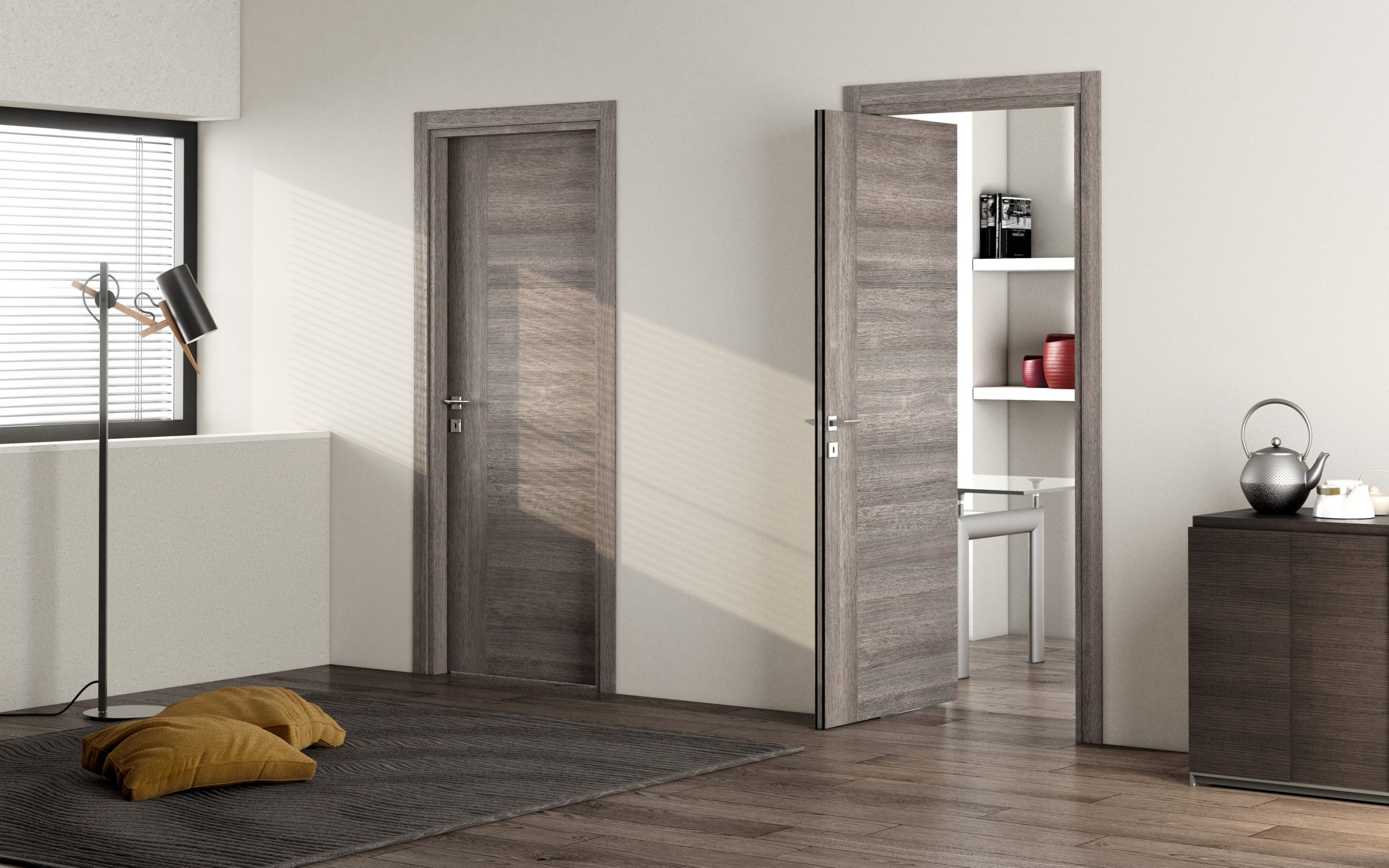
The design of a flat door is all about simplicity and smoothness. The surface is typically flush with the surrounding frame, giving the door an even, uninterrupted look. These doors can be made from a variety of materials, such as MDF, solid wood, or plywood, each offering different benefits. For example, solid wood doors are sturdy and durable, while MDF doors provide a smooth, flawless finish and are more affordable.
One of the advantages of flat door design is its versatility. While the basic design remains the same, there’s plenty of room for customization. You can choose different finishes, such as gloss, matte, or wood grain, to match the style of your space. You can also add custom hardware, like sleek, modern handles, to further enhance the overall look.
Moreover, flat doors are customizable in several ways. You can choose to have them with or without frames, or even add glass panels for a more open and airy feel. The simple design also makes it easy to incorporate different hardware, such as sleek, modern handles or hidden hinges, giving you complete control over the final look of your door.
Summary
In summary, flat doors are a practical yet stylish choice for anyone looking to update their space. They are clean, simple, and versatile, making them suitable for various design tastes and environments. Whether you’re building a new home or renovating an office, flat doors are a timeless option that will never go out of style.
Different Types of Flat Door
When choosing a flat door for your home or office, there are several types to consider. Each flat kind of door has its own set of advantages, depending on your needs, budget, and the look you’re aiming for. In this section, we’ll explore three of the most popular types of flat doors: Solid Flat Doors, Hollow Core Flat Doors, and MDF Flat Doors.
Solid Flat Door
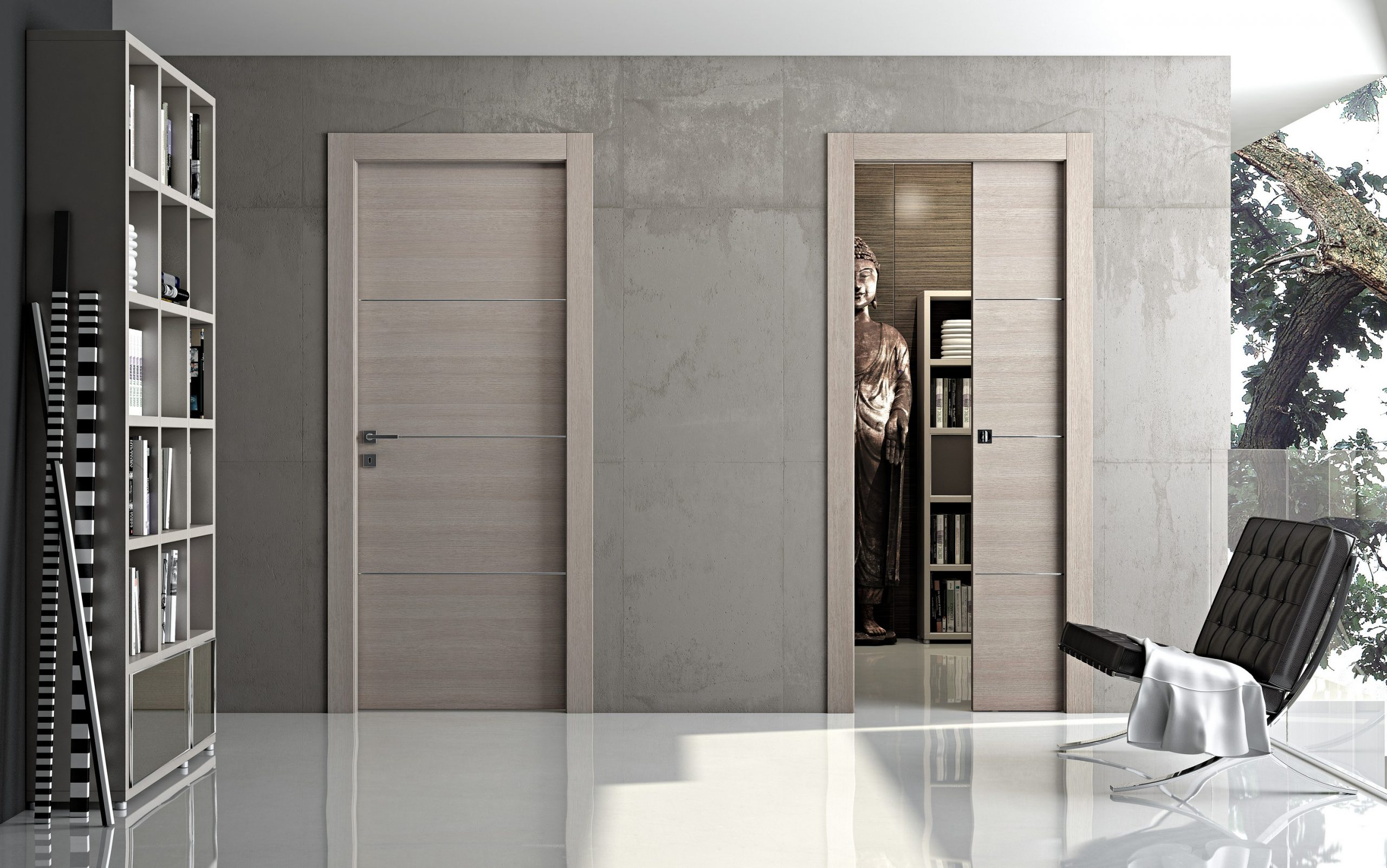
A solid flat door is made from a single, solid piece of material, often wood or a dense composite. This gives the door a substantial weight and a high-quality feel. Solid flat doors are known for their sturdiness and soundproofing capabilities, making them a great option for bedrooms, bathrooms, or other areas where privacy is important.
One of the main benefits of solid flat doors is their durability. They can withstand heavy use and are less prone to warping or damage compared to lighter door types. Plus, solid flat doors provide better insulation, helping to maintain the temperature inside a room and keep noise from traveling between spaces.
While solid doors are more expensive than some other types, they are a long-term investment. Their high-quality construction ensures that they’ll last for many years with minimal maintenance. A solid flat door can add a touch of elegance to any room, especially if you choose a natural wood finish or a sleek, modern veneer.
Hollow Core Flat Door
A hollow core flat door is a lighter, more affordable alternative to a solid flat door. As the name suggests, these doors have a hollow core inside, typically made from cardboard or a honeycomb structure. The hollow core makes the door much lighter without compromising its appearance or functionality.
Despite being lightweight, hollow core flat doors still provide a smooth, clean look. They’re often used in interior spaces like living rooms, hallways, or offices where the door doesn’t need to offer soundproofing or heavy insulation. One of the key advantages of hollow core flat doors is their cost-effectiveness. They are significantly cheaper than solid doors but still look great and serve their purpose well.
However, while hollow core doors are less expensive, they may not be as durable or long-lasting as solid flat doors. They’re more prone to dents and damage, especially in high-traffic areas. But for those on a budget or looking for a door for less-used areas, a hollow core flat door is a fantastic option.
MDF Flat Door
An MDF flat door is made from Medium Density Fiberboard (MDF), a composite material that is dense, smooth, and easy to paint. MDF doors are a popular choice because they combine affordability with a high-quality look. These doors are typically used in modern homes and offices, offering a sleek, smooth finish that is perfect for minimalist or contemporary interiors.
One of the main advantages of MDF flat doors is their smooth, flawless surface. Unlike wooden doors, MDF doors don’t have natural grain patterns or imperfections, making them ideal for a clean, uniform look. They also take paint very well, so you can customize them to match any color scheme.
In addition, MDF is a more environmentally friendly material compared to solid wood, as it’s made from recycled wood fibers. This makes MDF flat doors an attractive option for those looking to be more sustainable in their choices.
However, while MDF doors are durable, they’re not as strong as solid wood doors. They can also be more susceptible to moisture damage, so it’s best to avoid installing them in areas with high humidity, like bathrooms.
What Are Flat Doors Also Called?
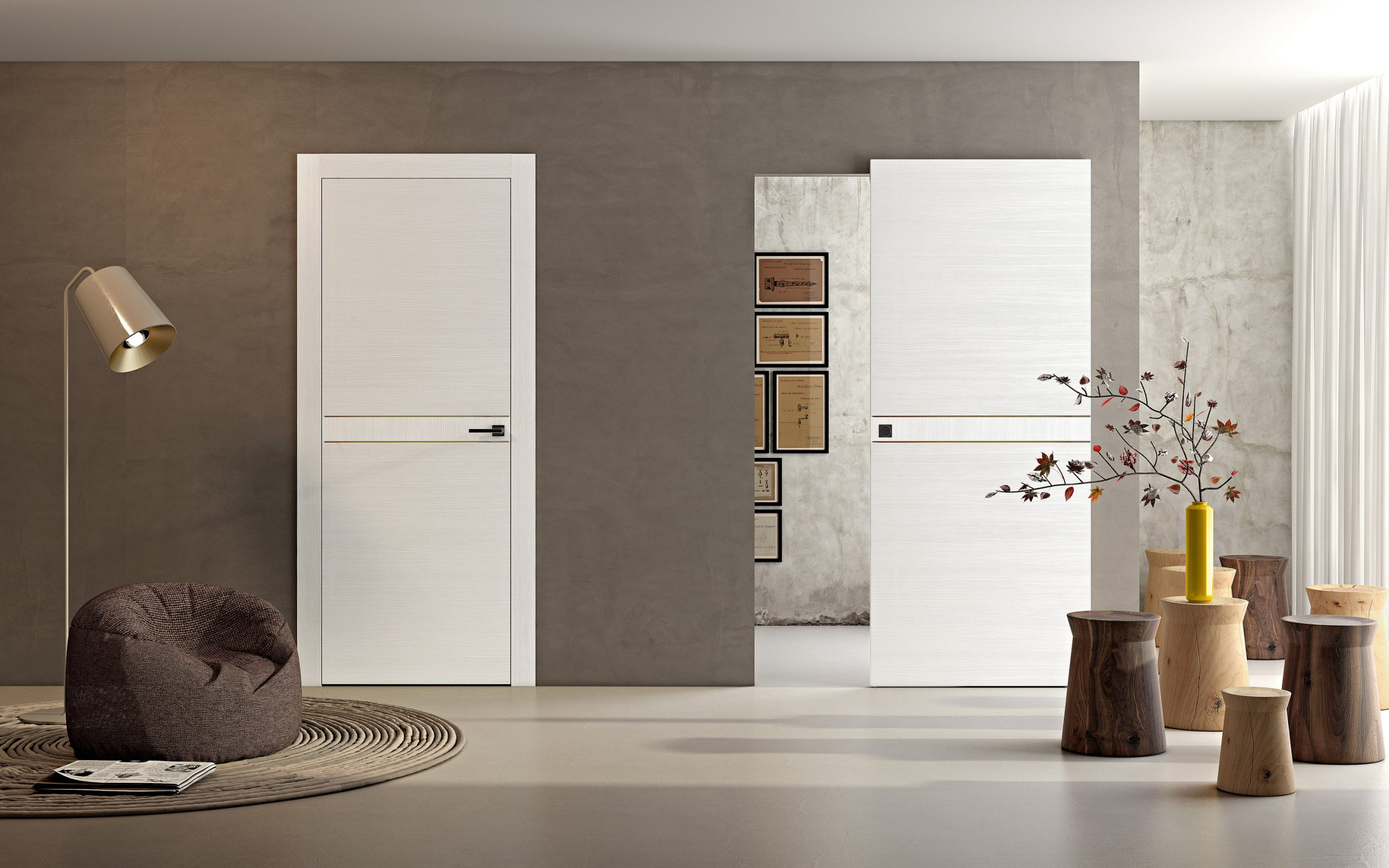
When it comes to flat doors, you might hear them called different names depending on where you are or who you’re talking to. While “flat door” is the most common term, these doors are also known by other names, such as flat panel doors, flush doors, and smooth doors. Let’s dive into what these terms mean and how they relate to flat doors.
Flat Panel Door
A flat panel door is a flat door, but with a slight twist. Unlike the traditional flat door, which has a completely smooth surface, a flat panel door might have a recessed panel or a slight indentation in the center. However, it’s still considered a flat door because the design is minimal and doesn’t include raised panels or intricate carvings.
The term “flat panel” is often used interchangeably with “flat door,” but it can also refer to doors with more detailed yet simple paneling. These doors are great for modern and contemporary spaces, where a clean and simple look is desired but with just a touch of character. Whether you’re looking for a sleek design or something with a little more depth, a flat panel door can be a great choice.
Flush Door
A flush door is another term that’s often used to describe flat doors, and for good reason. This term comes from the door’s design, where the surface is flush (even) with the surrounding frame. Just like a flat door, flush doors have a smooth, uninterrupted surface, making them ideal for minimalist interiors.
Flush doors are commonly used in both residential and commercial settings, as they offer a clean, modern appearance. They can be constructed from different materials, such as wood, MDF, or even metal, and they’re often used in spaces where the door needs to blend seamlessly with the surrounding walls. For example, a ghost door, which is painted to match the wall color, is essentially a type of flush door that “disappears” into its surroundings.
Flush doors are very practical. They’re easy to maintain, and their simple design works well with a wide variety of interior styles. The term “flush door” is commonly used when you want to emphasize the smooth, even finish and the seamless appearance of the door.
Smooth Door
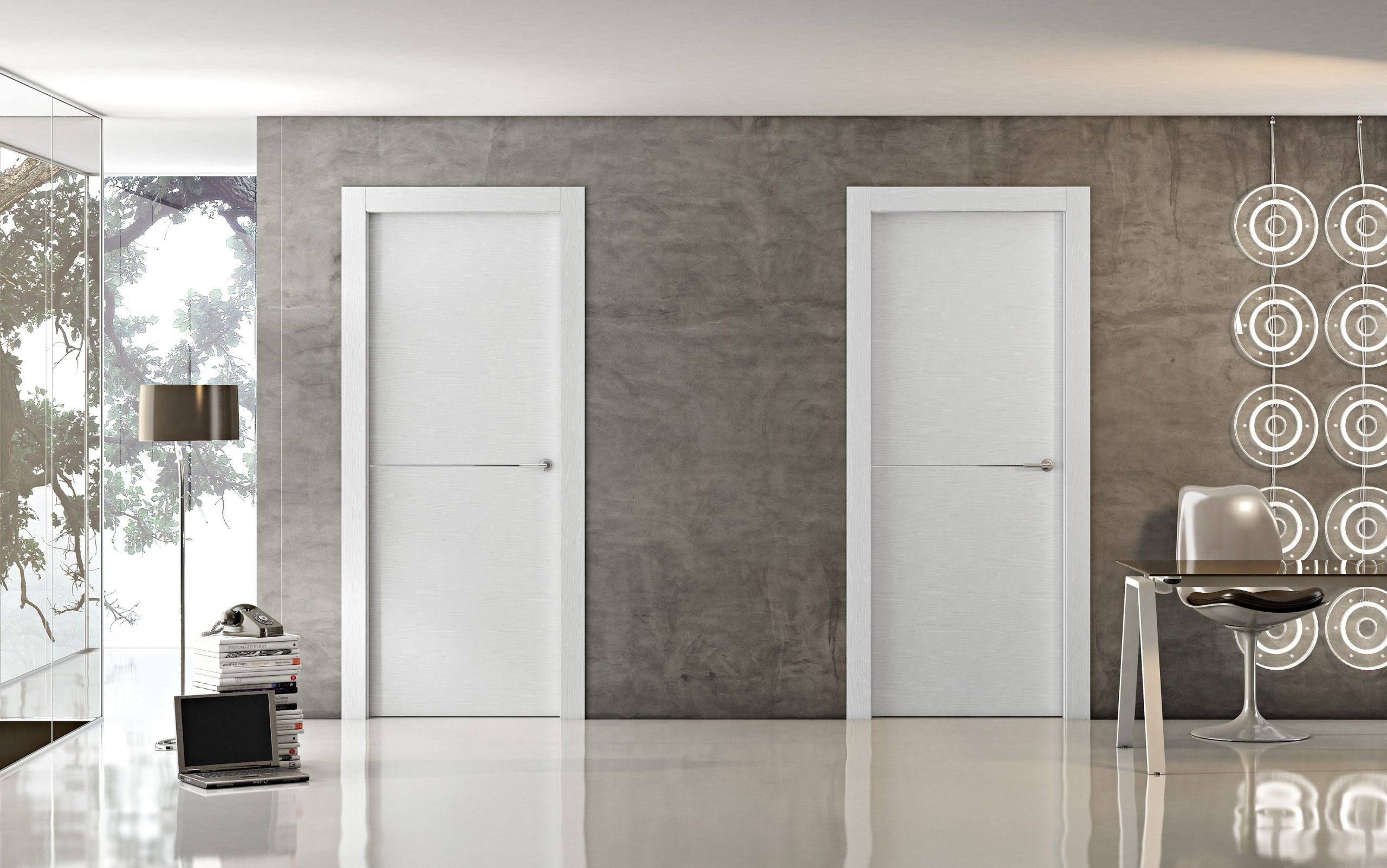
The term smooth door refers to the same design concept as a flat door, but emphasizes its smooth surface. Smooth doors are exactly what they sound like — they don’t have any texture or raised designs. Instead, they have a perfectly smooth, clean surface that creates a modern, sleek look.
Smooth doors can be made from various materials, including solid wood, MDF, or even metal. They are particularly popular in contemporary and minimalist homes because they offer a simple yet elegant appearance. One of the great things about smooth doors is their versatility — you can find them in a variety of finishes, including matte, gloss, or even textured surfaces, depending on your preference.
Many people also refer to flat doors as smooth doors, especially when emphasizing the door’s ability to blend into a room’s overall design. Whether used in residential or commercial settings, smooth doors contribute to a minimalist vibe, providing a timeless look that won’t easily go out of style.
How Are Flat Doors Made?
Flat doors are a popular choice because of their modern, minimalist design. But how are they made? The process of creating flat doors is straightforward but requires precision to ensure quality. In this section, we’ll explore the materials used in flat doors and the manufacturing process that brings them to life.
Materials Used in Flat Door
The materials used in flat doors play a significant role in their strength, appearance, and cost. Here are the most common materials you’ll find in flat door construction:
1. Wood
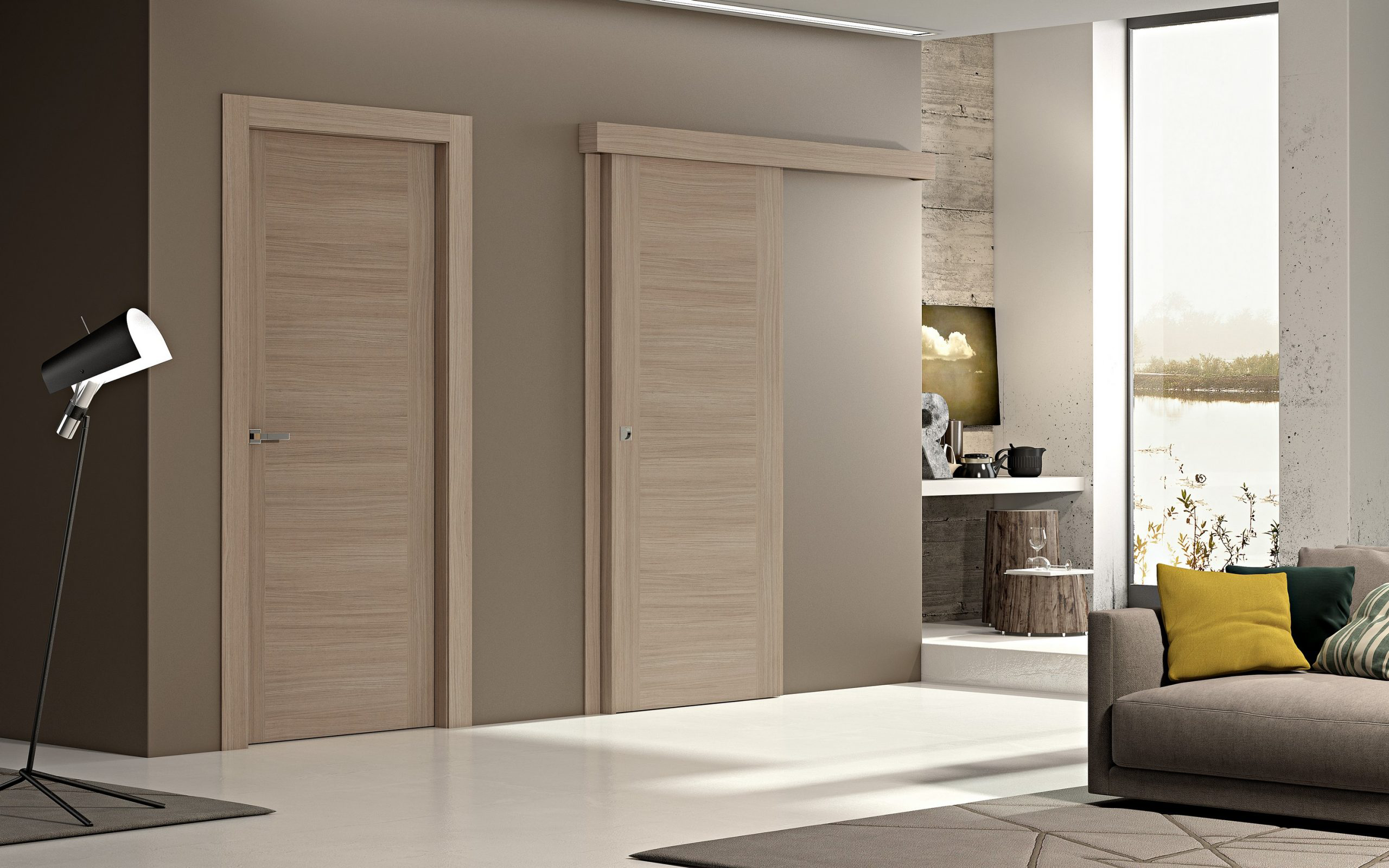
Solid wood is a classic material for flat doors. It’s durable, natural, and can be easily stained or painted to match any interior design. Popular wood types for flat doors include oak, maple, and cherry. Solid wood doors are often more expensive, but they provide a high-quality, luxurious feel.
2. MDF (Medium Density Fiberboard)
MDF is an affordable and versatile material made from compressed wood fibers. It’s smooth, dense, and perfect for creating flat doors with a flawless surface. MDF doors are easier to paint than solid wood doors, making them a popular choice for modern and minimalist interiors. They’re also less likely to warp or crack compared to natural wood.
3. Plywood
Plywood is another material used in making flat doors, often for its strength and flexibility. It consists of thin layers of wood veneer glued together, making it lightweight yet sturdy. Plywood flat doors are ideal for both interior and exterior use, offering good value for money while still maintaining durability.
4. Glass
Plywood is another material used in making flat doors, often for its strength and flexibility. It consists of thin layers of wood veneer glued together, making it lightweight yet sturdy. Plywood flat doors are ideal for both interior and exterior use, offering good value for money while still maintaining durability.
5. Metal
Metal flat doors are typically used in commercial settings or modern industrial designs. They can be made from steel, aluminum, or even bronze, and are often chosen for their strength, security, and sleek, industrial appearance. Metal doors are highly durable and offer excellent soundproofing.
Manufacturing Process of Flat Door
The manufacturing process of flat doors is fairly straightforward but requires attention to detail. Here’s a basic overview of how flat doors are made:
1. Design and Planning:
The process begins with designing the flat door. This step involves deciding the material, dimensions, finish, and any additional features, such as glass panels or custom hardware. The design will influence how the door is constructed and finished.
2. Cutting the Material:
Once the design is finalized, the material (whether it’s wood, MDF, plywood, or metal) is cut to the desired size. Precision is key here to ensure the door fits perfectly in the frame.
3. Shaping the Door:
After cutting, the material is shaped to create a smooth, flat surface. For wood doors, this could involve sanding the surface to remove imperfections. For MDF or plywood, the door may be pressed and smoothed to achieve a flawless, uniform surface. If the door includes any decorative features, like a flat panel, this is the stage where they’re added.
4. Assembling the Core (if applicable):
Some flat doors, like hollow core doors, require assembly at this point. A honeycomb structure or cardboard core is inserted between two outer layers of material. This keeps the door lightweight but still sturdy. Solid doors, on the other hand, are made from a single piece of material without the need for a core.
5. Finishing:
Once the door is shaped and assembled, the finishing touches are added. This includes sanding, painting, or staining the door to achieve the desired look. For a smooth, flat door, this stage is especially important to ensure a flawless finish. The door might be painted, stained, or even treated with a protective coating to enhance its appearance and durability.
6. Quality Control:
Finally, the door undergoes a quality control check. This step ensures that the door meets all standards for functionality, durability, and design. Any imperfections are corrected before the door is ready for shipment.
Summary
From design to finish, the process of making flat doors is both an art and a science. The use of quality materials and attention to detail during manufacturing ensures that each flat door is durable, stylish, and functional.
The Benefits of Choosing Flat Door
Flat doors offer a range of benefits that make them an attractive choice for homeowners and businesses alike. Whether you’re renovating your space or installing new doors, flat doors can provide you with a sleek, stylish, and practical solution. Let’s take a look at some of the main advantages of choosing flat doors.
Clean and Modern Look
One of the biggest draws of flat doors is their clean and modern look. Their smooth, uninterrupted surface makes them the perfect option for anyone who loves minimalist or contemporary design. Without the complexity of raised panels or ornate decorations, flat doors allow for a simple, streamlined appearance that suits almost any room.
Whether you’re updating the doors in your home or outfitting a new office, flat doors fit effortlessly into modern interiors. Their minimalist design not only looks great but also helps create an open, airy feel. A ghost door, painted to blend in with the walls, can take this look even further, making the door almost invisible and leaving the focus on the overall room design. This kind of sleek, modern design is one of the main reasons flat doors are so popular today.
Versatility and Customization Options
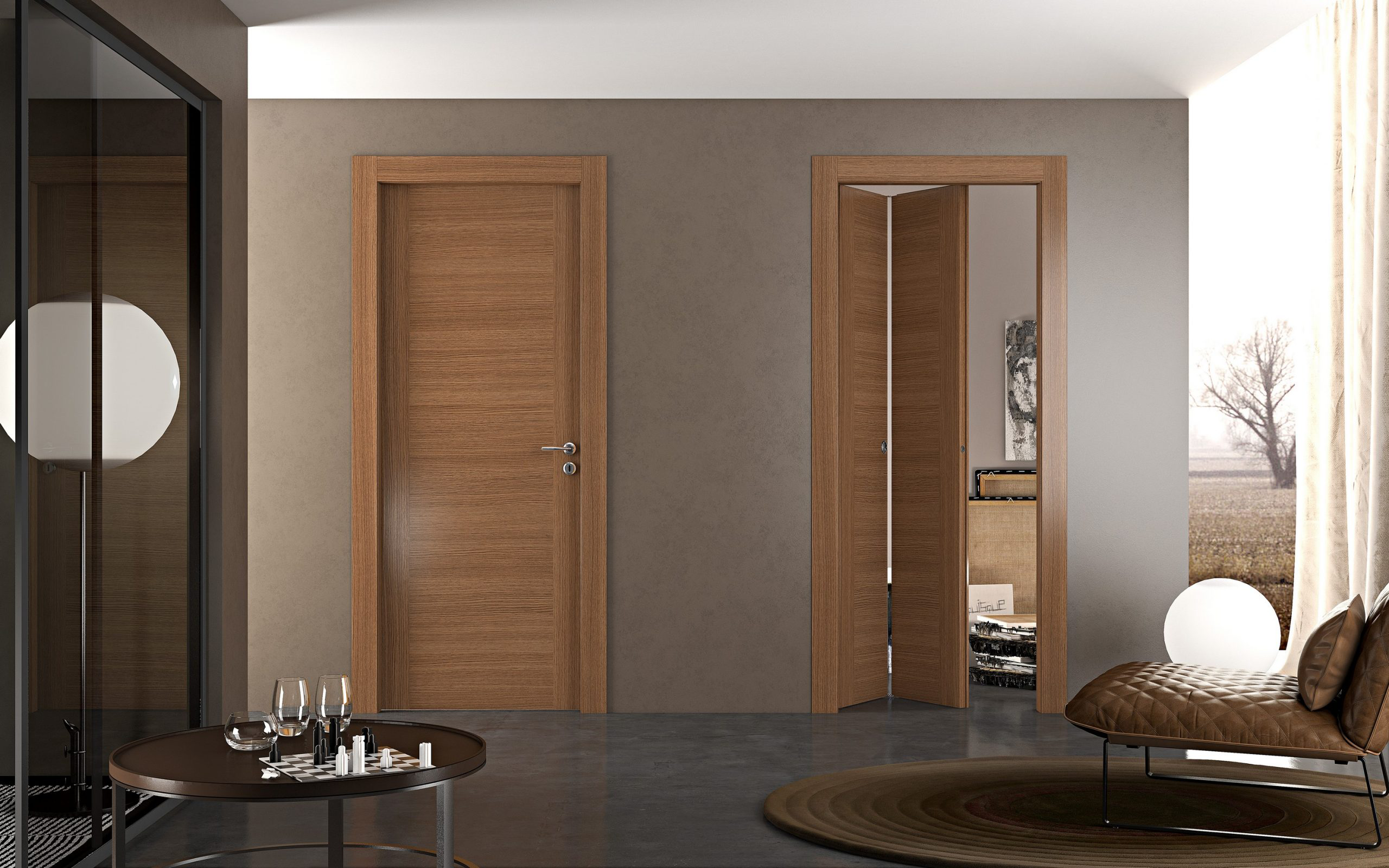
Flat doors are incredibly versatile, making them suitable for almost any space. Whether you’re looking for something for your home, office, or even a commercial setting, flat doors can be tailored to meet your needs. They are available in a variety of materials like wood, MDF, and metal, each offering its style and feel.
One of the best things about flat doors is the customization options. You can choose the finish, color, and even the hardware to match your room’s decor. Want a high-gloss finish for a chic, modern look? You got it. Prefer a matte finish for a more subtle and natural vibe? That works too. You can even mix materials for a truly unique design. The smooth, clean surface of a flat door is a perfect canvas for experimenting with color and finish, giving you the freedom to create a door that fits your exact style.
Moreover, flat doors can be installed in almost any type of space. They are perfect for interior doors, but they can also work for exterior doors when you’re looking to achieve a seamless, modern look. Whether you need a door for a bedroom, bathroom, or office, a flat door can work in nearly every room.
Durability and Low Maintenance
Flat doors are known for their durability and low maintenance requirements. Because of their smooth surface, they don’t collect dirt, dust, or grime like traditional panel doors. This makes them incredibly easy to clean and maintain. A simple wipe-down with a damp cloth is usually all it takes to keep a flat door looking new.
In terms of longevity, flat doors are designed to last. The materials used in their construction—whether it’s solid wood, MDF, or metal—are all known for their strength and reliability. Solid flat doors, for example, are especially durable and resistant to wear and tear, making them a great option for high-traffic areas.
Furthermore, flat doors are less likely to suffer from issues like warping or cracking that can affect more traditional door designs. Their simple, sturdy structure ensures that they stand up well to use daily, meaning you won’t need to worry about repairs or replacements for years.
Overall, choosing a flat door is an investment in both style and practicality. You get the beautiful, modern look you desire with the peace of mind knowing that your door will remain strong and easy to care for over time.
Where Should You Install Flat Door?
Flat doors are incredibly versatile and can be installed in various locations around your home or office. Whether you’re designing a modern home or upgrading your business space, flat doors can suit different needs. Let’s explore the ideal locations for flat doors in your home and how they can also be used in commercial spaces.
Ideal Locations for Flat Door in Your Home
Flat doors are perfect for a wide range of areas within your home. Thanks to their sleek and minimalist design, they fit seamlessly into modern interiors, offering both style and functionality. Here are a few places where flat doors are commonly installed:
1. Living Rooms and Hallways:
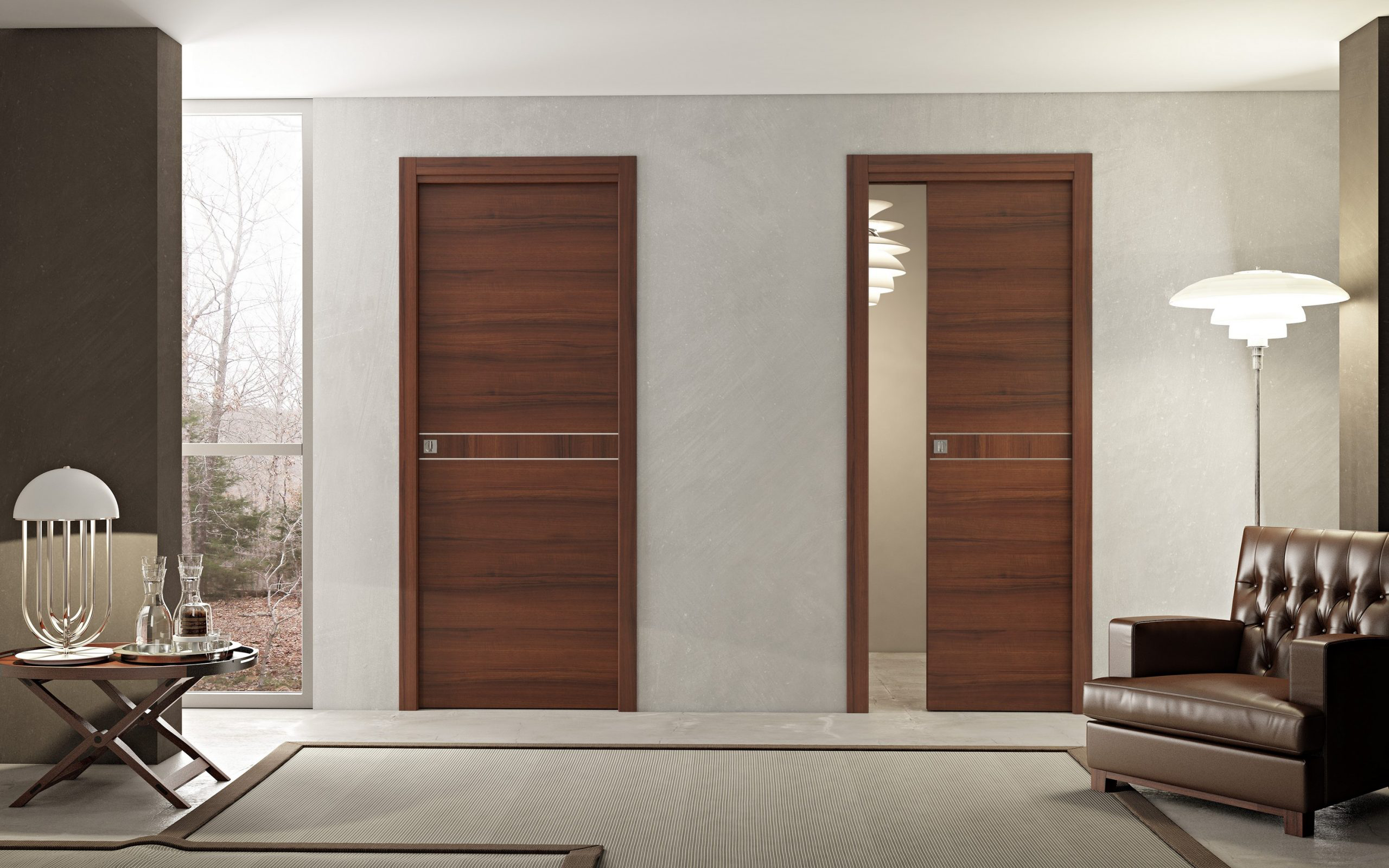
Flat doors are great for living rooms and hallways because of their clean, modern look. Whether you’re trying to create an open, airy space or want a more sophisticated appearance, flat doors help you achieve that minimalist style. They blend effortlessly with contemporary furniture and decor. If you prefer a flat door, painted the same color as your walls, it can make your living space feel even larger and more open.
2. Bedrooms and Bathrooms:
Flat doors are also ideal for private areas like bedrooms and bathrooms. They provide a sleek, elegant look while offering excellent privacy. For bathrooms, solid flat doors are a good choice as they are more durable and provide soundproofing, which helps keep noise from traveling. The simple design also contributes to a calming, peaceful environment, which is perfect for spaces where relaxation is key.
3. Kitchen and Pantry:
In kitchens and pantries, flat doors offer practicality without sacrificing style. Whether you choose a solid, hollow core, or MDF flat door, they provide a durable option that can withstand the occasional bumps and knocks that come with busy kitchen activity. Their easy-to-clean surfaces also make them a great choice for areas prone to spills and stains.
4. Home Offices:
If you’re setting up a home office, flat doors are a great choice. Their sleek design adds a modern touch to any workspace while maintaining a professional look. In home offices, a smooth flat door provides both privacy and a modern aesthetic, making it easier to focus and create an organized environment.
5. Closets and Storage Areas:
Flat doors are commonly used in closets and storage rooms. The simplicity of the design ensures they fit well with any closet configuration, and they’re easy to maintain. For walk-in closets, flat doors offer a sleek, unobtrusive option, while still providing quick access to your clothes and storage space.
Commercial Use of Flat Door
While flat doors are often associated with residential spaces, they also work wonders in commercial settings. Their clean, modern design and practicality make them a popular choice for offices, stores, and even hotels. Let’s take a look at how flat doors are used in commercial spaces:
1. Offices:
Flat doors are commonly used in office spaces due to their sleek, professional appearance. In open-plan offices or private offices, flat doors help create a modern, uncluttered environment. They’re particularly useful in spaces where you want to maintain a clean, minimal look without sacrificing privacy. Glass flat doors can even be used in office settings to maintain a feeling of openness while still offering separation between rooms.
2. Retail Stores and Showrooms:
In retail spaces, flat doors are used to create a contemporary, stylish look that complements modern store designs. They can be used as entrance doors or as interior doors to separate different areas of the store. Metal flat doors are especially popular in retail environments because of their durability and sleek finish, giving the store a high-end, polished look.
3. Hotels and Hospitality:
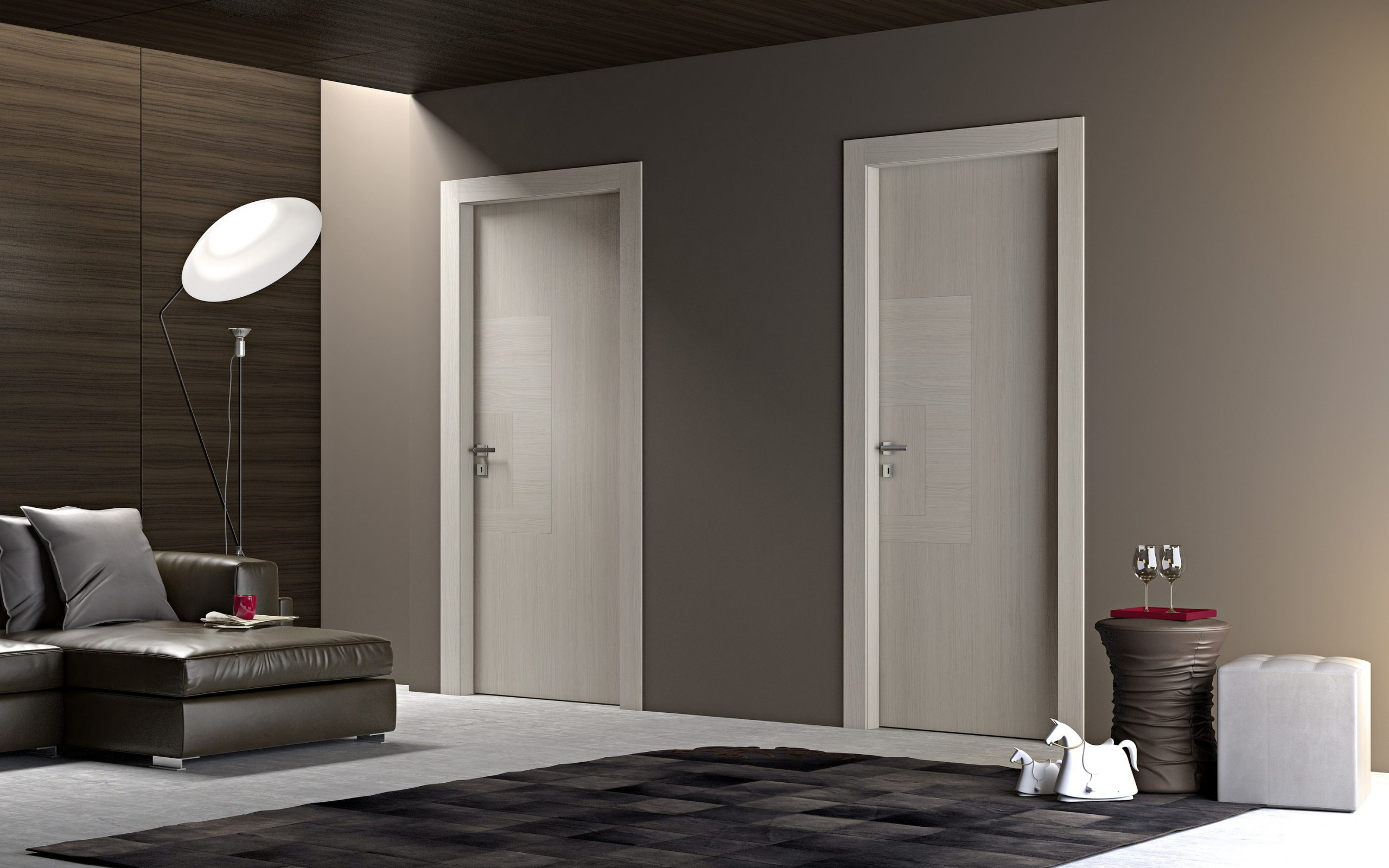
Flat doors are commonly installed in hotels for their simple, elegant appearance. They work well in hotel rooms, where guests expect both style and comfort. MDF flat doors with a smooth finish are often chosen in these settings because they’re both durable and easy to maintain, ensuring long-lasting use in high-traffic environments.
4. Healthcare Facilities:
In healthcare settings, flat doors offer a practical solution. Hospitals and clinics often use these doors in patient rooms and hallways because they are easy to clean and maintain. Flush doors are also popular here, as they can be designed with features like antimicrobial coatings to ensure hygiene and safety.
5. Public Buildings:
Flat doors are frequently used in public buildings, such as schools, libraries, and government offices, because of their versatility and ease of maintenance. They help create a streamlined, modern look in these spaces while offering durability and functionality for heavy daily use.
Flat Door vs. Other Door Types
When choosing a door for your home or office, there are many options to consider. Flat doors are a popular choice, but how do they compare to other types like panel doors, French doors, and sliding doors? In this section, we’ll break down how flat doors measure up to these alternatives, helping you make an informed decision based on your needs and style preferences.
Flat Door vs. Panel Doors
Flat doors and panel doors are both great options, but they have different design styles. The main difference is in the surface design.
- Flat Doors have a sleek, smooth surface with no raised panels. Their clean and modern look is perfect for contemporary interiors. They are simple and minimal, offering a seamless appearance that works well in modern homes and commercial spaces.
- Panel Doors, on the other hand, feature sections or panels that are raised or recessed. These doors are more traditional in appearance and often add texture and depth to a room. They’re great for classic or traditional design styles, as they can have multiple panels with different patterns.
So, if you’re going for a minimalist or modern vibe, a flat door will likely be your best choice. But if you’re aiming for a more classic or vintage look, a panel door might suit your style better.
Flat Door vs. French Doors
French doors are known for their elegance and ability to connect spaces while letting in plenty of light. However, when compared to flat doors, they differ in several key areas.
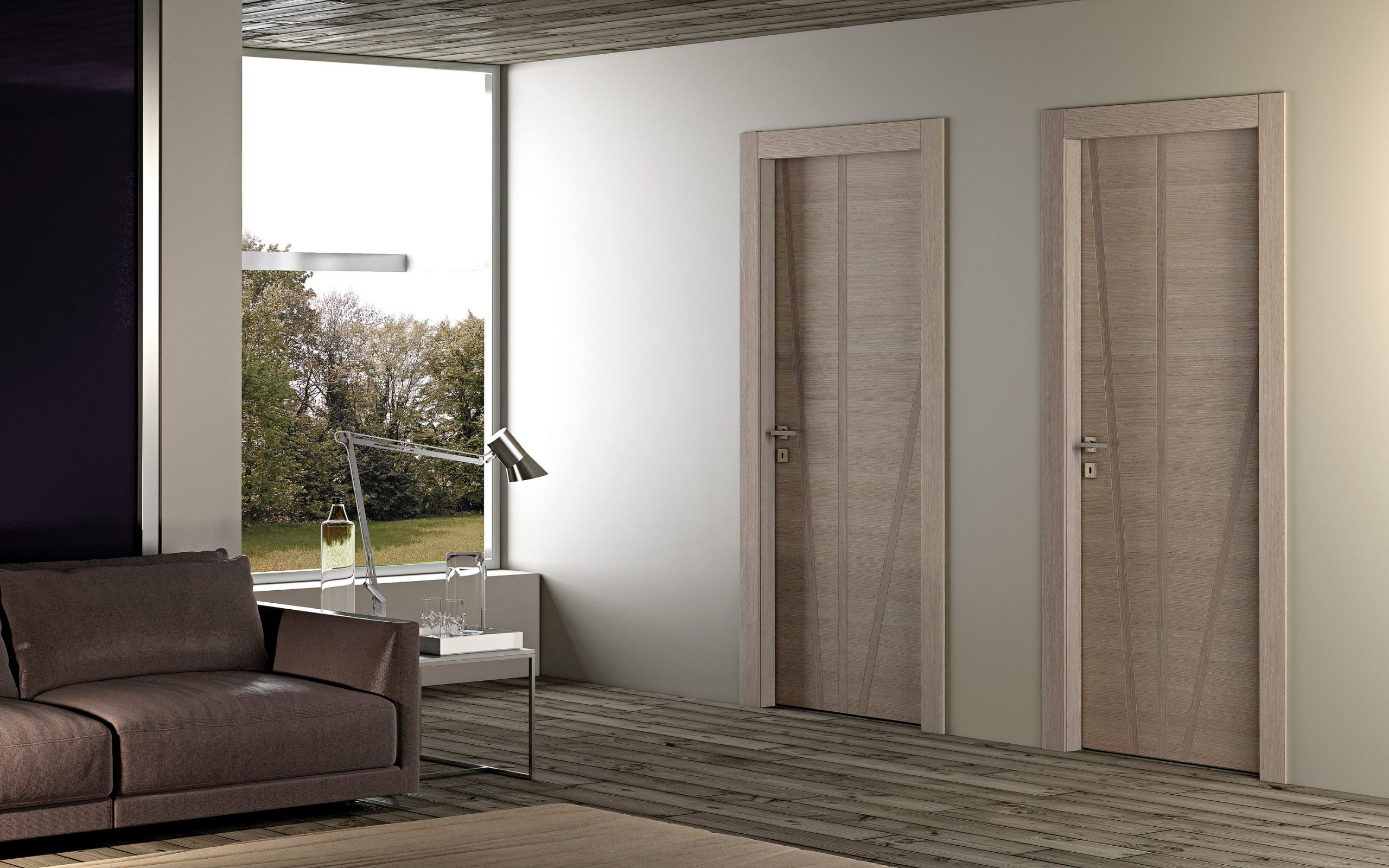
- Flat Doors are simple, smooth, and functional. They can be made from a variety of materials, including wood, MDF, or metal, and are perfect for privacy and seamless design. Flat doors work well in areas where you want to create a clean, modern aesthetic without the complexity of multiple panes or glass.
- French Doors, by contrast, are typically made of two doors with glass panes that allow light to flow between rooms. They are often used as double doors for entrances, patios, or as room dividers. The beauty of French doors lies in their ability to create an open and airy feel, but they do sacrifice privacy and security compared to flat doors.
Flat Door vs. Sliding Doors
Sliding doors and flat doors each have their benefits depending on the space and purpose. Here’s how they compare:
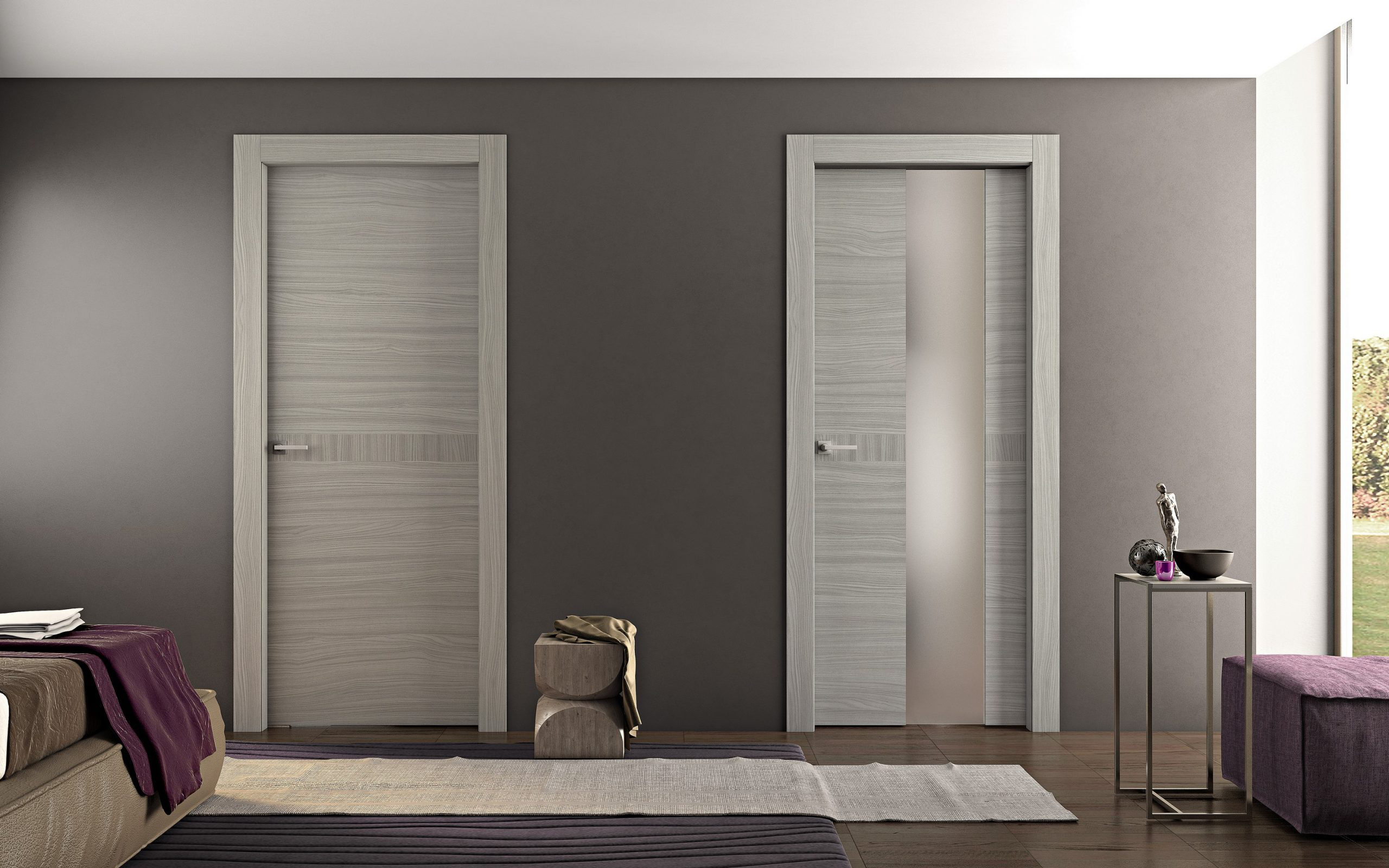
- Flat Doors are usually hinged doors that swing open. They are great for standard spaces and are the most common type of door in homes and offices. Flat doors offer a simple, clean design and are perfect for rooms that don’t have space for a sliding door.
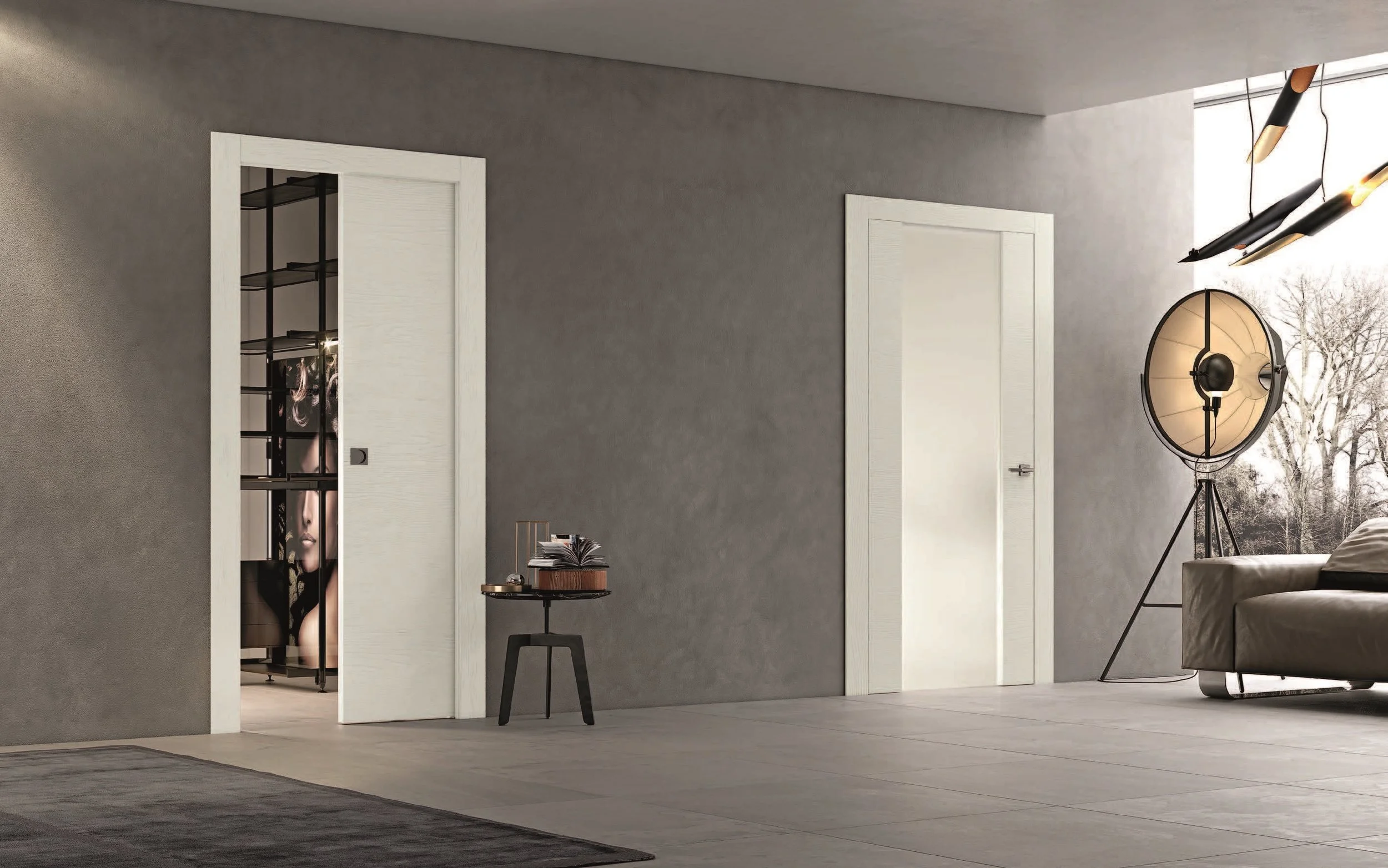
- Sliding Doors, as the name suggests, glide open and closed along a track. These doors are great for saving space because they don’t need extra room to swing open. Sliding doors are often used in patios, closets, and pantries, where space is limited. They are also popular in modern homes as a way to connect indoor and outdoor spaces seamlessly.
When deciding between a flat door and a sliding door, think about your space and needs. If you’re dealing with tight areas or need a door for a patio or closet, a sliding door could be the perfect fit. However, if you want something more traditional or privacy-focused, a flat door is a solid choice.
How to Choose the Best Flat Door for Your Home or Office?
Choosing the right flat door for your home or office can be tricky, especially with so many options available. Whether you’re looking for a door for your bedroom, office, or commercial space, it’s important to consider a few key factors before making a decision. Let’s break down the important points to think about, so you can choose the best flat door that fits your needs and style.
Factors to Consider When Selecting a Flat Door
When selecting a flat door, there are a few key factors that will help you find the perfect fit for your space.
1. Material
The material of the door plays a huge role in its appearance, durability, and maintenance. If you want something strong and durable, solid wood flat doors are a great option. They provide a timeless look and excellent privacy. For a more affordable choice, MDF flat doors offer a smooth finish and are great for modern interiors. Metal flat doors are also a good option for commercial spaces or industrial settings because they are sturdy and secure. Consider what material works best for your space’s style and needs.
2. Style and Design:
Flat doors come in various finishes and styles. Do you prefer a smooth, sleek finish, or would you like something with a bit of texture or a matte look? The finish can make a big difference in the overall look of your space. For example, a glossy finish can give your room a chic, polished look, while a matte finish offers a more understated, natural aesthetic. Choose a finish that complements the rest of your room’s decor.
3. Size and Fit:
Before purchasing your flat door, make sure to measure the doorway accurately. Flat doors come in a variety of sizes, so it’s important to ensure the door fits perfectly. If your doorway is an unusual size, consider getting a custom flat door. Proper measurements will prevent any installation headaches and ensure the door works efficiently.
4. Functionality:
Think about the function the door will serve. Is it for a high-traffic area like a hallway, or is it for a more private space like a bedroom or office? For high-traffic areas, you may want a more durable material, like solid wood or metal. For private rooms, a hollow core flat door might be sufficient, offering a lighter option while still maintaining a clean, modern look.
5. Privacy and Insulation:
If privacy is important, opt for a solid door rather than a hollow core. Solid flat doors are better at blocking sound and providing privacy. Additionally, consider the door’s insulation properties. Solid doors tend to have better insulation, helping to maintain the temperature in your room.
Cost Considerations for Flat Doors
The cost of flat doors can vary significantly based on factors such as material, size, and design. Here are some important cost considerations to keep in mind when choosing a flat door:
1. Material Cost:
The material of the door is one of the biggest factors influencing price. Solid wood flat doors tend to be more expensive due to their high quality and durability. MDF flat doors are generally more affordable while still offering a great finish. Metal doors or glass flat doors can also be more costly, especially if they have custom features.
2. Custom vs. Standard:
Custom doors will cost more than standard sizes. If you need a custom flat door for a unique space, expect to pay a little extra for the design and craftsmanship. However, a custom door ensures a perfect fit and personalized style, which can be worth the investment for special spaces.
3. Installation Costs:
Don’t forget to account for the cost of installation. Some flat doors may require professional installation, especially if they’re oversized or made from heavy materials like solid wood or metal. While DIY installation may save you some money, it’s important to consider whether you have the skills to do it properly. Incorrect installation can lead to issues with door alignment, security, and durability.
4. Long-Term Investment:
Although flat doors might seem like a bigger investment upfront, their low maintenance and long-lasting durability make them a good value in the long run. For example, MDF flat doors are affordable and easy to maintain, but solid wood flat doors can last for decades and add value to your home or office.
Professional Installation vs. DIY
When it comes to installing flat doors, you have two main options: hire a professional or do it yourself (DIY). Let’s take a look at the pros and cons of each:
1. Professional Installation:
Professional installation is a great choice if you want a flawless result. Experts have the experience and tools necessary to install flat doors properly, ensuring they function well and look great. They can also handle any adjustments needed for unique door sizes or special features. However, hiring a professional can be more expensive, so make sure to factor in the installation cost when budgeting for your door.
2. DIY Installation:
Installing a flat door yourself can be a rewarding project if you have the right tools and experience. It’s typically more affordable than hiring a professional, and it gives you a chance to get hands-on with your home improvement project. If you’re confident in your abilities and have the proper equipment, DIY installation can be a great way to save money. However, if you’re not experienced in door installation, it’s important to follow instructions carefully, as improper installation can lead to issues with the door’s alignment, function, and appearance.
Conclusion: Are Flat Doors the Right Choice for You?
Flat doors are a fantastic option for many spaces, thanks to their sleek design, versatility, and practicality. But are they the right choice for you? In this conclusion, we’ll recap the benefits of flat doors and help you decide when to choose them over other door types.
Recap of the Benefits
Let’s quickly review why flat doors might be the perfect addition to your home or office:
1. Modern and Clean Aesthetic:
Flat doors offer a simple, sleek look that suits modern and minimalist interiors. Their smooth, uninterrupted surface adds a clean touch to any room, making it feel more spacious and airy. If you want a contemporary design, flat doors are a great way to achieve it.
2. Versatility:
Whether you’re outfitting a home, office, or commercial space, flat doors fit into almost any style. They come in a range of materials, such as solid wood, MDF, and metal, allowing you to choose the right option for your specific needs. Additionally, they can be customized in terms of finishes, colors, and hardware to match your decor.
3. Durability and Low Maintenance:
Flat doors are known for their long-lasting durability. Made from sturdy materials, they can withstand daily wear and tear, making them a smart investment for high-traffic areas. Their smooth surface is also easier to clean, requiring minimal maintenance to keep them looking good.

4. Privacy and Sound Insulation:
Solid flat doors, in particular, offer excellent privacy and soundproofing, making them ideal for bedrooms, bathrooms, and offices. They help block out noise, ensuring a peaceful environment, whether at home or in a professional setting.
5. Cost-Effective:
Flat doors are often more affordable than traditional panel doors or French doors, especially when considering the low maintenance and long-term durability they offer. This makes them an attractive option for budget-conscious buyers without sacrificing quality.
When to Choose Flat Doors Over Other Types?
While flat doors have a lot of advantages, there are times when another type of door might be a better choice. Here’s when you should consider flat doors over other door options:
1. When You Want a Sleek, Minimalist Design:
If you’re aiming for a modern, clean, and minimalist look, flat doors are your best option. They fit perfectly in spaces where simplicity is key, such as contemporary homes, apartments, or office spaces. Flat doors are designed to blend seamlessly with your decor, making them the ideal choice when you want to maintain a streamlined look.
2. When You Need Durability Without Extra Detail:
If you need a durable door but don’t want the ornate details of traditional panel doors, flat doors are the way to go. Their solid construction and smooth surface offer long-lasting performance without the intricate design that panel doors or French doors might have. This is perfect for high-traffic areas like hallways or commercial spaces.
3. When You Prefer Low Maintenance:
Flat doors are a great choice if you’re looking for a low-maintenance option. With their smooth surface, they don’t collect dirt or dust as easily as doors with panels or intricate designs. Plus, they are generally easy to clean, which makes them a great fit for families, offices, or spaces that require frequent upkeep.
4. When You Want Flexibility in Style and Function:
If you want a door that can be easily customized, flat doors offer a wide range of options. You can choose from different materials, finishes, and sizes to match your specific design vision. Whether you’re installing them in a living room, office, or bathroom, flat doors are versatile and adaptable.
5. When Privacy and Soundproofing Are Important:
For spaces where privacy or sound insulation is a priority, solid flat doors are a smart choice. These doors can block out noise and provide a sense of seclusion, making them perfect for bedrooms, offices, or other private spaces.
Summary
In summary, flat doors are a great option for those who want a modern, low-maintenance door that’s versatile and durable. While there are other door types with more traditional or decorative features, flat doors stand out because of their sleek design, practicality, and versatility in almost any environment.
Relate FAQ
Why are flat doors popular?
Flat doors, or flush doors, are highly popular due to their minimalistic design and versatility. They can complement various interior styles, from modern to contemporary. Their simplicity also makes them cost-effective and easy to maintain, as they don't have intricate carvings or panels.
What are the benefits of flat doors?
- Simplicity and Elegance: The smooth and sleek surface fits with modern interior styles.
- Versatility: They can be painted or stained to match various design schemes.
- Durability: Solid core flush doors are known for their strength and resistance to wear and tear.
- Cost-Effective: Generally, flat doors are more affordable than traditional panel doors, especially when produced with MDF or other engineered wood.
Are flat doors suitable for exterior use?
While flat doors are most commonly used for interior spaces, some flat doors are designed specifically for exterior use. For these applications, solid core flush doors are recommended as they offer better insulation and security. However, they might require more maintenance compared to exterior panel doors, particularly in harsh weather conditions.
How do you maintain flat doors?
Maintaining a flat door is relatively simple. Regular cleaning with a mild detergent and a soft cloth will help remove dust and dirt. If the door is wooden, it should be checked for any signs of wear, like cracks or chips, and refinished or resealed when needed. Also, ensure that hinges and locks are well-oiled for smooth operation.
Can flat doors be customized?
Yes, flat doors can be customized in various ways. They can be made in different sizes, materials, and finishes to suit the specific aesthetic and functional needs of a space. Some designs allow for the integration of glass panels, different textures, or special wood finishes.
What materials are used to make flat doors?
Flat doors can be made from various materials, including:
- Wood: Offers a classic look and can be customized with different finishes.
- MDF (Medium Density Fiberboard): A cost-effective material with a smooth finish, commonly used for both residential and commercial doors.
- Hollow Core: Lightweight and cost-effective, often used in interior applications.
- Solid Core: More durable and soundproof, suitable for high-traffic areas or exterior doors.
Are flat doors energy efficient?
Yes, solid core flush doors are energy efficient because their dense construction provides better insulation compared to hollow core doors. They can help maintain room temperatures and reduce heating or cooling costs. Choosing an insulated door can further enhance energy efficiency.