What are common problems with hidden doors?
What is a Hidden Door and Why Are They Popular?
Definition of Hidden Doors
What Is a Hidden Door?
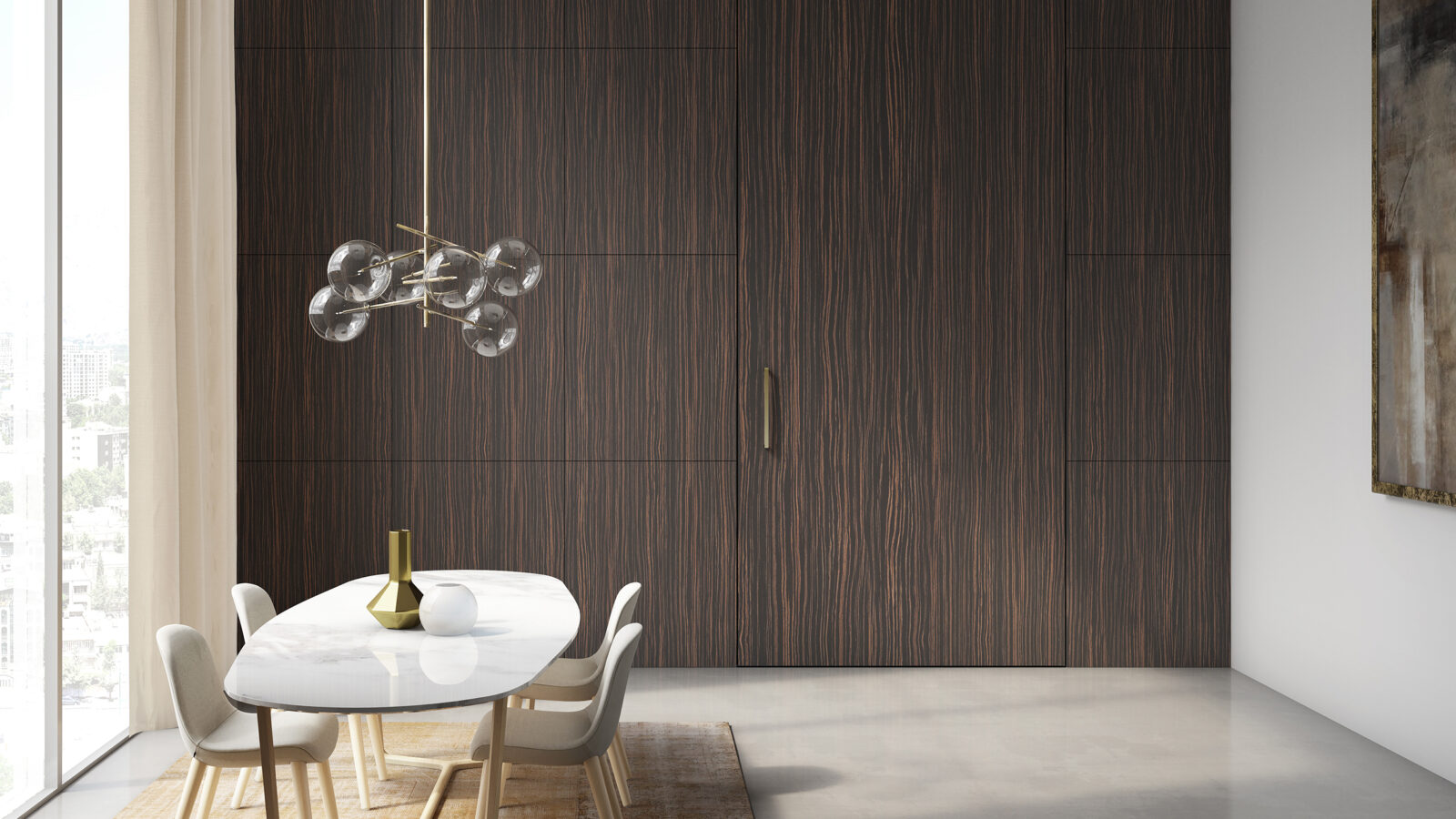
A hidden door is exactly what it sounds like—an entrance designed to blend seamlessly into its surroundings, making it nearly invisible to the eye. These doors are cleverly concealed within walls, bookshelves, or other structures, allowing them to stay unnoticed until they’re needed. Hidden doors can lead to secret rooms, closets, or even private areas that offer an extra layer of security and privacy.
In recent years, the idea of hidden doors has gained significant popularity, especially in modern homes and luxury designs. Many people love the idea of a concealed entryway because it provides a sense of mystery and security. They may lead to a personal sanctuary, a home office, or even a wine cellar, creating an exciting sense of discovery.
How are Hidden Doors Different from Traditional Doors?
Unlike traditional doors, which are typically used to separate rooms or provide access to a space, hidden doors go beyond mere functionality. Traditional exterior doors are usually designed to stand out, with visible handles, locks, and hinges. They’re easy to spot, whether they lead into a house or into a room.
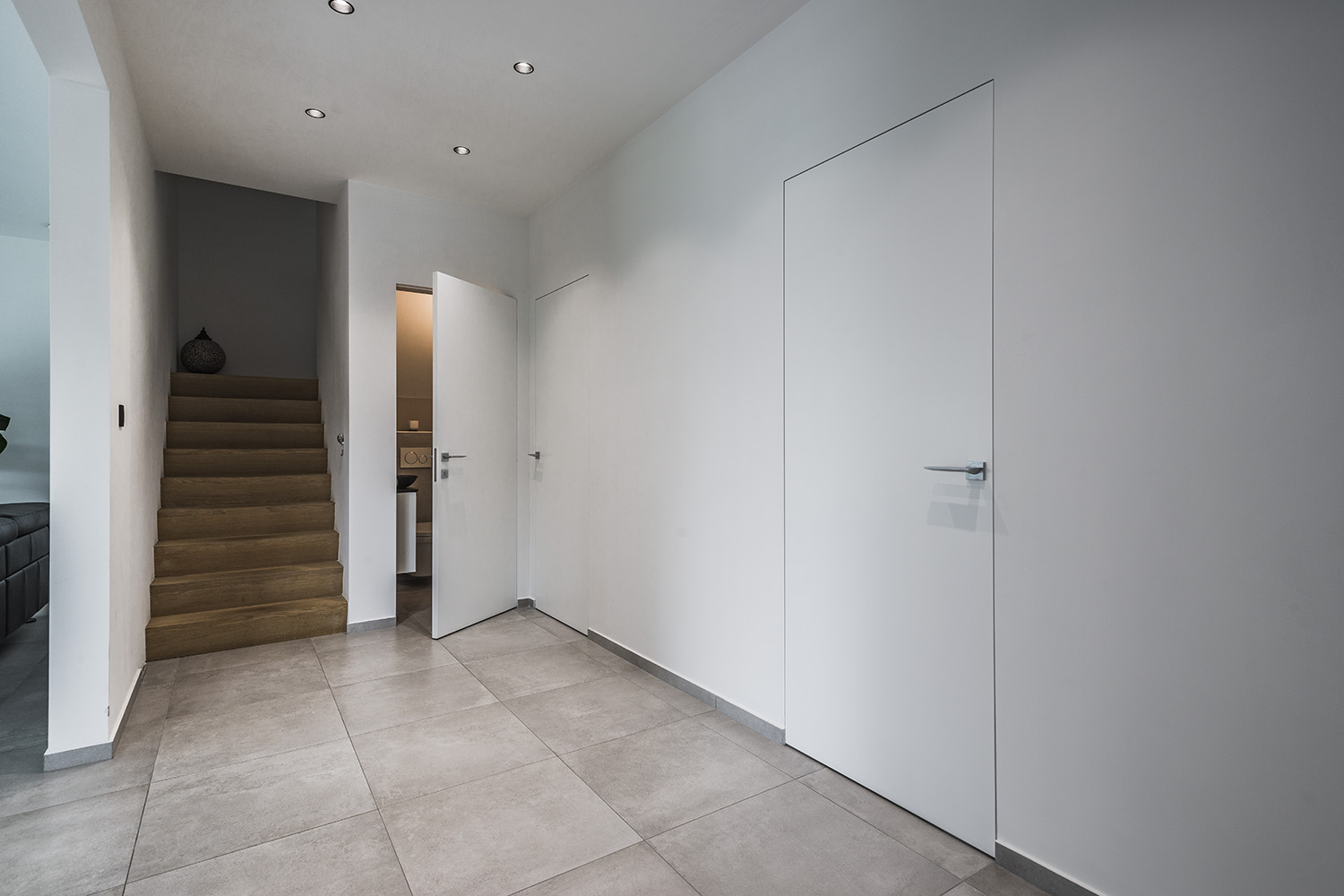
On the other hand, hidden doors focus on subtlety and integration. A hidden door is usually flush with the wall or surrounding decor and has no visible handles or hinges. In some cases, it may even blend into a bookshelf, making it look like part of the wall. Unlike standard doors, which are built for clear access, hidden doors require a special mechanism to open—this might include a hidden latch, button, or even a sensor system.
The main difference lies in how the doors are designed and how they function. Traditional doors are meant to be visible and easy to use. In contrast, hidden doors prioritize aesthetics and security, offering a more creative solution for homeowners who want to keep things private or add a bit of mystery to their home design.
Hidden doors also offer practical benefits. For example, while exterior doors are generally built to withstand weather conditions and provide clear protection, hidden doors often focus on privacy and discretion inside the home. They’re ideal for spaces where people want to keep things out of sight, such as home offices, secret rooms, or storage areas.
The Rise of Hidden Doors in Modern Architecture
The Appeal of Hidden Doors in Design
Hidden doors have become a popular design element in modern architecture. Their appeal lies in the perfect balance between functionality and aesthetic beauty. Many homeowners and designers are drawn to the idea of concealed entrances because they create a sense of surprise and elegance.
One key reason hidden doors are so attractive is that they help maintain a clean, minimalistic look. In today’s world of open floor plans and spacious interiors, many people prefer to hide the clutter of doors and external entryways behind walls, bookshelves, or art. By doing so, the design feels more seamless and less obstructed by traditional door frames or heavy hardware.
Additionally, hidden doors are ideal for people who want to create a more secure and private space. Since these doors are concealed, they add a layer of protection and exclusivity. This makes them especially appealing to those who value privacy, like celebrities or high-profile individuals who need to keep certain areas of their homes under wraps.
Popularity in Luxury Homes and Spaces
Hidden doors have gained significant popularity, especially in luxury homes and high-end spaces. In these settings, the desire for both privacy and exclusivity is heightened. Exterior doors in luxury homes are often designed with a focus on security, but hidden doors take it a step further by providing additional layers of concealment. They are often used to create secret rooms, home theaters, wine cellars, or private offices, all of which add an element of surprise and excitement.
In luxury real estate, hidden doors are not just a trend; they are seen as a feature that enhances the overall experience of living in the space. These doors allow for functional rooms to remain unseen or undisturbed, while still offering access when needed. For example, a hidden door leading to a private study or library can make the room feel like a retreat from the outside world, enhancing both the aesthetic and the utility of the home.
Hidden doors are also a symbol of innovation and sophistication. As more homeowners seek to personalize their living spaces, these doors provide a creative way to add functionality and style without compromising on the overall look. Whether it’s a sleek exterior door or a more intricate hidden entryway, these design features have become a hallmark of luxury living.
Common Problems with Hidden Door
Installation Issues
The Complexity of Installation
Installing a hidden door is far more complex than putting in a regular door. While a traditional door is typically straightforward to install, a hidden door requires much more attention to detail and planning. This is mainly because the goal of a hidden door is to blend seamlessly into its surroundings, which means it needs to fit perfectly with the design of the room or wall.
First off, the door frame needs to be built carefully to accommodate the hidden door’s unique design. Unlike a standard door, which has a clear frame, hinges, and handles, a hidden door is often designed to be flush with the wall or built into bookshelves or other furniture. This means that the frame and surrounding structure need to be customized to hide the door completely, without leaving any visible seams or edges.
Another challenge is that hidden doors typically require specialized hardware. Many come with magnetic locks, push-to-open mechanisms, or sensor-triggered latches to make sure they open and close without being seen. Installing this type of hardware correctly is crucial for the door to function properly. Any mistake here could lead to a door that doesn’t open smoothly or gets stuck. Moreover, the weight and movement of the door can be tricky to handle, especially when it’s disguised as part of a wall or a cabinet.
The wall itself may also need modifications. Depending on the size and weight of the hidden door, the wall may need extra support to hold the door securely. Installing such a door may involve reinforcing the wall or making sure the surface is sturdy enough to bear the door’s weight and ensure smooth movement.
Furthermore, hidden doors often require expert finishing work to blend in perfectly with the room’s design. Whether it’s matching the door to the wallpaper, paint, or surrounding materials, the goal is to make it look like just another part of the wall or furniture. Getting this finish right demands attention to detail, and the wrong color or texture can easily ruin the effect.
Functional Problems
Difficulty in Opening and Closing
One of the most common functional problems with a hidden door is difficulty in opening and closing. Since these doors are designed to blend seamlessly into their surroundings, they often lack the standard handles or hardware that make a regular door easy to operate. Instead, hidden doors may use push-to-open mechanisms, magnetic latches, or sensor-based systems, all of which can sometimes malfunction or become difficult to use.
When a hidden door is not functioning properly, it can become frustrating for the homeowner. For example, a push-to-open mechanism may get stuck, or the magnetic latch may not engage properly. In such cases, the door might not open when needed, or it could be difficult to close tightly, leaving gaps that ruin the hidden effect. The key to fixing this issue often lies in making sure that the door’s hardware is correctly aligned and properly maintained.
Another potential issue is the weight of the door itself. Some hidden doors are quite heavy, especially if they are designed to look like part of a wall or are made from solid materials like wood or metal. If the door is too heavy for the hardware it’s using, it may not open or close smoothly, causing unnecessary strain on the hinges or latch system. This can lead to wear and tear, which can eventually make the door harder to operate.
Regular maintenance is essential to avoid these kinds of issues. Checking the hardware, making sure the door isn’t misaligned, and ensuring the latches are working properly can go a long way in preventing operational problems.
Functional Problems
Difficulty in Opening and Closing
One of the most common functional problems with a hidden door is difficulty in opening and closing. Since these doors are designed to blend seamlessly into their surroundings, they often lack the standard handles or hardware that make a regular door easy to operate. Instead, hidden doors may use push-to-open mechanisms, magnetic latches, or sensor-based systems, all of which can sometimes malfunction or become difficult to use.
When a hidden door is not functioning properly, it can become frustrating for the homeowner. For example, a push-to-open mechanism may get stuck, or the magnetic latch may not engage properly. In such cases, the door might not open when needed, or it could be difficult to close tightly, leaving gaps that ruin the hidden effect. The key to fixing this issue often lies in making sure that the door’s hardware is correctly aligned and properly maintained.
Another potential issue is the weight of the door itself. Some hidden doors are quite heavy, especially if they are designed to look like part of a wall or are made from solid materials like wood or metal. If the door is too heavy for the hardware it’s using, it may not open or close smoothly, causing unnecessary strain on the hinges or latch system. This can lead to wear and tear, which can eventually make the door harder to operate.
Regular maintenance is essential to avoid these kinds of issues. Checking the hardware, making sure the door isn’t misaligned, and ensuring the latches are working properly can go a long way in preventing operational problems.
Hidden Door Alignment Problems
Another common problem with hidden doors is alignment. Since these doors are designed to be flush with the wall or other surfaces, even a slight misalignment can make the door noticeable. For example, if the door isn’t perfectly straight or if the wall surrounding it shifts over time, it can cause gaps between the door and the frame. These small gaps can break the illusion of a hidden door and make it obvious that there’s an entrance there.
Alignment problems can also affect how the door opens and closes. If the door is not properly aligned with its frame, it may rub against the surrounding surface or not close all the way. This can make the door difficult to use, and over time, it can cause wear on the door’s edges, hinges, and locking mechanisms.
Misalignment can happen for a few reasons. For one, settling in the house can cause the walls to shift, which affects how the door fits into its frame. Also, if the installation wasn’t done precisely, even small errors in measurements or construction can cause the door to become misaligned. This is one reason why professional installation is recommended—it ensures that the door is perfectly aligned from the start.
To fix alignment issues, you may need to adjust the door’s hinges or tracks. Sometimes, this can be done with a simple adjustment to the frame. In other cases, the door may need to be removed and reinstalled to ensure a perfect fit. Regular checks to make sure the door is still aligned properly can help catch small issues before they become bigger problems.
Aesthetic and Design Challenges
Blending with Existing Décor
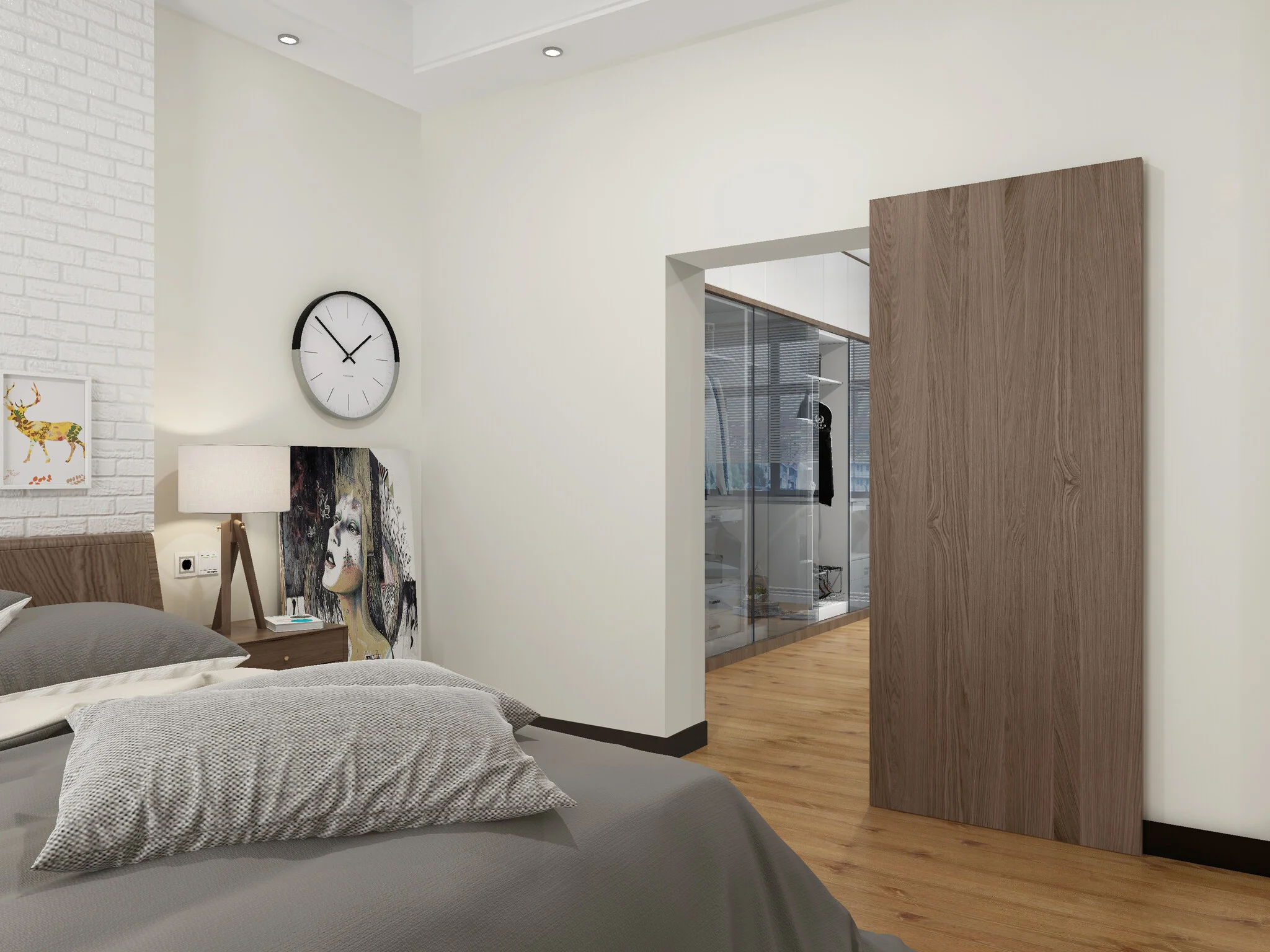
One of the biggest challenges with hidden doors is ensuring they blend seamlessly with the existing décor. Unlike traditional doors, which are often designed to stand out or make a statement, hidden doors need to disappear into the background. This can be tricky, especially if the surrounding walls, colors, or furniture don’t match the door’s design.
For example, if the door is meant to look like a part of a bookshelf, the shelves, books, and materials must be carefully chosen to match the surrounding décor. Any mismatch can make the hidden door noticeable, defeating its purpose. Similarly, if the door is supposed to blend into a wall, the texture and finish of the wall must be consistent. Even small differences in paint color, wood grain, or wallpaper patterns can create visible lines or edges, making the door less effective.
To achieve a smooth blend, it’s essential to select materials that complement the room’s design. This means coordinating the hidden door with the color palette, textures, and styles of the surrounding space. For example, if your room features sleek, modern furnishings, the hidden door should have a minimalist finish, such as a flat, matte surface. On the other hand, if your space has a more traditional or rustic feel, you might opt for a wooden door that looks like a part of a panelled wall.
Overcoming Design Limitations
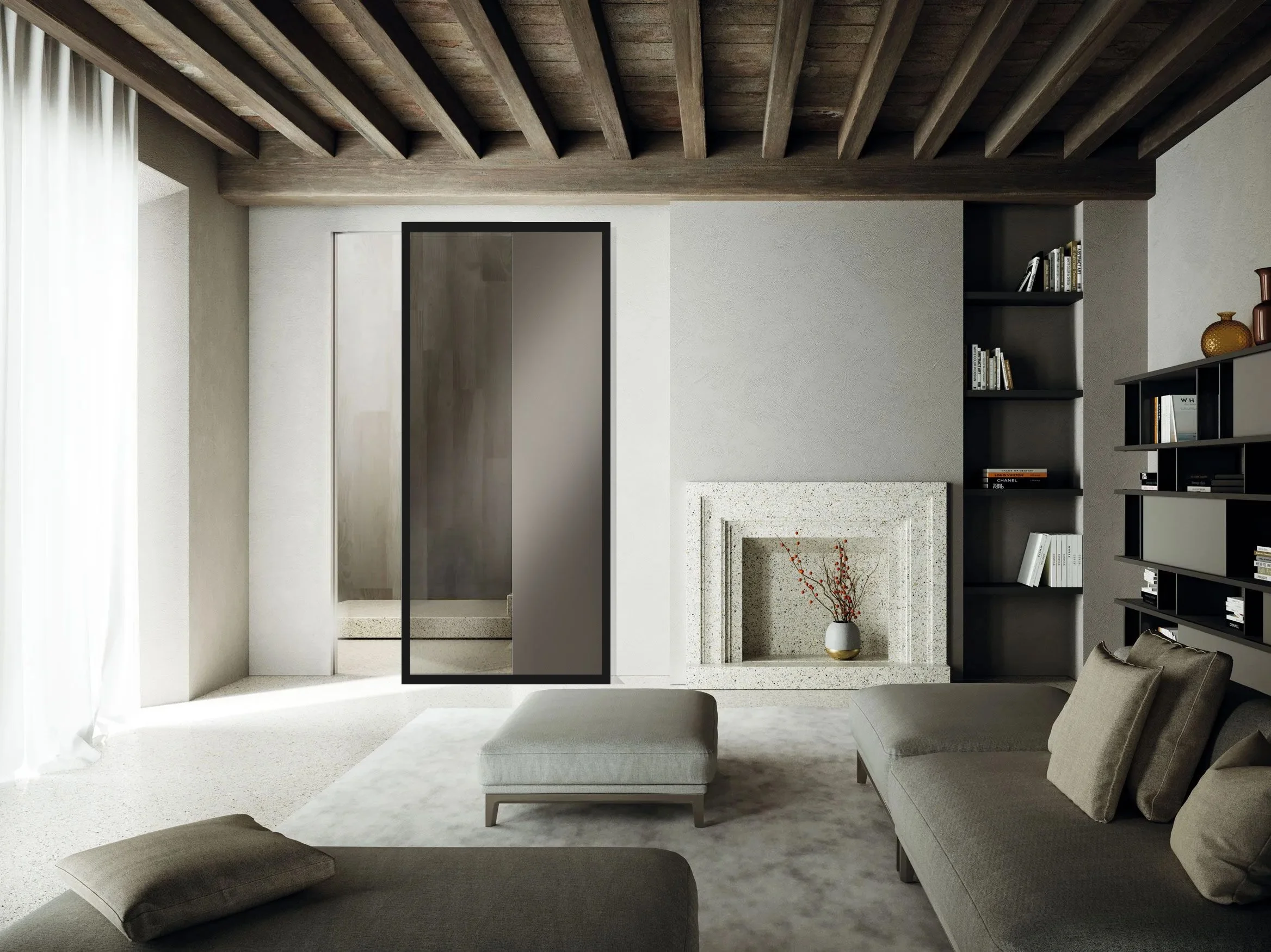
Another challenge with hidden doors is overcoming design limitations. Hidden doors are often built into spaces that were not originally designed to accommodate them, which can restrict the options available. For example, if you want a hidden door in a small room with limited space, it might be hard to incorporate the door in a way that still allows for easy access while maintaining the room’s functionality.
Also, the type of wall or structure you are working with can impact how the hidden door is designed. For example, if you have a brick or concrete wall, installing a hidden door may require extra effort, as these materials aren’t as flexible as drywall or wood. Additionally, certain types of walls or floors might not provide the support needed to install the hardware for the door properly.
To overcome these design limitations, it’s important to carefully plan and consider the space where the hidden door will go. In some cases, you might need to redesign the area slightly or even change your choice of materials to make the installation work. This is where the expertise of a designer or contractor can be especially helpful, as they can help navigate any space or structural challenges.
How to Make the Hidden Door Less Noticeable
Making a hidden door as unobtrusive as possible is key to its function. The goal is to make it look like part of the room, not like a separate feature. To do this, it’s important to pay attention to the following design tips:
1. Match the Surrounding Materials:
Whether your hidden door is set into a wall or disguised as part of a bookcase, the materials should match the surrounding surfaces perfectly. This means using the same color, texture, and finish as the wall, cabinet, or floor where the door is hidden. The more the door blends in, the less noticeable it becomes.
2. Minimize Hardware Visibility:
Traditional doors often have visible handles, locks, and hinges, but hidden doors should avoid these. Instead, opt for hidden latches or push-to-open mechanisms. If you do need hardware, choose sleek, minimalist designs that don’t draw attention.
3. Use Subtle Patterns:
If the hidden door is meant to look like part of a wall, use subtle patterns that won’t stand out. Avoid bold designs or textures that could make the door look like a separate feature. Simple, uniform wall finishes work best for blending the door into the background.
4. Strategic Placement:
Placement matters. Position the hidden door in a less frequently used area, such as a corner or behind a large piece of furniture. This reduces the chances of it being noticed. However, if the door leads to an important space, make sure the design makes sense within the context of the room.
5. Professional Installation:
Finally, making a hidden door truly invisible often requires a professional. A skilled designer or contractor can help ensure the door is perfectly aligned with the room’s style and that it functions properly without standing out.
Maintenance Issues
Keeping Hidden Doors in Good Condition
Maintaining a hidden door in good condition is essential to ensure it functions properly and continues to blend seamlessly into your home. Since these doors often involve custom designs and unique mechanisms, regular maintenance is key to keeping everything running smoothly.
First, check the hardware regularly. Hidden doors typically use specialized mechanisms like magnetic latches, push-to-open systems, or sensor-based locks. Over time, these components can become worn or misaligned, especially if the door is used frequently. Make sure the latches and hinges are in good working order, and adjust them if necessary to ensure smooth operation. If the door uses a magnetic lock, for example, check that the magnets are still strong enough to hold the door securely.
Another part of maintenance involves the door frame and the surrounding wall or furniture. Hidden doors are designed to be flush with the walls, which means any movement or settling in the house could affect how well the door fits. It’s important to periodically inspect the door’s alignment and check for any gaps or misalignment. If you notice any issues, have them addressed right away to prevent further damage or wear.
Finally, depending on the materials used, the door itself may need occasional care. If your hidden door is made of wood, for example, you might need to oil or treat the surface to prevent cracks or warping. For metal or glass hidden doors, check for any signs of rust or scratches, and treat these promptly to keep the door looking as good as new.
Dealing with Wear and Tear
Like any part of your home, hidden doors are susceptible to wear and tear over time. This can come in the form of scratches, dents, or general degradation of the materials. Since hidden doors are often integrated into walls or cabinets, the surface can experience damage from regular use or accidental bumps.
One common issue with wear and tear is scratches on the surface of the door, especially if it’s made from wood or painted finishes. Even small scratches can become noticeable over time, especially on high-traffic doors. To prevent this, it’s a good idea to avoid excessive contact with the door, particularly if it’s in an area where it’s regularly touched.
For metal or glass hidden doors, you may encounter rust or water damage, particularly in areas with high humidity. Regularly inspecting the door for signs of rust, especially around the hinges or hardware, will help prevent long-term damage. If you spot rust, clean it off and treat the surface with a rust-prevention product.
Wear and tear can also affect the door’s function. For instance, the push-to-open system may become less responsive over time, or the door might begin to sag if the hinges are not regularly lubricated. Keeping the door properly aligned and making necessary adjustments can prevent it from becoming difficult to operate.
Cleaning and Preserving Hidden Door Surfaces
Keeping your hidden door clean is crucial to preserving its appearance and ensuring it stays in top condition. Since hidden doors are designed to blend into the surroundings, their surfaces often mimic the walls, cabinets, or furniture they’re integrated with. Cleaning these surfaces requires a bit of care to maintain the door’s aesthetic appeal.
Start by regularly wiping down the surface with a soft cloth to remove dust and dirt. For wooden doors, avoid harsh cleaning products that can damage the finish. Instead, use a mild cleaner or a wood polish to preserve the door’s look. If your hidden door is painted, ensure that the paint remains intact, as chips or scuffs can be more noticeable over time.
For metal or glass hidden doors, use appropriate cleaning products designed for those materials. Glass cleaners work well for keeping the surface streak-free, while a metal polish can help maintain the shine and prevent rusting. If the hidden door is framed in wood or metal, be sure to clean the frame as well, as dust and grime can accumulate in corners.
In addition to routine cleaning, it’s a good idea to preserve the door’s surface by applying protective coatings. For wood, a wax or varnish can help protect against scratches and moisture. For metal or glass, a clear protective coating can help prevent rust or scratches from forming. Regularly maintaining the surface will keep your hidden door looking fresh and new, even after years of use.
Why Are Hidden Doors Prone to These Problems?
The Nature of Hidden Door Design
The Balance Between Functionality and Aesthetics
Hidden doors are unique because they must strike a delicate balance between functionality and aesthetics. Unlike traditional doors, which are designed primarily for practical use, hidden doors are meant to blend seamlessly into their surroundings, often becoming a part of the wall, bookshelf, or even furniture. This visual integration requires a level of design precision that traditional doors don’t need.
The challenge comes when trying to ensure that the door remains invisible while still functioning like a regular door. For instance, while a hidden door might look great as part of a bookshelf or a wall panel, it needs to open and close smoothly. The hidden components, such as the hinges, locks, or opening mechanisms, must be designed in a way that does not compromise the door’s aesthetic appeal. Finding this balance can lead to technical challenges, like ensuring smooth operation without interfering with the hidden design.
Additionally, achieving a smooth, seamless finish means that any slight error in installation, such as misalignment or imperfect finishes, will become much more noticeable than with a standard door. This constant push and pull between the functional needs of the door and its desire to blend into the décor often leads to the problems we see with hidden doors—like alignment issues or difficulty in opening and closing.
The Challenge of Integrating Technology
Integrating modern technology into the design of a hidden door can also introduce its own set of challenges. Today, many hidden doors feature automated locks, sensor-activated mechanisms, or push-to-open latches that make them more convenient to use. However, the technology behind these systems can also be prone to malfunction or require regular maintenance.
For example, sensor-based systems that trigger the opening or closing of the door may sometimes fail due to misalignment, interference from nearby objects, or dead batteries. Similarly, push-to-open mechanisms, while convenient, rely on a precise mechanism to function correctly. Over time, these mechanisms can wear out, making it harder for the door to open with the simple push of a finger.
Integrating these technologies into a hidden door design also adds to its complexity. While traditional doors have simple hardware—such as visible handles or locks—the technology behind hidden doors often involves invisible components that need to be placed correctly within the frame or surrounding wall. Any small error in positioning, installation, or even the material used could result in a malfunctioning door.
The Role of the Materials Used
Wood vs. Metal vs. Other Materials
The choice of materials used for a hidden door plays a significant role in how well the door performs and how prone it is to various problems. Wood, metal, and other materials each have their own benefits and challenges when it comes to hidden doors.
Wood is a popular choice for hidden doors because of its natural aesthetic and versatility. It can blend seamlessly into traditional or modern décor and is relatively easy to work with. However, wooden hidden doors can be prone to issues like warping or shrinkage over time, especially in areas with high humidity or fluctuating temperatures. The door may become misaligned, making it difficult to open or close smoothly. Additionally, wood can get scratched or damaged more easily than metal or other harder materials, which means it may require more frequent maintenance.
Metal, on the other hand, offers durability and a sleek, modern look. Metal hidden doors are more resistant to the wear and tear that can affect wood, such as scratches or dents. They are also more stable and less likely to warp due to environmental changes. However, metal doors can be heavier, which means they require stronger hinges and mechanisms. Metal also has a tendency to show scratches more clearly than wood or other materials, which can be a downside if you want your hidden door to remain completely flawless.
How the Choice of Materials Affects Durability and Function?
The materials used for a hidden door significantly affect both its durability and functionality. A poorly chosen material can lead to alignment issues, wear and tear, or even malfunctioning hardware over time.
For example, wooden hidden doors may be prone to expansion or contraction due to changes in temperature and humidity. This can cause the door to become misaligned with the frame, leading to difficulty in opening or closing the door. Additionally, wood is more susceptible to scratches, dents, and other surface damages, which can be a problem if you want your hidden door to maintain a flawless appearance over the years.
Metal doors, while generally more durable and stable, come with their own set of challenges. They may be heavier, which can put additional strain on the hinges and opening mechanisms. This added weight may require stronger, more robust hardware, increasing the installation complexity and cost. In addition, metal can be prone to rust, particularly in humid environments, which could lead to both aesthetic and functional issues. Keeping a metal hidden door looking pristine might involve regular cleaning and application of protective coatings.
Materials also influence the overall function of the door. Wood and composite materials are often easier to work with and can be customized to match existing furniture or walls. However, these materials might not be as sturdy as metal and may require more careful maintenance to ensure they perform well over time. Composite materials offer durability but may not always offer the same design flexibility as wood or metal.
How to Avoid or Solve Hidden Door Problems?
Choose the Right Design for Your Space
Matching the Door Style to Your Home's Layout
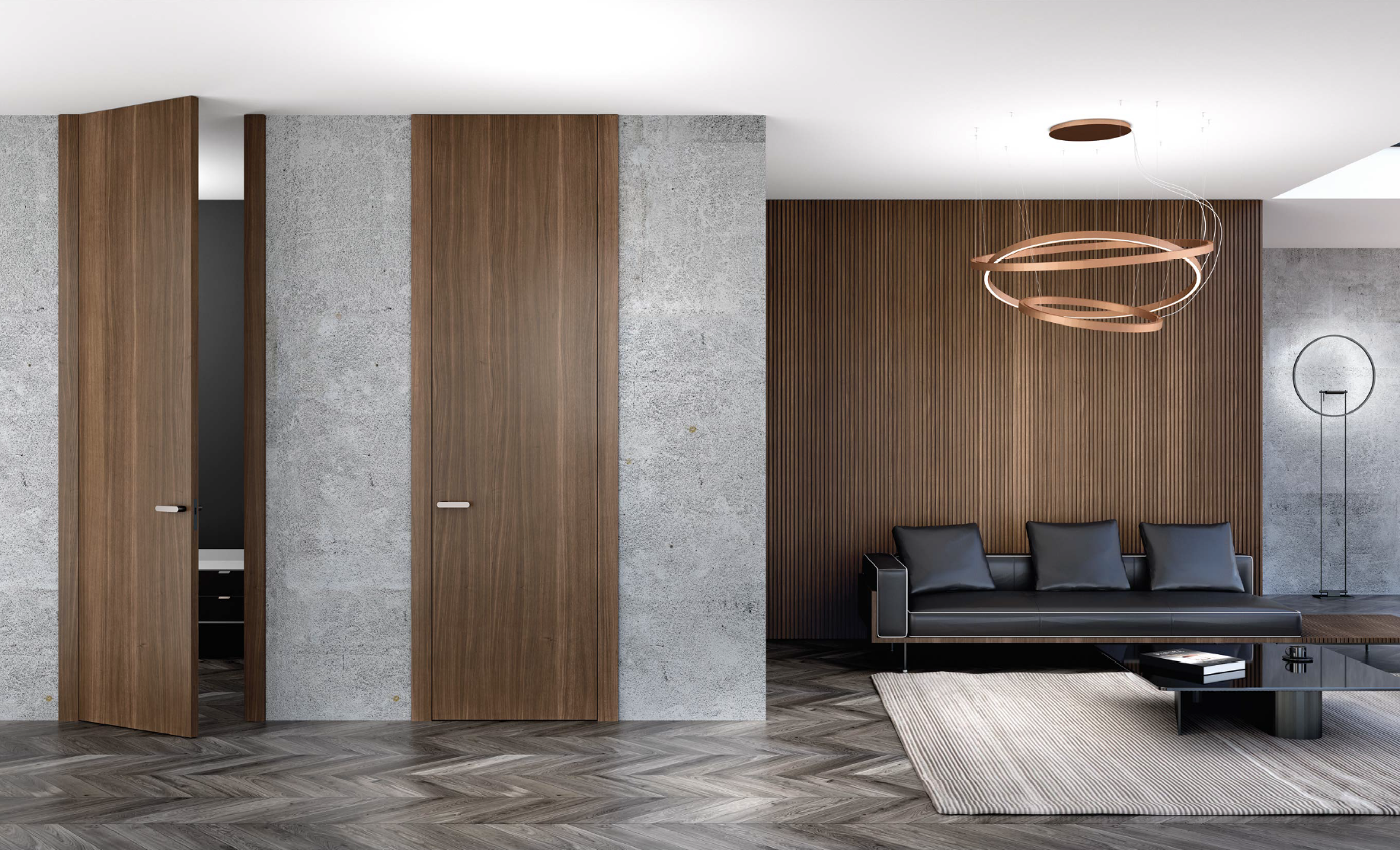
When choosing a hidden door, it’s important to make sure the design complements your home’s overall layout and aesthetic. Hidden doors are meant to blend into their surroundings, so the style should match the existing décor seamlessly. A modern home with sleek, minimalist features might require a hidden door that has a simple, flat surface, while a traditional home might benefit from a more detailed design, like a hidden door disguised as a wooden panel or built-in bookshelf.
Before you settle on a specific style, consider the layout of your home. For example, in an open-concept space, a hidden door can work wonders to create private areas without disrupting the flow. In smaller rooms, you might want to choose a design that doesn’t overwhelm the space—like a hidden door with a light finish that blends with the wall color. A dark wooden door, while elegant, might stand out too much in a small or bright room.
In addition to the visual style, think about the function of the hidden door. Is it meant to conceal a private room or provide access to a secret storage area? If it’s a door to a frequently used area, it’s best to opt for a design that makes the door easy to use, while still keeping it hidden. For example, a push-to-open mechanism might work best for a hidden door leading to a pantry, while a magnetic lock could be better for a hidden entrance to a personal study or closet.
When to Hire a Professional Designer?
While it’s possible to choose a design and install a hidden door yourself, hiring a professional designer can save you a lot of time and ensure the job is done correctly. Designers can help you choose the right style, materials, and mechanisms for your hidden door, ensuring it functions well and fits perfectly within your space.
A professional designer will also be able to address any layout challenges. For instance, if your home has uneven walls, difficult-to-work-with materials, or limited space, a designer can recommend the best way to integrate a hidden door without compromising the room’s functionality or aesthetics. Additionally, a designer will ensure that all elements—like hinges, locks, and finishes—work together to create a seamless look and prevent future problems like misalignment or hardware failure.
Even if you have a specific idea in mind, a designer can help bring that vision to life in a way that’s practical and sustainable. They understand the technical details, such as how to integrate mechanisms into a hidden door design without affecting its appearance, as well as how to select materials that can withstand wear and tear over time. A designer will also ensure that the installation is up to professional standards, reducing the risk of problems down the road.
Selecting the Right Materials for Durability
Best Materials for Longevity and Function
Choosing the right materials for your hidden door is essential to ensure it lasts and continues to function smoothly over time. Durability and functionality are key factors to consider, as the materials will determine how well the door holds up against wear and tear, environmental changes, and regular use.
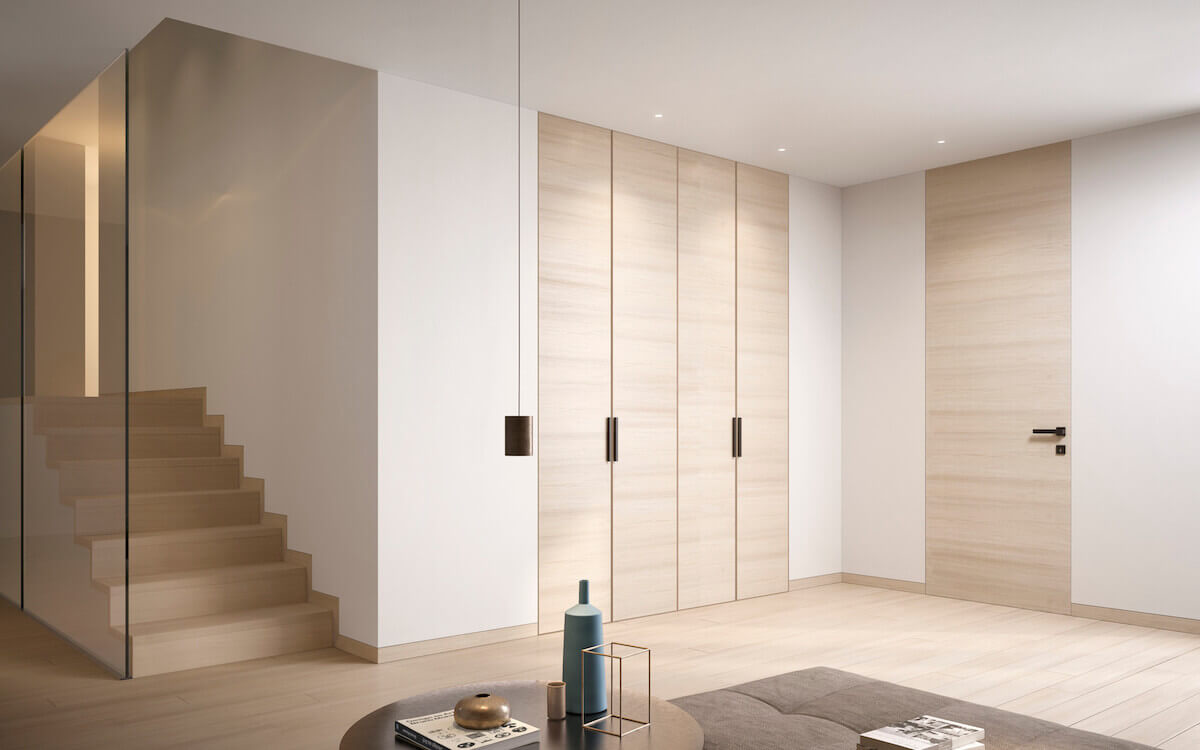
Wood is a classic choice for hidden doors, especially when you’re aiming for a traditional or warm aesthetic. High-quality hardwood, like oak or maple, is durable and can withstand wear if properly maintained. Wood can also be finished in various ways, allowing you to match it seamlessly with your home’s décor. However, wood does require regular care to maintain its longevity, especially if exposed to humidity or fluctuating temperatures. When properly sealed, wood offers great durability while also enhancing the door’s natural beauty.
Metal is another strong option for hidden doors, especially in modern or industrial-style homes. Steel and aluminum are commonly used because they’re incredibly strong and resistant to the elements. Metal hidden doors won’t warp or expand like wood, making them a great choice for areas with high humidity. They also provide a more secure and sturdy solution, especially for exterior hidden doors. However, metal doors are heavier and may require more robust hardware to support the weight. Additionally, they can be prone to scratching, so regular maintenance is needed to keep the door looking pristine.
Another great option is composite materials, such as MDF (medium-density fiberboard) or engineered wood. These materials are often used for hidden doors because they are affordable, stable, and resistant to warping. Composite materials are easier to maintain compared to wood and can be painted or veneered to match your existing décor. While durable and functional, they may not have the same aesthetic appeal as natural wood or metal, and can sometimes show signs of wear over time.
Ultimately, the best materials for your hidden door will depend on your specific needs and the environment in which the door will be installed. If you’re looking for strength and stability, metal might be the best choice. If you prefer a natural look and are willing to maintain it, wood is ideal. For a low-maintenance, cost-effective option, composite materials can work well.
Regular Maintenance Tips
How to Inspect and Care for Your Hidden Door?
Regular maintenance is essential to keep your hidden door functioning properly and looking great. Hidden doors often have specialized mechanisms and finishes, so taking the time to inspect and care for them can help avoid common issues such as misalignment, difficulty opening or closing, and wear and tear.
Start by checking the hardware. Hidden doors often use unique locking systems, hinges, or push-to-open mechanisms. Make sure these components are working smoothly. For instance, check if the door opens easily with the push of a button or if the magnetic locks engage properly. Any resistance when opening or closing could signal a problem with the mechanism that needs to be addressed.
Next, inspect the alignment. Since hidden doors are designed to be flush with the wall or surrounding structure, even the smallest misalignment can make them noticeable. Check to ensure there are no gaps or uneven lines around the door. If the door is misaligned, it may require an adjustment to the frame or hinges to restore a perfect fit.
If your hidden door is made of wood, it’s important to check for signs of moisture damage or warping. Wood doors are sensitive to changes in temperature and humidity. Look for cracks, bulges, or discoloration, which could indicate that the wood is expanding or contracting. If you notice any of these issues, it may be necessary to reseal the wood or adjust the environment around the door to prevent further damage.
Finally, don’t forget about the finish. Whether it’s wood, metal, or composite, the surface of your hidden door should be regularly cleaned to maintain its appearance. Dust and grime can build up and may cause scratches over time. Use a soft cloth to wipe down the surface, and be sure to use cleaners that are safe for the material of your door. If the door has a painted finish, check for chips or scratches, and touch them up to maintain its clean, invisible look.
Maintenance Frequency and Tips
How often you maintain your hidden door depends on its material, usage, and the environment it’s in. However, a good rule of thumb is to inspect your door every few months for any issues. Regular maintenance will help catch small problems before they turn into bigger ones.
For wooden hidden doors, you should check for moisture damage or warping at least once every season. In areas with high humidity, consider inspecting the door more frequently, as moisture can cause wood to swell or shrink. Resealing the wood or reapplying protective finishes every 6-12 months can help preserve the door’s integrity and appearance.
If you have a metal hidden door, check for signs of rust, especially in areas where the door is exposed to moisture. A simple wipe down every month can help prevent rust buildup. If you notice any rust, use a metal cleaner or rust remover to treat the area and keep the door looking clean. Also, apply a protective coating to prevent future rusting.
For composite or engineered wood doors, cleaning should be done regularly, but you may not need to worry as much about issues like warping or rust. These materials are often more stable and require less maintenance than natural wood or metal doors. Still, inspecting the door every few months to ensure the mechanisms are working properly is a good habit.
When performing regular maintenance, always check the hardware first. Lubricating the hinges, locks, and other moving parts can help ensure the door continues to operate smoothly. A quick spray of lubricant on the hinges or tracks once every few months can keep the door from squeaking or becoming difficult to open. Similarly, check the locking mechanisms to make sure they’re operating smoothly and securely.
Troubleshooting Common Issues
How to Fix Common Hidden Door Problems Yourself?
While hidden doors are designed to blend seamlessly into your space, they can face a few common issues over time.
1. Misalignment Issues:
One of the most common problems with hidden doors is misalignment. If the door becomes difficult to open or close, it could be due to misalignment with the surrounding frame. To fix this, you can check the hinges and make sure they’re properly tightened. If the door is wooden, changes in humidity might cause the door to expand or contract, so realigning it might be as simple as adjusting the hinges slightly. For metal doors, misalignment could be due to the weight of the door shifting, so ensure that all hardware is secure and consider adding additional support if needed.
2. Sticking or Jammed Door:
If your hidden door sticks or jams when you try to open it, the cause could be dirt or debris in the hinges or tracks. Cleaning the hinges with a soft cloth and applying a light lubricant can help. For push-to-open mechanisms, ensure that the sensor or latch is clear of any obstructions. If it’s a magnetic lock system, check that the magnets are still aligned properly. Sometimes, simply cleaning and lubricating the moving parts can solve the problem.
3. Lock Malfunctions:
If your hidden door has a magnetic lock or other specialized locking mechanism that isn’t working correctly, the issue might be with the alignment or the battery if it’s sensor-based. For magnetic locks, try adjusting the alignment slightly or cleaning the magnets to ensure they make proper contact. If your hidden door uses a sensor lock, check the battery or replace it if it’s low. Sometimes the sensors can become misaligned or dirty, so cleaning them carefully may help.
4. Squeaky Hinges:
For hidden doors with visible hinges, squeaks can be annoying. The solution is simple: clean and lubricate the hinges. Use a dry cloth to remove any dirt or grime and then apply a lubricant like WD-40. For doors with concealed hinges, it’s still a good idea to apply lubrication in the hinge area if you can access it. This will keep the door opening and closing smoothly without a squeak.
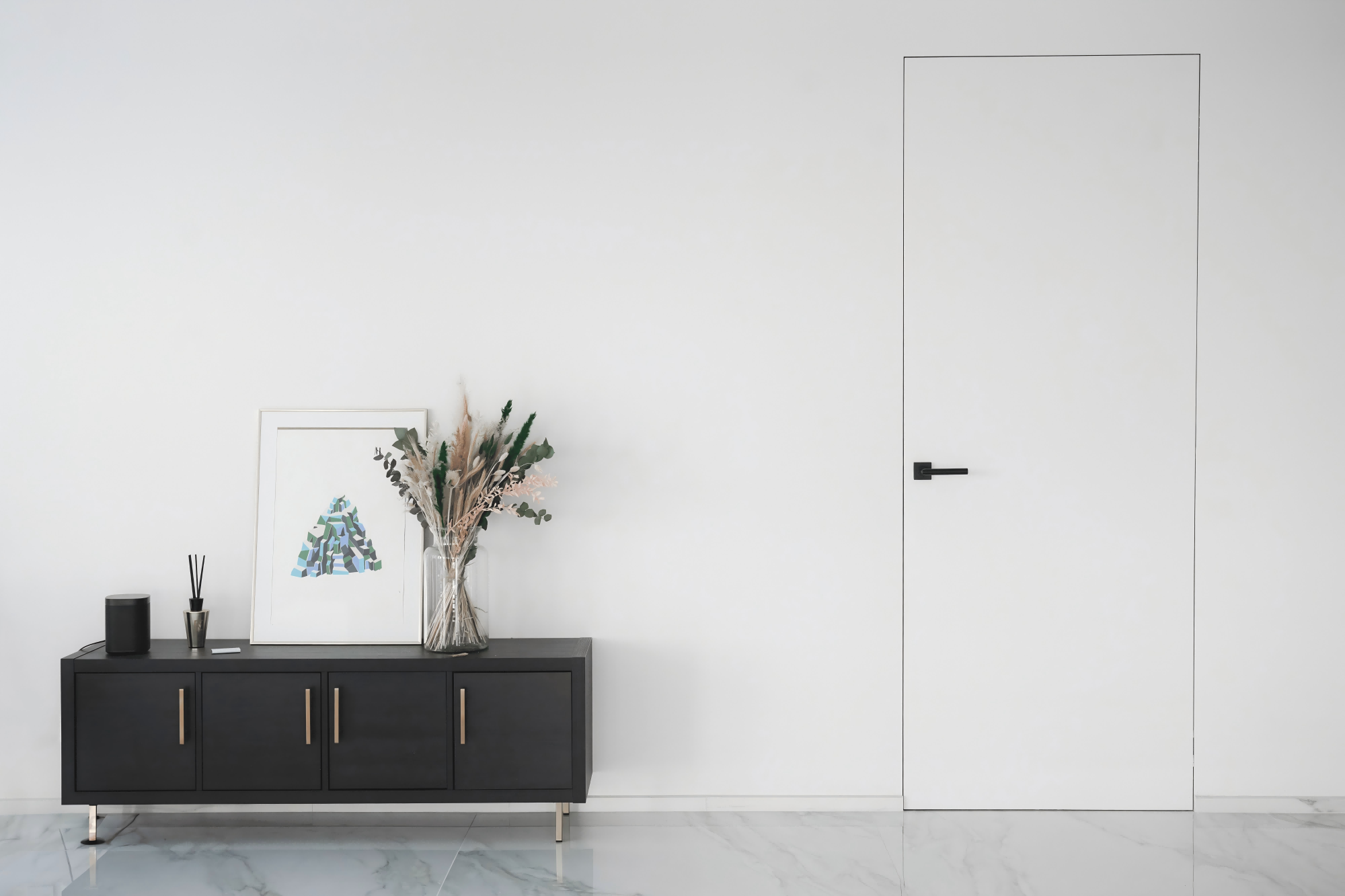
When planning your budget, also consider the long-term benefits—an invisible door can increase the value of your property and enhance the overall design of your home or office, making it a smart choice for those looking to elevate their space.
When to Call a Professional for Repairs?
While many hidden door problems can be solved on your own, there are times when it’s best to call in a professional. If you’ve tried troubleshooting the issue and the door still isn’t functioning properly, or if the problem seems to be more complicated, it may be time to get expert help.
1. Severe Misalignment or Structural Issues:
If the hidden door has become seriously misaligned and simple adjustments aren’t working, it may be due to a structural problem. Over time, homes settle, and walls or door frames can shift. If the door frame itself is out of square or the walls around the hidden door have shifted, it might require professional adjustment or even reconstruction. A professional can assess the problem and ensure that the door is aligned properly without causing further damage.
2. Door Is Not Opening or Closing Properly:
If the hidden door is stuck, won’t open, or won’t close at all, and your own efforts haven’t fixed the issue, it’s time to call a professional. This could indicate a more complex issue with the hinges, tracks, or internal mechanisms, and an expert can help diagnose and fix the problem.
3. Malfunctioning Locks or Mechanisms:
For hidden doors with advanced locking systems (like magnetic locks or push-to-open mechanisms), malfunctioning parts can be tricky to repair without professional expertise. If your lock is consistently failing to engage, or if your sensor-based system isn’t working, a professional can repair or replace the faulty components without compromising the door’s hidden effect.
4. Hidden Door Installed Incorrectly:
If your hidden door wasn’t installed correctly from the start, it might be best to call a professional. Poor installation can lead to ongoing problems, such as misalignment, difficulty opening, or malfunctioning hardware. A professional installer can assess the situation, fix any issues, and ensure that everything is properly aligned and functioning.
Relate FAQ
Why do hidden doors sometimes malfunction?
Hidden doors can malfunction for several reasons, including issues with the mechanism (such as the hinges or motorized systems), misalignment, or the weight of the door. Regular maintenance is crucial to prevent these malfunctions, especially for more complex mechanisms like automatic or sliding hidden doors.
What causes a hidden door to get stuck?
A hidden door can get stuck due to dust, debris, or improper alignment of the door or tracks. Another common reason is the use of low-quality materials or poor installation, which can lead to friction or jamming over time. Ensuring proper installation and using high-quality hardware can help prevent these issues.
How do I fix a hidden door that is difficult to open?
If your hidden door is difficult to open, the first step is to check for any blockages or obstructions along the track or hinges. Ensure that the door is properly aligned and lubricate the moving parts if needed. In some cases, the problem could be with the door mechanism, requiring professional attention or adjustment.
Are hidden doors prone to wear and tear?
Like any door or furniture element, hidden doors can experience wear and tear. The more complex the mechanism (e.g., automatic systems), the more likely it is to require maintenance or repairs. Frequent use, exposure to temperature changes, or poor installation can also accelerate wear.
What should I do if the hidden door doesn’t align properly?
Misalignment can occur if the door has been installed incorrectly or has shifted over time. To resolve this, you can adjust the hinges or tracks or realign the frame if necessary. In some cases, hiring a professional installer to inspect and correct the alignment might be the best solution.
Are there specific materials that cause hidden doors to fail more frequently?
Yes, some materials are more prone to wear than others. For instance, low-grade woods, improperly treated metal parts, or cheap mechanisms might fail faster compared to high-quality materials like solid hardwoods, stainless steel, or high-grade hinges. Always invest in durable, quality materials to extend the lifespan of your hidden door.
How do hidden doors handle temperature or humidity changes?
Hidden doors, especially those made from wood, can be affected by temperature or humidity changes. Wood can expand or contract, leading to misalignment or difficulty in operation. To mitigate this, it’s important to ensure that the room where the hidden door is installed maintains a stable environment, and you might need to adjust the door's hardware periodically.