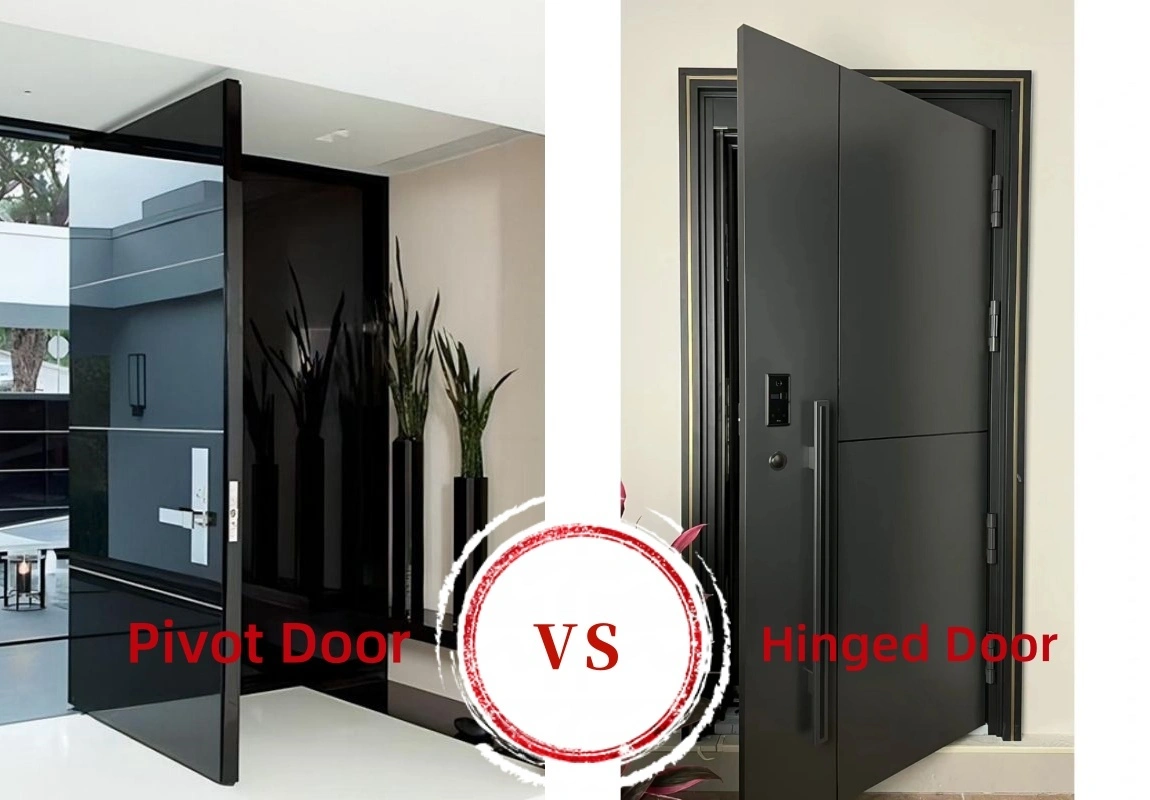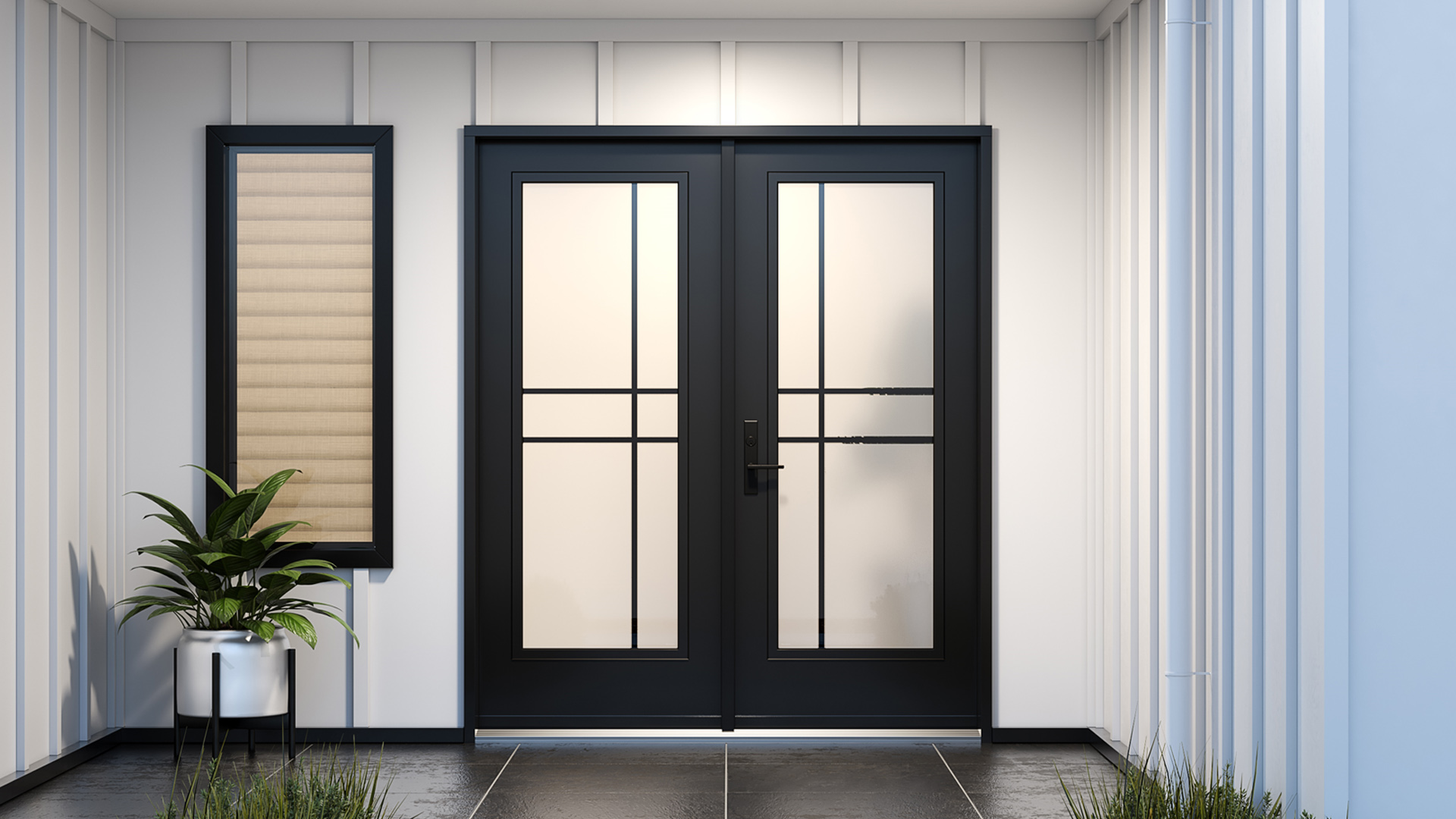
How to choose the right entry door?
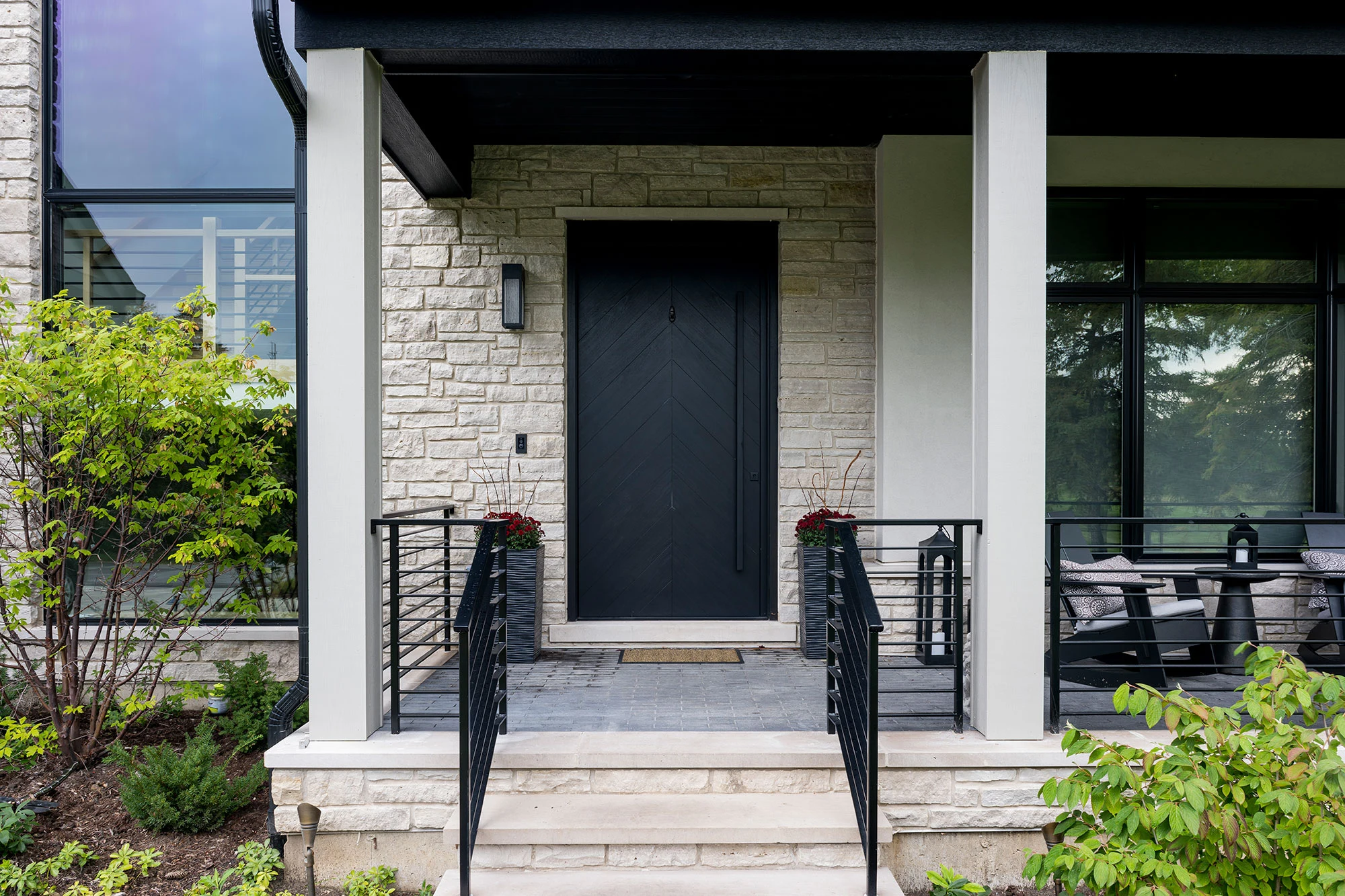
Why Choosing the Right Entry Door Matters?
When it comes to your home, the entry door plays a bigger role than you might think. Not only does it serve as the main entry point, but it also impacts your home’s appearance, safety, and energy usage. Choosing the right entry door isn’t just about style; it’s about making a smart investment that benefits you in several ways.
How Your Entry Door Affects Curb Appeal?
The first thing anyone notices about your home is its exterior, and your entry door is one of the most prominent features. A beautiful, well-chosen entry door can completely transform the look of your home, giving it a fresh, welcoming feel. Whether it’s a bold, modern steel door or a classic wooden entry door, the right style can complement your home’s architecture and set the tone for the entire property.
For instance, if you have a traditional-style home, a solid wood entry door with intricate carvings might be the perfect fit. On the other hand, a sleek, minimalist fiberglass door could be ideal for a more contemporary design. The door’s color and finish also matter. A bright, bold color can add a pop of personality, while a muted tone can create a more understated, timeless look.
Boosting Home Security with the Right Entry Door
Your entry door is your home’s first line of defense against intruders. A strong, secure entry door is crucial for keeping your family and belongings safe. When choosing the right entry door, make sure to prioritize security features.
Steel doors, for example, are known for their strength and durability. They are less likely to be kicked in or damaged compared to wood doors. Many modern steel entry doors come with reinforced frames and advanced locking mechanisms that can offer even more protection. If you want additional peace of mind, look for doors that come with smart locks, which allow you to monitor and control access to your home remotely.
Even if you prefer the look of wood, don’t worry. High-quality wooden entry doors with solid core construction can offer a good level of security. Pairing these doors with robust deadbolts or smart locks can further improve safety.
Security isn’t just about the door itself—it’s also about the hardware. Ensure that your entry door’s locks are secure and up-to-date. A high-quality lock can make a big difference in preventing break-ins. And don’t forget to check the doorframe, which should be sturdy enough to withstand any force.
Energy Efficiency: How Your Door Can Save You Money?
An energy-efficient entry door isn’t just a luxury—it’s a smart choice for any homeowner looking to save on energy bills. Poorly insulated doors can let in drafts and make it harder to keep your home warm in the winter or cool in the summer. This results in higher energy costs and a less comfortable living environment.
Cast aluminum entry doors are a popular choice for their excellent insulation properties. These doors help keep the temperature inside your home stable by preventing heat transfer, which can significantly reduce heating and cooling costs. Similarly, some modern steel doors come with foam core insulation, providing excellent energy efficiency.
Wood doors are also a good choice if they are properly insulated. A solid wood door with a quality insulation core will help keep the warmth inside during cold weather and keep the heat out in summer. Just make sure that the door is sealed well to prevent any air leakage.
Another consideration is the door’s threshold and weatherstripping. These elements play a huge role in maintaining energy efficiency. A poorly sealed door can let in drafts, forcing your HVAC system to work harder. Ensuring your door has proper weatherstripping and a well-maintained threshold can help reduce energy loss and lower your utility bills.
Types of Entry Doors to Consider
When it comes to choosing the right entry door for your home, there are a variety of materials to consider. Each type of entry door offers unique benefits, so it’s essential to understand your options before making a decision. Below, we’ll explore three popular choices: wood, cast aluminum, and stainless steel entry doors.
Wood Entry Door
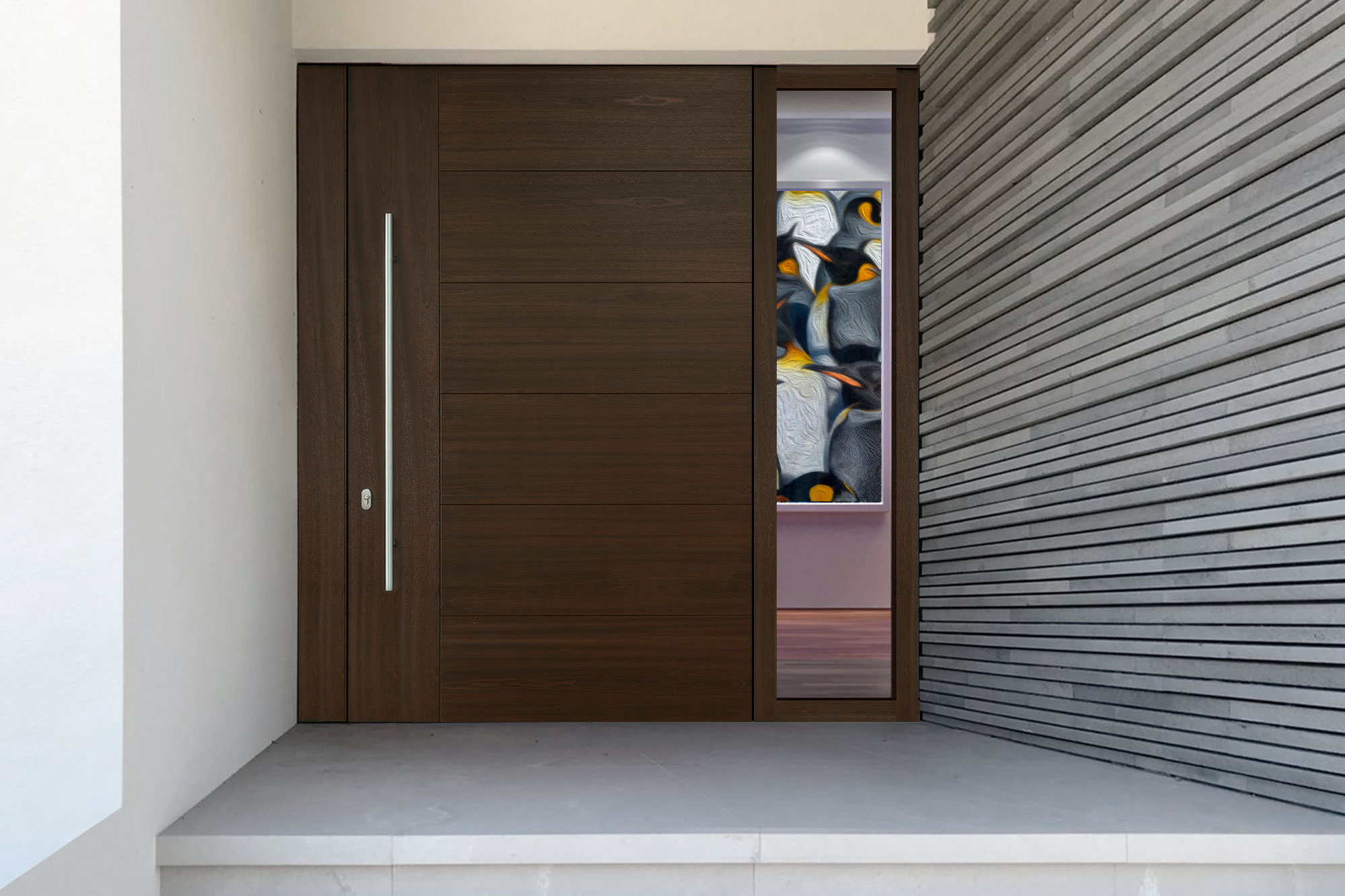
A wood entry door is a classic choice that never goes out of style. It brings a natural, warm feel to your home and adds a touch of elegance. Whether you’re going for a rustic, traditional, or even modern look, wood doors offer plenty of customization options. You can choose from different wood types, such as oak, mahogany, or pine, and finish them in various stains or paints.
One of the key advantages of a wood entry door is its aesthetic appeal. Nothing quite compares to the beauty of natural wood grain, and it can easily complement almost any type of home. A well-maintained wood door can significantly enhance your home’s curb appeal.
However, wood entry doors do require more maintenance than other materials. Over time, exposure to the elements can cause the wood to warp, crack, or fade. Regular refinishing and sealing are needed to keep the door looking its best and to protect it from weather damage. Despite the extra care, many homeowners still choose wood because of its timeless beauty and versatility.
If you’re looking for a door that combines elegance with functionality, a wood entry door could be the perfect choice for you. Just be prepared to invest some time in maintaining it to preserve its beauty and performance.
Cast Aluminum Entry Door
If you’re seeking something a bit more modern and durable, a cast aluminum entry door might be a great option. Cast aluminum doors are strong, lightweight, and resistant to corrosion. This makes them an excellent choice for areas that experience extreme weather conditions, such as coastal regions where salty air can damage other materials.
One of the biggest benefits of cast aluminum doors is their low maintenance. Unlike wood or steel, aluminum doesn’t need regular painting or sealing. It won’t warp, crack, or rust, even in harsh weather conditions, making it ideal for homeowners who want a hassle-free option.
Cast aluminum entry doors are also highly customizable. They can be made to resemble the appearance of wood or other materials, providing the best of both worlds: durability and style. These doors often come in a variety of finishes and can be designed with decorative elements, such as glass panels or custom hardware, to match your home’s unique look.
While cast aluminum doors may not have the traditional charm of wood, their modern, sleek design and long-lasting durability make them a practical choice for homeowners who prioritize performance with minimal upkeep.
Cast Aluminum Entry Door
If you’re seeking something a bit more modern and durable, a cast aluminum entry door might be a great option. Cast aluminum doors are strong, lightweight, and resistant to corrosion. This makes them an excellent choice for areas that experience extreme weather conditions, such as coastal regions where salty air can damage other materials.
One of the biggest benefits of cast aluminum doors is their low maintenance. Unlike wood or steel, aluminum doesn’t need regular painting or sealing. It won’t warp, crack, or rust, even in harsh weather conditions, making it ideal for homeowners who want a hassle-free option.
Cast aluminum entry doors are also highly customizable. They can be made to resemble the appearance of wood or other materials, providing the best of both worlds: durability and style. These doors often come in a variety of finishes and can be designed with decorative elements, such as glass panels or custom hardware, to match your home’s unique look.
While cast aluminum doors may not have the traditional charm of wood, their modern, sleek design and long-lasting durability make them a practical choice for homeowners who prioritize performance with minimal upkeep.
Stainless Steel Entry Door
When it comes to security and durability, few materials beat steel stainless entry doors. These doors are incredibly strong and resistant to break-ins, making them an ideal choice for homeowners who prioritize safety. Steel doors are much tougher than wood or fiberglass and are difficult to damage or force open.
One of the major advantages of stainless steel entry doors is their resistance to the elements. They won’t warp, rot, or fade like wood, and they are not as prone to rust as regular steel doors. Stainless steel, in particular, provides extra protection against corrosion, making these doors suitable for both residential and commercial properties.
In addition to strength, stainless steel entry doors offer excellent insulation. They can help reduce energy bills by keeping the temperature inside your home stable. Some steel doors even come with foam cores that provide enhanced insulation, making them even more energy-efficient.
On the downside, steel doors can be more prone to dents or scratches compared to wood or aluminum doors, especially if they’re hit with heavy objects. However, these issues can usually be repaired, and a high-quality steel door is designed to last for decades.
Stainless steel entry doors are a great investment if you’re looking for a durable, secure, and energy-efficient option. They provide peace of mind knowing that your home is well-protected while also offering solid insulation to keep your energy costs in check.
Key Features to Look for in an Entry Door
Door Thickness and Material Quality
The thickness and material quality of your entry door play a vital role in its durability, security, and insulation. A thicker door generally means better protection from the elements and potential break-ins, as it will be more difficult to damage or force open.
Thickness Matters
Entry doors typically range from 1 ⅜ inches to 1 ¾ inches in thickness, though some premium doors may be thicker. A door with a solid core (like a wooden door with a solid center or a steel door with foam core insulation) is stronger and more secure. A thinner door might be more affordable, but it could be more prone to warping, damage, and drafts.
Material Quality
The material used in the door also impacts its strength, security, and performance. Steel doors, for example, are much stronger and offer higher protection than wood or cast aluminum. Steel doors are also less likely to warp or crack over time. However, they may dent more easily than wood or cast aluminum. On the other hand, cast aluminum entry doors offer a good balance of strength, insulation, and low maintenance, while wood doors provide a timeless aesthetic but may require more upkeep to prevent damage from moisture or wear.
When selecting an entry door, always check the material’s durability and resistance to environmental factors. A high-quality material will withstand weather conditions better, ensuring your door performs well over the years. The stronger and thicker the door, the better it will protect your home and provide lasting value.
Insulation and Energy Efficiency Ratings
An energy-efficient entry door isn’t just a luxury—it’s a smart investment that saves you money on your utility bills. Insulation and energy efficiency are critical factors in choosing the right door because they directly affect the comfort of your home and how much you spend on heating and cooling.
Insulation Benefits
A door with good insulation helps maintain your home’s temperature by blocking out cold air in the winter and hot air in the summer. This can make your home feel more comfortable and reduce the strain on your HVAC system. Insulated doors typically have a core made from materials like foam, which improves thermal resistance.
Energy Efficiency Ratings
When shopping for an entry door, look for those with energy efficiency ratings, such as the ENERGY STAR label. These doors are designed to help reduce energy consumption and keep your home more comfortable year-round. They typically feature advanced insulation materials and seals to reduce heat transfer.
For instance, cast aluminum entry doors are known for their excellent energy efficiency because they are naturally well-insulated. Steel doors with an insulated core can also provide great energy savings. Wood doors, if properly insulated, can also offer good performance, though they require regular maintenance to keep the seals intact.
By choosing an entry door with high insulation and energy efficiency ratings, you’ll not only enhance the comfort of your home but also reduce energy costs. Over time, the investment in a well-insulated door can pay for itself through savings on your utility bills.
Door Hardware and Locking Systems
The hardware and locking system of your entry door are critical for home security. No matter how strong or beautiful your door is, it won’t be effective at keeping intruders out without a solid locking system. A good lock ensures your home stays safe and secure, preventing unwanted visitors from gaining access.
Quality Door Hardware
The door hardware, including the hinges, handles, and locks, should be made of durable materials that can withstand wear and tear. High-quality hardware not only enhances security but also adds to the overall aesthetic of the door. Stainless steel or brass hardware is a great choice because it’s both strong and corrosion-resistant.
For added security, ensure that the door frame is reinforced and the hardware is properly installed. A door with sturdy hardware and a solid frame provides extra protection and prevents the door from being easily forced open.
High-Security Lock Options
When it comes to the locking system, not all locks are created equal. High-security locks are designed to offer better protection than standard locks, making them a worthwhile investment for any entry door. These locks are more difficult to pick, drill, or tamper with, providing an added layer of security for your home.
Deadbolt Locks
One of the most secure options for an entry door is a high-quality deadbolt. Deadbolts are sturdy and are often recommended as the first line of defense against intruders. They are difficult to force open because they extend deep into the door frame. Always opt for a single-cylinder deadbolt, which requires a key to lock and unlock from the outside, offering superior security compared to spring-latch locks.
Multi-Point Locking Systems
Another high-security lock option is a multi-point locking system. These systems lock the door at several points along the frame, making it harder to pry open or forcefully break. This system is especially beneficial for larger or heavier entry doors and can greatly improve the overall security of your home.
Smart Locks with High-Security Features
Many smart locks come with advanced features like tamper alerts, remote access, and keyless entry. These modern locks offer convenience while maintaining a high level of security. With features like fingerprint recognition or smartphone control, you can easily monitor and control who enters your home, even when you’re not there.

Smart Lock Features for Modern Homes
Smart locks are becoming increasingly popular, especially for homeowners looking to combine convenience with security. These locks can be controlled remotely via your smartphone or other smart home systems, allowing you to lock or unlock your entry door from anywhere.
Keyless Entry
One of the best features of smart locks is keyless entry. Instead of fumbling with keys, you can unlock your entry door with a simple code, your fingerprint, or even via an app. This is not only convenient but also adds an extra layer of security, as it eliminates the risk of losing keys or having them stolen.
Remote Access and Control
With a smart lock, you can control access to your home even when you’re away. This is particularly useful if you need to grant access to a friend, family member, or service provider while you’re not at home. Some smart locks even allow you to set temporary access codes, which can be revoked after use for extra security.
Integration with Other Smart Home Devices
Many modern smart locks are compatible with other smart home systems, such as security cameras, smart lighting, and alarm systems. This integration allows you to monitor your entry door in real-time, receive alerts if someone tries to tamper with your lock, and even see who is at the door from your phone. This added convenience and security make smart locks an excellent choice for homeowners looking to make their homes more connected.
Weather Resistance and Durability
Weather resistance is crucial for any entry door, especially if you live in an area with extreme weather conditions. The right entry door should be able to protect your home from rain, snow, wind, and fluctuating temperatures while still maintaining its appearance and functionality. Durability ensures that your door will continue to perform well for many years without needing constant repairs or replacement.
Material Matters
Different materials offer different levels of weather resistance. Steel and cast aluminum entry doors are known for their ability to stand up to the elements. Steel doors, in particular, provide excellent protection against strong winds and rain. Cast aluminum doors, on the other hand, are highly resistant to moisture and can handle changes in temperature without warping or cracking.
Wooden entry doors are more vulnerable to the weather. If you choose a wood door, ensure it’s properly sealed and finished to protect it from moisture, which can cause it to expand or shrink. Regular maintenance, such as re-sealing the door and checking for any cracks, will be necessary to maintain its durability.
A weather-resistant door will not only help maintain your home’s security and comfort but will also extend the lifespan of the door itself. Make sure to choose a door that’s designed to handle the weather conditions in your area.
Protection Against Rain, Snow, and Wind
Your entry door faces some of the harshest elements—rain, snow, and wind. These factors can cause significant damage over time if the door isn’t built to resist them.
Rain
Heavy rainfall can seep into a door that isn’t properly sealed or protected. This can lead to water damage, warping, and even mold growth. A well-sealed entry door, particularly one with weatherstripping and proper door seals, will keep moisture from entering the doorframe and causing damage. Look for doors with weather-resistant finishes or coatings that help keep moisture at bay.
Snow and Ice
In colder climates, snow and ice can also be a concern. Entry doors made from materials like cast aluminum or steel perform well in these conditions because they don’t absorb moisture. However, wood doors can suffer if they aren’t sealed properly, as water can get trapped in the wood and freeze, causing cracks and damage. If you live in an area that experiences freezing temperatures, it’s important to choose a door that won’t absorb moisture and expand.
Wind
Wind can be a serious threat to your entry door, especially in areas prone to storms or hurricanes. A strong door with a reinforced frame will be much less likely to be damaged by high winds. Steel doors, in particular, are ideal for this, as they are incredibly strong and resistant to warping. Cast aluminum doors also offer great protection against wind, thanks to their lightweight yet durable construction. Ensure the door frame is properly anchored and reinforced to prevent wind from forcing the door open.
UV Protection for Long-Lasting Color
The sun’s ultraviolet (UV) rays can cause significant fading over time, especially for doors that face direct sunlight. UV rays can break down the finish on your entry door, causing it to lose its color and luster. To ensure your door continues to look fresh and vibrant for years, it’s important to select a door with UV protection.
Cast Aluminum and Steel Doors
Both cast aluminum and steel entry doors often come with UV-resistant coatings that help protect against sun damage. These doors can maintain their color for longer, even with exposure to direct sunlight. Cast aluminum doors are particularly durable in this regard, as their finish is designed to resist fading and keep the door looking new.
Wood Doors and UV Protection
Wood doors are more susceptible to UV damage, which can cause the finish to wear away and the color to fade. However, if you choose a high-quality wood door, you can mitigate this issue by applying UV-protectant finishes. Regularly reapplying the finish can help protect the wood and keep it looking beautiful over time.
For all types of entry doors, adding a UV-resistant finish or selecting a door material with built-in UV protection is an excellent way to preserve the door’s appearance. A good UV protection layer will keep your door looking new and prevent premature fading, ensuring that it continues to add value and curb appeal to your home.

Customization Options
One of the best parts of selecting an entry door is the ability to customize it to your exact preferences. Your entry door is a focal point of your home’s exterior, and personalizing it can help you make a statement. From color to size to style, there are many ways to ensure your entry door reflects your taste and needs.
Color Choices
The color of your entry door plays a significant role in the overall appearance of your home. A bold color, like red or navy blue, can create a striking first impression, while softer tones like white, gray, or black can offer a more understated, classic look. When selecting a color, consider the existing palette of your home’s exterior. A brightly colored door can contrast beautifully against neutral walls, while darker hues tend to complement brick or stone facades.
Cast Aluminum and steel doors often come with a range of colors, and some even have custom finishes. If you prefer a wooden door, you can stain it in a variety of shades to enhance the natural beauty of the wood grain. For added protection, many entry doors come with finishes that protect against fading, ensuring that your door’s color will stay vibrant over time.
Size and Dimensions
Not every entryway is the same size, which is why customization options for door size are so important. If you have a non-standard doorway or want to add a grand entrance, you can select a door with the right dimensions. Entry doors typically come in 36-inch widths, but custom doors can range from 28 to 42 inches wide or even wider.
You can also opt for double doors if you want to create a more dramatic, open feel. The size of your door should fit not only the frame but also the scale of your home’s design. Larger doors work well for spacious homes, while smaller doors can create a cozy, inviting atmosphere in more modest spaces.
Style Options
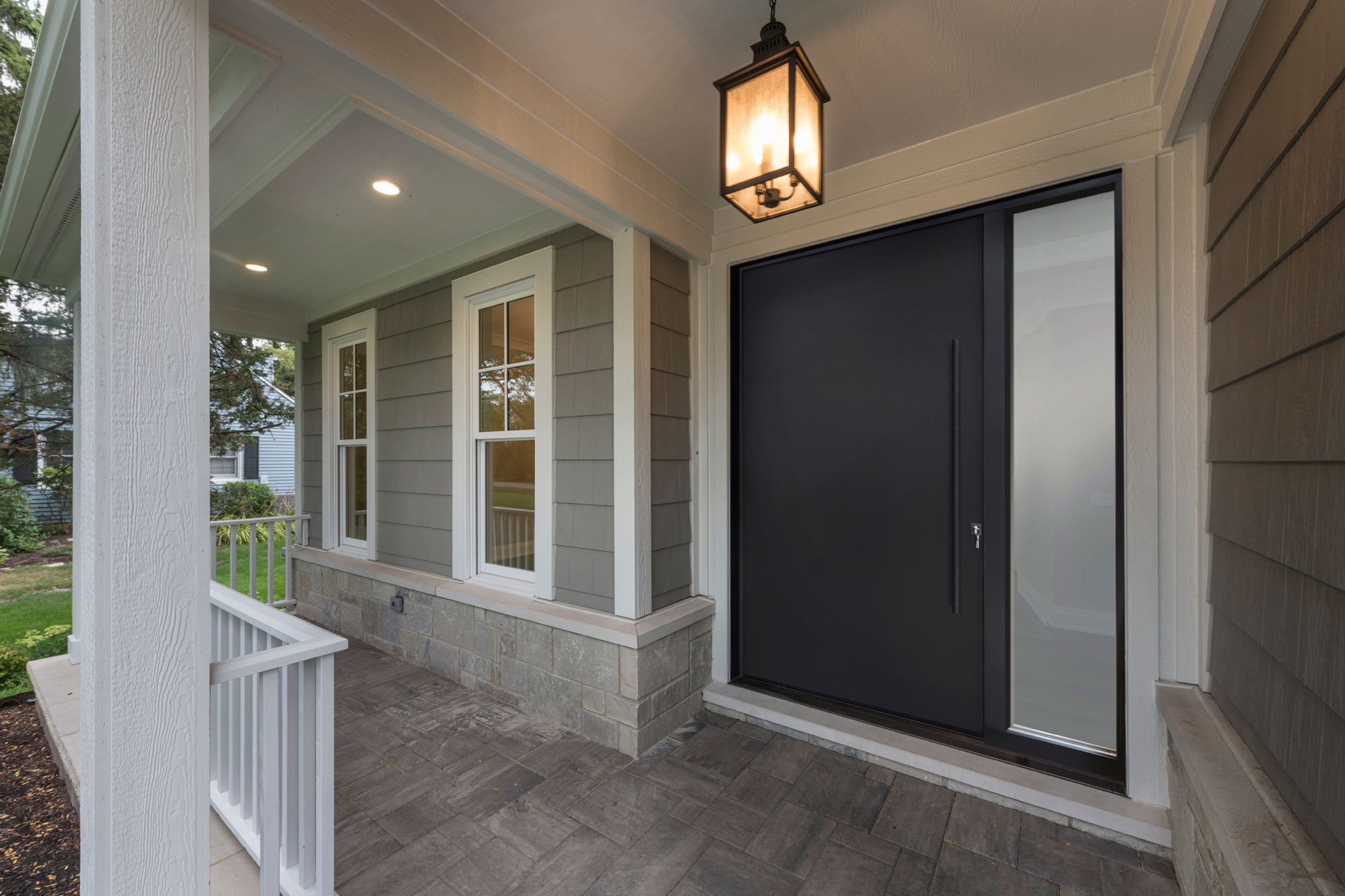
The style of your entry door is another key factor in its customization. There are countless styles to choose from, whether you prefer a traditional, modern, or transitional look. A traditional wooden door with raised panels offers a timeless aesthetic, while a sleek glass and steel door might be perfect for a contemporary home. You can also choose a door with intricate details like glass inserts, sidelights, or decorative hardware to enhance its visual appeal.
Many doors offer options for decorative glass—etched, frosted, or clear. These can be added to provide both privacy and style. Whether you choose a door with a simple design or one with elaborate features, the style should align with your personal preferences and the overall look of your home.
Creating a Personalized Look
Customization is all about making your entry door reflect your personality and preferences. A personalized entry door not only enhances curb appeal but also adds value to your home. One way to create a unique look is by choosing custom hardware—decorative handles, knockers, and locks can elevate the appearance of your door.
If you want a door that stands out even more, consider adding sidelights or transoms. These glass panels on either side or above the door can bring in more natural light while making your door look larger and more impressive. You can customize the glass in these panels with patterns or frosted designs for privacy while still letting light in.
Another option for a personalized look is to add a pop of color or texture. For example, a wood door with a bold stain or a steel door with a matte finish can give your entryway a more distinct, tailored appearance. Think of your entry door as the first impression of your home—it should represent your style and set the tone for what’s inside.
Matching Your Home's Architecture
While customizing your entry door, it’s important to think about how it will complement your home’s overall architecture. The right door should enhance your home’s design, whether you have a cozy cottage, a grand colonial, or a modern townhouse.
- Traditional Homes: For classic or traditional homes, a wooden entry door with elegant carvings or panels fits perfectly. These doors add a sense of warmth and history. Pairing them with brass or bronze hardware and detailed glass inserts can elevate their traditional charm.
- Modern Homes: If your home is more contemporary, consider a sleek cast aluminum or steel entry door. These materials give a modern, minimalistic look that complements the clean lines of modern architecture. Large glass panes or a door with geometric patterns can add a touch of sophistication to your home.
- Transitional Homes: For homes with a blend of traditional and modern styles, a transitional entry door might be the best choice. A door that combines wood with metal or glass elements can bridge the gap between the two styles, creating a harmonious and welcoming entrance.
- Matching Proportions: Another consideration when choosing your entry door is scale. A small door can look out of place on a large home, just as an oversized door might overwhelm a modest one. Keep the proportions of your home in mind to make sure the door fits in naturally with your architecture. Customizing the size, shape, and design of your door will ensure it aligns perfectly with your home’s style.

Common Mistakes to Avoid When Choosing an Entry Door
Choosing the right entry door is an important decision, and avoiding certain common mistakes can save you time, money, and frustration down the road.
Ignoring Security Features
One of the biggest mistakes people make when choosing an entry door is overlooking its security features. The entry door is the first line of defense against intruders, so it’s essential to prioritize security when making your decision. A beautiful door won’t do much to protect your home if it doesn’t have the proper security mechanisms.
High-Security Locks and Reinforced Frames
Look for doors that come with high-security locks, such as deadbolts or multi-point locking systems. These types of locks are much harder to tamper with than traditional spring-latch locks. Also, ensure that the door frame is reinforced—this adds another layer of protection by making it harder for anyone to kick in the door.
Material Choice for Security
The material of your entry door plays a huge role in its security. While wooden doors can be beautiful, they are generally not as secure as steel or cast aluminum doors. Steel doors, in particular, offer superior strength and are harder to damage. Cast aluminum doors also provide strong protection, and they resist rust and corrosion, making them a durable option for long-term security.
Ignoring security features can leave your home vulnerable to break-ins. Don’t settle for just aesthetics; ensure your entry door is equipped with the right locks and reinforced materials to keep your family and belongings safe.
Underestimating Weather Resistance
Another common mistake is underestimating the importance of weather resistance in an entry door. The door you choose will face a lot of wear and tear from the elements, so it’s crucial to select one that can withstand rain, snow, wind, and temperature fluctuations.
Material and Seals Matter
Doors made from materials like cast aluminum or steel are more resistant to the effects of harsh weather compared to wood, which can warp or rot over time. Even fiberglass doors, which are often considered weather-resistant, require attention to seals and weatherstripping to keep moisture and drafts at bay.
Insulation and Weatherproofing
Beyond just the material, make sure your entry door is well-insulated. A poorly insulated door will let cold air in during winter and warm air escape in the summer, leading to higher energy bills. Look for doors with good insulation ratings, such as those with foam cores or additional weatherproofing layers. Don’t forget about the weatherstripping around the door—proper seals are essential to prevent drafts and water leakage.
Don’t make the mistake of choosing an entry door that isn’t designed to stand up to the weather conditions in your area. An entry door with poor weather resistance can cause unnecessary damage to your home and increase your utility costs.
Choosing a Door That Doesn’t Match Your Home's Style
It’s easy to get caught up in the features of an entry door, but you should also consider how the door complements your home’s overall style. Choosing a door that doesn’t match your home’s architecture can disrupt the flow and make your home look out of place.
Consider Your Home’s Architecture
If you live in a modern home, a classic wooden door with intricate carvings may look out of place. Similarly, a sleek, minimalist steel or cast aluminum door may not suit a traditional home. Make sure the style of the entry door matches your home’s design—whether it’s a rustic cottage, a colonial house, or a contemporary townhouse.
Color and Finish
The color of your door should also complement the rest of your home’s exterior. Bright, bold colors might work well for a modern home, while muted, natural tones may be better suited to a traditional house. The door’s finish can also affect how it fits with the rest of your home’s design—choose finishes that enhance your home’s aesthetic without clashing with other elements.
The right entry door should enhance the overall curb appeal of your home, not detract from it. Be mindful of how the door fits with the architecture, color scheme, and style of your home to ensure a cohesive look.
Not Considering Maintenance Needs
Another mistake people often make when choosing an entry door is not factoring in the maintenance required to keep it looking and functioning its best. Different door materials have different levels of upkeep, and some options require more attention than others.
Wood Doors Require Regular Maintenance
While wood doors are beautiful, they do require regular maintenance to prevent damage from weather and wear. Wood can warp, crack, and fade if not properly sealed and maintained. If you choose a wood entry door, be prepared to regularly apply fresh stains or varnishes to protect it from moisture and UV damage.
Low-Maintenance Materials like Cast Aluminum and Steel
If you want a low-maintenance option, cast aluminum and steel doors are excellent choices. These materials are resistant to rust, rot, and fading, and they typically require little upkeep beyond occasional cleaning. If you live in an area with extreme weather, these materials are more likely to stand the test of time without much effort on your part.
Consider Long-Term Care
Before making your final decision, think about how much time and effort you’re willing to spend on maintaining your door. If you want something that looks great and requires minimal upkeep, a door made of cast aluminum or steel might be the best option. But if you’re willing to put in the effort for a classic wood look, ensure you’re prepared for the ongoing maintenance it requires.

How to Maintain Your Entry Door for Longevity?
Your entry door plays a crucial role in your home’s security, curb appeal, and energy efficiency. To ensure it continues to perform well and look great for many years, proper maintenance is essential.
Cleaning and Caring for Different Door Materials
Each entry door material requires its own cleaning and care routine. Whether you have a wooden, steel, or cast aluminum entry door, knowing how to care for the material properly will help extend its life and maintain its appearance.
Wood Doors
Wooden entry doors are known for their beauty, but they require regular care to keep them looking their best. Start by cleaning the surface with a soft cloth or sponge and mild soap mixed with water. Avoid harsh chemicals that can damage the finish. After cleaning, check for any chips or cracks in the finish. If you notice any damage, touch it up with a matching paint or stain. Wood doors also need to be resealed or refinished periodically, especially if they’re exposed to direct sunlight or harsh weather.
Steel Doors
Steel doors are relatively low-maintenance but still require occasional cleaning. Use a soft cloth to wipe the surface with mild soap and water. Be careful not to scratch the paint, as it can expose the metal to rust over time. If you live in a coastal area where saltwater is a concern, consider applying a protective wax or polish to help prevent corrosion. Steel doors don’t need as much attention as wood doors, but it’s still important to check for rust spots or scratches that could compromise the door’s integrity.
Cast Aluminum Doors
Cast aluminum doors are highly durable and resistant to the elements, but they also benefit from routine care. Cleaning cast aluminum doors is simple—wipe them down with a damp cloth and mild soap. Make sure to dry the surface thoroughly to prevent water spots. Unlike steel, cast aluminum is resistant to rust, but it can still accumulate dirt or grime over time. For extra protection, you can apply a coat of wax to help maintain its finish and resist stains or marks.
Inspecting and Replacing Weatherstripping
Weatherstripping plays a crucial role in keeping your home energy-efficient and comfortable. Over time, weatherstripping can wear out, leading to drafts and moisture infiltration. Regular inspection and replacement of weatherstripping will help keep your entry door sealed and prevent air leaks.
Inspecting Weatherstripping
To check if your weatherstripping is still doing its job, look for any visible signs of wear, such as cracks, tears, or gaps. A simple way to check for air leaks is to close the door on a piece of paper—if you can easily pull the paper out, your weatherstripping may need replacing. Pay close attention to the top and bottom of the door, as these areas are most susceptible to wear and damage.
Replacing Weatherstripping
If the weatherstripping is damaged, it’s essential to replace it to keep your home insulated. Most entry doors have adhesive-backed foam or rubber weatherstripping that can be easily replaced. To do this, remove the old weatherstripping carefully and clean the area where it was attached. Then, apply new weatherstripping, ensuring it fits tightly along the door frame. For added protection, choose high-quality weatherstripping that is designed to handle extreme temperatures and provide a long-lasting seal.
Lock and Hardware Maintenance Tips
The locks and hardware on your entry door are essential for both security and functionality. Over time, locks can become stiff, and hardware can wear out. Taking care of these components will ensure they continue to work smoothly and securely.
Maintaining Locks
Locks are one of the most important security features of your entry door, so keeping them in good condition is crucial. Start by regularly lubricating the lock mechanism with a graphite-based lubricant or silicone spray. Avoid using oil-based lubricants, as they can attract dust and dirt, causing the lock to jam. If your lock is stiff or hard to turn, lubrication can help loosen it up.
Also, check the lock for any signs of wear, such as rust or damage. If the lock isn’t working properly or showing signs of significant wear, it’s important to replace it. Consider upgrading to a higher-quality lock if you want added security, such as a smart lock or a high-security deadbolt.
Cleaning and Maintaining Hardware
The hardware on your entry door, including handles, knobs, and hinges, should also be cleaned and maintained regularly. For metal hardware, use a soft cloth to wipe it down with a gentle cleaner and warm water. Be sure to dry the hardware completely to avoid rust. If the hardware starts to look tarnished, use a metal polish specifically designed for the material.
Inspect the hinges to ensure they’re not squeaking or showing signs of rust. If you notice any issues with the hinges, they can be lubricated with a silicone-based spray to keep them functioning smoothly. If the hinges are damaged or loose, they should be tightened or replaced.
Maintaining the lock and hardware on your entry door will ensure that it remains secure, easy to operate, and resistant to wear over time.
Relate FAQ
What are the most common types of entry doors?
Entry doors come in various materials and styles. The most common types include:
- Wood Doors: Classic and elegant, wood doors offer natural beauty and customization options.
- Steel Doors: Durable, energy-efficient, and secure, steel doors are perfect for safety and weather resistance.
- Cast Aluminum Doors: Lightweight, corrosion-resistant, and durable, cast aluminum doors offer an appealing modern aesthetic and excellent security.
What is the most energy-efficient entry door?
Cast Aluminum doors are highly energy-efficient because of their thermal insulation properties. They are designed to resist heat and cold transfer, which helps in maintaining consistent indoor temperatures, ultimately lowering your energy bills.
How do I choose the right size for my entry door?
Standard entry door sizes are typically 36 inches wide by 80 inches high. However, you can customize the size to fit your home’s needs. Measure your existing door frame or consult a professional installer to ensure the new door fits properly.
What are the benefits of a steel entry door?
Steel entry doors are known for their durability and security. They are resistant to weather damage, offer better insulation than wood, and are typically stronger, making them a safer option for protecting your home.
How do I enhance the curb appeal with my entry door?
Your entry door plays a crucial role in your home’s curb appeal. Consider the following to boost its visual impact:
- Color: Choose a bold or complementary color to create contrast with your home’s exterior.
- Hardware: High-quality handles, locks, and doorknobs can make a significant difference.
- Glass Inserts: Adding decorative glass panels can increase the elegance and light flow.
- Side Panels or Transoms: These additions add sophistication and style to your entryway.
What is the best material for a front door in a coastal area?
Cast Aluminum doors are the best choice for homes near the coast because they are resistant to salt air, humidity, and corrosion. Unlike wood, cast aluminum won’t warp or rot due to moisture exposure, making it ideal for coastal environments.