How to choose internal door for your living room?

Why Choosing the Right Internal Door Matters for Your Living Room?
When choosing internal doors, many people may overlook their impact on the overall home design. However, internal doors play a crucial role in your living room space. Choosing the right door can enhance your interior design, increase comfort, and provide necessary privacy and soundproofing.
The Role of Internal Doors in Home Design
Internal doors are not just dividers between rooms; they can significantly impact the beauty and atmosphere of the entire room. The role of internal doors in home design should not be underestimated. Choosing the right style, material, and color can completely transform your living room. Whether it’s a classic wooden door or a modern glass door, internal doors can add a unique touch to your living room’s design.
For example, if your living room follows a modern minimalist style, opting for a smooth white internal door will help maintain the room’s tidy and cohesive feel. On the other hand, if you prefer a more traditional look, a classic wooden panel door or a vintage-style internal door might be a better fit. Ultimately, internal doors are not just physical dividers; they also reflect the homeowner’s taste and lifestyle.
Functionality vs. Aesthetics: Finding the Balance
When choosing an internal door, we often need to find a balance between functionality and aesthetics. A good internal door should not only meet basic needs such as ease of opening and closing, but also complement the overall home design.
In terms of functionality, internal doors primarily serve to provide privacy, soundproofing, or to divide space. For instance, in households with children, selecting an internal door with higher safety features, such as one with a lock, is more appropriate. If you need to ensure privacy in a particular room, solid wood doors or doors with seals will offer better soundproofing.
However, aesthetics are equally important. You don’t want to choose a door that completely disrupts the design harmony of your living room. The best approach is to choose doors that are both practical and aesthetically harmonious with your living room’s style. For example, a minimalist glass internal door would fit a modern living room, while a solid wood panel door would be ideal for a traditional setting.
How Internal Doors Impact Light, Sound, and Privacy
Internal doors have a direct impact on light, sound, and privacy. Choosing the right internal door can greatly improve the environment in your home.
Light:
Many internal doors, especially those with glass or semi-transparent materials, allow natural light to pass through, helping to keep the room bright. If your living room is small or lacks windows, selecting a glass internal door will make the space feel more open and illuminated. For spaces that require more privacy, you can choose internal doors with frosted glass—this way, light still flows through, but privacy is maintained.
Sound:
The soundproofing capabilities of internal doors should not be overlooked. For example, if your living room is adjacent to a bedroom, and you want to minimize noise disturbance between the two, selecting a soundproof internal door is ideal. Some doors, especially solid wood or professional soundproof doors, are highly effective in blocking external noise, helping to keep each room quiet and private.
Privacy:
Internal doors are key in dividing spaces and ensuring privacy. For areas that require more privacy, such as a bathroom or study, choosing an internal door with a lock is a must. For more public spaces like a living room, you might prefer a door that is somewhat transparent but still provides a level of privacy. This ensures that privacy is maintained without compromising the open feel of the room.
Conclusion
Choosing the right internal door is not just a matter of functionality; it impacts overall home design, comfort, and quality of life. By selecting the right internal door, you can enhance the beauty of your living room while achieving better light, soundproofing, and privacy. Therefore, when choosing an internal door, it’s worth considering these details to make the best choice for your home.
Key Factors to Consider When Choosing an Internal Door
When selecting an internal door for your living room, there are several key factors to keep in mind. The right door not only enhances the aesthetic of your space but also plays a vital role in functionality. Factors like the material, style, size, and finish can all affect the overall feel and practicality of the door.
Material: Solid Wood, Paint-Free, Paint, and Composite
Choosing the right material for your internal door is a balance between style, durability, and budget. Let’s take a closer look at each material type.
Solid Wood Door: Classic and Durable
Solid wood internal doors are a timeless choice, known for their beauty and strength. Wood is naturally sturdy, making it an excellent option for areas where you need a durable door. Whether it’s oak, mahogany, or pine, each type of wood brings its own texture and character, offering a rich, warm aesthetic that can suit a variety of home styles.
Solid wood doors are also highly durable, able to withstand wear and tear over time. They offer excellent soundproofing, which makes them a great choice for bedrooms, home offices, or living rooms where privacy and quiet are important. Although solid wood doors can be heavier than other materials, they’re built to last and add a touch of luxury to your home. However, they do require maintenance, such as regular polishing or re-staining to keep their appearance fresh.
Paint-Free Door
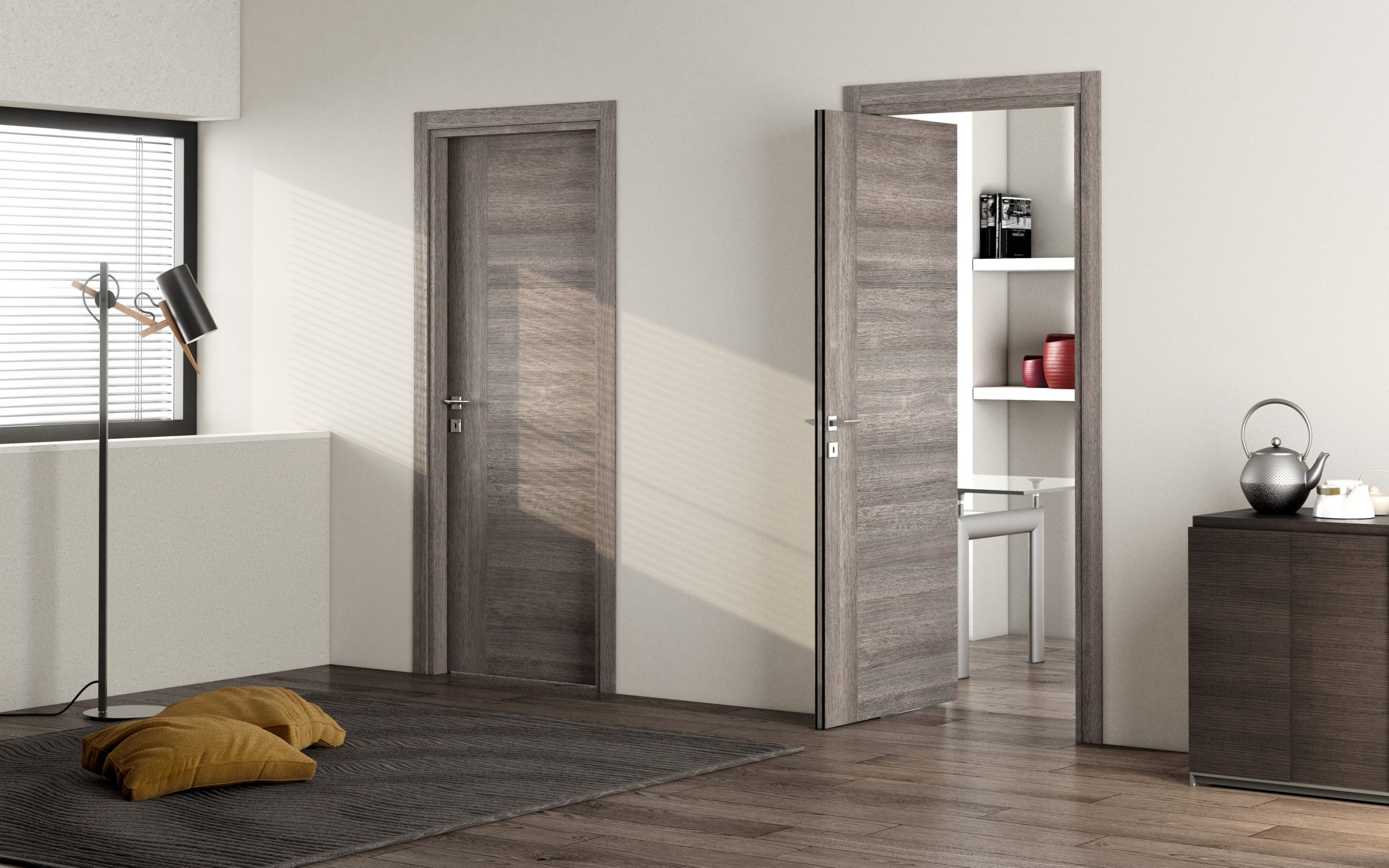
Paint-free doors, also known as natural wood doors or veneered doors, are a popular choice for homeowners who prefer a more eco-friendly and low-maintenance option. These doors come with a natural wood finish that requires little to no painting. Instead of a painted surface, the door may have a veneer coating or simply a natural wood texture, which allows the beauty of the wood grain to show through.
The key advantage of paint-free internal doors is their minimal upkeep. They don’t require frequent repainting, and the natural look of the wood often blends seamlessly into a wide range of interior designs, from rustic to modern. If you’re looking for a door that gives off a natural, organic vibe while also saving on maintenance time, a paint-free door is an excellent choice. However, they may not offer the same degree of customization in terms of color, as the focus is on the natural wood finish.
Paint Door
Painted internal doors offer the greatest flexibility when it comes to customization. Whether you’re after a specific color to match your living room’s theme or want to add a bold contrast, painted doors allow you to create a personalized look. Painted doors are typically made of either wood or composite materials, and the smooth surface makes them easy to repaint as styles and trends change over time.
One of the major advantages of painted internal doors is their ability to blend with various interior styles. Whether your living room is contemporary, traditional, or eclectic, a painted door can complement your design. Additionally, painted doors are relatively low-maintenance compared to solid wood doors, as they don’t require regular sanding or staining. That said, painted doors may show wear more quickly in high-traffic areas, requiring periodic touch-ups.
Composite Door: Cost-Effective and Versatile
Composite doors are a popular choice for homeowners seeking a balance between affordability and performance. Made from a combination of materials, such as wood and sometimes metal, composite doors offer a versatile solution for internal spaces. These doors can mimic the appearance of wood or come in smooth finishes, providing an elegant look at a lower price point.
One of the biggest selling points of composite internal doors is their affordability. They are more cost-effective than solid wood while still providing durability and versatility. Composite doors are also resistant to warping, cracking, and fading, making them a great option for areas with high humidity or fluctuating temperatures. They are low-maintenance and can be wiped clean easily, saving time and effort compared to solid wood or painted doors.
However, composite doors may not have the same premium look and feel as solid wood doors. They can be slightly less sturdy, and some may feel more “plastic-like” depending on the specific materials used. Still, composite doors are an excellent choice for those looking to balance quality with budget.
Style and Design: Matching Your Living Room Décor
An internal door isn’t just a functional item in your home; it’s also a design element that should align with the overall aesthetic of your living room. Whether your space is modern, rustic, or classic, choosing a door that matches your living room décor can tie the entire room together.
Traditional vs. Contemporary Styles
The first step in selecting the right internal door is deciding whether you want a traditional or contemporary style.
Traditional doors are often more ornate and feature rich wood grains, raised panels, or intricate carvings. They give off a classic, timeless appeal that works well in homes with more classic décor or vintage elements. If your living room features antique furniture, vintage light fixtures, or classic design accents, a traditional solid wood door with paneling might be the perfect match. These doors evoke a sense of warmth and elegance, bringing a sophisticated, timeless charm to your space.
On the other hand, contemporary doors tend to focus on simplicity and clean lines. They often have sleek, minimalist designs that prioritize function over decoration. Glass panels, flush surfaces, and subtle hardware are typical features of contemporary internal doors. If your living room boasts modern furniture, open layouts, and clean lines, a contemporary internal door would seamlessly fit into the space. Opting for a minimalist design allows the door to blend in while still adding a modern touch.
Sleek and Minimalist Doors
If you’re aiming for a streamlined look, sleek and minimalist doors are the way to go. These doors are characterized by their simple, clean lines and lack of unnecessary adornments. Often featuring a smooth, flush surface, they create a clean, modern look that complements contemporary or industrial-style living rooms.
Minimalist doors are perfect for creating a calm, uncluttered atmosphere. They tend to have fewer details, focusing on the natural beauty of the material itself—whether that’s a sleek wooden surface, frosted glass, or a high-quality composite. These doors can also enhance the sense of space in your living room by allowing other design elements to shine, such as light fixtures or artwork. If your living room is small or you want to give the impression of more space, minimalist internal doors can help achieve that clean, airy feeling.
Panel Doors vs. Flush Doors
Panel doors are a traditional design choice, featuring a series of raised or recessed panels within the door frame. They can have multiple panels, often arranged in symmetrical patterns, giving the door a more detailed, classic look. Panel doors work well in homes with traditional or transitional styles and are an excellent choice if you want to add texture and depth to the design. If your living room has a more historical or vintage vibe, a panel door will reinforce that classic feel.
In contrast, flush doors are smooth, flat doors that lack any panels or embellishments. The surface is consistent from top to bottom, offering a sleek and uniform appearance. Flush doors are perfect for modern, minimalist spaces where simplicity is key. They are also great for smaller rooms because their smooth design helps create a sense of openness. If you have a contemporary or Scandinavian-inspired living room, flush doors will likely be the best choice.
Size and Measurements
Before purchasing an internal door, you need to ensure that the door fits the frame correctly. An ill-fitting door can lead to gaps, drafts, and difficulty in opening or closing. To avoid these issues, it’s important to measure both the door frame and the door itself accurately.
Standard Door Sizes vs. Custom Doors
Most internal doors come in standard sizes, which makes the buying process easier and more affordable. The most common standard door sizes are typically 30 inches (762mm), 32 inches (813mm), and 36 inches (914mm) wide. The standard height for an internal door is usually 80 inches (2032mm). These sizes are designed to fit most door frames, which is why they’re the go-to choice for many homeowners.
Standard doors are great for typical homes with standard door frames. They are easy to find and often cost less, making them a budget-friendly option. However, not all homes have standard-sized frames. If you have an older home or a unique space, a custom door might be necessary. Custom doors can be made to fit any frame, ensuring a perfect fit. You can choose the exact width, height, and style of the door, giving you more flexibility in your design choices.
Keep in mind that custom doors will usually cost more than standard ones, as they require special manufacturing. But if your door frame is an unusual size or you want a unique design, a custom internal door is the best option.
Door Thickness and Clearances
Another important factor to consider when choosing an internal door is the thickness of the door and the clearance around it. Both of these aspects can affect the door’s functionality and how it fits into your home.
Door thickness typically ranges from 1 3/8 inches (35mm) to 1 3/4 inches (45mm). Standard interior doors usually have a thickness of 1 3/8 inches, which is sufficient for most rooms. However, if you’re opting for a heavier material, such as a solid wood door, it may be thicker. Thicker doors tend to be sturdier and offer better soundproofing, making them ideal for spaces where noise reduction is important.
You should also consider the clearance between the door and the floor. Standard internal doors are designed with a slight gap at the bottom, typically around 1/2 inch (12mm) to 3/4 inch (19mm), to ensure that the door opens and closes easily without dragging along the floor. If you have thick carpets or flooring, you may need to allow a bit more clearance. Too little clearance can cause the door to stick or not close properly, while too much clearance may leave a visible gap that affects the door’s appearance and could let in drafts.
It’s also important to measure the door frame correctly to account for any potential settling of the house or any adjustments to the door hardware. This ensures the door opens smoothly without rubbing against the frame or floor.
Color and Finish
The colour and finish of your internal door play a significant role in how it interacts with the rest of your living room. They help define the room’s mood and ensure that the door complements other design elements like walls, furniture, and flooring.
Neutral Tones vs. Bold Colours
When it comes to colour, you have two main routes to consider: neutral tones or bold, vibrant colours. Both choices come with their own advantages, depending on the style you want to achieve.
Neutral tones, like whites, greys, and beiges, are a popular choice for internal doors. They are versatile and easy to pair with various styles of décor. Neutral tones create a calm and serene atmosphere, allowing other elements in the room—such as furniture, artwork, or rugs—to stand out. If your living room has a modern or minimalist style, a neutral-coloured internal door will blend seamlessly into the space, enhancing the room’s open and airy feel.
On the other hand, bold colours like navy blue, deep green, or even vibrant reds can make a statement. These doors become the focal point of the room, adding personality and drama. Bold colours are a great choice if you want your internal door to stand out and become a piece of art in itself. They work well in more eclectic or bohemian-style living rooms, where bright, contrasting elements are encouraged. If you’re feeling adventurous and want your door to have more character, choosing a bold colour can add a unique touch to your space.
One thing to consider with bold colours is that they can sometimes feel overpowering, especially in smaller rooms. If you’re unsure, you can always choose a bold colour for just one door—perhaps a door leading to a home office or a guest room—while keeping the rest neutral.
Matte vs. Glossy Finishes
Once you’ve decided on the colour of your internal door, the next step is choosing the finish. The finish of the door can significantly affect its appearance and how it reflects light, so it’s worth taking the time to consider whether a matte or glossy finish is best for your space.
Matte finishes are soft, subtle, and non-reflective. A matte-finished internal door offers a more understated, elegant look. This finish works well in rooms with natural textures or in homes that favor a more rustic or minimalist style. The lack of shine can also be a practical choice, as matte finishes are less likely to show fingerprints, dust, or scratches, making them ideal for high-traffic areas like the living room. If you prefer a natural, low-key look, a matte finish will give your internal door a sophisticated, refined vibe.
On the other hand, glossy finishes are shiny and reflective, making them stand out more and giving the room a more polished and modern feel. Glossy internal doors can add a sleek and contemporary touch to your living room, especially in spaces with modern, high-end décor. The reflective surface can also make a room feel brighter, as it bounces light around the space. However, glossy finishes can show smudges and dirt more easily, so they may require more maintenance compared to matte finishes.
Practical Considerations When Choosing Internal Doors for Your Living
When selecting internal doors for your living room, it’s crucial to consider more than just style and material. Practical features, such as the door’s opening direction, its ability to reduce noise, and its safety features, all play important roles in creating a functional and comfortable living space.
Door Opening Direction
The direction in which your internal door swings can influence both the space and functionality of your living room. The swing direction is determined by the placement of the hinges and the side of the door that opens. This may seem like a simple decision, but it’s important to carefully consider how it will impact your room’s layout and flow.
Maximizing Space with the Right Swing
When planning the swing direction of your internal door, the goal is to maximize available space. In a small living room, the door’s swing can impact how easily you move through the room and how furniture is arranged. If a door swings inward, it could eat up valuable space, making the room feel cramped or limiting furniture placement. On the other hand, an outward-swinging door may be more efficient in certain areas, allowing more freedom for furniture and decorations inside the room.
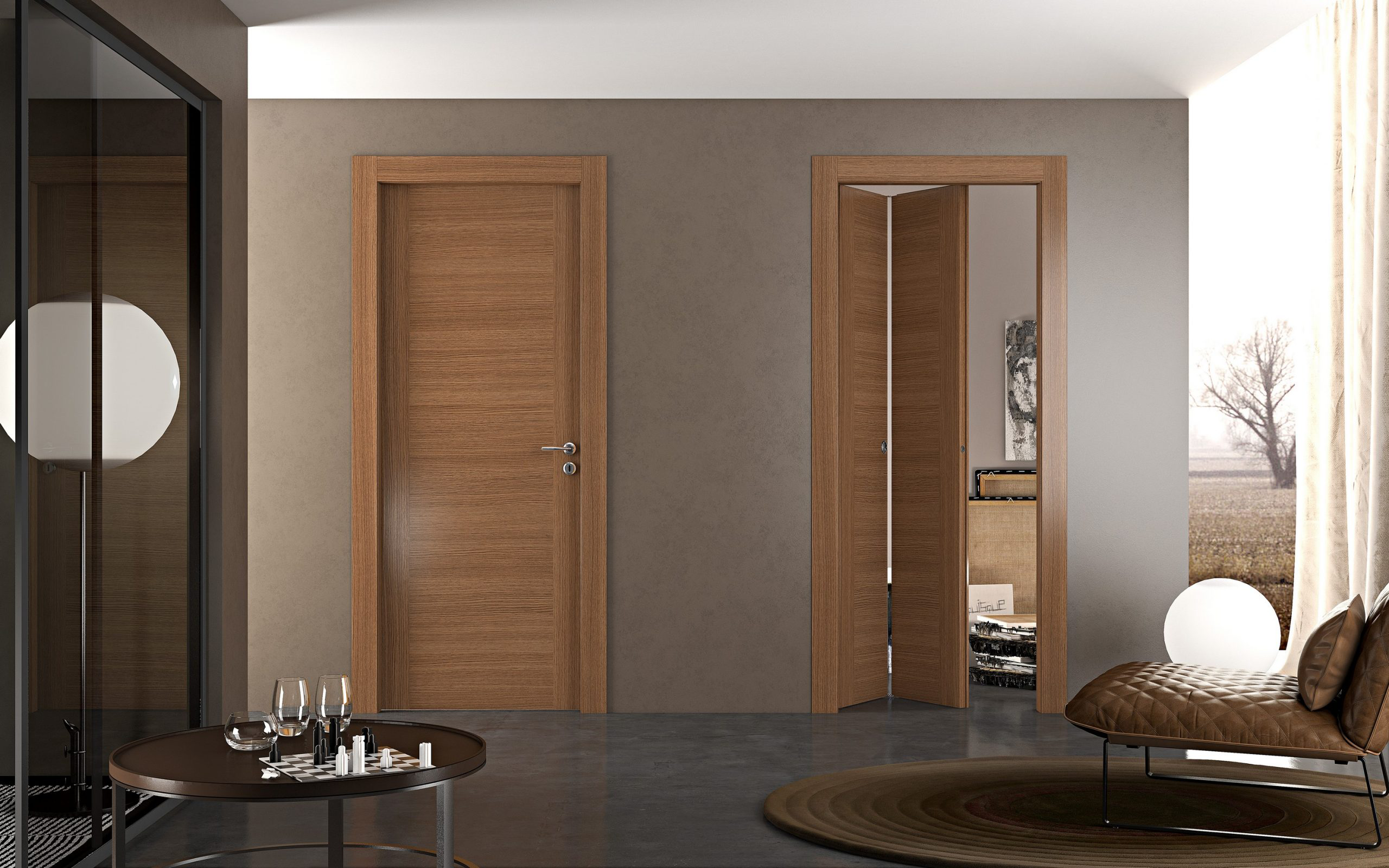
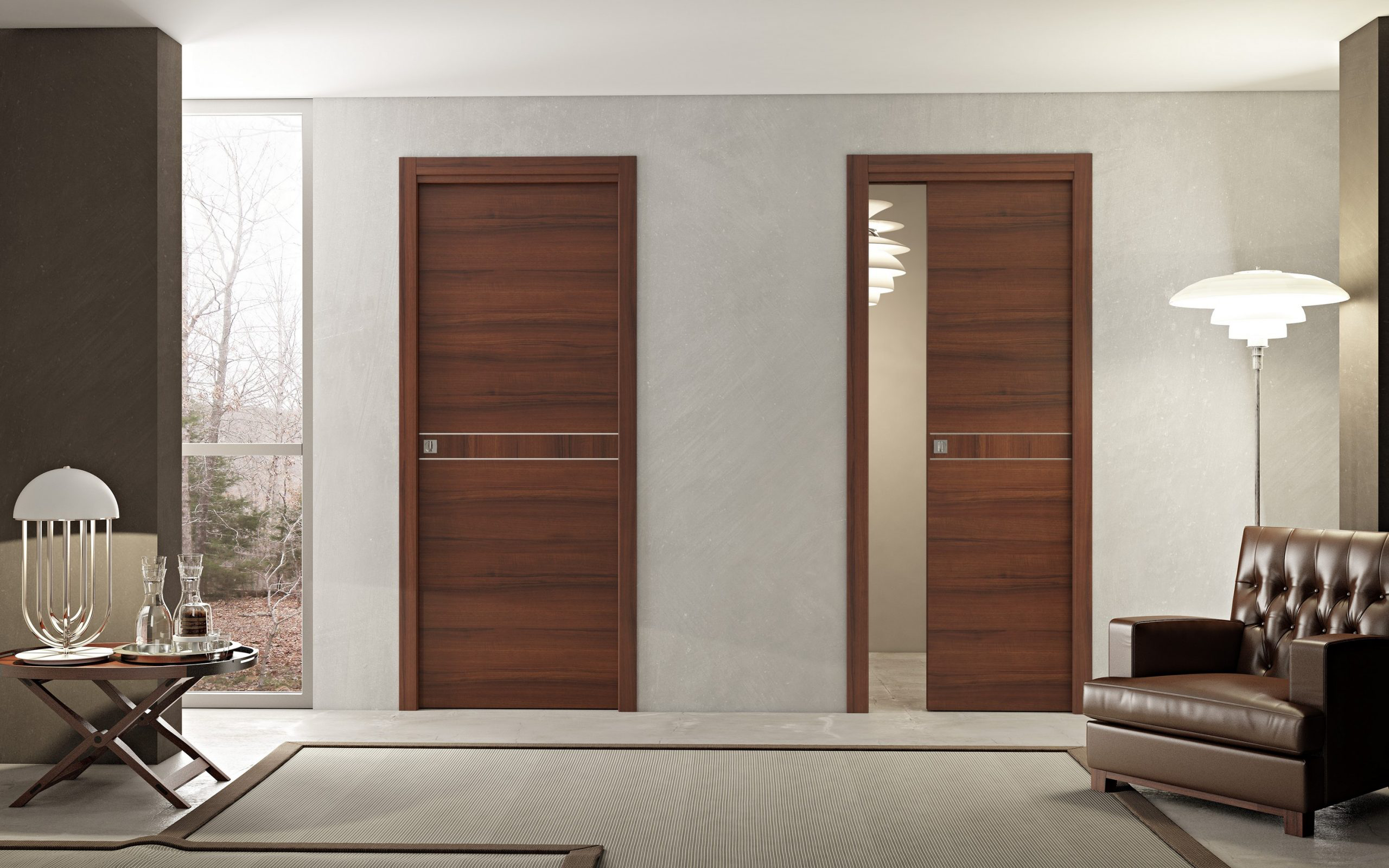
For rooms that are narrow or have limited space, pocket doors (which slide into the wall) or bi-fold doors may be an excellent alternative. These options save space while still providing easy access to the next room. If you’re installing a traditional hinged door, make sure it swings in a direction that doesn’t block access to key furniture or appliances. Consider the layout of the room and how people will move through the space before making your final decision.
The Importance of Door Handles and Hinges
While the door swing direction is important, the handles and hinges are equally essential for the smooth operation of the door. The right hardware ensures that your internal door functions correctly, lasts longer, and looks polished.
First, think about the handle. Handles should be easy to grip and operate, especially in high-traffic areas. Consider the style of the door when choosing a handle. For a modern living room, sleek, minimalist handles might be the best fit. For a traditional space, a more ornate or vintage-style handle could complement the overall design.
Hinges are another important factor. Strong, durable hinges ensure that the door opens and closes smoothly. The quality of the hinges will affect how well the door hangs and how easily it operates over time. Poor-quality hinges can result in squeaking, sagging, or misalignment. Opt for high-quality, rust-resistant hinges, especially in areas with high humidity or heavy use.
Additionally, think about the finish of your door hardware. Whether you prefer matte black, brass, or polished chrome, the finish should match or complement the rest of the room’s decor. Handles and hinges are small details, but they play a significant role in the overall functionality and style of the door.
Acoustic Properties: Reducing Noise Between Rooms
Reducing noise between rooms is essential for creating a comfortable and peaceful living environment. Whether you’re trying to block out sounds from a busy living room, a home office, or a noisy kitchen, the right internal door can make a significant difference in controlling sound. The acoustic properties of internal doors vary depending on the material, design, and installation.
Soundproof Doors vs. Standard Doors
When it comes to reducing noise, soundproof doors are a step up from standard internal doors. Standard doors are typically made from materials like hollow core wood or composite, which offer basic sound isolation but may still let noise pass through, especially in high-traffic or noisy areas.
Soundproof doors, on the other hand, are designed with thicker, denser materials that block noise more effectively. They often have additional layers or special construction techniques to absorb and isolate sound. For example, solid core wood doors, acoustic doors, or doors with soundproofing features such as mass-loaded vinyl layers can drastically reduce sound transmission between rooms. These doors are ideal for bedrooms, home offices, or any space where noise control is important.
While soundproof doors are more expensive than standard options, they can make a big difference in reducing unwanted noise, improving privacy, and increasing the overall comfort of your home. If noise control is a priority for you, investing in a high-quality soundproof internal door is worth considering.
Seals and Gaskets for Noise Control
Another important consideration in controlling noise between rooms is the use of seals and gaskets. Even the best soundproof door won’t be as effective if it doesn’t seal properly. Gaps around the door frame can let sound slip through, even if the door itself is designed to block noise.
To improve sound isolation, it’s essential to install seals and gaskets around the door. These materials fill the gaps between the door and the frame, preventing sound from leaking through. Weatherstripping seals, typically made from rubber or foam, are a simple and cost-effective way to enhance noise control. They create a tight barrier when the door is closed, preventing sound from escaping or entering.
In addition to basic seals, acoustic gaskets are specifically designed to reduce noise transmission. These gaskets are often made from dense, high-quality materials and provide a more effective seal than standard weatherstripping. Adding these to your internal door can greatly improve its soundproofing properties, especially in areas that are particularly noisy.
By combining a solid door with high-quality seals and gaskets, you can significantly reduce the amount of noise that travels between rooms. This is especially beneficial in shared living spaces or homes with multiple family members, where maintaining a quiet environment is crucial for relaxation and productivity.
Maintenance Tips for Your Internal Door
Your internal doors play a major role in your home’s functionality and aesthetics, but to ensure they continue to perform well and look great, proper maintenance is key. Whether your doors are made of wood, paint-free materials, or composite, each material requires specific care. Regular cleaning and simple maintenance steps can help extend the life of your internal door.
Cleaning and Care for Different Materials
Each material used for internal doors comes with its own cleaning and care requirements. To maintain your doors’ appearance and functionality, it’s essential to use the right cleaning methods and products based on the material type.
Wooden Doors:
Wooden internal doors are classic and timeless, but need careful attention to keep them looking their best. To clean a wooden door, start by dusting it with a soft, dry cloth. For more stubborn dirt or smudges, lightly dampen the cloth with water and a small amount of mild soap. Avoid soaking the wood, as excessive moisture can cause it to warp or swell. After cleaning, dry the door with a soft towel to prevent water damage.
If your wooden door is painted or stained, it’s important to check for chips or scratches regularly. Touching them up promptly with the same color paint or wood stain will keep your door looking fresh. To protect the finish, consider applying a coat of furniture polish or wax every few months. This will help seal the wood and prevent it from drying out or cracking over time.
Paint-Free Doors:
Paint-free internal doors, also known as natural or veneered wood doors, are a low-maintenance choice that retains the natural beauty of the wood. To clean paint-free doors, dust them regularly with a soft cloth to remove dirt. For deeper cleaning, use a damp cloth with a mild cleaner, but avoid using too much water to prevent any damage to the wood. Since paint-free doors showcase the natural grain of the wood, it’s important to ensure that no moisture is left on the surface, as this can cause discoloration or swelling over time.
If the door is in a high-traffic area, inspect it for any scratches or marks. These can be gently sanded and touched up with a wood oil or wood stain to maintain the door’s natural look. For extra protection, you might want to apply a wood conditioner or polish to enhance the finish and keep the door looking fresh.
Painted Doors:
Painted internal doors offer a more customizable look but require consistent maintenance to preserve their finish. To clean painted doors, use a damp cloth with a gentle cleaning solution. For stains or fingerprints, use a mild soap solution. Avoid harsh chemicals or abrasive scrubbing, as this can damage the paint. After cleaning, dry the door thoroughly to avoid any water spots.
Over time, painted doors may chip or scratch. For minor damage, you can use touch-up paint to restore the door’s appearance. If the paint begins to look worn out or dull, a fresh coat of paint can bring the door back to life. Ensure that you use a paint type suitable for doors to maintain durability. Additionally, periodically inspecting painted doors for cracks or peeling is important, as these can expose the door to moisture, which can cause further damage.
Composite Doors:
Composite doors are designed to be low-maintenance and durable. To clean them, wipe the surface with a damp cloth and mild detergent. Composite doors are resistant to moisture and wear, so you don’t have to worry about swelling or rotting as with wood. However, they may still accumulate dust and dirt over time. Regular cleaning ensures they stay looking fresh without damaging the material.
For composite doors with decorative panels or textures, make sure to clean the grooves and edges regularly to prevent dirt buildup, which can affect both appearance and performance.
Preventing Wear and Tear: How to Extend the Life of Your Door
To ensure your internal doors continue to function properly and stay visually appealing, there are a few proactive maintenance tips that can help prevent wear and tear.
1. Keep Doors Properly Aligned
One of the most common issues with internal doors is misalignment. This can lead to difficulty opening or closing the door, as well as damage to the frame and hinges. Regularly check that your door is properly aligned within the frame. If you notice any sticking or resistance when opening or closing, the hinges might need adjustment. Tighten loose screws or consider having the door professionally realigned if required.
2. Lubricate Hinges and Hardware
Over time, door hinges can become squeaky or stiff. To keep your internal door functioning smoothly, apply a small amount of lubricant, like WD-40 or silicone spray, to the hinges. This helps reduce friction and prevents rust or damage to the moving parts. Don’t forget also to check and clean the door handle and other hardware components. Ensure that the handle is securely attached and functions properly.
3. Address Scratches and Dents Quickly
Internal doors can sometimes suffer from small scratches or dents, especially in high-traffic areas. If you notice a minor scratch on a wooden door, sand it lightly and touch it up with matching paint or stain. For paint-free doors, gently sand the affected area and apply a wood stain or conditioner. For painted doors, touch up with the appropriate paint color. Fixing small issues early can prevent them from becoming bigger problems down the road.
4. Control Humidity and Temperature
Extreme changes in temperature and humidity can cause wooden internal doors to warp or swell. To avoid this, keep your home’s humidity levels stable. Use a dehumidifier in areas prone to moisture or during humid seasons. If your home experiences extreme temperature swings, consider installing weatherstripping around the door frame to control airflow and temperature better.
5. Check for Drafts
If you notice cold air coming through the edges of your door, it may be time to replace the seals. Weatherstripping or door sweeps can help prevent drafts and maintain energy efficiency. These small additions can also protect your door from wear caused by shifting temperatures and moisture.
Relate FAQ
Should I choose a solid or hollow internal door for my living room?
A solid door offers better soundproofing and durability, making it ideal if you want to block out noise or need extra privacy in your living room. On the other hand, a hollow core door is lighter and more affordable, though it offers less sound insulation. If the living room is a space for entertaining guests, a hollow door may suffice, but if it's a space for quiet relaxation, a solid door is preferable.
How do I match the style of my internal door with the living room décor?
Matching the door style with your living room décor is important for a cohesive look. If your living room has traditional furniture, choose doors with paneling or classic wooden finishes. For a modern living room, opt for sleek doors with a matte or gloss finish. The color of the door should also complement your wall tones, flooring, and furniture—neutral tones work well in almost any setting, while bolder shades can make a statement.
Are internal doors for living rooms available in custom sizes?
Yes, internal doors can be custom-made to fit the unique dimensions of your living room, especially if your space has irregularly sized door frames. A professional door supplier can help you find or create a door that fits perfectly within your room, ensuring both style and functionality.
How do I choose the right door hardware for my living room door?
The choice of door hardware—such as handles, locks, and hinges—can enhance the overall look of your living room door. For a contemporary feel, choose brushed metal handles and minimalist hinges. For a more traditional setting, antique brass or polished chrome hardware may complement the door’s design. Be sure the hardware is durable and easy to operate for everyday use.
Can I install an internal door in my living room by myself?
While installing an internal door can be a DIY project, it requires careful measurement, tools, and expertise, especially if you are installing a heavier solid wood door or a custom design. If you’re not confident in your DIY skills, it’s recommended to hire a professional installer to ensure proper fitting and functionality.
What are the best materials for internal doors in a living room?
The most popular materials for internal doors are solid wood, MDF (Medium Density Fibreboard), and composite materials. Solid wood doors offer warmth and durability, while MDF doors are cost-effective and can be painted in any color. Composite doors combine different materials, offering strength and insulating properties while being more affordable than solid wood.
Can I get a soundproof internal door for my living room?
Yes, if sound insulation is a priority in your living room (for example, if it’s adjacent to a noisy area of the house), you can choose a soundproof door. These doors are typically made with solid materials like wood or composite and may have additional soundproofing features, such as thicker panels or seals around the edges to reduce noise transmission.