How does a pocket door work?
What is a Pocket Door?
Definition and Basic Concept
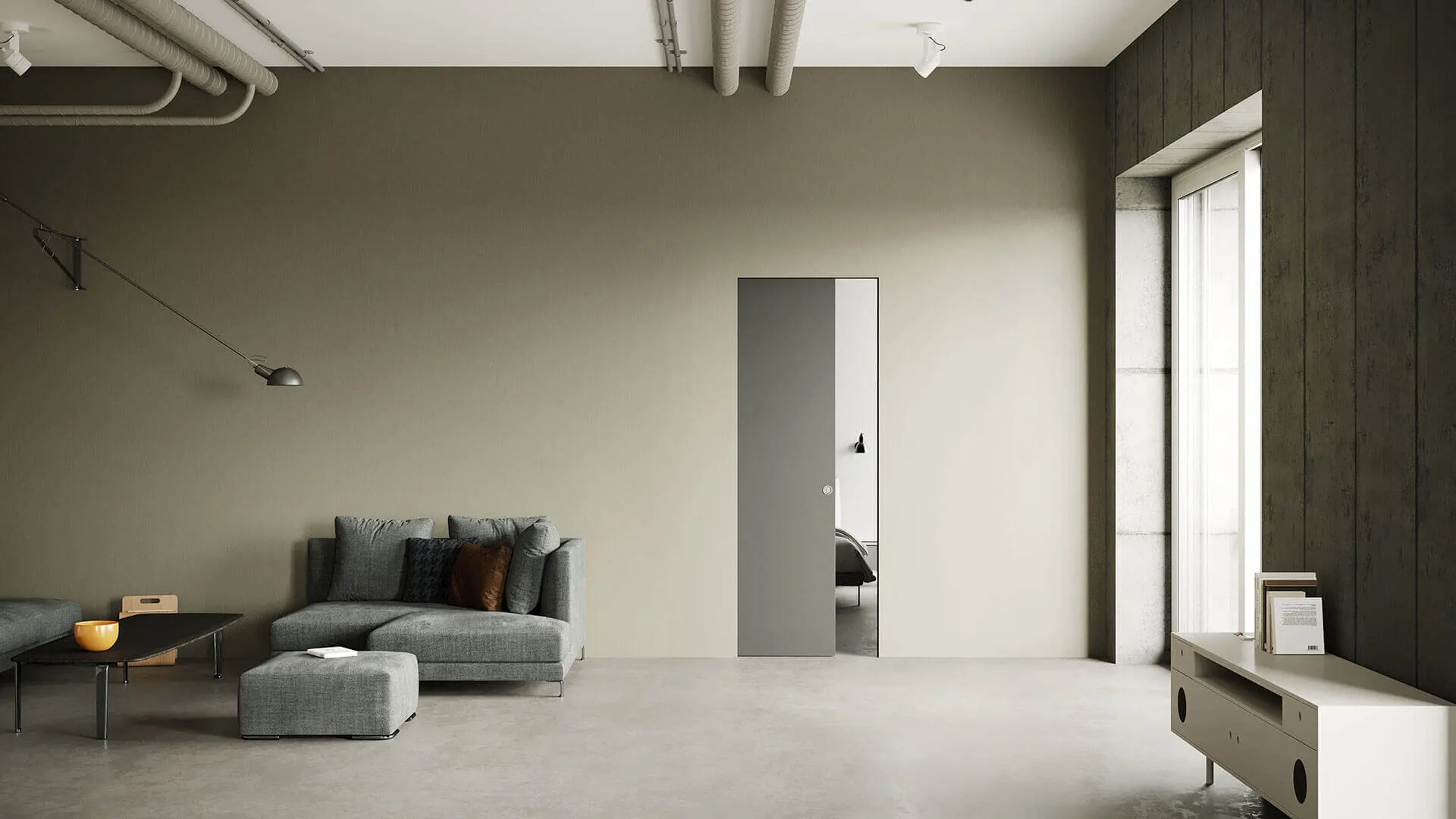
A pocket door is a type of sliding door that disappears into the wall when opened. Unlike traditional doors that swing open on hinges, a pocket door slides smoothly along a track, hiding inside the wall cavity. This unique design saves space, making pocket doors a popular choice for smaller rooms, apartments, or areas where you want to maximize floor space. Whether used for a bathroom, closet, or a stylish way to divide a room, pocket doors provide both functionality and a sleek, modern look.
In essence, a pocket door is designed to “slide into a pocket,” which is the gap inside the wall. The system includes a track, rollers, and a door panel, all working together to ensure that the door moves easily and quietly when you need access to a room.
History and Evolution of Pocket Door
The pocket door has a long history, dating back to ancient times. Early versions were used in Japan and other parts of Asia, where sliding doors were common in traditional architecture. These early doors were often made of wood or paper and were used to partition rooms in homes. The concept of sliding doors spread to Europe and the United States in the 19th century, particularly during the Victorian era, when space-saving designs were highly valued.
Pocket doors, as we know them today, began to gain popularity in the late 1800s and early 1900s, especially in urban homes where space was limited. They became a feature in many American homes in the early 20th century, especially in areas like San Francisco, where architects were known for their creative use of space. By the mid-20th century, pocket doors were a staple in modern homes, offering homeowners a practical solution to the growing demand for efficient design.
Over time, pocket doors evolved in terms of materials, mechanisms, and aesthetics. Today, they are available in a wide variety of styles, from traditional wood to contemporary glass designs. Advances in hardware and installation techniques have made them more durable and accessible, allowing for smoother, quieter operation. Whether you prefer a classic wooden pocket door or a modern, minimalist version with glass panels, there’s a style to fit every taste and home design.
Why Are They Called “Pocket” Doors?
The term “pocket door” comes from the idea that the door “disappears” into a pocket in the wall. When opened, the door slides into a hidden compartment, or pocket, which is the space inside the wall. This allows the door to stay out of sight, freeing up valuable floor space and creating a sleek, unobtrusive look.
The concept of a “pocket” is particularly fitting because the door isn’t visible when it’s in use; it’s as if it’s tucked away, hidden out of view. This clever design creates a minimalist feel, which is especially desirable in modern homes that prioritize clean lines and open spaces. The term has stuck over the years, and today, we still refer to these sliding doors as “pocket doors.”
In addition to the aesthetic benefits, calling them “pocket doors” reflects their practical purpose: offering a space-saving solution that doesn’t compromise on style. Whether for tight corners, small rooms, or areas where swinging doors won’t fit, pocket doors prove to be both a functional and charming addition to any home.

How Does a Pocket Door Work?
Basic Mechanics of a Pocket Door
A pocket door works by sliding smoothly into the wall, instead of swinging open like traditional doors. The key to this design lies in its simple yet effective mechanics. When you push or pull the door, it glides along a track system, using rollers to make the movement easy and quiet. The door disappears completely into the wall, creating a clean, open space when it’s fully open.
One of the reasons pocket doors are so popular is that they save space. They don’t require extra room to swing open, which makes them perfect for small spaces like bathrooms, closets, or rooms with limited square footage. The design is smart and efficient, giving you more flexibility when it comes to arranging your furniture or layout.
Sliding Mechanism
The sliding mechanism is what makes the pocket door so unique. When you open the door, it moves horizontally along a track, instead of swinging out into the room. The mechanism typically consists of rollers that are attached to the top of the door. These rollers glide smoothly along a rail, making it easy to open and close the door with minimal effort.
This design is ideal for spaces where traditional hinged doors would take up too much room. Whether it’s a pocket door in a kitchen, a hallway, or a closet, the sliding mechanism ensures that the door won’t block access to other areas of the room when it’s open. Because there are no hinges, there’s less wear and tear on the door itself, meaning it can last longer with fewer maintenance issues.
The Role of the Track System
The track system is a crucial component in making a pocket door work. It’s typically installed along the top of the doorframe, with a set of rails that the rollers glide along. The track ensures that the door moves smoothly and stays in place when open or closed. A quality track system can prevent the door from wobbling or becoming misaligned, providing long-term stability.
The track is usually mounted inside the wall, hidden from view. This is why the door can disappear entirely when it’s open – it slides into a pocket in the wall. Tracks can be made from a variety of materials, but most are either steel or aluminum, providing durability and strength to support the weight of the door.
In addition to the main track, some pocket doors also feature a bottom guide track. This helps stabilize the door and prevent it from swinging or shifting. It’s particularly important for taller doors or those that need extra support. The combination of top and bottom tracks ensures that the door slides securely and stays aligned with the wall, offering smooth operation every time.
How the Door Slides into the Wall?
The real magic of a pocket door happens when it slides into the wall. When you open the door, it moves along the track and into a specially created pocket inside the wall cavity. This pocket is hidden behind the drywall, so when the door is closed, you can’t see it at all. The door disappears, giving the room a clean, open look.
This design is what sets pocket doors apart from regular sliding doors. Instead of the door sliding just to the side, it actually goes into the wall, effectively “hiding” the door out of sight. The wall itself is built with a cavity large enough to accommodate the door when it is fully open. This allows the door to vanish completely, maximizing the use of space in smaller areas.
It’s worth noting that not every wall can accommodate a pocket door. The wall must be designed to hold the pocket, which is why pocket doors are often easier to install in new builds or during a major renovation. However, with the right planning and construction, you can install a pocket door even in an existing space, though it might require some adjustments to the structure.
Types of Pocket Door Systems
There are several types of pocket door systems to choose from, depending on your needs and the space available. Each type offers different benefits, making them a versatile solution for any home. Let’s explore the main types: the single pocket door, the double pocket door, and the bypass pocket door.
Single Pocket Door vs. Double Pocket Door
A single pocket door is the most common type. It’s a single door that slides into one side of the wall. This system is ideal for small spaces or rooms where you only need one door to separate the areas. For example, you might find single pocket doors in bathrooms, closets, or smaller living areas. When open, the door slides completely into the wall, giving you a clear, unobstructed space.
On the other hand, a double pocket door involves two doors that slide into two separate pockets in the wall. This system is often used in wider openings, such as in larger rooms or to divide two spaces. With a double pocket door, you get a grander opening and more flexibility, as both doors slide open, allowing for a wider access point. This is a popular choice for dividing large living areas, creating a stylish and functional way to separate spaces when needed.
The primary difference between these two systems is the amount of space they cover. While a single pocket door works well for smaller openings, a double pocket door can be used in larger, more open spaces to create a dramatic effect. Both systems save space compared to traditional hinged doors, but the double pocket door offers a more expansive, open look.
Bypass Pocket Doors
A bypass pocket door works differently from the standard single or double pocket door. Instead of sliding into a wall pocket, these doors slide past each other, running along parallel tracks. Typically, a bypass system involves two doors that slide in opposite directions. As one door slides open, the other one slides behind it. This allows you to have a wider opening without taking up too much space in the room.
Bypass pocket doors are commonly used for closets or large openings where you need access to both sides of a space but don’t want the door panels to block each other. For example, you might use a bypass pocket door for a large closet where you want easy access to the whole space. The benefit of the bypass system is that it allows you to open the door halfway or fully, depending on how much access you need.
These doors are especially useful in rooms where wall space is limited. Since they don’t require a full pocket to hide the door, bypass pocket doors make it possible to maintain a clean and modern look while still saving space. The sliding mechanism allows for smooth operation and a quiet glide, making them an ideal choice for areas where you need both function and style.

Key Components of a Pocket Door
To understand how a pocket door works, it’s important to know the key components that make it function smoothly. A pocket door system includes several essential parts, each playing a specific role in ensuring the door slides open and closed effortlessly. These components are the tracks and rollers, the door frame and hardware, and the pocket door panel.
Tracks and Rollers
The tracks and rollers are the heart of the pocket door system. They allow the door to glide smoothly along its path. The track, typically installed at the top of the doorframe, serves as the rail that guides the door as it moves. The rollers are attached to the top of the door, and they slide along the track.
The quality of the track and rollers is crucial for smooth operation. If the track is misaligned or the rollers are damaged, the door may not slide easily, leading to issues like jamming or sticking. Tracks are usually made of strong materials like steel or aluminum, which ensure durability and long-lasting performance. To keep everything running smoothly, regular maintenance, like cleaning and lubricating the track, can help prevent wear and tear.
There are two main types of tracks: single track and double track. A single track is used for a single door, while a double track system is used for a double pocket door, where two doors slide open from either side. No matter the type, the rollers and tracks work together to ensure that the door opens and closes quietly and efficiently.
Door Frame and Hardware
The door frame and hardware are also essential to the pocket door system. The frame holds the door in place and ensures it operates properly within the wall pocket. When installing a pocket door, the frame must be strong enough to support the weight of the door while providing enough space for the track system to function.
The frame includes a top rail (where the track is mounted), side jambs, and a bottom guide rail. The hardware refers to the mechanisms that connect the door to the frame and track system. This includes the rollers, mounting brackets, and any other parts that enable smooth sliding action. When you choose a pocket door, it’s essential to select high-quality frame components to ensure long-lasting functionality and avoid potential issues like misalignment or sagging.
Some pocket doors may include additional hardware like soft-close mechanisms, which help ensure the door slides gently and doesn’t slam shut. This feature can enhance both the door’s performance and its overall lifespan.
Pocket Door Panel
The pocket door panel is the actual door that slides into the wall. It is typically made of wood, glass, or a combination of both, depending on the desired look and function. The panel is what you see when the door is closed, so choosing the right style and material is important for both aesthetics and durability.
The panel itself is attached to the rollers that slide along the track. It must be lightweight yet sturdy enough to move without difficulty. If the door is too heavy, it can strain the track and roller system, making it harder to operate. Many modern pocket doors use hollow-core panels to keep the door lightweight but strong.
The design of the pocket door panel can vary. Some panels are solid, providing privacy and sound insulation, while others are made of glass, allowing light to flow between rooms while still offering separation. When selecting a pocket door, think about how it will complement the room’s decor and how much privacy or light you need.
Benefits of Pocket Door
Space-Saving Solution
One of the main reasons pocket doors are so popular is that they offer a space-saving solution. Unlike traditional hinged doors, which swing open and require extra space around them, pocket doors slide neatly into the wall. This means you don’t need to worry about leaving enough room for a door to swing out. Instead, the door disappears when not in use, giving you more usable space in your room.
This is especially beneficial in small areas like bathrooms, closets, or narrow hallways, where every square foot counts. By eliminating the need for door clearance, pocket doors help maximize the efficiency of a room’s layout. Whether you’re in a tiny apartment or want to make your home feel bigger, a pocket door can make a world of difference. In fact, many homeowners use pocket doors to make tight spaces feel more open and airy.
Aesthetic Appeal and Modern Design
In addition to saving space, pocket doors also offer significant aesthetic appeal. Their sleek, minimalist design creates a clean, modern look that works well in any room. Whether you’re updating a traditional home or designing a contemporary space, pocket doors can seamlessly blend into your decor.
When the door is open, you don’t see bulky hinges or hardware, making the space look more open and uncluttered. This can be particularly useful in rooms where you want to create a seamless flow, like between a kitchen and dining area or a living room and office. The door itself can be customized with different materials such as wood, glass, or metal, allowing it to match the style of your home.
Not only do pocket doors look modern, but they also offer practical design flexibility. You can use them to create a sense of separation without sacrificing the overall design of a room. Whether you choose a solid wood door for privacy or a glass panel to let in light, a pocket door adds both style and functionality to your home.
Accessibility and Functionality
Pocket doors are not just about design; they also offer excellent accessibility and functionality. Their smooth sliding mechanism makes them ideal for spaces where traditional doors might be difficult to use. For instance, in tight or crowded areas, a pocket door can be easier to operate than a swinging door. There’s no need to worry about bumping into furniture or other obstacles when opening or closing the door.
In homes with limited mobility or for people using wheelchairs, pocket doors can also be more accessible than hinged doors. They don’t require extra space to swing open, so they can be easily operated without having to step aside. For this reason, pocket doors are a common choice in elderly-friendly or accessible home designs.
Additionally, these doors can also be a great solution in high-traffic areas, like hallways, where you need to keep the door out of the way while still creating separation between rooms. The functionality of a pocket door can enhance your home’s layout, making it more practical and easier to navigate.
Quiet Operation and Smooth Glide
Another key benefit of pocket doors is their quiet operation and smooth glide. Thanks to the roller and track system, pocket doors open and close with minimal noise, making them ideal for areas where noise control is important. If you’re looking to create a peaceful home environment, a pocket door can help reduce the clatter and squeaks often associated with traditional hinged doors.
The sliding mechanism of a pocket door ensures that the door moves smoothly, without sticking or jamming. This smooth operation comes from the carefully engineered system of rollers and tracks, which allows the door to glide effortlessly along its path. Regular maintenance, like cleaning the tracks and lubricating the rollers, will keep the door operating quietly for years.
Moreover, the soft-close mechanisms available in some pocket door systems further reduce noise. These systems gently slow the door as it closes, preventing it from slamming shut and enhancing the overall user experience.
How to Install a Pocket Door?
Step-by-Step Installation Process
Installing a pocket door can seem like a big project, but with the right tools and guidance, it’s achievable. Below is a simple, step-by-step process to install a pocket door in your home. Follow these steps, and you’ll have your door up and sliding in no time!
Preparing the Wall for the Pocket Door
The first step in installing a pocket door is preparing the wall. This is the most critical part of the process, as the wall must have enough space to accommodate the door and its track system. Start by removing any existing drywall where the pocket door will be installed. You’ll need to create a cavity inside the wall that is wide enough to hold the door when it slides in.
Measure the dimensions of the pocket door carefully, making sure you account for both the door itself and the track system. In some cases, you might need to cut studs or other structural components to make room for the pocket. If you’re unsure about cutting into structural beams, it’s a good idea to consult a professional to ensure you don’t compromise the wall’s stability.
Once the space is clear and measurements are correct, install the support framing to hold the track and the wall cavity. Make sure the opening is square and level, as this ensures smooth door operation later on.
Installing the Track System and Door Frame
Next, you’ll install the track system, which is crucial to the pocket door’s function. The track is typically mounted at the top of the doorframe, either directly into the ceiling or on a wooden header. Carefully align the track and secure it firmly. If you’re installing a double pocket door, you’ll need to install two tracks, ensuring they are perfectly parallel to each other.
The door frame needs to be assembled and installed before hanging the door. This frame will house the rollers and help guide the door along the track. It must be square and level to avoid any misalignment issues. Install the frame securely, making sure it’s flush with the opening.
Take your time to double-check everything, as any misalignment now can lead to difficulties later on, such as sticking doors or difficulty opening and closing.
Hanging the Door Panel
Now that the frame and track are in place, it’s time to hang the pocket door panel. Start by attaching the rollers to the top of the door panel. These rollers will fit into the track, allowing the door to slide smoothly. Once the rollers are attached, carefully lift the door and slide it into the track.
It’s important to adjust the rollers for a smooth glide, ensuring that the door hangs evenly and doesn’t tilt. Depending on the door, you may need to install a bottom guide rail to prevent the door from swaying as it moves.
Once the door is in place and the rollers are adjusted, check that it slides easily back and forth. Make sure it opens and closes fully without any obstruction.
Professional vs. DIY Installation
While it’s certainly possible to install a pocket door yourself, some homeowners prefer to hire a professional. DIY installation can be a rewarding project, but it requires a good understanding of carpentry, drywall work, and door mechanics. If you have experience with home improvement and the tools needed, a DIY pocket door installation can save you money and give you a sense of accomplishment.
On the other hand, professional installation may be a better choice if you’re unsure about the process, particularly when it comes to cutting into walls or installing structural components. A professional will ensure that the door is installed properly, avoiding common mistakes that could affect the functionality of the door.
Ultimately, the decision comes down to your skill level and the complexity of the installation. If you choose to go the DIY route, be prepared to take your time and follow each step carefully.
Common Installation Mistakes to Avoid
Installing a pocket door is a bit tricky, and there are a few common mistakes that can affect the door’s performance. Here are some of the most common errors to watch out for:
Heavy-Use Areas Like Kitchens or Entryways
- Incorrect Measurements: One of the most frequent mistakes is not measuring the wall space correctly. Make sure you account for both the pocket door and the track system. Double-check your measurements before you start cutting or installing anything.
- Misaligned Tracks: If the tracks aren’t installed properly or are not level, the door won’t slide smoothly. Always check that the tracks are level and parallel before securing them.
- Not Leaving Enough Clearance: You need to ensure there’s enough room in the wall cavity for the door to slide in fully. Failing to account for this can result in the door not fitting or being difficult to open.
- Skipping the Bottom Guide: A bottom guide rail helps keep the door in place as it slides. Skipping this step can cause the door to wobble or swing out of alignment.
- Not Checking Door Alignment: After hanging the door, make sure it’s aligned properly. If the door is out of square, it can rub against the frame or track, causing it to get stuck or be difficult to open.

Maintenance and Care for Pocket Door
Cleaning and Lubricating the Tracks
To keep your pocket door functioning smoothly, regular cleaning and lubrication of the tracks are essential. Over time, dust, dirt, and debris can accumulate in the track, which can make it difficult for the door to slide properly. Cleaning the tracks helps prevent these issues and ensures smooth movement.
Start by wiping down the pocket door track with a dry cloth to remove any loose dirt or dust. For stubborn debris, use a vacuum with a hose attachment to clean the track thoroughly. Be careful not to damage the track while cleaning. Once the track is clean, apply a light lubricant to the rollers and track. You can use a silicone-based lubricant or a dry lubricant spray designed for sliding doors. This will help reduce friction and prevent the door from sticking.
Avoid using oily lubricants, as they can attract more dust and dirt, causing the track to become clogged again. A regular cleaning schedule, about once every three to six months, will keep the door gliding smoothly.
Troubleshooting Common Pocket Door Issues
Even with regular care, pocket doors may encounter issues over time. Here are some common problems and how to fix them.
Door Off-Track Problems
One of the most common issues with pocket doors is when the door comes off the track. This can happen if the rollers are damaged or if the track becomes misaligned. When a pocket door goes off-track, it may get stuck and refuse to slide.
To fix this, first check the rollers at the top of the door. If any of the rollers are broken or worn out, they will need to be replaced. If the rollers seem intact, the problem may lie with the track. Ensure the track is level and properly aligned. If the track is misaligned, carefully adjust it to restore smooth movement. Once the track and rollers are aligned, lift the door back onto the track and test it for proper operation.
If you’re unable to realign the door or if the problem persists, it might be time to call a professional for help.
Sticking or Jammed Doors
Another issue you might encounter with a pocket door is that it becomes difficult to open or close, either sticking halfway or jamming completely. This often occurs when the track or rollers are clogged with dirt, debris, or rust.
Start by inspecting the track for any visible debris or dirt. Clean it as mentioned earlier, making sure to remove all buildup. If the door is still sticking, check the rollers. Sometimes, rust can cause the rollers to seize up. Applying a lubricant to the rollers can help alleviate this issue. In some cases, you may need to replace the rollers entirely.
If the door is still sticking after cleaning and lubricating, the problem could be with the door frame or the way the door is hanging. Check that the door is level and aligned correctly within the frame. If the frame has become warped over time, this could be affecting the door’s movement.
How to Keep Your Pocket Door Running Smoothly?
To keep your pocket door in top shape, regular maintenance is key. Aside from cleaning and lubricating the tracks, here are a few tips to help keep your door running smoothly:
- Regular Inspections: Check the door and track system every few months for any signs of wear. Look for broken rollers, misaligned tracks, or damage to the door panel. Catching issues early can prevent more serious problems down the road.
- Keep the Wall Cavity Clear: Sometimes, the wall cavity where the door slides can become clogged with dust or debris. Make sure this space is clear, as it can interfere with the door’s ability to slide in and out of the wall.
- Adjust the Rollers: Over time, the rollers may need to be adjusted. If the door is not hanging level or is scraping the frame, you may need to adjust the height of the rollers. This can be done by turning the adjustment screws on the rollers until the door slides smoothly.
- Replace Worn Parts: If you notice that certain parts, like the rollers or track, are heavily worn or damaged, replace them before they cause bigger issues. Replacing small parts early on can save you from having to replace the entire system later.
- Avoid Overloading the Door: Don’t overload the pocket door with heavy objects or apply too much force when opening or closing. This can put unnecessary strain on the track system and rollers, causing them to wear out faster.
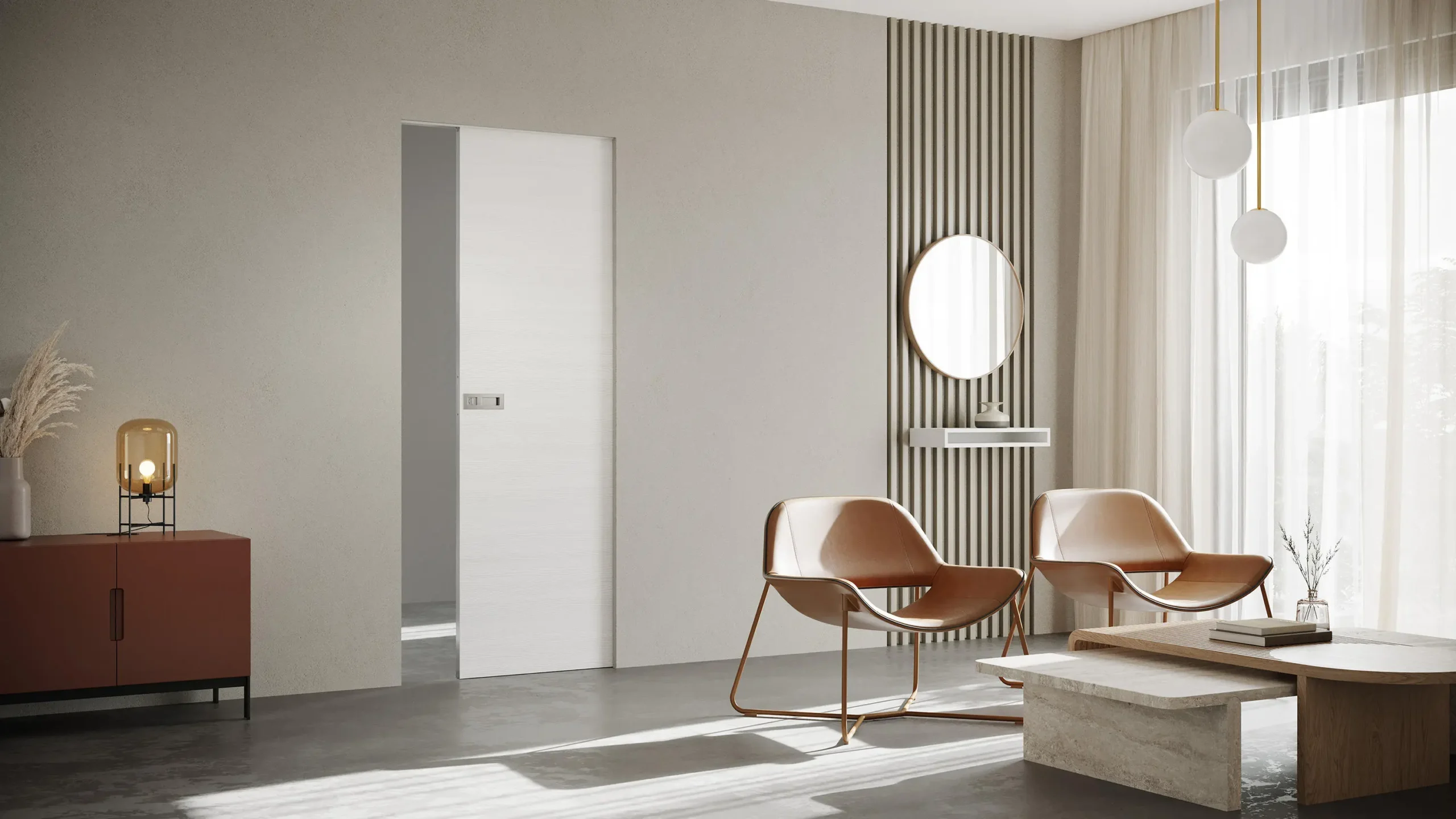
Different Types of Pocket Door for Various Applications
Pocket Doors for Small Spaces
Pocket doors are a fantastic solution for small spaces where traditional hinged doors won’t work. These doors slide into the wall, taking up no extra floor space when open, which is especially valuable in tiny rooms. Whether you’re dealing with a compact hallway, a small home office, or a tight apartment, pocket doors can help you maximize every inch.
For small spaces, a single pocket door is the best option. It works well for narrow doorways, where there’s little room for a door to swing open. Because of their sliding design, pocket doors allow you to access the space without worrying about clearance. This is crucial in areas like kitchens or bathrooms where you need the door to open and close smoothly but without taking up valuable floor space.
In homes with limited square footage, pocket doors offer a way to enhance the flow of the room. They can be installed to divide rooms or even in closets, helping maintain an open, airy feel without compromising privacy or function.
Pocket Door for Kitchens and Dining Rooms
Pocket doors can be a great fit for kitchens and dining rooms, where space is often at a premium. In these areas, the ability to create an open concept or separate spaces when needed is important. With pocket doors, you can easily separate the kitchen from the dining area, providing privacy and noise control while still maintaining an open flow.
In a kitchen, pocket doors can be used to hide away pantries, laundry rooms, or even appliances like dishwashers or garbage areas. When the door is open, it simply slides into the wall, giving you unobstructed access. This design works especially well in kitchens with limited space, where a traditional door might block the flow or become an obstacle in an already crowded room.
In a dining room, pocket doors help create a more intimate atmosphere when you want to close off the space for a formal dinner or family gathering. When not in use, the doors disappear into the wall, keeping the room open and airy. Whether you want to close off the dining area for special occasions or just for everyday convenience, pocket doors provide a stylish and practical solution.
Pocket Door for Bathrooms and Closets
Pocket doors are an excellent choice for bathrooms and closets, where space can be especially tight. In a bathroom, a pocket door allows you to save space by eliminating the need for a traditional door that swings open. This is particularly useful in smaller bathrooms or in homes with multiple bathrooms, where you need to maximize the limited square footage.
In bathrooms, pocket doors also add a sleek, modern look. They can be installed to separate the toilet area, the shower, or to provide access to a linen closet. Their smooth sliding motion makes them a more practical option than swinging doors, which can often be in the way, especially in smaller bathrooms. The ability to install pocket doors in places where traditional doors may not fit is one of the key benefits of this design.
For closets, pocket doors are a great way to save space while providing easy access. In smaller bedrooms, where closet space is often limited, a pocket door can give a stylish and efficient solution. When you slide the door open, it disappears into the wall, so it doesn’t block access to your closet or take up valuable space in the room. This can also be especially helpful in walk-in closets, where a traditional door may feel bulky or take up too much room.
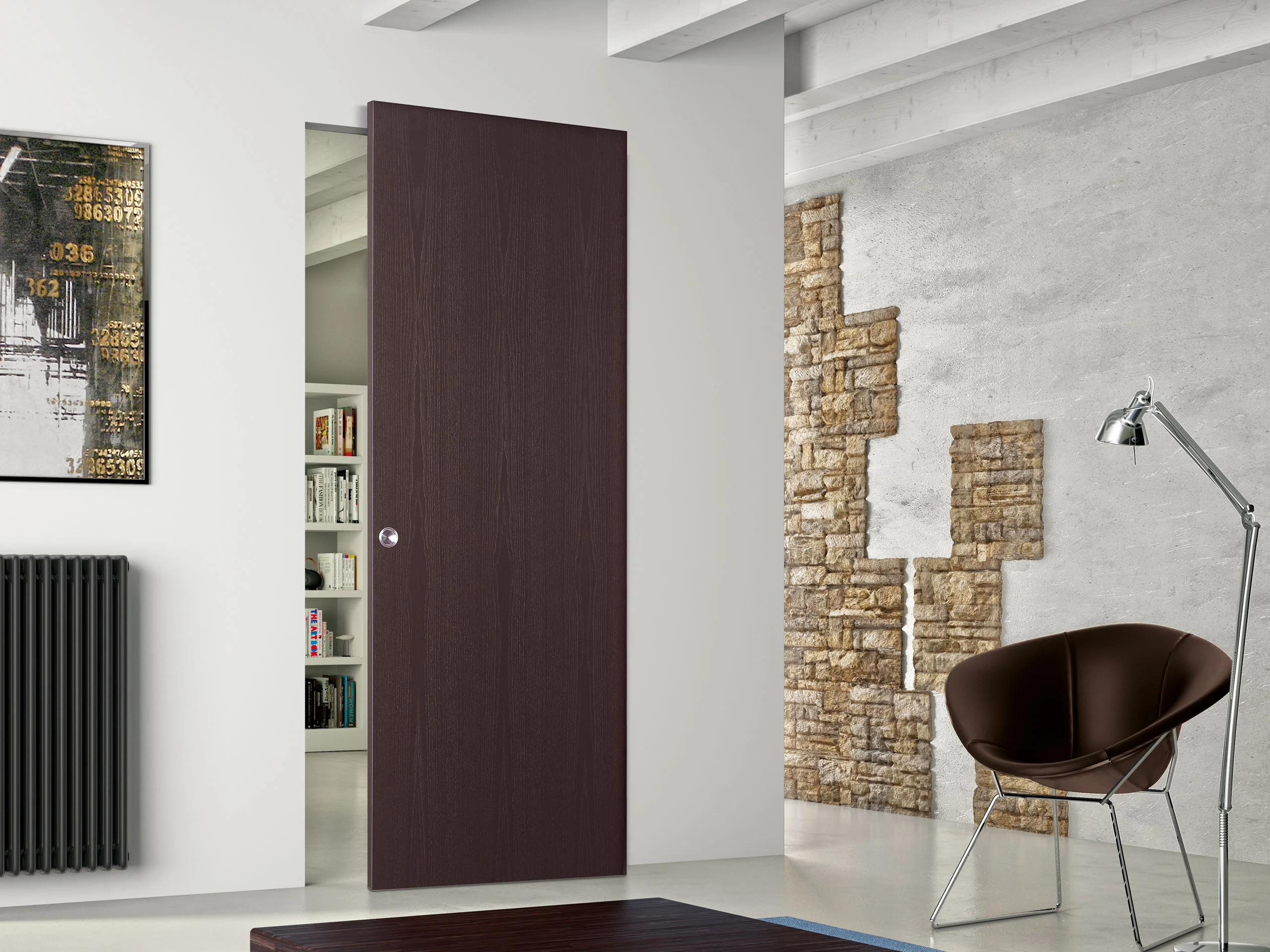
Pocket Doors vs. Traditional Doors
Advantages of Pocket Doors Over Hinged Doors
When comparing pocket doors to traditional hinged doors, there are a few clear advantages that make pocket doors a more efficient and stylish choice in many situations.
Space Efficiency
One of the biggest benefits of pocket doors is their space efficiency. Unlike hinged doors that swing open, pocket doors slide into the wall, meaning they don’t take up any extra room. When a traditional door swings open, it requires clearance on both sides of the doorframe. This can be an issue in smaller spaces like bathrooms, hallways, or tight apartments.
With pocket doors, you get full use of the space that a swinging door would otherwise occupy. This is especially helpful in small rooms or when trying to make the most of every square foot. For example, in kitchens, bathrooms, or closets, pocket doors provide a clean, efficient way to separate spaces without crowding the area or limiting your furniture arrangement.
In tight quarters, pocket doors can even be used in places where a traditional hinged door would never fit. The door hides within the wall, allowing you to save valuable space in already cramped areas.
Design Flexibility
Another advantage of pocket doors is their design flexibility. With a traditional hinged door, you are limited to the door’s swing radius and placement. Pocket doors, on the other hand, offer more flexibility in how you arrange your rooms and decor.
For instance, a pocket door can be installed to create open-plan living spaces or to close off areas when needed, without compromising the overall aesthetic of the room. These doors can be customized to fit almost any style, from sleek, modern glass panels to classic wooden designs. Whether you’re going for a contemporary or traditional look, pocket doors can complement your home’s interior while offering functional benefits.
They are also perfect for creating more fluid transitions between rooms. Instead of a bulky door interrupting the flow, a pocket door disappears when not in use, allowing the spaces to feel connected and open. Whether you need a pocket door for a bathroom, closet, or living room, these doors blend seamlessly with various home styles and layouts.
When Should You Choose a Pocket Door?
While pocket doors have numerous benefits, they are not always the right choice for every situation. Here are a few scenarios when you should consider installing a pocket door:
- Limited Space: If you’re working with a small room or an area where a traditional door would take up too much space, pocket doors are a perfect solution. For instance, in a small bathroom or narrow hallway, a pocket door can save valuable floor space while still providing privacy and functionality.
- Open Concept Design: If you want to create an open, airy feel in a larger space but still need to divide rooms occasionally, pocket doors are ideal. They can be used to close off a dining area, study, or living room when you need it, but otherwise, they remain hidden, preserving the open look.
- Renovations: If you’re remodeling a room or home and want to make a bold design choice or improve the functionality of a space, pocket doors can offer a fresh alternative to traditional doors. They can be especially useful when creating custom solutions for unique spaces or layouts.
- Aesthetic Appeal: If you’re looking for a more modern and minimalistic look, pocket doors provide an elegant solution. They hide away when not in use, creating a sleek and uncluttered aesthetic. This can help in both modern and classic interiors, depending on the style of the door you choose.
Relate FAQ
What are the benefits of installing a pocket door?
Pocket doors are ideal for small spaces or areas where traditional doors would take up too much room. Here are a few benefits:
- Space-saving Design: They don’t swing open, freeing up valuable space.
- Modern Aesthetic: Offers a sleek, contemporary look with minimal hardware.
- Versatile Use: Ideal for bathrooms, bedrooms, or closets where space is limited.
- Quiet Operation: When installed properly, pocket doors slide smoothly and quietly.
Can a pocket door be installed in any wall?
Not all walls are suited for a pocket door. It typically requires a wall that can accommodate the door’s sliding track and pocket. Installation is best in non-load-bearing walls, but it is possible to retrofit a pocket door into load-bearing walls with some additional work, such as reinforcing the structure.
How do you maintain a pocket door?
Maintaining a pocket door involves regular checks to ensure smooth operation. Here are a few tips:
- Clean the Track: Dust and debris can obstruct the door’s movement, so wipe down the track regularly.
- Lubricate the Rollers: Apply a suitable lubricant to the rollers for smooth sliding.
- Check for Alignment: Over time, pocket doors may shift. Regularly check the alignment and adjust as necessary.
Are pocket doors secure?
While pocket doors can be as secure as traditional doors, some models may have slightly less security because they are typically thinner and may not have the same locking mechanisms. It’s important to choose a quality pocket door with a reliable lock system for better security, especially for external or private rooms.
Can a pocket door be used for exterior spaces?
While pocket doors are commonly used for interior rooms, they can be used for exterior spaces too, provided they are built with the right materials to withstand outdoor elements. Specialized weatherproof models with proper insulation are available for exterior applications.
How do pocket doors compare to traditional sliding doors?
Pocket doors offer a more concealed, streamlined appearance compared to traditional sliding doors. While both types of doors save space, pocket doors have the advantage of disappearing into the wall, creating a cleaner look when open. However, pocket doors are typically more difficult to install and maintain.
Can a pocket door be used as a bathroom door?
Yes, pocket doors are a great option for bathrooms, especially in smaller spaces. They save space and avoid the need for swinging doors that can take up valuable room. Just ensure the door is moisture-resistant and properly sealed to prevent water damage.