How do I choose an interior door?
The Importance of Choosing Interior Door
Why Choosing the Right Interior Door Matters
When it comes to your home, the right interior door makes all the difference. A well-chosen interior door can enhance the overall look of a room and provide practical benefits that you might not immediately think of. Think of it as a finishing touch that ties a room together. Whether updating your living space or building a new home, choosing the right door impacts style and function.
Interior doors are key in setting the tone for a room’s atmosphere. A sleek, modern door can make your home feel sophisticated, while a rustic wood door can add warmth and charm. But it’s not just about looks—doors also affect your rooms’ performance. For example, a solid core door can block noise, providing extra privacy in bedrooms or home offices. A well-insulated door can even help with energy efficiency by keeping rooms warmer in winter and cooler in summer.
In short, selecting the right interior door isn’t just about picking something that looks good; it’s about finding a door that works for your needs and elevates the entire aesthetic of your home.
The Role of Interior Doors in Home Design
Interior doors serve a much larger purpose than providing access from one room to another. In fact, they’re a key part of your home’s overall design. From style to functionality, doors can complement the existing décor or become a striking focal point. Whether you go for a classic wooden door or a more contemporary glass design, it adds a layer of sophistication to your space.
Beyond aesthetics, interior doors are essential for maintaining privacy and controlling sound. Open-plan living is popular in modern homes, but this often creates challenges regarding privacy or quiet spaces. A door can help divide areas and create a sense of peace, such as in bedrooms, bathrooms, or offices. For instance, soundproof doors or solid cores help minimize noise from other parts of the house. If you work from home, installing the right interior door can give you the quiet you need to stay focused.
Moreover, interior doors also contribute to your home’s flow. The right door can create a smooth transition between rooms, making your space more cohesive. Whether you choose matching doors throughout the house or different styles for each room, the doors guide the visual flow of your home. Choosing the right door can even complement your home’s architectural style—whether modern, farmhouse, or mid-century modern.
In essence, interior doors are both functional and decorative. They enhance the aesthetics of your space while serving practical purposes, ensuring privacy, noise control, and energy efficiency. Choosing the right door is a crucial step in creating a home that’s not just beautiful but also livable.
What Are Interior Doors?
Definition and Types of Interior Door
An interior door is a door used inside a home or building to separate rooms and provide access. Unlike exterior doors, which are built to withstand the elements, they are designed to match the style and function of the interior spaces they serve. They can be found in nearly every room, from living rooms and bedrooms to bathrooms and closets. There are various interior doors, each serving a specific purpose or fitting a particular style. Here are some of the most common types:
Panel Doors:
These are the classic doors you often see in homes. They have raised panels and can come in multiple configurations, such as 2-panel, 4-panel, or 6-panel designs. Panel doors offer a timeless, traditional look.
Flush Doors:
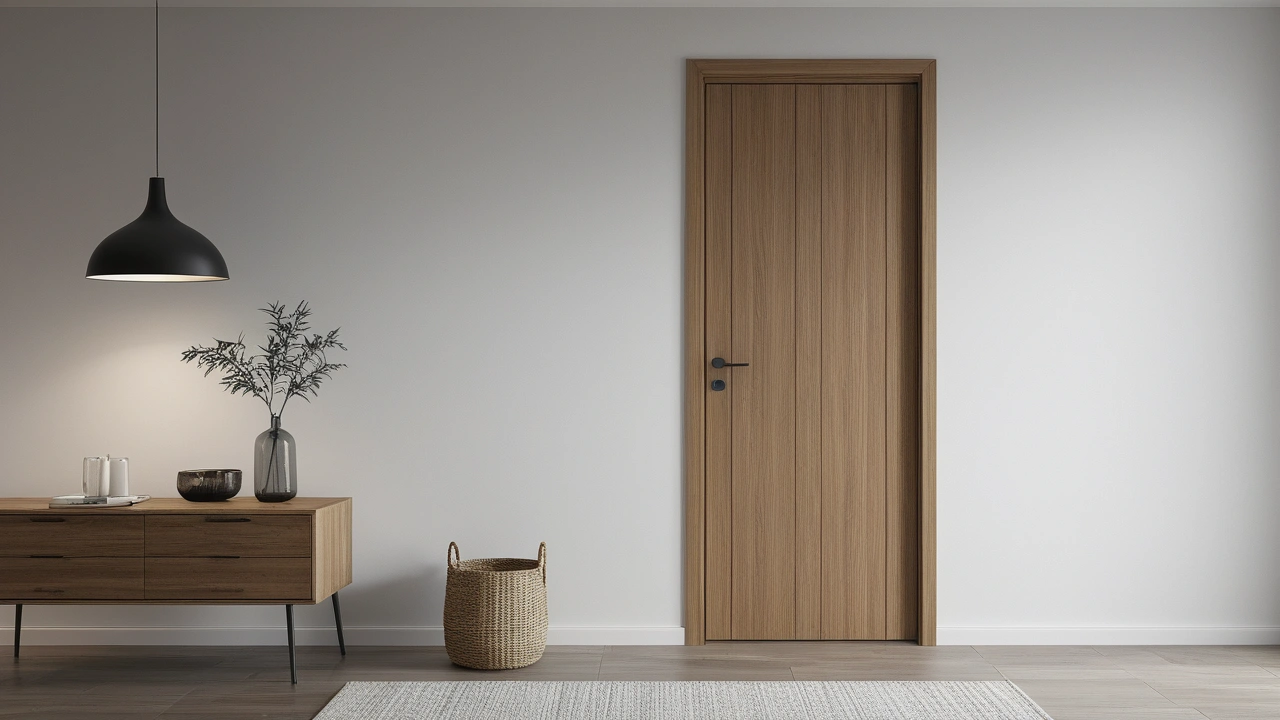
These doors have a flat surface, making them a clean and modern option. They’re typically made of a solid or hollow core and have no panels, offering a sleek and minimalist appearance.
French Doors:
If you want to add elegance to your home, French doors are a great choice. These doors are typically made of glass and come in pairs. They allow natural light to flow between rooms, creating an open and airy feeling.
Sliding Doors:
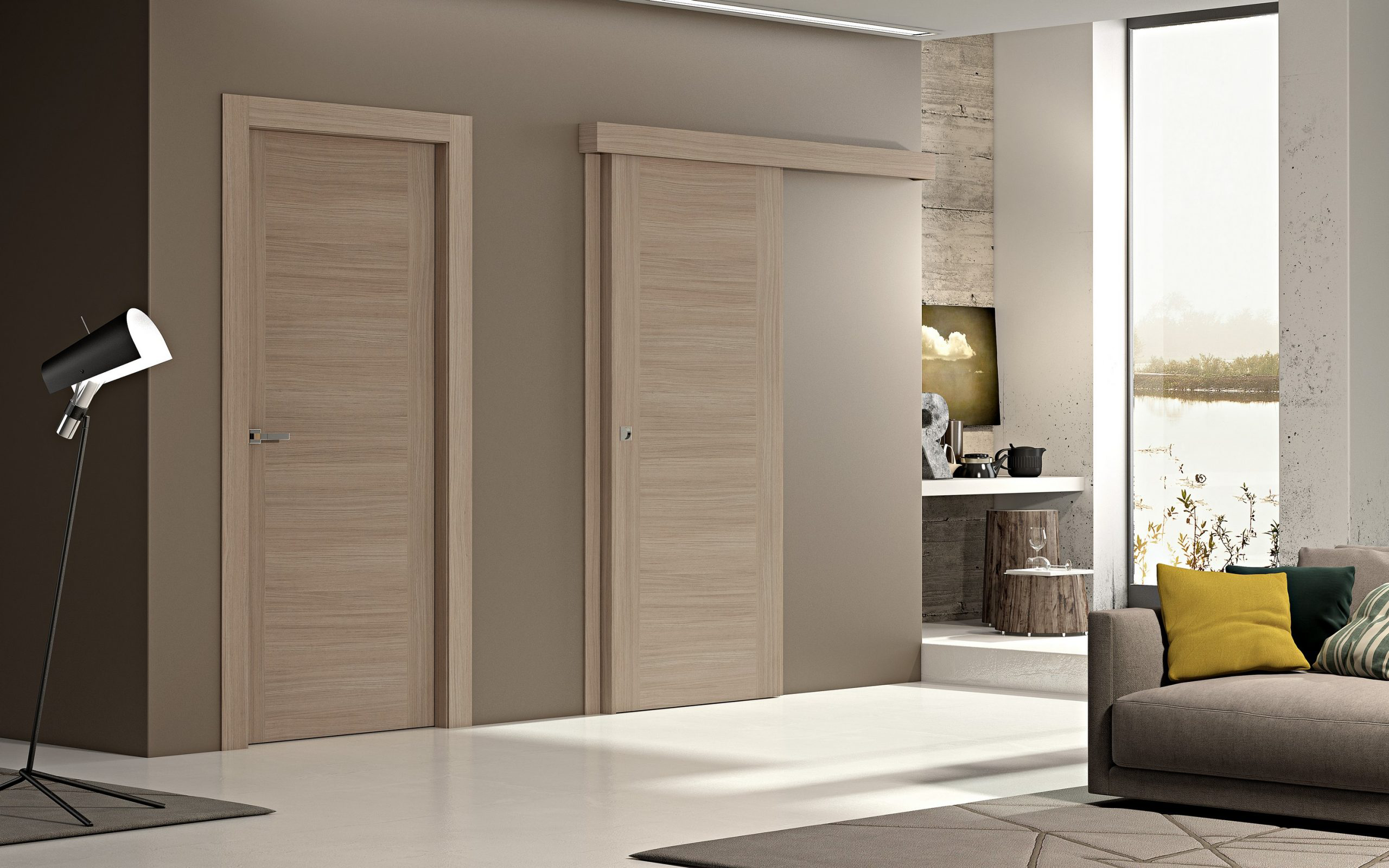
Perfect for smaller spaces, sliding doors don’t require the typical swing space of a hinged door. They are often used for closets or to separate rooms without taking up too much space.
Barn Doors:
Popular in rustic or farmhouse-style homes, barn doors slide along a track, adding charm and a bit of character to a room. They are ideal for larger openings or as a statement piece in your home.
Summary
Each type of interior door has benefits, so it’s important to consider your style preferences and the door’s purpose when choosing the right one for your home.
Common Materials Used in Interior Door
When selecting an interior door, your chosen material is as important as the design. The material affects not only the door’s look but also its durability, insulation, and soundproofing qualities. Here are some of the most common materials used in interior doors:
Wood:
Wood is a classic choice for interior doors. It offers warmth and character and comes in many styles, from traditional solid wood doors to more modern engineered wood designs. Hardwood doors, such as oak, maple, and cherry, are known for their strength and beauty, while softwoods like pine and fir are more affordable and lighter. Wood doors can also be customized with stains, paints, or finishes to match your décor.
MDF (Medium-Density Fiberboard):
MDF is a popular option because it’s smooth, affordable, and durable. It’s often used for flush doors, providing a consistent surface perfect for painting. MDF is also resistant to warping and cracking, making it an excellent option for areas with temperature changes.
Hollow Core:
Hollow core doors are lightweight and more affordable than solid wood doors. These doors are often made from a thin veneer of wood or MDF around a honeycomb cardboard core. They are not as durable as solid core doors but are a cost-effective option for many interior spaces.
Solid Core:
These doors have a solid interior and are usually made from wood or composite materials. Solid core doors provide better insulation and soundproofing than hollow core doors, making them an excellent choice for bedrooms, bathrooms, or offices where privacy and noise reduction are important.
Glass:
Glass doors are often used for French doors or as inserts in panel doors to allow light to pass through. They come in various styles, such as clear, frosted, or textured glass, depending on the level of privacy you need. Glass doors are great for creating an open feel between spaces while still providing separation.
Metal:
While not as common for residential interiors, metal doors can be a good choice for modern or industrial-style homes. Steel and aluminum doors are often used for high-security areas but can also be found in sleek, contemporary designs.
Summary
Choosing the right material for your interior door depends on your budget, style, privacy needs, and how much maintenance you’re willing to do. Each material has advantages, so understanding your needs can help you make the best decision.
Factors to Consider When Choosing an Interior Door
Style and Design
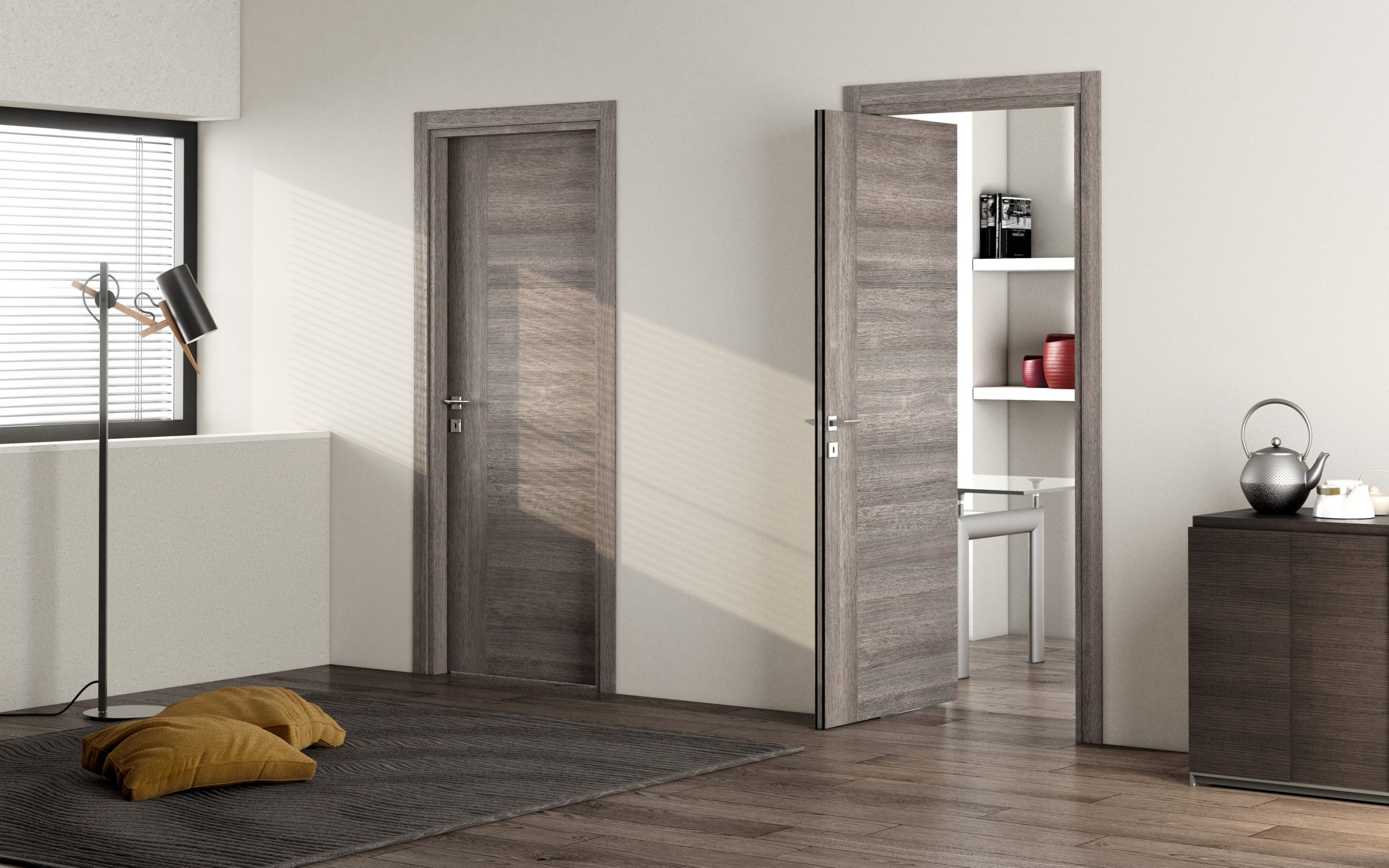
Style and design are two of the most important factors when choosing an interior door. The door you select should serve its functional purpose and enhance your home’s overall look. A well-chosen interior door can unite a room, complementing the furniture, flooring, and other design elements.
How to Match Your Door with Home Décor?
One of the key aspects of selecting the right interior door is ensuring it aligns with your home’s décor. To do this, consider the room’s existing design style or the entire house. If your home follows a minimalist or modern style, you might want to go for sleek, flush doors with clean lines. On the other hand, if your home has a more classic or traditional feel, a panel door with detailed woodwork could work well.
If your space features lots of natural materials like wood or stone, wood doors can help bring warmth to the space. In contrast, a metal or glass door might better suit a more industrial or contemporary setting. Also, don’t forget about door hardware—handles, knobs, and hinges can make a big difference in the overall style of the door. Match them with the rest of your room’s furniture and fixtures to create a seamless flow.
Popular Interior Door Styles: Modern, Traditional, Rustic, etc.
There are many different styles of interior doors, depending on your personal taste and the style of your home. Here are some of the most popular door styles:
Modern Doors:
Modern interior doors are about clean lines, simplicity, and minimalism. These doors usually have smooth surfaces with no visible panels or molding. Materials like glass, metal, and MDF are often used. Modern doors work well in contemporary or urban-style homes. A modern door is an excellent option if you want one that blends seamlessly with your home’s sleek design.
Traditional Doors:
Traditional interior doors are more detailed, often featuring raised panels, molding, and classic wood finishes. These doors work well in homes with a more formal or timeless feel, such as Victorian or Colonial-style houses. The rich wood tones and intricate design details add elegance to any space.
Rustic Doors:
For homes with a cozy, countryside, or farmhouse vibe, rustic doors are the way to go. These doors typically feature natural wood with a weathered or distressed finish, showcasing the beauty of the wood grain. Rustic doors create a warm and inviting atmosphere in living rooms, kitchens, and bedrooms.
French Doors:
French doors are another popular choice, especially for creating an open, airy feel between two rooms. Made with glass panels, French doors allow light to flow freely from one room to another while maintaining separation. They are ideal for connecting living spaces, like a living room and dining room, or leading out to a patio or garden.
Sliding Doors:
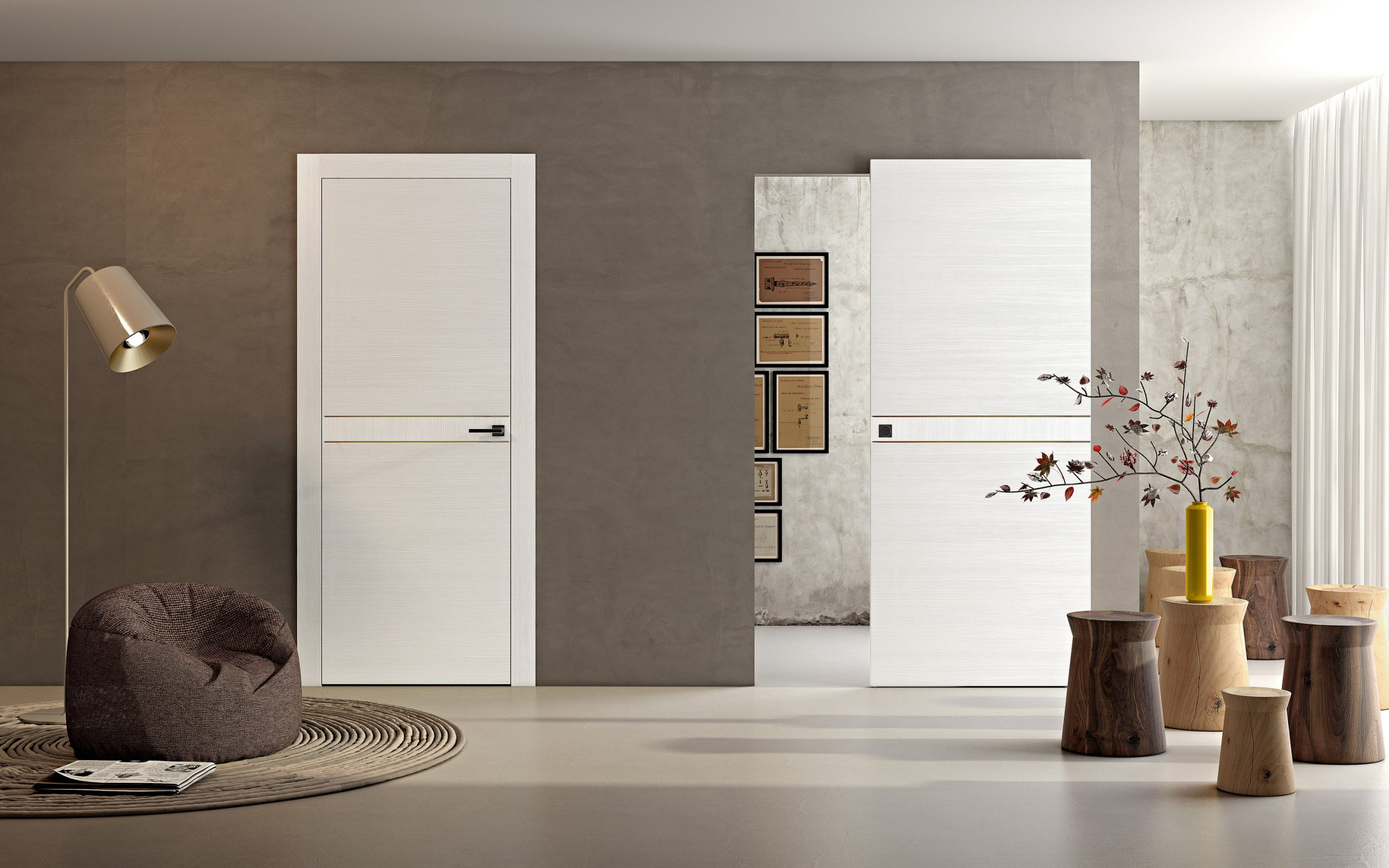
If you’re short on space but want to make a design statement, sliding doors might be your best bet. These doors don’t swing open, saving valuable space, making them an excellent choice for small rooms, closets, or bathrooms. Sliding doors come in various materials, including wood, glass, and metal.
Color Choices for Interior Doors
The color of your interior door can greatly impact the look and feel of a room. Your choice of color should complement your walls, furniture, and overall room design. Here are a few color options to consider:
Neutral Colors:
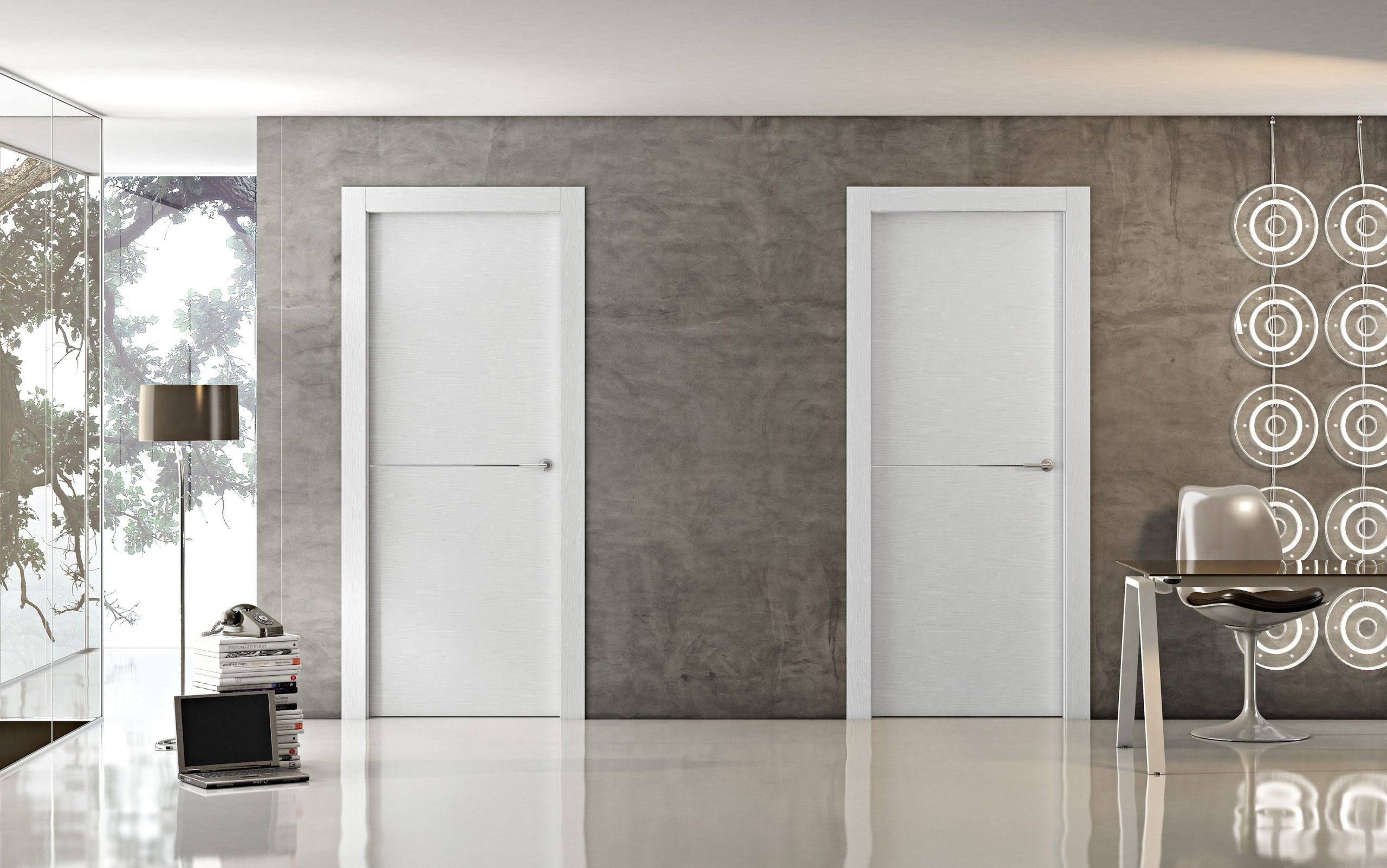
White, cream, and light gray are classic, versatile colors that work with almost any room design. These colors help create a clean, fresh look and make spaces feel open and bright. Neutral-colored doors are an excellent choice for a subtle, understated design.
Bold Colors:
If you want your interior door to stand out, consider bold shades like navy blue, deep red, or charcoal gray. These colors can add personality to a room and create a focal point. Bold doors work particularly well in spaces where you want to make a statement, such as entryways or dining rooms.
Wood Tones:
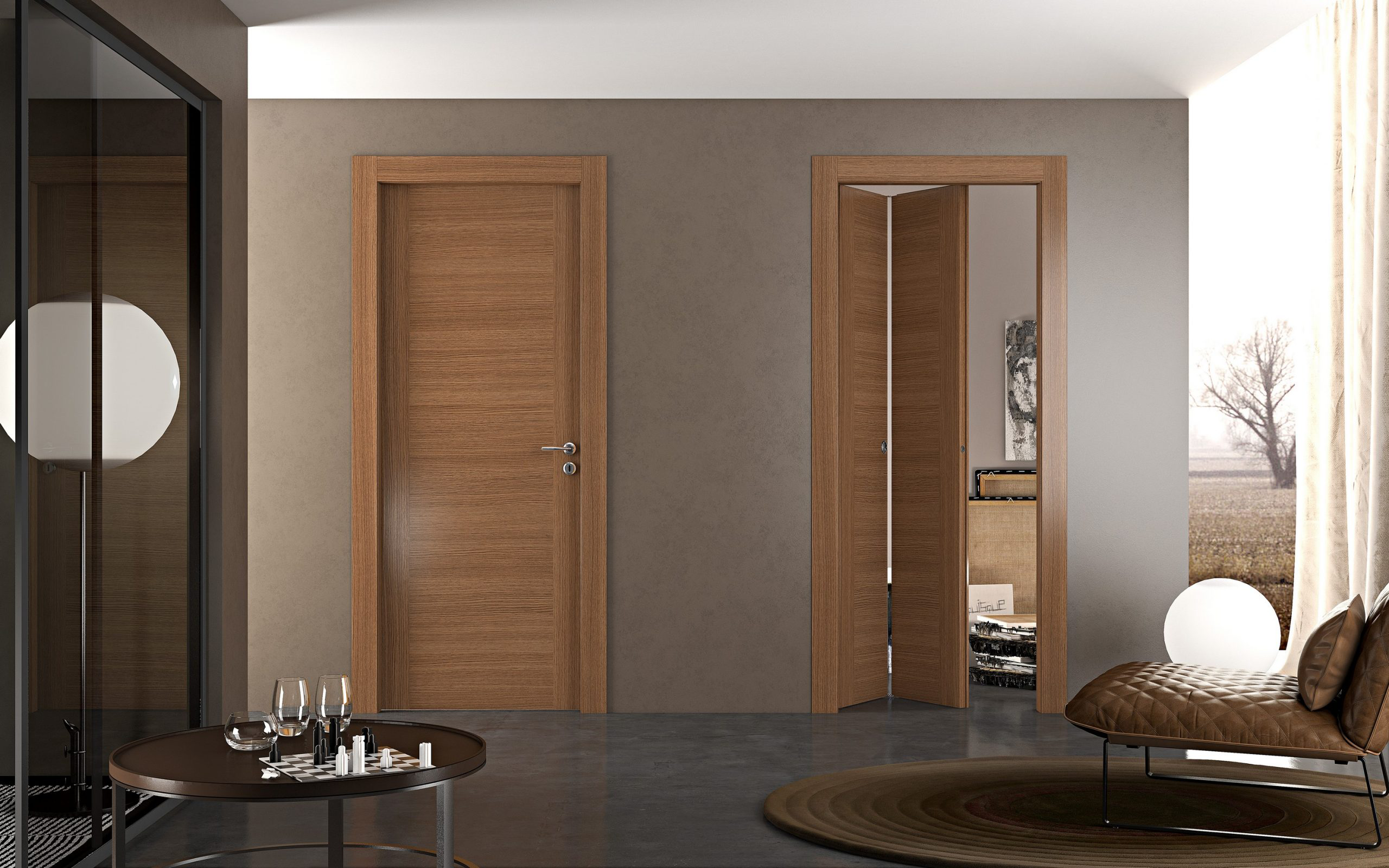
If you’re using wood as your door material, you can choose from a range of natural wood finishes, from light oak to rich walnut. The warm tones of natural wood add texture and depth to a room and can complement traditional and modern designs. Wood finishes also bring a timeless, rustic feel to your home.
Black:
A black interior door can add a touch of sophistication and drama to any room. It works well with modern and traditional styles and can make a bold statement in entryways or contrast to lighter-colored walls.
Material Selection
When choosing an interior door, the material you pick plays a major role in its overall look, functionality, and durability. Different materials offer various benefits depending on your needs, budget, and the style you’re going for. Let’s explore the pros and cons of the most common materials used in interior doors.
Wood vs. Metal vs. Glass Doors
Each material—wood, metal, and glass—brings unique qualities to interior doors, and your choice will depend on the specific needs of your space.
Wood:
Wood is the most traditional and popular material for interior doors. Its natural grain offers timeless beauty and adds warmth and elegance to any room. Wood doors can be easily customized with different stains or paints, making them versatile. However, solid wood doors can be expensive and require regular maintenance to avoid damage from humidity or temperature changes.
- Pros: Classic look, easy to customize, good insulation.
- Cons: Expensive, requires upkeep, can warp or crack with humidity.
Metal:
Metal interior doors are typically made of steel or aluminum and are often used for modern or industrial-style homes. They are durable, secure, and easy to maintain. Metal doors provide superior soundproofing and are less likely to warp or crack. However, they can be more expensive than wooden doors and may not fit as well with traditional or rustic décor.
- Pros: Durable, secure, low maintenance, great for modern styles.
- Cons: Expensive, less customizable, may not suit all home styles.
Glass:
Glass doors are perfect for creating a sense of openness and allowing light to flow between rooms. They’re often used for French doors or as inserts in wooden or metal doors. Glass can make a room feel larger and brighter, offering less privacy. If you choose a glass door, frosted or etched glass is a good option for spaces where privacy is needed.
- Pros: Light-enhancing, elegant, great for open layouts.
- Cons: Less privacy, can be fragile, needs regular cleaning.
Summary
Each of these materials brings different aesthetics and practical qualities to interior doors, so think about what matters most for your home style, security, or light.
Benefits of MDF, Solid Wood, and Engineered Doors
Different types of wood-based interior doors offer their own set of benefits. Here’s a quick look at MDF, solid wood, and engineered wood doors:
MDF (Medium-Density Fiberboard):
MDF is a popular material used for interior doors. It’s an engineered wood product made by compressing wood fibers with resin. MDF is smooth, durable, and resistant to warping, making it perfect for flush doors. It’s also more affordable than solid wood, and you can paint it easily to match your home’s style.
- Benefits: Affordable, smooth surface, resistant to warping, easy to paint.
- Best for: Modern or minimalist designs, budget-conscious homeowners.
Solid Wood:
Solid wood doors are crafted from a single piece of natural wood. These doors are heavy, durable, and have a rich, natural beauty. They offer excellent insulation and soundproofing and are ideal for traditional or rustic-style homes. Solid wood is perfect for anyone who wants a long-lasting door with an upscale look but comes with a higher price tag.
- Benefits: Timeless beauty, strong, durable, and great for insulation.
- Best for: Classic, traditional, or high-end home designs.
Engineered Wood:
Engineered wood doors are made from layers of wood or wood products (like plywood or MDF) bonded together. This construction makes them stronger and more stable than solid wood, reducing the risk of warping. They are also more affordable than solid wood while maintaining a natural look.
- Benefits: Stronger than solid wood, resistant to warping, and affordable.
- Best for: Budget-friendly options with a wood aesthetic.
Summary
Choosing between MDF, solid wood, and engineered wood depends on your priorities—budget, aesthetics, or durability. They are all great interior door choices, but each offers a different value proposition.
How Material Affects the Door's Durability and Insulation?
The material you choose for your interior door affects not only its appearance but also its performance in terms of durability and insulation. Here’s how different materials influence these factors:
Wood Doors:
Solid wood doors are excellent at providing natural insulation, helping to keep heat in winter and cool air in summer. However, they can be prone to warping if exposed to excessive humidity. Engineered wood doors, like MDF or plywood, offer similar insulation benefits without the same risk of warping.
Metal Doors:
While metal doors are highly durable and secure, they are less effective at insulating than wood doors. Metal conducts heat, which can lead to temperature fluctuations inside rooms. To counter this, many metal doors have a foam core or thermal breaks to improve their insulating properties.
Glass Doors:
Glass doors, particularly single-pane versions, are the least effective insulation. They can let in drafts and lose heat, especially in colder climates. However, double-glazed or energy-efficient glass doors offer better insulation, making them a good choice for spaces where natural light is a priority but insulation is still needed.
Summary
Material choice is key when considering durability and insulation for your interior door. If you’re looking for a door that holds up over time and offers better temperature control, wood or engineered wood is the way to go. However, metal may be a better fit if you’re after a low-maintenance, secure, and modern look. Consider your space’s climate and function when choosing the right material for your interior door.
Door Size and Fit
Choosing the right interior door size is essential for both functionality and aesthetics. An incorrectly sized door can affect not only how the door looks but also how it operates. When selecting a door, consider the size of your frame and the space around it. Here’s a guide to help you understand standard sizes, how to measure for a perfect fit, and when to opt for custom door sizes.
Standard Interior Door Sizes
Most interior doors come in standard sizes designed to fit most door frames in typical homes. The most common sizes include:
- Height: The standard height for most interior doors is 80 inches (6 feet 8 inches). This size is the most widely available for most residential door frames.
- Width: The most common door widths are 24 inches, 28 inches, 30 inches, 32 inches, and 36 inches. A 30-inch width is typical for many interior doors, while a 36-inch width is often used for wider openings, such as in living rooms or for accessibility.
- Thickness: Most interior doors are 1 3/8 inches thick. However, if you choose a solid core or a higher-end wooden door, you might find thicker options, such as 1 3/4 inches thick, for added durability and soundproofing.
How to Measure Your Door Frame?
Before purchasing an interior door, measuring your door frame is essential to ensure a proper fit. Here’s a simple step-by-step guide on how to measure your door frame:
- Measure the Height: Start by measuring the height of the door frame from the floor to the top of the frame. Be sure to measure in several places to ensure the frame is level. Most door frames are 80 inches tall, but this can vary.
- Measure the Width: Measure the width of the door frame from one side to the other. Be sure to measure at the frame’s top, middle, and bottom. This will help you account for any irregularities in the frame’s shape. Standard widths are 24 inches to 36 inches.
- Measure the Thickness of the Frame: Check the thickness of the frame. Standard interior doors typically fit in frames that are 4 9/16 inches thick, but this can vary based on the type of door and the frame material. Make sure the door you choose is compatible with the frame thickness.
- Check for Squareness: Use a square or level to check if the frame is square. You might need to adjust or opt for a custom door if the frame is out of square.
Custom Door Sizes: When to Choose Them?
While most homes can accommodate standard interior door sizes, there are situations where opting for a custom door might be necessary. Here are some scenarios where you might want to choose a custom door size:
- Non-Standard Door Frames: If you live in an older home, a historic building, or a home with unique architecture, your door frame may not align with standard sizes. In this case, choosing a custom-sized door ensures a perfect fit without compromising the room’s aesthetic or functionality.
- Wider or Taller Openings: If you have large openings, such as a French door leading out to a patio or a large master bedroom, you may want a custom-sized interior door to match the proportions of the room. This can create a more balanced and elegant appearance, especially if you’re aiming for a grand or dramatic look.
- Unusual Design Features: If your design requires a specific door style—such as a door with special glass panels, arches, or intricate moldings—you may need a custom size to accommodate these features. Custom doors are perfect for adding personality and unique design elements to your home.
- Accessibility Needs: For those with mobility challenges or who need wider doorways for wheelchairs or other equipment, custom-sized doors are essential. Wider doors, typically 36 inches or more, are often required for ease of movement.
Functionality and Purpose
When selecting an interior door, it’s important to consider its functionality and its purpose in your home. Whether you need privacy, accessibility, or soundproofing, the right door can significantly impact how your space feels and functions. Here’s a closer look at how to choose the best door for your needs.
Choosing Doors for Privacy vs. Accessibility
When choosing an interior door, you must balance privacy and accessibility based on the room’s function. For example, in bedrooms or bathrooms, you may want doors that provide more privacy, while in areas like hallways or open spaces, accessibility might be a top priority.
For Privacy:
If privacy is a priority, like in bedrooms, bathrooms, or home offices, consider solid core doors. These doors are made with a solid interior that blocks sound and provides better privacy than hollow core doors. Another option is frosted glass doors for areas where you still want some light to flow but don’t need complete visibility, like a bathroom or a study room.
For Accessibility:
When choosing doors for spaces that need to accommodate people with mobility challenges, such as wide hallways, bathrooms, or bedrooms, it’s essential to select doors that are easy to open and offer enough width for wheelchairs or walkers. Opting for 36-inch wide doors or sliding doors can be a great choice. Sliding doors take up less space than traditional hinged doors and don’t need a wide swing area.
Choosing Doors for Privacy vs. Accessibility
Soundproofing becomes an important factor in choosing your interior door if you need to minimize noise between rooms—whether it’s for a home office, bedroom, or any space where quiet is essential.
Solid Core Doors:
Solid core interior doors are the best option for soundproofing. The solid material inside these doors helps to block sound, making them ideal for rooms where you need peace, like bedrooms or offices. They are much more effective than hollow core doors, which allow noise to travel through easily.
Acoustic Doors:
If noise reduction is critical, especially in home offices or music rooms, you can opt for acoustic doors. These are specially designed with materials that absorb sound, ensuring maximum noise reduction. They may be more expensive, but they are well worth it if you block out loud noises or maintain a peaceful environment.
Additional Features:
You can also enhance soundproofing by adding weatherstripping or seals around the edges of your door. This helps to eliminate gaps that can allow sound to leak through.
How to Select Doors for Different Rooms?
Each room in your home serves a different function, so the interior door you choose should reflect that. Here’s how to pick the right door for each type of room:
Bathroom:
For bathrooms, you’ll want a door that provides both privacy and moisture resistance. Solid core or MDF doors are a good choice since they can withstand moisture better than hollow doors. You might also consider frosted glass doors for added privacy and elegance. Avoid doors that could warp over time due to moisture, such as poorly sealed wood doors.
Kitchen:
In the kitchen, doors are generally more for separating spaces or containing odors. Hollow core doors can work well in kitchens, especially if you want something affordable and lightweight. If the kitchen opens to a dining or living room, a French door with glass panels can be a stylish way to connect the spaces while allowing light to flow through. For kitchens that require more sound insulation, consider solid core doors.
Bedroom:
For bedrooms, privacy is key, so solid wood or solid core doors are great options. These doors provide a higher level of soundproofing, ensuring your bedroom remains quiet and restful. If you have a large bedroom or want a more luxurious feel, consider French doors with glass panels, especially if the room connects to a private balcony or patio.
Living Room:
For living rooms, you may want a door that creates a formal separation but doesn’t obstruct light. Glass-paneled doors, like French doors, are perfect for this. They give a sophisticated look and help divide spaces without closing off the light. Alternatively, sliding doors can work well for smaller spaces, offering a modern and space-saving option.
Summary
Always consider the room’s function when choosing interior doors for specific rooms. Doors in high-traffic areas like living rooms or kitchens don’t need to block sound as much as doors in bedrooms or offices. Additionally, consider the aesthetic you want to achieve: the privacy of a solid wood door, the openness of a glass panel door, or the accessibility of a sliding door.
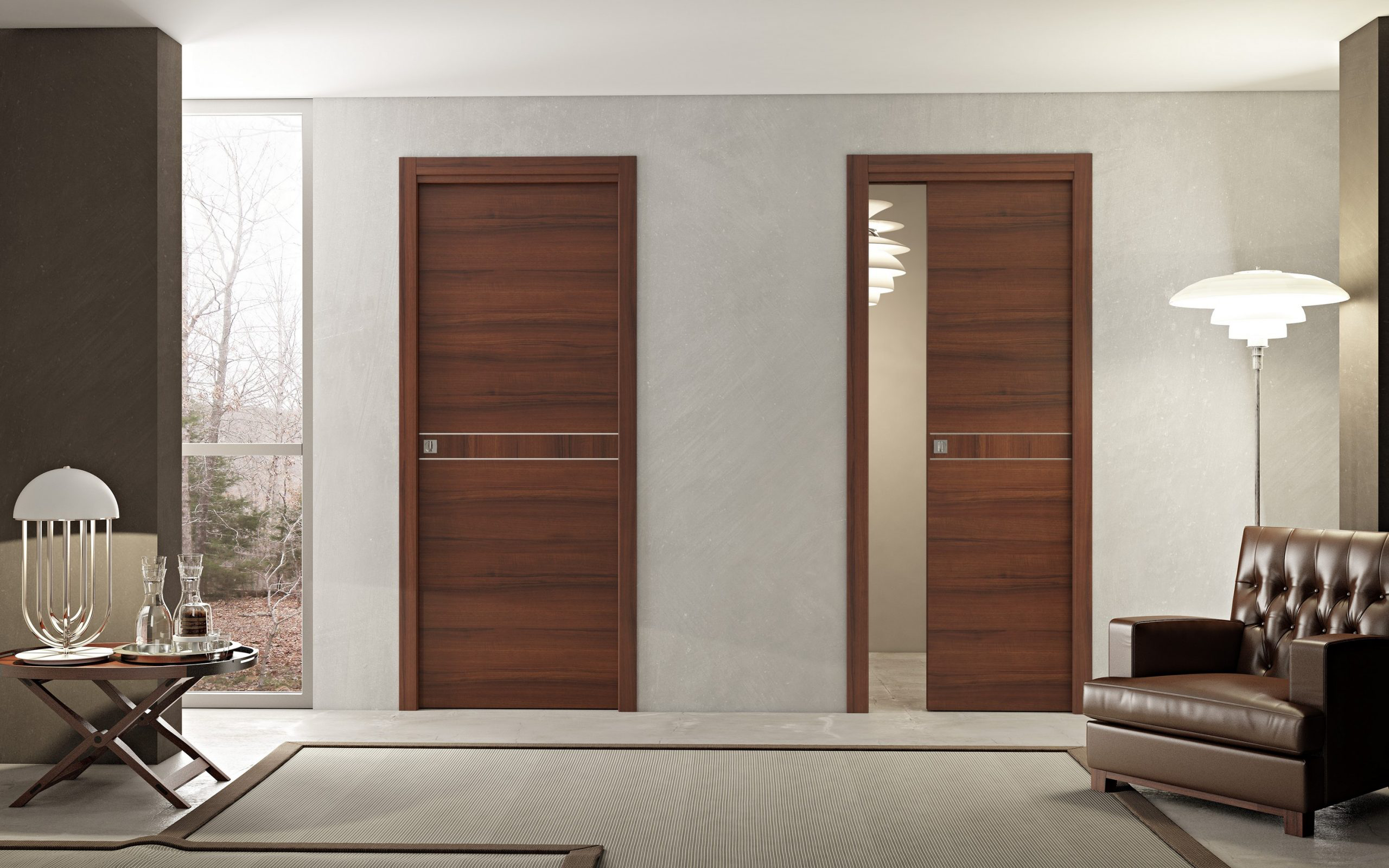
How to Choose the Right Interior Door for Your Home?
Consider Your Home’s Style
When selecting an interior door for your home, it’s important to consider your space’s overall style. Your doors should complement the look and feel of your home, enhancing the interior design while still serving their practical purpose. The right interior door can help tie a room together, creating a cohesive and visually appealing environment.
Matching Door Styles with Interior Themes
The interior door you choose should reflect your home’s specific style or theme. Whether you’re working with a modern, traditional, or eclectic design, the right door can add to the character of the space.
Modern Homes:
If your home has sleek, minimalistic features, consider flush doors with clean lines and a smooth, unadorned surface. These doors are simple, understated, and typically made from materials like MDF or solid wood. Glass inserts in modern doors can also be a great choice to keep the space open and bright.
Traditional Homes:
For a more classic look, panel doors are a great option. These doors typically have a detailed design, with raised or recessed panels. Wooden interior doors in rich finishes like oak, cherry, or mahogany work well with traditional home decor, adding elegance and warmth.
Rustic or Farmhouse Styles:
If your home embraces rustic or farmhouse themes, barn doors or wooden panel doors with a distressed finish are perfect. These doors capture the natural beauty of wood and add charm and character to any room. The rustic look works especially well in living rooms, kitchens, or bedrooms that need a cozy, inviting atmosphere.
Contemporary or Industrial Styles:
For more modern or industrial homes, opt for metal doors or glass-paneled doors. Industrial-style doors often feature sleek metal finishes and bold hardware, while glass doors can add transparency and create a sense of openness between rooms. These options are ideal for modern lofts or homes with open-concept layouts.
Creating a Cohesive Design Flow Through Doors
To create a harmonious and flowing design throughout your home, your interior doors should match or complement each other, even as they serve different functions in various rooms. Consistency in style and material can help establish a seamless transition between spaces, allowing each room to maintain its charm.
Consistency in Materials:
If you use wood doors in the main living areas, consider keeping the same wood finish throughout the home for a cohesive feel. If you prefer variety, you can introduce different styles of doors (like French doors or sliding doors) in other spaces, but try to maintain a consistent material or color to tie the design together.
Design Flow:
The design flow should be maintained even if you choose different door styles for each room. For example, in an open-concept home, glass-paneled doors can help connect spaces while providing some privacy when needed. In a hallway, panel doors with matching hardware throughout the space create continuity while keeping things practical.
Color and Finish:
The color of your interior door should complement the rest of the room’s color palette. For example, if you have light, airy walls, you might choose a white or light wood door to blend seamlessly. On the other hand, darker doors like charcoal gray or walnut can create a bold contrast in a room with lighter walls, adding drama and visual interest.
Durability and Maintenance
When choosing an interior door, durability and maintenance are crucial factors. You want a door that will last for years without constant repairs or upkeep. The right door should withstand daily use, handle changes in temperature and humidity, and still look great. Let’s explore how to select durable interior doors and maintain them properly to keep them looking their best.
Choosing Doors That Stand the Test of Time
The key to selecting a long-lasting interior door is to focus on the material and construction quality. High-quality doors not only last longer but also require less maintenance over time.
Solid Wood Doors:
Solid wood doors are known for their durability. They are heavy, strong, and can withstand the wear and tear of everyday life. However, they may need periodic refinishing or resealing, especially if exposed to fluctuating humidity.
MDF Doors:
Medium-density fiberboard (MDF) doors are durable and resistant to warping, making them a great option for rooms with higher humidity, like bathrooms. They are also more affordable than solid wood but still offer solid performance.
Engineered Wood Doors:
These doors are made from layers of wood bonded together, which makes them strong, stable, and less prone to warping or cracking. Engineered wood doors are a fantastic option for long-term durability without the higher cost of solid wood.
Metal and Glass Doors:
These materials are generally durable for metal or glass doors. Metal doors are highly resistant to scratches and dents, while glass doors are often reinforced to avoid breakage. However, glass doors may require more cleaning to keep them looking pristine.
How to Maintain Different Types of Interior Doors?
Maintenance requirements vary depending on the type of interior door you have. Proper care will help extend the life of your doors and keep them looking great. Here’s how to maintain the most common types:
Wooden Doors:
Wooden doors are beautiful but can be affected by moisture and temperature changes. To maintain them, periodically check for signs of warping or cracks. Clean wooden doors with a damp cloth, and wipe away any moisture immediately to prevent damage. Refinish your door every few years to keep the wood looking fresh and protected. Regularly oil the hinges to ensure smooth operation.
MDF and Engineered Wood Doors:
These doors require less maintenance than solid wood. Wipe them down with a soft cloth to remove dust and dirt. Avoid using harsh chemicals that could damage the surface. If you notice any dents or scratches, you can fill them with wood filler and repaint or touch up the finish as needed.
Metal Doors:
Metal interior doors are low-maintenance and highly durable. However, they can show fingerprints or smudges more easily. Wipe them down with a damp cloth and a mild cleaner. For doors with a painted finish, check for chips or scratches that might need touch-up paint. Regularly check the seals around the door to ensure they’re intact and effective.
Glass Doors:
Glass interior doors can collect dust and smudges easily. Clean them regularly with glass cleaner and a microfiber cloth to avoid streaks. Be mindful of the door’s hinges and frame, as they may require occasional oiling or tightening.
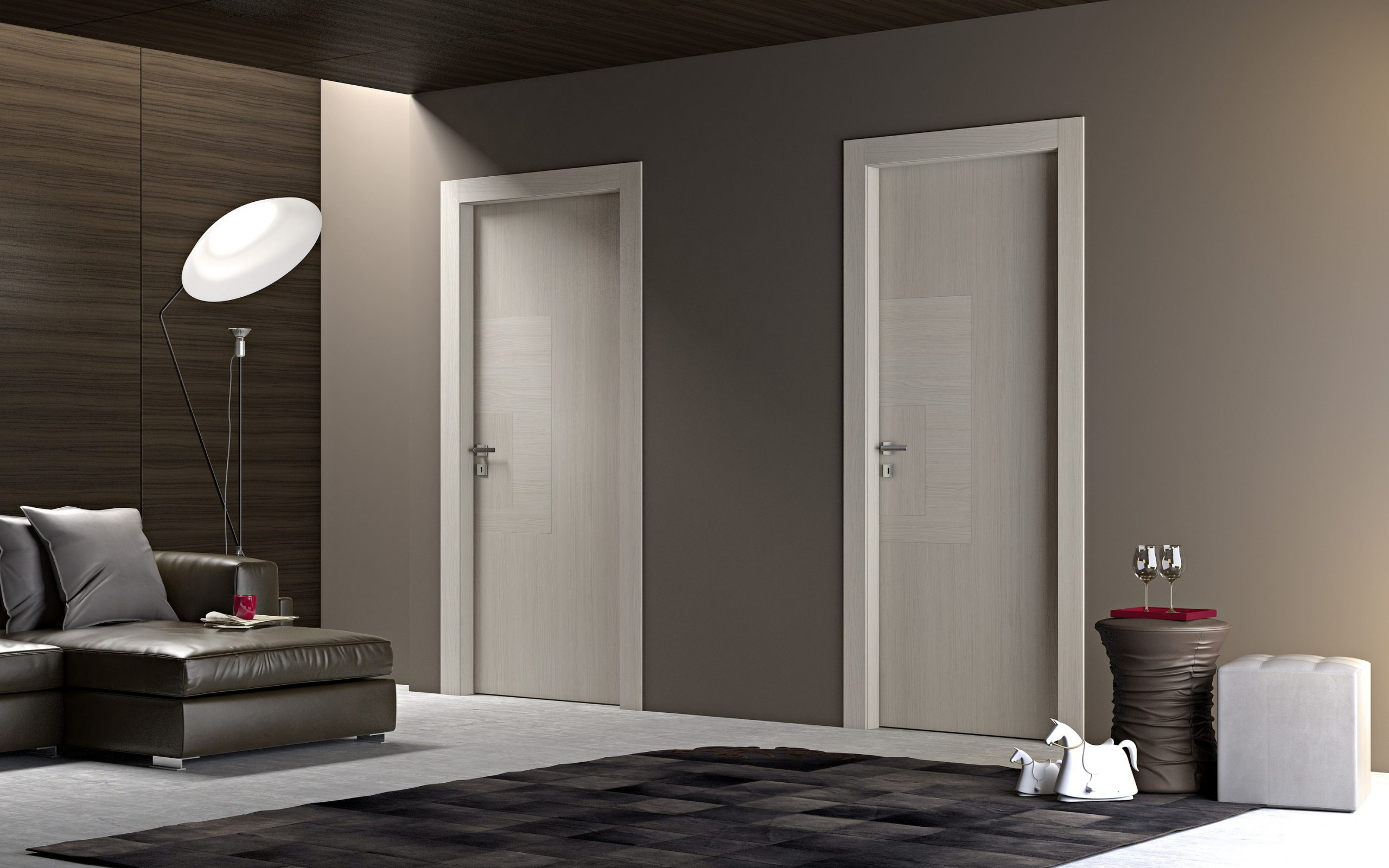
Easy-Care Finishes and Materials
Pre-finished Wood Doors:
Many solid wood doors come pre-finished, meaning they’re already sealed and ready to use. This finish provides a protective layer that resists moisture and wear, reducing the need for regular refinishing.
MDF Doors with Laminate or Veneer Finishes:
MDF doors with laminate or veneer finishes are easy to clean and don’t require the same maintenance as solid wood. These doors have smooth surfaces that resist staining and scratching, making them ideal for busy households.
Metal Doors with Powder-Coated Finishes:
Powder-coated metal doors are durable and require minimal maintenance. The coating provides a tough, protective layer that resists scratching, fading, and rust, making these doors perfect for areas exposed to the elements or high traffic.
Glass with Anti-Smudge Coating:
Some glass doors have an anti-smudge or anti-fingerprint coating. This coating makes cleaning easier and keeps the glass looking clear for longer. It’s an excellent option for areas where glass doors are used frequently, like living rooms or dining areas.
Conclusion
Choosing the Right Interior Doors for Your Home
Choosing the right interior doors for your home is a big decision, but it doesn’t have to be overwhelming. You can easily find the perfect door that combines beauty and practicality by considering your home’s style, the door’s functionality, and materials that suit your needs.
Home's Overall Design
First, think about your home’s overall design. The interior doors you choose should complement the rest of your décor, whether modern, traditional, or something in between. The door’s style and material can enhance the look and feel of your home, making a huge difference in how the space comes together.
Functions of Interior Door
Next, consider what each door needs to do. A solid core door might be the best option if you’re looking for more privacy. Consider acoustic or solid core doors if you need soundproofing for a home office or bedroom. If accessibility is a priority, opt for wider or sliding doors that save space and ensure easy access for everyone.
Interior Door Material
The material of the interior door is also important. Choose a door that will withstand time and fit your lifestyle. Whether you go with durable wood doors, low-maintenance MDF doors, or sleek metal doors, make sure the material suits your needs in terms of durability, maintenance, and overall look.
Interior Door Care and Maintenance
Finally, maintenance is something you’ll want to keep in mind. Easy-care finishes can save you time and effort in the long run, while regular maintenance of materials like wood or glass will keep your doors looking great.
Summary
Considering these factors carefully, you can choose the perfect interior door for your home that fits your style, needs, and budget. Whether you’re updating a single room or planning a complete renovation, the right interior doors will significantly affect your space’s overall look and feel.
Relate FAQ
What type of interior door is best for my home?
The best type of interior door depends on your home’s style and functionality needs. Common types include panel, flush, French, and barn doors. Each offers unique features in terms of privacy, space-saving, and design.
What material should I choose for my interior door?
Popular materials include wood, MDF (Medium Density Fiberboard), and glass. Wood offers natural elegance, while MDF is cost-effective and durable. Glass doors are perfect for light transmission and open-concept spaces.
How do I know what size interior door to buy?
Standard interior door sizes are typically 80 inches in height and 32 inches in width, but measurements may vary based on your existing door frame. It's important to measure the frame's width, height, and thickness before making a purchase.
What’s the difference between a solid core and a hollow core door?
Solid core doors are denser and provide better sound insulation, making them ideal for bedrooms or offices. Hollow core doors are lighter and less expensive but offer less soundproofing.
What door style suits modern or traditional homes?
Minimalist or sleek designs, such as flush and glass doors, work well for modern homes. Traditional homes often feature panel doors with more decorative details. It’s best to choose a door that complements your overall interior design.
How do I choose the right door hardware?
Selecting the right hardware, including handles, knobs, and locks, is crucial for both functionality and style. Choose hardware that complements the door style and your home’s overall decor.
What’s the cost difference between various types of interior doors?
The cost varies depending on the material, style, and customizations. Hollow core doors are generally the least expensive, while solid core or custom-made doors can be more costly due to their durability and quality.
How do I maintain my interior doors?
Regularly clean your interior doors with a soft cloth and mild cleaning solution to keep them looking great. For wooden doors, ensure they are refinished or resealed to maintain their finish and protect them from wear.