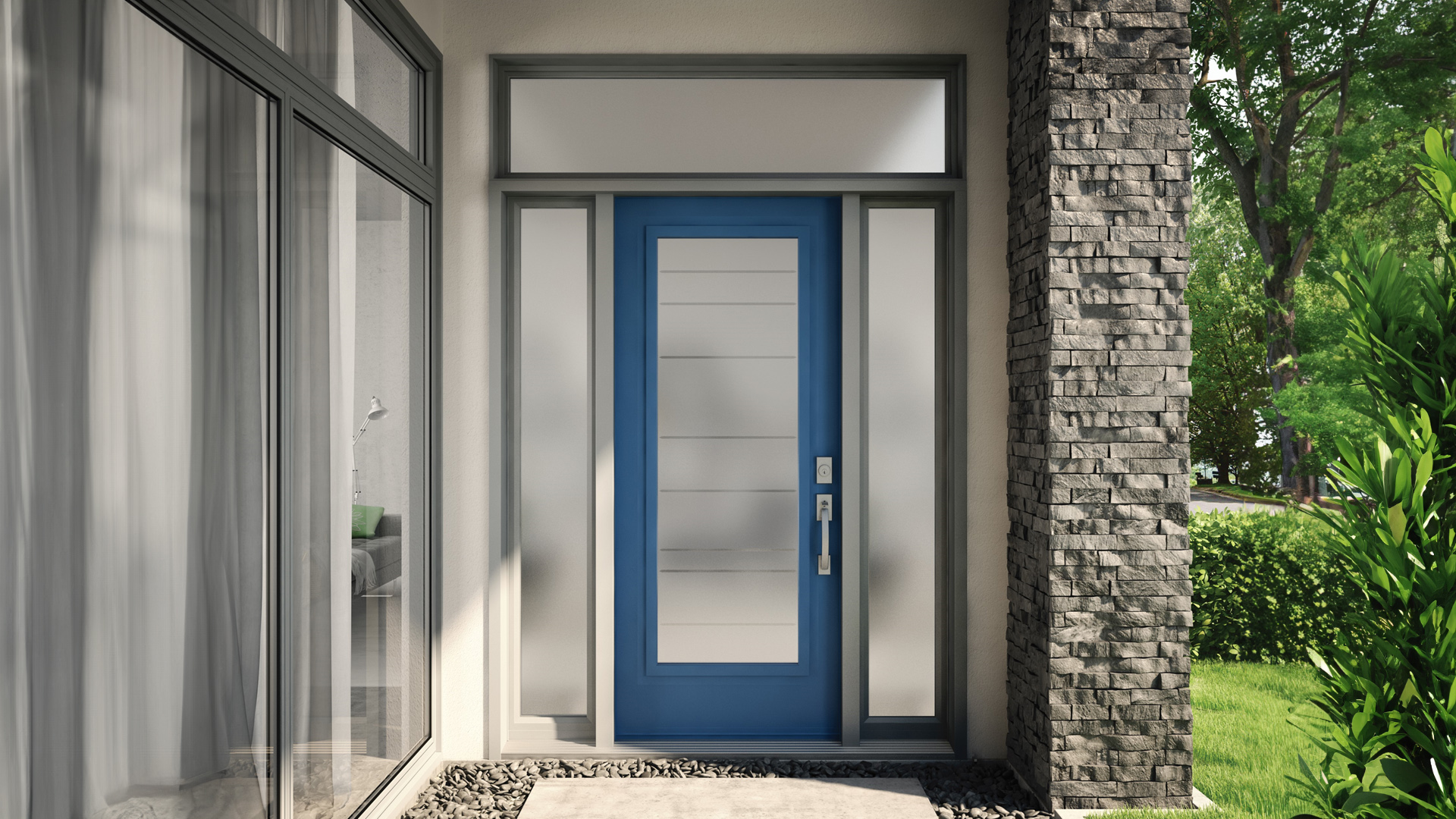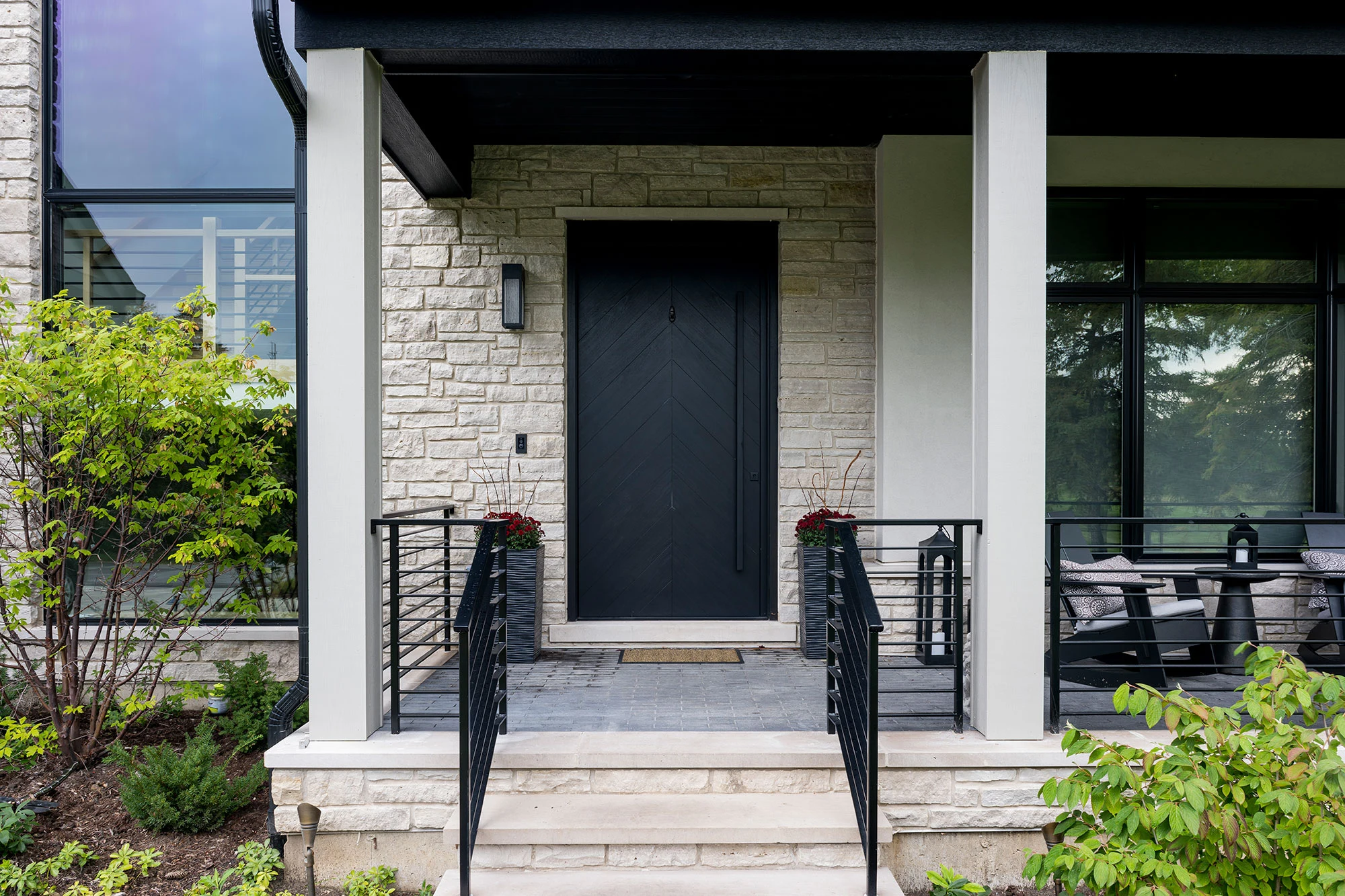
Can you replace a front door without replacing the frame?
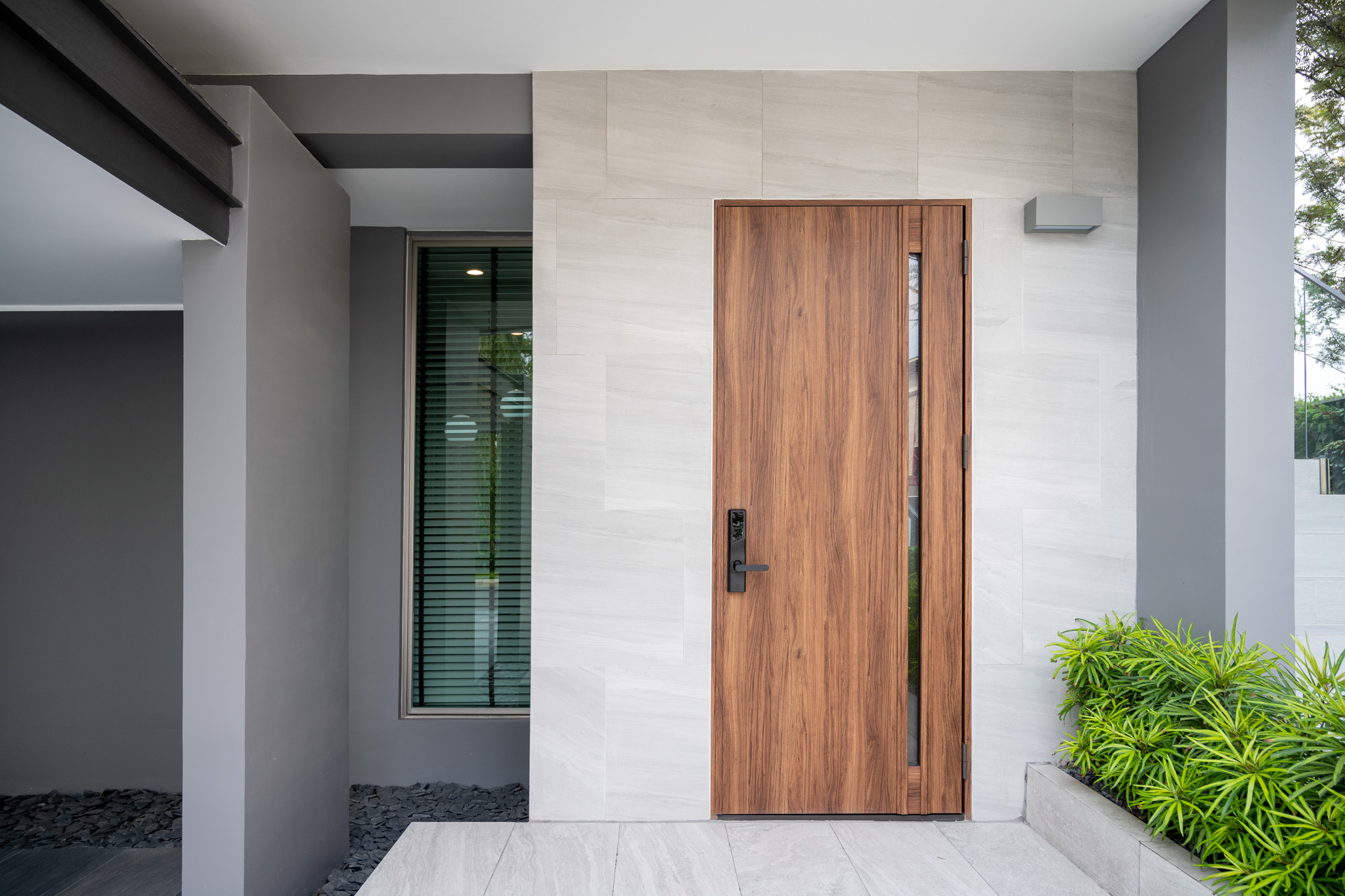
Understanding How Front Door Replacement Works
Replacing a front door is not just about swapping one slab for another. It’s a process that can improve your home’s security, comfort, and style—all at once. When done right, a new front door can boost curb appeal, make your home more energy efficient, and create a smoother entry experience. But before jumping in, it’s helpful to understand how the front door replacement process actually works.
Most front door replacements start with a simple question: Do you need to replace just the door, or the whole system, including the frame? The answer depends on the condition of your existing frame and the fit of your new door. A professional installer usually checks alignment, gaps, and structural integrity before recommending the best option.
When you replace the full system—door, frame, hinges, and threshold—you ensure a tight seal and better insulation. This is often called a pre-hung door replacement. On the other hand, if your existing frame is in great shape, you might only need a door slab replacement, which saves time and money.
What Makes Up a Front Door System?
A front door system is more than just the door panel you see. It’s an assembly of parts working together to keep your home secure and comfortable. The main components include:
- Door Slab: the main piece that swings open and closed.
- Frame or Jamb: the structure that holds the door in place.
- Threshold: the base piece at the bottom that seals the gap and blocks drafts.
- Hinges: the metal plates that allow the door to pivot smoothly.
- Weatherstripping: soft seals around the edges that prevent air leaks and water intrusion.
Frame vs. Door: What’s the Real Difference?
The door frame and the door might look like one unit, but they serve different purposes. The frame is the foundation—it’s what the door hangs on. It keeps everything square and stable. The door itself is the moving part—the visual centerpiece that provides entry and security.
If the frame is damaged by rot, water, or shifting foundation, replacing only the door won’t solve the problem. It’s like putting a new lid on a cracked box. But if your frame is still solid and properly aligned, you can safely keep it and replace the slab.
Homeowners often confuse a “new front door” with a “new front door system.” The first might cost less upfront, but the second usually gives better long-term results—especially for energy efficiency and weather protection. Knowing the difference helps you make a smarter investment when planning your front door replacement.
When Can You Keep the Old Frame?
You can keep your old front door frame if it’s still in good condition—straight, dry, and free from cracks or rot. The door should open and close smoothly, with no rubbing or gaps that let light through. If that’s the case, a door-only replacement (also called a slab replacement) might be perfect.
Keeping the existing frame saves labor and cost, and it also avoids disturbing the wall trim or flooring around the entryway. Many homeowners choose this route when upgrading from an old wooden door to a more modern fiberglass or steel front door.
However, if the frame has water damage, soft wood, or poor insulation, replacing just the door won’t help much. A new front door system—frame and all—ensures proper sealing, improved security, and smooth operation for years to come.
When in doubt, ask an installer to inspect it. They’ll measure the squareness of the opening and check for moisture or structural issues. If the frame passes inspection, you’re safe to keep it. If not, a full front door replacement is your best bet for lasting comfort and peace of mind.
Signs You May Need to Replace Your Door Frame
A beautiful new front door can’t do its job if the frame holding it is weak or damaged. The frame is what keeps your door secure, level, and sealed against drafts. When it starts to fail, you’ll notice little signs—small at first, but they add up. Paying attention to these signs early can save you from bigger problems later, like poor insulation or even water damage inside your home.
Common Problems with Old Door Frames
Old door frames take a lot of abuse from weather, time, and daily use. Over the years, moisture and temperature changes cause the wood to expand, contract, and sometimes rot. One of the most common problems is warping—when the frame bends slightly, making your front door stick or leave gaps.
Another frequent issue is wood rot, especially around the threshold area. If you notice soft spots, peeling paint, or discoloration near the bottom of the frame, that’s usually a sign of moisture damage. Rust can also affect metal frames, creating weak spots that make it harder for the door to close properly.
Loose hinges or screws that no longer hold tight are another red flag. If you tighten them and they keep coming loose, the wood around them might be stripped or deteriorated. In short, if your front door frame looks tired or feels unstable, it’s worth inspecting it closely before investing in a new door.
How to Check If Your Door Frame Is Still Solid?
You don’t need fancy tools to test your front door frame—just your eyes and hands. Start by opening and closing the door several times. Does it stick, drag, or swing unevenly? That could mean the frame is no longer square.
Next, look at the gaps around the door. The spacing should be even all the way around. If light shines through one side or the weatherstripping doesn’t touch evenly, your frame might be twisted or shifted.
Press gently along the lower parts of the frame and the threshold. If the wood feels soft or spongy, there’s probably rot underneath. A solid frame should feel firm and resist pressure. You can also use a small screwdriver to test—if it easily sinks into the wood, that’s a bad sign.
Don’t forget the top corners, where stress from opening and closing the door can cause cracks or separation. Even small cracks can grow with time and humidity. A front door relies on its frame for strength, so it’s better to fix or replace it before installing a new door.
Safety and Energy Efficiency Concerns
A damaged front door frame is more than just a cosmetic issue—it can affect your home’s safety and comfort. When the frame is weak or uneven, it can’t hold the lock properly, leaving your home vulnerable to break-ins. Even the best front door locks can’t perform well if the strike plate isn’t anchored into solid material.
From an energy standpoint, gaps in the frame mean lost air conditioning in summer and lost heat in winter. You might notice higher energy bills or drafts near the entryway. Modern front door systems come with insulated frames and tighter seals, helping reduce those leaks.
Water leaks are another hidden problem. If rainwater sneaks in through a damaged frame, it can lead to mold, warped floors, or peeling paint. Over time, that can cost much more than simply replacing the frame.
If you’re upgrading your front door for better energy efficiency or security, make sure the frame matches those goals. A strong, well-insulated frame will not only protect your home but also make your investment in a new door truly worthwhile.
How to Replace a Front Door Without Removing the Door Frame?
You can replace a front door without removing the entire frame if the frame is still in good condition. This process is called a slab replacement, and it’s a great way to give your entryway a fresh new look without the cost or mess of a full replacement. It’s faster, cleaner, and perfect for homeowners who want to upgrade their style
The “Door Slab Replacement” Method Explained
The door slab replacement method means you only change the door panel, also known as the door slab, while keeping the original frame, threshold, and trim. It’s often used when the frame is square, strong, and free from rot or warping.
To make this work, you need to match the new front door to your existing frame. The hinges, lockset, and handle holes must line up perfectly. Many homeowners bring their old door to the hardware store as a template so the new one can be trimmed and drilled in the same places.
This approach keeps your wall and trim untouched. It’s less invasive than replacing the entire front door system and can be completed in a single afternoon. Just be sure to take careful measurements—height, width, and thickness—to ensure a snug fit.
Tools and Materials You’ll Need
Replacing a front door slab doesn’t require professional-grade tools, but precision matters. Here’s what you’ll typically need:
- Measuring tape
- Screwdriver or drill
- Hammer and chisel (for hinge adjustments)
- Utility knife
- Level
- Wood shims
- Weatherstripping (optional but recommended)
- Paint or stain for finishing
Step-by-Step Guide for Homeowners
1. Remove the Old Door:
Unscrew the hinge pins or screws and lift the door out carefully. Place it flat on a work surface to use as a reference for the new one.
2. Measure Precisely:
Check the old door’s height, width, and thickness. Measure the hinge locations and note the distances from the top of the door.
3. Prepare the New Door:
Transfer your measurements onto the new front door slab. If needed, trim it slightly for a perfect fit. Pre-drill hinge and handle holes using your old door as a guide.
4. Attach the Hinges:
Screw the hinges onto the new door before hanging it. Make sure they sit flush and even.
5. Hang the Door:
Align the hinges with the existing ones on the frame. Insert the hinge pins and test the swing. The door should open smoothly without rubbing or dragging.
6. Install the Hardware:
Add the doorknob, lock, and strike plate. Test the latch alignment and adjust if necessary.
7. Seal and Finish:
Apply paint or stain to protect the surface. Add or replace weatherstripping to improve insulation and reduce drafts.
Common Mistakes to Avoid
A few small mistakes can turn a simple front door replacement into a headache. Here’s what to watch for:
Outdated Design:
A few small mistakes can turn a simple front door replacement into a headache. Here’s what to watch for:
- Skipping Measurements: Even a small misalignment can make your door impossible to close properly. Always measure twice before cutting or drilling.
- Ignoring the Frame Condition: If your frame is cracked, warped, or soft, the new door won’t sit right. Fix or replace the frame first if needed.
- Wrong Hinge Placement: Hinges that are off by even a few millimeters can cause uneven gaps or rubbing. Use your old door as a template for accuracy.
- Forgetting the Finish: An unfinished door can absorb moisture and warp over time. Always seal or paint the new front door before installation.
- Not Checking Alignment: Before tightening all screws, close the door a few times to test the swing and gaps. Adjust early—it’s easier now than later.

When Should You Replace Door Frame?
Sometimes, keeping the old front door frame doesn’t make sense. Even if the door looks fine, a weak or damaged frame can cause big problems later. A solid frame is the foundation of every front door system—it supports the hinges, seals the edges, and holds the lock firmly in place. When that foundation starts to fail, replacing both the door and frame together is often the smarter move.
Signs of Structural Damage
A few clear signs tell you it’s time to replace the front door frame, too. The most common one is rot. If the wood feels soft, crumbles easily, or shows dark spots near the bottom, moisture has already done its work. You might also see cracks, splits, or swelling—especially on older wooden frames that have faced years of rain and temperature changes.
Another clue is misalignment. If your front door sticks, drags on the floor, or doesn’t latch properly, the frame may have shifted or warped. These issues can’t always be fixed with sanding or adjustments. When you notice uneven gaps or daylight sneaking through the edges, the frame has likely lost its shape.
You should also check the area around the lock and hinges. If they feel loose or pull away from the frame, that’s a structural weakness. In some cases, even insects or termites can eat away the wood behind the surface, leaving it hollow. Once that happens, no new door will sit properly until the frame is replaced.
The Benefits of Replacing Both Door and Frame
When you install a full front door replacement system, you get more than a visual upgrade—you get peace of mind. A new frame ensures a perfect fit for your door, stronger security, and better insulation. Everything lines up as it should, so the door seals tightly, preventing drafts, water leaks, and unwanted noise.
Replacing both door and frame also gives you a chance to upgrade materials. You might switch from a standard wood frame to a composite or fiberglass frame, which resists moisture and warping. That means less maintenance and longer life for your front door system.
There’s also a security bonus. Modern frames come with reinforced strike plates and deeper screws that anchor directly into the wall studs. That makes it much harder for someone to force the door open. In short, a new frame isn’t just a support piece—it’s part of your home’s protection and energy efficiency.
Cost Comparison — Frame vs Full Door Replacement
The cost difference between replacing just a front door and replacing both the door and frame can be noticeable, but the value often balances it out. A simple door-only replacement (or slab replacement) usually costs less because you’re keeping the existing frame. However, it can become a false economy if the old frame is damaged or poorly insulated.
A full front door system replacement, including the frame, typically costs more upfront—mainly for labor and materials. But it offers better long-term savings. A tight, well-sealed frame prevents air leaks, lowers energy bills, and avoids repair costs down the road.
If you plan to stay in your home for years, investing in a complete replacement makes financial sense. It increases your property’s value and enhances curb appeal. Plus, you won’t have to worry about revisiting the same problem later. Think of it as rebuilding your entryway from the ground up—a solid, lasting foundation for your new front door.

Choosing the Right Front Door for Your Home
Your front door does more than just open and close—it sets the tone for your entire home. It’s the first thing guests see and the last thing you touch when leaving. The right front door blends strength, beauty, and efficiency, making your home feel both welcoming and secure. Choosing wisely means finding a door that matches your style, fits your climate, and supports your daily life.
Best Materials for Front Doors
When it comes to front door materials, there’s no one-size-fits-all answer. Each type has its own personality, pros, and quirks.
Wood doors offer natural warmth, rich texture, and a premium feel that never goes out of style. But they do need maintenance—regular sealing or painting—to prevent warping or fading.
Steel doors are strong, secure, and cost-effective. They’re great for homeowners who want durability and low upkeep. Modern steel doors also come with wood-grain textures and insulated cores, so you don’t have to sacrifice looks for toughness.
Fiberglass doors mimic the look of wood but resist moisture, dents, and cracks. They’re energy-efficient and handle all kinds of weather without losing shape, making them ideal for busy families who want beauty without the upkeep.
If you’re replacing your front door, think about your home’s exposure to the elements. A shaded porch might do well with a wood door, while a sun-drenched entry could benefit from fiberglass or steel for better resilience.
Design and Curb Appeal Tips
Your front door design is like your home’s handshake—it makes an instant impression. Choose a style that complements your architecture, not one that competes with it. A modern home looks sharp with clean lines and matte finishes, while a classic brick house shines with paneled wood or decorative glass inserts.
Color also matters. Bold hues like navy, red, or forest green can turn your front door into a statement piece. If you prefer subtle elegance, neutrals like charcoal or taupe pair beautifully with most façades. Don’t forget the hardware—sleek black handles or brass fixtures can elevate the look instantly.
Lighting plays a quiet but powerful role too. A well-lit front entry not only highlights your door’s design but also adds safety and charm. Combine it with potted plants or a stylish doormat, and your entryway becomes a warm invitation rather than just a passage.
Energy-Efficient and Secure Door Options
A good-looking front door should also work hard behind the scenes. Energy efficiency keeps your home comfortable year-round and helps cut down on utility bills. Look for front doors with insulated cores, tight weatherstripping, and Energy Star certification. Fiberglass and steel doors usually outperform wood in this area, thanks to their built-in insulation.
For security, focus on strength and locking systems. Choose a front door with a solid core and reinforced strike plate. Multi-point locking systems—where the door locks in several places along the frame—add another layer of protection.
If your budget allows, consider smart locks or video doorbells. These tech upgrades blend convenience and safety, giving you control from anywhere.
How to Maintain Your Front Door to Extend Its Lifespan?
Replacing the front door may seem simple, but it is not a quick and easy task. Whether you choose to do it yourself or hire a professional depends on your skills, the condition of your home, and how much time you can invest. Let’s look at when it’s better to call a door contractor, what to expect from a DIY replacement, and how warranties and safety come into play.
When to Call a Door Contractor?
If your front door frame is damaged, uneven, or rotted, it’s smart to bring in a professional. A door contractor can inspect the opening, make precise measurements, and install the new door so it seals tightly and swings smoothly.
You should also call an expert if your home is older or if you’re upgrading to a heavier front door, such as one made of steel or solid wood. These doors require proper support and alignment to avoid sagging or air leaks.
Contractors often spot hidden issues—like moisture damage or insulation problems—that most homeowners might miss. They also bring the right tools to make clean cuts and level adjustments, ensuring your new front entry door fits perfectly and lasts for years.
Pros and Cons of DIY Replacement
Doing a DIY front door installation can save money and give you a sense of accomplishment. If your existing frame is still in good shape, swapping out just the door slab can be manageable with basic carpentry tools and patience. It’s also a great way to personalize your home if you enjoy hands-on projects.
However, the downside is that small mistakes can lead to big problems—like drafts, misalignment, or water leaks. Installing a front door isn’t just about hanging a slab; it’s about sealing, leveling, and securing it correctly. If you install the door incorrectly, it can cause difficulty closing, reduce energy efficiency, and even void the manufacturer’s warranty.
So, DIY is great for those confident with tools and measurements, but it’s not ideal if the frame or structure needs repair.
Warranty and Safety Considerations
When you hire a certified contractor for your front door replacement, you often get a warranty that covers both materials and labor. Many door manufacturers only honor their warranty if a professional does the installation. That means a poor DIY job could leave you without coverage if something goes wrong later.
Safety is another big reason to think twice before going the DIY route. Front doors are heavy, especially insulated or impact-resistant models. One wrong move during installation can cause injury or damage the door. A professional installer not only has the right gear but also understands safety codes and lock systems that help keep your home secure.

Common Problems and Fixes After Installation
Even after installing a new front door, small issues can appear once it settles into place. It’s normal—wood expands, frames shift slightly, and hinges loosen over time. The good news is that most of these problems are easy to fix if you know what to look for. Let’s go through a few common ones and how to handle them.
What to Do if the Door Sticks or Scrapes?
If your front door sticks when you open or close it, the first step is to find where it’s catching. Try closing it slowly and see which edge rubs against the frame. Sometimes, humidity can make a wooden door swell. In that case, let it dry out before sanding or trimming anything.
Tighten the hinge screws first—it’s the simplest fix and often solves the problem. If it still sticks, lightly sand the tight spot along the edge and repaint or seal it to protect it from moisture. For metal or fiberglass front doors, check the frame alignment instead; sometimes, the shims or screws need a small adjustment.
Fixing Uneven Gaps or Drafts
Uneven gaps between the front door and the frame can let in air or light, which means your home loses energy and comfort. To fix it, look at the weatherstripping and threshold. If they’re old or damaged, replace them with new materials that fit tightly.
If the gap is wider on one side, you might need to adjust the hinges. Loosen the top or bottom hinge slightly and move the door until the spacing looks even. Using a level can help make sure the entry door hangs straight. For bigger gaps caused by an uneven frame, adding thin shims behind the hinges usually works well.
How to Improve Sound and Weather Insulation?
A well-installed front door should block both noise and weather. But if you can still hear traffic or feel a cold breeze, it might need a few upgrades. Start with quality weatherstripping around the edges and a door sweep at the bottom to seal out air and dust.
Adding a foam or rubber seal behind the trim can improve insulation even more. For homes on busy streets, you can use an acoustic front door seal kit, which helps reduce outside noise without changing the look of your door.
Another trick is to check the threshold height—it should press gently against the bottom of the door but not make it hard to close. Adjusting it by just a few millimeters can stop drafts instantly.
Relate FAQ
Can you replace just the front door and keep the existing frame?
Yes, if the front door frame is still solid, square, and free from rot or warping, you can replace only the door slab. This is often called a slab door replacement and is a cost-effective option when the frame is in good condition.
How do I know if my front door frame needs to be replaced, too?
Check for cracks, moisture damage, soft wood, or uneven gaps around the door. If your front door doesn’t close properly or feels loose, the frame might be misaligned or deteriorating — and replacement could be necessary.
Is it cheaper to replace only the front door without the frame?
Usually yes. Replacing just the door panel costs less than a full pre-hung door system because you’re keeping the existing structure. However, if the frame is damaged, skipping it could lead to higher repair costs later.
Can I install a new front door myself without replacing the frame?
It’s possible for skilled DIYers, but it requires precise measurements and the right tools. Small errors can cause drafts, leaks, or uneven gaps. Many homeowners prefer hiring a door installation contractor for a secure and energy-efficient fit.
Will a new front door fit an old frame perfectly?
Not always. Even small differences in hinge spacing or door thickness can affect the fit. Always measure your front door opening carefully, or bring the old door as a template when buying a new one.
Do I lose my warranty if I install a new front door on an old frame?
Some manufacturers require professional installation or a full system replacement to keep the warranty valid. Always check the terms before attempting a DIY or partial replacement.
Can I improve insulation without changing the door frame?
Yes. You can use weatherstripping, adjustable thresholds, or insulated door sweeps to reduce drafts and improve the front door’s energy efficiency while keeping the old frame.