What is the best wood for interior doors?
Introduction to Choosing the Best Wood for Interior Door
Choosing the right wood for your interior doors is a crucial decision that affects both the look and performance of your home. Whether you’re updating your living space or building a new home, interior doors are more than just functional—they’re an essential part of your interior design.
Why Wood Selection Matters for Interior Doors?
The wood you choose for your interior doors plays a significant role in your home’s aesthetic and functionality. Different wood types offer varying qualities that can affect the appearance, longevity, and performance of your doors.
For starters, the wood’s strength and durability are essential. Interior doors may not face the same wear and tear as exterior doors, but they still need to withstand daily use, especially in high-traffic areas. Some woods are more durable than others, and choosing the right type can ensure that your doors last longer without warping or cracking.
Wood selection also affects the style of your home. For example, solid wood doors offer a classic, traditional look, while engineered wood doors offer a more modern, sleek look. Additionally, different woods have unique colors, grains, and textures, which can match or contrast with your existing decor.
Lastly, the environmental impact of your choice is becoming increasingly important. Sustainable wood options, such as FSC-certified wood, are a great choice for eco-conscious homeowners who want to make environmentally friendly decisions.
The Impact of Wood on Aesthetics and Durability
When it comes to aesthetics, the type of wood used for your interior doors can dramatically influence the atmosphere of your room. Some woods, like cherry or mahogany, offer rich, deep hues that add warmth and luxury to any space. Others, like pine or oak, provide a more rustic or contemporary feel.
Besides aesthetics, the durability of your doors largely depends on the type of wood. Hardwoods like oak and maple are dense and resilient, making them ideal for doors that need to stand the test of time. These types of wood are resistant to dents, scratches, and wear, making them suitable for high-traffic areas such as hallways and living rooms. On the other hand, softwoods such as pine are more affordable and easier to work with, but might not hold up as well in heavy-use areas. They are still a good choice for bedrooms or guest rooms where wear and tear are minimal.
Moreover, engineered wood doors made from MDF (Medium-Density Fiberboard) are durable and resistant to warping. Still, they may not have the same natural beauty or long-lasting appeal as solid wood doors. Engineered wood is often chosen for its cost-effectiveness and stability, especially in regions with high humidity, where natural wood might swell or shrink.
Overview of Popular Wood Types for Interior Door
There are many types of wood available for interior doors, each with its own unique characteristics. Here’s a quick overview of the most popular options:
Oak:
A classic choice, oak is known for its strength and beautiful grain patterns. It’s a dense, durable hardwood that holds up well over time, making it perfect for doors that need to withstand daily use. Oak doors come in a range of finishes, from light to dark tones, and work well in traditional or rustic interiors.
Maple:
A more contemporary option, it is a strong, dense hardwood with a fine, smooth texture. It’s often used for sleek, modern interior doors due to its clean, light appearance. Maple doors can be stained to enhance their natural color or left with a clear finish for a light, airy look.
Pine:
Pine is a softwood, making it lighter and more affordable compared to hardwoods like oak. It has a warm, honey-colored tone and is often chosen for country-style or rustic interior doors. Pine is also easy to stain or paint, offering flexibility in design.
Mahogany:
Known for its luxurious, dark red-brown color, mahogany is an elegant choice for interior doors. It’s dense, durable, and resistant to decay, making it perfect for high-end homes or classic designs. Mahogany doors add sophistication and warmth to any room.
Cherry:
A premium hardwood, cherry wood is appreciated for its smooth texture and rich, reddish-brown color that deepens over time. This wood is often used in high-end homes for its timeless appeal and ability to age beautifully.
Key Factors to Consider When Choosing Wood for Interior Door
Choosing the right wood for your interior doors isn’t just about picking a style you like—it’s also about making sure the door fits your needs in terms of durability, cost, appearance, and environmental impact.
Durability and Strength
Durability and strength are two of the most important factors when choosing wood for interior doors. You want a door that can withstand daily use without showing signs of wear too quickly. Some wood types are naturally more durable than others.
Hardwoods, such as oak, maple, and cherry, are known for their density and strength. These woods are ideal for high-traffic areas such as hallways, living rooms, and kitchen doors. They resist dents, scratches, and other forms of damage, making them ideal for households with children or pets.
On the other hand, softwoods like pine or cedar are lighter and more affordable, but they might not stand up as well to heavy use. Softwood doors are better suited for low-traffic areas, such as bedrooms or closets, where durability isn’t as critical.
Additionally, if you’re looking for doors that won’t warp or shrink in changing weather conditions, engineered wood doors (such as those made from MDF) are a solid choice. These doors are made from compressed fibers and are less likely to expand or contract with moisture, making them a great option for regions with high humidity.
Cost Considerations
Cost is a crucial factor for many homeowners when selecting wood for interior doors. Solid wood doors, while beautiful and durable, tend to be on the pricier side. Hardwoods like oak and mahogany are particularly expensive due to their durability and attractive appearance. If you have a larger home and need multiple doors, the cost can quickly add up.
Engineered wood doors, such as those made from MDF or plywood, are typically more affordable than solid wood doors. These materials provide a similar look and feel to natural wood at a fraction of the price. However, keep in mind that engineered doors may not offer the same durability or natural beauty as solid wood.
If you’re on a tight budget but still want the elegance of wood, pine is an affordable option that can still look stylish in many interiors. It’s easy to paint or stain, allowing you to customize the appearance without spending too much.
Wood Grain and Texture Preferences
The wood grain and texture of your interior door significantly influence how it will look in your home. Whether you prefer a modern, sleek appearance or a traditional, rustic feel, the wood’s grain can greatly influence the room’s overall style.
For instance, oak and maple have strong, visible grain patterns that bring a timeless, classic look to any space. If you’re going for a more rustic or country-style interior, pine with its subtle grain and knotty texture could be an excellent choice.
If you prefer a smoother finish, engineered woods like MDF or plywood offer a clean, uniform texture. These woods are particularly great if you plan to paint the door, as they provide a smooth surface for paint to adhere to.
Sustainability and Environmental Impact
With increasing awareness of environmental issues, sustainability has become an essential consideration when choosing wood for your interior doors. Choose materials that are not only durable but also eco-friendly.
One of the best options is FSC-certified wood (Forest Stewardship Council). This certification ensures that the wood has been sourced responsibly and has a minimal environmental impact. Look for interior doors made from sustainably sourced hardwoods, such as oak or cherry, from well-managed forests.
Bamboo is another sustainable option for eco-conscious homeowners. Although it’s technically a grass, bamboo is often used as a wood alternative in modern interior door designs. It’s fast-growing, renewable, and highly durable, making it a great choice for environmentally friendly projects.
If you’re considering engineered wood, be sure to check if it is made with low-emission materials and does not contain harmful chemicals. Some brands produce low-VOC (volatile organic compounds) MDF, a safer, more sustainable option for interior doors.
Maintenance Requirements
Hardwoods, such as oak or cherry, are relatively low-maintenance but may require periodic refinishing or polishing to retain their beauty. Over time, these woods develop a rich patina, which some homeowners find appealing. However, they can be susceptible to scratching, so it’s important to clean them with a gentle cleaner and avoid abrasive materials.
Softwoods, such as pine, may require more frequent touch-ups due to their softer nature. They tend to dent and scratch more easily, so you might need to repaint or restain them every few years, especially in high-traffic areas.
Engineered wood options, like MDF, are easy to maintain and can be cleaned with a damp cloth. However, they may require periodic touch-ups if the surface gets chipped or scratched.
Ultimately, the level of maintenance depends on the type of wood and the finish applied to the door. Some homeowners prefer the “set it and forget it” appeal of engineered wood, while others enjoy the natural aging process of solid hardwood doors.
Top Wood Types for Interior Door
Choosing the right wood for your interior doors is essential for both style and functionality. The type of wood you select can influence the overall look of your home, the durability of your doors, and even how much you spend on your project. Let’s dive into the most common types of wood used for interior doors: solid wood, engineered wood, and the differences between softwoods and hardwoods.
Solid Wood Doors
Solid wood doors are made from a single piece of wood, offering unmatched quality and strength. These doors are known for their timeless appeal and ability to add warmth and character to any room. While solid wood doors are a traditional option, they remain a top choice for many homeowners due to their natural aesthetic and durability.
Why Solid Wood is a Popular Choice?
There are several reasons why solid wood doors remain a popular choice for interior doors:
- Aesthetic Appeal: Solid wood doors bring a natural beauty to any room. The rich textures and warm tones of the wood can match almost any style, from traditional to modern. The unique grain patterns of solid wood doors give each door its own character, making it an excellent choice for those who value craftsmanship and natural materials.
- Durability: Solid wood is incredibly durable and can withstand the test of time. While it requires some care and maintenance, a high-quality solid wood door can last for decades and often becomes more beautiful with age. It resists wear and tear, making it an ideal choice for high-traffic areas like living rooms and hallways.
- Sound Insulation: Solid wood doors offer better soundproofing than lighter materials. If you want to create a quiet space, such as a home office or bedroom, solid wood doors help keep noise out or in.
- Customization: Solid wood can be stained or painted to match your home’s interior, giving you greater design flexibility. Whether you want a lighter, airy feel with oak or a darker, more elegant look with mahogany, solid wood doors allow for personalization.
Common Solid Woods for Interior Door
Several types of solid wood are commonly used for interior doors, each with its own unique look and feel. Here’s a quick overview of the most popular options:
- Oak: One of the most durable and widely used woods for interior doors. Known for its beautiful grain pattern and strength, oak is often chosen for traditional or rustic-style interiors. It can be stained to achieve a range of finishes, from light golden tones to deeper shades. White oak is particularly strong and resists moisture well, making it a great option for areas that experience higher humidity.
- Maple: Maple is a dense and sturdy hardwood with a smooth, fine grain. It has a clean and natural appearance, making it a good fit for modern and contemporary interiors. Its light color allows it to blend well with a variety of design schemes. Maple is also relatively affordable compared to other hardwoods, making it an attractive option for those looking for quality at a lower price.
- Cherry: Known for its rich reddish-brown tones, cherry wood is a favorite for those looking for a classic, elegant look. Over time, cherry wood deepens in color, gaining a beautiful patina that adds character. Cherry is often used for high-end interior doors due to its stunning appearance and durability.
- Mahogany: Mahogany is a luxurious, exotic wood often used in formal, high-end interior design. Its dark reddish-brown hue exudes sophistication and elegance. Mahogany is dense, durable, and resists warping, making it a great choice for solid wood doors in upscale homes.
- Pine: Pine is a softwood that is lighter and more affordable than hardwoods. Its pale yellowish tone and distinct knots give pine doors a rustic charm. Pine is ideal for country-style or cottage-inspired interiors. It is also easy to paint or stain, allowing for customization. However, pine is softer than other woods and may dent or scratch more easily, making it less ideal for high-traffic areas.
Pros and Cons of Solid Wood Doors
Pros:
- Natural Beauty: The richness and uniqueness of solid wood make it a standout feature in any room. Each door’s grain pattern and texture are distinct, adding charm to your home.
- Long-Lasting: Solid wood doors are built to last. With proper care, they can remain functional and beautiful for many years.
- Customization: You can easily customize solid wood doors with paint, stain, or varnish to match your home’s interior style.
- Insulation: Solid wood offers natural soundproofing and thermal insulation, helping to keep noise levels down and maintain consistent temperatures inside your home.
Strong and Secure: Solid wood doors are stronger than many other materials, providing added security and peace of mind.
Cons:
- Cost: Solid wood doors can be more expensive than engineered wood options. Hardwoods like mahogany and cherry tend to be pricey, and the cost can add up if you’re outfitting your whole home with solid-wood doors.
- Maintenance: While durable, solid wood doors require regular maintenance. They may need to be refinished or repainted over time to preserve their beauty. Wood can also be susceptible to scratching or denting, especially softer woods like pine.
- Susceptibility to Moisture: Wood is a natural material that can expand and contract with changes in humidity. This may lead to warping or cracking, especially in areas with high moisture levels, unless the wood is properly sealed.
- Weight: Solid wood doors tend to be heavier than engineered alternatives. This can make installation more challenging and may require extra hardware to ensure proper functionality.
Engineered Wood Doors
Engineered wood doors are made from layers of wood products bonded together, rather than a single piece of wood. This construction method offers several advantages, making engineered wood doors a great option for many homes. From MDF to plywood, there are several types of engineered wood, each with its unique qualities.
What is Engineered Wood?
Engineered wood is a composite material created by binding together layers of wood fibers, particles, or veneers. Unlike solid wood, which is made from a single piece of timber, engineered wood combines different types of wood or wood byproducts to create a product that is more stable and cost-effective.
Some of the most common engineered woods include MDF (Medium-Density Fiberboard), HDF (High-Density Fiberboard), and plywood. These materials are designed to mimic the look and feel of solid wood while offering enhanced performance and affordability.
One of the key benefits of engineered wood is that it is less prone to the natural issues that affect solid wood, such as warping, cracking, or shrinking due to changes in humidity.
Benefits of Engineered Wood for Interior Door
Engineered wood offers several distinct advantages over solid wood to interior doors. Here are a few of the top reasons why engineered wood is a great choice for interior doors:
Stability and Resistance to Warping
One of the most significant benefits of engineered wood doors is their stability. Solid wood can be affected by humidity and temperature changes, leading to issues like warping, swelling, or shrinking. This is particularly problematic in areas with high humidity or fluctuating temperatures.
Engineered wood, on the other hand, is much more stable. The way it’s constructed—by bonding layers of wood or wood byproducts—makes it less susceptible to these environmental changes. This means your engineered wood doors will hold up better in moisture-prone areas like bathrooms or kitchens, where solid wood might struggle.
Budget-Friendly Options
Another reason many homeowners choose engineered wood is the cost-effectiveness. Solid wood doors can be expensive, especially if you’re looking at premium hardwoods like cherry or mahogany. Engineered wood offers a more affordable alternative without sacrificing much in terms of style and functionality.
MDF and plywood doors, in particular, are much more budget-friendly than solid wood options. They offer a similar look and feel at a fraction of the price, making them ideal for homeowners on a budget or for outfitting multiple rooms with interior doors. Whether you’re renovating a home or building a new one, engineered wood can help you achieve the look you want without breaking the bank.
Common Types of Engineered Wood Used for Doors
There are several types of engineered wood used for interior doors, each with unique characteristics that make it suitable for different applications. Here are the most common options:
MDF (Medium-Density Fiberboard):
MDF is one of the most commonly used materials for interior doors. It’s made by compressing wood fibers into a dense, smooth board. MDF doors are particularly popular because they offer a smooth surface for painting and excellent soundproofing. If you plan to paint your doors, MDF is a great choice since it takes paint well and provides a polished, even finish. While MDF is dense and stable, it can be more susceptible to moisture-related damage, so it’s not the best option for areas with high humidity.
HDF (High-Density Fiberboard):
HDF is similar to MDF but denser and stronger. It’s often used in applications that require extra durability. They are more resistant to wear and tear, making them suitable for high-traffic areas. HDF is a great option if you’re looking for a cost-effective material that still provides superior performance compared to traditional softwood or MDF. HDF is also more moisture-resistant than MDF, making it suitable for areas with moderate humidity.
Plywood:
Plywood is made by gluing thin layers of wood veneer together. It’s an incredibly versatile material, offering strength and flexibility. Plywood doors are often used for both aesthetic and structural purposes, as they combine the natural beauty of wood grain with the strength needed for durability. Plywood doors are available in various grades, with higher grades offering a smoother surface for finishing. They’re great for a more natural wood look, but can also be painted or stained to suit your interior design.
Softwoods vs. Hardwoods
The primary difference between softwoods and hardwoods lies in the type of tree they come from. Softwoods come from coniferous trees, which are usually evergreen, while hardwoods come from deciduous trees that lose their leaves each year.
Softwood vs. Hardwood – What’s the Difference?
Softwoods are typically lighter, more affordable, and easier to work with compared to hardwoods. They tend to grow faster, which makes them more sustainable and less expensive. However, softwoods are generally softer and more prone to scratches, dents, and wear over time. They are ideal for areas where durability isn’t as critical, like bedrooms or closets.
On the other hand, hardwoods are denser and more durable. They grow more slowly, which makes them more expensive, but they also offer better resistance to wear and tear. Hardwoods are perfect for high-traffic areas like living rooms, hallways, and entryways, where interior doors need to withstand frequent use. Hardwoods are also more visually appealing due to their richer colors and finer grains, making them a popular choice for premium door designs.
While softwoods are budget-friendly and versatile, hardwoods tend to provide superior durability and a more luxurious appearance.
Common Softwoods for Interior Doors
Softwoods are often chosen for interior doors because of their affordability, ease of installation, and lighter weight. Here are two common types of softwoods used in interior doors:
Pine:
One of the most popular softwoods for interior doors. It has a light, creamy color and a distinct knotty texture. Pine doors are commonly used in rustic or cottage-style interiors, thanks to their natural, casual charm. They are relatively affordable and easy to work with, making them an excellent choice for homeowners on a budget. While pine doors are soft and dent easily, they are ideal for low-traffic areas where durability isn’t a major concern. Pine is also versatile and can be stained or painted to match various décor styles.
Cedar:
Another softwood often used for interior doors. It has a reddish-brown color with a beautiful grain pattern, giving it a more refined appearance compared to pine. Cedar is particularly prized for its natural fragrance, which helps repel insects, making it a great choice for closets or storage areas. It’s also naturally resistant to decay and moisture, making it a solid option for humid environments like bathrooms or basements. However, cedar doors tend to be softer than hardwood doors, so they may not be as durable in high-traffic areas.
Maximizing Space with the Right Swing
When planning the swing direction of your internal door, the goal is to maximize available space. In a small living room, the door’s swing can impact how easily you move through the room and how furniture is arranged. If a door swings inward, it could eat up valuable space, making the room feel cramped or limiting furniture placement. On the other hand, an outward-swinging door may be more efficient in certain areas, allowing more freedom for furniture and decorations inside the room.
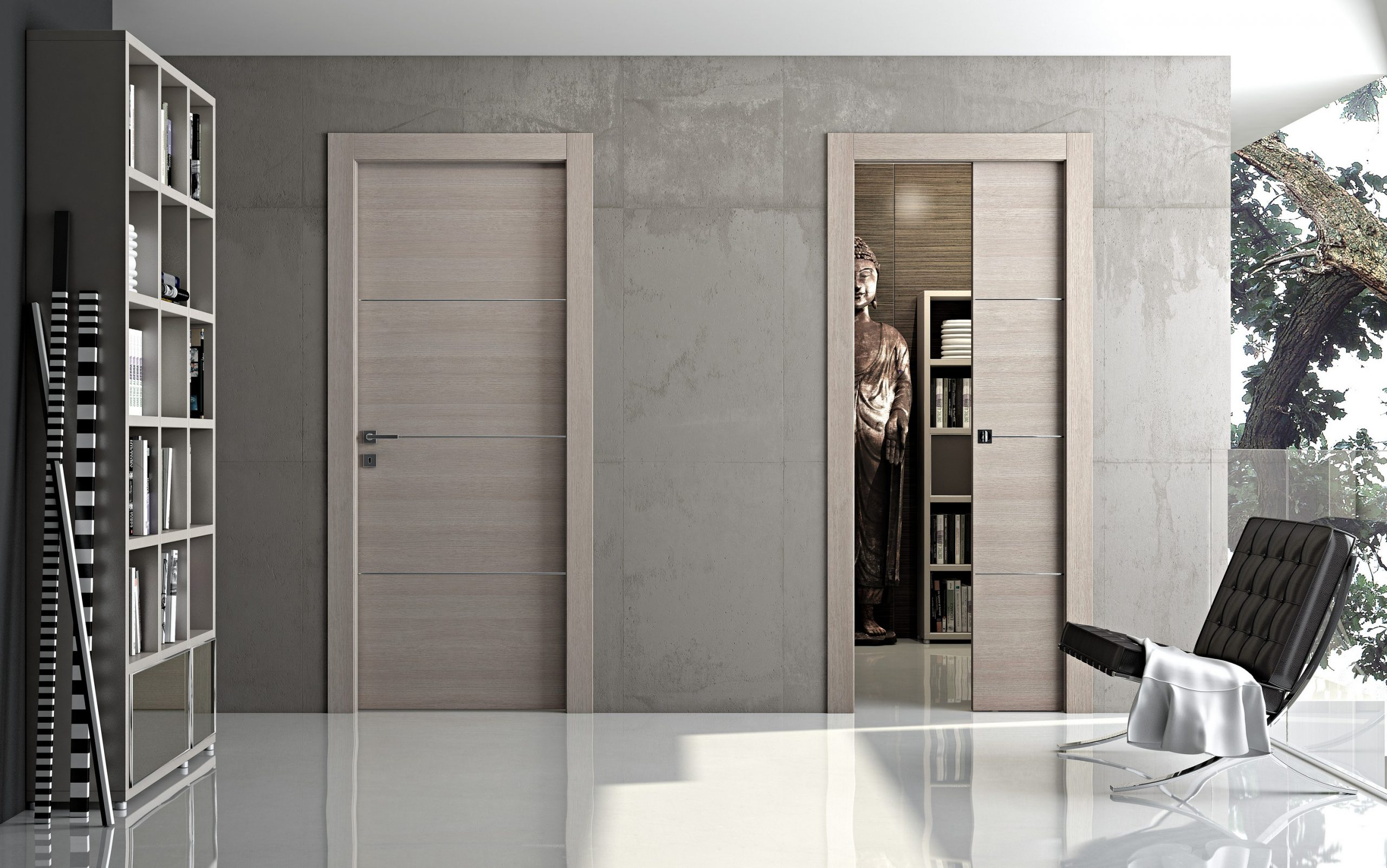
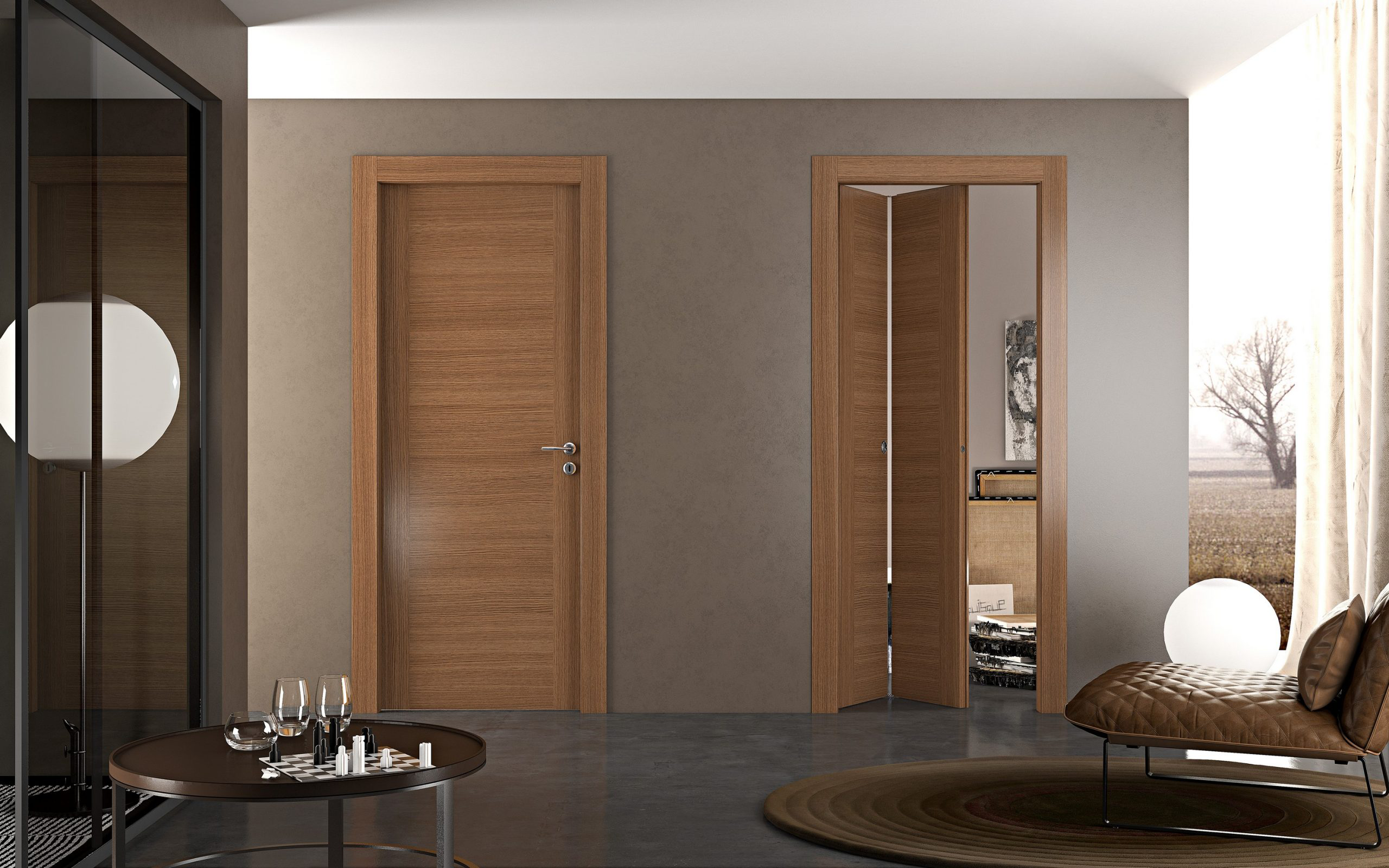
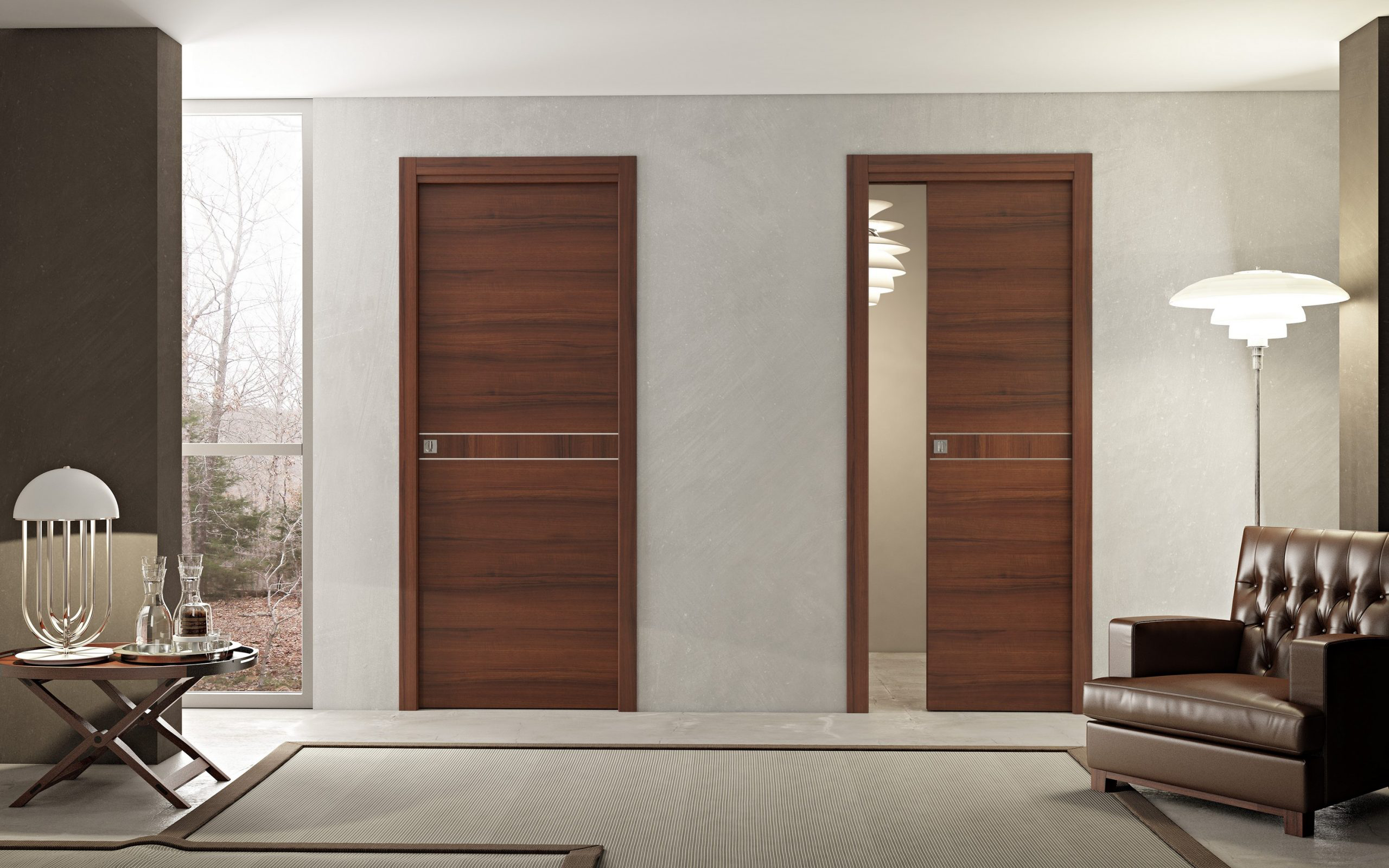
For rooms that are narrow or have limited space, pocket doors (which slide into the wall) or bi-fold doors may be an excellent alternative. These options save space while still providing easy access to the next room. If you’re installing a traditional hinged door, make sure it swings in a direction that doesn’t block access to key furniture or appliances. Consider the layout of the room and how people will move through the space before making your final decision.
Common Hardwoods for Interior Doors
Hardwoods are favored for their beauty, durability, and ability to handle heavy use. These woods are perfect for interior doors that need to withstand the demands of busy households. Here are four common hardwoods used in interior doors:
Oak:
One of the most popular hardwoods for interior doors. It is known for its strength and striking grain patterns, which can add character to any room. Oak doors come in a range of shades, from light to dark, and are perfect for traditional or rustic interiors. The wood is dense, durable, and resistant to wear, making it ideal for high-traffic areas. Oak doors are also easy to stain, allowing homeowners to customize the look to suit their style.
Maple:
A strong, dense hardwood with a fine, smooth texture. It has a pale, creamy color that works well in modern and minimalist interiors. Maple doors are durable and have a subtle grain that offers a clean, refined look. This wood is a great choice for anyone looking for a durable yet sleek door design. Because maple is a dense wood, it can resist damage and maintain its appearance for years to come, even in high-traffic areas.
Cherry:
Known for its rich, reddish-brown hue that deepens over time, giving it a timeless appeal. As it ages, cherry wood develops a beautiful patina that adds depth and character to your interior doors. Cherry doors are typically used in high-end homes due to their elegant appearance and durability. They are more expensive than some other woods, but are well worth the investment if you’re looking for a luxurious finish. Cherry wood is a soft yet strong wood, making it suitable for regular use without showing signs of wear.
Walnut:
A premium hardwood prized for its deep, dark tones and rich grain patterns. It has a luxurious appearance, making it perfect for high-end interiors. Walnut doors are strong, durable, and visually stunning, making them a popular choice for upscale homes. Though walnut is more expensive than other hardwoods, its unique beauty and durability make it a solid investment. Walnut is also resistant to warping, making it a great choice for doors that need to withstand temperature and humidity fluctuations.
The Pros and Cons of Different Wood Types for Interior Door
Choosing the right type of wood for your interior doors involves balancing factors like durability, cost, and aesthetic appeal. Each type of wood comes with its own set of advantages and drawbacks. Let’s take a closer look at the pros and cons of solid wood, engineered wood, softwood, and hardwood to help you make the best decision for your home.
Solid Wood: Strength vs. Cost
Solid wood doors are a classic choice for interior doors due to their strength and natural beauty. These doors are built to last and can add a luxurious feel to any room. However, they come with a higher price tag compared to other wood options.
Pros:
- Durability: Solid wood doors are incredibly sturdy and can handle daily wear and tear. They are less likely to bend or warp over time, especially when properly maintained.
- Aesthetic Appeal: The unique grains and rich colors of solid wood make it an attractive choice for many interior styles. Whether you opt for the rustic charm of pine or the elegant look of mahogany, solid wood doors bring warmth and texture to your home.
- Longevity: When properly cared for, solid wood doors can last for decades. They often become more beautiful with age, developing a natural patina.
Cons:
- Cost: Solid wood doors are generally more expensive than engineered wood or softwood doors. The price can vary depending on the type of wood, with premium options like cherry or oak being particularly costly.
- Maintenance: While durable, solid wood doors may require periodic refinishing or touch-ups to maintain their beauty, especially if exposed to sunlight or humidity. Some woods are also more prone to scratching or denting.
Engineered Wood: Affordability vs. Quality
Engineered wood doors are a great option for homeowners looking for a balance of quality and affordability. Made from layers of wood products such as MDF or plywood, engineered wood offers many of the benefits of solid wood at a lower price point.
Pros:
- Cost-Effective: Engineered wood doors are typically much more affordable than solid wood doors. They offer a similar appearance and functionality without the high price tag.
- Stability: Engineered wood is less likely to warp or shrink compared to solid wood, making it a great choice for areas with fluctuating humidity levels.
- Variety: Engineered wood comes in many forms, like MDF, HDF, and plywood, allowing homeowners to choose the material that best fits their budget and design needs.
Cons:
- Lower Durability: While engineered wood is stable and strong, it may not last as long as solid wood, especially if exposed to significant wear and tear.
- Less Natural Aesthetic: Some homeowners prefer the natural look and feel of solid wood. While engineered wood can mimic the appearance of real wood, it may lack the depth and richness of the real thing.
Softwood: Cost-Effective but Less Durable
Softwood is often chosen for interior doors because of its affordability and ease of workability. However, softwoods tend to be less durable than hardwoods, making them more suitable for low-traffic areas.
Pros:
- Affordable: Softwood is generally cheaper than hardwood and engineered wood, making it an excellent option for homeowners on a budget. Pine and cedar are common softwoods used for interior doors, and they provide a warm, natural look.
- Lightweight: Softwood doors are typically lighter than hardwood doors, making them easier to handle and install.
- Easy to Work With: Softwood is softer than hardwood, which makes it easier to cut, shape, and customize. This can be an advantage if you need custom-sized doors or specific designs.
Cons:
- Less Durable: Softwood doors are more prone to scratches, dents, and wear. They may not hold up as well in high-traffic areas, such as hallways or living rooms.
- Less Resistant to Moisture: Softwoods like pine are more susceptible to moisture damage. If used in areas with high humidity, like bathrooms or kitchens, softwood doors may warp or swell over time.
- Weaker Appearance: While softwood can be beautiful in its own right, it lacks the rich, dense appearance of hardwood. It’s best suited for more casual or rustic interiors.
Hardwood: Durability but Higher Price
Hardwood doors are the gold standard when it comes to durability and elegance. They are highly resistant to damage, making them an ideal choice for high-traffic areas. However, they come at a premium price compared to other wood options.
Pros:
- Superior Durability: Hardwoods like oak, maple, and walnut are dense and resistant to dents, scratches, and warping. They can stand up to years of use, making them perfect for interior doors in high-traffic areas.
- Timeless Beauty: Hardwoods feature rich, intricate grain patterns and deep colors that add elegance to any home. Cherry and mahogany are especially sought after for their luxurious appearance.
- Longevity: Hardwoods are built to last. With proper care, hardwood doors can remain functional and beautiful for many decades.
Cons:
- High Cost: Hardwood doors are generally more expensive than both engineered wood and softwood options. The price can be a significant investment, especially for large homes or multiple doors.
- Heavy: Because hardwoods are dense, these doors are heavier than softwood or engineered wood doors. This can make installation more challenging, and you may need special hardware to ensure the door functions properly.
- Maintenance: While durable, hardwood doors may require some care and maintenance. They can be prone to scratching or denting, and some finishes may need to be reapplied over time to maintain their appearance.
How to Maintain and Care for Your Wood Interior Door?
Wood doors add a timeless and elegant touch to any interior. However, to keep them looking beautiful and functioning well, regular maintenance is key.
Regular Cleaning Tips for Wood Doors
Regularly cleaning your interior wood doors is the first step in maintaining their beauty. Dust and dirt can accumulate over time, leading to scratches or dullness on the surface. Use a soft microfiber cloth to dust your door weekly. If your door is particularly dirty, use a damp cloth with a mild wood cleaner. Be sure not to soak the door, as excess moisture can damage the wood.
For areas with sticky residue or fingerprints, mix warm water with a few drops of dish soap. Gently wipe the affected area with a soft cloth, then dry it with a separate towel. Avoid using harsh chemicals, as they can strip the finish and damage the wood’s surface.
How to Prevent Warping and Cracking?
Wood doors are susceptible to changes in humidity and temperature. Fluctuating conditions can cause the wood to warp or crack, ruining the door’s appearance and functionality. To prevent this, try to maintain consistent humidity levels in your home. A humidifier can help during dry months, while a dehumidifier can help when the air is too moist.
Also, avoid placing your wood doors near heat sources like radiators, fireplaces, or direct sunlight. These can cause the wood to dry out and lose its natural moisture. By controlling the environment around your interior wood doors, you can significantly reduce the risk of warping and cracking.
Best Wood Finishes for Interior Door
Choosing the right finish for your interior wood doors is essential for both protection and aesthetics. The best finishes for wood doors include varnishes, polyurethane, and lacquer. These finishes help protect the wood from moisture, dirt, and scratches, while enhancing its natural beauty.
If you want a glossy look, opt for a high-gloss polyurethane finish. For a more natural, matte finish, satin or semi-gloss polyurethane is a great choice. Oil-based finishes tend to last longer and offer richer color, while water-based finishes dry more quickly and have less odor. Be sure to choose a finish that complements the rest of your interior design while providing the necessary protection for your wood doors.
When to Refinish or Restore Your Wood Doors?
Over time, even the best-maintained wood doors can show signs of wear. If you notice the finish peeling, fading, or deep scratches, it’s time to refinish or restore the door. Refinishing involves sanding down the old finish and applying a new coat, giving the door a fresh, updated look.
Before you begin, inspect the wood for any signs of damage, such as cracks or dents. If the door is severely damaged, you should restore it by replacing or repairing sections of the wood before refinishing. This process may require professional help, but it will ensure your door looks as good as new and continues to serve its purpose.
Regularly checking for signs of wear and acting quickly will extend the life of your interior wood doors, keeping them looking stunning for years to come.
Conclusion
Wood Types for Different Needs
When selecting wood for interior doors, consider your specific needs. For example, hardwoods such as oak, maple, and cherry are durable and ideal for high-traffic areas. These woods provide both strength and beauty. On the other hand, softer woods like pine may be a good option for less demanding spaces. They are easier to work with and more affordable.
Choose the Suitable Wood for Your Interior Door
The wood you choose for your interior doors should suit both the style of your home and the environment. If you’re looking for a classic, timeless feel, consider oak or walnut. These woods have rich textures and are perfect for traditional or rustic homes. For a modern, sleek look, you might prefer a smooth and consistent grain like birch or maple.
Choose Wood for Your Home Style and Budget
While aesthetics are crucial, don’t forget your budget. Oak and mahogany may be more expensive, but they can add long-term value. If you need to stick to a budget, woods like pine or MDF (Medium Density Fiberboard) offer great options without compromising on style. These materials still provide solid functionality and can be painted or stained to match your interior design.
By considering the wood type, suitability, and budget, you can make the best choice for your interior doors, ensuring they complement your home’s overall design while serving their functional purpose.
Relate FAQ
What types of wood are best for interior doors?
The best woods for interior doors include hardwoods such as oak, maple, cherry, and mahogany. These offer durability, attractive grain patterns, and a high-quality finish. Softwoods like pine and fir are also used, but are less durable than hardwoods.
Is oak a good choice for interior doors?
Yes, oak is one of the most popular choices for interior doors. Its robust nature, appealing grain, and ability to hold stain well make it an ideal option. It is also highly resistant to wear and tear, making it long-lasting.
What is the most affordable wood for interior doors?
Pine is the most affordable option for interior doors. Although it is a softwood and less durable than hardwoods, it offers a lighter color and can be easily customized with stains or paints.
How do I choose between hardwood and softwood for interior doors?
When choosing between hardwood and softwood, consider durability and aesthetics. Hardwoods like oak and maple are more durable and often preferred for high-traffic areas. Softwoods like pine are suitable for those on a budget and for rooms with less foot traffic.
Can I use plywood for interior doors?
Yes, plywood is commonly used for interior doors, especially for budget-friendly or decorative purposes. It is less expensive and can be made from both hardwood and softwood layers. However, plywood may not offer the same natural beauty as solid wood options.
What wood is best for modern interior doors?
Maple and walnut are often preferred for modern interior doors due to their clean, sleek appearance and versatile finish options. These woods blend well with contemporary interiors and can be used in minimalist or industrial designs.
How do I maintain the quality of wood interior doors?
To maintain your wood doors, regularly clean them with a soft cloth to remove dust. Use a mild wood cleaner for stubborn stains. Applying a wood polish or wax can also help preserve the finish. Avoid exposure to direct sunlight or excessive moisture to prevent warping or fading.
What wood is best for soundproofing interior doors?
For optimal soundproofing, solid wood doors such as oak or cherry are the best option. They are dense and provide better insulation against sound compared to hollow core doors. Adding weather stripping can further enhance soundproofing.