What is the difference between a swing door and a hinged door?
Introduction to Swing Doors and Hinged Doors
When it comes to choosing doors for your home or office, the variety of options can be overwhelming. Among the most common types are swing doors and hinged doors. Although they may seem similar at first glance, they each offer unique features and benefits. In this section, we will break down what each door type is and why they are sometimes confused.
What Are Swing Doors?
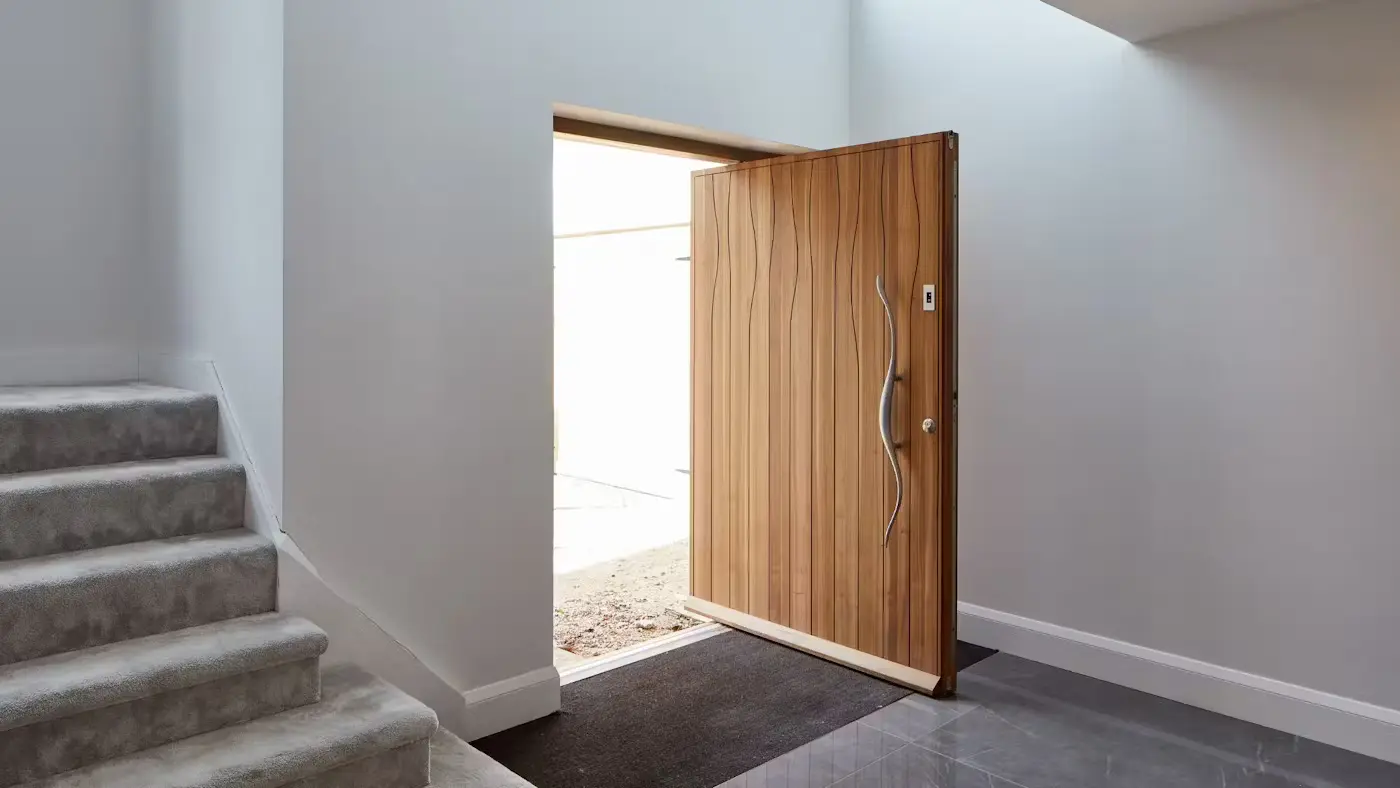
A swing door is a type of door that swings open or closed on a pivot, usually located at the centre or the side of the door. Unlike traditional doors, swing doors can open in either direction, making access easy from either side. These doors are often found in kitchens, restaurants, and even public spaces.
Swing doors are typically designed to be lightweight and easy to move. They may not have a door frame like a hinged door, which allows for more flexibility in how they open. This design makes them ideal for situations where quick access is needed, such as in busy kitchens or medical facilities. Swing doors are often called bi-directional doors because they open in both directions.
What Are Hinged Doors?
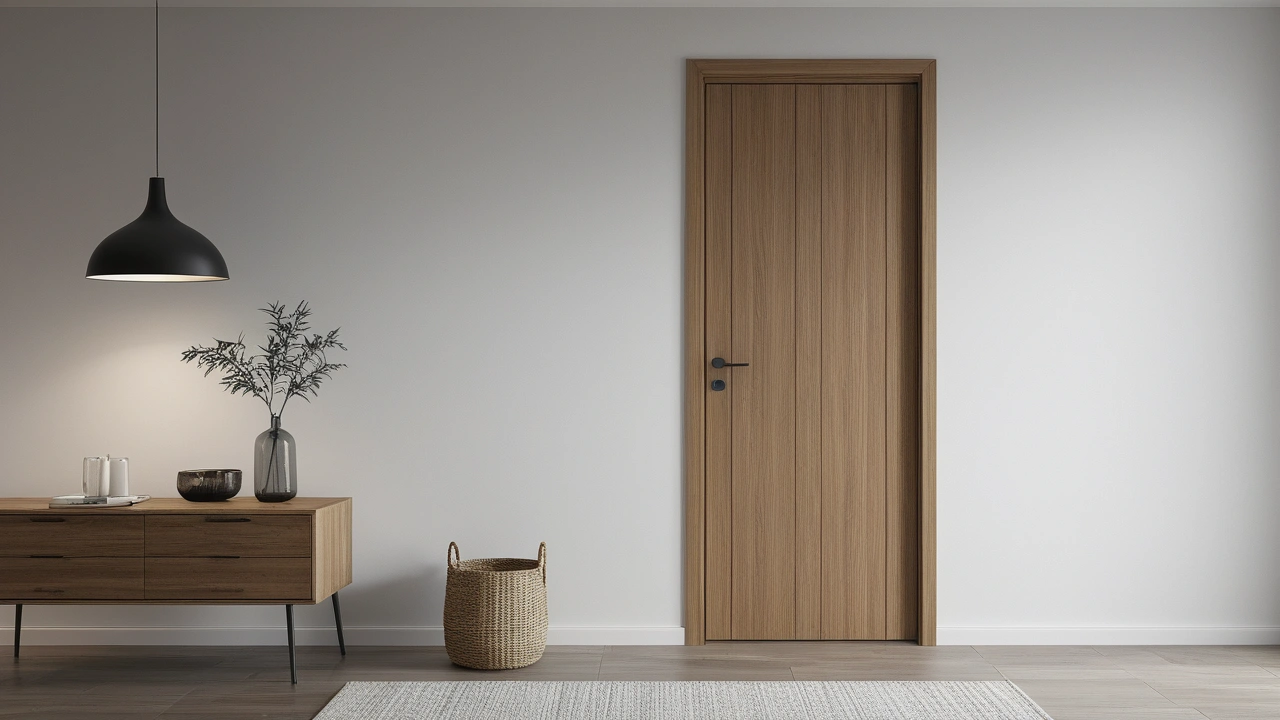
A hinged door is the more traditional style of door that swings on hinges attached to one side of the door frame. These doors are held in place by two or more hinges and typically open in one direction, either inwards or outwards. Hinged doors are prevalent in residential and commercial buildings due to their simple design and sturdy construction.
Hinged doors can be made from a wide variety of materials, including wood, steel, and glass. Depending on the style and purpose, they can feature a single panel or multiple panels (like French doors). The hinged door design offers excellent security and is often used for main entryways, bedrooms, bathrooms, and offices. The door swings around the hinges, providing full access to the space it opens into.
Why Do People Confuse Swing Doors and Hinged Doors?
At first glance, swing doors and hinged doors might seem almost identical. Both types of doors are designed to swing open, making it easy for people to move between spaces. However, confusion often arises from how these doors are designed and installed.
The key difference is how the doors are mounted and the range of movement they offer. Swing doors usually pivot at the centre or the sides, allowing them to open in either direction. They are often installed in areas where people need to pass through quickly, like in kitchens or high-traffic areas. In contrast, hinged doors are mounted on one side and typically only swing in one direction.
Another reason people mix up the two is that many modern hinged doors can be designed to swing both ways, similar to a swing door. However, the mechanism for opening and closing is different. A hinged door has fixed hinges, while a swing door might use a pivot system or specialised hardware to allow two-way motion.
Both types of doors can be made to look similar in style, which is why people sometimes use the terms interchangeably. However, understanding the differences in their mechanisms and uses will help you make the best decision when choosing between a swing door and a hinged door.
Basic Differences Between Swing Doors and Hinged Doors
While both swing and hinged doors share similar functionality, their designs and operations differ significantly. Understanding these basic differences will help you make a more informed decision when choosing the right door for your home or business.
How Swing Doors Operate?
Swing doors open and close by pivoting on a central or side hinge. They typically swing both ways, meaning they can open in and out. The motion of a swing door is facilitated by a specialised pivot mechanism that allows it to move smoothly in either direction.
When you push or pull a swing door, it swings freely, often with little resistance. This makes it a popular choice in busy environments like kitchens, medical facilities, or restaurants, where people are frequently moving in and out and need quick access. Swing doors are beneficial in spaces where hands might be full, as they can be pushed open easily with the body or elbows.
The main feature of swing doors is their ability to open in both directions. Some swing doors use a simple spring mechanism to return to the closed position after swinging. This gives them an automatic return, which is very convenient for areas that require constant movement, like a restaurant kitchen. They can be equipped with a variety of locks and handles, depending on the type of building.
How Hinged Doors Operate?
Hinged doors, on the other hand, operate on a fixed hinge mechanism. These doors are attached to one side of the door frame and swing open in only one direction. The hinge itself is the critical part of the operation, as it allows the door to move smoothly around the hinge point.
When you open a hinged door, you push it away from the frame, and it swings outward, or you pull it toward you, depending on how it’s installed. The door is typically closed by gravity or with a door closer mechanism that automatically pulls the door back into place after use. Hinged doors are often found in residential homes, offices, and other spaces where security and privacy are essential.
One of the key advantages of hinged doors is their sturdy, secure operation. Since they only open in one direction, they offer better security than swing doors, especially when installed with locks or deadbolts. Additionally, they provide a more secure seal when closed, which can benefit insulation and soundproofing.
Key Mechanical Differences
The main mechanical difference between swing doors and hinged doors lies in how the doors move and are installed.
Swing doors often have a pivoting mechanism that allows the door to swing both ways. This is a key feature that distinguishes them from hinged doors, which only swing in one direction. The pivot allows for a smoother, more flexible operation, especially in high-traffic areas.
Hinged doors, on the other hand, use traditional hinges fixed on one side of the door frame. These hinges limit the door’s range of motion, allowing it to open only in one direction. The stability of hinged doors is a major reason why they are used in entryways, bedrooms, and bathrooms.
In terms of installation, swing doors require more precise alignment of the pivot mechanism, which can make the installation process slightly more complex. Hinged doors, being more traditional, are easier to install and are often more adaptable to different frame types.
Swing doors are often lighter than hinged doors because they don’t rely on a heavy hinge system. This allows for quicker, more frequent use but might limit their application in areas requiring high security.
Summary
In summary, the mechanical differences between swing doors and hinged doors come down to the way they move, how they’re mounted, and the type of pivot or hinge system used. Swing doors offer flexibility in movement, while hinged doors are built for sturdiness and security. Understanding these differences will help you choose the door that best suits your needs.
Common Features of Swing Doors and Hinged Doors
Both swing doors and hinged doors share some common features, making them versatile and reliable options for various spaces. In this section, we’ll explore the durability, strength, security features, and aesthetic appeal of both types of doors to help you make the right choice.
Durability and Strength of Swing Doors
When it comes to durability, swing doors are typically designed to withstand frequent use, especially in high-traffic areas like kitchens and restaurants. They’re usually built from materials like wood, aluminium, or steel, depending on the specific environmental conditions. While swing doors are often lighter than hinged doors, they still offer solid durability, especially when reinforced with the right materials.
One of the key factors in a swing door’s strength is its pivot mechanism. This mechanism must be strong enough to handle repeated swinging and frequent use. Over time, the pivot point may wear out, especially if the door is not maintained correctly. However, swing doors are usually easy to repair or replace because their design is relatively simple.
Swing doors are often used in spaces where a lightweight and easy-to-move door is needed, so while they may not be as heavy-duty as hinged doors, they are still durable enough for many commercial and residential applications. Just make sure to check the quality of the construction materials to ensure longevity.
Durability and Strength of Hinged Doors
Hinged doors are known for their sturdy construction and long-lasting durability. Because they rely on hinges that are fixed on one side of the door frame, hinged doors tend to be more robust than swing doors. The strong, fixed hinge system allows them to withstand heavier loads and frequent use without losing strength over time.
The strength of hinged doors also comes from the variety of materials that can be used in their construction. Wood and steel are common choices for hinged doors, with steel offering the highest durability. Hinged doors are particularly well-suited for entryways or areas that require extra strength, such as fire-rated or weather-resistant doors.
In terms of maintenance, hinged doors typically require less attention to their operational parts (like pivots in swing doors), as the hinge system is usually more reliable. However, they can still wear down over time, especially if the hinges are exposed to harsh conditions or improper installation.
Overall, hinged doors are built to last and can handle much more stress than swing doors due to their heavier, more secure construction.
Security Features: Which Door is Safer?
When it comes to security, hinged doors generally come out on top. Since they open in just one direction, they can be fitted with a more secure locking mechanism. Whether it’s a deadbolt, handle lock, or electronic security system, hinged doors offer multiple options for enhancing security. This makes them a popular choice for entry doors or any place where security is a priority.
Additionally, hinged doors are often thicker and heavier than swing doors, which adds another layer of protection. Because they have a solid, continuous frame and are mounted securely on the hinges, hinged doors are more resistant to forced entry.
On the other hand, swing doors can be a little less secure. The fact that they open both ways means that they may not offer as strong a seal when closed. This can make them easier to bypass in some situations. However, swing doors can still be equipped with security features like locks and push bars, and specific models are designed to meet high-security standards.
If safety and security are your top concern, hinged doors are likely the better choice. They’re more secure and harder to break through, making them an excellent option for homes and businesses that need a solid barrier.
Aesthetic Appeal: Choosing the Right Look
Both swing and hinged doors can enhance the aesthetic of any space, but each offers a different look and feel.
Swing doors are often chosen for their unique, flexible design. They give off a casual, charming vibe, mainly when used in kitchens or rustic settings. Since swing doors can be used in both directions, they have an effortless, functional appeal that suits open-plan designs or high-traffic areas. The smooth, flowing movement adds to the overall design, making them an excellent choice for both commercial and residential spaces.
In contrast, hinged doors offer a more formal, classic appearance. They’re often associated with traditional entryways, bathrooms, and bedrooms. Their structure and design allow for a wide variety of customization options, from sleek modern styles to ornate, old-world designs. Whether you choose a solid wood finish, a glass insert, or a metal frame, hinged doors can be tailored to match the style of your home or business. Their solid, sturdy appearance adds a sense of elegance and security.
Pros and Cons of Swing Doors
Swing doors offer both advantages and disadvantages depending on your needs. Whether you’re considering them for your home or business, it’s important to weigh both sides before making a decision. Let’s dive into the advantages and disadvantages of swing doors, focusing on their space efficiency, ease of use, limited opening space, and maintenance concerns.
Advantages of Swing Doors
When considering a swing door, you’ll notice a few key benefits that make them a popular choice for both residential and commercial settings. These advantages are especially important in environments where ease of access and functionality are top priorities.
Space Efficiency
One of the standout advantages of swing doors is their space efficiency. Unlike hinged doors, which require enough space on one side to swing open, swing doors often need less clearance. This is because they typically swing both ways and don’t have to open all the way into a room. If you’re in a tight space that needs quick, convenient access but you don’t want to sacrifice room for a door swing, swing doors are a great choice.
For example, in narrow hallways or smaller kitchens, swing doors can be installed to allow easy passage without taking up too much space. In contrast, hinged doors often need more clearance on both sides to open fully. This can be an issue in smaller areas or places where space is at a premium.
This space efficiency also makes swing doors an excellent fit for high-traffic areas. In busy spaces like hospitals, restaurants, or stores, people can move quickly through the door without worrying about blocking the entrance or exit. The ability to swing both ways means the door doesn’t need as much clearance to operate smoothly.
Ease of Use
Another major benefit of swing doors is their ease of use. These doors are incredibly easy to operate, especially when your hands are full or you need to move quickly. You don’t need to turn a handle or handle a latch; you push the door with your body or elbows to get through. This makes them an excellent choice for environments where people need to move quickly, such as hospitals or kitchens.
Because swing doors open both ways, they allow for a smooth flow of traffic in both directions. This is especially helpful in busy environments, as it allows people to enter and exit without waiting for the door to swing open fully. For example, in a restaurant, a swing door can help servers move quickly in and out of the kitchen without causing traffic jams or delays.
Compared to hinged doors, which usually open in one direction, swing doors can be more convenient for certain types of spaces. If you want something easy to operate that doesn’t require a lot of thought or effort, a swing door could be the perfect fit.
Disadvantages of Swing Doors
Although swing doors offer great functionality and ease of use, there are certain drawbacks you should consider before making your decision. These doors might not be suitable for every situation, especially if you need one that can withstand high security or long-term durability.
Limited Opening Space
One of the biggest limitations of swing doors is their limited opening space. Even though these doors swing both ways, the actual width of the opening is often smaller than that of a hinged door. This can be a concern in places where a wide entry is needed, such as large hallways or areas with heavy foot traffic.
Since swing doors typically have a pivot point at the centre or at a side, the door itself doesn’t always open as wide as a traditional hinged door, which swings open in one direction. This means that if you need to move large items through the doorway, such as furniture or equipment, a swing door might not provide enough clearance.
Hinged doors, on the other hand, often allow for a full 90-degree swing, providing a much wider opening. If you’re dealing with spaces where large items need to be moved through frequently, a hinged door could be a better option, as it offers a more spacious entryway.
Maintenance Concerns
Another disadvantage of swing doors is that they may require more maintenance than hinged doors. The pivot mechanism used in swing doors is more complex than the traditional hinge system of hinged doors. Over time, the pivot point can wear out, especially with heavy use. If not properly maintained, this can make the door less stable or more difficult to move.
Additionally, because swing doors often don’t have a solid frame around them like hinged doors, they may be more prone to damage, especially in high-traffic environments. The lightweight nature of some swing doors can also mean that they don’t hold up as well over time, requiring more frequent repairs or replacements.
While hinged doors have their own maintenance needs, such as keeping the hinges oiled and ensuring they don’t squeak or become misaligned, their simpler construction usually makes them easier to repair. A hinged door is less likely to experience problems with the door’s movement or stability, as long as the hinges are in good condition.
Maintenance Tips for Your Internal Door
Hinged doors are a popular choice for many homeowners. They’re known for their durability, style, and ease of use. However, like any product, they have both advantages and disadvantages. Let’s explore the pros and cons of hinged doors to help you decide if they’re the right fit for your space.
Advantages of Hinged Doors
Hinged doors offer several benefits. They’re often chosen for their versatility and reliable performance, which make them a top pick for everything from front entryways to interior doors.
Versatility in Design
One of the most appealing aspects of hinged doors is their versatility in design. Unlike swing doors, which have a more limited aesthetic, hinged doors can be customised to suit any style, from modern to traditional.
You can choose from a wide variety of materials, such as wood and steel, each offering different looks and functionality. Hinged doors can be crafted in a variety of finishes, colours, and styles, including solid doors, doors with glass inserts, and double doors like French doors. This flexibility allows homeowners to match their door design to the rest of their space, whether it’s for a modern apartment or a more classic home.
In addition, hinged doors can be made to fit different sizes, whether you need a standard-sized door or a larger, custom-built option. The adaptability of hinged doors in terms of size and style makes them suitable for almost any room, from entryways to bedrooms, bathrooms, or closets.
Long-Lasting Performance
Another significant benefit of hinged doors is their long-lasting performance. These doors are known for their strength and durability. Since hinged doors are mounted on sturdy hinges, they can withstand years of use with minimal wear. Whether it’s a heavily used entry door or a quieter interior door, hinged doors maintain their functionality over time.
The hinges on these doors are generally very durable and, with proper maintenance, can last for decades. In fact, many high-quality hinged doors are designed to withstand extreme conditions, such as exposure to the elements, especially when made of materials like steel or fibreglass. Even wooden hinged doors, when properly cared for, can last for many years.
Compared with swing doors, which may wear out their pivot mechanisms, hinged doors tend to be more stable over the long term. The fixed hinges allow the door to open and close smoothly for years without significant issues. With regular maintenance, such as keeping hinges lubricated and ensuring the door frame remains in good condition, hinged doors can continue to perform well, making them a solid investment.
Disadvantages of Hinged Doors
Despite all the benefits, hinged doors aren’t perfect for every situation. They come with limitations that may not make them the best option for certain spaces or budgets. Let’s take a look at two common drawbacks.
Requires More Space for Full Swing
One of the main downsides of hinged doors is that they require more space for a full swing. Unlike swing doors, which can open both ways without taking up much space, hinged doors open only in one direction. This means they need more room to fully swing open.
In tighter spaces, such as small hallways or rooms with limited clearance, this can be a problem. If a hinged door is too close to a wall, it might not open all the way or could block other areas, causing inconvenience. For example, if you have a hinged door leading into a small room, you might have to move furniture or adjust the door’s swing direction to ensure it doesn’t take up too much room.
In contrast, swing doors tend to need less space for opening, as they don’t have the same complete swing requirement. This makes them a better option for tight or high-traffic areas where space is a concern.
Can Be More Expensive
Another disadvantage of hinged doors is that they can be more expensive than other types, such as swing or sliding doors. The cost of a hinged door depends on several factors, including the material, design, and quality of the hardware (such as hinges, handles, and locks).
High-quality hinged doors made from materials like solid wood or steel can get pricey, especially when custom designs or larger sizes are involved. If you’re on a budget, opting for a hinged door might require a larger investment, especially if you’re choosing a more durable or aesthetically pleasing material.
Additionally, hinged doors often require more installation than swing doors, which can increase the overall cost. If you have a specific frame size or need to adjust the swing direction, that can also increase the installation expenses. Swing doors, by comparison, tend to be more affordable and simpler to install, especially if they’re made from lighter materials.
How to Choose Between a Swing Door and a Hinged Door?
When choosing between a swing door and a hinged door, several factors should be considered. These two types of doors seem similar, but they have distinct features that make them better suited to different situations. Let’s break it down and explore what you need to know to make the best choice for your home.
Considerations for Homeowners
As a homeowner, you want a door that not only fits your space but also enhances your home’s overall aesthetic. A hinged door, also known as a traditional door, is the most common choice for many. It’s a reliable option and can be used in various settings. These doors usually open inward or outward on a single axis. They’re great for homes with a more classic or straightforward style.
However, if you’re looking for something that adds a touch of elegance and style, a swing door might be a better choice. Swing doors open with a pivot mechanism, which can create a more open feel in a room. This is especially useful for homeowners who want to maximize space or create a seamless flow between areas. The key here is to balance functionality and design.
Choosing Based on Space Availability
Space plays a big role when selecting between a hinged door and a swing door. Hinged doors, while efficient, need enough space to swing open. If you have a smaller room or a narrow hallway, a hinged door could feel a bit restricting. It requires room to open fully, which can limit furniture placement or obstruct pathways.
On the other hand, a swing door works better in larger spaces where the opening doesn’t get in the way. Since swing doors pivot instead of swinging out like hinged doors, they may be more ideal for homes with ample space. They allow for smoother traffic flow, and the absence of a doorframe obstruction creates a less cramped environment.
If you’re working with limited space, consider whether a bi-fold or sliding door might be better suited. These alternatives can be good substitutes for hinged doors in tight areas, though swing doors also come in compact forms for smaller rooms.
Which Door Type is Best for Your Style?
Your personal style and the overall theme of your home should influence your decision. A hinged door is typically more traditional and blends well with classic décor. Whether you’re designing a rustic, contemporary, or transitional space, a hinged door can fit right in. You’ll find that they come in a variety of materials, such as wood and steel, offering plenty of options to match your home’s vibe.
However, if you’re after something more modern or whimsical, a swing door could be the way to go. These doors are often associated with more upscale, fashionable spaces and can work beautifully in contemporary designs. Swing doors can also have a more luxurious feel, especially if you choose ones with glass panels or high-end finishes.
Ultimately, think about the kind of atmosphere you want to create. If you value functionality above all, a hinged door will serve you well. But if style and openness are more important, a swing door could elevate your home’s design.
Conclusion
Choosing the Right Door for Your Space
Choosing the right door for your space isn’t just about looks. It’s about functionality, durability, and how well it fits with your environment. For smaller spaces or areas with high foot traffic, a swing door might be a great option, offering design flexibility and making a space feel more open. Swing doors are often used in commercial settings, such as restaurants and hospitals, where they need to move easily in both directions and usually remain open.
On the other hand, hinged doors are perfect for spaces where privacy and security are a priority. They’re often chosen for homes, offices, and exterior entrances, where you need a sturdy, reliable door that can handle wear and tear. Hinged doors are typically easier to secure and can provide better insulation, making them ideal for areas that need to maintain regulated temperatures.
Consider the space where the door will be installed and think about the door’s purpose. If you need a door that will be used frequently, like in a kitchen or hallway, a swing door might be more convenient. If you need something that offers more privacy and security, like for a bedroom or exterior entry, a hinged door might be the better choice.
Selecting the Right Swing Doors and Hinged Doors
When selecting a swing door or a hinged door, there are a few key factors to keep in mind:
1. Space and Layout:
If you have limited space, a swing door may be a better option. It can open easily in both directions, but it requires more room to swing. Hinged doors need space to open and close in one direction, so they are better suited for areas with more room to spare.
2. Functionality:
Think about how often the door will be used and how much traffic it will handle. Swing doors are great for high-traffic areas because they can be easily pushed open. However, hinged doors are often more secure and can offer better protection from the elements, especially when installed with proper seals and weatherproofing.
3. Aesthetic and Design:
Swing doors tend to have a more open, flexible feel, which can be an advantage in more casual or informal spaces. They come in various designs, including glass versions that let light pass through. Hinged doors offer a more classic and formal look and are often the go-to option for external entrances or rooms that need to remain private.
4. Durability and Maintenance:
Both swing doors and hinged doors can be long-lasting, but hinged doors often require less maintenance. The hinges on a hinged door are built to last, and the doors tend to have fewer moving parts, reducing the risk of breakdown over time. Swing doors, especially in high-traffic areas, may wear out faster due to the frequent pushing and pulling they endure.
Security:
If security is a top concern, hinged doors are often the better choice. They are easier to secure and can be made from stronger materials. Swing doors, while functional, might not provide the same level of security because they are lighter and easier to push open from either side.
Relate FAQ
Are Hinged Doors and Swing Doors the Same?
No, while both hinged and swing doors are types of doors that swing open, the major difference lies in the direction in which they open. A hinged door usually swings in one direction (either inward or outward), whereas a swing door can swing both ways (inward and outward). Swing doors are often used in commercial or industrial settings where frequent, hands-free passage is needed.
Which is Better: Swing Door or Hinged Door?
The choice between a swing door and a hinged door depends on the specific needs of the space. Hinged doors are best for providing privacy and security in residential settings. In contrast, swing doors are more practical for areas with heavy foot traffic, such as kitchens, restaurants, or commercial buildings. Consider your functional needs and the traffic flow of your space when making a decision.
Can Hinged Doors Be Installed as Swing Doors?
Yes, it's possible to install a hinged door that swings in both directions, though it requires specialised hardware such as a double-acting hinge or a spring-loaded mechanism. However, this installation might be more complex and often more suited to commercial applications.
What Materials Are Swing Doors Made Of?
Swing doors can be made from a variety of materials, including wood, glass, steel, and aluminum. Commercial swing doors are often constructed from sturdy materials, such as stainless steel or reinforced glass, to ensure durability and strength, especially in high-traffic areas.
Can Hinged Doors Be Used for Exterior Applications?
Yes, hinged doors are commonly used for both interior and exterior applications. When installed on exterior doors, they are typically made from durable materials such as steel to provide enhanced security and insulation against weather elements.
Are Swing Doors Suitable for Homes?
While swing doors are more common in commercial and industrial environments, they can also be used in residential spaces such as kitchens or pantry doors. They offer convenience when entering or exiting while carrying items, but their use in residential settings is less widespread than that of hinged doors.