Are pivot doors better than hinged doors?
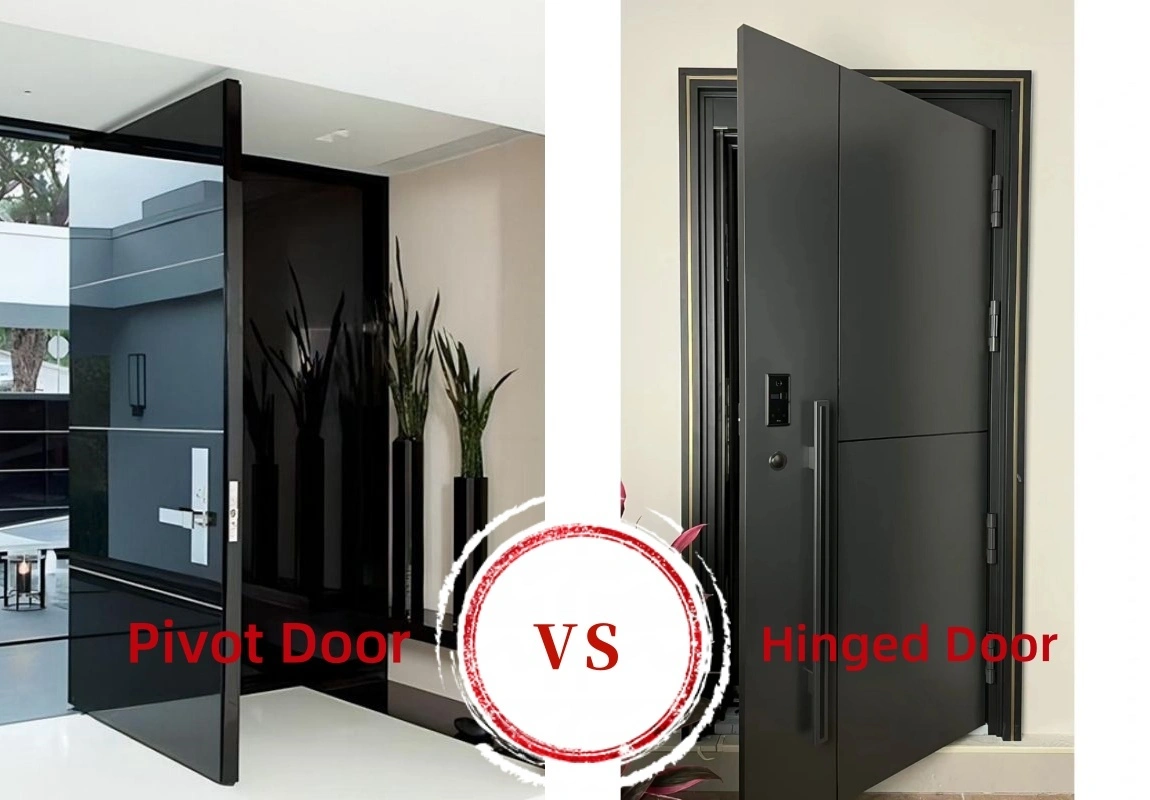
Introduction to Pivot Doors vs Hinged Doors
When choosing the right door for your home or business, deciding between a pivot door and a traditional hinged door can be tough. Both options have their own set of advantages, but understanding the core differences between them will help you make an informed choice. Let’s dive into what makes a pivot door unique and how it stands out from the more common hinged doors.
What is a Pivot Door?
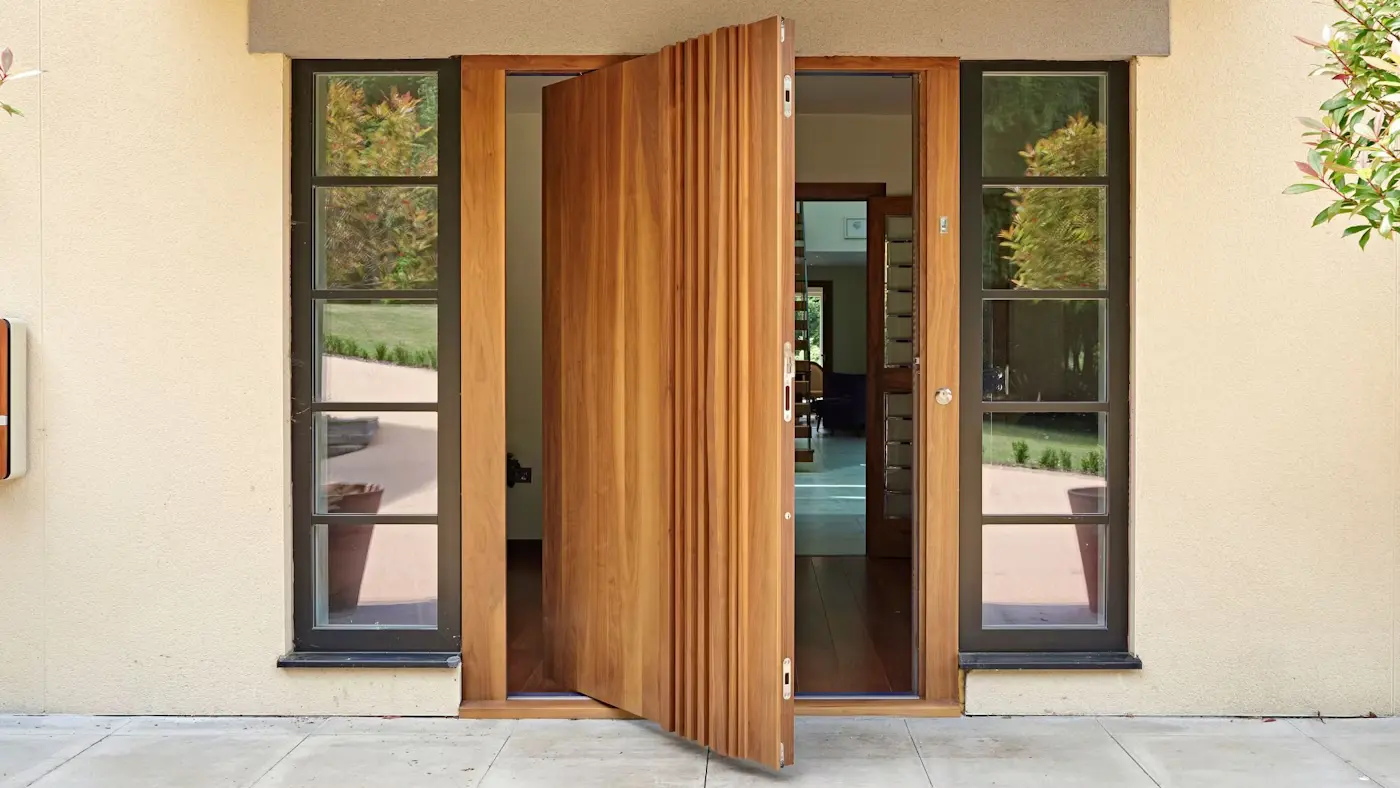
A pivot door is a type of door that rotates on a central pivot mechanism, rather than opening on traditional hinges. This design gives the door an elegant and modern appearance. Unlike a hinged door that swings on one side, a pivot door rotates around a single point—often at the centre or near the edge. This results in a door that swings open and closed with a smooth, effortless motion.
Explanation of Pivot Door Design
The design of a pivot door is distinct. It features a rotating system in which the door is mounted on a pivot hinge, usually at the top and bottom of the door, or sometimes along the side. This pivot mechanism allows the door to swing 180 degrees or more, depending on its size and the chosen design.
The key feature of a pivot door is the ability to be oversized without compromising its function. Since the pivot mechanism distributes the door’s weight more evenly, it can handle larger dimensions and heavier materials than a traditional hinged door. This is why you’ll often see pivot doors in grand entrances, modern homes, or commercial buildings where a bold, stylish impact is desired.
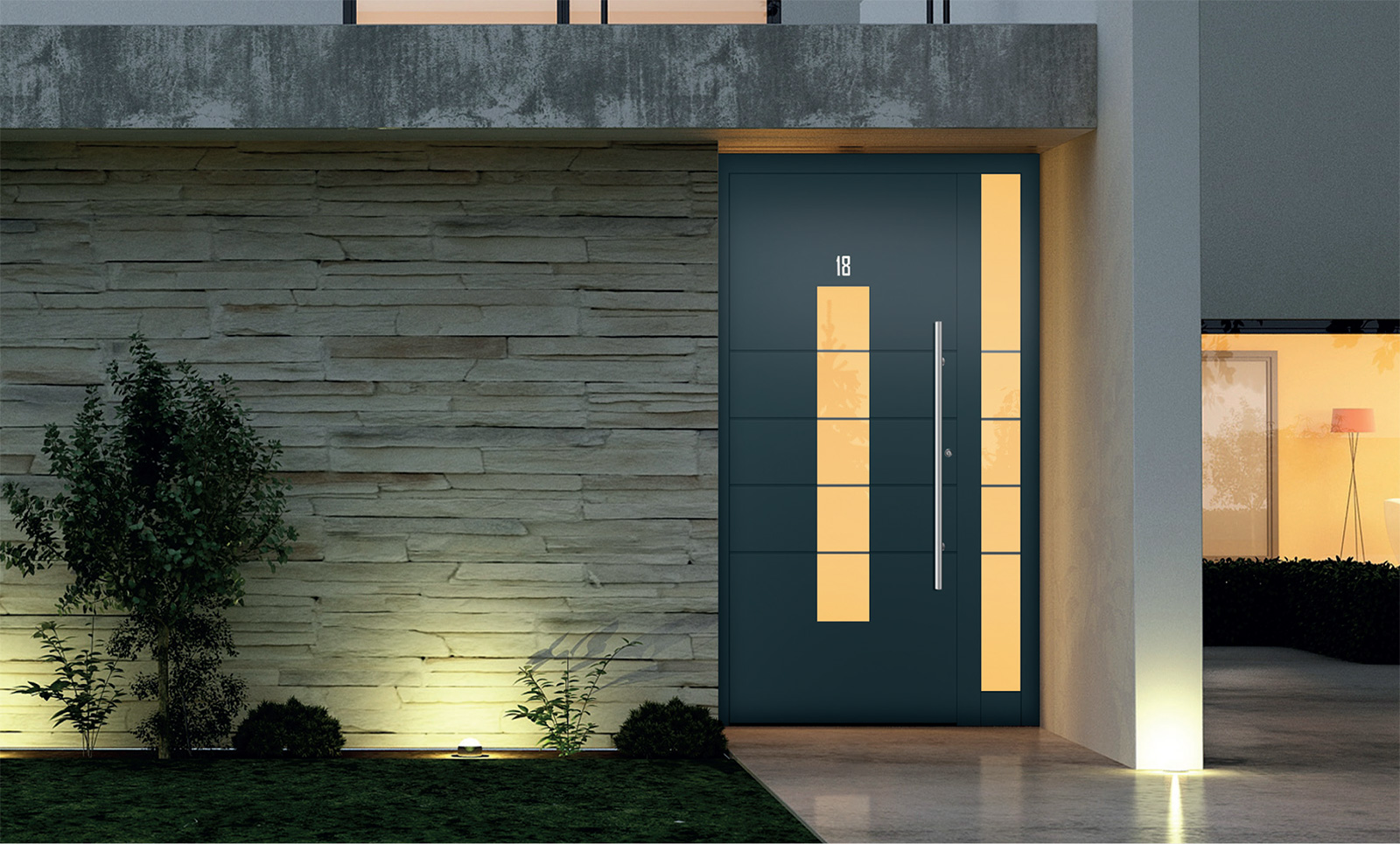
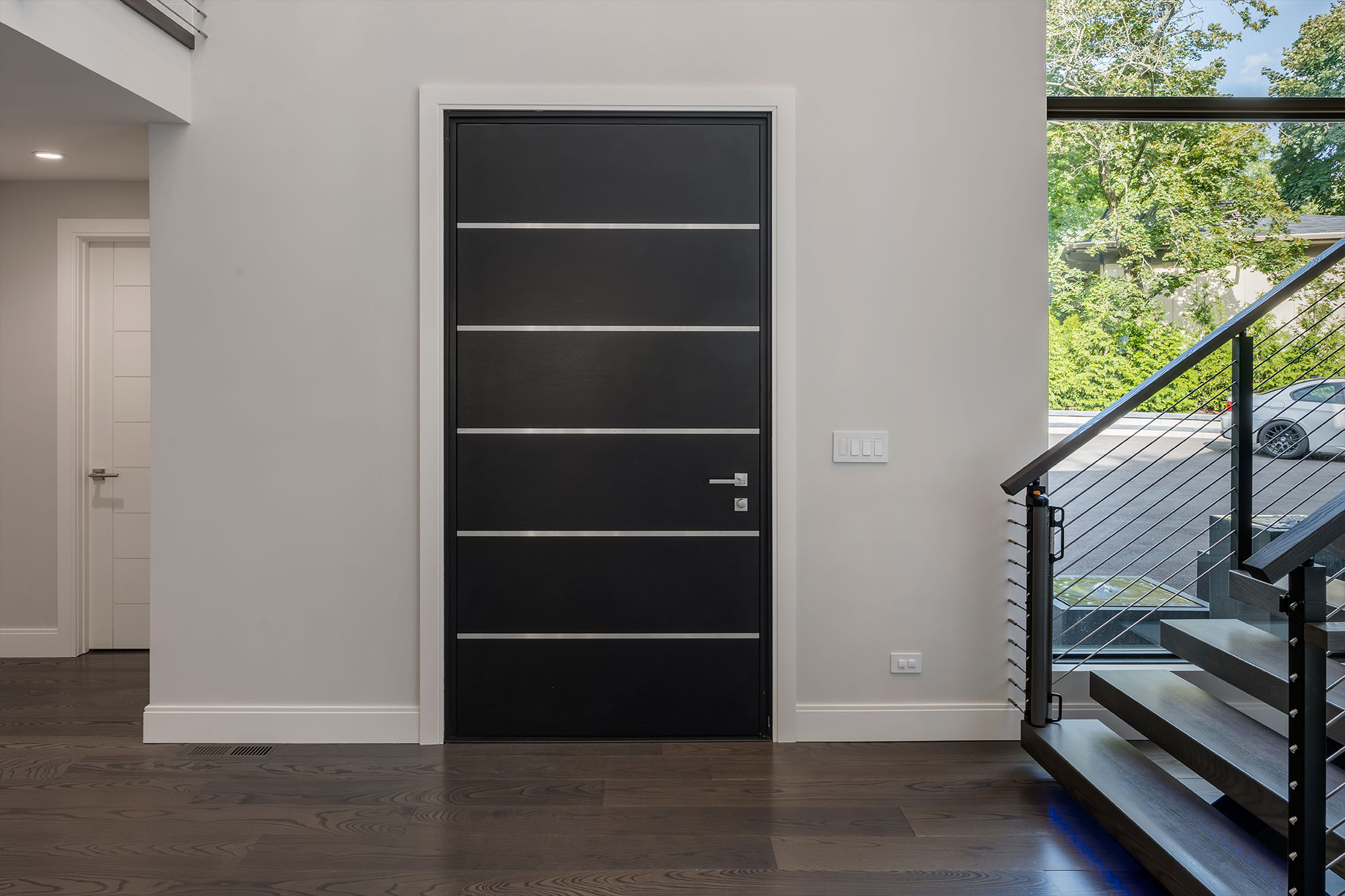
Pivot doors are available in a variety of materials, such as wood, glass, and metal. This versatility in material choice makes them highly customizable to match any design preference, from contemporary to industrial styles. The door’s sleek and minimalist appearance is a hallmark of modern design, which is why it’s becoming a popular choice in high-end architecture.
Key Features that Set it Apart from Other Types of Doors
What sets the pivot door apart from other types of doors, mainly traditional hinged doors, is its innovative operation and visual appeal. Here are some key features that set pivot doors apart:
1. Effortless Operation:
Unlike hinged doors, which require space on both sides to swing, a pivot door rotates around its pivot point, making it ideal for tight spaces. You don’t need as much clearance around the door to ensure smooth movement. This feature makes pivot doors particularly useful in areas with limited space or where large doors are required, but the swinging space is restricted.
2. Aesthetic Appeal:
Pivot doors are often considered more visually striking due to their minimalist and modern look. The large, flat surfaces and clean lines can add a touch of sophistication to any home. Many people prefer these doors in entryways to create an impressive first impression.
3. Customization:
Another standout feature of pivot doors is the level of customization they offer. They can be designed with a variety of materials, such as glass panels for a sleek, contemporary look or solid wood for a more traditional style. The choice of material, size, and finish allows you to tailor the pivot door to your specific needs and preferences.
4. Strength and Durability:
Because pivot doors are mounted differently, they tend to be stronger and more durable than traditional hinged doors. The pivot system evenly distributes the door’s weight, preventing sagging over time. This makes pivot doors an excellent long-term investment.
5. Smooth, Silent Operation:
A well-installed pivot door opens and closes with a fluid, almost silent motion, which contrasts with the more mechanical, often creaky movement of hinged doors. This makes pivot doors an attractive choice for those seeking a quiet, high-end entry experience.
What is a Hinged Door?
A hinged door is a traditional door design that swings open and closed on hinges mounted on one side of the door frame. This is the most common type of door in homes, businesses, and buildings worldwide. Hinged doors are simple, reliable, and easy to install, making them a go-to choice for many.
Traditional Hinged Door Design
The design of a hinged door is straightforward. It consists of a door panel attached to a frame by two or more hinges, which allow the door to swing open or closed. These hinges are typically mounted on the side of the door, allowing the door to open smoothly in an arc. The hinged door design has been used for centuries and remains one of the most common door styles.
What sets hinged doors apart from pivot doors is their swing motion. Hinged doors typically open up to 90 degrees, though some can open wider depending on the design. Unlike pivot doors, which rotate around a central point, hinged doors move along a fixed axis. This traditional swing motion is both functional and straightforward.
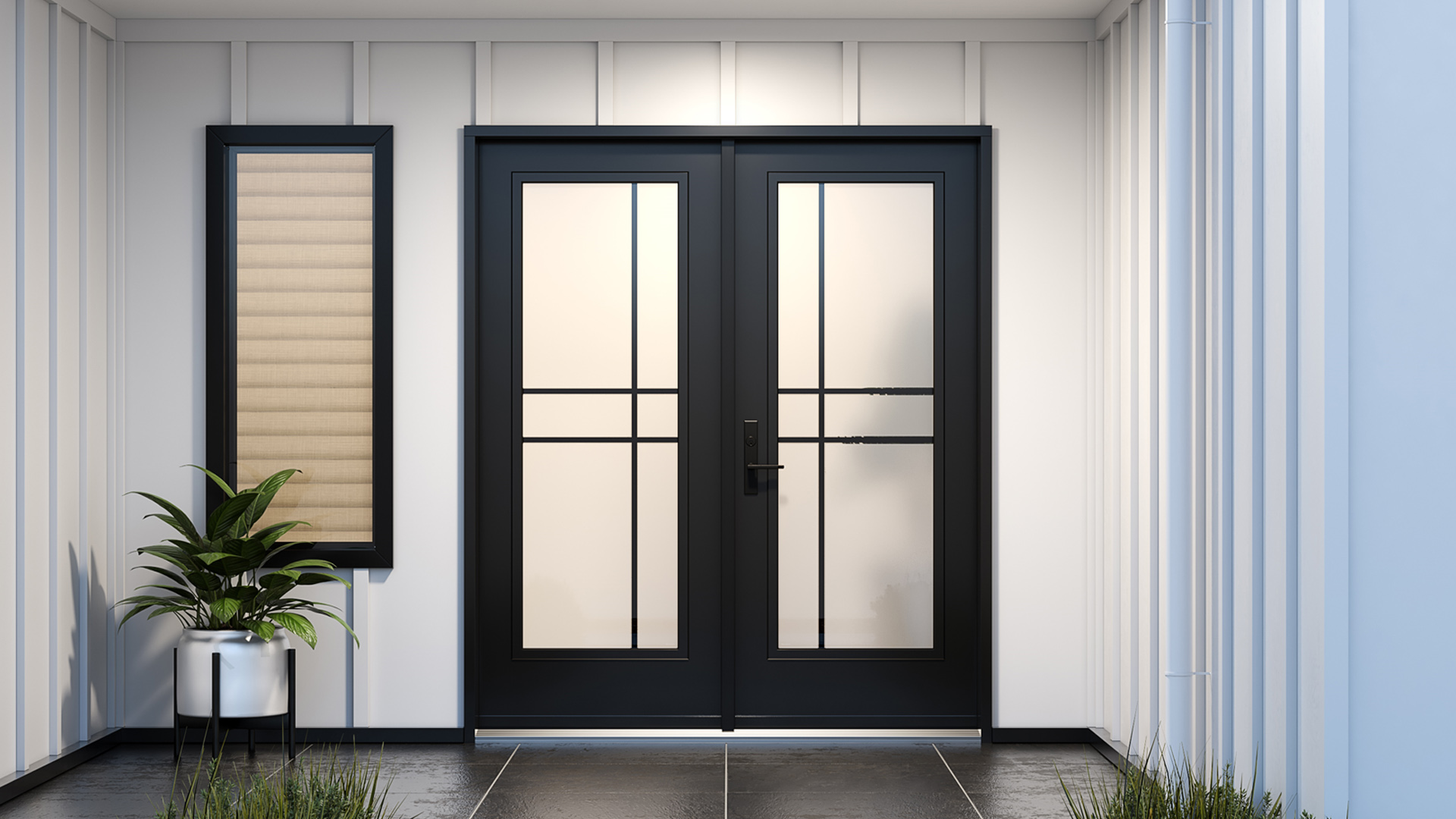
Most hinged doors are made from wood, metal, or glass, offering a range of design possibilities. While the design itself is simple, it remains incredibly versatile and can suit nearly any architectural style, from classic to modern. Hinged doors can also be installed as single doors or double doors, depending on the opening’s size and requirements.
Common Usage in Residential and Commercial Spaces
Hinged doors are used in a wide variety of residential and commercial settings. In homes, they are commonly found in bedrooms, bathrooms, kitchens, and living rooms. Their simplicity and ease of installation make them ideal for internal doors. For external applications, hinged doors are frequently used as entry doors, offering a secure and straightforward way to control access to the home.
In commercial spaces, hinged doors are also widely used. Offices, retail shops, and public buildings often feature these doors because of their practicality and ease of use. They are especially common in areas where space is not a major concern, as they require clearance on both sides to swing open. Hinged doors are also popular for emergency exits and fire-rated doors, thanks to their durability and ease of operation.
While pivot doors are gaining popularity in specific modern and luxury designs, hinged doors remain the standard for many spaces due to their cost-effectiveness and familiarity. They provide a reliable solution for everyday use and can be adapted to almost any type of space.
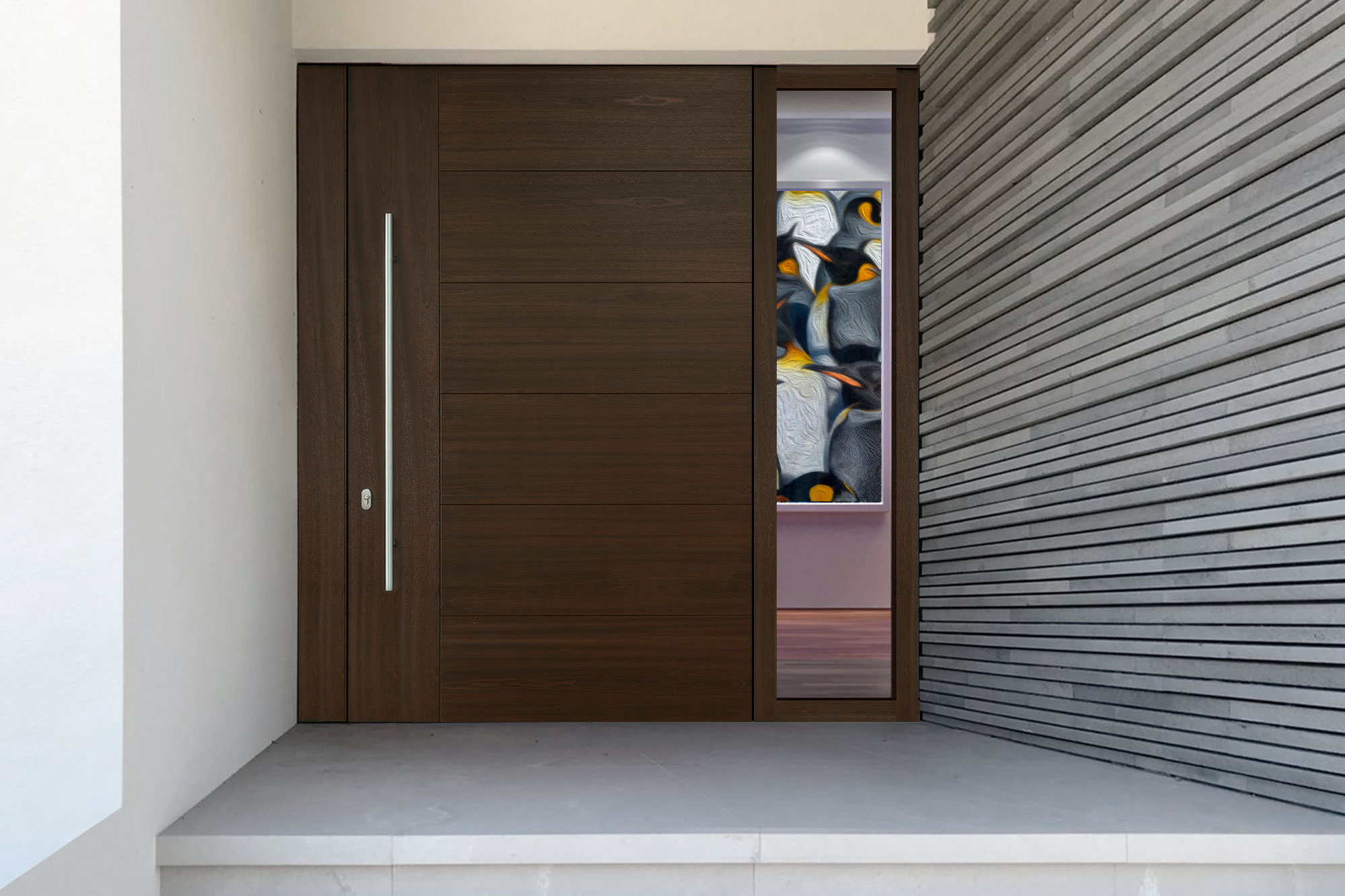
The Key Differences Between Pivot Doors and Hinged Doors
Choosing between pivot doors and hinged doors isn’t just about looks—it also involves functionality, durability, and cost. Understanding these differences can help you make an informed decision based on your needs. Let’s explore the design and functionality, durability, and cost comparison between the two.
Design and Functionality
Pivot Door Aesthetics vs. Hinged Door Aesthetics
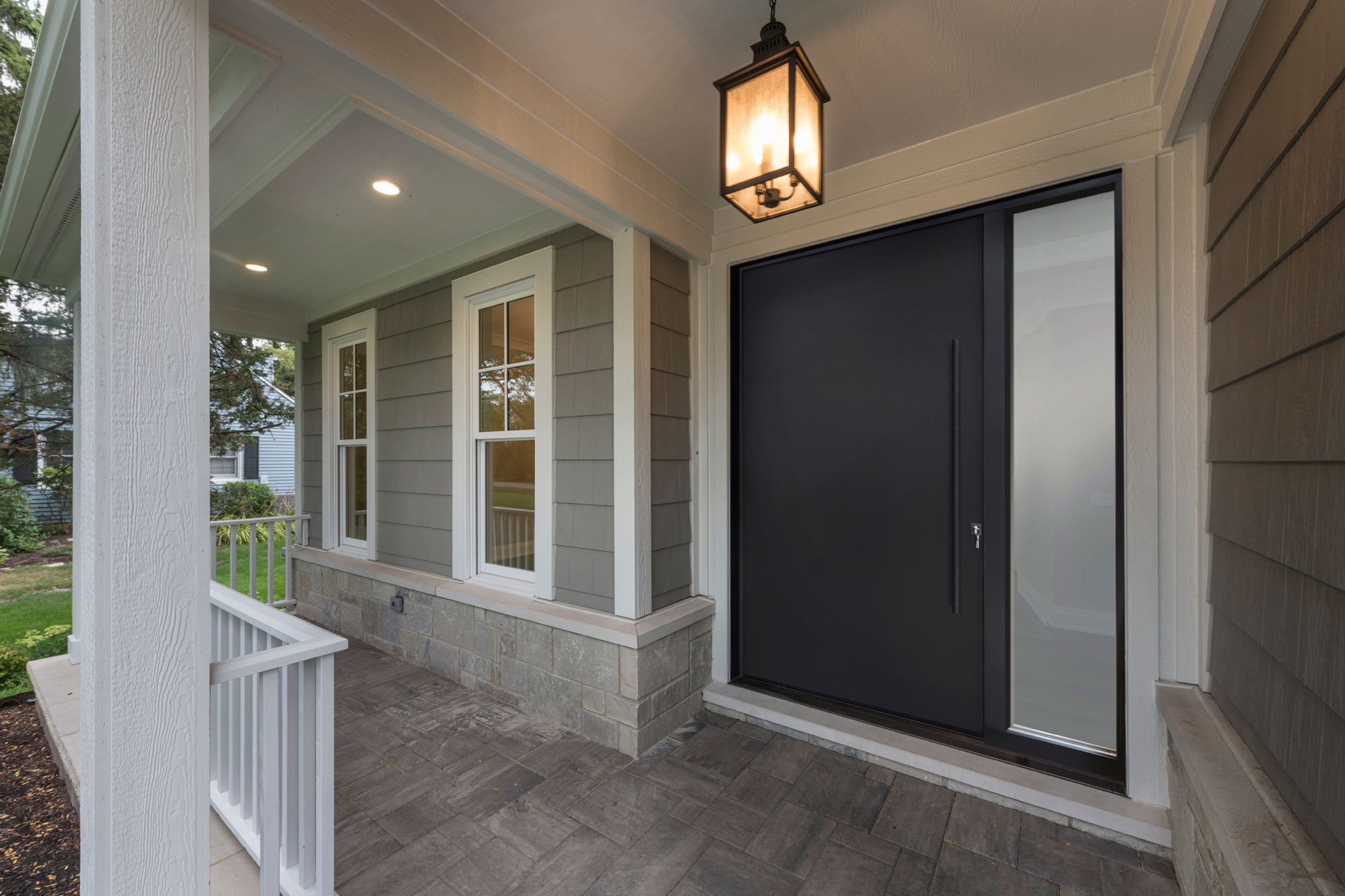
The aesthetics of pivot doors are one of their most compelling features. These doors are known for their sleek, contemporary design. Pivot doors are often large, flat panels of material, with clean, uninterrupted lines that emphasize simplicity and elegance. Their modern, minimalist appearance makes them a popular choice for modern homes, luxury buildings, and commercial spaces looking to make a bold statement. Whether made of glass, wood, or metal, pivot doors stand out for their scale and smooth, modern look.
On the other hand, hinged doors have a more traditional appearance. They typically feature panels with visible frames and hardware, giving them a classic, timeless feel. While hinged doors come in a variety of styles and can be customised with different materials, they often have a more conventional look than the striking, modern appearance of pivot doors. The design of a hinged door is generally less minimalist and usually includes detailed frames or mouldings that can complement more traditional or rustic spaces.
When comparing the two, pivot doors often bring a higher level of sophistication and visual impact. However, if you’re aiming for a more classic or familiar style, hinged doors might be the better option.
How the Door Swings and the Space Required for Each?
The way a door swings is a key factor when considering pivot doors versus hinged doors. Pivot doors rotate around a central pivot point, opening smoothly and effortlessly. Unlike hinged doors, which swing outwards from a fixed hinge, pivot doors rotate around a central point, often at the top and bottom of the door. This unique motion requires less clearance on each side of the door, allowing for more flexible placement. Because of this, pivot doors are ideal for spaces with limited room for a full swing.
In contrast, hinged doors open outward or inward on a fixed hinge. This swinging motion requires enough space for the door to open fully, which can limit where the door can be placed. Typically, hinged doors require more clearance on both sides to function correctly. In some cases, pivot doors can be a more space-efficient choice, especially in areas where you need to maximize available room.
For larger doorways or spaces with expansive entryways, pivot doors may be the better option, as they can handle larger dimensions without taking up as much surrounding space. Hinged doors, while practical and space-efficient in specific designs, are generally limited in size by the swing radius.
Durability and Longevity
Material Choices and Construction for Pivot Doors
Pivot doors are known for their high-quality materials and durable construction. One of the primary reasons these doors are so long-lasting is the way they are built. Pivot doors feature a central pivot mechanism that evenly distributes the door’s weight. This reduces the strain on any single part of the door, making it less likely to warp, sag, or develop issues over time.
The materials used in pivot doors vary, but they are generally chosen for their strength and resilience. Common materials include solid wood, tempered glass, aluminum, and steel. Each of these materials is known for its durability and ability to withstand wear and tear. For instance, solid wood pivot doors offer a sturdy, classic look and can last for decades when properly maintained. Meanwhile, glass pivot doors add a modern touch, and their strength lies in tempered glass, which is designed to resist breaking or cracking.
The construction of pivot doors also contributes to their longevity. These doors are typically designed with heavy-duty pivot hinges and frames, ensuring they can support the weight of large, heavy panels without issue. This makes pivot doors an excellent choice for high-traffic areas or locations where longevity is a priority.
How Durability Compares to Hinged Doors Over Time?
While both pivot and hinged doors are built to last, pivot doors generally have an edge in longevity. The reason is the design of the pivot mechanism, which distributes the door’s weight more evenly. With hinged doors, the hinges are attached to a single point, meaning the door’s weight is concentrated on that hinge. Over time, this can lead to wear and tear on the hinge and frame, potentially causing the door to sag or become misaligned.
In terms of durability, pivot doors are less likely to sag, especially when installed properly. This makes them a better long-term investment in terms of performance and maintenance. Hinged doors, while generally durable, are more prone to issues such as hinge wear or frame damage, particularly in high-traffic areas.
The materials used for hinged doors can also affect their durability. While wooden hinged doors can look beautiful, they can be more susceptible to warping over time due to moisture or temperature changes. Steel or aluminium hinged doors are more resilient, but they can still be affected by factors such as rust or corrosion in specific environments.
Cost Comparison
Average Price Ranges for Pivot Doors vs. Hinged Doors
Pivot doors are generally more expensive than hinged doors, but they offer the added value of a unique, modern design and superior functionality. Pivot doors are typically larger and require more precise construction, which makes them more expensive to manufacture. On average, a pivot door can range anywhere from $1,500 to $5,000 or more, depending on the material, size, and design options. Custom-made pivot doors or those made with high-end materials like solid wood or glass can cost even more.
Hinged doors, on the other hand, are much more affordable. A standard hinged door can cost between $100 and $600, depending on the material (wood or metal) and size. For example, a basic wooden hinged door may be on the lower end of the price range, while a metal hinged door or one with intricate designs can be more expensive. Overall, hinged doors are more budget-friendly, making them ideal for those with a tighter budget or larger-scale projects.
While the upfront cost of pivot doors is higher, their unique design and functionality make them a popular choice for those looking to make a statement. However, if you’re looking for a more affordable solution, hinged doors remain a classic, cost-effective option.
Installation Costs and Maintenance Expenses
The installation costs for pivot doors are typically higher than for hinged doors due to their complex mechanism and the need for precise alignment. Installing a pivot door often requires a professional with specialized skills to ensure that the pivot hinge system is installed correctly. Depending on the door’s size and material, installation costs for pivot doors can range from $500 to $1,500 or more.
In contrast, hinged doors are easier and quicker to install. Since they are simpler in design, hinged doors generally have lower installation costs, typically ranging from $100 to $300. The installation process for hinged doors is straightforward and doesn’t require the specialised skills needed for pivot doors.
In terms of maintenance, pivot doors tend to be more durable and require less frequent attention over time. However, because they are larger and often made of heavier materials like glass or wood, regular cleaning and occasional lubrication of the pivot mechanism are recommended. The maintenance costs for pivot doors can be minimal, but they may require attention every few years to keep the pivot system working smoothly.
On the other hand, hinged doors may require more frequent maintenance, especially if they are heavily used. Hinged doors may need adjustments to the hinges over time, and the door frame or hardware may wear down, particularly if the door is frequently opened and closed. The maintenance costs for hinged doors are typically lower, but they may require more frequent repairs to remain functional.

Advantages of Pivot Doors
Pivot doors are becoming an increasingly popular choice in modern homes and commercial buildings. Their unique design, space efficiency, and durability make them an ideal option for those looking to make a statement while enjoying functional benefits.
Unique Design Appeal
Pivot Doors As A Statement Piece in Modern Architecture
One of the standout features of pivot doors is their ability to make a bold statement. These doors aren’t just functional; they’re designed to catch the eye. The pivot mechanism, which allows the door to rotate around a central axis, creates a visually striking effect. This design makes the door look cleaner and more streamlined, without the distraction of hinges or hardware on the sides.
The sleek lines and impressive size of pivot doors fit perfectly in modern homes and buildings. Whether you’re building a contemporary office space, a luxury home, or even a minimalist apartment, pivot doors bring sophistication and elegance. Their ability to seamlessly blend into a variety of architectural styles is one reason why they’re becoming a top choice for those who value both form and function.
The lack of visible hinges gives pivot doors a clean, polished look that adds to their architectural appeal. This sleek design is especially desirable in contemporary homes where clean lines and minimalist features are key.
How They Enhance the Curb Appeal of Your Property?
A pivot door can instantly boost your home’s curb appeal. Unlike traditional doors, which may blend into the surrounding walls, pivot doors stand out as the centrepiece of your entryway. The way they open, their smooth operation, and the clean, bold lines make them an eye-catching feature. It’s no wonder that many homeowners and designers are turning to pivot doors to add that “wow” factor to their properties.
What makes pivot doors even more attractive is their versatility. Whether you’re aiming for a warm, natural look with a wooden door or something more sleek and industrial with metal or glass, pivot doors offer the flexibility to match any style. Their design is simple yet striking, making the door both functional and a work of art.
Additionally, pivot doors can be customized to fit large or small spaces. This makes them an excellent choice for homes that want to make a bold statement while maintaining a high level of practicality. When placed at the front of the house, a pivot door doesn’t just look good—it also creates an inviting atmosphere for anyone approaching your property.
More Efficient Use of Space
Pivot doors are a game-changer for maximising space. Unlike traditional hinged doors, which require ample room to swing open, pivot doors require only a small amount of clearance. This makes them ideal for tight spaces, especially in smaller rooms, apartments, or areas with limited room for door swings.
With pivot doors, the centre of rotation is at the top and bottom of the door, rather than on the sides. This unique mechanism allows the door to pivot open smoothly with minimal swing space. As a result, you don’t have to worry about blocking pathways or rearranging furniture to open or close the door.
Pivot Doors As A Statement Piece in Modern Architecture
Traditional doors, huge ones, often need a lot of space to swing fully open. This can make rooms feel cramped and less functional. However, pivot doors operate differently. Thanks to their pivoting mechanism, they can open with very little space required around them. This makes them especially practical in places like small apartments, narrow hallways, or even office spaces with limited room for movement.
In fact, many people are now choosing pivot doors for their ability to maintain a room’s flow. They open easily with minimal swing area, allowing for better furniture placement and smoother traffic flow. The result is a more open and efficient living or working environment.
Suitable for Areas with Limited Space
One of the biggest challenges in small spaces is finding furniture and features that don’t take up too much room. Pivot doors solve this problem effortlessly. Since they don’t require much space to open, they can be used in areas where traditional doors would be impractical. This includes areas such as narrow corridors, small apartments, or rooms that need to remain flexible in layout.
Thanks to their versatility, pivot doors can fit seamlessly into tight spaces. They are a perfect solution for anyone looking to improve the functionality of smaller areas without sacrificing style or ease of use. Whether in a contemporary home or a commercial setting, pivot doors help ensure that every inch of space is used wisely.
Enhanced Durability and Strength
Pivot doors are known for their robust construction, making them much stronger than standard doors. Unlike traditional doors that rely on hinges on the sides, pivot doors are mounted on a central pivot point, allowing them to distribute weight more evenly. This results in less wear and tear over time, ensuring the door remains stable and functional for years.
The design also minimises stress on the frame and hardware, resulting in longer-lasting performance. Whether it’s the front door of a house, a commercial building, or an interior door, pivot doors can withstand the daily hustle without losing their appeal or function. Their sturdy build makes them an excellent choice for high-traffic areas where durability is a top priority.
Why Pivot Doors Are Built to Last Longer?
One of the main reasons pivot doors last longer is their innovative design. The pivot mechanism at the centre of the door allows for a more efficient distribution of the door’s weight. This design reduces the strain on the hinges, which are typically the weakest part of a door. Since pivot doors don’t rely on side hinges, the structure is less prone to sagging or misalignment over time.
Another factor contributing to the longevity of pivot doors is the high-quality materials used in their construction. These doors are often made from durable materials such as steel, solid wood, or composite materials, which provide excellent strength and stability. This makes pivot doors much less susceptible to damage from environmental factors such as humidity, temperature changes, and general wear.
Furthermore, the central pivot system is built to last. Unlike traditional doors, which experience friction at their hinges, pivot doors glide open smoothly, minimising wear on their moving parts. This results in less maintenance over time and ensures the door functions properly for much longer than a conventional door.
Material Options That Ensure High Performance
The materials you choose for your pivot door play a crucial role in its strength and durability. One of the most popular options is solid wood, which offers a natural aesthetic and robust structure. When treated properly, wood can resist warping and cracking, making it a solid investment for both residential and commercial spaces.
Another strong option is steel, which adds a sleek, modern appearance to the door while offering superior strength. Steel pivot doors are highly corrosion-resistant and can withstand harsh weather conditions, making them an ideal choice for exterior doors. Additionally, steel’s strength allows for larger, heavier doors without compromising functionality.
For those seeking a balance between durability and design flexibility, composite materials are also an excellent choice. These materials combine the best properties of wood and plastic, offering strong resistance to wear and tear while remaining lightweight and easy to maintain.
Glass is another popular material for pivot doors, especially in modern and contemporary designs. While glass may not be as strong as steel or wood, tempered glass used in pivot doors is treated to be highly durable. It offers the advantage of allowing natural light to enter a space, enhancing the door’s aesthetic appeal while maintaining strength and security.

Advantages of Hinged Doors
Hinged doors may seem traditional, but they remain one of the most popular door styles for homes and businesses. Their straightforward design, affordability, and versatility make them a reliable choice for many. While pivot doors are gaining attention for their modern look, hinged doors remain a favorite for many reasons. Let’s explore some of the key advantages hinged doors offer.
Traditional and Familiar Design
The design of hinged doors is classic and well-established, making them a safe choice for many homeowners. Unlike pivot doors, which feature a central pivot point, hinged doors swing open and close from a set of hinges mounted on the side. This simple mechanism has been around for centuries, making it familiar and easy to use. The ease of use and commonality of hinged doors makes them an accessible choice for most people, whether they are building a new home or renovating an older space.
Many people still prefer hinged doors in their homes because they are familiar. The traditional design fits easily into a range of architectural styles, from cottages to modern homes. Because hinged doors are widely available and come in many styles and materials, they can complement almost any room, whether it’s a front door, bedroom, or bathroom. This makes them a go-to choice for homeowners who want a functional yet timeless option.
Why Many People Still Prefer Hinged Doors in Their Homes?
Despite the rise of pivot doors, hinged doors remain a preferred option for many due to their simplicity and ease of installation. People are used to their straightforward operation and design, making them an attractive choice for those who want a hassle-free door. Whether it’s a front or interior door, hinged doors are easy to open and close with minimal effort, offering a sense of comfort and reliability.
Another reason hinged doors are so popular is their versatility in design. They come in various materials, from wood to steel, allowing homeowners to choose a style that suits their taste and needs. For example, a wooden hinged door offers a classic and elegant look, while a steel door provides extra security and durability. For many, the ability to choose from a wide variety of materials and finishes is one of the key reasons hinged doors continue to dominate in residential spaces.
Cost-effective and Easy to Install
Hinged doors are also one of the most budget-friendly options available. They are often less expensive than pivot doors due to their simpler design and the widespread availability of materials. For homeowners on a budget, hinged doors offer a cost-effective solution that still provides style and function. Whether you are remodelling or building from scratch, hinged doors are an affordable option that doesn’t compromise quality.
Additionally, hinged doors are easy to install. Unlike pivot doors, which require more complex hardware and precise alignment, hinged doors are relatively simple to set up. This makes them an ideal option for DIY enthusiasts or homeowners seeking a quick, straightforward installation. You can easily install a hinged door yourself or hire a professional without breaking the bank.
Versatility and Accessibility
One of the standout advantages of hinged doors is their versatility. They can be used in nearly every type of space, from interior doors to exterior ones. Whether it’s a living room, kitchen, or office, hinged doors can fit seamlessly into any setting. They come in a wide range of styles and sizes, so you can choose the one that best fits your space and needs.
Moreover, hinged doors are also accessible, making them an excellent choice for both residential and commercial buildings. Their ease of operation and familiarity make them a preferred choice for households with young children or elderly individuals. The ability to open and close a hinged door without too much effort is an essential factor in ensuring accessibility for everyone, regardless of their mobility.
How Hinged Doors Can Be Used in a Wide Variety of Applications?
Hinged doors can be used in nearly any setting, whether in a home, office, or industrial space. Inside a home, they can be used for everything from bathroom doors to closet doors. Their ability to blend into any interior design makes them a versatile choice. They are also commonly used for exterior doors, offering security and functionality, especially when paired with materials like steel or reinforced wood.
In commercial spaces, hinged doors are a go-to option for offices, conference rooms, and storage areas. Their straightforward design is easy to incorporate into any workplace, and they can handle the everyday wear and tear of high-traffic environments. Hinged doors are also suitable for industrial spaces, where their strength and ease of use are essential for operations.
Easy to Retrofit in Existing Spaces
One of the best things about hinged doors is how easily they can be retrofitted into existing spaces. Whether you are renovating a room, updating a closet, or replacing an old door, a hinged door is often the simplest solution. Most homes and buildings are already designed with space for hinged doors, making installation quick and easy.
Since hinged doors come in a variety of sizes, you can find one that fits almost any doorway, whether it’s an older home or a new construction. This makes them ideal for remodelling projects where you want to upgrade your doors without changing the entire framework. If you’re replacing a damaged or outdated door, switching to a hinged door is often a straightforward and cost-effective option.
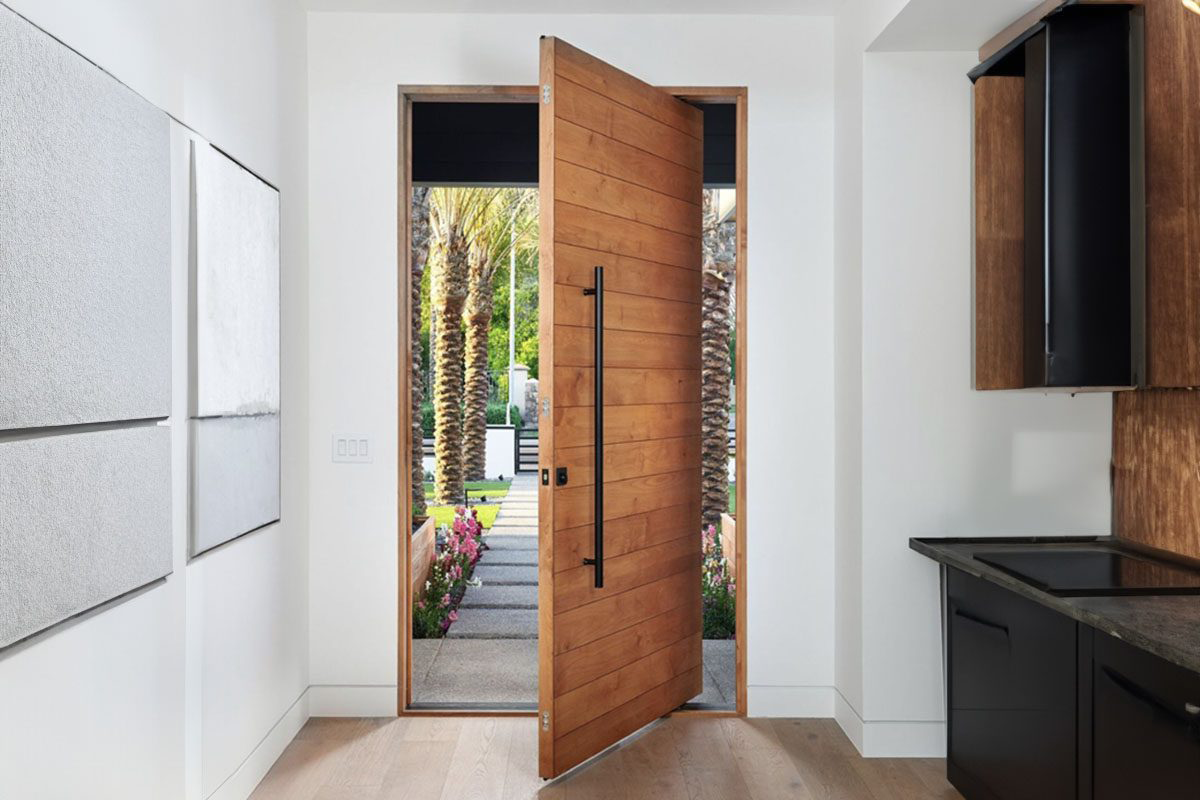
When Should You Choose a Pivot Door?
Pivot doors offer a unique combination of style and functionality that sets them apart from traditional hinged doors. However, they are not always the best option for every setting. So, when should you choose a pivot door? Let’s explore the ideal settings for pivot doors and why they shine in specific environments.
Ideal Settings for Pivot Doors
Pivot doors are known for their sleek, modern look and durability, but they really shine in specific environments. If you’re looking to make a bold statement or enhance the functionality of your space, a pivot door might be the perfect choice. Whether it’s a private home or a commercial property, these doors can offer the perfect blend of beauty and performance.
Best Environments for Pivot Doors
Pivot doors are especially popular in modern homes and luxury builds. Their striking design instantly makes a statement, adding a contemporary feel to any space. These doors are often larger and heavier than traditional ones, which allows them to create a dramatic effect, especially in grand entrances or open-concept living spaces. Whether you’re designing a sleek, minimalist home or a luxurious mansion, a pivot door can easily become the focal point of the room.
The versatility of pivot doors makes them perfect for modern and high-end residential settings. With clean lines and the ability to support large, expansive glass panels, pivot doors are ideal for connecting indoor and outdoor spaces, such as transitioning from a living room to a garden or terrace. Their ability to provide a seamless transition between spaces while still maintaining a modern, stylish look is a major plus for homeowners looking to create a sophisticated environment.
Additionally, pivot doors can work well in areas where natural light is a priority. Large glass pivot doors can flood a room with sunlight, creating an open, airy feel while maintaining privacy and security. For homes with stunning views, a pivot door with glass panels is the perfect way to frame the scenery and bring the outdoors in.
Commercial and Public Spaces Where Pivot Doors Excel
Pivot doors aren’t just for residential use. They also excel in commercial and public spaces, where their durability and high-impact design are valuable assets. In offices, retail spaces, and high-end boutiques, pivot doors create a welcoming, modern entry point. The ability to handle frequent use without compromising style is essential in these environments. The central pivot system allows for smooth operation, even with larger, heavier doors, making them ideal for high-traffic areas.
In hotels or upscale restaurants, a pivot door can create a dramatic entry to the lobby or dining area. These doors can be used to separate different sections of a large building, such as conference rooms, ballrooms, or exhibit spaces. Not only do they provide a functional purpose, but they also enhance the overall design and appeal of the space.
For public spaces, pivot doors are an excellent choice due to their robustness. Whether it’s a museum, gallery, or hospital, pivot doors are built to withstand the wear and tear of high-volume foot traffic. Their sleek, minimalist design ensures they don’t detract from a space’s aesthetics, yet they provide the strength and functionality needed for daily use.
In addition, pivot doors are often used in high-end commercial establishments where security and elegance are a top priority. Their sturdiness and secure locking make them an excellent choice for settings that need both style and safety, such as upscale retail shops, office buildings, or private clubs.
How Pivot Doors Complement Minimalist or Contemporary Home Designs?
Pivot doors are a perfect fit for minimalist and contemporary home designs due to their clean lines and simple elegance. In a minimalist home, the idea is to reduce visual clutter and emphasize space, and pivot doors help achieve that by offering a sleek, unembellished look. The door’s central pivot mechanism allows it to swing open with ease, eliminating the need for traditional hinges, making it appear more streamlined and subtle.
In contemporary homes, where bold yet clean aesthetics are key, pivot doors make a statement without overwhelming the space. These doors are often much larger than standard doors, creating an expansive, open feel that complements modern architecture. A large, solid pivot door, made of wood or metal, can serve as a striking focal point in an otherwise simple, well-balanced room. Furthermore, with glass pivot doors, you can enhance the connection between indoor and outdoor spaces, bringing in more natural light and creating a seamless flow between the two.
The simplicity and sophistication of pivot doors also make them a good fit for minimalist décor. You don’t need heavy adornments or intricate patterns when a pivot door is part of the design. The door itself is enough to elevate the space, offering both form and function that enhance the minimalist aesthetic.
Tailoring the Door to Fit Your Interior Theme
One of the greatest things about pivot doors is their flexibility. They can be customized to fit almost any interior theme, whether you prefer traditional elegance or modern simplicity. You can tailor a pivot door to suit your specific design preferences by selecting materials, finishes, and sizes that match your home’s style.
For example, if you’re going for a natural, warm interior, a wooden pivot door can add a touch of organic beauty. Whether you choose rich walnut, light oak, or a sleek modern veneer, wood complements a range of design styles, from rustic to contemporary. The wood grain’s texture also adds depth and warmth to your space.
If you want to make a bolder statement, consider a pivot door made from metal or glass. A sleek steel pivot door is perfect for industrial-style spaces, adding a modern touch and strength to the design. Meanwhile, a glass pivot door is ideal for spaces where light and openness are essential, as it allows natural light to flow freely while maintaining privacy and security.
The size of your pivot door also affects how it fits into your theme. Larger doors make a dramatic impact and work well in open, airy spaces where they can function as a grand focal point. For more compact rooms, a smaller pivot door can still deliver style without taking up too much space, providing balance and harmony in the design.
Lastly, the hardware of the pivot door is another element you can customize to match your theme. From polished chrome handles to matte black pulls, the hardware can enhance the door’s overall look and tie it into your existing décor. Simple, unobtrusive hardware is often used in modern or minimalist designs, while more decorative handles might be used in traditional or eclectic spaces.

When Should You Choose a Hinged Door?
Hinged doors may not have the bold, modern appeal of a pivot door, but they remain a great choice for many homes. Their classic design, reliability, and versatility make them ideal for a wide range of settings. If you’re considering a hinged door, let’s take a closer look at its aesthetic qualities in traditional settings and how it can still offer style and sophistication.
Best Use Cases for Hinged Doors
Hinged doors are the classic option that many people still rely on. While pivot doors are gaining popularity for modern designs, hinged doors offer distinct advantages that make them ideal in certain situations. They fit perfectly in traditional homes, budget-conscious projects, or for retrofitting older properties. Here’s why they remain a go-to option.
Why Hinged Doors Are Still the Go-To for Traditional Settings?
In many traditional settings, hinged doors remain the first choice. The design is simple, reliable, and easy to operate, which makes it ideal for classic homes and older buildings. Their mechanism—hinges mounted along the side—has been used for centuries, making them a familiar and trusted solution for many.
For homes with a more conventional design, such as Victorian, Colonial, or farmhouse styles, hinged doors offer the right aesthetic. They blend seamlessly into the overall design and can be paired with a wide range of materials like wood, glass, and even metal. Whether you’re looking for a front door or a bedroom door, hinged doors maintain their classic appeal.
Additionally, hinged doors are highly adaptable. They come in various sizes and materials, allowing you to match them perfectly to your home’s theme. For example, a wooden hinged door will complement a cozy, rustic setting, while a sleek metal door may be perfect for a more industrial-style home. This flexibility keeps hinged doors as the go-to option in traditional settings, where appearance and functionality must come together seamlessly.
Budget-Conscious Projects and Retrofitting in Existing Homes
Hinged doors are also an excellent choice for budget-conscious projects. Compared to pivot doors, which often require custom hardware and precise installation, hinged doors are more affordable and easier to install. Their straightforward design makes them a cost-effective option for homeowners who want to enhance their space without going over budget.
For many people, especially those renovating or upgrading existing homes, hinged doors are the perfect solution. They are easy to fit into most door frames, making them ideal for retrofitting older homes. If you live in a house built with traditional door openings, replacing old, worn-out doors with new hinged ones is a simple process. There’s no need for major structural changes or complicated installations, which saves both time and money.
In addition, because hinged doors are widely available in a range of materials and styles, they provide great flexibility without the high cost of custom designs. Whether you’re replacing interior doors or adding new ones, hinged doors offer a simple, effective way to update your space.
Aesthetics of Hinged Doors in Classic Settings
While pivot doors shine in modern and minimalist spaces, hinged doors bring their own unique charm to traditional settings. These doors have a timeless appeal that fits effortlessly into classic or vintage-style homes. With their familiar design and simple operation, hinged doors can still provide elegance, warmth, and character to a space, making them an excellent choice for homes that seek a more traditional look.
Hinged doors have been around for centuries, and their aesthetic appeal stems from their timeless simplicity. Whether you’re upgrading an old home or building a new one with a classic feel, hinged doors add a sense of permanence and familiarity, making a space feel inviting. Unlike pivot doors, which often make a bold statement, hinged doors blend into the background, offering understated elegance.
How Hinged Doors Can Still Offer Style and Sophistication?
Even though hinged doors are simple in design, they can still add a lot of style and sophistication to a room. The key lies in the materials, finishes, and details you choose. For example, a beautifully crafted wooden hinged door with fine detailing can add warmth and texture to your home, complementing a traditional, cozy atmosphere. Hinged doors can also be adorned with intricate carvings or patterns that enhance their beauty without being overly ornate.
The beauty of hinged doors is that they can be customized to fit a range of interior styles. Whether your home features a vintage, cottage, or even an elegant formal design, a well-chosen hinged door can enhance the overall look. For instance, in a vintage-inspired home, a white-painted or distressed wood hinged door can evoke a sense of history and charm. For more formal settings, a solid wood door with a polished finish and elegant hardware can create a luxurious, classic look.
Another way hinged doors can bring sophistication to your home is through their hardware. The right handle or knob can elevate the look of an otherwise simple door. Opting for antique brass, brushed nickel, or even crystal knobs can add a touch of class and luxury. In short, hinged doors may have a more understated design, but with the right materials and details, they can still achieve an elegant, stylish appearance.
Choosing the Right Materials for a Timeless Look
When selecting a hinged door for a classic setting, the material you choose can make all the difference in achieving a timeless look. Wood remains one of the most popular choices because of its versatility and natural beauty. Whether you choose rich, dark mahogany or a lighter oak finish, wood doors always feel warm and welcoming. For homes aiming for a rustic or country-style look, unfinished or reclaimed wood can add character and charm.
Glass is another material that pairs well with hinged doors, especially if you want to let more natural light into the room. A glass-panelled hinged door can create a bright, airy feel while maintaining a classic look. Clear or frosted glass adds elegance and sophistication without distracting from the rest of the design.
For those seeking a more refined, modern take on traditional design, steel or iron can be used for hinged doors. These materials provide strength and durability, while their clean, sleek look offers a contemporary spin on the classic design. A steel or iron door, particularly with custom finishes, can still fit into a traditional setting while adding a touch of modernity.
Conclusion
Are Pivot Doors Better Than Hinged Doors?
It’s easy to think that pivot doors might be “better” because they look modern and offer a more dramatic effect. Pivot doors are sleek, stylish, and can make a big visual impact, especially in contemporary and luxury homes. The central pivot point allows for larger, heavier doors, which can be a major benefit in open, expansive spaces. Additionally, the smoother operation of a pivot door reduces the risk of hardware wear and tear over time, making it a long-lasting option.
However, pivot doors aren’t always the best fit for every situation. While they excel in high-end, modern settings, they can be more complex and expensive to install compared to traditional hinged doors. Their size and design require careful consideration, especially in smaller spaces or homes with traditional architecture. Pivot doors are also often more expensive due to their unique hardware and custom installation requirements, which may not fit into every budget.
On the other hand, hinged doors are more affordable, widely available, and simple to install. They fit well in traditional settings, and their classic design makes them easy to incorporate into any style, from rustic to formal. Hinged doors are also much easier to retrofit into older homes or properties, which is a major advantage for people looking to update or renovate without major structural changes.
Choosing Between Pivot and Hinged Doors
Choosing between a pivot door and a hinged door really comes down to what you need for your space. If you’re looking for a door that makes a statement, a pivot door might be the way to go. It works best in modern homes, luxury builds, or commercial spaces where aesthetics and performance are key. Pivot doors are also great for larger openings, creating a seamless, open feel that connects indoor and outdoor spaces.
However, if you’re working with a smaller space or prefer a more traditional look, a hinged door may be your best bet. Hinged doors are more affordable and easier to install, making them a practical solution for many homeowners. They’re also incredibly versatile, fitting in nearly every type of home or office. Whether it’s a classic wooden door for your living room or a sleek glass door for a modern office, hinged doors offer a range of options that can suit any taste or function.
Ultimately, both pivot and hinged doors offer style and practicality, but your choice should reflect your space’s needs, your design preferences, and your budget. If you want a sophisticated, modern touch, a pivot door could be the perfect option. But if you need something tried and true, flexible, and cost-effective, hinged doors remain a solid choice for many homeowners.
Relate FAQ
What are the main differences between pivot doors and hinged doors?
Pivot doors rotate on a central axis and are mounted on a pivot hinge, providing smooth, wide openings and a striking design. They typically offer a modern and sleek look, providing a grand entry.
Hinged doors, on the other hand, are mounted on side hinges and swing open from one side. They are more traditional, commonly seen in homes and buildings, and are simpler to install and maintain.
Are pivot doors more durable than hinged doors?
Pivot doors are often more durable than hinged doors, particularly when made from high-quality materials such as solid wood or steel. Their design places less stress on the hinges, reducing wear over time. Additionally, since pivot doors are larger and typically more robust, they can withstand harsher conditions and have a longer lifespan.
Can pivot doors save space compared to hinged doors?
Yes, pivot doors can save space! Unlike hinged doors, which require space to swing open, pivot doors rotate on a fixed axis. This means you don’t need as much clearance for the door to open, making them ideal for areas with limited space or high-traffic zones.
Are pivot doors harder to install than hinged doors?
Installation of pivot doors can be more complex than that of hinged doors due to their size, weight, and the need for specialised pivot hardware. A professional installation is often recommended to ensure that the door is balanced correctly and functions smoothly. However, once installed, they are usually very durable and require less frequent maintenance than hinged doors.
What are the aesthetic benefits of pivot doors over hinged doors?
Pivot doors are renowned for their bold and modern aesthetic. They create a statement entry, adding a touch of luxury and sophistication to any space. Hinged doors, while classic, often lack the visual impact of pivot doors, especially in large entryways or contemporary designs.
Do pivot doors provide better security than hinged doors?
Both pivot and hinged doors can provide excellent security when installed adequately with high-quality locks and materials. However, pivot doors are typically larger and can be built from sturdier materials, which might offer better protection. The locking mechanism and the fact that the door is typically much heavier can also enhance its security features.
Are pivot doors more expensive than hinged doors?
Generally, pivot doors are more expensive than hinged doors. This is due to their custom design, larger size, and the specialized hardware required for installation. Additionally, materials like high-end wood, steel, or glass used in pivot doors contribute to the higher cost. However, the investment can be worthwhile given the design and durability benefits it offers.
Do pivot doors require more maintenance than hinged doors?
Pivot doors do not require significantly more maintenance than hinged doors, but they might need occasional adjustments to the pivoting mechanism and seals. Hinged doors may require more frequent maintenance, especially in high-traffic areas where hinges can wear out. Ultimately, the level of maintenance depends on the quality of installation and materials used for both types of doors.
What are the ideal applications for pivot doors?
Pivot doors are ideal for modern, large-scale entrances where aesthetics and functionality are a priority. They are often used in luxury homes, commercial buildings, or contemporary designs. If you want a door that stands out and makes an impression, a pivot door is a great choice.