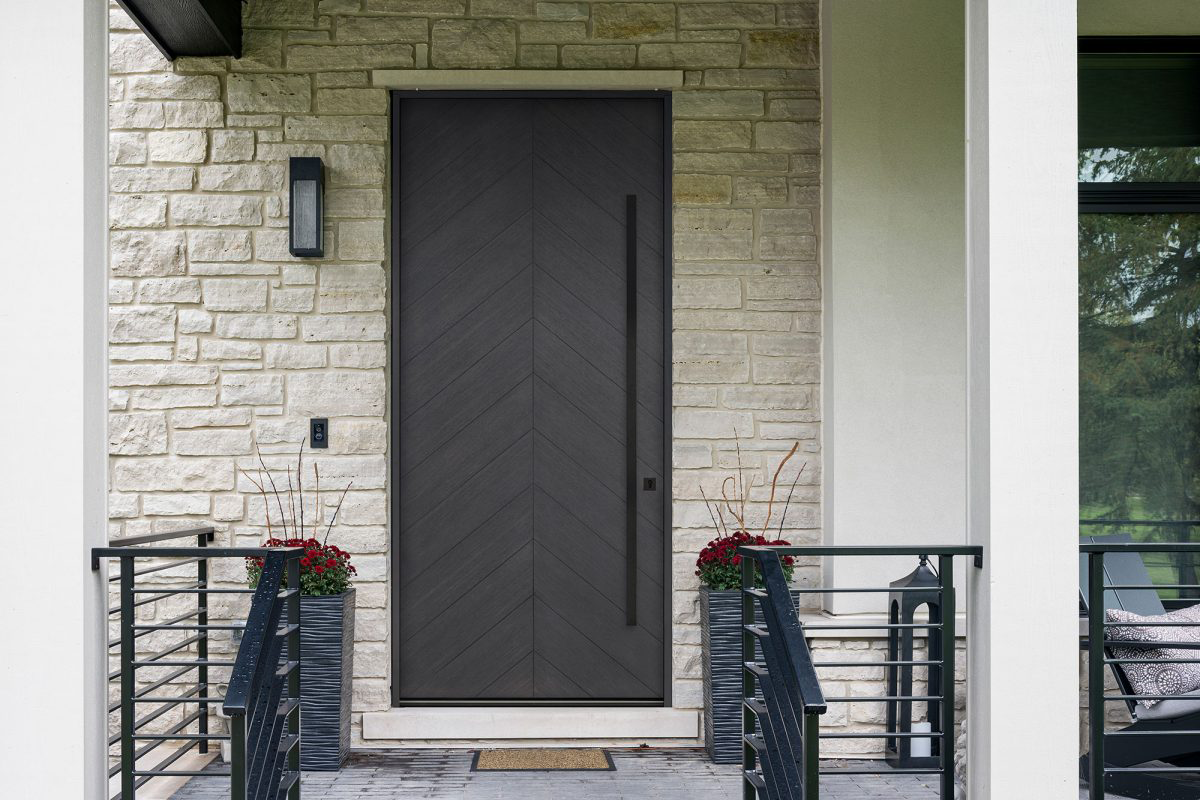
What is the difference between a pivot door and a hinged door?
Introduction to Pivot Door and Hinged Door
When it comes to choosing the right door for your home or business, understanding the differences between a pivot door and a hinged door is crucial. Both types of doors offer unique features, but they serve different design and functional purposes.
What Are Pivot Doors?
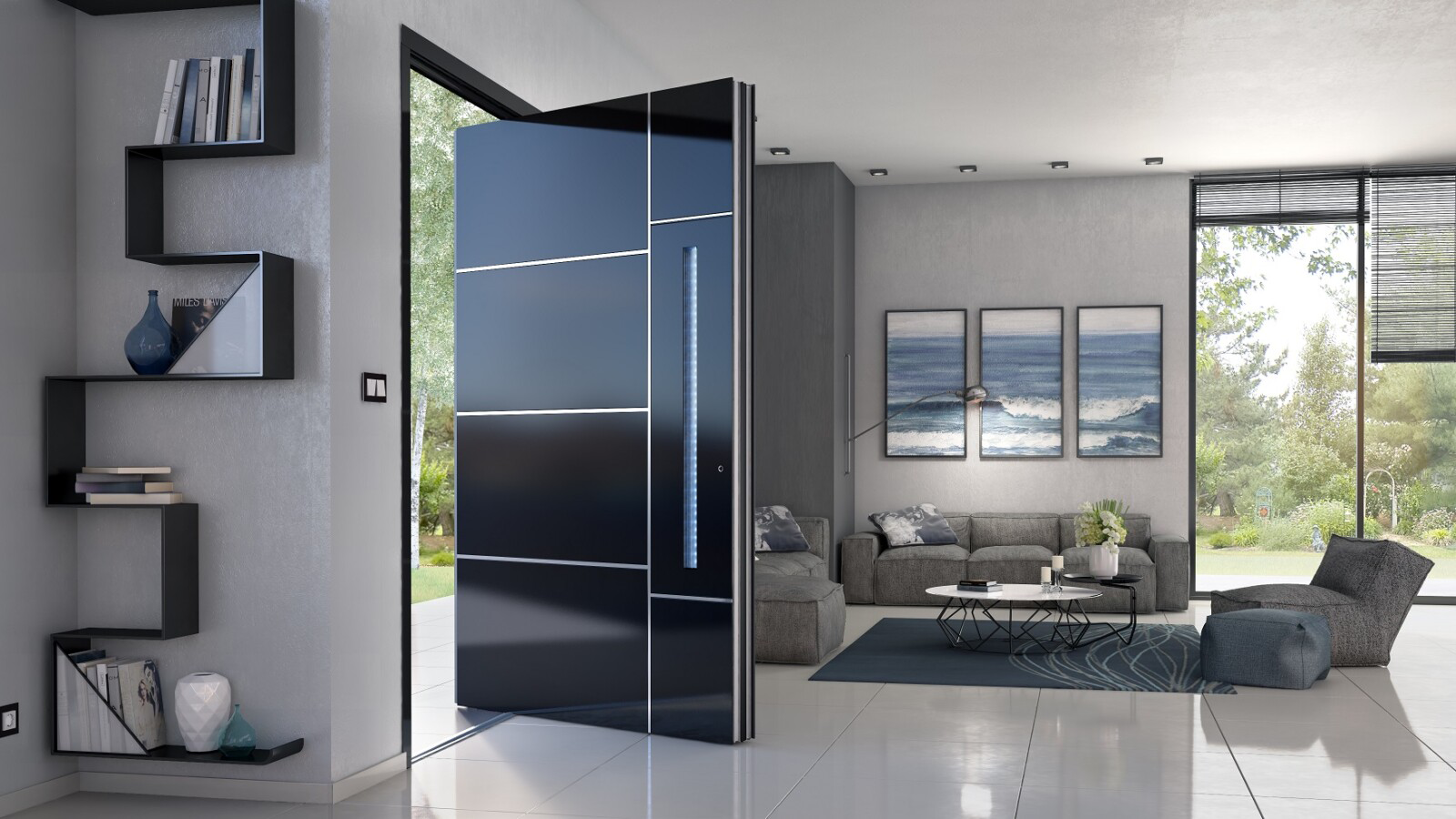
A pivot door is a modern door design that rotates on a single point or “pivot” instead of traditional hinges. Unlike hinged doors, which open in a conventional way, pivot doors swing on a center pivot point at the top and bottom of the door frame. This creates a smooth, effortless motion and allows the door to swing freely, often with minimal effort.
Pivot doors are often seen in contemporary and high-end designs. They’re known for their sleek, minimalist look and can be made from a variety of materials, such as wood, glass, or metal. The ability to create large, unbroken panels makes them a popular choice for modern homes and commercial buildings, where large entryways are common.
The design of a pivot door makes it ideal for wide openings, offering a unique focal point in the architecture. The smooth, quiet operation and the visual impact of a pivot door can elevate the style of any room or entrance.
Pivot doors are also highly customizable. Whether you’re looking for a door that makes a statement or one that blends in with the surroundings, pivot doors can be adapted to fit your aesthetic and functional needs.
What Are Hinged Doors?
Hinged doors are the classic door style most of us are familiar with. These doors swing open and closed using two or more hinges that are mounted along the side of the door frame. The door is attached to the frame at a single vertical point, and it opens in a standard, predictable manner. Hinged doors are widely used in homes, offices, and even commercial spaces.
While the functionality of a hinged door is simple, it’s also incredibly reliable. Hinged doors are cost-effective, easy to install, and widely available. You can find them in many different materials and finishes, ranging from traditional wood to modern metal or glass.
One of the advantages of hinged doors is their versatility. They come in various styles, sizes, and shapes, making them a suitable choice for almost any room in your home or office. Hinged doors also tend to be easier to maintain than pivot doors, as the mechanism is simpler and less likely to require specialized care.
However, hinged doors do have limitations. They typically require more space to swing open fully, which can be an issue in tighter spaces. Additionally, larger hinged doors can be heavier and harder to operate compared to pivot doors, especially if the hinges are not installed properly.
Key Differences Between Pivot Door and Hinged Door
When it comes to the mechanics of pivot doors and hinged doors, the difference is fundamental. Understanding how each door operates helps you decide which is the best fit for your needs.
Door Mechanism: Pivot vs. Hinges
The primary difference between pivot doors and hinged doors is their door mechanism. While both open and close, the way they do so is what sets them apart.
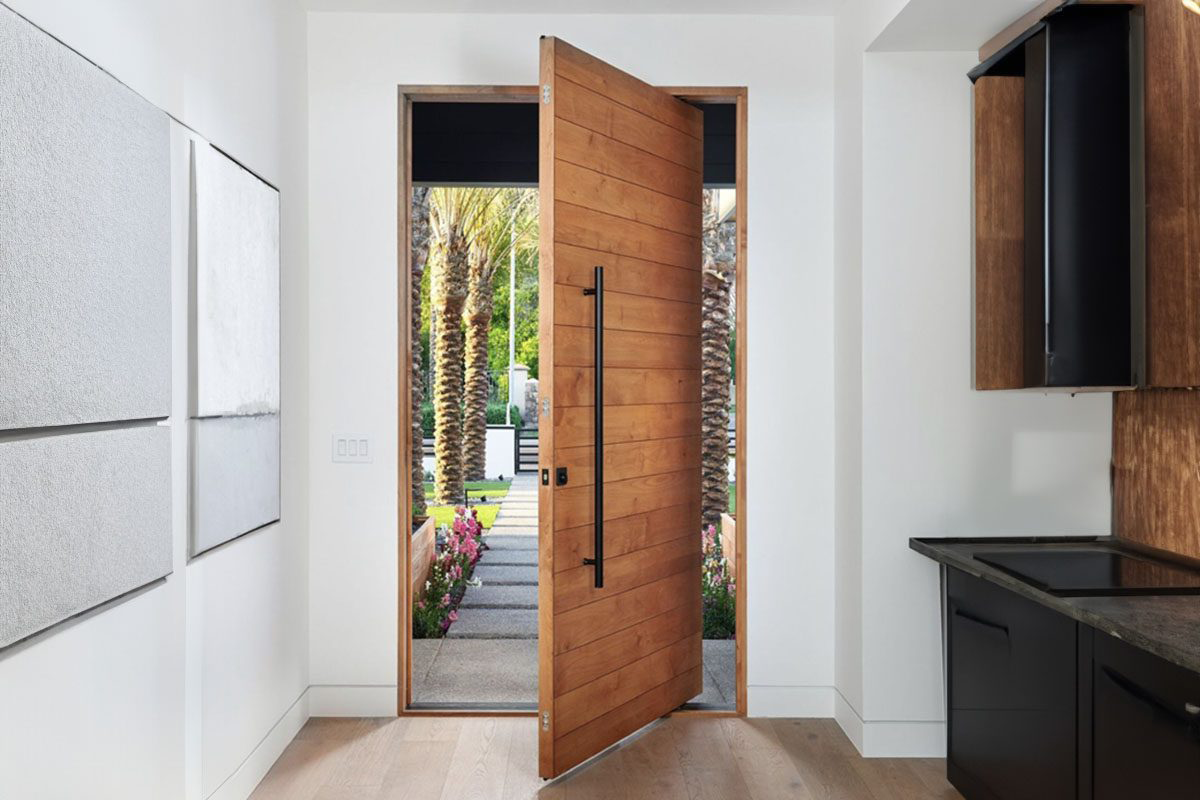
Pivot doors have a unique mechanism. Instead of the typical hinge system, pivot doors rotate on a central pivot point, often located at the top and bottom of the door. This creates a seamless opening and closing motion, as the door swings from a central axis. The pivot mechanism allows for a smooth and almost effortless operation, which is ideal for large or heavy doors.
On the other hand, hinged doors rely on traditional door hinges, which are attached along one side of the door frame. The hinges allow the door to swing open and closed in a fixed arc. This is the most common door mechanism used in homes and businesses today. Hinged doors generally open in one direction, creating a more predictable movement compared to the flexible motion of a pivot door.
How Pivot Doors Operate Differently from Hinged Doors?
A pivot door operates quite differently from a hinged door due to its unique design. Rather than swinging from one side as hinged doors do, pivot doors rotate around a central point. This allows them to open with minimal space required on either side, making them an excellent choice for modern or large spaces where traditional hinged doors might feel cramped or restricted.
Because pivot doors rotate on a central point, they offer smoother motion, especially when dealing with heavy materials. The weight of the door is evenly distributed around the pivot, which reduces strain on the door frame and hinges (or pivot mechanism). This makes pivot doors less prone to wear and tear compared to hinged doors, where the hinges can suffer from rust or misalignment over time.
Hinged doors, in contrast, are simpler in operation. They open by swinging outward or inward on a hinge, which is usually fixed on one side of the door. The number of hinges typically determines the weight the door can support, and too many hinges can cause unnecessary wear on the frame. Moreover, the limited space required for the swing arc can sometimes be a disadvantage in smaller rooms or areas with restricted space.
Visual Explanation of Pivot Point vs. Traditional Hinges
Visually, the difference between the pivot point of a pivot door and the hinges of a traditional hinged door is quite apparent. With a pivot door, the door is attached at a single point, typically at the top and bottom. This allows for a larger, uninterrupted surface area on the door itself, giving it a sleek, minimalist appearance. The pivot point is usually hidden, making the door appear to “float” or swing freely, adding to its modern aesthetic.
In comparison, a hinged door has visible hinges attached along one vertical side of the door. These hinges are typically placed at intervals, and as the door opens, the hinges clearly show how the door swings back and forth. While hinged doors can also be stylish, they often show the hardware more prominently, which can detract from a minimalist or modern look.
The design of pivot doors gives them an edge in larger, open spaces, as they create an uninterrupted flow of space with fewer visible mechanical components. Meanwhile, hinged doors work well in more traditional settings where functionality and classic design are key, and the appearance of hinges can be a natural part of the door’s design.
Aesthetic Appeal: Modern vs. Traditional Styles
With years of use, your front door may show signs of wear and tear, indicating it’s time for replacement. In this section, we’ll discuss common signs that your front door needs replacing due to wear.
Why Pivot Doors Are Often Seen as More Modern and Sleek?
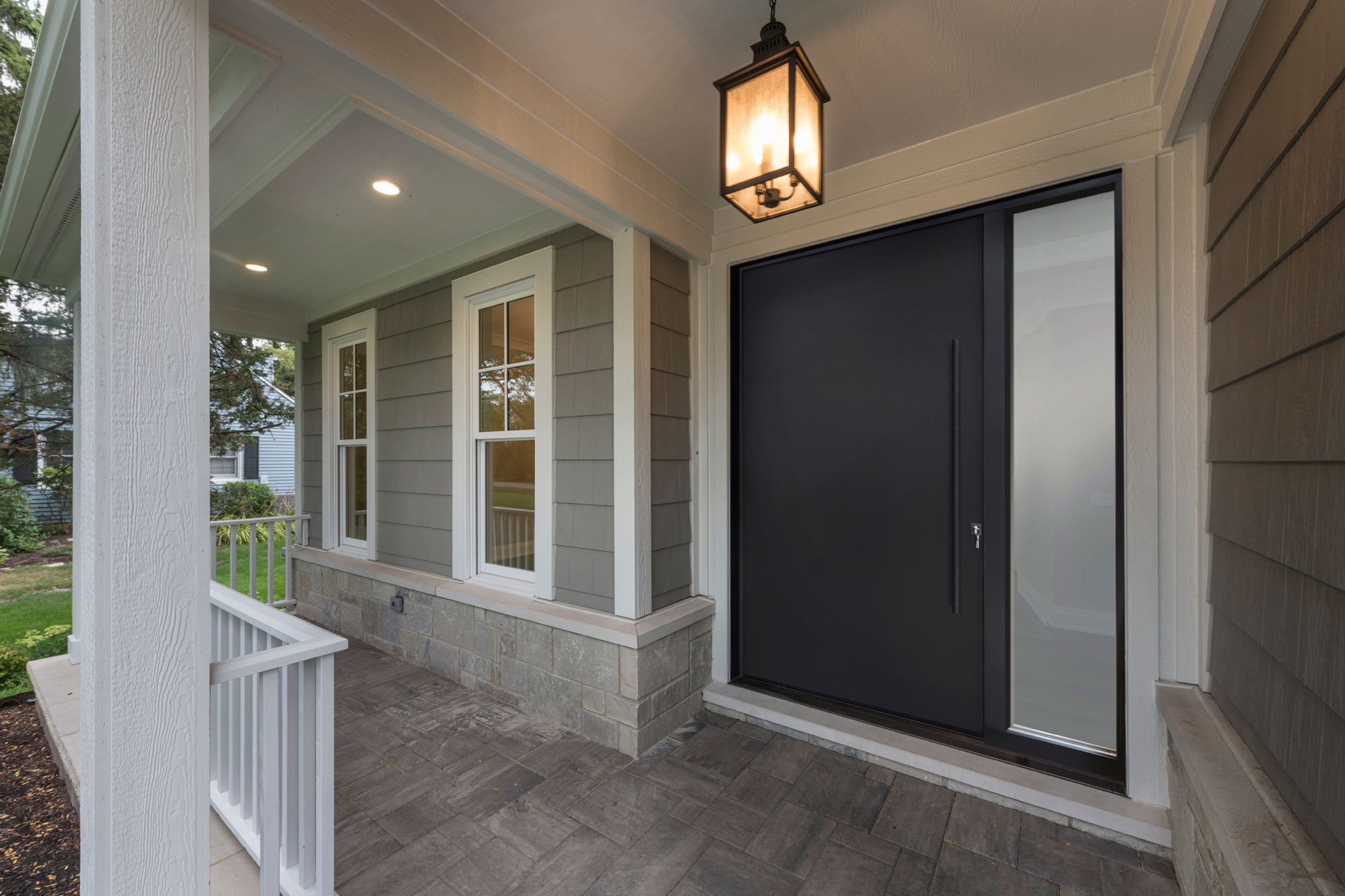
Pivot doors are often seen as the epitome of modern design. The way they work—opening from a central pivot point rather than along a traditional side hinge—allows for larger, uninterrupted panels. This gives pivot doors a clean, sleek, and contemporary look, ideal for spaces with a minimalist vibe. They are perfect for modern homes, commercial buildings, or any space that emphasizes smooth lines and high-end finishes.
One of the main reasons pivot doors are considered more modern is their ability to blend with contemporary architectural elements seamlessly. For instance, pivot doors often come in large sizes and can be made with unbroken materials, like large glass panels or solid metal, which creates a bold, sophisticated aesthetic. The lack of visible hinges or hardware makes the door appear as if it’s floating or effortlessly gliding open, which enhances its sleek, minimalistic appearance.
The minimalist design of pivot doors also allows them to fit into more open-plan environments where traditional hinged doors may feel out of place. With their ability to make a dramatic statement without dominating the space, pivot doors are often the go-to choice for people looking to add a touch of luxury and modernity to their homes or businesses.
Hinged Doors’ Classic Appeal and Designs
On the other hand, hinged doors offer a classic and timeless appeal. These doors have been around for centuries and have remained popular due to their simple, reliable, and versatile design. Hinged doors are often seen in more traditional settings, offering a sense of familiarity and comfort. They fit seamlessly into various interior styles, from rustic to traditional, and even transitional spaces.
The design of hinged doors often features visible hinges, which add a distinct, functional touch to the overall look. While pivot doors are all about clean lines and minimalist looks, hinged doors bring character through their mechanical simplicity. Many homeowners appreciate this traditional aspect, especially when looking to create a warm, welcoming feel in a space.
In terms of design, hinged doors can be customized to suit many different styles, from ornate wood carvings in more classical homes to sleek modern finishes that blend into more contemporary settings. The wide range of available finishes, sizes, and styles means that hinged doors are incredibly adaptable to different home aesthetics, whether you are decorating a cozy cottage or a grand traditional home.
Space and Functionality Considerations
Space is often a critical factor when deciding between a pivot door and a hinged door. While both doors serve the same basic function, they behave quite differently in how they operate, especially when it comes to opening and closing. The way each door swings or pivots can make a big difference in how much room you have to move around, especially in smaller areas.
How Pivot Doors Save Space and Provide More Flexibility in Design?
Pivot doors are often the ideal solution when space is limited or when you want to create a more open, flexible layout. Unlike hinged doors, which need clear space to swing open fully, pivot doors rotate from a single pivot point located at the top and bottom of the door. This means they don’t require as much clearance on either side of the doorframe.
In smaller rooms, pivot doors can be particularly beneficial because they don’t obstruct the flow of space. They don’t need a wide arc to swing open, which is common with hinged doors. This allows furniture and other elements to stay closer to the doorframe without interfering with the door’s movement. Pivot doors can open in smaller spaces and still provide a full opening, making them ideal for narrow hallways or smaller rooms where every inch counts.
Furthermore, pivot doors offer more design flexibility. Since they don’t rely on hinges or a fixed opening direction, they can be placed in various orientations to fit the aesthetic and functional needs of the space. For example, a pivot door can be installed to open inward, outward, or even at an angle, depending on how the space is configured. This flexibility allows architects and designers to get creative with their layout, making pivot doors a great choice for contemporary spaces where design and functionality need to work hand in hand.
Hinged Doors: Pros and Cons in Smaller Spaces
Hinged doors are the traditional choice, and while they work well in many settings, they can pose challenges in smaller spaces. One of the main drawbacks is that hinged doors require enough space to swing open. In tighter areas, you may need to leave enough room for the door to open, which can limit your design options fully. Furniture placement, for instance, may be affected, and certain areas may feel cramped if the hinged door has to swing freely.
That said, hinged doors do offer some benefits, even in smaller spaces. They are simple, easy to install, and don’t require the same level of specialized hardware that pivot doors do. In some cases, hinged doors can even be mounted with bi-folding mechanisms or sliding options to reduce the swing space needed, which can work well in compact areas.
However, if you’re working with a truly limited amount of space and need to optimize every corner, pivot doors are usually the better choice. They allow for a more open, airy feeling in a room, while hinged doors may restrict movement due to their swing arc. Additionally, large hinged doors can feel heavy and awkward in smaller rooms, which may make them less suitable for tight spaces.

Performance: Durability, Maintenance, and Security
When choosing a door, durability, longevity, and maintenance are key factors to consider. Whether you’re selecting a pivot door or a hinged door, both types offer distinct advantages in terms of performance.
Durability and Longevity: Which Door Lasts Longer?
The longevity of a door depends on several factors, including the materials used, how the door is maintained, and the type of door mechanism. Pivot doors and hinged doors both have the potential to last a long time, but there are key differences that can impact their durability.
Pivot doors are often designed for high-end, modern spaces, and they tend to be built with durable materials such as heavy-duty metal and high-quality wood. These doors are designed to handle weight more evenly, as the pivot mechanism distributes the load across the top and bottom of the door. This even distribution can reduce stress on the door frame and prevent wear and tear over time. As a result, pivot doors are often highly durable, especially when made from materials like solid wood or metal that are resistant to bending and damage.
On the other hand, hinged doors also come in a variety of materials, but they can be more prone to wear at the hinge points. The hinges themselves can wear out over time, especially if the door is heavy or frequently used. If the hinges are not maintained or replaced regularly, this can cause the door to misalign, making it harder to open and close. However, hinged doors are still very durable, especially when made from solid materials like oak or steel.
Material Choices for Both Types of Doors and Their Impact on Durability
Material plays a critical role in the durability of both pivot doors and hinged doors. Pivot doors are often constructed from materials that can support their large, heavy design. Common materials for pivot doors include:
- Solid Wood: High-quality woods like oak, walnut, and mahogany are popular for pivot doors. They are naturally sturdy and resistant to wear, but they require regular maintenance to prevent warping.
- Metal: Steel and aluminum are often used for pivot doors in modern commercial settings. These materials are incredibly durable, resistant to weathering, and can support heavier door panels without warping.
Hinged doors, while also available in similar materials, are generally designed to be lighter and rely on the hinge mechanism for support. Here’s how material choice affects their durability:
- Wood: Just like pivot doors, hinged doors made from solid wood can last for many years. However, over time, the hinges may begin to loosen if the wood warps or shifts. Regular care is needed to keep the door functioning smoothly.
- Steel: These materials are highly durable and are often used in hinged doors for exterior use, such as entry doors. They offer better resistance to the elements but may require special care to prevent dents or scratches.
Ease of Maintenance: Pivot vs. Hinged Doors
The maintenance of both pivot doors and hinged doors is relatively simple, but each has its own set of tasks to keep it functioning optimally. Pivot doors, with their modern design, often require less frequent attention compared to hinged doors, which are more traditional in design.
Pivot doors are built with a minimal number of moving parts, which makes them relatively low-maintenance. The most important aspect of maintaining a pivot door is ensuring that the pivot mechanism (usually located at the top and bottom of the door) stays well-lubricated. This helps to ensure smooth movement and prevents the door from becoming difficult to open or close. Regular checks on the door frame and the pivot point are essential, as these parts bear the weight of the door. Aside from this, pivot doors generally don’t have many other components that require maintenance.
In contrast, hinged doors may require more regular attention, especially when it comes to the hinges themselves. Over time, hinges can become loose, worn, or rusted, especially on hinged doors that are exposed to the elements. It’s important to tighten and lubricate the hinges to prevent them from squeaking or stiffening up. For wooden hinged doors, you’ll also need to regularly check for any warping, as changes in temperature and humidity can cause the wood to expand or contract. Additionally, because hinged doors often have more parts (such as multiple hinges), they might need more frequent checks to ensure everything is aligned properly.

Ease of Maintenance: Pivot vs. Hinged Doors
The maintenance of both pivot doors and hinged doors is relatively simple, but each has its own set of tasks to keep it functioning optimally. Pivot doors, with their modern design, often require less frequent attention compared to hinged doors, which are more traditional in design.
Pivot doors are built with a minimal number of moving parts, which makes them relatively low-maintenance. The most important aspect of maintaining a pivot door is ensuring that the pivot mechanism (usually located at the top and bottom of the door) stays well-lubricated. This helps to ensure smooth movement and prevents the door from becoming difficult to open or close. Regular checks on the door frame and the pivot point are essential, as these parts bear the weight of the door. Aside from this, pivot doors generally don’t have many other components that require maintenance.
In contrast, hinged doors may require more regular attention, especially when it comes to the hinges themselves. Over time, hinges can become loose, worn, or rusted, especially on hinged doors that are exposed to the elements. It’s important to tighten and lubricate the hinges to prevent them from squeaking or stiffening up. For wooden hinged doors, you’ll also need to regularly check for any warping, as changes in temperature and humidity can cause the wood to expand or contract. Additionally, because hinged doors often have more parts (such as multiple hinges), they might need more frequent checks to ensure everything is aligned properly.
How Maintenance Needs Differ for Each Type?
The maintenance needs for pivot doors and hinged doors differ mainly due to the design and operating mechanism of each.
For pivot doors, the key area of focus is the pivot mechanism, which is typically located at the top and bottom of the door. This part needs to be kept clean and well-lubricated to ensure smooth opening and closing. You may also want to check that the door remains level and that there is no undue strain on the frame. Since pivot doors typically have fewer moving parts, there’s less wear and tear to worry about, making them generally easier to maintain than hinged doors.
For hinged doors, maintenance requires more attention to multiple parts, particularly the hinges and the door frame. Hinges on hinged doors are subject to more wear because they bear the weight of the door and are in constant motion. Regular lubrication and tightening are needed to prevent rust and ensure the door opens and closes smoothly. Also, if the door is wooden, you may need to refinish or re-seal it periodically, especially if it’s exposed to changes in humidity or temperature. Over time, hinged doors can also become misaligned, requiring adjustments to the hinges or frame to restore proper operation.
Common Issues for Both Door Types
While pivot doors and hinged doors are both durable, they are still prone to certain common issues over time. For pivot doors, common issues include:
- Wear on the pivot mechanism: If the pivot point isn’t lubricated or maintained, it can lead to stiffness, making the door difficult to open or close smoothly. This is especially common for heavier pivot doors.
- Misalignment: Over time, pivot doors can become misaligned due to the settling of the building or frame. Regular checks can help identify any movement early on.
- Frame Wear: The frame around the pivot door may experience some wear, especially if it’s made from wood or a material that can shrink or expand with changes in temperature or humidity.
For hinged doors, common issues include:
- Rust and Corrosion on Hinges: Especially for hinged doors exposed to the outdoors, hinges can rust, causing the door to stick or become harder to open. Regular maintenance of the hinges, such as oiling and rust prevention, can help prevent this.
- Door Misalignment: Over time, hinged doors can sag due to the weight of the door, causing them to no longer close properly. This is particularly common in heavier wooden doors. This issue is easily fixed by adjusting the hinges or replacing them if necessary.
- Warping: Wooden hinged doors can warp if exposed to excessive moisture or heat, causing the door to become misaligned or difficult to operate. Regular treatment and sealing can prevent this issue.
Security Features: Which Is Safer?
Both pivot doors and hinged doors can be designed to meet high-security standards, but the way they function and the materials they’re made from can affect their overall security.
Strength and Security Considerations with Pivot Doors vs. Hinged Doors
Pivot doors offer a unique design that enhances their strength and security. Since pivot doors rotate around a central pivot point, they are typically heavier and more solid than traditional hinged doors. This makes them harder to break into or force open. The pivot mechanism itself is often hidden within the door frame, which means it’s less vulnerable to tampering compared to hinged doors, where the hinges are often visible and can be targeted.
Another security advantage of pivot doors is that they typically use high-quality materials, such as steel, solid wood, or reinforced glass. These materials can withstand impact and provide a higher level of protection compared to the lighter materials that are often used in hinged doors. Additionally, the weight of a pivot door can make it harder for intruders to force open, especially when paired with strong locks and security hardware.
However, hinged doors still offer excellent security features, especially when properly installed with high-quality hinges, locks, and frames. Hinged doors are commonly used in entryways and are available in a variety of materials, such as solid wood, steel, and fiberglass, all of which can offer strong protection against break-ins. The most common security concern with hinged doors is that the hinges, being on the outside of the door, are more exposed and can be compromised. To prevent this, hinged doors can be fitted with anti-tamper hinges or reinforced strike plates to make them more secure.
In terms of locking mechanisms, both pivot doors and hinged doors can be equipped with advanced security features, such as deadbolts, multi-point locks, and smart locks. Pivot doors may offer a slight advantage here, as the pivot mechanism can be integrated with high-security locking systems, making it harder for anyone to bypass the locks.
Cost and Installation: Which One Is More Affordable?
When deciding between a pivot door and a hinged door, cost is an important consideration. Both types of doors offer unique benefits, but their pricing can vary significantly based on materials, complexity, and installation. Let’s break down the costs associated with both pivot doors and hinged doors so you can make a well-informed decision that fits your budget.
Initial Cost Differences: Pivot vs. Hinged Doors
The initial cost of a pivot door is typically higher than that of a hinged door. This price difference is mainly due to the design, materials, and installation complexity involved in making and installing pivot doors.
Pivot doors are often made from high-quality materials such as solid wood, metal, or reinforced glass, which can add to their overall cost. Additionally, the pivot mechanism itself is more complex than the simple hinge system of a hinged door, requiring specialized hardware. These factors make pivot doors more expensive upfront compared to traditional hinged doors.
In contrast, hinged doors are generally more affordable, especially when made from standard materials like wood, steel, or fiberglass. The design and construction are simpler, and the door’s mechanism (the hinges) is less costly to manufacture and install. Hinged doors are more commonly available and come in a variety of price ranges, which makes them a more budget-friendly option for most homeowners and businesses.
Cost Comparison Based on Materials, Complexity, and Installation
When comparing costs, several factors come into play, including the materials used, the complexity of the door’s mechanism, and the installation process.
Materials:
Pivot doors are often made from premium materials, such as solid hardwoods like oak, walnut, or mahogany, which tend to be more expensive. If you opt for a pivot door with glass or metal panels, the price can rise further due to the materials’ cost and the need for specialized construction.
Hinged doors are available in a wider range of materials, from standard wood to more affordable options like MDF or steel. While you can certainly find high-end hinged doors, they are usually cheaper in their basic forms.
Complexity:
The pivot door design is inherently more complex. The pivot mechanism requires precise installation to ensure smooth operation. The weight distribution on a pivot door is different from that of a hinged door, which adds to the door’s overall structural complexity.
Hinged doors, on the other hand, have a simpler design with standard hinges, which makes them easier and less costly to produce.
Installation:
Installing a pivot door requires specialized expertise. The door must be properly aligned with the pivot point, and the frame needs to support the heavier and more intricate mechanism. This typically means higher installation labor costs.
Hinged doors are much easier to install, which makes their installation costs lower. Most contractors are familiar with the installation process, and the materials are often more readily available, contributing to quicker and more affordable setup.
Installation Process: Complexity and Time
The installation process for both pivot doors and hinged doors can differ significantly, mainly due to the design and mechanism of the door itself. While hinged doors follow a traditional and straightforward method, pivot doors have a more complex installation process. Let’s break down how each type of door is installed and what makes pivot doors more involved.
Discuss the Installation Process for Both Types of Doors
For hinged doors, the installation is typically quicker and more straightforward.
- Frame Setup: A standard frame is prepared with spaces for hinges on the side. The frame is usually square or rectangular, making it easy to fit a hinged door.
- Hinge Attachment: The hinges are attached to both the door and the frame. These hinges allow the door to swing open and closed along the side of the frame.
- Adjustments and Alignment: Once the door is hung, minor adjustments are made to ensure that it opens and closes properly. This is usually a simple process, as long as the frame and hinges are properly aligned.
- Final Checks: After installation, the door is tested to ensure it swings smoothly and aligns well with the frame. Any necessary adjustments are made to ensure it operates correctly.
In contrast, installing a pivot door involves more steps due to its unique design:
- Custom Frame and Pivot Mechanism: Unlike hinged doors, pivot doors require a custom frame that can support the pivot points. These doors typically rotate from a central point at the top and bottom, which requires more precise alignment.
- Heavy-Duty Materials: Since pivot doors are often larger and heavier than hinged doors, the materials used, such as metal or solid wood, require more robust framing to ensure proper support.
- Installation of Pivot Points: The pivot points, usually located at the top and bottom of the door, must be carefully positioned. These points need to be perfectly aligned to ensure smooth and effortless operation.
- Fine-Tuning: After the door is mounted on the pivot system, it requires fine-tuning. The door must be leveled correctly and tested to ensure it swings smoothly without rubbing or dragging. This can take additional time and effort compared to hinged doors, which typically require fewer adjustments.
How Pivot Doors Might Require More Specialized Installation?
The pivot door installation process is more specialized for several reasons:
- Custom Pivot Mechanism: Pivot doors require a pivot system that is often custom-made or designed for each specific door. The pivot mechanism is more intricate than the standard hinges used in hinged doors, and it requires careful installation to ensure that the door operates smoothly without issues.
- Alignment and Weight Distribution: The pivot door relies on a central pivot point, which must be perfectly aligned to distribute the weight evenly. If the pivot points are not installed correctly, the door may not function properly, or it could cause damage to the frame or the door itself. This alignment process demands precision, which can add to the time and cost of installation.
- Heavier Materials and Precision Work: Since pivot doors often use heavier materials like metal or solid wood, the installation process requires more care in handling. The weight and size of the door can make it more challenging to lift and position, requiring additional manpower or specialized tools.
- Advanced Tools and Expertise: Because of the unique nature of the pivot door installation, it often requires professional installers with experience in handling these kinds of doors. They need to have the right tools to install the pivot mechanism and align everything perfectly. This specialized knowledge adds to the cost of installation.
When to Choose a Pivot Door Over a Hinged Door?
Choosing between a pivot door and a hinged door depends on the style, functionality, and design needs of your home or space.
Choosing a Pivot Door for Modern Homes
Pivot doors are often the go-to choice for contemporary homes looking to make a bold statement. Their sleek, minimalist design and unique functionality set them apart from traditional hinged doors. If you’re looking for a door that not only serves a functional purpose but also enhances the overall aesthetic of your home, a pivot door might be exactly what you need.
Why Pivot Doors Are Ideal for Contemporary Design?
A pivot door is often considered the perfect addition to a modern home because of its clean lines, high-end materials, and seamless operation. Unlike hinged doors, which are often more traditional in design, pivot doors are built with large, uninterrupted panels that can be made from wood, metal, or glass. This creates a sleek, contemporary look that fits perfectly in open-concept spaces, which are common in modern architecture.
The most noticeable feature of pivot doors is their ability to create a stunning visual impact. The large, single-panel design draws attention, making the door a focal point of the room or entrance. Whether it’s a grand front entrance or an interior door separating rooms, a pivot door adds a touch of luxury and sophistication to any space.
In addition to their aesthetic appeal, pivot doors offer a modern, minimalist function. They open with a smooth, effortless motion due to their central pivot mechanism. This is not only practical, but it also reinforces the clean, streamlined look of the door. The simplicity of the mechanism means there are fewer moving parts to maintain, which contributes to their durability and ease of use.
For contemporary homes with open spaces and high ceilings, a pivot door works especially well because it can handle large, heavy panels without compromising stability. The large scale of pivot doors complements the open, airy feeling that many modern homes strive to create, while the simplicity of the door itself doesn’t overwhelm the space.
Overall, pivot doors are ideal for modern homes because they combine style, function, and durability in a way that perfectly complements the sleek, clean aesthetics of contemporary design. They offer a sophisticated solution that sets modern homes apart, making them a top choice for homeowners looking to enhance their space with a high-end, architectural feature.
When to Stick with Hinged Doors for Classic Settings?
Hinged doors are a timeless choice that works perfectly in classic, traditional settings. While pivot doors are ideal for modern and minimalist designs, hinged doors have an enduring appeal that fits well with a variety of more conventional architectural styles. If your space has a classic or vintage vibe, hinged doors are likely a better match.
Situations Where Hinged Doors Are Better Suited
In certain situations, hinged doors are a practical and aesthetically pleasing choice. Here are some scenarios where hinged doors are better suited:
- Traditional Architecture: If you’re working with a historic or classic home, hinged doors are often the preferred option. Their design and function align perfectly with older architectural styles, such as Colonial, Victorian, or Georgian homes. The simplicity of hinged doors adds a sense of charm and authenticity that is often missing with more modern pivot doors. In these settings, hinged doors can enhance the character of a space without overwhelming it.
- Smaller or More Conventional Spaces: Hinged doors are also ideal for smaller rooms or more compact spaces. Because hinged doors swing open and closed along a fixed side, they are well-suited for spaces where a pivot door’s large, swinging motion might take up too much room. For instance, in hallways or rooms with limited space, hinged doors tend to be easier to work with since they don’t require the same clearance or complex mechanism that pivot doors need.
- Budget Constraints: Pivot doors tend to be more expensive, especially when custom-built or made with high-end materials. On the other hand, hinged doors are a more budget-friendly option. They are readily available in a variety of materials, from wood to steel, and can be found in many price ranges. For those on a budget, hinged doors provide an affordable way to achieve functionality and style without the extra cost associated with pivot doors.
- Simplicity and Reliability: Hinged doors offer a straightforward, reliable solution. They are easy to install, maintain, and repair, especially in more traditional settings. While pivot doors may require specialized installation and maintenance, hinged doors are simpler and don’t require as much attention to the mechanisms. For those who prefer practicality over intricate design features, hinged doors are a solid choice.

Conclusion
Choosing the right door for your home or business can make a significant difference in both the style and functionality of the space. Whether you go with a pivot door or a hinged door, it’s important to consider the specific needs of your space, your budget, and the aesthetic you want to achieve. Both door types have unique features that cater to different preferences and requirements.
Making the Right Choice for Your Home or Business
When deciding between a pivot door and a hinged door, it’s essential to take a step back and assess the overall design of your space. Pivot doors are a great choice for modern homes and businesses, offering a sleek, contemporary look and smooth functionality. They’re perfect for large spaces where a bold, dramatic design can be showcased, or in settings where minimalism is key.
However, hinged doors have their own set of advantages. If you’re working with traditional architecture or need a more budget-friendly option, hinged doors provide reliability, classic design, and simplicity. They’re also ideal for smaller spaces or more conventional settings where ease of use and practicality are paramount.
Ultimately, the right door choice depends on your priorities. Do you want a pivot door to make a statement and fit seamlessly into a modern, open-plan space? Or would a hinged door, with its timeless appeal and cost-effective installation, better suit your needs?
Summary of Differences and Considerations
To summarize the key differences between pivot doors and hinged doors:
- Pivot doors are known for their sleek, modern design, large panels, and smooth, effortless operation. They’re ideal for contemporary and high-end spaces where aesthetics and function must align.
- Pivot doors are often more durable and easier to maintain, especially when made from high-quality materials such as solid wood or metal.
- Hinged doors, on the other hand, offer a classic, traditional design that works well in a variety of settings. They are more budget-friendly, easy to install, and available in a wide range of materials. Hinged doors are the go-to option for homes with traditional architecture or spaces where functionality and reliability take precedence.
Relate FAQ
What is a pivot door?
A pivot door is a type of door that rotates around a central pivot point, rather than traditional hinges. It offers a unique, modern aesthetic and allows for larger, heavier door panels without the need for standard hinge support.
What is a hinged door?
A hinged door is a traditional door that swings open and closed using hinges attached to the side of the door frame. Hinged doors are commonly used in most homes and buildings and are known for their simplicity and functionality.
What are the main benefits of a pivot door?
Pivot doors provide a sleek, contemporary design, often making them a striking focal point in a space. They can handle larger sizes and offer smooth, effortless operation with a wider range of materials, making them ideal for modern homes and commercial spaces.
When should you choose a pivot door over a hinged door?
Choose a pivot door when you want a modern, spacious, and unique aesthetic. Pivot doors are also ideal for large openings and spaces where a traditional hinged door may not offer the same visual impact or functional flexibility.
Are pivot doors harder to maintain than hinged doors?
Pivot doors are not necessarily more difficult to maintain than hinged doors, but they do require more attention to ensure that the pivot point and hardware remain in good working condition. Regular lubrication and checking the pivot mechanism will help maintain smooth operation.
Can a pivot door be used for exterior applications?
Yes, pivot doors are commonly used in both exterior and interior applications. Their sturdy design and ability to accommodate larger sizes make them a great choice for front entries and other high-traffic exterior areas.
How long do pivot doors last compared to hinged doors?
Pivot doors typically have a longer lifespan than hinged doors due to their design, which minimizes wear and tear on the hardware. With proper care, pivot doors can last for many years, especially in high-end applications.