What is the difference between pocket door and sliding door?
What Are Pocket Doors and Sliding Doors?
Definition of a Pocket Door
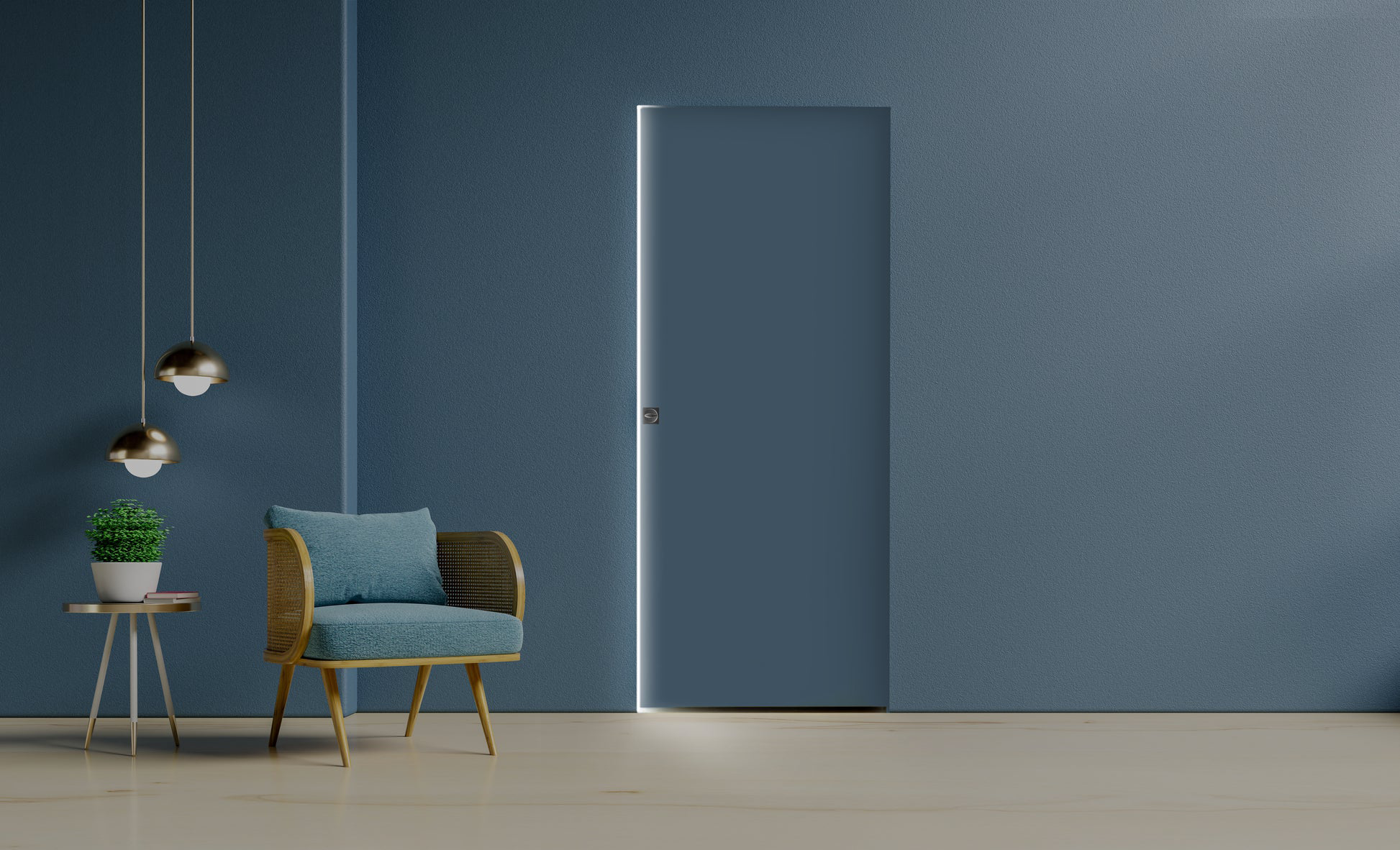
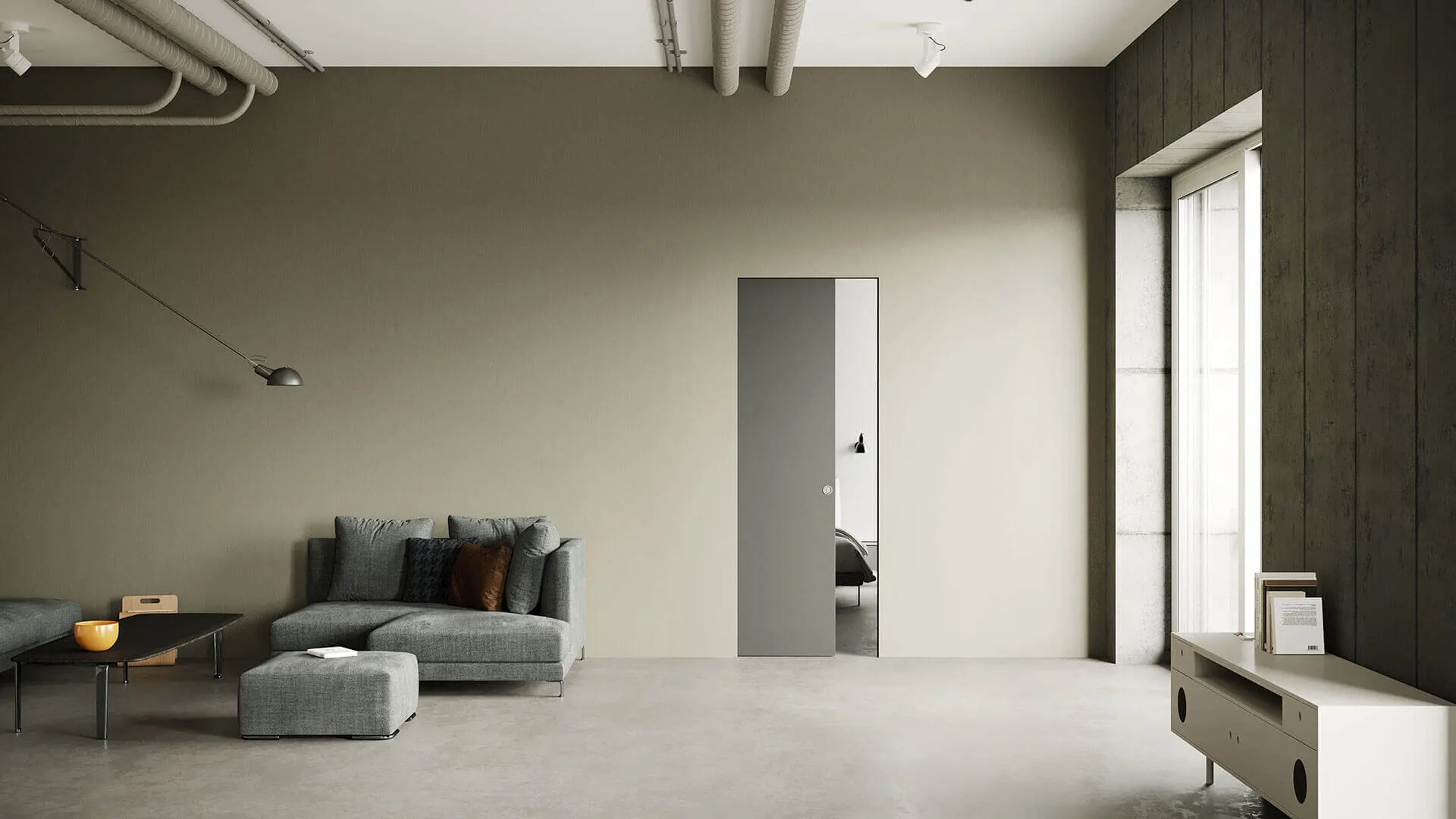
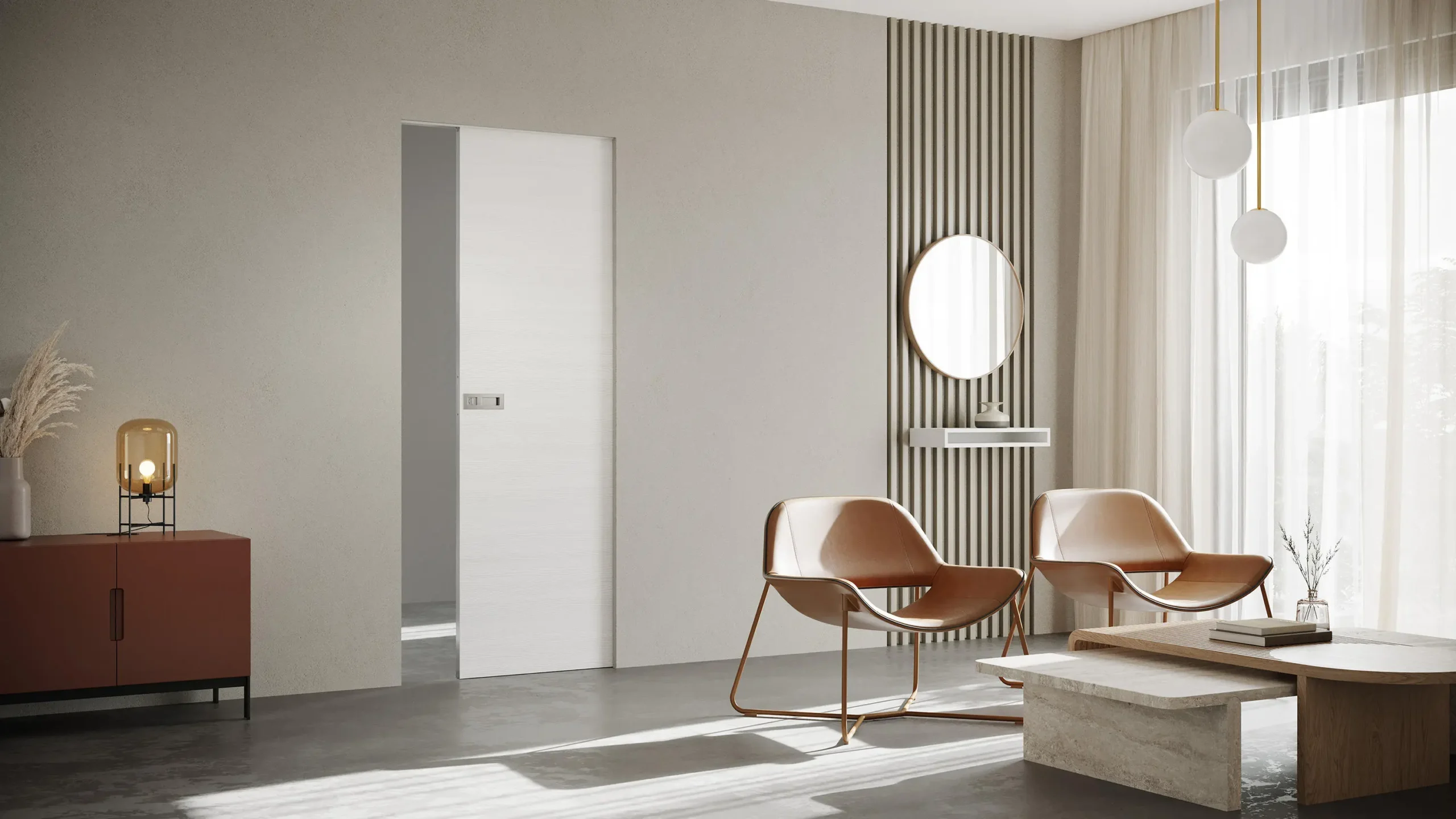
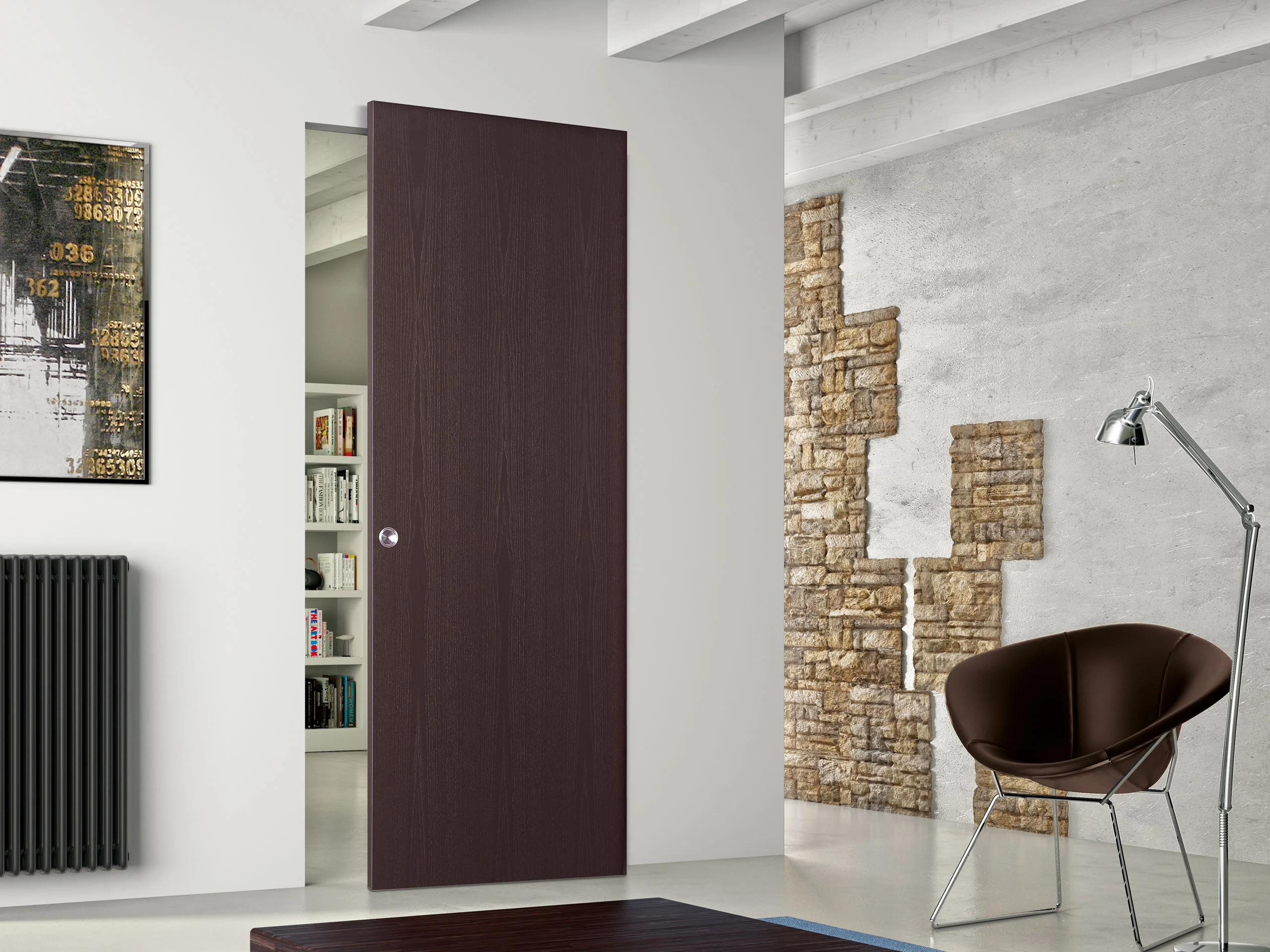
A pocket door is a type of sliding door that slides into a concealed pocket within the wall when open. Unlike traditional doors that swing open, pocket doors provide a space-saving solution by disappearing into the wall when not in use. This makes them perfect for areas where space is limited, such as small rooms, bathrooms, or even closets. In essence, a pocket door is a sliding door with an added feature: it completely disappears into the wall, creating an invisible transition between spaces.
Sliding doors, in contrast, are a broader category. They don’t disappear into the wall but instead slide along a track to one side. Both pocket doors and sliding doors serve the same purpose—saving space and improving flow—but they have different designs and installation methods.
How Does a Pocket Door Work?
A pocket door works by sliding along a track system that is hidden inside the wall. The door is mounted on rollers that glide smoothly within the track, which is built into the wall. When you push the door, it slides effortlessly into a “pocket” or cavity that is carved into the wall, making the door completely disappear from view.
This design eliminates the need for swing space, which is common with traditional hinged doors. Unlike sliding doors that move to one side, pocket doors create a completely open doorway when fully extended into the wall. This feature makes pocket doors particularly appealing for spaces where every inch counts—like apartments or small bathrooms where every bit of floor space matters.
Key Features of Pocket Door
1、Space Saving:
Pocket doors are incredibly space-efficient. Because they slide into the wall instead of swinging open, they don’t require extra floor or wall space. In smaller homes, apartments, or offices where space is limited, pocket doors offer a clever way to maximize available room. Unlike sliding doors, which still need some space along the track, pocket doors make use of the entire wall space.
2、Aesthetics:
Pocket doors provide a sleek, modern look. Their hidden nature gives a clean and streamlined appearance to your living space. When closed, a pocket door looks just like a regular wall, adding to the overall aesthetic. This makes pocket doors a great choice if you’re aiming for a minimalist or contemporary style. On the other hand, sliding doors often have a more visible track, which can impact their aesthetic appeal in some designs.
3、Versatility:
Pocket doors are very versatile and can be used in a variety of settings. Whether it’s a bathroom, a closet, or a living room, these doors blend seamlessly into different spaces. While sliding doors work well for areas that require larger openings, pocket doors are especially effective in more confined areas. They can be installed as room dividers or even as entrances to private spaces like bathrooms or home offices.
4、Smooth Operation:
The smooth operation of a pocket door is one of its defining features. When properly installed, the door slides easily and quietly, making it a convenient choice for rooms where a lot of traffic or noise might be an issue. Sliding doors also have a smooth glide, but pocket doors are often quieter because they’re housed inside the wall, protected from the elements, and less likely to get stuck due to external factors like dust or debris.
5、Privacy and Functionality:
Because pocket doors close completely, they offer a high level of privacy. While sliding doors can also provide privacy, the seamless nature of pocket doors adds an extra sense of security and separation between spaces. For example, if you need privacy in a bathroom or bedroom, a pocket door can ensure that the room feels enclosed without taking up additional space.

Definition of a Sliding Door
A sliding door is a door that moves horizontally along a track, instead of swinging open like a traditional hinged door. Sliding doors are often used to save space and create a seamless flow between rooms or indoor and outdoor areas. Unlike pocket doors, which disappear into a wall, sliding doors stay visible even when they are open, sliding along a fixed track to one side.
These doors are commonly seen in patios, closets, and large windows, providing easy access and a modern look. They are a great choice for spaces that require a wide opening, but where there’s not enough room for a traditional door to swing open. Whether in homes or offices, sliding doors can be a practical and stylish addition to any room.
How Does a Sliding Door Work?
A sliding door works by gliding along a track system mounted on the top or bottom of the door frame. The door itself is attached to rollers or wheels that move smoothly along this track when you push or pull it. Most sliding doors are designed with a handle or a pull bar to make opening and closing easier.
When the door is closed, it sits flush against the wall, and when you open it, the door slides to one side, revealing the space behind it. Unlike pocket doors, which disappear into a wall, sliding doors remain on the track and occupy part of the room or wall space. Some sliding doors even come with multiple panels that can slide open in both directions, offering greater flexibility in how the space is used.
Key Features of Sliding Door
1、Space Efficiency:
One of the main benefits of sliding doors is their space-saving nature. Because they don’t swing open, they don’t require additional clearance in front or behind the door. This is especially helpful in smaller spaces where floor area is precious. Although sliding doors don’t disappear into the wall like pocket doors, they still save room by allowing for wide openings without using up floor space.
2. Easy Access and Convenience:
Sliding doors are easy to operate, providing quick access to rooms, patios, and other spaces. They typically slide along a smooth track, making them easier to open and close than traditional hinged doors. This makes sliding doors ideal for high-traffic areas or places where a lot of people are coming and going, such as living rooms or kitchens.
3. Aesthetic Appeal:
Sliding doors are often favored for their sleek and modern appearance. With their minimalistic design, they provide a clean, unobstructed look that fits well in contemporary or open-plan homes. Whether framed in wood, aluminum, or glass, sliding doors can add a stylish element to any room. Their ability to create a seamless transition between indoor and outdoor spaces also makes them popular for patios, balconies, and gardens.
4. Natural Light and Views:
Sliding doors are often made of large glass panels, which means they allow more natural light into a room and offer unobstructed views of the outdoors. This can make a room feel brighter and more connected to the exterior environment. For those who want to enjoy a beautiful view or let in more sunlight, sliding glass doors are an excellent option.
5. Durability and Low Maintenance:
Sliding doors are built to last and are relatively easy to maintain. With their smooth-gliding tracks, they require less upkeep compared to traditional hinged doors, which may require more regular adjustments. However, it’s important to clean the track and ensure the rollers are in good condition to avoid any jams. When installed properly, sliding doors are known for their durability and ability to withstand daily use.
6. Privacy and Security:
Sliding doors can be designed with security features like strong locks, shatterproof glass, and reinforced frames. While they provide easy access, these features help ensure that your home or office stays secure. Additionally, sliding doors can offer a good level of privacy when closed, especially if they are fitted with blinds or curtains.
Key Differences Between Pocket Door and Sliding Door
Space Efficiency: Which Door Saves More Space?
When it comes to saving space, both pocket doors and sliding doors are excellent choices, but they serve this purpose in different ways. Choosing the right door depends on how much room you have and what kind of layout you’re working with. Let’s take a closer look at how each type of door uses space.
How Pocket Doors Maximize Space?
Pocket doors are the ultimate space-savers. Unlike traditional hinged doors, which need clearance to swing open, pocket doors slide smoothly into a pocket inside the wall. This means you don’t need to worry about leaving room for the door to swing open, freeing up valuable floor space in smaller rooms.
In areas like bathrooms, closets, or even tiny apartments, pocket doors can make a huge difference. When open, they completely disappear into the wall, leaving a wide, uninterrupted opening. This makes the room feel larger and more open, which is ideal when you’re trying to maximize every inch of space.
For example, imagine a narrow hallway or a small office. A pocket door can be installed without blocking the path, while a traditional door would need to be swung open, taking up precious space. Pocket doors work well in spaces with limited floor area, allowing you to make the most of your room layout without sacrificing function.
How Sliding Doors Occupy Space?
Sliding doors are also space-efficient, but in a different way. While they don’t require any clearance for swinging open, they still need room along the wall to slide. A sliding door glides along a track, typically mounted at the top or bottom, and moves to one side of the room when opened.
While sliding doors don’t use up floor space like hinged doors do, they do require enough wall space for the track. This means that if you have a narrow wall or limited space, a sliding door might not be as effective as a pocket door. In a larger room or where you have ample wall space, however, sliding doors can still save a lot of space by providing a wide opening without taking up too much room in front or behind.
For example, sliding doors are often used for large glass patio doors. They allow easy access to the outdoors while maintaining a sleek and unobtrusive design. But in smaller rooms or hallways, the track needed for a sliding door could take up space on the wall, making it less ideal compared to pocket doors in those areas.

Aesthetic Appeal: Which Door Fits Your Style?
When it comes to the aesthetic appeal of doors, both pocket doors and sliding doors offer unique design opportunities. The choice between these two types of doors can significantly impact the overall look and feel of a room. Whether you’re aiming for a modern, minimalist style or a more traditional, rustic look, both options can suit your needs, but they do so in different ways.
Modern vs. Traditional Looks of Pocket Doors
Pocket doors are often associated with a sleek, contemporary design. When fully open, the door slides neatly into the wall, creating a seamless, almost invisible transition between spaces. This clean and minimalistic look is perfect for modern homes or spaces that focus on open-plan layouts. Pocket doors are especially popular in smaller houses or apartments, where maximizing floor space and creating a clutter-free environment is a priority.
In terms of traditional design, pocket doors can still work beautifully, but they often need to be framed in a way that complements the classic feel of a room. Wooden frames and ornate finishes can give pocket doors a more vintage or traditional appearance, fitting well in older homes with period features. The key here is the pocket door’s ability to hide when open, which can give a room a refined, almost elegant look—ideal for spaces where you want to blend style and functionality.
The versatility of pocket doors allows them to fit seamlessly into both modern and traditional settings. However, in more classic or rustic interiors, you may need to carefully select the door’s material and finish to ensure it matches the overall décor.
Sliding Doors and Their Sleek Design
Sliding doors, on the other hand, are often chosen for their modern, minimalist aesthetic. With large glass panels and clean lines, sliding doors can create a sophisticated, streamlined look. Sliding glass doors in particular are perfect for connecting indoor spaces to outdoor patios, gardens, or balconies. Their ability to bring in natural light and provide expansive views makes them a popular choice for contemporary homes.
The track system of a sliding door is typically visible, which can contribute to a slightly industrial or modern feel. Depending on the material used for the frame—whether it’s aluminum, wood, or a mix—sliding doors can add an industrial edge or a soft, natural touch to a room. The sleek, functional design of sliding doors often fits well in spaces like living rooms, kitchens, or even bathrooms, where you want easy access and a wide, unobstructed opening.
In traditional settings, sliding doors can be used, but they often need to be carefully selected. For instance, wooden frames or frosted glass panels can soften the look of a sliding door, helping it blend with more classic décor. However, sliding doors are most commonly associated with modern, minimalist styles because of their ability to create an open, airy feel.
Privacy and Security: Which One Offers More?
When considering pocket doors and sliding doors, one of the most important factors to think about is privacy and security. Both types of doors offer their unique advantages, but when it comes to keeping a room private or secure, they function in different ways. Let’s break down how each door type impacts privacy and safety.
Privacy Features of Pocket Doors
Pocket doors are often chosen for their ability to create an unobstructed, seamless space. When closed, they offer the same level of privacy as a traditional door. However, because pocket doors slide into the wall, some people worry about the strength of the partition, especially if the wall isn’t built to support the weight of the door.
In terms of privacy, pocket doors offer a good level of seclusion when properly installed. For example, in bathrooms or bedrooms, a well-fitted pocket door will effectively block out noise and visual distractions. Many pocket doors come with additional soundproofing materials, such as thicker door panels or weatherstripping, which can help reduce sound transmission between rooms. This makes them a solid option when privacy is essential in your home.
However, the absence of a visible frame or the way the door slides into the wall could make some people feel that pocket doors are less secure or private than regular hinged doors. That said, with the right materials and a proper installation, a pocket door can still provide the privacy needed for most rooms.
Security Benefits of Sliding Door
Sliding doors, particularly those made of glass, are often perceived as less secure than traditional doors due to their design. The large glass panels may seem like an easy point of entry for intruders, and the visible track system might give the impression that sliding doors are more vulnerable. However, modern sliding doors come equipped with various features to enhance their security.
For one, many sliding doors come with sturdy locks, including multi-point locking systems, which secure the door firmly in place when it is closed. Some sliding doors also have reinforced frames and shatterproof glass, which help prevent break-ins. Additionally, installing a sliding door with laminated or tempered glass can provide added security, as this type of glass is harder to break.
In terms of privacy, sliding doors can also be fitted with frosted or tinted glass, which provides a higher level of seclusion. This makes them a good choice for areas like patios or balconies where you may want to maintain a level of privacy while still enjoying natural light and an open view. However, in some cases, sliding doors can give away more visual access compared to pocket doors, especially if they are made entirely of clear glass.
Advantages and Disadvantages of Pocket Doors
Pros of Pocket Doors
Pocket doors are often seen as a smart solution for various design challenges, especially in smaller spaces. They offer unique advantages that can make a big difference in how a room functions and feels. Let’s dive into some of the key benefits of pocket doors.
Ideal for Small Spaces
One of the standout advantages of pocket doors is how they work wonders in small spaces. In tight rooms where every inch of floor space counts, a pocket door is a perfect choice. Unlike traditional hinged doors that swing open and require extra space to function, pocket doors slide into the wall, completely disappearing when not in use. This eliminates the need for a swing radius, which can be a game-changer for compact areas like bathrooms, closets, or narrow hallways.
In comparison, sliding doors also help save space, but they still need enough wall area for the track system. Pocket doors, however, don’t use up any wall space when they’re open, offering even more flexibility. This makes them ideal for apartments, small homes, or any space where maximizing square footage is a priority.
By installing pocket doors in key areas, you can make rooms feel more open and spacious. For example, in a small bedroom, a pocket door can save the floor space that a swinging door would otherwise take up. Sliding doors, while also space-saving, typically require more visible wall space and are less “invisible” than pocket doors.
Clean, Hidden Look
Another reason pocket doors are so popular is their ability to create a clean, modern, and minimalist look. When fully opened, the door slides into the wall and completely disappears from view. This gives your room a neat, uncluttered appearance, making the door almost invisible. This “hidden” effect is highly desirable in contemporary homes where simplicity and streamlined design are key goals.
The clean look of a pocket door can make a room appear larger and more open. With no visible frame or door swings, the space feels less cluttered and more unified. Whether you’re looking to maintain a minimalist aesthetic or want to make a room feel more spacious, pocket doors are an excellent option.
In contrast, sliding doors are typically visible even when open. They stay on their track, and while they offer a sleek design, they don’t quite have the same “invisible” quality that pocket doors do. The visible track and door frame of sliding doors can make them a bit more noticeable, which might not work well in very minimalist or modern spaces where you want the door to blend into the background.
Cons of Pocket Doors
While pocket doors have a lot of advantages, they come with some challenges, too. Understanding the drawbacks can help you decide whether they are the right choice for your space. Let’s take a look at some of the cons of pocket doors, including higher installation costs and maintenance issues.
Higher Installation Cost
One of the biggest downsides of pocket doors is their higher installation cost compared to other types of doors, such as sliding doors or hinged doors. Installing a pocket door isn’t as simple as installing a standard door because it requires modifying the wall to create the pocket where the door will slide into. This typically means you need to build a new frame, which can be time-consuming and more expensive.
In addition to the structural modifications needed, the hardware for pocket doors—such as tracks, rollers, and the door itself—can also be pricier than standard sliding doors or hinged doors. Sliding doors, by comparison, tend to have a simpler installation process, especially if you already have an existing wall space. Since sliding doors don’t require the same wall modifications, they usually come at a lower overall cost.
For those on a tight budget, the additional costs of installing a pocket door can be a significant factor. Suppose you’re working with a smaller space or a pre-existing home. In that case, it’s important to factor in the added expenses of making the necessary adjustments to your walls and ensuring everything is properly aligned.
Maintenance Challenges
Another disadvantage of pocket doors is the potential for maintenance challenges. Since the door slides into a pocket inside the wall, the track and roller system can accumulate dust, debris, or even get misaligned over time. This can make the door harder to operate smoothly. Unlike sliding doors, which have exposed tracks that are easy to clean, the tracks of pocket doors are hidden inside the wall, making them harder to reach for regular maintenance.
If the door gets stuck or stops sliding properly, it may require professional repair. In some cases, you may need to remove part of the wall to fix the track or rollers. This can lead to higher repair costs and more hassle compared to the relatively low-maintenance nature of sliding doors. For sliding doors, cleaning and maintaining the exposed track is much easier, and if any issues arise, they are usually simpler to address.
Moreover, pocket doors can experience wear on the door itself, especially if the rollers or track are not maintained well. The door may start to sag or become misaligned, which can cause it to not fit properly in its pocket. Regular maintenance, such as ensuring the track is clear and lubricating the rollers, can help prevent this, but it’s something to keep in mind when choosing pocket doors over sliding doors.
Advantages and Disadvantages of Sliding Door
Pros of Sliding Door
Sliding doors have become a popular choice for homeowners and businesses alike, thanks to their many benefits. They offer a smooth, modern, and functional solution for both small and large spaces. Let’s explore some of the key advantages of sliding doors, including easy access and their ability to create a seamless indoor-outdoor connection.
Easy Access and Flow
One of the major advantages of sliding doors is how easy they make it to move between rooms or spaces. Whether you’re entering a room, going out to the garden, or walking through a hallway, sliding doors offer effortless access. Unlike traditional hinged doors that require you to step aside to let them swing open, sliding doors glide smoothly along a track, creating a wide, unobstructed opening with just a gentle push or pull.
This ease of access is especially valuable in high-traffic areas. For example, in a kitchen, living room, or office space where people are constantly moving around, sliding doors provide a fluid transition from one area to another. Additionally, because they don’t need clearance to swing open, they work well in tight spaces where every inch counts. In these situations, sliding doors allow for smoother movement through the space without taking up extra room.
Moreover, the streamlined design of sliding doors helps maintain an open and airy feel in the room. With fewer obstructions in the way, the flow between rooms feels more natural and connected. Whether you’re in a modern home with an open-plan layout or a more traditional space, sliding doors can enhance the overall flow of the area.
Perfect for Indoor-Outdoor Transition
One of the best uses for sliding doors is to create a seamless transition between indoor and outdoor spaces. When you have a backyard, patio, or garden, sliding doors can be an excellent way to merge your indoor living areas with your outdoor environment. Their large glass panels allow natural light to flood the room, making the space feel brighter and more inviting, while also offering unobstructed views of the outdoors.
For homes with patios or balconies, sliding glass doors are especially popular. They can open up a living room or dining area to a backyard, creating an effortless flow between the inside and outside. In the summer, this allows you to easily step out and enjoy the fresh air, while in the winter, the natural light coming through the glass can brighten up your space without sacrificing the connection to the outside world.
In addition to improving the atmosphere, sliding doors can also enhance functionality. By adding screens or choosing specialized glazing, you can keep the outdoors out—preventing insects from entering or providing privacy when needed—while still maintaining an open feel. This makes sliding doors perfect for anyone who wants to enjoy the benefits of outdoor living without compromising on comfort.
Cons of Sliding Door
While sliding doors offer a sleek and space-saving design, they also come with certain limitations. Understanding these drawbacks can help you decide whether a sliding door is the right choice for your space. Let’s explore some of the cons of sliding doors, including the need for adequate wall space and security concerns.
Requires Adequate Wall Space
One of the key disadvantages of sliding doors is that they require enough wall space for the track system. The door slides along a track, either on the floor or mounted on the wall, and this means you need to have enough unbroken wall length to accommodate it. For smaller rooms or spaces with limited wall area, this can be a problem.
Unlike pocket doors, which slide into the wall and completely disappear when open, sliding doors remain visible and occupy part of the wall when open. In smaller homes or apartments where every inch of space is valuable, this can limit where you can install a sliding door. For example, if the wall is already being used for windows or shelving, you may not have enough space to install a sliding door without compromising functionality or design.
In addition, if you want to install a sliding door with multiple panels, you’ll need even more wall space to allow each panel to slide open properly. This can be a significant consideration in homes with narrow corridors or walls that are already occupied.
Can Be Harder to Secure
Another disadvantage of sliding doors is that they can sometimes be harder to secure compared to traditional hinged doors. Sliding glass doors, in particular, are a common choice for outdoor access, but they are often perceived as a weak point in home security due to the large glass panels and the track system. While modern sliding doors come with security features like multi-point locking systems and reinforced frames, they can still be vulnerable if not properly maintained.
The track system itself can sometimes be a point of entry for burglars, especially if the door is not equipped with a high-quality lock. While most sliding doors come with a locking mechanism, it’s crucial to ensure that the track and lock system are sturdy and in good condition. Otherwise, the door could be forced open.
Additionally, since sliding doors usually rely on a single point of locking, they may not provide the same level of security as a traditional hinged door with multiple locking points. To enhance the security of a sliding door, homeowners can install additional security measures, such as adding a security bar on the track or upgrading the locks, but these solutions may not always be as effective as a more secure, traditional entry door.

Pocket Doors vs. Sliding Doors: Which One Should You Choose?
When to Choose a Pocket Door?
When deciding between pocket doors and sliding doors, it’s important to consider your space, aesthetic preferences, and functional needs. While both doors offer sleek, modern designs and help save space, pocket doors are often the better choice in certain situations. Let’s take a closer look at when you should opt for a pocket door in your home.
Ideal Scenarios for Pocket Doors
Pocket doors are a perfect solution for spaces where every inch of floor space counts. If you’re working with a small room or a compact layout, pocket doors can make a big difference. For example, in bathrooms, closets, or hallways, where a traditional door would take up too much space, a pocket door allows for a wide opening without needing additional clearance to swing open. This makes them ideal for areas with limited space.
Additionally, pocket doors work well in areas where a clean, seamless look is desired. If you want a minimalistic design or need to hide the door completely when open, pocket doors are the way to go. They slide into the wall, creating a smooth, uninterrupted flow between rooms, which is particularly appealing in modern or contemporary interiors. For instance, if you have a sleek, open-plan living area, a pocket door can help maintain that open feel while still providing privacy when needed.
If you’re designing a space that calls for a hidden transition—like between a kitchen and pantry, or between a bedroom and an en-suite bathroom—a pocket door is often the perfect fit. These doors can help maintain a minimalist aesthetic while still serving a functional purpose.
How to Make Pocket Doors Work in Your Home?
To make pocket doors work well in your home, there are a few key considerations to keep in mind. First, it’s important to ensure you have enough wall space to accommodate the door’s pocket. Unlike sliding doors, which require a smaller track system, pocket doors need enough space in the wall to slide in and out. This might require some initial remodeling, especially in existing homes, but in new builds or major renovations, it’s much easier to plan for pocket doors.
When choosing a pocket door, it’s crucial to select the right material and design. While sliding doors are often made from glass or other materials that allow for a lot of natural light, pocket doors can be more flexible in terms of design. You can opt for solid wood, frosted glass, or even mirrored finishes, depending on your needs and the style of the room. For privacy-sensitive areas like bathrooms or bedrooms, consider solid materials that block sound and provide full privacy.
Another way to make pocket doors work is by adding features like soft-close mechanisms, which help ensure the door slides smoothly and quietly into its pocket. If you’re concerned about the stability or security of pocket doors, choose high-quality hardware and ensure proper installation.
Lastly, consider integrating sliding doors with your pocket doors if you need a combination of both. For example, in large, open spaces, you can use sliding glass doors for a seamless connection to the outdoors and pocket doors for smaller, more private areas. This combination can provide both functionality and style in a single home design.
When to Choose a Sliding Door?
Choosing between pocket doors and sliding doors depends largely on the space you have, the style you want, and how you plan to use the door. While sliding doors are often a great fit in many modern spaces, there are certain scenarios where they shine. Let’s explore when it makes sense to go with a sliding door over a pocket door.
Perfect Uses for Sliding Door
Sliding doors are ideal for situations where you need to create a wide opening without taking up valuable floor space. For example, if you have a large living area or an open-plan home, sliding doors allow you to move easily between rooms without sacrificing space for a swinging door. This makes them perfect for connecting living areas, such as dining rooms to patios or kitchens to outdoor spaces.
Another excellent use for sliding doors is when you want to enhance natural light and bring the outdoors inside. Sliding glass doors are particularly popular for this purpose. With large glass panels, they let in plenty of sunlight and offer unobstructed views of your garden, patio, or backyard. Whether you’re transitioning from a living room to a deck or from a kitchen to a terrace, sliding doors help create a seamless indoor-outdoor flow. This makes them ideal for homes with patios, balconies, or scenic views.
Sliding doors are also fantastic for places where space is limited, but you still need a large opening. In areas like small apartments or narrow hallways, sliding doors take up much less space than traditional hinged doors. This is especially useful in closets, laundry rooms, and bathrooms where you might need to save floor space without compromising on access.
Perfect Uses for Sliding Door
When selecting sliding doors for various spaces in your home, consider both functionality and style. Here are some tips for choosing the right sliding door for each area:
- For Patios and Outdoor Spaces: When installing sliding glass doors for a patio or garden area, make sure to choose a durable material that can withstand outdoor elements. Look for doors with high-quality, energy-efficient glass that provides insulation and UV protection. Consider using sliding doors with multi-point locking systems for added security.
- For Small Rooms and Tight Spaces: If you’re working with a small room or narrow hallway, opt for a sliding door with a single panel rather than a multi-panel system. This will allow the door to slide smoothly without taking up too much wall space. You can also choose a frosted or opaque sliding door for bathrooms or bedrooms if you want to maintain privacy without sacrificing natural light.
- For Modern and Minimalist Styles: If your home follows a modern or minimalist design, choose sliding doors with sleek frames and clean lines. Frameless glass doors can blend seamlessly into your décor, providing a chic, contemporary look. For a more rustic feel, choose wooden sliding doors with natural finishes that complement your décor.
- For Privacy: If privacy is a concern, make sure to choose sliding doors with solid panels or frosted glass. In spaces like bedrooms or bathrooms, these materials help keep the room secluded while still allowing light to filter through. For extra privacy, you can also add curtains or blinds to the sliding doors.
- For Large Openings: If you have a large opening between rooms, consider sliding doors with multiple panels that can open in either direction. This allows you to create an expansive, airy feel while keeping the space functional. These doors work well in living rooms, dining areas, or between the indoors and outdoors.
Conclusion
Summary of Key Differences
Both pocket doors and sliding doors offer unique benefits, but they serve different purposes depending on your space, needs, and design preferences. Here’s a quick summary of their key differences:
1、Space Efficiency:
Pocket doors are the clear winner when it comes to saving floor space. Since they slide into the wall and completely disappear when open, they are perfect for tight spaces where traditional swinging doors can’t fit.
Sliding doors, while also space-saving compared to hinged doors, still require a track along the wall. This means they take up some wall space, which could limit their use in smaller rooms.
2、Aesthetic Appeal:
Pocket doors offer a sleek, hidden look when open. They blend seamlessly into the wall, making them ideal for minimalist or modern designs. They are perfect for spaces where you want to maintain a clean, uncluttered aesthetic.
Sliding doors, on the other hand, provide a more industrial or contemporary look. They are often used to enhance indoor-outdoor flow, especially when made of glass. Sliding glass doors are ideal for bringing natural light into your space.
3、Privacy and Security:
Pocket doors offer solid privacy, especially in smaller spaces like bathrooms or bedrooms. They are great for rooms that need to be completely enclosed. However, they can be more challenging to secure compared to traditional doors.
Sliding doors, particularly glass versions, can be less secure if not properly fitted with locks. However, newer sliding doors come with improved security features, like reinforced frames and multi-point locking systems, which can make them a safer option for homes.
4、Installation and Maintenance:
Pocket doors can be trickier and more expensive to install since they require modifications to the wall. They also require ongoing maintenance, as the tracks and rollers can get dusty and need occasional repairs.
Sliding doors are generally easier to install, especially if you already have a track system in place. They are also lower maintenance, though their tracks still require regular cleaning.
Which Door is Right for Your Home?
Choosing between pocket doors and sliding doors depends on your specific needs and the design of your home. Here are some things to consider:
1、For Small Spaces:
If you’re dealing with limited space, pocket doors are a great option. They provide an excellent way to maximize floor space in tight rooms like bathrooms, closets, or small bedrooms. If you want to make a room feel larger, pocket doors can help by creating a smooth, seamless transition.
2、For Seamless Indoor-Outdoor Flow:
If you’re looking to create a strong connection between your living area and the outdoors, sliding doors are your best bet. Sliding glass doors offer unobstructed views and allow you to let in natural light while providing easy access to patios, decks, or gardens. They are ideal for spaces that connect to outdoor living areas.
3、For Modern, Minimalist Designs:
Both door types can work well in modern interiors, but pocket doors provide a more hidden, sleek look that fits well in minimalist designs. If you prefer a clean, uncluttered aesthetic, pocket doors will create a more seamless flow between rooms.
4、For Privacy and Security:
If privacy and security are top priorities, consider the specific use of the room. Pocket doors are great for areas that require complete privacy, like bathrooms. However, if security is a concern, sliding doors can be made more secure with modern locking systems and reinforced glass, especially if you install them in a controlled area.
5、For Easy Maintenance:
Sliding doors are generally easier to maintain than pocket doors. Since sliding doors have exposed tracks, they are easier to clean and service. On the other hand, pocket doors require periodic maintenance due to the hidden track system inside the wall.
Relate FAQ
What is a pocket door?
A pocket door is a type of sliding door that slides into a compartment (or "pocket") within the wall, allowing for a completely unobstructed opening. Unlike traditional sliding doors, which remain partially visible when opened, pocket doors disappear into the wall, offering a cleaner and more streamlined look.
How does a sliding door work?
A sliding door operates on a track system, where the door slides horizontally to open and close. Sliding doors typically sit on the exterior of the wall and do not disappear like pocket doors. They are often used in spaces where you need to save floor space, such as patios or closets.
What are the key differences between a pocket door and a sliding door?
- Installation: A pocket door requires a special wall cavity or "pocket" where the door can slide into. Sliding doors, on the other hand, are easier to install because they only require a track system on the outside of the wall.
- Visibility: Pocket doors are hidden when opened, providing a sleek and minimalistic look. Sliding doors remain visible even when opened, which can be more practical in certain spaces.
- Space-saving: Pocket doors are ideal for very tight spaces, as they don’t require any clearance to swing open. Sliding doors also save space but require some clearance along the wall to slide open.
Which is better, a pocket door or a sliding door?
The choice between a pocket door and a sliding door depends on your needs and the layout of your space. Pocket doors are perfect for situations where you need to save wall space and want a more hidden, seamless look. Sliding doors are better suited for spaces where you need easy access and don't mind the door remaining visible.
Are sliding doors harder to maintain than pocket doors?
Both sliding and pocket doors require maintenance to keep the tracks and rollers in good working condition. However, pocket doors can be trickier to repair due to their hidden mechanism, requiring more effort and expertise when issues arise. Sliding doors, being more accessible, are typically easier to maintain.


