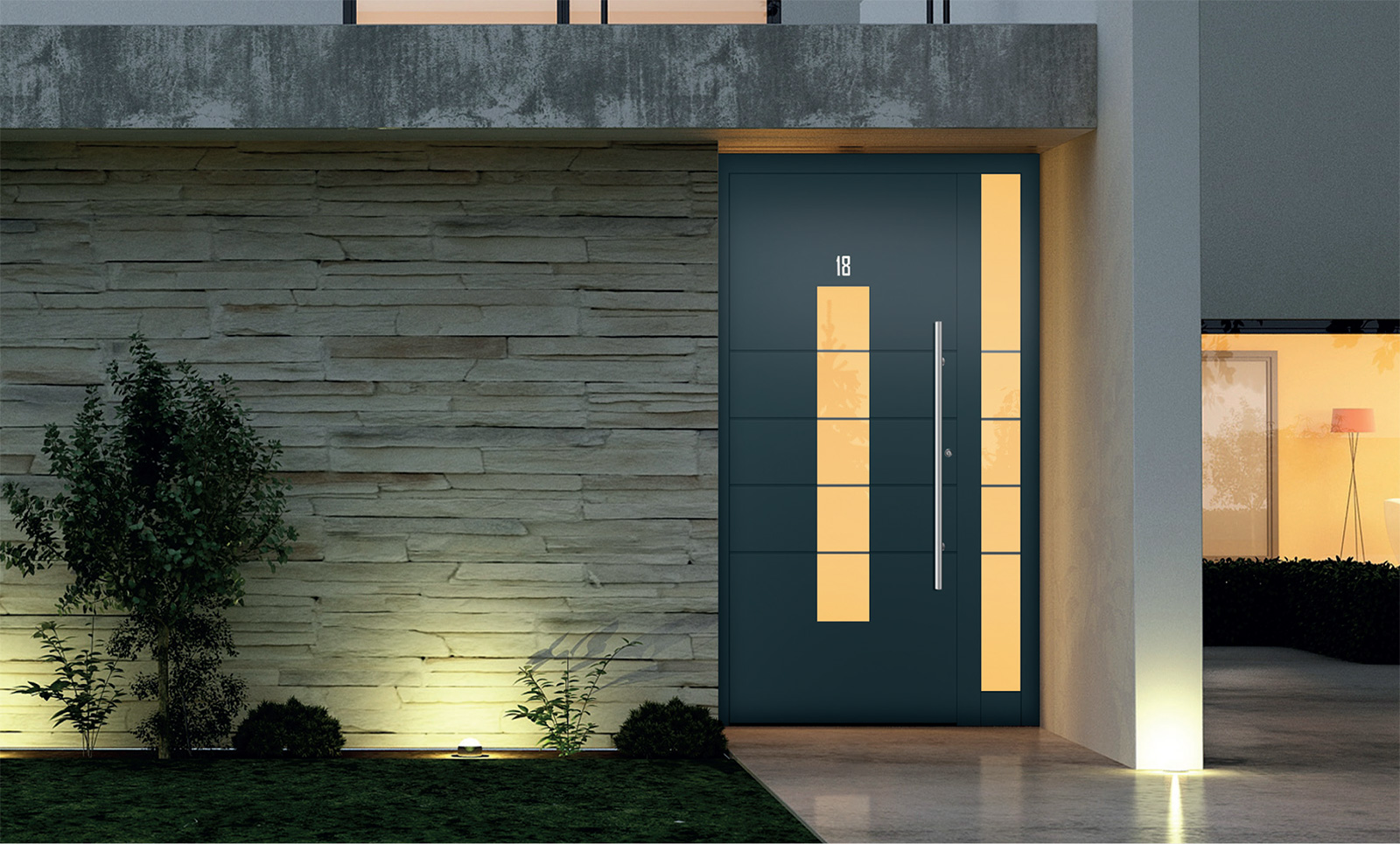
Is it better to have a steel or cast aluminum exterior door?
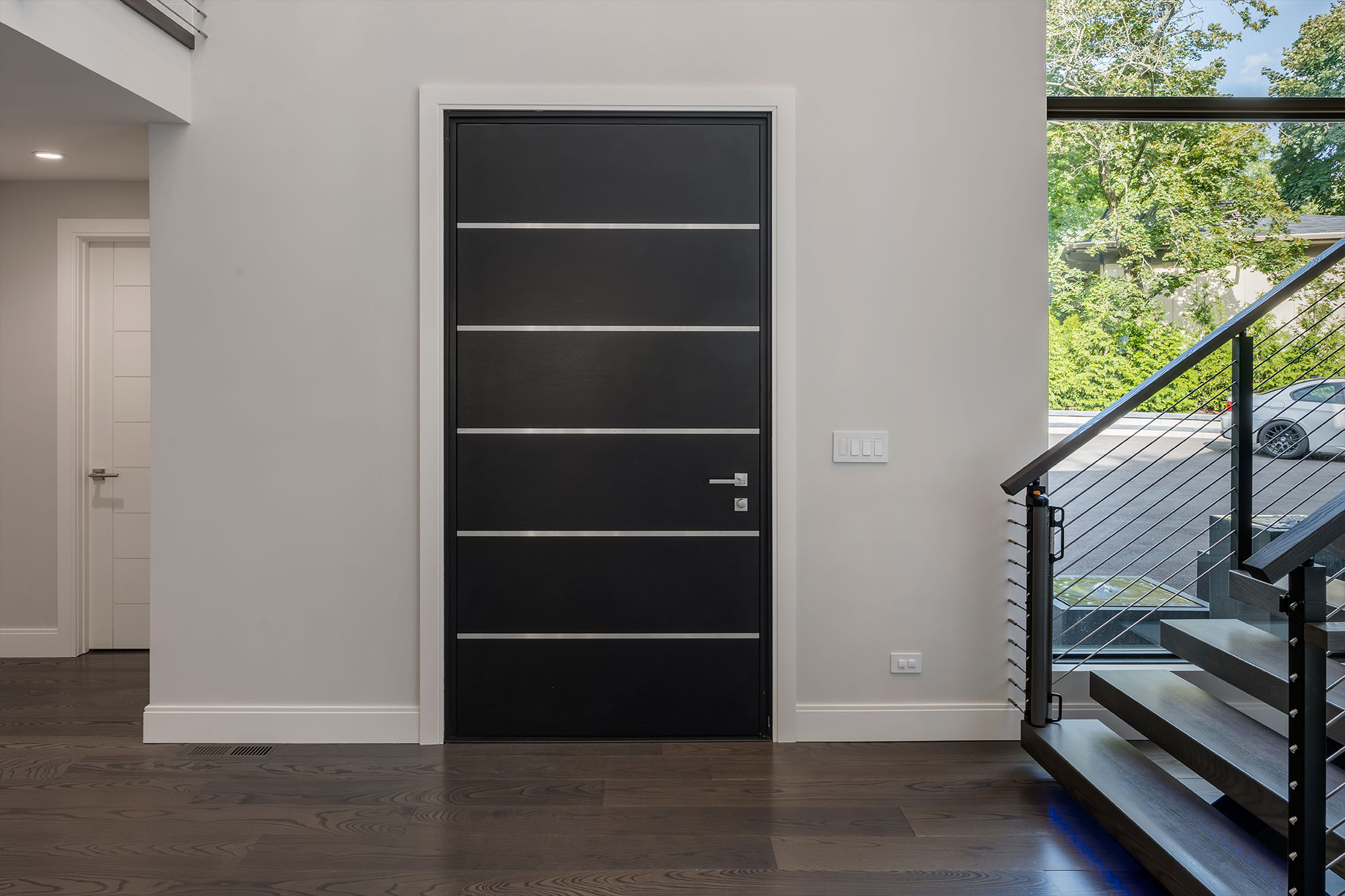
Introduction: Steel vs. Cast Aluminum Exterior Door
Choosing the right exterior door is more than just about style. It’s about security, durability, and energy efficiency. Your exterior door is the first line of defense against the elements and plays a big role in the overall look of your home. When it comes to exterior doors, two popular options are steel doors and cast aluminum doors.
The Importance of Choosing the Right Exterior Door
Your exterior door is a key component of your home’s curb appeal, security, and energy efficiency. Think of it as your home’s first impression. A well-chosen exterior door not only enhances the aesthetic but also provides peace of mind. Whether you’re upgrading your front door or replacing an old one, the material you choose plays a big role in performance.
Choosing the right exterior door ensures your home stays safe and comfortable. Steel doors, for example, are known for their robust security features, while cast aluminum doors offer lightweight durability with corrosion resistance. Both materials have their strengths, but understanding what’s most important for your home will help you make the best decision.
Why Steel and Cast Aluminum Are Popular Choices?
Both steel and cast aluminum have become popular choices for exterior doors because of their unique benefits. Let’s break down why these materials are in demand.
1. Steel Exterior Doors:
Steel is a popular choice because it offers strength and security. It’s a solid, heavy-duty material that can withstand harsh weather conditions and protect your home. Steel doors are also highly customizable, available in a variety of styles and finishes to suit any home. On top of that, steel doors tend to be more affordable than other premium door materials, offering great value for the price.
2. Cast Aluminum Exterior Doors:
Cast aluminum, on the other hand, is a lightweight yet durable material. It’s resistant to rust and corrosion, making it perfect for homes in coastal areas or places with high humidity. Cast aluminum doors are also versatile in design and finish, offering a sleek, modern look. They are slightly more expensive than steel, but their longevity and ability to maintain their appearance over time make them a worthwhile investment for many homeowners.
Summary
Both options provide excellent security and can be customized to fit your style, but the choice between steel and cast aluminum often comes down to personal preference, climate, and budget.
What Makes an Exterior Door Ideal for Your Home?
When choosing the perfect exterior door, it’s important to consider factors beyond just the material. The ideal exterior door matches your home’s needs, whether that’s security, insulation, style, or maintenance.
1. Security:
If security is your top priority, steel doors may be the way to go. Steel is incredibly strong, making it difficult to break or damage. It’s a reliable choice for homeowners who want added peace of mind. On the other hand, cast aluminum doors are also sturdy but might not offer the same level of resistance as steel when it comes to physical impact.
2. Energy Efficiency:
Energy efficiency is another important consideration. Exterior doors should help maintain the internal temperature of your home. Both steel and cast aluminum can offer insulation benefits, but steel doors often come with foam cores that enhance their thermal performance. Cast aluminum doors can be energy efficient too, especially if they come with insulation layers or double-glazed windows, but the material itself is generally less insulating than steel.
3. Aesthetic Appeal:
Your exterior door is one of the first things people see when they visit your home, so style matters. Steel doors often come in a variety of classic designs, including sleek, contemporary styles or more traditional looks. Cast aluminum doors are generally seen as more modern, offering sleek finishes and elegant designs. Your choice will depend on the aesthetic you’re aiming for.
4. Climate Considerations:
Where you live plays a big role in the material you choose. In areas with high humidity or near coastal regions, cast aluminum doors are ideal because they don’t rust. If you live in a colder climate, steel doors are a good choice, as they are built to handle extreme temperatures and are often better insulated.
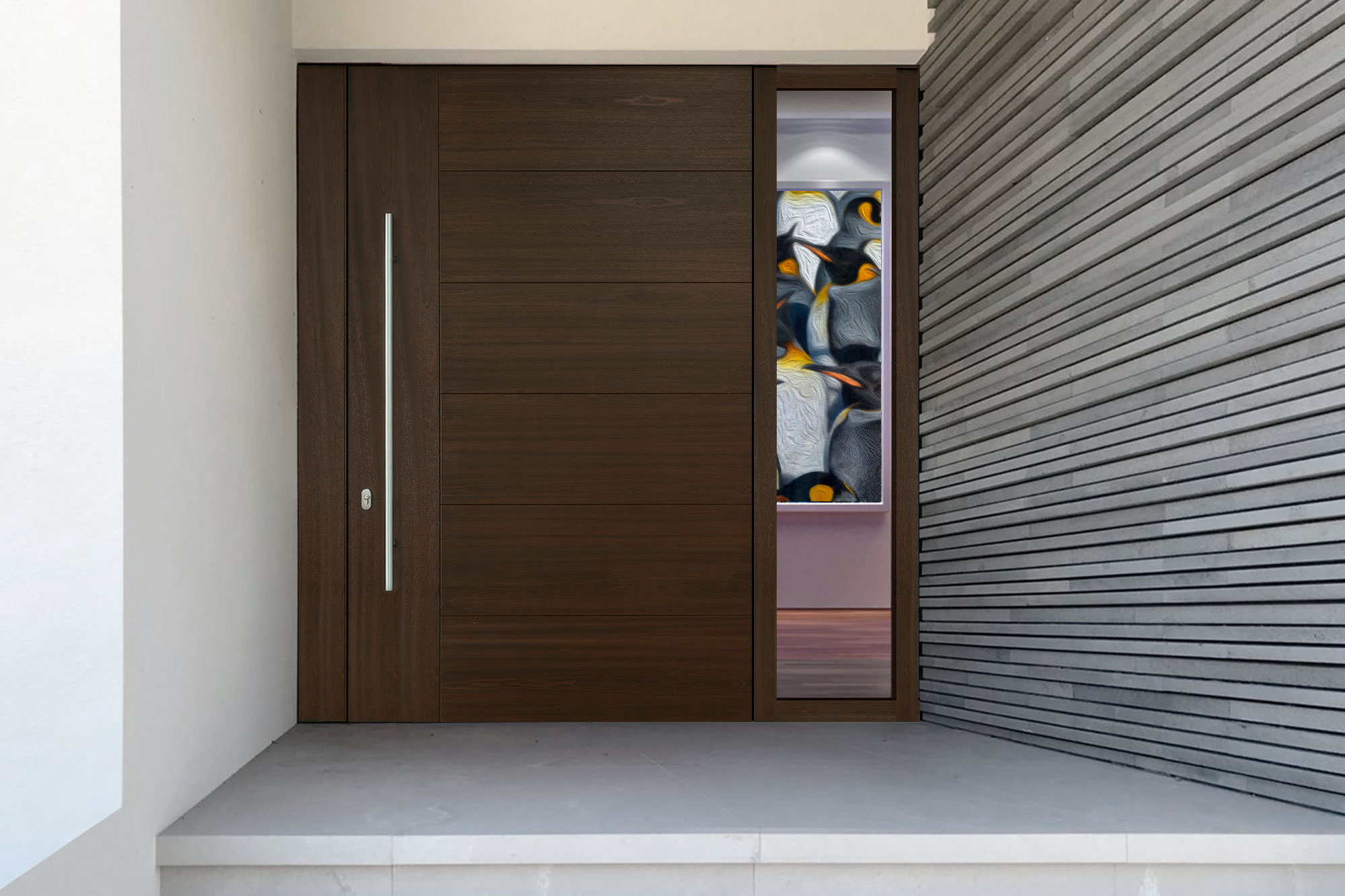
What Are Steel Exterior Doors?
Steel exterior doors are one of the most popular choices for homeowners looking for a durable, secure, and cost-effective option. Made from solid steel, these doors offer a robust barrier against the outside world while complementing the overall look of your home. Whether you’re replacing an old door or installing a new one, steel doors provide a reliable solution for many reasons.
Benefits of Steel Exterior Door
When it comes to exterior doors, steel doors stand out for their numerous benefits. They offer strength, security, and energy efficiency, making them a top choice for homeowners. Let’s dive into the specific advantages of steel exterior doors.
Durability and Security
One of the key reasons homeowners choose steel exterior doors is for their durability and security. Steel is known for being an incredibly strong material. It can withstand heavy impacts, making it harder for burglars to break through. Unlike wood or even some composite materials, steel doors don’t warp, crack, or split over time. This makes them a solid choice for anyone prioritizing home security.
Additionally, steel has a natural resistance to weather conditions. Whether it’s heavy rain, snow, or strong winds, steel exterior doors hold up well, keeping your home safe from the elements. Their solid structure provides extra peace of mind for families who want to protect their home from both weather and potential break-ins.
Energy Efficiency
Energy efficiency is another significant advantage of steel exterior doors. Many modern steel doors come with an insulated core, such as a foam-filled center, which helps to keep your home comfortable year-round. This insulation reduces the transfer of heat and cold, making it easier to maintain an ideal indoor temperature.
In colder climates, a well-insulated steel exterior door can help keep the heat inside, lowering your energy bills. On the other hand, in hotter regions, it can prevent cool air from escaping. As a result, steel doors can contribute to a more energy-efficient home, reducing the load on your heating and cooling systems.
If you’re looking for a door that not only secures your home but also helps you save on energy costs, a steel exterior door is a smart choice.
Low Maintenance
Another reason why homeowners choose steel exterior doors is their low maintenance requirements. Unlike wooden doors that need to be repainted or refinished regularly to avoid rotting or fading, steel doors are much easier to care for. A simple cleaning with soap and water is usually enough to keep them looking new.
Steel doors are also resistant to pests such as termites and don’t warp in the same way wooden doors do. This makes them an ideal option for people who want a door that looks great and requires little upkeep. Over time, a steel exterior door will continue to perform well without demanding constant attention.
For those who want a door that is both practical and hassle-free, steel doors offer the perfect balance of low maintenance and high performance.
Steel Door Styles and Designs
One of the great advantages of steel exterior doors is their versatility in design. They can be customized to suit nearly any style of home, whether modern, traditional, or somewhere in between. Here are some of the most popular steel door styles available today:
1. Traditional Panel Doors:
Traditional steel exterior doors often feature raised or flat panels. These doors give your home a classic, timeless look. Panel designs can be simple with just a few sections or more intricate with multiple raised panels, offering a more detailed appearance.
2. Modern Glass Inserts:
For a sleek, contemporary look, many homeowners opt for steel doors with glass inserts. These doors combine the security of steel with the light-enhancing qualities of glass. You can find steel doors with sidelights, top panels, or even full glass panels, making them ideal for homes where natural light is a priority.
3. Decorative Steel Doors:
Some steel exterior doors come with decorative features such as custom ironwork or etched glass. These decorative doors offer extra curb appeal and can be personalized to match your home’s unique character. If you want a door that stands out while maintaining all the strength and durability of steel, a decorative steel door may be the perfect choice.
4. Custom Designs:
If you want something truly unique, many manufacturers offer custom steel exterior doors. This allows you to choose everything from the design, finish, color, and even the glass options. Customization allows homeowners to create a door that perfectly matches their vision for their home’s exterior.
Summary
Steel doors can also come in a range of finishes, including painted, powder-coated, or wood-grain finishes. These options ensure that you can get a look that complements the rest of your home’s design.
Cost Considerations of Steel Exterior Door
If you want something truly unique, many manufacturers offer custom steel exterior doors. This allows you to choose everything from the design, finish, color, and even the glass options. Customization allows homeowners to create a door that perfectly matches their vision for their home’s exterior.
1. Material Quality:
Not all steel exterior doors are created equal. Some doors are made with thinner steel, while others use thicker, more robust materials. Generally, the thicker the steel, the higher the price. Additionally, doors with extra features, such as reinforced frames, insulation, or custom finishes, can increase the overall cost.
2. Style and Design:
The style of the door can also impact the price. Basic steel doors with a simple panel design are typically more affordable than doors with glass inserts, custom patterns, or decorative elements like wrought iron. If you’re interested in a decorative steel door, be prepared to pay a little more for the added design features.
3. Energy Efficiency:
Some steel exterior doors come with added insulation to improve their energy efficiency. Insulated steel doors often cost more initially, but they can save you money over time by improving your home’s energy efficiency. If you live in a climate with extreme temperatures, an insulated door can be a smart investment, as it helps keep your home warmer in the winter and cooler in the summer.
4. Installation Costs:
While the steel door itself may be affordable, don’t forget to factor in the cost of installation. Professional installation ensures that your steel exterior door fits properly and provides optimal security and insulation. Depending on where you live, installation costs can vary, but it’s important to hire a qualified professional to ensure the job is done right.
5. Long-Term Value:
Though steel exterior doors may come with an initial cost, their durability and low maintenance needs make them a great long-term investment. Steel doors are resistant to wear and tear, unlike wooden doors that might warp or rot over time. So while you may pay a little more upfront, you won’t have to replace or repair your door as frequently.
What Are Cast Aluminum Exterior Doors?
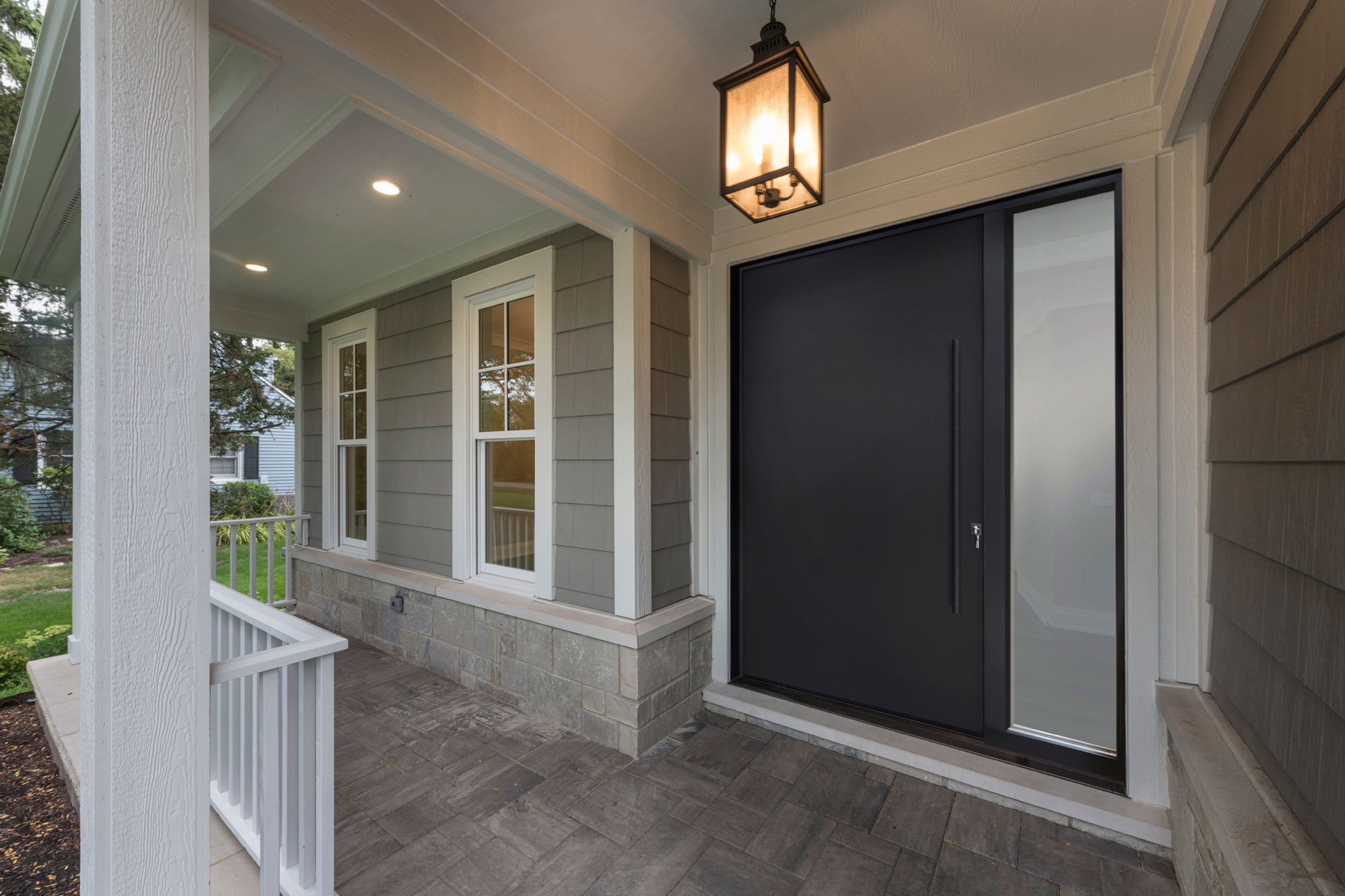
Cast aluminum exterior doors are a popular option for homeowners seeking a combination of strength, low maintenance, and modern appeal. Made from molded aluminum, these doors offer the durability of metal while maintaining a lightweight, rust-resistant design. Perfect for homes in coastal areas or regions with high humidity, cast aluminum doors are built to last and provide excellent protection against the elements.
Benefits of Cast Aluminum Exterior Door
There are several key advantages to choosing cast aluminum exterior doors for your home. From their lightweight nature to their ability to resist rust, these doors provide exceptional value. Let’s explore the main benefits of cast aluminum doors.
Lightweight Yet Strong
One of the standout features of cast aluminum exterior doors is their lightweight nature without compromising on strength. Aluminum is inherently a lighter material compared to steel or wood, making it easier to handle and install. This can be especially helpful if you’re replacing an old door and want something easier to manage.
Despite their light weight, cast aluminum doors are still quite strong. They can withstand daily wear and tear and offer significant protection from the outside elements. Whether it’s strong winds, heavy rain, or accidental bumps, cast aluminum doors maintain their integrity over time. This makes them a solid choice for homeowners who want both durability and ease of installation without the heavyweight of other materials.
Resistance to Rust and Corrosion
One of the biggest advantages of cast aluminum exterior doors is their resistance to rust and corrosion. Unlike steel doors, which can rust over time when exposed to moisture or salty air, aluminum naturally resists these elements. This makes cast aluminum doors the perfect choice for homes located in humid areas or near the coast, where moisture in the air can cause other materials to break down.
With cast aluminum doors, you don’t have to worry about frequent maintenance or repainting due to rust. This built-in resistance to corrosion helps these doors last longer, keeping your home’s exterior looking great year after year. The ability to withstand harsh weather conditions without deteriorating is one of the reasons many homeowners opt for cast aluminum doors.
Versatile Design Options
Cast aluminum exterior doors also offer a wide range of design options, making it easy to find a door that complements your home’s style. From sleek, modern designs to more traditional or decorative styles, cast aluminum doors can be customized to suit your aesthetic preferences.
These doors are available in a variety of finishes, including painted, powder-coated, and even faux wood finishes that mimic the look of real wood without the maintenance concerns. With such a wide selection of styles and finishes, it’s easy to find a cast aluminum exterior door that matches the design of your home and enhances its curb appeal.
Moreover, cast aluminum doors can be fitted with glass panels, allowing natural light to enter your home while still maintaining privacy and security. Whether you prefer a minimalist look or a more ornate design, cast aluminum doors can be tailored to meet your exact needs.
Cast Aluminum Door Styles and Finishes
One of the key advantages of cast aluminum exterior doors is the wide variety of styles and finishes available. These doors are highly versatile, allowing homeowners to choose a design that complements their home’s architecture and personal taste.
1. Traditional Designs:
Traditional cast aluminum exterior doors often feature simple, classic panel designs. These doors give your home a timeless look, making them a great option for more conventional or historic homes. You can find cast aluminum doors in several configurations, from single-panel to multi-panel styles, each offering a clean and sophisticated appearance.
2. Modern Glass and Aluminum Combos:
For a more contemporary look, many homeowners choose cast aluminum exterior doors with integrated glass panels. These doors can be designed with sidelights or full glass panels, allowing for more natural light to flow into your home. The aluminum frame offers both security and durability, while the glass enhances your home’s curb appeal and provides a modern touch.
3. Decorative Cast Aluminum Doors:
Cast aluminum doors can also feature decorative elements like custom ironwork or etched glass. These doors add an extra layer of style and personality to your home. Whether you prefer intricate patterns or minimalist designs, these decorative touches give your door a unique look that sets it apart.
4. Customizable Options:
If you’re looking for something truly unique, many manufacturers offer customizable cast aluminum exterior doors. This allows you to choose specific features such as the door’s finish, color, and even the design of the aluminum frame. Custom doors ensure you get exactly what you want, giving your home a personalized and distinctive appearance.
5. Finishes:
Cast aluminum doors come in a variety of finishes, making it easy to match your door to your home’s exterior. Common finishes include powder-coated paint, which provides a smooth, durable surface; anodized finishes, which offer a sleek, metallic look; and even faux wood finishes that mimic the appearance of real wood but with none of the maintenance requirements. These finish options enhance the door’s aesthetic appeal while maintaining its functionality and durability.
Cost Considerations of Cast Aluminum Doors
When considering cast aluminum exterior doors, cost is an important factor to take into account. While cast aluminum doors are generally more affordable than high-end materials like wood or fiberglass, the price can vary depending on several factors. Let’s take a closer look at the key elements that influence the cost of cast aluminum doors:
1. Material Quality and Thickness:
The quality and thickness of the aluminum used in the door can impact the cost. Higher-quality aluminum or thicker panels often result in higher prices. Thicker aluminum offers added strength and insulation, making it a better option for those seeking enhanced security or energy efficiency. However, standard cast aluminum doors still provide excellent durability and protection without the need for premium materials.
2. Style and Design Features:
The design of the door can also affect the price. Simple, traditional cast aluminum exterior doors are typically more affordable than those with glass inserts, decorative patterns, or custom features. For example, a basic cast aluminum door with a flat panel design will cost less than a door with decorative glass inserts or custom metalwork. If you’re looking for a high-end decorative door, you should expect to pay a premium for the added design features.
3. Insulation and Energy Efficiency:
Some cast aluminum doors come with enhanced insulation features, such as foam cores or double-glazed glass. These energy-efficient doors tend to be more expensive but can help reduce your home’s energy bills by improving insulation. If you live in an area with extreme temperatures, investing in an insulated cast aluminum exterior door can save you money over time by keeping your home cooler in the summer and warmer in the winter.
4. Installation Costs:
While the cast aluminum door itself may be reasonably priced, it’s important to consider installation costs. Proper installation is crucial to ensuring that your door functions properly and provides maximum security. Professional installation is typically recommended, and the cost can vary depending on where you live and the complexity of the installation. However, many companies offer installation services that are bundled with the cost of the door, which can help simplify the process.
5. Long-Term Value:
Though cast aluminum doors may have a higher initial cost compared to some other materials, they offer great long-term value. Thanks to their resistance to rust and corrosion, these doors require minimal maintenance and can last for many years without the need for repairs or replacements. Over time, the cost of maintenance and repairs for cast aluminum doors is generally much lower compared to other materials like wood, making them a smart investment for homeowners looking for long-term durability.

Steel vs. Cast Aluminum Exterior Doors: A Detailed Comparison
Replacing your front door offers a wide range of benefits that go beyond just improving your home’s appearance. Whether you want to enhance curb appeal, save on energy costs, or improve security, a new front door can make a huge difference. In this section, we’ll explore some key advantages of replacing your front door, from boosting your home’s value to providing long-term durability.
Durability and Strength
Steel's Strength vs. Aluminum’s Flexibility
One of the biggest differences between steel exterior doors and cast aluminum exterior doors is the material itself. Steel is incredibly strong and dense. It offers excellent protection against break-ins, severe weather, and impacts. A steel door is more likely to resist physical damage, making it a top choice for those looking for maximum security. Its solid structure provides the ultimate strength, making it one of the most durable options for exterior doors.
On the other hand, cast aluminum is known for being lightweight but still strong. It’s more flexible than steel, which means it can bend under pressure without cracking or breaking. This makes cast aluminum doors a good option for areas with high winds or fluctuating temperatures. While they may not offer the same level of impact resistance as steel, cast aluminum doors still hold up well against most everyday wear and tear. They strike a balance between strength and flexibility, making them a great choice for homeowners who need a lighter door with solid performance.
Steel Doors in Various Climates
Steel exterior doors are incredibly durable and perform well in most climates, but they are not without their drawbacks. It can withstand harsh weather, including heavy rain, snow, and strong winds. However, in areas with high humidity or salty air (like coastal regions), steel doors can be susceptible to rust and corrosion over time, especially if the door’s protective coating is damaged. If you live in a humid climate, regular maintenance and care may be necessary to prevent rust and maintain the door’s integrity.
On the positive side, steel doors are well-suited for cold climates. They provide excellent insulation and can help keep the warmth inside during the winter months. Their strength and insulating properties make them a great choice for homes in colder areas, where warmth retention is important.
Cast Aluminum Doors in Various Climates
Cast aluminum exterior doors are ideal for homes in coastal regions or places with high humidity. Aluminum naturally resists rust and corrosion, which makes cast aluminum doors a great option for areas exposed to moisture. Unlike steel, cast aluminum doors won’t rust or deteriorate from the salty air, giving them a much longer lifespan in such environments.
In hot or dry climates, cast aluminum doors also perform well. They don’t warp or expand in extreme heat, making them a reliable choice for areas with high temperatures. Cast aluminum can withstand temperature fluctuations better than steel, which is why it’s often recommended for homes in regions with wide temperature ranges.
However, while cast aluminum doors are resistant to rust, they may not provide the same level of insulation as steel exterior doors. If you live in a very cold climate, consider looking for cast aluminum doors with added insulation to improve energy efficiency.
Energy Efficiency
Both steel and cast aluminum offer valuable protection for your home, but the level of security they provide varies based on the material’s strength, durability, and design.
Steel’s Robustness vs. Aluminum’s Safety Features
Steel exterior doors are widely known for their robustness and strength. Steel is a dense, tough material that provides excellent protection against forced entry. Whether it’s a strong kick or a tool used to pry open the door, steel doors are difficult to break through due to their solid structure. This makes them a top choice for homeowners seeking maximum security.
In addition to its strength, steel doors often come with added safety features, such as reinforced frames, heavy-duty locks, and solid-core construction. Many steel exterior doors also come with impact-resistant glass options, making them harder to break.
In addition to its strength, steel doors often come with added safety features, such as reinforced frames, heavy-duty locks, and solid-core construction. Many steel exterior doors also come with impact-resistant glass options, making them harder to break.
Cast aluminum exterior doors, while strong, are not as solid as steel. Aluminum is a lighter material and more flexible, which means it doesn’t have the same robustness as steel. However, cast aluminum doors still provide decent protection, especially if they are equipped with reinforced frames or multi-point locking systems. Though they may not offer the same level of protection against physical damage as steel, cast aluminum doors still provide a secure barrier with features that enhance safety.
While aluminum doesn’t match steel’s impact resistance, it can be combined with extra safety features to enhance its protection level. These features include strong locks, anti-pick mechanisms, and heavy-duty hinges that prevent forced entry.
Which Door Provides Better Home Security?
When it comes to home security, steel exterior doors are typically the stronger option. Their dense structure provides excellent resistance to impact and break-ins, making them ideal for homeowners who want to prioritize physical security. Steel is a tough material that’s less likely to warp, bend, or be compromised by force, and it generally offers better intruder protection than aluminum.
If your primary concern is protecting your home from intruders, a steel exterior door with reinforced locks and security features would likely be your best choice. Steel doors are also highly customizable in terms of security features, such as multi-lock systems, deadbolts, and security glass, which can make it even harder for burglars to gain access.
That said, cast aluminum exterior doors still offer adequate security for many homes, especially when paired with high-quality locks and modern safety features. While they may not provide the same level of intruder resistance as steel, cast aluminum doors can still offer reliable protection for homeowners in lower-risk areas. Plus, they are often more resistant to the elements, making them a great option for homes near the coast or in high-humidity regions where corrosion might weaken other materials.

Security and Protection
Both steel and cast aluminum offer valuable protection for your home, but the level of security they provide varies based on the material’s strength, durability, and design. Let’s break down the security aspects of each option.
Steel’s Robustness vs. Aluminum’s Safety Features
Steel exterior doors are widely known for their robustness and strength. Steel is a dense, tough material that provides excellent protection against forced entry. Whether it’s a strong kick or a tool used to pry open the door, steel doors are difficult to break through due to their solid structure. This makes them a top choice for homeowners seeking maximum security.
In addition to its strength, steel doors often come with added safety features, such as reinforced frames, heavy-duty locks, and solid-core construction. Many steel exterior doors also come with impact-resistant glass options, making them harder to break.
Cast aluminum exterior doors, while strong, are not as solid as steel. Aluminum is a lighter material and more flexible, which means it doesn’t have the same robustness as steel. However, cast aluminum doors still provide decent protection, especially if they are equipped with reinforced frames or multi-point locking systems. Though they may not offer the same level of protection against physical damage as steel, cast aluminum doors still provide a secure barrier with features that enhance safety.
While aluminum doesn’t match steel’s impact resistance, it can be combined with extra safety features to enhance its protection level. These features include strong locks, anti-pick mechanisms, and heavy-duty hinges that prevent forced entry.
Which Door Provides Better Home Security?
When it comes to home security, steel exterior doors are typically the stronger option. Their dense structure provides excellent resistance to impact and break-ins, making them ideal for homeowners who want to prioritize physical security. Steel is a tough material that’s less likely to warp, bend, or be compromised by force, and it generally offers better intruder protection than aluminum.
If your primary concern is protecting your home from intruders, a steel exterior door with reinforced locks and security features would likely be your best choice. Steel doors are also highly customizable in terms of security features, such as multi-lock systems, deadbolts, and security glass, which can make it even harder for burglars to gain access.
That said, cast aluminum exterior doors still offer adequate security for many homes, especially when paired with high-quality locks and modern safety features. While they may not provide the same level of intruder resistance as steel, cast aluminum doors can still offer reliable protection for homeowners in lower-risk areas. Plus, they are often more resistant to the elements, making them a great option for homes near the coast or in high-humidity regions where corrosion might weaken other materials.
Aesthetic Appeal
Both steel exterior doors and cast aluminum exterior doors offer a variety of styles and designs. However, each material brings unique characteristics to the table when it comes to aesthetic flexibility. Let’s explore how these two materials differ in terms of style options and overall visual appeal.
he better choice. The added insulation will help keep your home warm, which reduces the load on your heating system and lowers energy costs.
Style Options for Steel Doors
Steel exterior doors have come a long way in terms of design. They are no longer just plain, industrial-style doors. Today, steel doors come in a variety of styles, ranging from traditional panel designs to modern glass inserts. These doors can be customized to match almost any home’s style, whether you’re going for a classic, contemporary, or even a rustic look.
1. Traditional Panel Designs:
Steel exterior doors with traditional panel designs are a popular choice for homeowners who want a classic look. These doors typically feature raised or flat panels and come in a range of styles, from simple to more intricate designs. They provide a timeless aesthetic and work well with many different types of home architecture.
2. Modern Glass Inserts:
For a more contemporary look, steel doors can be equipped with glass inserts, sidelights, or even full glass panels. This not only adds a modern flair but also allows more natural light into your home. Many steel doors come with frosted or textured glass options, providing both privacy and elegance.
3. Decorative Features:
Many steel exterior doors also offer decorative features, such as wrought iron accents, ornate designs, or even custom laser-cut patterns. These features enhance the door’s appearance, giving it a more high-end, personalized feel. With the ability to add decorative elements, steel doors are very versatile in terms of style.
4. Finishes and Colors:
Steel exterior doors come in a wide range of finishes, from classic solid colors to more sophisticated powder-coated or textured finishes that mimic the look of wood. Whether you prefer a bold color or something more neutral, there’s a steel door finish to suit every taste.
Aesthetic Flexibility of Cast Aluminum Doors
Cast aluminum exterior doors offer even more aesthetic flexibility due to the nature of the material. Aluminum is a lightweight yet strong metal that can be molded into a variety of shapes and designs. This makes cast aluminum doors particularly versatile in terms of style and customization. Here are some of the key design features of cast aluminum doors:
1. Sleek, Modern Looks:
Cast aluminum exterior doors are often associated with sleek, modern designs. Their smooth, clean lines give them a minimalist appeal that works well in contemporary homes. These doors can have a polished, metallic finish or a brushed texture that complements modern architecture.
2. Custom Designs and Details:
Like steel doors, cast aluminum doors can also be customized with intricate designs, such as decorative ironwork or custom etching on the surface. However, because aluminum is easier to mold than steel, cast aluminum doors can achieve more elaborate and detailed designs. This makes them a great choice for those looking for a unique, eye-catching door.
3. Lightweight and Contemporary Frames:
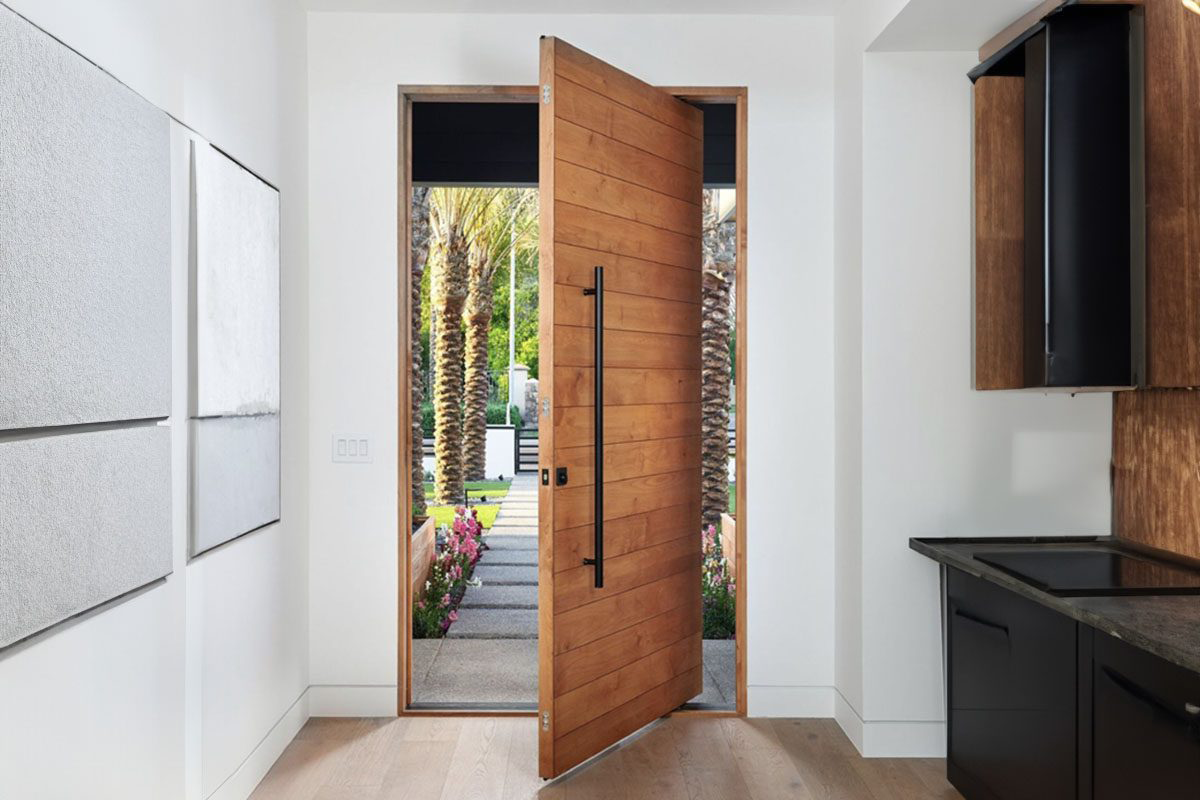
The lightweight nature of aluminum allows for more delicate frames and design elements. Cast aluminum doors often feature thinner, more refined frames, which create a sleek, less bulky appearance than heavier steel doors. This is especially useful if you want a door that enhances your home’s modern aesthetic without overwhelming the design.
4. Variety of Finishes:
Just like steel doors, cast aluminum doors are available in various finishes, including powder-coated colors, anodized metal, or even faux wood finishes. Anodized aluminum provides a smooth, metallic look that’s very sleek, while powder-coating offers a range of colors to choose from. Faux wood finishes allow you to get the look of wood with the benefits of aluminum, giving your door a sophisticated yet low-maintenance appearance.
Which Door Is Right for You?
Choosing the right exterior door is more than just about style. It’s about finding the material that best suits your home’s needs, from security to energy efficiency and aesthetic appeal. Whether you’re leaning toward a steel exterior door or a cast aluminum exterior door, several factors will influence your decision.
Choosing the Best Material Based on Your Climate
One of the most important factors in choosing the right exterior door is the climate where you live. Both steel and cast aluminum doors have their advantages and disadvantages depending on the environmental conditions.
Steel Doors in Cold or Extreme Climates
If you live in an area that experiences harsh winters, steel exterior doors are an excellent choice. Steel is naturally strong and provides better insulation than aluminum, especially when it has an insulated foam core. This can help keep your home warmer during the colder months and reduce your energy bills. Steel doors are also less likely to warp or bend in cold temperatures, making them a durable and reliable option.
However, steel can be vulnerable to rust, especially in areas with high humidity or near coastal regions where saltwater can accelerate corrosion. If you live in a humid or coastal area, ensure that your steel door has a protective coating to prevent rust.
Cast Aluminum Doors in Humid or Coastal Climates
On the other hand, cast aluminum exterior doors are perfect for humid or coastal climates. Aluminum is naturally resistant to rust and corrosion, making it a great choice for homes near the ocean or in areas with high moisture levels. Even in areas with frequent rainfall or high humidity, cast aluminum doors won’t warp or corrode, providing a longer-lasting solution in these conditions.
While cast aluminum doors don’t offer as much natural insulation as steel doors, they can still be equipped with insulation and double-glazed glass to improve their energy efficiency. If you live in a more moderate climate with fewer extreme temperature fluctuations, cast aluminum doors are a solid choice.
Considering Your Home's Style and Architecture
Your exterior door should complement the overall style and architecture of your home. Both steel and cast aluminum doors offer a wide range of design options, but they have different aesthetic qualities that may suit certain styles better.
Steel Doors for Traditional or Classic Homes
Steel exterior doors are a great option for more traditional or classic-style homes. Their strong, simple lines and customizable features—such as raised panels or decorative glass—work well with a variety of architectural styles. Whether you have a colonial, craftsman, or ranch-style home, a steel door can add a timeless look that fits with your home’s exterior.
Additionally, steel doors can be painted in almost any color or finished with a wood-like texture, allowing you to match your door to your home’s color scheme and overall style. They are versatile enough to suit both modern and traditional homes, making them a popular choice for many homeowners.
Cast Aluminum Doors for Modern or Contemporary Homes
If you have a more modern or contemporary home, cast aluminum doors might be a better fit. The sleek, clean lines of cast aluminum lend themselves perfectly to minimalist, modern designs. These doors can be customized with intricate patterns, etched glass, or metallic finishes that enhance their modern appeal.
For homes with a more cutting-edge design, cast aluminum doors can also offer a high-tech, industrial look. The variety of finishes, including brushed metal and anodized aluminum, can complement contemporary facades and give your home a sophisticated edge.
How to Decide Between Steel and Cast Aluminum?
Now that you know the differences between steel and cast aluminum doors, how do you decide which one is best for your home? Here are some key factors to consider:
1. Climate:
If you live in a cold, snowy area, steel doors with insulation will provide better thermal efficiency. If you’re in a humid or coastal area, cast aluminum doors will withstand corrosion and rust, making them a better choice for long-term durability.
2. Security Needs:
If security is a top priority, steel doors are typically stronger and more resistant to break-ins. Their solid structure and ability to resist impact make them the best option for homeowners who want maximum protection.
3. Aesthetic Preferences:
Consider the style of your home. If you want a classic, traditional look, steel doors with panel designs or glass inserts are a great option. If you prefer a sleek, modern, or custom design, cast aluminum doors offer more flexibility and intricate details.
4. Maintenance:
Steel doors may require some maintenance, especially if you live in a coastal area where rust could be an issue. Cast aluminum doors, however, are virtually maintenance-free when it comes to rust and corrosion. If you want a door that requires little upkeep, cast aluminum might be the better option.
5. Budget:
Generally, steel exterior doors are more affordable than cast aluminum doors. However, the cost can vary depending on the level of customization, insulation, and security features you choose. Cast aluminum doors may have a higher upfront cost, but their durability and resistance to the elements make them a worthwhile investment in the long run.

Relate FAQ
What are the main differences between steel and cast aluminum exterior doors?
Steel doors are known for their strength and security, providing excellent protection against break-ins and extreme weather. They are also great at insulating against heat and cold. Cast aluminum doors, on the other hand, are lightweight, resistant to rust, and tend to have a more modern, sleek appearance. While both materials offer durability, steel is typically more robust in terms of impact resistance.
Which material is more energy efficient: steel or cast aluminum?
Steel exterior doors tend to provide better insulation compared to cast aluminum doors, as they can be filled with insulating foam, which enhances thermal performance. Cast aluminum doors may require additional insulation layers to match the energy efficiency of steel, but they generally have better resistance to corrosion, which can indirectly contribute to the longevity and efficiency of your door over time.
Are steel or cast aluminum exterior doors more durable?
Steel doors are highly durable and resistant to impact, but they can dent and rust over time if not properly maintained. Cast aluminum doors, while lightweight, are corrosion-resistant and less prone to denting, making them ideal for coastal or humid environments. Overall, both materials are durable, but steel offers superior impact resistance, while aluminum is better at resisting rust.
Which material is more cost-effective for an exterior door?
Steel doors are more affordable than cast aluminum doors. Steel is a more commonly used material and is typically less expensive to produce. However, cast aluminum doors may offer long-term savings in terms of maintenance due to their rust resistance. Therefore, steel is typically the more budget-friendly option initially, but aluminum may provide better value over time, depending on the climate and maintenance habits.
Do steel or cast aluminum doors provide better security?
Steel doors are often preferred for security purposes, as they are solid and harder to break through. Cast aluminum doors, while sturdy, are generally less secure than steel because they are not as heavy and may be more susceptible to damage from heavy impacts. If security is a primary concern, a steel door is usually the better option.
How do steel and cast aluminum doors compare in terms of maintenance?
Cast aluminum doors require very little maintenance because they resist corrosion and don’t require frequent painting. Steel doors, however, are prone to rusting if exposed to the elements without proper care, and they may require repainting every few years to maintain their appearance. If you live in a region with harsh weather conditions, cast aluminum may be a lower-maintenance option.
How do steel and cast aluminum doors perform in extreme weather conditions?
Steel doors perform well in extreme cold and heat, offering strong insulation properties that keep your home comfortable year-round. However, they can be prone to rusting when exposed to moisture. Cast aluminum doors perform well in coastal areas or humid climates because of their corrosion resistance. Both materials can handle extreme weather, but aluminum’s rust resistance gives it an advantage in areas with high moisture levels.