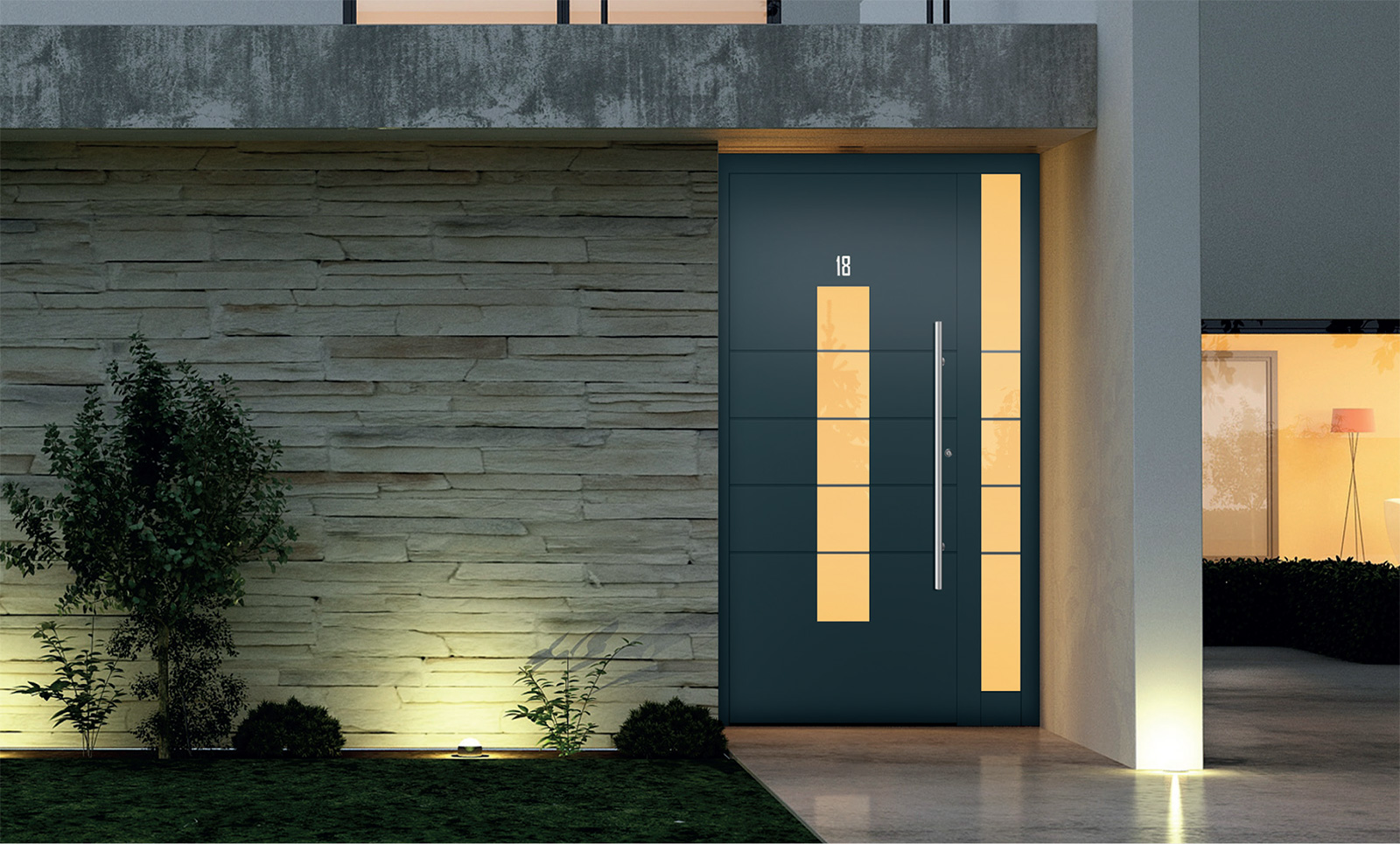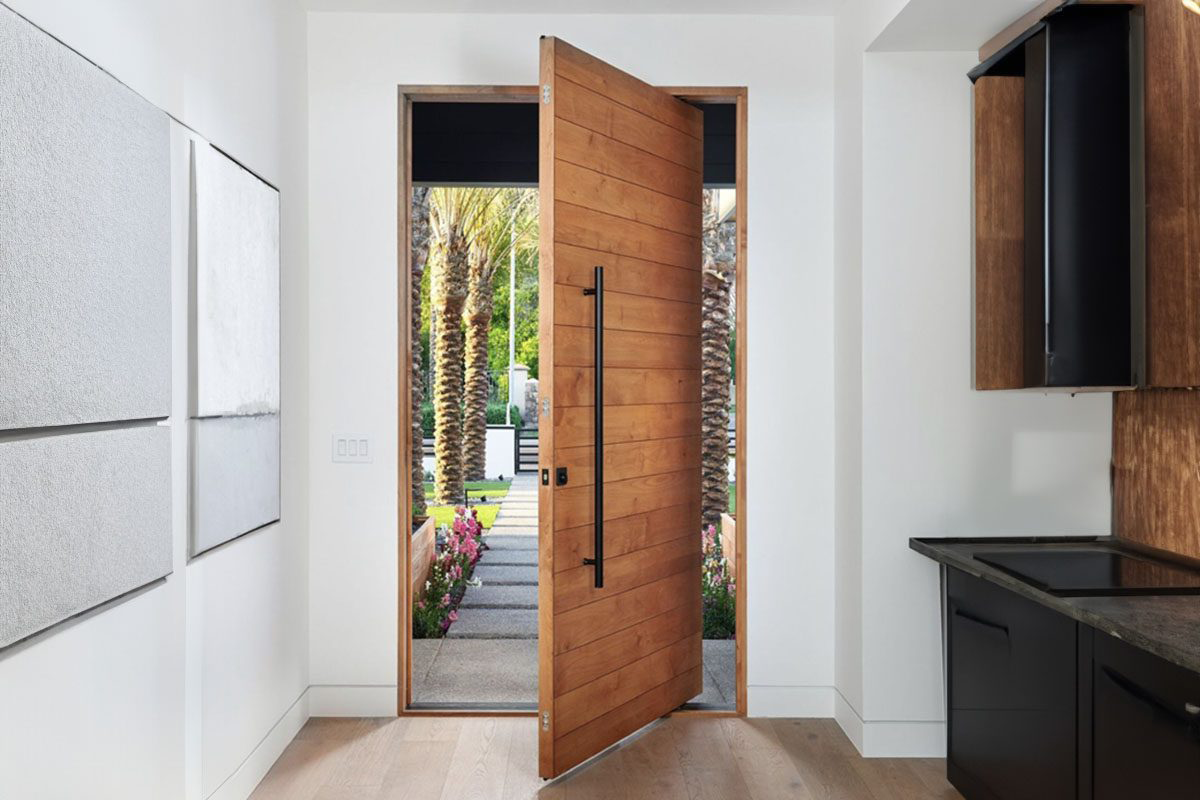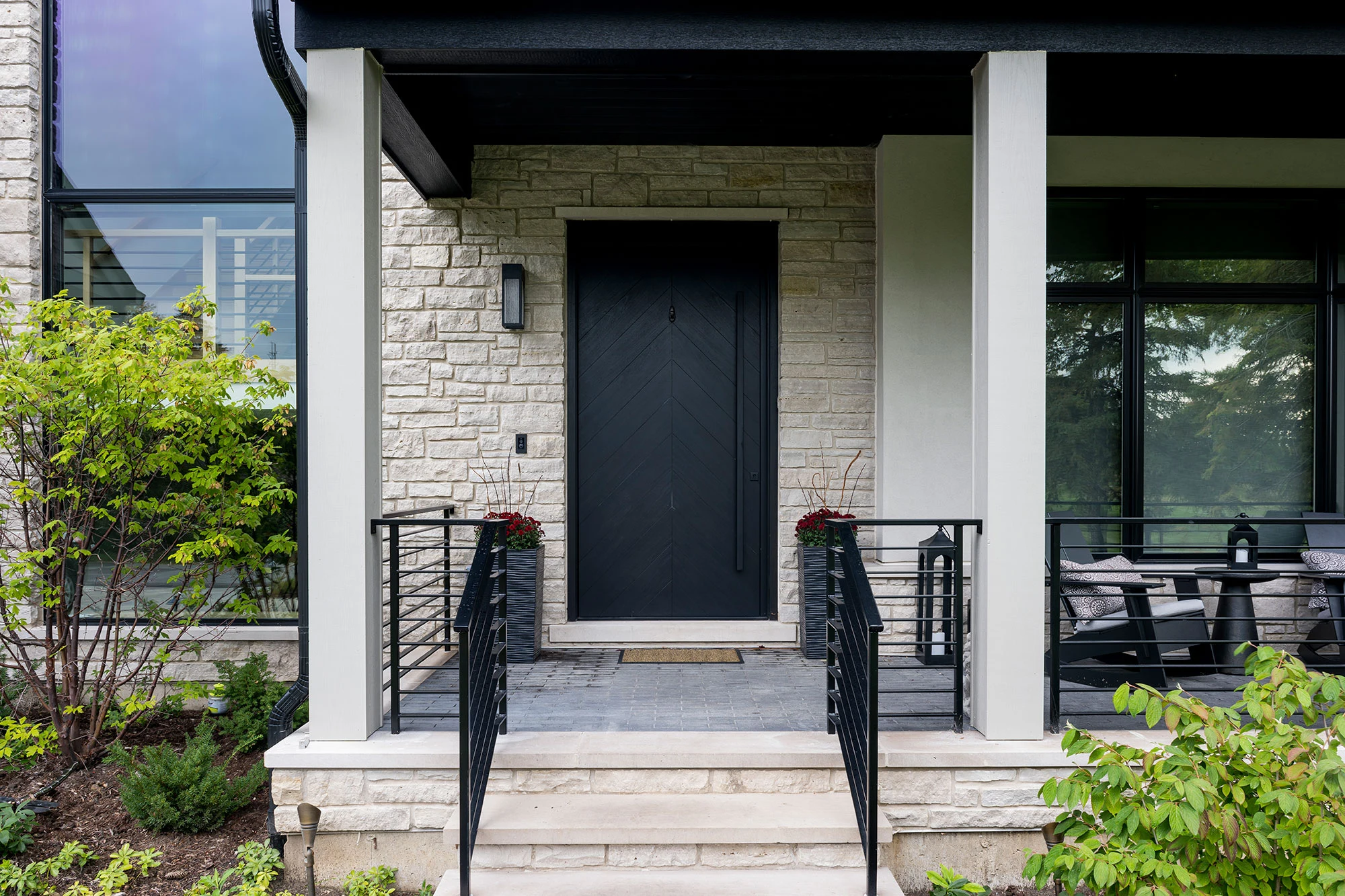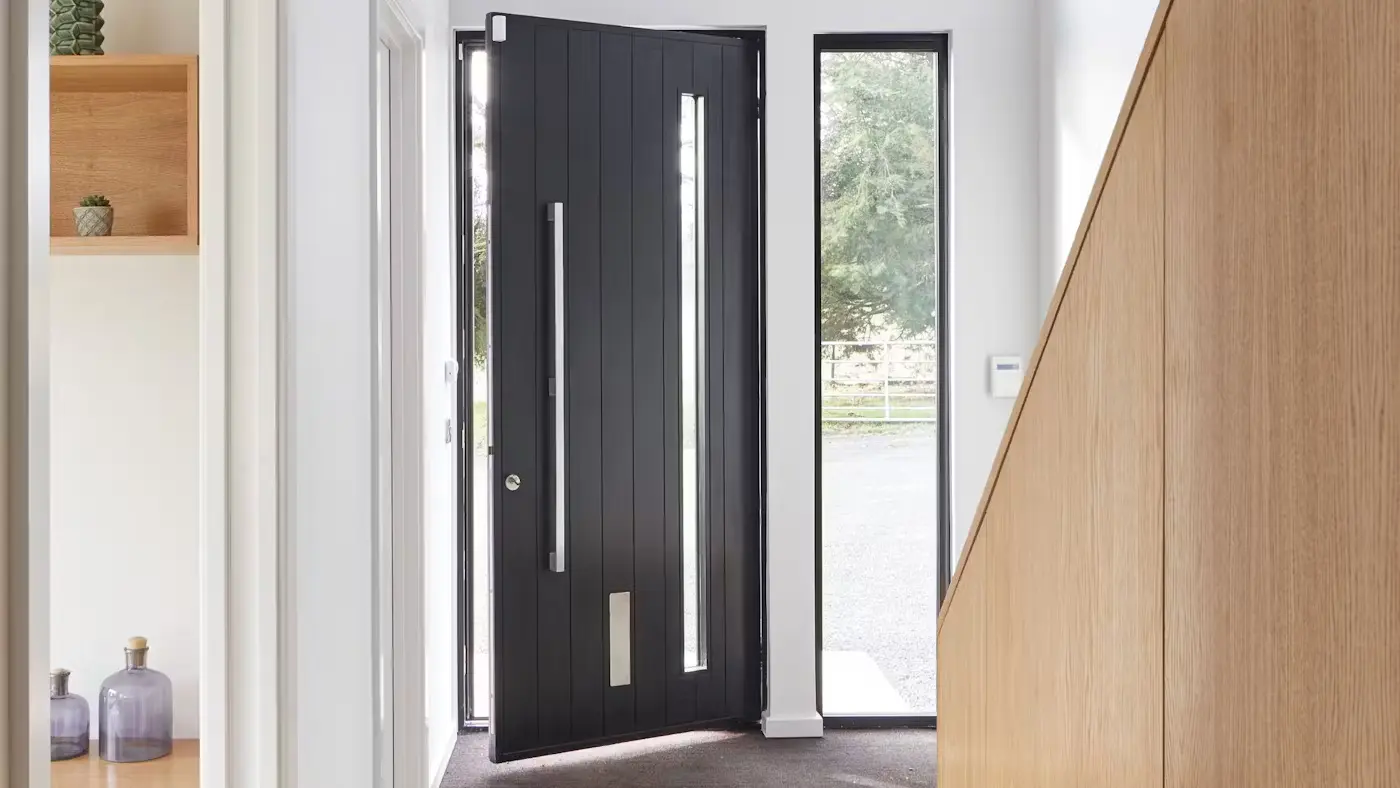
What is a pre-finished internal door?
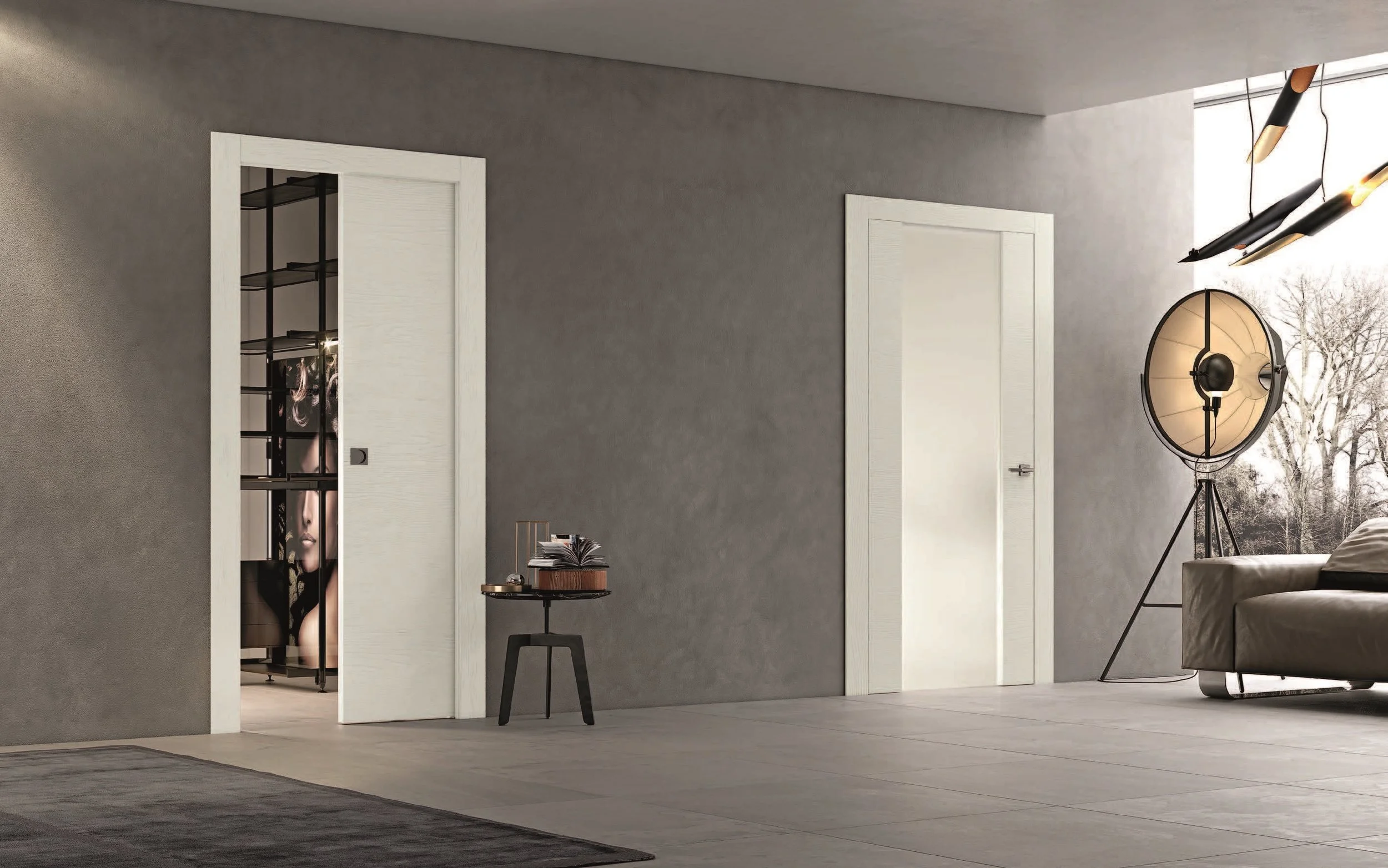
Introduction to Pre-Finished Internal Door
When it comes to choosing the right internal door for your home or office, there are many options available. One popular choice is the pre-finished internal door. But what does “pre-finished” really mean, and why is it such a popular choice among homeowners and builders? Let’s take a closer look.
What Makes an Internal Door "Pre-Finished"?
A pre-finished internal door refers to a door that has already been painted, stained, or sealed before it arrives at your home. This is in contrast to an unfinished internal door, which requires you to apply the finishing touches yourself. Pre-finished doors come with a smooth, ready-to-use surface that saves you both time and effort.
The finish on these doors is usually applied in a controlled factory setting, ensuring a consistent, high-quality result. It’s done with industrial-grade paint or stain, which offers better protection and durability compared to DIY finishes. Essentially, when you buy a pre-finished door, it’s good to go the moment it’s installed—no need to wait for drying times or worry about uneven coverage.
Why Choose a Pre-Finished Door?
Choosing a pre-finished internal door is a smart decision for several reasons. First and foremost, it’s incredibly convenient. Since the door is already finished, you don’t need to worry about setting aside time for painting, staining, or varnishing. You simply install it, and you’re done.
Another reason to choose a pre-finished door is the quality of the finish. The factory-applied coatings are usually more durable and long-lasting than those applied on-site. This means that the door will withstand wear and tear better, requiring less maintenance over time. For busy homeowners or commercial spaces where quick installation is essential, pre-finished doors save valuable time and effort.
Pre-finished doors also offer consistency in appearance. Unlike unfinished doors, where the finish might be inconsistent or affected by environmental factors, pre-finished doors come with a uniform finish that guarantees a professional look every time.
The Benefits of Pre-Finished Internal Door
There are plenty of benefits to choosing pre-finished internal doors, especially for homeowners and businesses looking for efficiency and durability. Here are just a few:
1. Time-Saving:
One of the main benefits of pre-finished doors is how much time they save. Since the door is ready to go, you can skip the often time-consuming task of finishing the door yourself. Installation becomes faster and easier, which is particularly helpful if you’re working on a tight schedule or project timeline.
2. Durability:
The factory-applied finish is usually stronger and more resilient than finishes applied on-site. It is resistant to wear, scratches, and stains, meaning your pre-finished internal door will look great for many years with minimal upkeep.
3. Less Mess:
When you choose a pre-finished door, you avoid the mess and fumes that come with painting or staining a door in your home. This is especially important if you’re renovating an existing space and don’t want to deal with the hassle of cleanup.
4. Consistent Appearance:
Pre-finished doors come with a uniform, smooth finish that is hard to replicate with DIY methods. The controlled environment in which these doors are finished ensures a flawless result.
5. Cost-Effective:
While pre-finished doors may have a slightly higher upfront cost than unfinished doors, the savings in time, labor, and materials often make them more cost-effective in the long run. You won’t need to purchase additional paints or stains, and you won’t have to pay someone to finish the door for you.
6. Variety of Styles:
Pre-finished internal doors come in a wide range of styles and designs to suit any home or office décor. Whether you’re looking for a traditional wooden door, a modern glass door, or something more unique, you can find a pre-finished door that fits your needs.
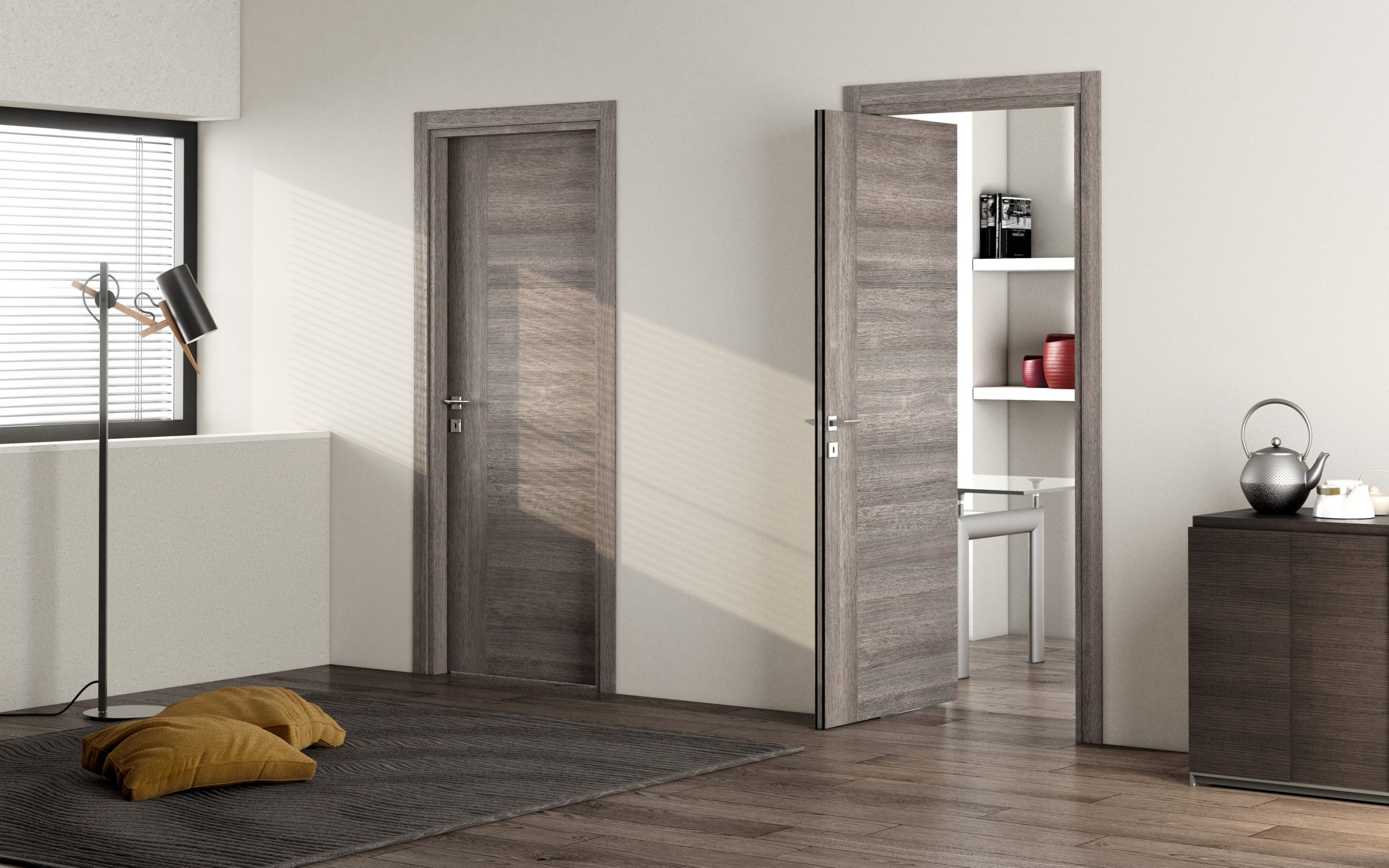
Types of Pre-Finished Internal Door
When choosing a pre-finished internal door, you’ll find several types to suit different needs, styles, and budgets. Each type offers its own unique features and benefits. Let’s explore the main types of pre-finished doors so you can make an informed choice.
Solid Core vs. Hollow Core Pre-Finished Door
One of the first decisions you’ll need to make is whether to go with a solid core or hollow core pre-finished internal door. Both types have their advantages, and understanding the difference can help you decide which one is right for your space.
- Solid Core Doors: These doors are made with a solid material inside, often a dense, compressed fiberboard or solid wood. Because of their thickness and material, they are heavier and more durable than hollow core doors. Solid core doors also provide better sound insulation, making them an excellent choice for bedrooms, offices, or any room where noise reduction is important.
- Hollow Core Doors: As the name suggests, these doors have a hollow interior, typically made from a lightweight material like cardboard or a honeycomb structure. While they are not as heavy or durable as solid core doors, hollow core doors are more affordable and still offer a solid, sturdy feel. They are a great choice for spaces where soundproofing isn’t a top concern, and where budget may be a limiting factor.
Wooden Pre-Finished Doors
Wooden pre-finished internal doors are a classic choice that adds warmth and character to any home. Whether you prefer a rustic, traditional look or a sleek, modern style, there’s a wooden door for every taste.
Wood is a natural material, so each wooden pre-finished door has its own unique grain and texture, adding a personal touch to your space. Common types of wood used for these doors include oak, pine, and walnut, each offering its own distinct appearance. These doors are often pre-finished with a clear varnish or stain to bring out the natural beauty of the wood.
Advantages of Wooden Pre-Finished Doors:
Wooden doors provide a timeless appeal and are incredibly versatile. They can be stained or painted to match any interior décor, making them a popular choice for both modern and traditional homes. They also offer durability and strength, and can last for decades if properly maintained.
Considerations:
One thing to note is that wooden pre-finished doors can be more expensive than other materials, especially if you choose high-quality wood like oak or walnut. Additionally, wooden doors may require occasional maintenance to keep them looking their best.
Paint-Free Door vs. Painted Door
Another consideration when choosing a pre-finished internal door is whether you want a paint-free door or a painted door.
- Paint-Free Doors: These doors come with a natural finish that doesn’t require any additional painting. They are typically made from wood, but sometimes from composite materials that have been treated with a protective coating. The advantage of paint-free doors is that they maintain the natural look and texture of the material. If you love the appearance of wood grain or prefer a more minimalist aesthetic, this could be the perfect option for you.
- Painted Doors: Painted pre-finished doors are finished with a solid coat of paint, often in a neutral color like white, gray, or black. These doors are ideal if you want a clean, uniform look or if you’re going for a modern or contemporary style. Painted doors offer more flexibility in terms of color and design, and they can be customized to fit your interior décor perfectly.
Modern vs. Traditional Pre-Finished Door Styles
When it comes to pre-finished internal doors, you’ll find a wide variety of styles to suit both modern and traditional homes. The style of your door can significantly impact the overall feel of the room, so it’s important to choose one that complements your interior design.
- Modern Pre-Finished Doors: These doors tend to have sleek, clean lines with minimal embellishments. They often feature smooth, flat surfaces with little or no paneling, offering a more contemporary look. Glass inserts are also popular in modern doors, allowing natural light to flow between rooms while maintaining privacy. Materials like metal, frosted glass, or high-gloss finishes are often used to create a bold, modern aesthetic.
- Traditional Pre-Finished Doors: Traditional doors, on the other hand, typically feature paneling, detailed moldings, and a more classic design. These doors often have a timeless, elegant appearance that works well in older homes or in spaces where you want to add character and charm. Wooden pre-finished doors with raised panels or intricate carvings are common in traditional interiors.
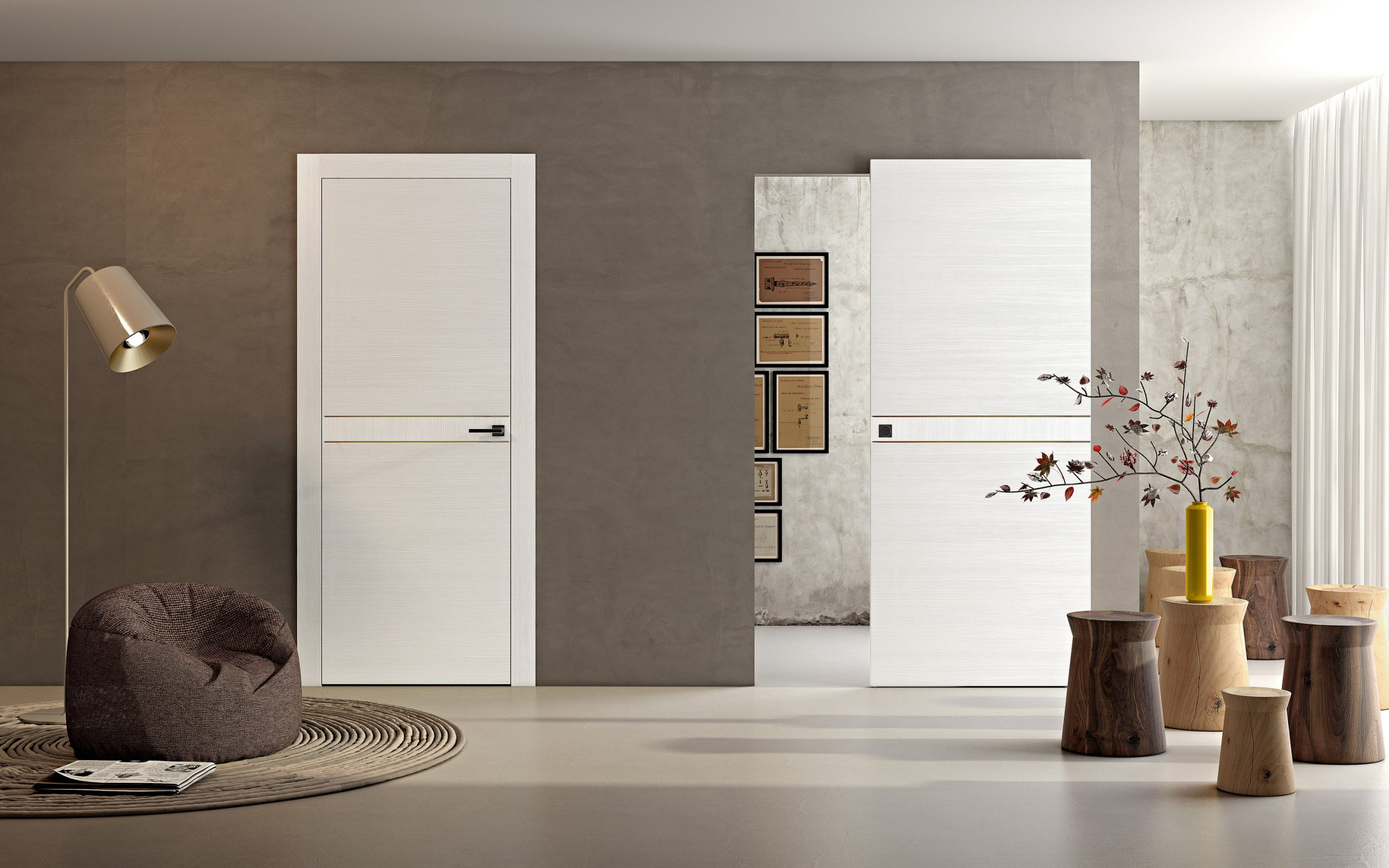
Advantages of Pre-Finished Internal Door
Choosing pre-finished internal doors brings numerous benefits, especially when it comes to convenience, durability, and cost-efficiency.
Time-Saving Benefits: Why Pre-Finished Doors Are Faster to Install?
One of the main reasons people opt for pre-finished internal doors is the amount of time they save during installation. When you choose a pre-finished door, it comes fully ready to be hung. The door has already been painted, stained, or sealed in the factory, so there’s no need to spend additional hours finishing work at home.
1. No Drying Time:
Traditional doors often require multiple coats of paint or stain, each needing time to dry before the next layer is applied. With pre-finished doors, the finish is already set, meaning you can install them immediately after purchase. This is a huge time-saver, especially for busy homeowners or professionals working on tight schedules.
2. Quick and Easy Installation:
Since the door is already pre-finished, it’s easier and faster to install. You don’t have to worry about messy or complicated finishing tasks, which can often lead to delays or mistakes. With pre-finished internal doors, you’re getting a smooth, professional look right out of the box.
3. Fewer Steps:
The entire process is simplified. Instead of needing to plan for multiple tasks, like sanding, painting, and sealing, you just install the door. For a fast, stress-free renovation or construction project, pre-finished doors are the way to go.
Durable and Long-Lasting: The Advantages of Pre-Finished Coatings
Another significant advantage of pre-finished internal doors is their durability. The factory-applied finish is typically more robust than what you might apply yourself. Here’s why:
High-Quality Finish:
The pre-finish is applied in a controlled factory setting, often using industrial-grade paints, stains, or varnishes. This ensures the finish is consistent and highly resistant to wear and tear. Whether your doors are exposed to heavy foot traffic or occasional bumps, the finish remains strong and intact for years.
Scratch and Stain Resistance:
Pre-finished coatings are designed to protect the door from scratches, dents, and stains. This makes them ideal for high-traffic areas, such as hallways or offices, where a door might receive more physical contact. For homes with pets or young children, pre-finished internal doors provide added peace of mind.
Long-Term Value:
The durability of pre-finished doors means they can withstand the test of time, maintaining their appearance longer than unfinished or DIY-finished doors. This longevity ensures that your investment in pre-finished internal doors will pay off over many years.
Cost-Effective: Save on Labor and Materials
While pre-finished internal doors may have a slightly higher initial price compared to unfinished doors, they are often more cost-effective in the long run. Here’s why:
Savings on Labor:
When you buy a pre-finished door, you’re saving money on the labor that would normally go into finishing the door yourself. For those who are hiring professionals, the cost of applying paint or stain can quickly add up. With pre-finished doors, there’s no need for additional labor, which can save you a significant amount of money.
No Need for Extra Materials:
If you were to buy an unfinished door, you would need to purchase paint, stain, varnish, brushes, and other finishing materials. This can add up quickly. With pre-finished internal doors, all those extra expenses are eliminated, since the door already comes with a professional-grade finish.
Value for Money:
Even though the upfront cost may be slightly higher, the added durability, time savings, and reduced maintenance costs make pre-finished doors a more cost-effective choice in the long term. You won’t have to worry about refinishing or replacing the door as often.
Energy and Environmental Savings:
Pre-finished doors are often made with energy-efficient materials and coatings that help improve the overall insulation of your home. By reducing drafts and enhancing thermal performance, these doors can contribute to lower energy bills.
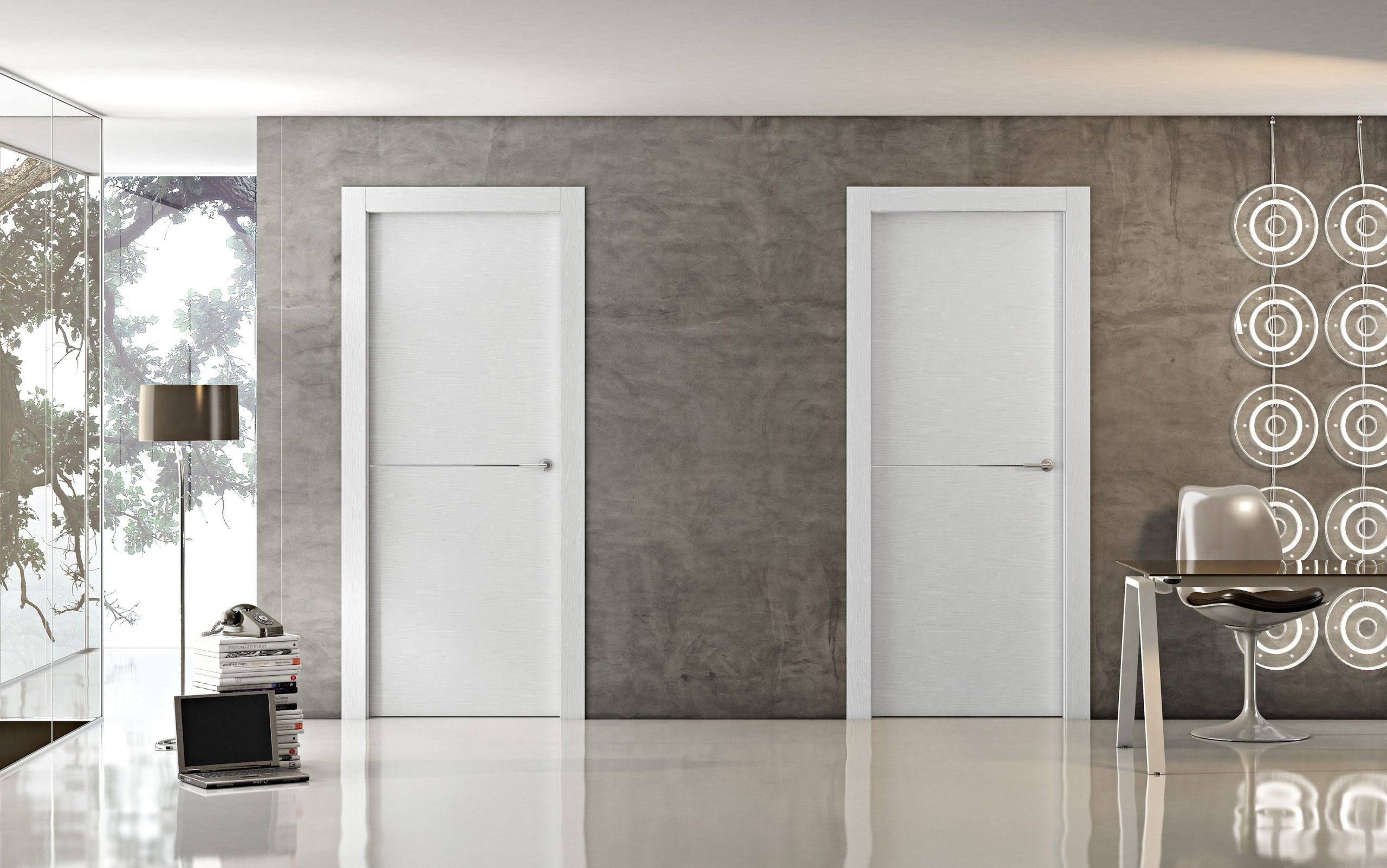
How to Choose the Right Pre-Finished Internal Door?
When it comes to selecting the right pre-finished internal door for your home, there are a few key factors to consider. Choosing the perfect door is not just about appearance—it’s about finding one that suits your needs, complements your home’s style, and stands the test of time. Let’s take a closer look at how to make the best decision.
Factors to Consider
Before you choose a pre-finished internal door, it’s important to think about style, function, and durability. These three elements play a significant role in how well the door will perform in your space.
Style:
The style of your door should match the overall aesthetic of your home. If you’re aiming for a modern look, choose a pre-finished door with sleek lines and minimal detailing. For more traditional spaces, you might opt for doors with paneling, detailed woodwork, or classic finishes. Always think about the visual impact the door will have in the room.
Function:
Different spaces have different functional needs. For instance, pre-finished internal doors used in bedrooms or offices might prioritize privacy and sound insulation. In contrast, doors in living rooms or hallways may be more about aesthetics and ease of use. Think about whether the door needs to block sound, provide privacy, or allow for more natural light (like doors with glass inserts).
Durability:
A door is an investment, so consider how durable it needs to be. High-traffic areas, such as hallways, will need doors with durable, scratch-resistant finishes. If you have pets or young children, choose a more rugged door that can stand up to wear and tear. Pre-finished doors are often more durable than unfinished ones, thanks to their high-quality factory-applied finishes.
Choosing the Right Door for Your Home's Interior Design
The pre-finished internal door you choose should blend seamlessly with the interior design of your home. Whether you’re renovating a room or building a new space, the door must complement your existing decor. Here’s how you can make sure it fits:
Match Your Existing Furniture:
Look at the colors and textures in the room. If your furniture is a neutral color, you might want to choose a pre-finished door in a natural wood finish, like oak or walnut. If your room features bold, modern colors, a painted door in white, gray, or black might work best.
Consider the Room's Purpose:
Different rooms require different aesthetics. A pre-finished door in the living room or dining area might have a more decorative look, while a bedroom door might need to offer more privacy and sound insulation. For bathrooms, choose a door that is moisture-resistant and easy to clean, especially if it has a painted or sealed finish.
Door Style and Architectural Features:
If your home has a specific architectural style, such as mid-century modern, farmhouse, or industrial, choose a pre-finished internal door that aligns with that theme. For example, glass panel doors work well in contemporary homes, while raised-panel doors suit traditional homes.
Color and Finish:
Pay attention to the color and finish of the door. Wooden pre-finished doors come in a variety of stains and natural finishes, offering rich texture. Alternatively, painted doors can provide a clean and uniform look. Make sure the finish complements the surrounding trim, floors, and other design elements.
Pre-Finished Doors for Different Rooms
The type of pre-finished internal door you choose will vary depending on the function of the room. Here’s a breakdown of the best choices for different areas of your home:
Living Room:
The living room is a central gathering space, so choose a pre-finished door that enhances the room’s aesthetic. You might want to go with a stylish, modern door with a glass panel for added natural light, or a solid wood door for a more classic feel. Glass doors can also give the room an open, airy look while still maintaining privacy.
Bedroom:
In the bedroom, privacy and sound insulation are key. A solid core pre-finished door is a great choice for reducing noise from other parts of the house. Whether you prefer a traditional wooden door or a more contemporary, painted design, make sure the door provides the privacy you need for restful sleep.
Bathroom:
The bathroom door should be moisture-resistant and easy to clean. Look for pre-finished doors made of durable materials that won’t warp or swell due to humidity. A painted pre-finished internal door with a smooth finish is a good option, as it can withstand the bathroom’s moisture and is simple to wipe down.
Hallways and Kitchens:
In high-traffic areas like hallways and kitchens, durability is a major consideration. Choose a pre-finished internal door that can handle daily use without showing wear. A solid, durable finish, such as a high-gloss paint or a tough, sealed wood finish, will stand up to the demands of these areas.
Home Office:
For a home office, consider a door that can block out noise and provide a sense of separation from the rest of the house. A solid core pre-finished door would work well here. You can also opt for a door with glass panels to let in natural light while maintaining a sense of privacy.
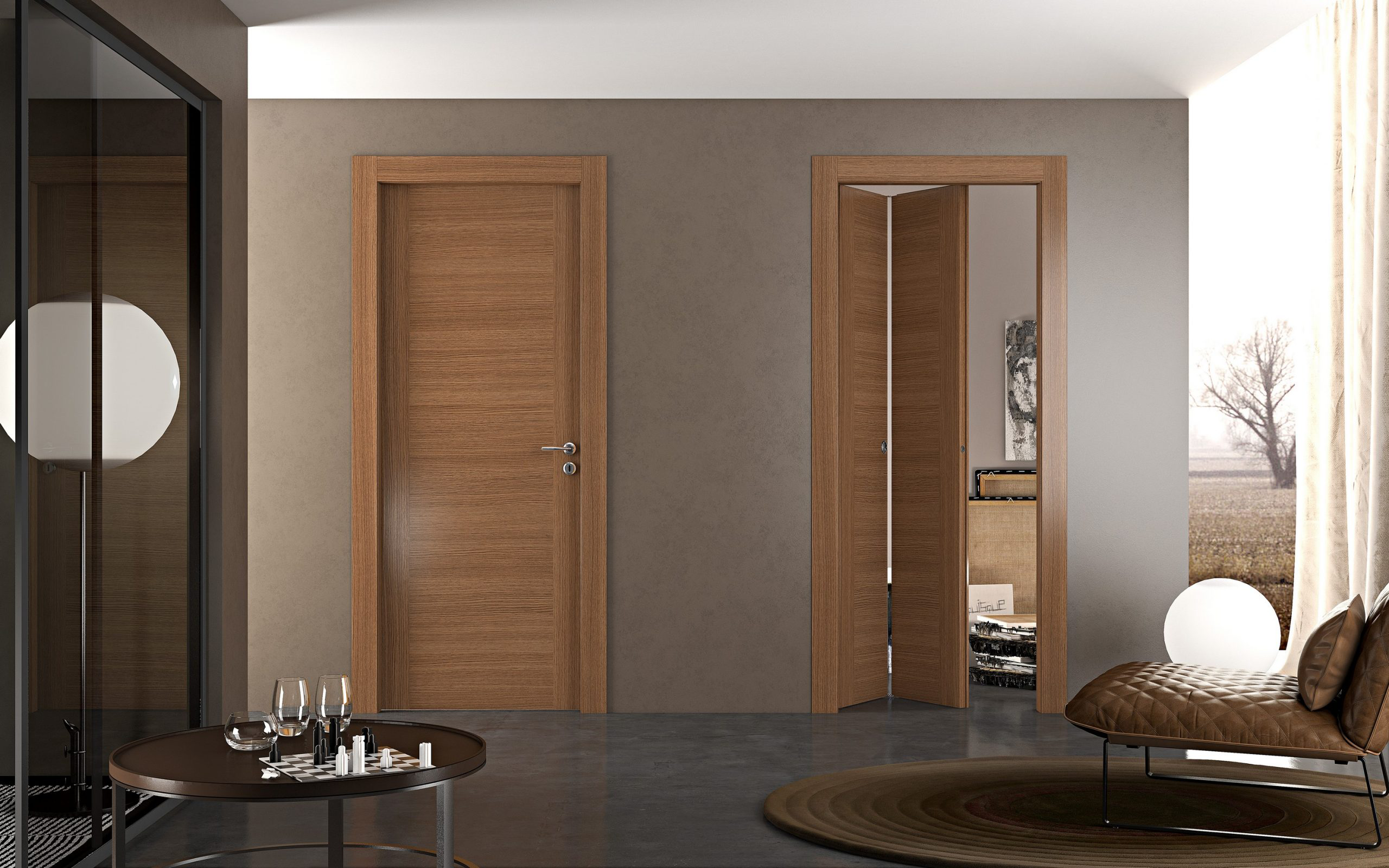
Maintenance and Care of Pre-Finished Internal Door
A pre-finished internal door doesn’t need a lot of maintenance, but a bit of care goes a long way. With the right cleaning habits and protection, your door will stay looking new for many years. Let’s look at some simple ways to keep your doors in great shape.
How to Clean Pre-Finished Door Without Damaging the Finish?
Cleaning your pre-finished internal doors is easy, but you have to do it gently. The goal is to remove dust, fingerprints, or marks without harming the surface coating.
Start with a soft, dry cloth or a microfiber duster to remove everyday dust. For tougher spots, use a slightly damp cloth with mild soapy water—just a drop of dish soap will do. Wipe the surface gently and follow the grain of the wood if your door has one. Then, dry it right away with a clean towel to prevent water stains.
Avoid harsh chemicals or abrasive cleaners. Products that contain alcohol, bleach, or ammonia can strip the protective coating from your pre-finished internal door, leaving dull patches or streaks. The same goes for scrubbing pads—they might scratch the surface.
If your door has glass panels, clean them separately using a soft glass cleaner, but be careful not to let the liquid run into the wood or painted surface. A little attention while cleaning will keep your doors shining for years.
How Often Should You Refinish or Touch-Up Your Pre-Finished Door?
One of the best things about a pre-finished internal door is that you don’t need to refinish it often. The factory-applied coating is strong and long-lasting. However, every few years, a small touch-up can help keep the door looking its best.
Inspect your doors once or twice a year. Look for signs of wear—tiny scratches, faded spots, or dull areas. If you notice small marks, you can use a color-matching wax stick or touch-up pen to repair the finish. These are easy to find at most hardware stores.
For bigger areas of wear, lightly sand the affected spot with fine-grit sandpaper and apply a thin layer of clear varnish or wood polish. Always test it first on a hidden corner to make sure it matches your door’s color and sheen.
If you take good care of it, a quality pre-finished internal door can go many years—sometimes even a decade—before needing any serious refinishing. Regular light maintenance is enough to keep it looking brand new.
Protecting Your Pre-Finished Door from Scratches and Dents
Even the strongest pre-finished internal doors can get scratched or dented if they’re not protected. Luckily, there are simple ways to prevent most of the common damage.
First, install door stoppers behind each door to stop them from hitting walls or furniture. This simple fix prevents dents and chipped paint. Second, be mindful of heavy objects like vacuum cleaners or furniture—bumping into the door can leave marks that are hard to fix.
If you have pets or small children, consider adding a protective clear film to high-contact areas, especially near the bottom of the door. It’s barely noticeable and helps prevent scratches.
You can also apply a thin coat of furniture wax or polish every six months. It adds a light protective layer and enhances the shine of your pre-finished internal door. For wooden doors, keeping indoor humidity levels stable helps too—extreme moisture can cause the wood to expand or contract, affecting the finish.
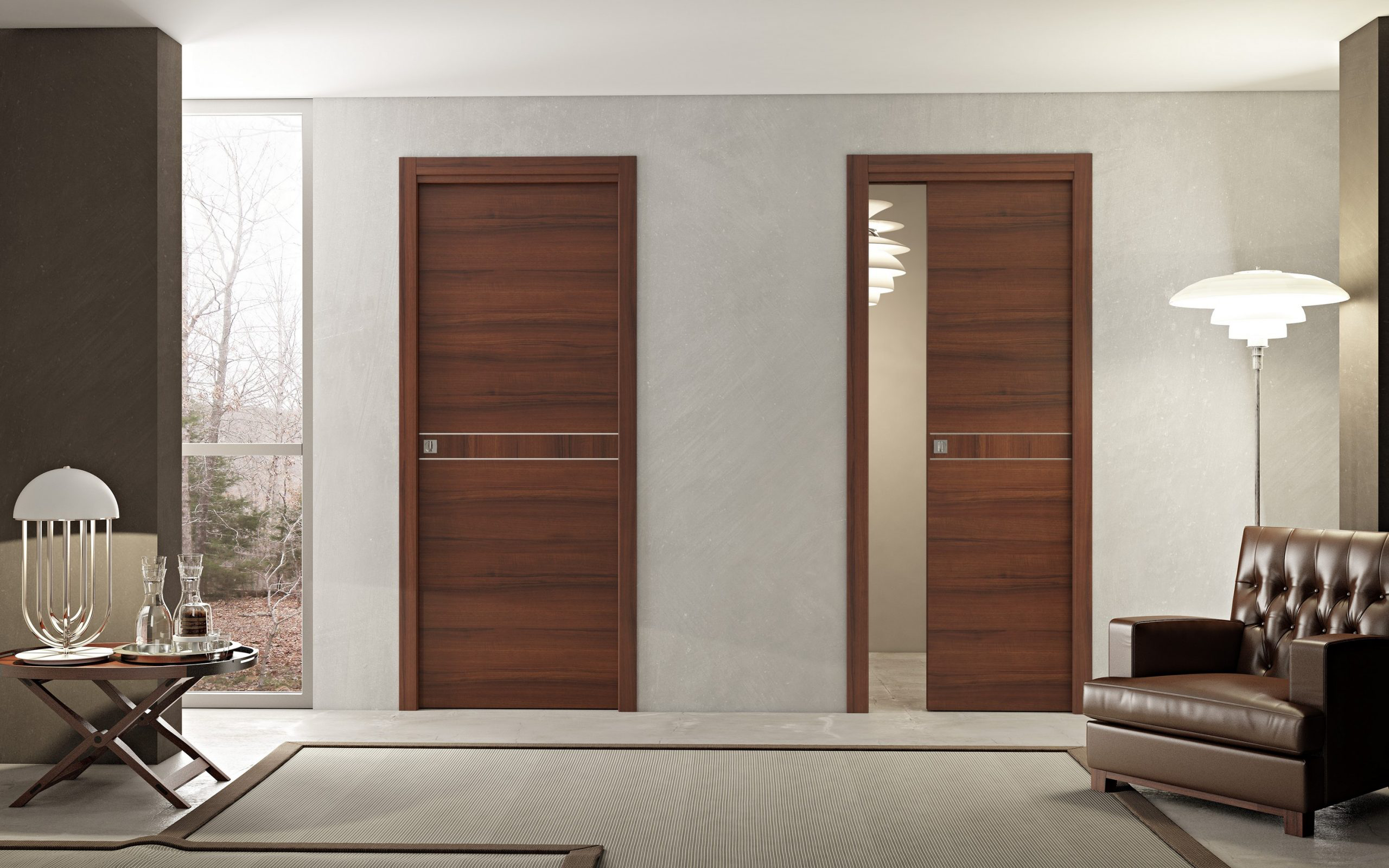
Comparing Pre-Finished and Unfinished Internal Door
When it comes to choosing an internal door, you often face a choice between pre-finished and unfinished doors. Each option has its own set of benefits, so it’s important to understand the differences and which one works best for your needs.
What’s the Difference Between Pre-Finished and Unfinished Doors?
The main difference between pre-finished and unfinished internal doors lies in the amount of preparation they require before installation. Here’s a simple breakdown:
- Pre-Finished Doors: As the name suggests, these doors come with a finish already applied—whether it’s paint, stain, or varnish. They are ready to be installed right out of the box. The finish is applied in a controlled factory setting, ensuring a smooth, durable, and consistent result.
- Unfinished Doors: These doors come with no finish applied at all. They are a raw material, ready for you to sand, stain, paint, or varnish as you like. This gives you full control over the color, texture, and sheen of the door. However, it also means more work for you before the door is ready to be installed.
Advantages and Disadvantages of Unfinished Doors vs. Pre-Finished Door
Each type of door has its pros and cons. Let’s dive deeper into the advantages and disadvantages of unfinished versus pre-finished internal doors.
Advantages of Pre-Finished Doors
- Time-Saving: One of the biggest benefits of pre-finished doors is the time you save. They are ready to install as soon as you bring them home. You don’t have to worry about waiting for paint to dry or spending hours applying multiple coats of finish. This is a huge plus if you’re on a tight schedule or want to avoid the hassle.
- Consistent Quality: The finish on pre-finished doors is applied in a factory-controlled environment so that you can expect a high-quality, uniform result. The paint or stain is often more durable and resistant to wear than something applied at home, making these doors more long-lasting.
- No Mess: When you choose a pre-finished internal door, you avoid the mess of sanding, painting, or staining. There’s no need for drop cloths, fumes, or extra cleanup. This makes it a cleaner and less stressful process, especially if you’re not experienced with finishing doors.
- Durable Coating: Factory finishes tend to be more durable than what you can apply at home. They are often more resistant to scratches, stains, and wear, making them perfect for high-traffic areas.
Disadvantages of Pre-Finished Doors
- Limited Customization: With pre-finished doors, you’re stuck with the color and finish that comes with the door. While they come in a wide range of finishes, they may not match your exact vision if you’re looking for a unique color or texture.
- Higher Upfront Cost: Pre-finished doors typically cost more upfront than unfinished doors. However, the added convenience and durability may justify the extra cost, especially if you factor in the savings on labor and time.
- Potential for Scratches: While the factory finish is durable, it can still be scratched or chipped if not handled carefully during installation or after it’s been hung. This means some touch-up work may be needed, especially in high-traffic areas.
Advantages of Unfinished Doors
- Full Customization: One of the biggest perks of unfinished doors is the ability to customize the finish exactly to your liking. Whether you want a particular stain, a bold color, or a distressed look, unfinished doors give you the flexibility to create your ideal door.
- Lower Initial Cost: Unfinished doors are usually more affordable than pre-finished doors. If you’re on a budget, this can be a great option. You’ll save money upfront, even though you might need to invest more time and materials to finish the door yourself.
- Personal Touch: Applying the finish yourself can be a satisfying DIY project. If you enjoy home improvement and want to put your personal touch on your doors, unfinished doors offer the perfect opportunity to do just that.
Disadvantages of Unfinished Doors
- Time-Consuming: The most obvious downside of unfinished doors is the time required to get them ready for installation. You’ll need to sand, stain, paint, and seal the door before it’s fully ready. This can take several days, depending on the type of finish you’re applying.
- Messy: Finishing an unfinished internal door can be a messy process. You’ll need the right tools, a clean workspace, and the patience to apply multiple coats of paint or stain. Plus, you’ll have to deal with drying times between each coat.
- Inconsistent Finish: If you’re not an experienced DIYer, applying a finish yourself can result in an uneven coat or poor coverage. Achieving a professional-level finish can be difficult without the proper skills or equipment. In some cases, the door might not have the same level of durability as a pre-finished door, especially if the finish isn’t applied properly.
Relate FAQ
What is a pre-finished internal door?
A pre-finished internal door refers to a door that has been factory-coated or treated with a finish, such as paint or varnish, before being delivered for installation. This means the door is ready to be installed without the need for additional painting or finishing work on-site.
How is a pre-finished internal door different from an unfinished door?
An unfinished door requires additional work, such as sanding, priming, and painting, after installation. In contrast, a pre-finished internal door has already been treated with a protective coating and color at the factory. This eliminates the need for on-site finishing and offers a quicker, mess-free installation process.
What are the benefits of choosing a pre-finished internal door?
- Time-saving: Installation is quicker because the door doesn’t need painting or staining.
- Consistent Quality: Factory finishes ensure a professional, uniform appearance.
- Protection: Pre-finished doors often have additional protective coatings, which can enhance their durability and resistance to wear and tear.
What are the different types of interior doors?
Yes, pre-finished internal doors come in a wide range of materials, including wood, MDF, and composite, and can be finished in various styles such as panel doors, flush doors, or glazed doors. You can choose from different finishes like matte, gloss, or satin to match your interior decor.
Can interior doors improve home insulation?
With proper care, pre-finished internal doors can last for many years. The factory finish provides added protection against wear, fading, and scratches. Regular cleaning and maintenance, such as wiping down the surface and avoiding harsh chemicals, can help extend the life of your pre-finished door.
How do I maintain and care for my interior door?
Pre-finished doors are generally low-maintenance. Clean them regularly with a soft cloth and mild detergent to keep the finish looking fresh. Avoid using abrasive cleaners that might damage the finish. In case of any scratches or chips, a touch-up paint or finish may be required to restore the door’s appearance.
Are there different door sizes for different spaces?
Yes, you can install a pre-finished internal door yourself if you have the proper tools and experience. However, for a flawless installation and to avoid damaging the door, you may want to consider hiring a professional installer, especially if you’re unsure about the fitting process.