What are the best exterior doors for cold weather in Canada?

Choosing the Right Exterior Door for Canada's Cold Weather
Why the Right Exterior Door Matters in Cold Canadian Weather?
When it comes to Canada’s harsh winters, the exterior door of your home is more than just a way to enter and exit. It serves as a critical barrier between your cozy indoor space and the biting cold outside. Choosing the right exterior door can make all the difference in your comfort level during the long, cold months.
A well-chosen door helps keep your home insulated, saving energy and reducing heating costs. It also prevents drafts, which can be a constant issue in homes without proper sealing. With the right materials, a sturdy exterior door can help protect your home from snow, ice, and wind, all of which can lead to damage or increased wear and tear if not properly managed.
Canada’s Cold Climate and Its Impact on Homes
Canada’s winters can be unforgiving, with temperatures often plummeting well below freezing. Homes in Canada must be prepared to handle this extreme cold. Unfortunately, poor insulation and outdated materials can make homes vulnerable to the elements, particularly at entry points like the exterior door. Without a well-insulated door, cold air can seep in, making your heating system work overtime, leading to higher energy bills.
Additionally, ice and snow can cause damage to a door that isn’t built to withstand such conditions. Frost can form on poorly sealed doors, and the constant freezing and thawing can warp materials, leading to expensive repairs or replacements. That’s why choosing the right exterior door is essential to ensure your home stays safe, warm, and energy-efficient during the winter months.
How an Exterior Door Plays a Key Role in Comfort & Energy Efficiency?
The exterior door is one of the most important features in maintaining both comfort and energy efficiency in your home. A high-quality, insulated exterior door helps keep the indoor temperature stable, blocking out cold drafts in the winter and preventing heat from escaping.
This not only makes your home more comfortable but also cuts down on heating costs. Look for doors with a high R-value, which indicates excellent insulation properties. Materials like fiberglass, steel, or wood with a solid core provide better insulation than traditional hollow-core doors.
Additionally, modern exterior doors come with weather stripping and energy-efficient glass options that reduce air leakage, keeping your heating system working less and saving you money in the long run. A good exterior door will also enhance your home’s curb appeal, providing both functionality and style. So, when selecting a door, make sure it’s one that offers both protection from the elements and helps maintain a comfortable, energy-efficient home.
Key Features to Look for in an Exterior Door for Cold Weather
Insulation Value: R‑Value, U‑Factor, Foam Cores
When choosing an exterior door for Canada’s cold weather, insulation is key. The better insulated your door is, the more energy-efficient and comfortable your home will be during winter. Insulation helps block the cold air from seeping in and keeps the warmth inside where it belongs. When shopping for an exterior door, you’ll come across terms like R-value, U-factor, and foam cores. These are all important factors that determine how well a door can handle the cold.
What R‑Value and U‑Factor Mean?
The R-value and U-factor are two terms that measure how well an exterior door insulates your home.
- R-value measures how well the door resists heat transfer. The higher the R-value, the better the door’s insulation. For colder climates like Canada’s, a door with a high R-value is essential to keep your home warm and energy-efficient. Look for doors with an R-value of at least 5 or higher for the best performance.
- U-factor, on the other hand, measures how much heat escapes through the door. A lower U-factor means the door is more energy-efficient, as it allows less heat to escape. Ideally, you want a U-factor as low as possible to minimize heat loss. For cold climates, a U-factor of 0.30 or lower is typically a good target.
Why Foam-Filled Door Cores Help in Winter?
Foam-filled cores are another key feature to look for when selecting an exterior door. Many doors come with a solid core made of wood or metal, but a foam-filled core offers superior insulation. The foam core fills the space inside the door, creating a barrier that prevents heat from escaping and cold from entering.
This foam core not only provides excellent insulation but also helps make the door lightweight yet strong. During the cold Canadian winter, foam-filled doors are especially beneficial because they can block out drafts, keeping your home warmer and reducing the need for constant heating.
Foam-filled cores also help with noise reduction, making your home quieter during the winter months when harsh winds can cause additional noise. Choosing an exterior door with a foam-filled core is one of the best ways to ensure your home remains comfortable and energy-efficient year-round.
Weather‑Resistance: Drafts, Moisture, Wind, Freezing
Canada’s winters bring a mix of cold winds, snow, and freezing temperatures that can wreak havoc on poorly sealed homes. One of the most important features to look for in an exterior door is its ability to withstand the weather. A good exterior door should keep out drafts, moisture, and wind, while also preventing freezing conditions from entering your home.
Drafts can make your heating system work harder, raising energy bills. Moisture can lead to mold, mildew, and wood damage. Wind can cause uncomfortable drafts, and freezing temperatures can freeze your door seals, making them ineffective. To ensure your home stays protected during cold weather, it’s crucial to choose a door that is weather-resistant and properly sealed.
Weather-Stripping, Airtight Seals, Thermal Breaks
To keep drafts and moisture out, a high-quality exterior door will have built-in weather-stripping, airtight seals, and thermal breaks.
- Weather-stripping is a rubber or foam material placed around the edges of the door to prevent air and moisture from sneaking in. It’s an easy and affordable way to stop drafts and water from entering your home. Make sure to check the weather-stripping regularly, as it can wear down over time and may need replacing.
- Airtight seals are designed to create a complete seal when the door is closed. They help keep warm air inside and cold air outside, providing better insulation. Airtight seals also help block out moisture, reducing the risk of condensation or ice buildup.
- Thermal breaks are another important feature for exterior doors in cold climates. They are materials that reduce heat transfer between the inside and outside of the door. By breaking the thermal bridge, thermal breaks prevent the cold from seeping in and the heat from escaping. This feature is especially useful in doors with metal frames, as metal can conduct heat easily.
Frame and Sill Details
The frame and sill of an exterior door play a crucial role in preventing cold air, snow, and ice from entering your home. These parts of the door need to be properly designed and installed to ensure they offer maximum protection.
- The frame should be made from durable, weather-resistant materials, such as fiberglass or high-quality wood. A strong frame provides the structure needed to support your door and prevent air leaks. Make sure the frame is well-sealed around the edges to prevent any gaps where cold air can sneak through.
- The sill is the part of the door at the bottom where the door meets the floor. It’s a key area for preventing cold air, snow, and moisture from entering your home. Many modern exterior doors feature a sill with a built-in drainage system to direct water away from the door. Some doors also have a raised sill, which helps stop snow and ice from getting inside.

Durability and Maintenance in Harsh Winters
In Canada, winters can be tough on exterior doors. Extreme cold, snow, ice, and moisture can all cause damage over time. That’s why durability and low maintenance are key when selecting an exterior door for your home.
A durable door can withstand the harsh conditions without warping, cracking, or rusting. Additionally, low-maintenance materials mean fewer problems to deal with during winter, so you won’t have to worry about repairs or constant upkeep.
Materials That Resist Warping, Cracking, Rusting
When it comes to choosing the best exterior door for cold climates, the material is everything. The right material can make all the difference in how well your door holds up over time.
- Fiberglass is one of the best materials for cold weather. It’s highly durable, resistant to warping and cracking, and doesn’t absorb moisture. Fiberglass doors won’t swell or shrink with the temperature changes, which is important when dealing with fluctuating Canadian winters. They also offer excellent insulation, making them both strong and energy-efficient.
- Steel is another great option. Steel exterior doors are tough, secure, and resistant to weather damage. Unlike wood, steel won’t warp, crack, or expand when exposed to moisture or freezing temperatures. However, make sure the door is coated with a protective finish to prevent rusting, especially in areas where road salt is commonly used in winter.
- Wood doors can also be a good choice, but they require more maintenance. Wood is natural and beautiful, but it’s prone to warping, cracking, and swelling in extreme temperatures unless properly sealed and maintained. If you choose a wooden exterior door, make sure it’s treated for outdoor use and regularly inspected for signs of damage.
Why Low Maintenance Means Fewer Surprises in Winter?
Low-maintenance exterior doors are a smart choice for homeowners who want to avoid surprises during the winter. In harsh climates, doors that need frequent upkeep can quickly become a hassle. Doors that require constant painting, sealing, or repairs are not only time-consuming but can also let the cold in if not maintained properly.
For instance, fiberglass and steel doors are much easier to maintain compared to wood doors. These materials are naturally resistant to the effects of weather, which means they don’t need to be refinished or resealed regularly.
Furthermore, low-maintenance exterior doors are less likely to develop problems like moisture damage, rust, or cracking, which could worsen over time, especially during freezing temperatures.
Energy Efficiency and Long-Term Savings
When choosing an exterior door for cold climates like Canada, energy efficiency should be a top priority. The right exterior door can make a significant impact on your home’s energy use, which means lower heating bills during the long winter months. A well-insulated door acts as a barrier that prevents warm air from escaping and keeps the cold outside where it belongs.
Not only does this improve comfort inside your home, but it also helps save money in the long run. Energy-efficient doors also contribute to a greener home by reducing your carbon footprint, which makes them a smart investment for both your wallet and the environment.
How the Right Door Reduces Heating Costs?
The right exterior door plays a crucial role in reducing heating costs, especially during the coldest months of the year. When an exterior door is poorly insulated or not sealed properly, warm air can escape, and cold air can enter, causing your heating system to work harder to maintain a comfortable temperature. This means your energy bills can rise significantly as your furnace runs longer and more frequently.
An energy-efficient exterior door is designed to prevent this heat loss. High-quality doors with good R-values (insulation properties) and U-factors (heat transfer rates) create a thermal barrier that reduces the flow of warmth out of your home. Additionally, doors with foam cores, airtight seals, and weather-stripping help prevent drafts, ensuring that the warm air stays inside and the cold air stays outside.
By reducing the need for constant heating, an energy-efficient door can help lower your monthly utility bills, making it a long-term investment that pays for itself over time. Plus, less energy usage means fewer greenhouse gas emissions, which is better for the environment.
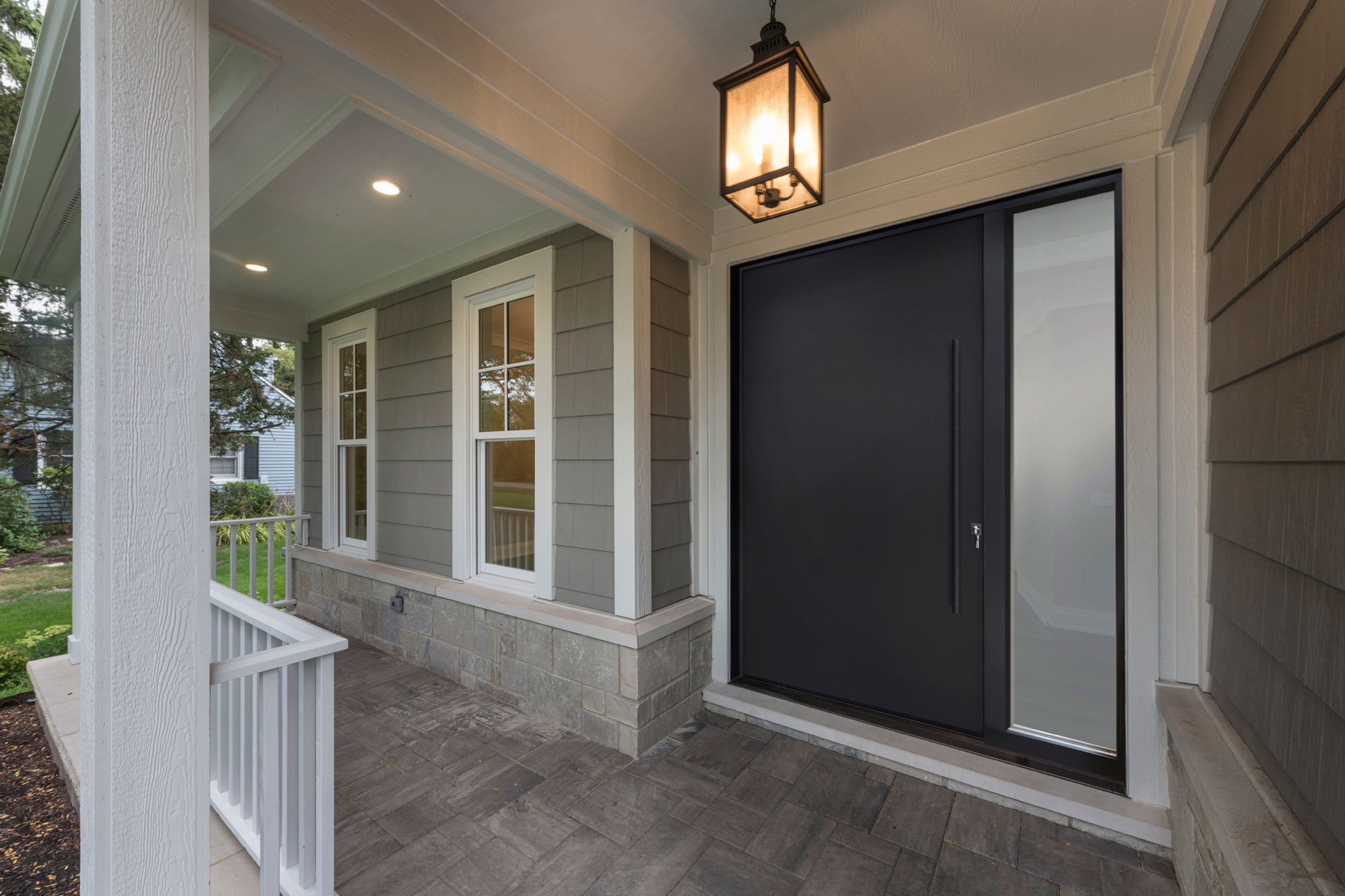
Best Materials for Exterior Doors in Cold Canadian Climates
Wood Exterior Door
Wooden exterior doors have a timeless appeal. However, in cold Canadian climates, they require careful consideration. While wood is a great insulator and can provide a classic look, it is also more vulnerable to the elements, especially when exposed to freezing temperatures and moisture. If you choose a wooden exterior door, it’s important to understand the special care it needs to ensure it performs well through harsh winters.
Special Care Needed in Cold & Moisture
Wood is a porous material, which means it can absorb moisture from snow, rain, and humidity. When the temperature drops, this moisture can cause the wood to swell, shrink, warp, or crack. Over time, these changes can affect the door’s performance, insulation, and appearance.
Additionally, in areas with heavy snowfall or rain, moisture can lead to rot or mold growth if the door is not properly sealed and maintained.
To prevent these issues, it’s essential to ensure that your wooden exterior door is properly sealed to protect it from moisture.
The expansion and contraction of wood due to temperature changes can also cause gaps around the door, allowing cold air to enter and heat to escape. This can make your home drafty and increase heating costs during the winter months.
How to Implement Protective Measures?
If you’re set on having a wood exterior door, you’ll need to take steps to protect it from the harsh conditions of a cold Canadian winter. Here are a few ways to enhance its durability and efficiency:
- Install a Storm Door: Adding a storm door on top of your wooden exterior door can provide an extra layer of protection. A storm door creates a barrier that shields your wood door from wind, rain, snow, and ice. It also adds an additional layer of insulation, helping to keep your home warmer and reducing the wear on your wooden door.
- Extra Sealing: Apply high-quality weather-stripping around the edges of the door to prevent drafts and moisture from getting in. Consider adding caulking to seal any gaps around the frame. This is especially important for wooden doors, as they are more likely to expand and contract with temperature fluctuations. A solid seal ensures your home stays energy-efficient and your door remains protected from the elements.
- Regular Maintenance: Wooden exterior doors should be periodically sanded, stained, and sealed to protect them from moisture damage. A fresh coat of protective finish can help maintain the door’s appearance and extend its lifespan. This is an important step in keeping the door weather-resistant throughout the year.
Cast Aluminum Exterior Door
Cast aluminum exterior doors are an excellent choice for cold Canadian climates. These doors combine strength, durability, and weather resistance, making them ideal for areas that experience freezing temperatures and heavy snow.
Cast aluminum is a tough material that can handle the extreme conditions often found in Canada’s winters. It doesn’t warp, crack, or swell like wood, nor does it rust like steel. Because of these properties, cast aluminum exterior doors provide a long-lasting, low-maintenance solution for homeowners looking to keep their homes insulated and protected from the elements.
Corrosion Resistant
One of the main advantages of cast aluminum exterior doors is their ability to resist corrosion, which is especially important in environments where road salt is commonly used to clear snow. Unlike steel doors, which can rust over time when exposed to moisture and salt, cast aluminum doors remain intact and perform well despite these harsh conditions.
Durable and Long-lasting
Additionally, aluminum doors are lightweight yet strong, which makes them easier to handle during installation and less likely to be affected by the weight of accumulated snow or ice. They are also known for their excellent insulation properties when paired with the right core materials, helping to keep your home warm and energy-efficient.
For those living in areas with extreme winters, a cast aluminum exterior door offers a combination of durability, security, and ease of maintenance. It can provide years of reliable service, ensuring your home stays protected and your heating costs stay low.
Steel Exterior Door
Steel exterior doors are a popular choice for cold Canadian climates due to their durability, security, and excellent insulation properties. These doors are built to withstand the harsh winter conditions, including freezing temperatures, snow, and ice. Steel doors are a reliable option for homeowners looking for a robust, energy-efficient, and low-maintenance solution. When combined with the right insulation, steel exterior doors can help keep your home warm and protected, while also offering increased security.
What Makes Steel Doors Work (Foam Core + Weather-Seals)
One of the key reasons steel doors perform so well in cold climates is their foam core and weather-sealing features.
- Foam Core: Most steel exterior doors are filled with a foam core, which provides excellent insulation. This foam acts as a barrier, preventing heat from escaping and keeping cold air from entering. A foam-filled steel door helps improve your home’s energy efficiency by maintaining a stable indoor temperature, which can reduce heating costs during the winter months.
- Weather-Seals: Steel doors also come equipped with weather-seals around the edges to block drafts and moisture. These seals help to create an airtight barrier, keeping your home dry and comfortable. The combination of foam insulation and weather-seals makes steel doors a highly effective choice for keeping your home protected from the elements and ensuring your heating system doesn’t have to work overtime.
Pros & Cons (Durability vs Potential Dents/Rust)
Pros:
- Durability: Steel doors are incredibly strong and can withstand impact, making them one of the most durable options available. They provide excellent protection against both the cold and potential break-ins, offering peace of mind for homeowners.
- Low Maintenance: Steel doors are generally low-maintenance. Unlike wood, they don’t require constant painting or sealing, and unlike fiberglass, they are less prone to cracking or warping.
- Energy Efficiency: As mentioned earlier, the foam core and weather seals work together to provide excellent insulation, helping to reduce heating costs and improve energy efficiency.
Cons:
- Potential Dents: While steel is durable, it can be prone to dents if struck by heavy objects, such as snow or ice buildup during winter storms. Though this may not affect the door’s function, it can impact its appearance. If not properly cared for, these dents may become noticeable over time.
- Rust: Although steel doors are coated to prevent rust, prolonged exposure to moisture and road salt can lead to corrosion, especially in harsh winters. To prevent rusting, it’s important to regularly check the door for any scratches or damage to the protective coating. If the coating is compromised, rust can form over time, affecting both the appearance and longevity of the door.

Best Design & Installation Tips for Cold Weather Exterior Door
Proper Sealing and Weather-Proofing
Proper sealing and weather-proofing are essential when installing an exterior door in cold climates like Canada’s. Without effective seals, drafts can enter your home, and warm air will escape, causing your heating system to work harder and raising energy bills. Additionally, moisture can seep through gaps around the door, leading to potential water damage, frost buildup, or even mold. Ensuring your exterior door is well-sealed is crucial to maintaining comfort and energy efficiency.
A well-sealed door creates an airtight barrier between the inside and outside of your home, preventing cold air from getting in and keeping warmth where it belongs. There are a few key components to focus on during installation: weather-stripping, the threshold seal, and the alignment of the door frame.
Installing Correct Weather-Strip and Threshold Seal
One of the first things to focus on when weather-proofing an exterior door is the weather-stripping. This is the material, usually foam or rubber, that fits around the edges of the door to block drafts. Proper installation of weather-stripping ensures that no air can get in around the door’s edges, especially in areas where the door meets the frame.
- Weather-stripping: Make sure the weather-stripping is installed snugly around all four sides of the door, including the top, sides, and bottom. If the weather-stripping is too loose, air can still enter, making your door less effective in keeping your home warm.
- Threshold Seal: The threshold is the bottom part of the door frame where the door meets the floor. A high-quality threshold seal is important to prevent cold air, snow, and moisture from creeping in under the door. This seal should sit flush with the door and the floor, creating a tight barrier. It’s especially important to choose a threshold seal that is adjustable, as this will allow you to achieve the perfect fit over time, especially as the door may shift slightly due to seasonal changes.
Ensuring Tight Fit: Door Frame, Casing, and Sill Must Align Well
Another crucial factor in proper weather-proofing is the fit of the door within the frame. For an exterior door to perform at its best, it must be tightly sealed against the door frame and casing. Gaps, no matter how small, can let in cold air, moisture, and even insects. Ensuring that the frame, casing, and sill align properly is vital for maintaining energy efficiency and keeping your home protected from the elements.
- Door Frame Alignment: When installing the exterior door, the door frame should be plumb and level. If the door frame isn’t properly aligned, the door might not close tightly, leaving small gaps. Even a slight misalignment can reduce the effectiveness of your weather-stripping and threshold seal, allowing drafts to sneak in.
- Door Casing and Sill: The door casing (the trim around the door) and the sill (the bottom section of the door frame) must also align well. If either of these parts is out of alignment, it can create uneven spaces where air and moisture can enter. Make sure the sill is positioned correctly to prevent snow and water from gathering underneath the door, which could lead to damage or leaks.
Thermal Breaks and Door Frame Design
In cold Canadian winters, exterior doors must not only be strong and weatherproof but also energy-efficient. One key feature that plays a significant role in improving the performance of exterior doors in cold climates is the thermal break.
It is an often-overlooked design feature that can make a huge difference in preventing heat loss and maintaining comfort inside your home. A thermal break helps to minimize the flow of heat between the inside and outside of your home, which is particularly important when dealing with extreme temperatures.
What a Thermal Break Is, and Why It Matters for Door Frames?
A thermal break is a layer of insulating material, typically made of plastic, rubber, or foam, that separates the inside and outside parts of the door frame. This layer is designed to reduce the flow of heat through the door frame, which is usually made of metal (such as steel or aluminum). Without a thermal break, the metal frame would conduct cold air in winter and heat in summer, leading to energy loss.
Preventing Heat Loss:
During winter, the cold air outside can easily pass through metal door frames, causing the interior side of the door to become cold. This leads to heat loss, forcing your heating system to work harder to maintain a comfortable indoor temperature. A thermal break prevents this by acting as an insulator, keeping the heat inside and the cold outside.
Improved Energy Efficiency:
With a thermal break, your door frame helps maintain the temperature in your home, reducing the strain on your heating system. This results in lower energy bills over time. A door without a thermal break might still perform adequately, but it won’t be as efficient, leading to higher heating costs and more energy waste.
Condensation Control:
Another benefit of thermal breaks is that they help prevent condensation from forming on the inside of the door frame. Without a thermal break, the cold frame might cause moisture in the air to condense, leading to potential issues with mold or rust. The insulating layer prevents this, keeping both the frame and the interior dry and protected.
Storm Doors or Secondary Doors – Additional Protection
In regions with extreme cold, such as Canada, an exterior door alone may not provide enough protection against harsh winter conditions. This is where storm doors or secondary doors come into play. Adding a storm door can provide an extra layer of defense, boosting your home’s energy efficiency and protecting your primary exterior door from the elements. Storm doors act as a barrier between your main door and the outside world, reducing the impact of snow, ice, and freezing winds, while improving insulation.
When Adding a Storm Door Makes Sense for Extreme Cold?
Adding a storm door makes a lot of sense in areas where winters are harsh and temperatures often dip below freezing. Here are a few key reasons why you should consider installing a storm door in extremely cold climates:
Extra Insulation:
A storm door adds an additional layer of insulation to your exterior door, helping to keep the warm air inside and the cold air out. This is especially important in areas where temperatures regularly fall to extreme lows. The air gap between the storm door and the main door acts as an insulating barrier, which can help reduce energy costs by improving your home’s overall efficiency.
Protection from Wind and Snow:
In Canada, cold winds and snowstorms can quickly damage an exterior door. A storm door provides an additional layer of protection, preventing snow, ice, and wind from coming into direct contact with your primary door. This helps to minimize wear and tear, extending the life of your exterior door and reducing the need for frequent repairs or replacements.
Improved Durability:
Storm doors are typically made from sturdy materials like steel or fiberglass, which can withstand the impact of snow, hail, and strong winds. By installing one, you protect your main exterior door from the constant stress of winter weather, preserving its appearance and functionality. This is particularly beneficial if your primary door is made from a material like wood, which is more prone to warping or damage due to moisture.
Enhanced Safety:
Many storm doors come with built-in security features, such as reinforced frames and secure locking systems. These doors not only add protection against the cold but can also improve your home’s security, providing an extra layer of defense against unwanted intruders.
Increased Home Value:
While it may seem like an extra step, adding a storm door can enhance your home’s curb appeal. Storm doors come in various styles, allowing you to choose one that complements your exterior door. It can be a smart investment that adds value to your home, particularly if you live in an area with harsh winters where buyers may appreciate the added protection.

Common Mistakes to Avoid When Choosing an Exterior Door for Cold Weather
Picking Door for Style Only (Ignoring Insulation and Cold-Weather Fit)
It’s easy to fall in love with an exterior door based on its appearance, but choosing a door purely for style can lead to issues down the road, especially in cold climates like Canada. While a beautiful door can enhance your home’s curb appeal, it must also be suited for harsh winters. Insulation and the ability to handle cold temperatures should be top priorities. Without the right insulation, even the most stylish door will let cold air in, making your heating system work harder and raising your energy bills.
When selecting a door, always prioritize the R-value (insulation) and U-factor (heat transfer rate). These factors tell you how well the door can keep the cold out and the warmth in. Look for materials like cast aluminum or steel with foam cores, which offer better insulation than materials like wood or hollow-core doors. A door that’s both attractive and energy-efficient will provide comfort and save money over time.
Ignoring Proper Installation and Sealing – Even the Best Door Fails if Not Installed Right
Even if you invest in a high-quality exterior door, it won’t perform as expected if it’s not installed properly. Gaps around the door frame or incorrect sealing can let cold air and moisture enter your home, completely undermining the door’s insulation capabilities. Proper installation is key to ensuring the door fits tightly against the frame, with no room for drafts or water to get through.
Make sure the door is aligned correctly, with a secure frame, accurate weather-stripping, and a properly fitted threshold seal. Even the best exterior door can fail if the installation isn’t done right, so it’s worth investing in a professional installer who understands how to seal and weatherproof your door properly. This will ensure maximum performance and longevity.
Overlooking Door Frame, Sill, Threshold, and Flashing – Cold Enters Through Gaps
A common mistake is focusing only on the door itself and overlooking the frame, sill, threshold, and flashing. These parts are just as crucial in keeping your home insulated and protected from the cold. Gaps in these areas can quickly allow cold air, moisture, and even snow to sneak inside, undermining the effectiveness of the door.
- Door Frame: Ensure the frame is well-constructed and properly sealed. A poor-quality frame can warp over time, leaving gaps where cold air can get in.
- Sill & Threshold: The sill is at the bottom of the door, where it meets the floor. A poorly sealed sill or threshold can allow drafts and water to get inside. Ensure that your door has an adjustable threshold that creates a tight seal against the floor to prevent drafts.
- Flashing: Flashing is the material used to seal the door frame against water infiltration. It helps prevent water damage and keeps moisture from seeping in around the edges of the door.
Choosing Cheap Materials That Warp or Degrade Quickly in Canadian Winters
While it might be tempting to go for a cheaper exterior door, cutting corners on materials can be a costly mistake in the long run. In Canada’s extreme winters, materials like low-quality wood or flimsy metals can warp, crack, or degrade quickly under the pressure of moisture, freezing temperatures, and snow.
Materials like cast aluminum and steel are much better suited for cold weather, as they resist warping and are more durable over time. A cheap door might save you money upfront, but it could result in higher heating costs and more frequent replacements. Investing in a high-quality exterior door made from durable, weather-resistant materials will pay off in the long term by keeping your home insulated and protected.
Neglecting Upkeep (Especially Wood Doors) – Warping, Rotting, Losing Seal
If you opt for a wooden exterior door, it’s essential to maintain it regularly. Wooden doors can look beautiful, but they require more care than other materials, especially in cold, damp climates. Over time, if not properly sealed and maintained, wood can warp, rot, and lose its weatherproof seal. This will not only affect the door’s appearance but also its ability to keep cold air out and warm air in.
Regular upkeep includes sanding, refinishing, and resealing the door to protect it from moisture and prevent wood rot. If you notice any gaps, cracks, or signs of wear, it’s important to address them right away to prevent further damage. Neglecting this maintenance could lead to expensive repairs or even the need to replace the door entirely.
Relate FAQ
What are the best materials for exterior doors in cold weather?
The best materials for exterior doors in cold weather are cast aluminum, steel, and insulated wood.
- Cast Aluminum Doors: These are highly energy-efficient, resistant to the elements, and don’t warp or crack in extreme temperatures.
- Steel Doors: Steel is strong, durable, and offers excellent insulation, making it ideal for harsh winter conditions.
- Wood Doors: While wood doors are aesthetically pleasing, choosing insulated wood doors can provide a natural look with added protection against the cold.
How do I know if an exterior door is energy-efficient for cold climates?
Look for doors with a high R-value, which measures insulation efficiency. A higher R-value indicates better insulation. Ensure the door has weatherstripping and is energy-star rated. Also, check if the door is properly sealed and if the frame includes insulation to prevent drafts.
Can I use a regular door for a cold climate in Canada?
Regular doors may not provide the insulation needed for cold climates. It’s essential to choose doors specifically designed for cold weather, such as insulated cast aluminum or steel doors with a thermal break. These materials offer better energy efficiency, durability, and protection against freezing temperatures.
How can I maintain my exterior door in winter conditions?
To maintain your exterior door in cold weather:
- Seal Gaps: Regularly check for gaps around the door and reapply weatherstripping if needed. Lubricate
- Hardware: Use a silicone-based lubricant on hinges and locks to prevent them from freezing.
- Check the Door Frame: Ensure the door frame is insulated properly to avoid heat loss.
- Clean the Door Regularly: Remove snow, ice, or dirt to prevent damage from freezing moisture.
Are there exterior doors with built-in insulation?
Yes, many modern exterior doors are designed with built-in insulation. Cast aluminum and steel doors are often filled with foam insulation, offering high energy efficiency and helping to keep your home warm during the cold Canadian winters.
How do I choose the right exterior door for my home in Canada?
Consider the following factors:
- Climate: For areas with severe winters, opt for doors made of steel or cast aluminum with high insulation ratings.
- Style: Choose a door that complements your home’s design while providing functional benefits like insulation and durability.
- Security: Ensure the door offers good security features such as reinforced frames and strong locking mechanisms.