What are the disadvantages of invisible doors?
Introduction to Invisible Door
What are Invisible Doors?
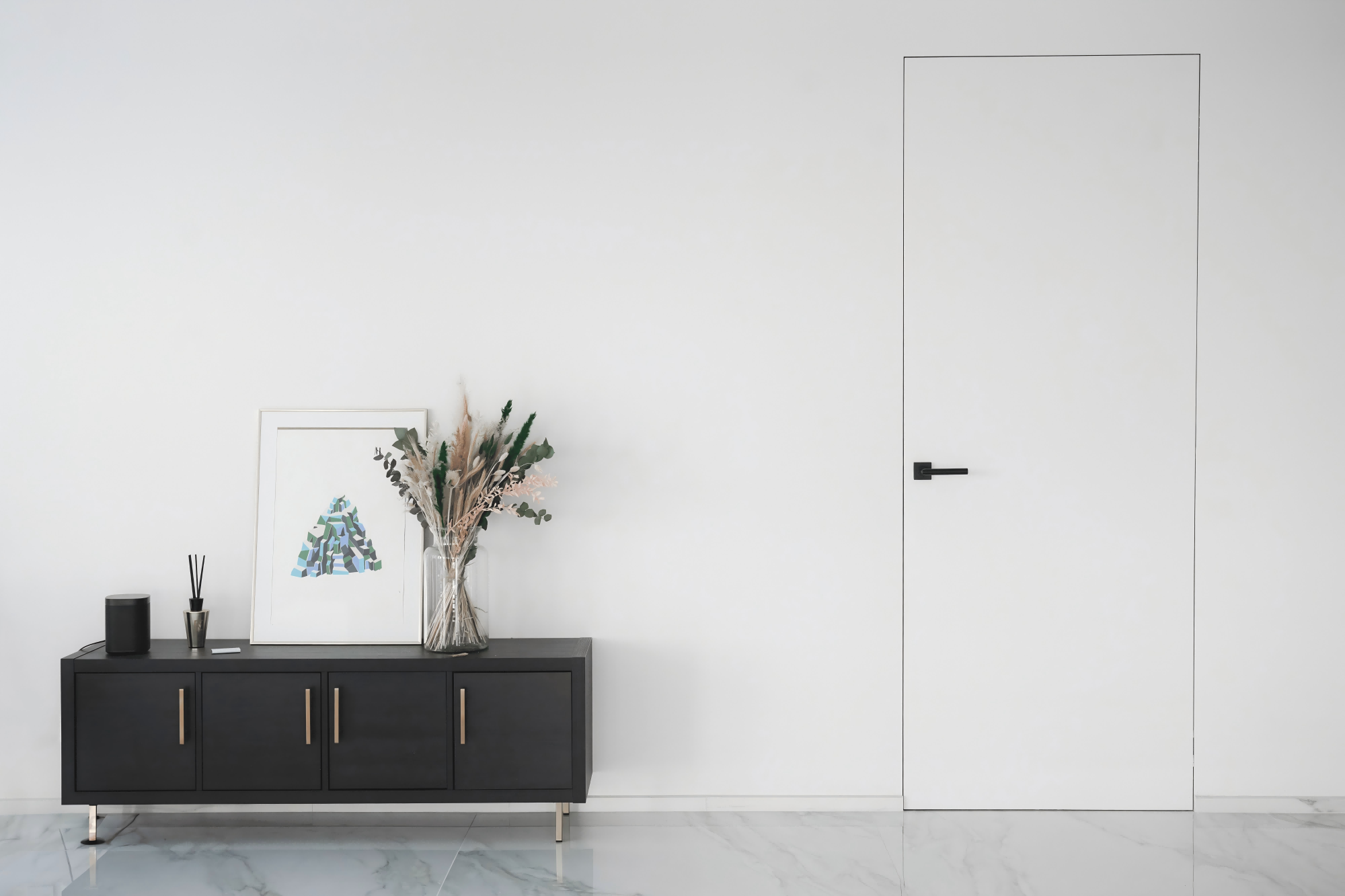
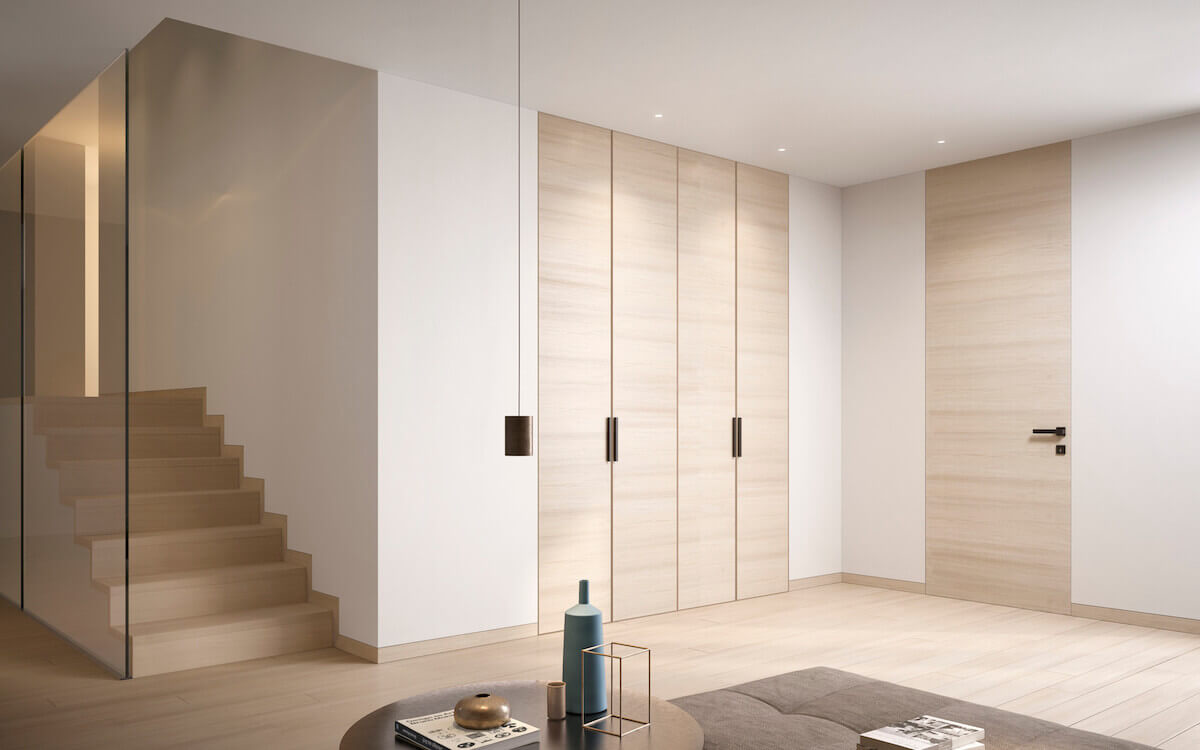
Invisible doors are a modern architectural feature that blends seamlessly into a room’s design, creating a minimalist, unobtrusive look. These doors are designed to be hidden in plain sight, often using materials like glass, wood, or drywall that match the surrounding walls. They are sometimes called “hidden doors” or “flush doors,” but the core idea remains the same: to create an entryway that is barely noticeable yet functional.
The appeal of invisible doors lies in their ability to enhance the aesthetic of a space. Unlike traditional doors, which can stand out and disrupt a room’s flow, invisible doors are designed to disappear into the environment. This creates a sleek, modern look, especially in spaces where you want to maintain clean lines and an open feel. Many people use them in high-end homes, luxury apartments, or commercial spaces, where design is paramount.
Aesthetic and Functional Appeal
One of the main reasons invisible doors have become so popular is their aesthetic appeal. When installed properly, they allow the rest of the room’s design elements to shine. Instead of drawing attention to the door, invisible doors let other features—such as artwork, furniture, or wall color—take center stage. This makes them perfect for spaces where you want to highlight the architecture or decor.
Functionally, invisible doors are incredibly versatile. They can be used in a variety of settings, from opening up small spaces in apartments to creating hidden rooms in luxurious homes. The ability to design a door that merges with the wall also gives homeowners more flexibility in creating unique spaces. For instance, you can use invisible doors to conceal storage areas, home offices, or even secret rooms. In commercial spaces, they often serve as a stylish way to divide areas without disrupting the overall flow.
In addition to their sleek look, invisible doors are also highly practical. They can be installed to work as regular doors, with a standard lock or handle, while still maintaining their invisible qualities. Some versions are even automated, opening at the push of a button, which adds an extra layer of convenience.
Why Are Invisible Doors Becoming Popular?
Increasing Use in Modern Architecture
Invisible doors are gaining significant traction in modern architecture due to their unique ability to blend seamlessly into the surrounding environment. As minimalist design becomes more popular, invisible doors offer a solution for those seeking clean lines and uncluttered spaces. In high-end residential and commercial projects, these doors are seen as a symbol of sophistication and modernity.
The rise in popularity of invisible doors can also be attributed to the growing demand for smarter, more efficient home designs. Architects and interior designers are increasingly turning to invisible doors to create spaces that feel more open and expansive. By eliminating bulky door frames and visible hinges, they are able to maintain the sleek aesthetic that defines contemporary design.
In cities like New York, London, and Paris, where space is often limited, invisible doors are a smart choice for maximizing usable space while maintaining an elegant, cohesive look. These doors fit perfectly in smaller apartments and lofts, where traditional doors take up too much room or disrupt the flow of the layout.
Their Role in Creating Seamless Interiors
Invisible doors play a significant role in creating seamless interiors that flow from one space to another without interruption. The concept of a seamless design focuses on removing visible barriers between rooms, allowing the space to feel larger and more unified. Invisible doors fit into this vision perfectly, as they are often designed to look like part of the wall itself, effectively “disappearing” when not in use.
This seamless look is particularly popular in open-plan living areas, where homeowners desire a continuous flow between the kitchen, dining, and living spaces. Instead of using traditional doors or partitions to separate these areas, invisible doors maintain the open, airy feel while still providing privacy when needed.
Invisible doors are also popular in high-end office spaces and retail environments. Designers use these doors to keep a consistent, clean look while still creating functional, private areas. Whether it’s a hidden meeting room in a corporate office or a storage space in a boutique, invisible doors offer a sophisticated and space-saving solution.
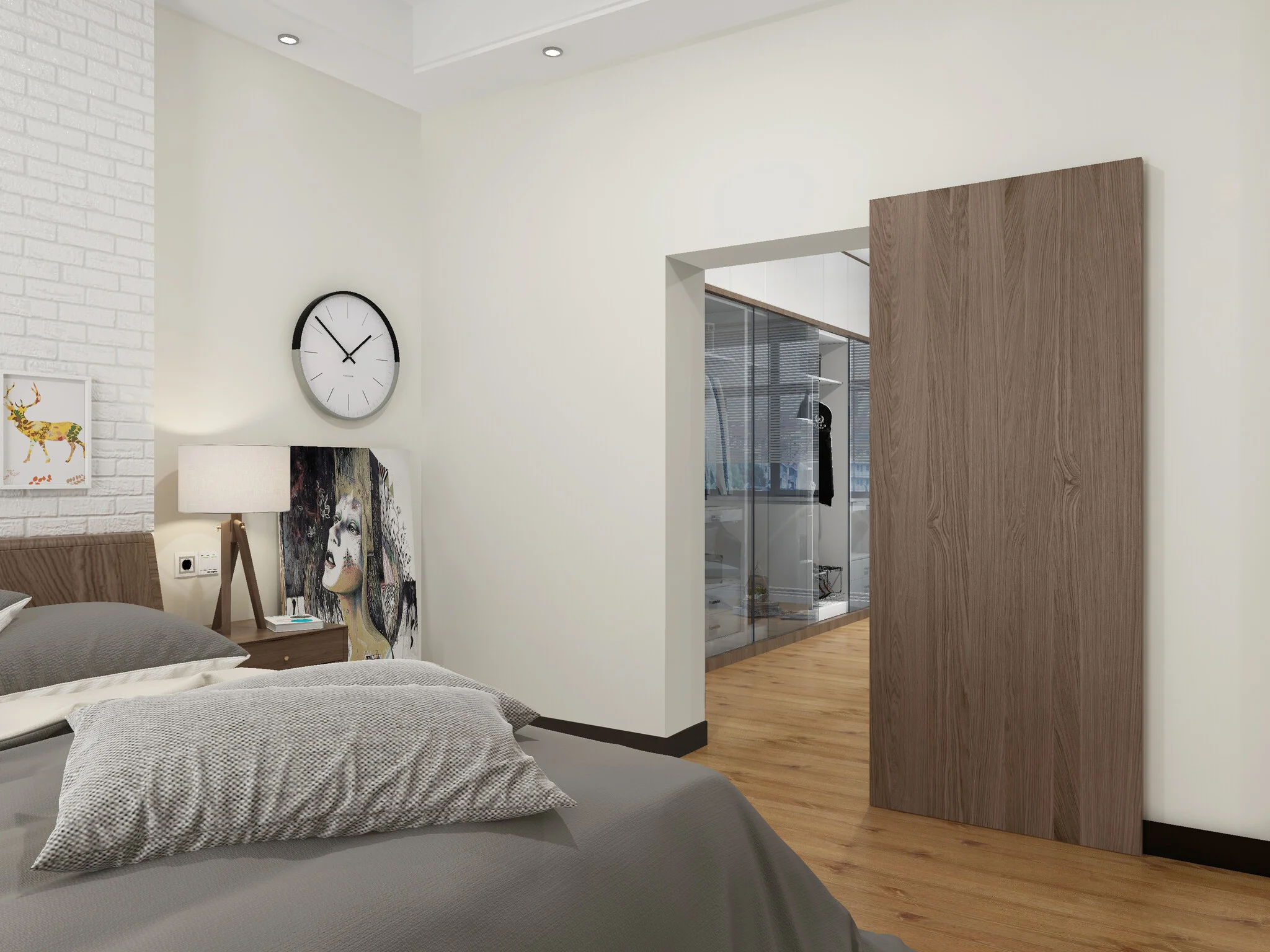
The Disadvantages of Invisible Door
Cost and Installation Complexity
Initial Costs Compared to Traditional Doors
While invisible doors offer a sleek and modern look, they come with a higher price tag compared to traditional doors. The materials used in invisible doors—such as high-quality glass, custom-made wood, or specialized hardware—can significantly increase the cost. In fact, the initial price for an invisible door can be several times higher than that of a standard door.
For homeowners looking to add a touch of luxury, this cost might be worth it. However, it’s important to weigh this investment carefully, especially when considering the entire scope of a renovation or new construction. Not only do invisible doors require more expensive materials, but they also demand precision in design to ensure that they blend seamlessly with the surrounding walls, which adds to the overall expense.
Moreover, the long-term costs can also be higher, as invisible doors may require more maintenance over time. The need for specialized parts or repairs could increase the overall financial commitment compared to traditional doors, which tend to be more readily available and affordable.
The Complexity of Installation and Required Expertise
Invisible doors are not as simple to install as regular doors. Unlike standard doors that can be placed in pre-made door frames, invisible doors require precision engineering and a highly skilled installation process. The walls must be perfectly aligned, and the door needs to be integrated seamlessly into the space, without disrupting the room’s design. This can make installation more time-consuming and complicated.
Because of the specialized installation process, it’s crucial to hire a professional who has experience working with invisible doors. This often means working with an interior designer or contractor who is familiar with the intricacies of hidden doors and can ensure they function properly. Improper installation can lead to issues like uneven doors, difficulty opening and closing, or even the door becoming damaged over time.
In some cases, the installation process may require structural changes to the room. For example, additional framing or custom wall adjustments might be needed to accommodate the invisible door, further adding to the complexity and cost.
Limited Privacy and Security
Lack of Privacy in Open-Plan Spaces
Invisible doors can be a double-edged sword when it comes to privacy. While they add to the sleek and modern look of a home, their use in open-plan spaces can reduce the level of privacy that many people desire. Since these doors are designed to blend seamlessly into the surrounding walls, they often lack the obvious separation that traditional doors provide. In large, open spaces, this can make it difficult to establish clear boundaries between rooms or private areas.
For example, in a home office or bedroom, an invisible door might fail to provide the level of seclusion you need, especially in busy households. If the door is made from materials like glass, it can also be more transparent, further diminishing the sense of privacy. While invisible doors are great for creating a visually open feel, they might not be the best choice if you need complete privacy or want to limit sound transfer between rooms.
This can be particularly problematic in environments where confidentiality is important, such as medical offices or spaces that require discretion. In such cases, traditional doors with locks and solid panels might be a better option to ensure privacy and prevent unwanted visibility.
Security Concerns in Comparison to Conventional Doors
In addition to privacy concerns, invisible doors can also pose security risks when compared to conventional doors. Traditional doors are usually equipped with robust locks and frames, making them a reliable option for securing rooms or homes. In contrast, invisible doors often rely on hidden or integrated locking mechanisms, which may not be as secure as standard door locks.
The lack of a visible door frame can make it easier for intruders to access the room, especially if the locking system is less robust or difficult to detect. While invisible doors can still be fitted with secure locks, these mechanisms are often more complex or less effective than the traditional locks we are used to. This can be a particular concern in high-security areas where a quick and easy way to secure the space is a priority.
Moreover, invisible doors made from materials like glass or thin wood may not offer the same strength as more traditional solid doors, making them more vulnerable to forced entry. If security is a top concern, invisible doors might need additional reinforcement or security features, such as more advanced locking systems or integrated alarm mechanisms.
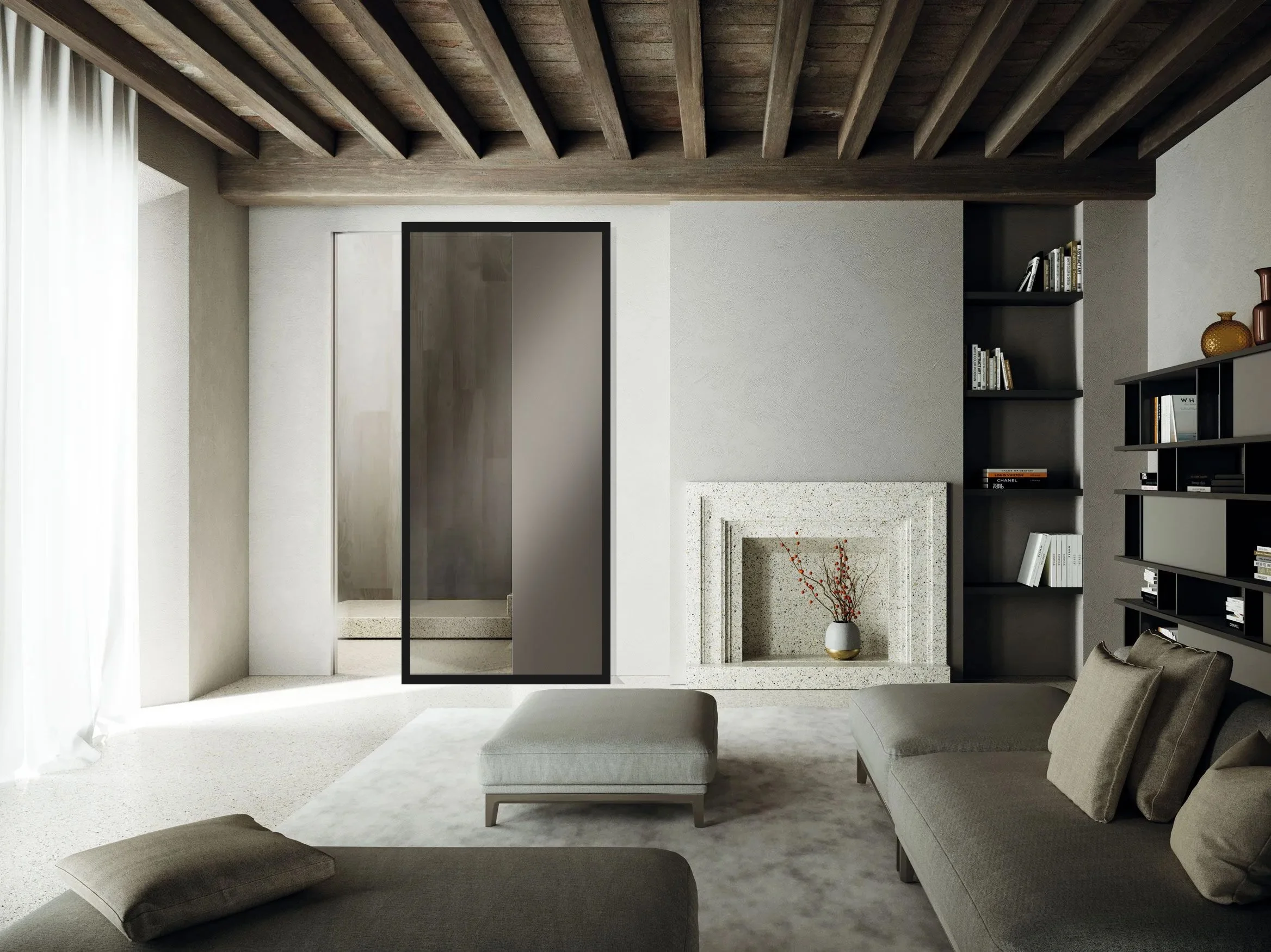
Durability and Maintenance Issues
How Invisible Doors Wear Over Time?
Invisible doors, like any other part of a home, are subject to wear and tear over time. Although these doors are designed to be sleek and stylish, they often don’t have the same durability as traditional doors. Materials like glass, thin wood, or specialized composites, which are commonly used in invisible doors, can begin to show signs of aging more quickly. For example, glass panels may get scratched or develop smudges that are difficult to clean, making the door lose its pristine look.
In homes with high foot traffic or in commercial settings where the door is used frequently, the wear on invisible doors can become more noticeable. Over time, the hinges, seals, and other moving parts might loosen, which can affect how the door functions. The smooth, seamless operation that invisible doors are known for could start to falter if maintenance isn’t done regularly.
Issues with Hinges, Frames, and Glass Panels
Invisible doors often rely on hidden hinges and custom-made frames to maintain their smooth, flush appearance. However, these features can present challenges as they may not be as sturdy as traditional door mechanisms. Over time, hidden hinges can become misaligned or worn out, which can prevent the door from opening and closing properly. This can lead to frustration, especially when the door is used daily.
In addition, the materials used in the frames and panels—whether it’s wood, glass, or composite materials—can suffer from environmental factors like humidity or temperature changes. Wooden frames, for example, can warp, while glass panels may crack under stress if not properly reinforced. These issues can affect the door’s overall durability and may require more frequent repairs than traditional doors.
Maintenance and Repair Challenges
Maintaining invisible doors can be more challenging compared to conventional doors. Since these doors often feature custom parts and integrated systems, finding replacement components can be difficult and costly. For example, if a glass panel gets scratched or a hinge becomes damaged, it might be harder to find exact replacements that match the original design. This could mean waiting for specialized parts to be made or paying higher costs for custom repairs.
Additionally, the intricate design of invisible doors means that maintenance tasks, like lubrication of hinges or cleaning, require more care and attention. For instance, cleaning glass panels that are part of an invisible door can be trickier than cleaning regular doors, especially if the glass is framed within the wall or integrated with other materials. Regular upkeep is essential to keep the door in working order, but the complexity of the design can make this more time-consuming.
Lastly, since invisible doors often blend in with the wall or surrounding elements, it can be easy to overlook small issues until they become larger problems. Without regular inspection, issues like a misaligned hinge or a small crack in the glass can go unnoticed, leading to costly repairs down the line.
Functionality Concerns with Invisible Door
Limited Accessibility for People with Disabilities
Accessibility Issues in Homes and Commercial Spaces
Invisible doors, while sleek and stylish, can create significant accessibility challenges for people with disabilities. The design of these doors, which often blends seamlessly into the surrounding walls, can make them harder to locate and operate, especially for individuals with visual impairments. Since these doors lack the standard features like visible handles or knobs, people with limited mobility or vision may struggle to open or use them effectively.
In residential homes, this issue can be particularly problematic for elderly family members or those with physical disabilities. Invisible doors, especially those with automated or touch-sensitive mechanisms, may require additional effort or specific knowledge to operate. This can create barriers in spaces where ease of use is critical, such as bathrooms, kitchens, or bedrooms.
In commercial spaces like offices, retail stores, or public buildings, accessibility is a crucial concern. Invisible doors might not be as user-friendly for customers or employees with disabilities, particularly in high-traffic areas where quick and easy access is needed. For instance, a store entrance with an invisible door may cause confusion or frustration for someone unfamiliar with the design, potentially affecting customer satisfaction and accessibility.
How Invisible Doors Might Not Meet Regulations in Certain Areas?
Invisible doors also face potential issues when it comes to meeting legal accessibility regulations. In many countries, building codes and accessibility standards, such as the Americans with Disabilities Act (ADA) in the United States, require doors to be easy to identify and accessible to all individuals. Since invisible doors are often integrated into the walls or hidden behind panels, they may not meet the necessary visibility or operation requirements laid out by these regulations.
For example, regulations often specify that doors must be easy to open with minimal effort, including guidelines for handle heights, clear opening widths, and mechanisms that are operable for those with limited strength or dexterity. Invisible doors, which may have complex locking systems or require precise alignment to function correctly, might not meet these basic criteria.
Furthermore, in certain commercial buildings or public spaces, fire safety and emergency exit codes must be adhered to. Invisible doors could present a safety concern if they are not clearly marked or easily identifiable during an emergency. In the event of a fire or other emergency, people may find it difficult to quickly locate and open an invisible door, delaying evacuation and putting lives at risk.
Vulnerability to Weather and Environmental Factors
How Weather Affects Invisible Doors, Especially Glass Versions?
Invisible doors, particularly those with glass panels, can be significantly affected by weather conditions. While glass is a popular material for invisible doors due to its sleek appearance, it also comes with certain vulnerabilities. In areas with extreme weather, glass doors can become more prone to issues like cracking or warping. For instance, in regions where temperatures fluctuate dramatically, glass can expand and contract, leading to potential stress cracks over time.
This is especially true in areas with cold winters or hot summers. During cold months, glass doors may experience condensation between the panels, which can be difficult to remove and may affect the appearance. In extremely hot temperatures, the door may become overheated, leading to potential warping or discoloration, especially if the glass is exposed to direct sunlight for long periods.
The installation of invisible doors made from glass requires careful consideration of the climate and environmental factors. If not properly sealed or insulated, these doors can become less efficient in maintaining energy levels, resulting in heat loss or an increase in cooling costs. In areas with high rainfall or humidity, the materials surrounding the glass can also absorb moisture, potentially causing mold or mildew growth over time.
The Impact of Humidity, Temperature Changes, and More
Humidity and temperature changes can have a noticeable impact on the functionality and appearance of invisible doors. For wooden invisible doors, humidity levels can cause the wood to swell or shrink, potentially leading to misalignment or difficulty opening and closing. This is especially true in areas with high humidity, such as coastal regions, or in seasons when humidity levels fluctuate.
On the other hand, in places with extremely dry air, the lack of moisture can cause wood to dry out, crack, or split. This can also affect the door’s performance, leading to gaps between the door and the wall, which can compromise its aesthetic appeal. To avoid these issues, it’s important for homeowners to regularly check the condition of their invisible doors, especially if they are made from wood or other natural materials.
Invisible doors with metal frames or components can also suffer in extreme weather conditions. Metal can rust or corrode over time, especially when exposed to constant moisture or salty air. This can weaken the door’s structure and cause functionality issues. Even with regular maintenance, weather-related damage to the frame or hinges can be more expensive and complicated to repair compared to traditional doors.
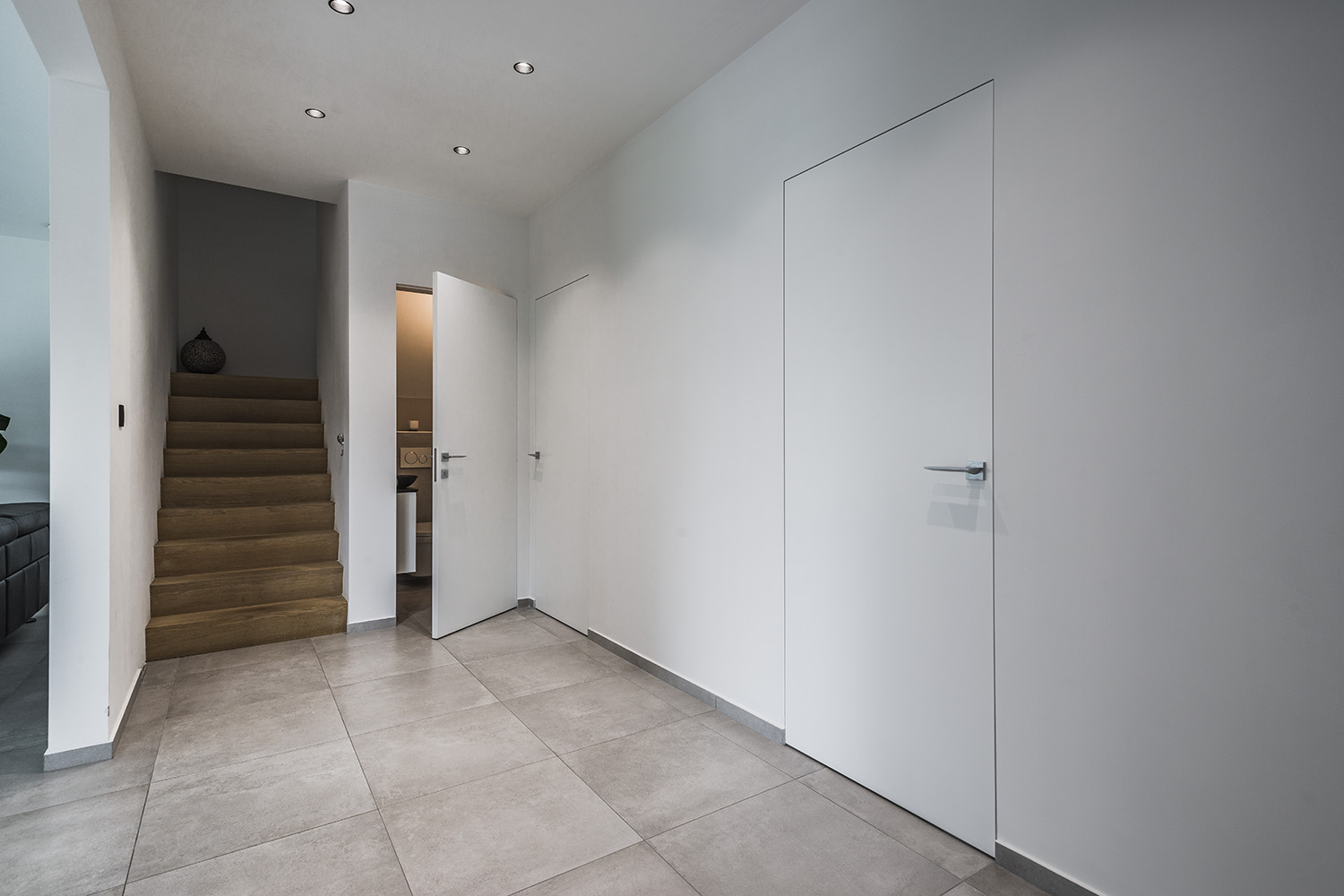
Aesthetic Downsides of Invisible Door
Impact on Room Lighting and Atmosphere
How Invisible Doors Might Affect Natural Lighting?
Invisible doors, especially those made from opaque materials like wood or thick panels, can have a noticeable impact on the natural lighting within a room. While they offer a seamless design, their solid structure can block light from flowing freely between spaces. This is particularly true in rooms where the door might divide a space that would otherwise benefit from a flow of light, like between a living room and a hallway or a kitchen and dining area.
In spaces that rely heavily on natural light to create an open and airy feel, an invisible door can feel like a barrier. Unlike traditional doors with glass or semi-transparent panels that allow light to pass through, invisible doors made from solid materials can trap light in one area, making the space feel smaller or darker. This can be a challenge in homes or offices where light plays an essential role in the atmosphere.
For example, if an invisible door is installed in a room with large windows or glass walls, it could block the path of natural light, leading to a dimmer space. Over time, this can result in a less inviting environment, particularly during the winter months when daylight is limited. To address this, designers may need to consider additional lighting sources or rethink the placement of invisible doors.
Potential Mood or Atmosphere Disruptions
The aesthetic appeal of invisible doors can sometimes conflict with the mood or atmosphere you wish to create in a room. While these doors can help maintain a clean, modern look, their lack of visible separation can make a room feel less structured or organized. This could disrupt the intended atmosphere, especially in spaces designed to serve specific functions.
For instance, in a home office or study area, invisible doors might make it harder to establish a clear boundary between work and relaxation spaces. Without the visual cue of a traditional door, it could be difficult to mentally switch off from work, which might lead to a less productive or more stressful environment. Similarly, in spaces where privacy is important, like bedrooms or bathrooms, invisible doors might not provide the sense of personal space that a traditional door could.
Moreover, invisible doors can make certain design elements harder to appreciate. For example, in a room that features an impressive piece of furniture or artwork, an invisible door might detract from its visual impact. By blending into the walls, the door takes away from the distinctiveness of the room’s key features, making it feel less intentional or curated.
Lack of Visual Contrast
The Issue of Minimal Contrast and Design Impact
One of the main aesthetic concerns with invisible doors is the lack of visual contrast they offer in a room. Traditional doors often stand out with bold frames, colors, or materials that add character to the space. However, invisible doors are designed to blend seamlessly into the wall, which means they often lack the visual impact that traditional doors provide. This minimal contrast can make a room feel flat or lacking in visual interest.
While invisible doors are a great choice for creating a sleek, modern look, they can sometimes make a room feel too uniform. The absence of defined lines or noticeable features may lead to a design that feels incomplete or monotonous. The visual break that a standard door provides is lost, and this can diminish the overall design effect, especially in rooms that need a bit of contrast to bring the space to life.
How Invisible Doors Can Be Hard to Spot or Recognize?
Another issue with invisible doors is how difficult they can be to spot or recognize, particularly for guests or those unfamiliar with the space. Since invisible doors are designed to blend with the walls, they may lack clear markers that indicate their presence. This can be frustrating for people who are trying to navigate a space, especially if they are in a rush or not paying close attention.
In homes or commercial spaces, where multiple rooms or areas need to be accessed, the lack of a visible door can lead to confusion. People may struggle to find the entrance to a room, causing delays or frustration. This is particularly problematic in larger homes, offices, or public buildings, where there are many doors to choose from. Without a distinct visual cue, invisible doors can blend too well into their surroundings, making it hard for people to identify where they can go.
Additionally, this lack of recognition can pose challenges in terms of safety and emergencies. If someone is unfamiliar with a space, they may not realize there’s a door in front of them, potentially leading to accidents or delays in evacuations. In these cases, traditional doors, with visible frames or handles, can provide a clear and obvious entry point, which is important for both usability and safety.
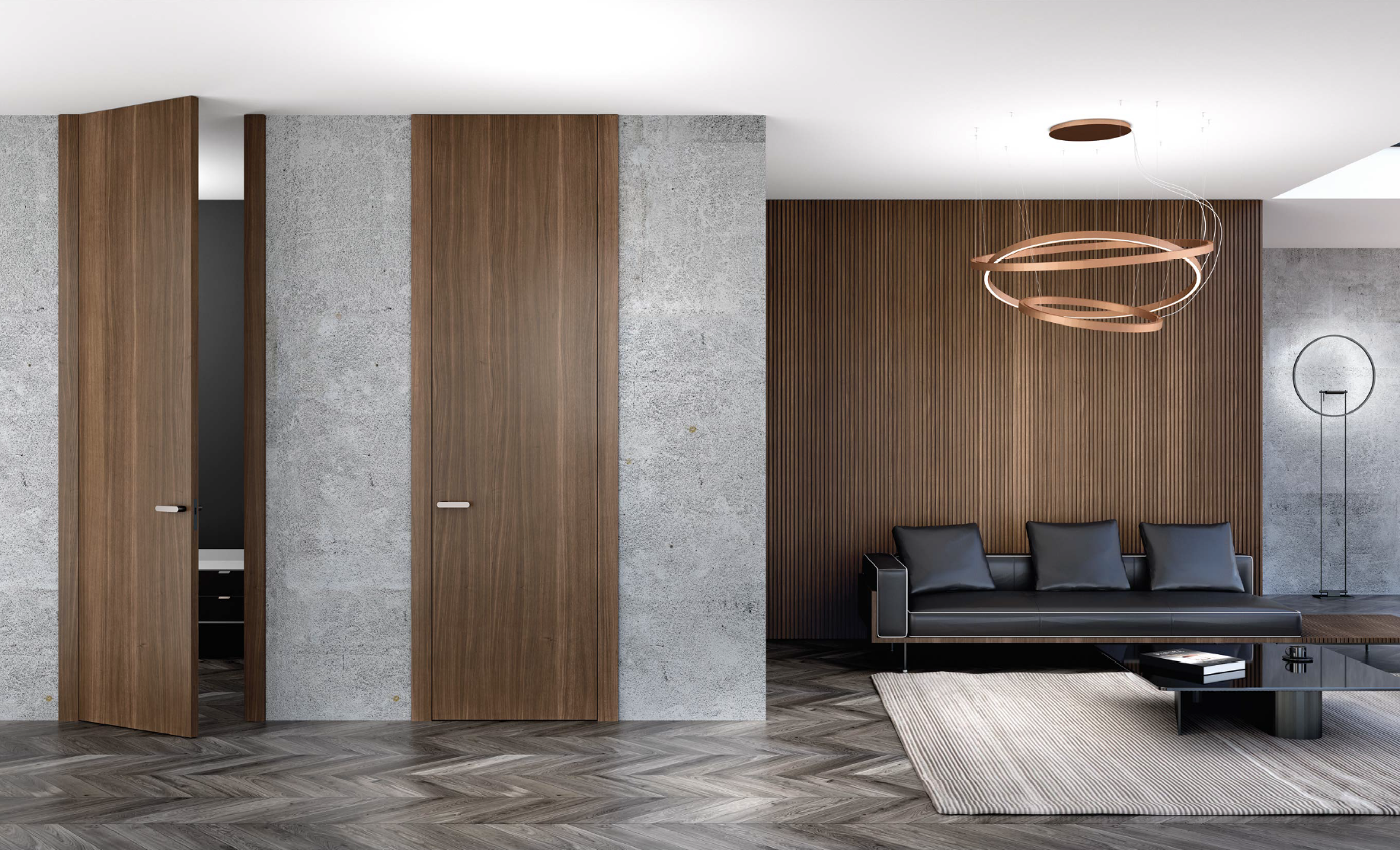
Final Thoughts
Situations Where Traditional Doors Might Be Better
While invisible doors offer a sleek and modern design, there are certain situations where traditional doors might be a better choice. One of the main considerations is practicality. In spaces that require frequent use or where easy access is crucial, traditional doors may be more reliable. For example, in high-traffic areas like hallways, kitchens, or bathrooms, traditional doors provide a clear, easy-to-use entryway that is simple to spot and operate.
In homes or businesses where security and privacy are a top priority, traditional doors often offer stronger protection. They can be equipped with more secure locks and are generally easier to reinforce than invisible doors. Additionally, in spaces like offices, medical clinics, or homes with children, traditional doors provide a more obvious and functional solution for dividing spaces and maintaining privacy.
Another situation where traditional doors might be better is in homes with older or more traditional décor. While invisible doors are great for contemporary, minimalist spaces, they may not fit well with more classic or vintage interiors. Traditional doors, with their detailed frames and variety of materials, can complement these types of spaces better, adding character and warmth to the room.
Weighing the Pros and Cons Before Choosing Invisible Doors
Choosing invisible doors requires careful consideration of both the advantages and disadvantages. On the plus side, invisible doors offer a clean, modern aesthetic that is perfect for minimalist designs and open-plan living. They create a seamless, streamlined look and are often used in luxury homes and commercial spaces to achieve a high-end feel. Invisible doors can also save space in tight areas and provide a flexible design solution that allows for the integration of hidden storage or private rooms.
However, as we’ve seen, invisible doors also come with a set of challenges. They can be expensive to install and maintain, and their functionality may not be as straightforward as traditional doors. Privacy and security concerns are also important factors to consider, as invisible doors might not provide the same level of protection as conventional doors. Additionally, in certain environments, the lack of visual contrast and ease of recognition can cause confusion or even safety issues.
Before deciding, it’s important to assess the specific needs of the space. If the design aesthetic and a sleek, modern look are your top priorities, invisible doors may be a great fit. But if you need practicality, privacy, security, or ease of access, traditional doors might be a more suitable option. Weighing these pros and cons, along with your budget and long-term maintenance expectations, will help you make an informed decision about whether an invisible door is right for your space.
Relate FAQ
Are invisible doors difficult to install?
Yes, installing an invisible door can be more complex than traditional doors. It often requires precise alignment and advanced hardware systems. The installation process typically involves customizations to ensure the door blends seamlessly with the wall, which can increase both cost and time.
Do invisible doors offer less privacy?
Invisible doors may provide less privacy compared to traditional doors. Since they blend in with the wall, it can be challenging to distinguish the entrance, potentially leading to accidental openings or awkward situations in high-traffic areas.
Are invisible doors expensive?
Invisible doors can be significantly more expensive than standard doors. The custom design, specialized materials, and the need for professional installation contribute to the higher cost. However, the price may vary depending on the type of materials and the level of customization.
Can invisible doors be used for all spaces?
Invisible doors are ideal for minimalist designs but may not be suitable for every type of space. They work best in modern interiors or where aesthetics are prioritized. In more traditional or high-traffic environments, visible doors might be more practical.
Are invisible doors hard to maintain?
Invisible doors require regular maintenance, especially if they have complex mechanisms. The hidden hardware can be more susceptible to wear and tear, and because the door blends into the wall, it can be harder to detect issues early on.
Do invisible doors have durability issues?
Invisible doors may have durability concerns depending on the materials used. For instance, if made from softer wood or low-quality finishes, they could wear down faster or become damaged. It's important to choose high-quality materials to ensure longevity.
Do invisible doors provide sufficient soundproofing?
Invisible doors generally offer less soundproofing than traditional doors, as the construction often focuses more on aesthetics than insulation. If soundproofing is a priority, you may need to choose specialized models designed for this purpose.